-
-
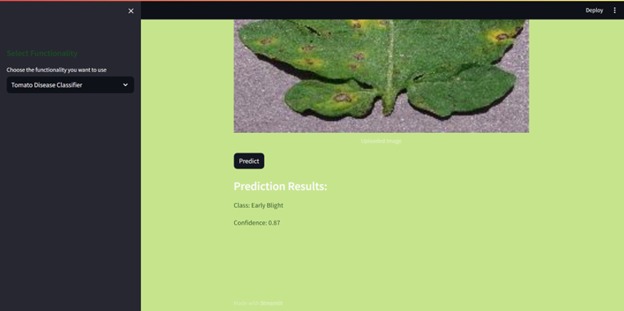
Showcase of the web app
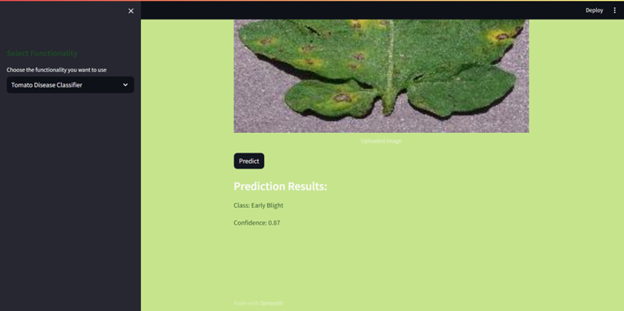
Introduction and Roadmap
The dependency on continuous high-speed internet makes standard diagnostic applications unfeasible in rural settings. FloraGuard is developed under AspitaTech to address this infrastructure gap by prioritizing user trust over raw automated output. This outline details the problem context, the system architecture, the implementation of the expert validation layer, and the criteria for future scalability.
The Problem Context
Standard agricultural applications assume constant connectivity, rendering them ineffective in low-resource environments. Furthermore, relying solely on automated detection with noisy, real-world field data erodes trust among end-users. A reliable system is required to operate effectively under bandwidth constraints while ensuring diagnostic accuracy through continuous validation.
Implementation and Architecture
The project is engineered as an agricultural screening pipeline. The architecture bypasses conventional end-user interfaces and is divided into two primary functions:
- Baseline Screening: The underlying model evaluates incoming crop data for potential pathogens.
- Expert Quality Control Layer: High-risk or low-confidence predictions are automatically flagged and routed to a dedicated verification portal. Agronomists utilize this portal to validate the anomalies and issue verified intervention protocols, ensuring reliable interventions for rural farmers.
Challenges Resolved
The primary engineering constraint involved managing the transition from idealized training datasets to noisy field data. Treating low-quality field data as definitive immediately leads to false positives and incorrect crop treatment. This challenge was mitigated by enforcing the Quality Control Layer, which acts as a required buffer between the baseline prediction and the final alert.
Accomplishments and AspitaTech Integration
The establishment of a trust-first pipeline represents substantial incremental value over standard automated wrappers. By anchoring this project within the AspitaTech ecosystem, a scalable framework for low-resource agricultural diagnostics is successfully demonstrated and prepared for real-world testing.
Feasibility and Future Scale
To move beyond the current implementation scale, future engineering cycles will focus on aggressive model compression for edge deployment. The current web-based alert system will be adapted to USSD infrastructure to guarantee offline accessibility, entirely removing the reliance on data networks for end-user diagnostic delivery.


Log in or sign up for Devpost to join the conversation.