-
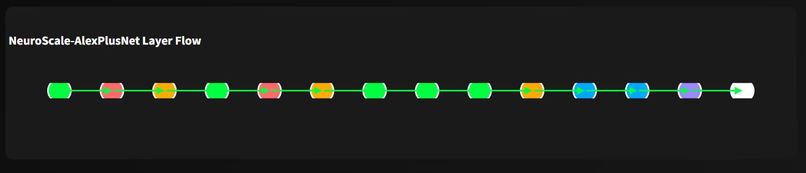
Neuro Scale Alex++Net architecture CNN Design By Me Myslef
-
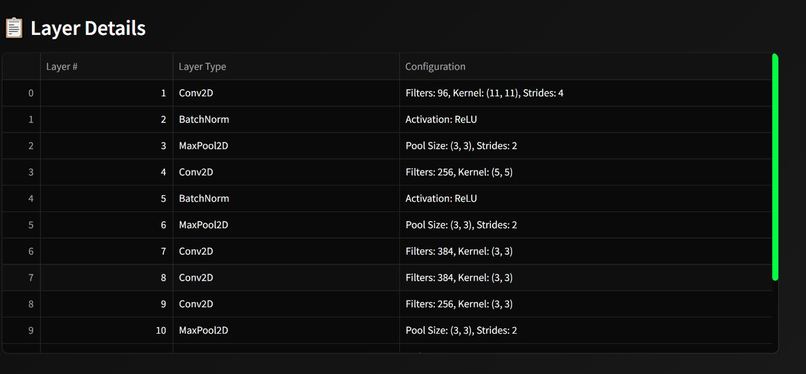
These Are its layers which I have formed and invented an new CNN ARchitecture by myslef
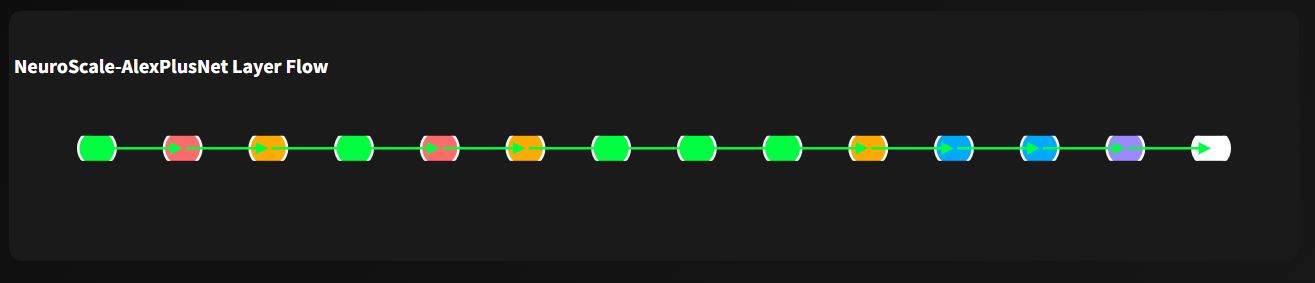
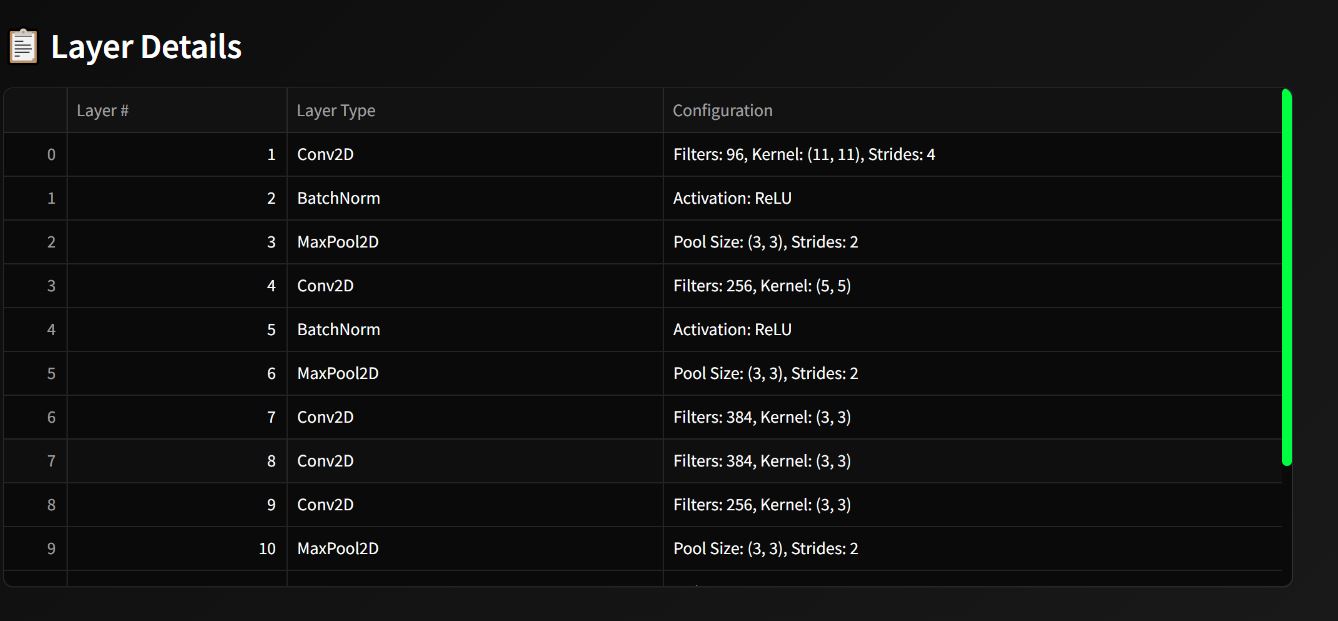
🌿 Inspiration As a tech enthusiast and nature lover, I, Harsh Patil, envisioned an AI-powered solution to bridge the gap between technology and plant care. During my personal gardening experience, I noticed the lack of tools to detect plant diseases early or give timely suggestions. This inspired me to design Flora Health AI — a smart assistant that helps anyone, from beginners to professional gardeners, keep their plants healthy using modern technology.
🤖 What it does Flora Health AI allows users to:
📷 Upload plant images to detect potential diseases using AI models.
💬 Chat with a virtual assistant to receive real-time, tailored plant care tips.
🌱 Get organic treatment suggestions and track plant recovery progress.
📊 Store and view the health history of individual plants.
🛠️ How I built it I used the following tools and technologies:
Frontend: React with TypeScript for a dynamic, responsive interface.
Backend: Node.js with Express to handle image uploads and API routing.
Image Analysis: Integrated TensorFlow.js and plant disease datasets for real-time detection in the browser.
Chat Assistant: Used OpenAI’s API to create a natural language assistant for answering plant care questions.
Database: Firebase for secure storage of plant profiles and health logs.
Deployment: Hosted the frontend on Vercel and backend on Render.
🧗 Challenges I ran into Building a lightweight yet accurate image classifier for plants within browser limits.
Creating a natural and useful conversational flow in the chatbot.
Managing real-time updates and health history storage efficiently.
Ensuring the platform works well on both desktop and mobile devices.
🏆 Accomplishments that I'm proud of Successfully implemented AI-powered plant disease detection using a JavaScript stack.
Designed a smooth user interface with clean UX in mind.
Built and deployed a full-stack AI application as a solo developer.
Created a helpful product for nature and plant lovers around the world.
📚 What I learned Hands-on experience integrating AI models in web apps using TensorFlow.js.
Improved my skills in TypeScript, React, and Firebase.
Learned how to design and scale a cloud-based solution using modern tools.
Gained insights into user experience (UX) for AI-enabled applications.
🚀 What's next for Flora Health AI 🌐 Multilingual support to help users from different regions.
📅 Smart plant care scheduling and reminders.
🌍 Community forum for plant lovers to share insights and tips.
📱 Native mobile app for offline detection and updates.
🧠 Training a custom deep learning model for more accurate disease classification.
Let me know if you'd like a PDF version or want help building a project page for a hackathon submission!
You said: and consist of neroScalable alex++net cnn architecture for determining the results
ChatGPT said: Great addition! Including your custom "NeroScalable Alex++Net CNN architecture" gives your project a more advanced and research-oriented touch. Here’s an updated version of your write-up with that detail integrated properly:
🌿 Inspiration As a tech enthusiast and nature lover, I, Harsh Patil, envisioned an AI-powered solution to bridge the gap between technology and plant care. During my personal gardening experience, I noticed the lack of tools to detect plant diseases early or give timely suggestions. This inspired me to design Flora Health AI — a smart assistant that helps anyone, from beginners to professional gardeners, keep their plants healthy using modern technology.
🤖 What it does Flora Health AI allows users to:
📷 Upload plant images to detect potential diseases using AI models.
💬 Chat with a virtual assistant to receive real-time, tailored plant care tips.
🌱 Get organic treatment suggestions and track plant recovery progress.
📊 Store and view the health history of individual plants.
🛠️ How I built it I used the following tools and technologies:
Frontend: React with TypeScript for a dynamic, responsive interface.
Backend: Node.js with Express to handle API routing and data flow.
AI Model: Designed a custom convolutional neural network architecture called NeroScalable Alex++Net CNN, built upon AlexNet principles but optimized for scalability, improved accuracy, and low-latency edge deployment.
Image Analysis: The model processes plant leaf images to classify diseases and suggests remedies based on trained outputs.
Chat Assistant: Integrated OpenAI’s API for natural language processing, enabling intelligent responses to user queries.
Database: Firebase for storing user accounts, plant profiles, and health history.
Deployment: Vercel for frontend, Render for backend APIs, and TensorFlow.js for in-browser inference.
🧗 Challenges I ran into Building and training the NeroScalable Alex++Net CNN for accurate disease detection under memory and performance constraints.
Ensuring seamless integration of deep learning with real-time frontend rendering.
Creating a responsive and intuitive user interface that works on both desktop and mobile.
Maintaining high precision with minimal false positives in plant health predictions.
🏆 Accomplishments that I'm proud of Designed and implemented a novel CNN architecture specifically tailored for plant disease detection.
Achieved a balance between model accuracy and performance for web-based usage.
Built a full-stack AI-powered assistant with real-world use cases from scratch.
Delivered a polished user experience with intelligent interaction capabilities.
📚 What I learned How to build and optimize CNN architectures like NeroScalable Alex++Net for specialized tasks.
Enhanced my practical knowledge of AI/ML deployment in frontend environments.
Developed deeper understanding of TypeScript, React, Node.js, and Firebase.
Gained experience in developing scalable, AI-integrated web apps.
🚀 What's next for Flora Health AI 🌐 Add support for global flora and multilingual interfaces.
🧠 Train on larger, more diverse plant disease datasets.
📅 Integrate smart care schedules with personalized reminders.
🌍 Build a community-driven knowledge base for plant enthusiasts.
📱 Release a lightweight mobile app with offline prediction capability.
Built With
- and
- api
- chat
- cloudinary
- deployment:
- face
- file/image
- firebase
- for
- frontend)
- frontend:-typescript-+-react-backend:-node.js-+-express-ai/ml-integration:-use-a-pre-trained-tensorflow.js-model-for-plant-disease-detection-database:-mongodb-or-firebase-for-storing-user-data
- hugging
- image
- integrate
- nlp:
- openai
- or
- plant
- profiles
- railway
- render
- smart
- storage
- suggestions
- upload
- upload:
- vercel
- via

Log in or sign up for Devpost to join the conversation.