

Inspiration:
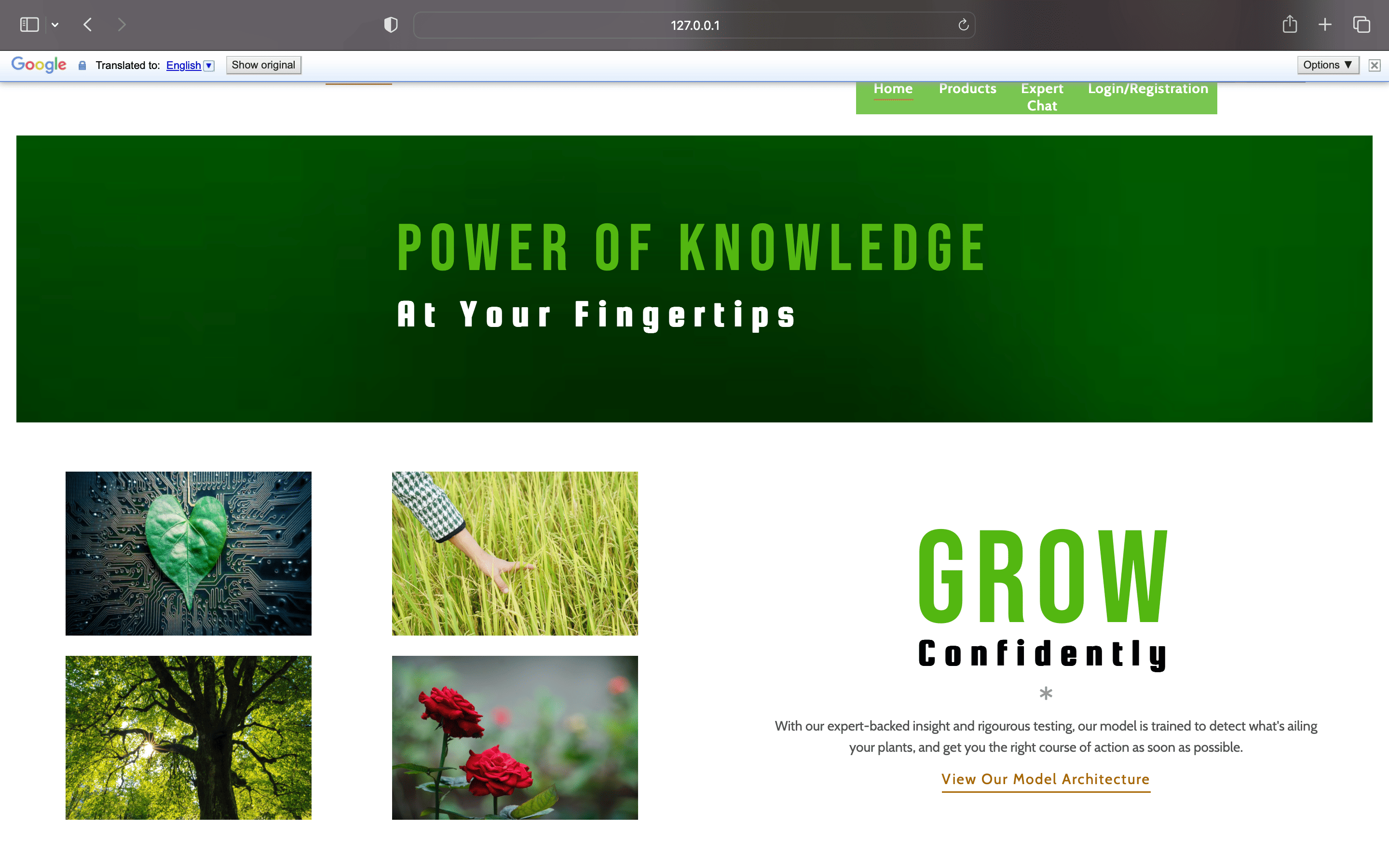
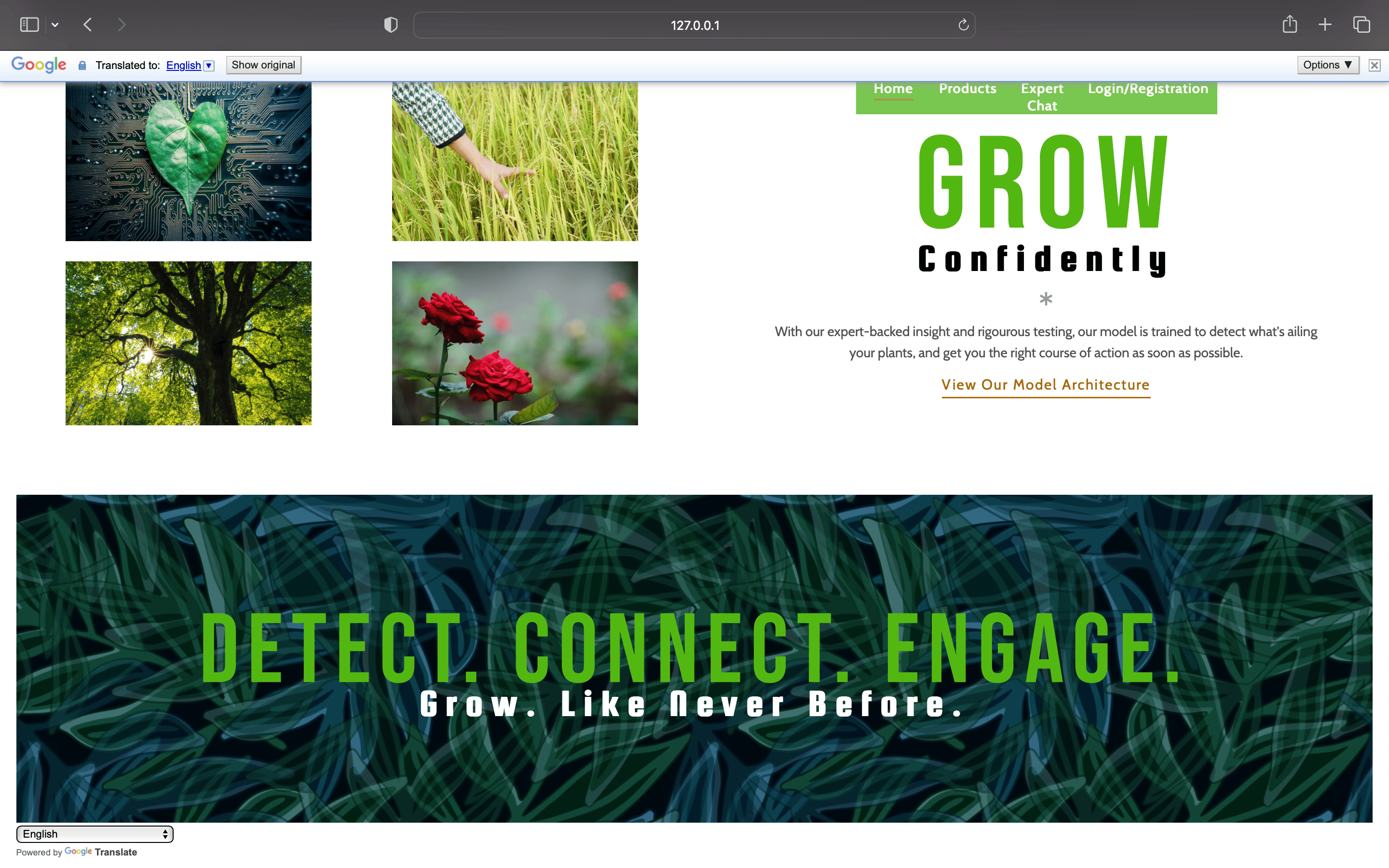
The vision of a future city is one where AI seamlessly integrates into daily life, empowering residents to cultivate sustainable urban environments. Flora AI is inspired by the growing trend of home-based urban gardening and terrace farming, crucial components of future city food systems. Imagine a city where every resident can easily diagnose plant diseases using their smartphones, contributing to a city-wide network of plant health data. City planners can leverage this data to optimize urban farming policies, allocate resources effectively, and ensure the resilience of our green spaces. Flora AI bridges the gap between individual residents and city-level sustainability, making urban agriculture faster, smarter, and more inclusive.
What it does:
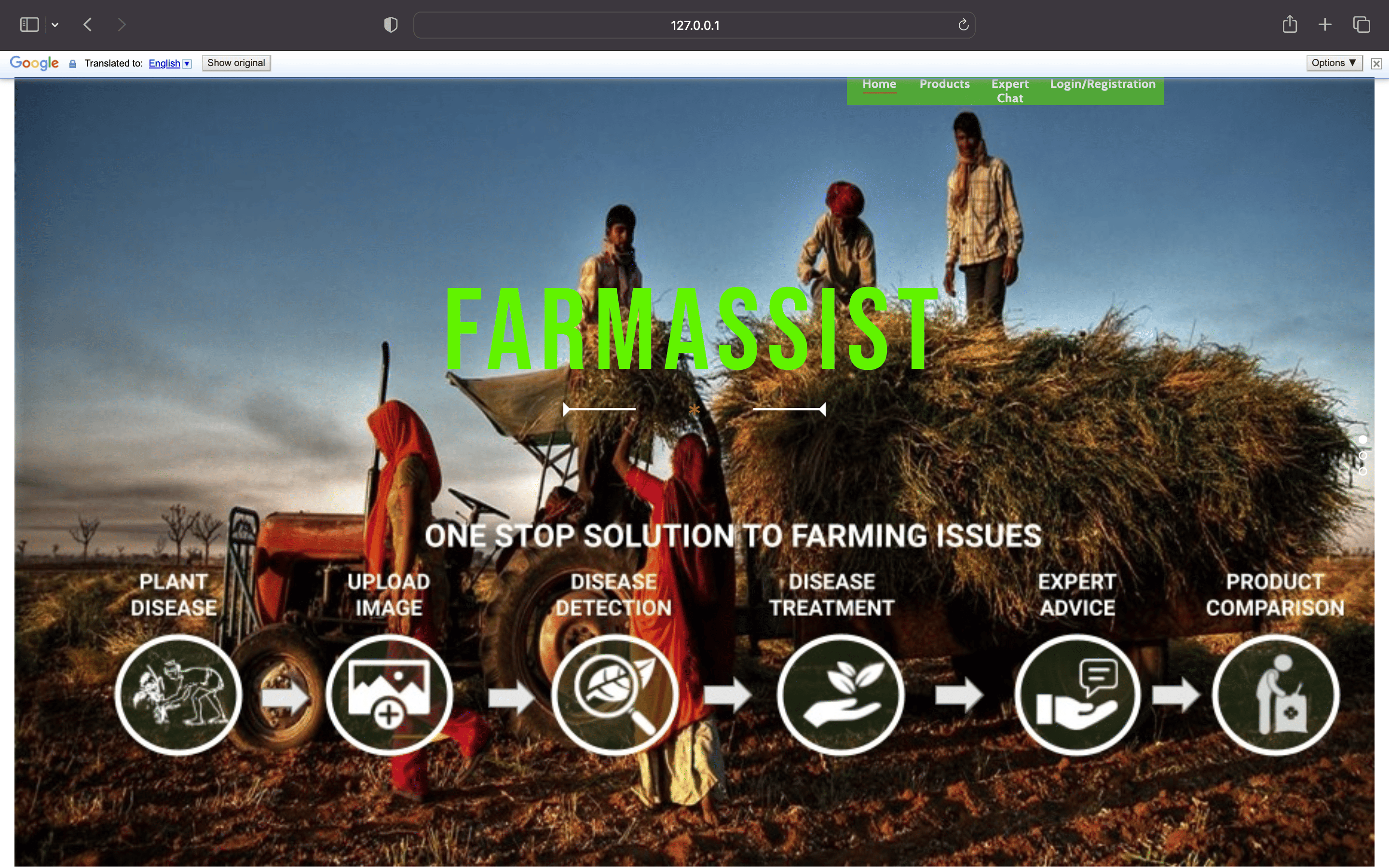
Rapidly Diagnose Plant Diseases: Users upload plant leaf images, and our AI model provides instant disease detection, minimizing response time and potential crop loss. Connect Urban Farmers with Experts: Through a real-time chat interface, users can consult with plant disease experts, fostering knowledge sharing and community support. Provide Data-Driven Insights: The platform collects and analyzes disease data, offering insights to city planners on plant health trends and potential risks in urban agriculture settings.
How we built it:
Libraries and Algorithms Deep Learning for Plant Disease Detection To develop an efficient plant disease detection model, we leveraged deep learning techniques and several key libraries:
- Keras: A high-level neural network API running on top of TensorFlow, simplifying model building and training.
- InceptionV3 (keras.applications.inception_v3.InceptionV3): A pre-trained convolutional neural network (CNN) used for transfer learning, allowing the model to learn from ImageNet and adapt to plant disease classification.
- Sequential Model (keras.models.Sequential): Enables the construction of a linear stack of neural network layers.
- Dense Layers (keras.layers.Dense): Fully connected layers for final classification.
- Flatten (keras.layers.Flatten): Converts multi-dimensional convolutional outputs into a one-dimensional vector.
- Dropout (keras.layers.Dropout): Prevents overfitting by randomly setting a fraction of input units to zero during training.
- Image Data Generator (keras.preprocessing.image.ImageDataGenerator): Applies real-time data augmentation (rotation, shearing, zooming, flipping) to improve model robustness.
- Load and Save Utilities (keras.utils.load_img, keras.models.load_model): Facilitates image loading and model persistence. Algorithms:
- Convolutional Neural Networks (CNNs): The core architecture for image classification, extracting hierarchical features from plant images.
- Transfer Learning: Utilizes a pre-trained model to significantly reduce training time and data requirements.
- Image Augmentation: Enhances the dataset by artificially increasing training samples to mitigate overfitting.
- Softmax Activation: Used in the final layer to generate probability distributions for disease classification.
- Adam Optimizer: A stochastic gradient descent algorithm optimizing model weights efficiently.
- Categorical Crossentropy: A loss function measuring the difference between predicted and actual class probabilities. Supporting Libraries
- OpenCV (cv2): Facilitates image preprocessing, including loading, resizing, and overlaying predicted labels.
- NumPy: A fundamental numerical computing library used for array manipulations and image data processing.
- Pickle: Saves and loads Python objects, including training history for analysis.
Web Application and Expert Chat Technologies Used
- Flask: A lightweight Python web framework for building the application backend, handling requests, and serving disease detection results.
- HTML and CSS: Provides a structured and interactive front-end user interface.
Image Upload and Processing
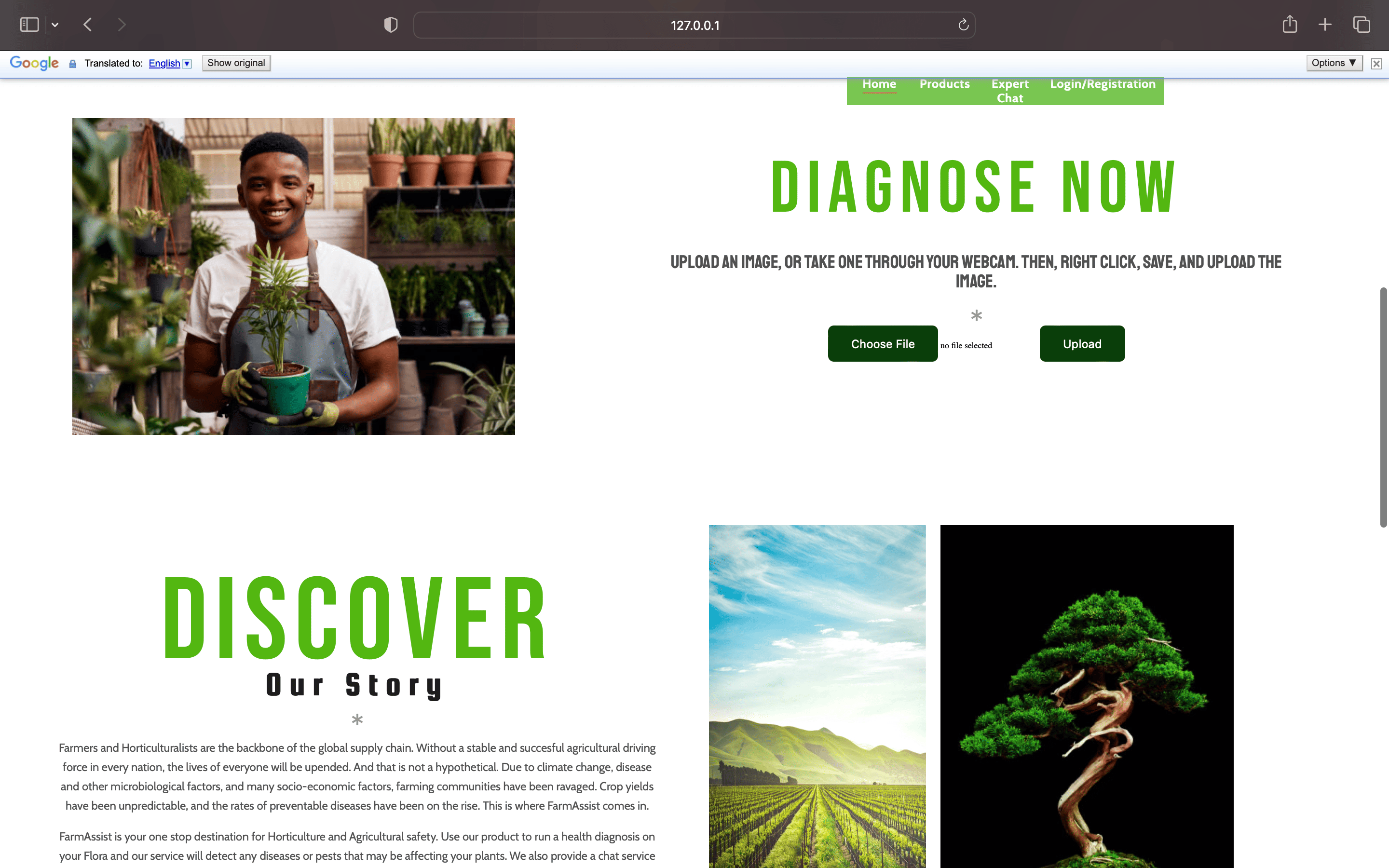
- Users upload an image of a plant leaf via the web interface.
- The image undergoes preprocessing (resizing and normalization) to meet InceptionV3 input specifications.
- The preprocessed image is fed into the trained CNN model for analysis. Disease Prediction
- The CNN model classifies the image based on disease probability distributions.
- The predicted disease class with the highest probability is displayed alongside the uploaded image.
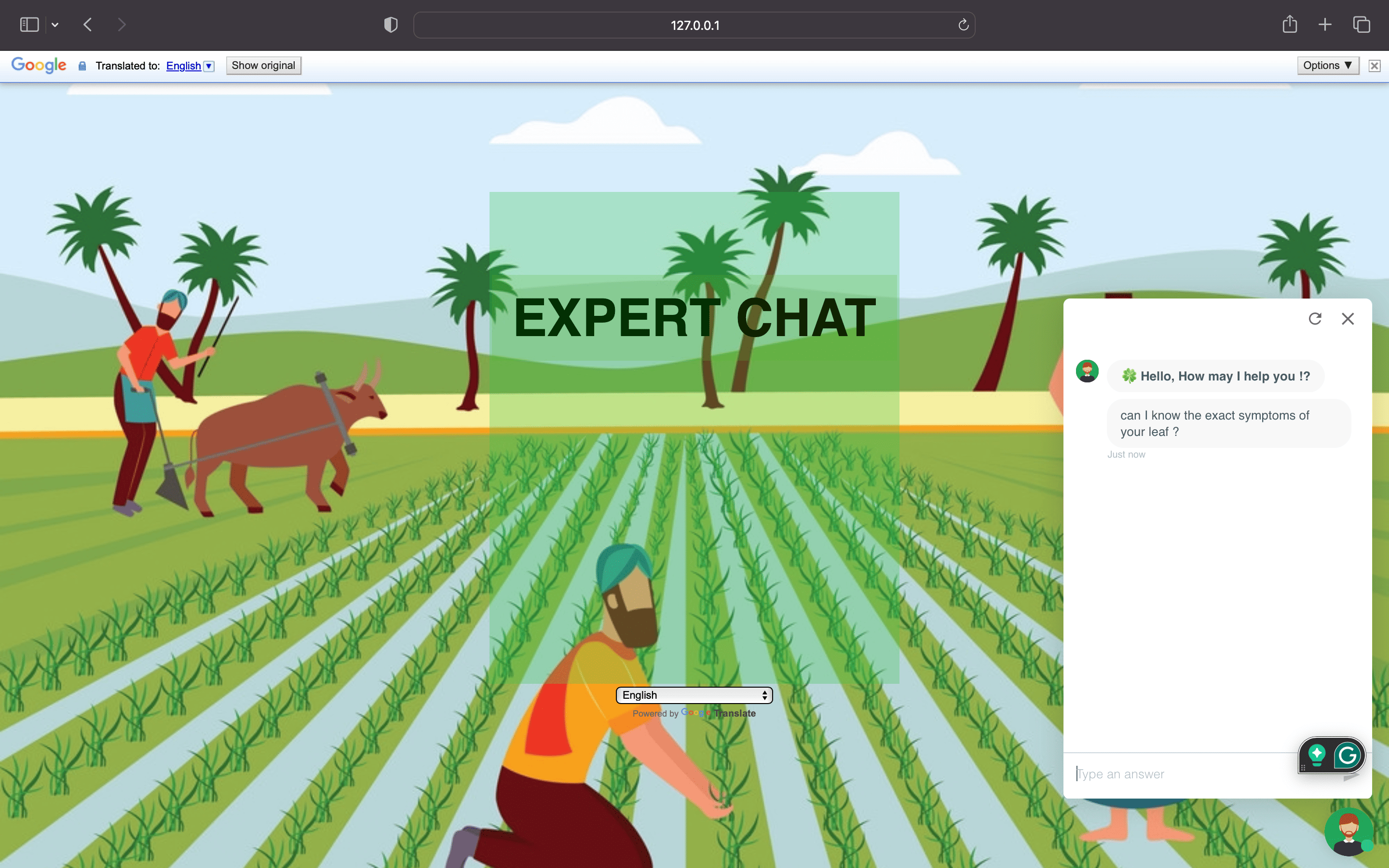
Expert Chat: Collect.chat is a no-code chatbot that gathers responses from users
- Users can engage in discussions with plant disease experts.
- The Flask web application provides an intuitive interface for disease detection and expert consultations.
- HTML and CSS contribute to an accessible and visually appealing user experience.
Challenges we encountered:
- Optimizing for Speed: Ensuring rapid disease diagnosis across different devices and internet conditions.
- User-Friendly Design: Creating an inclusive interface catering to users with varying technical expertise.
- Data Collection and Analysis: Implementing a system to aggregate and analyze urban farming data.
- Model Robustness: Ensuring reliable performance across diverse plant images.
- Expert Chatbot Integration: Developing a sophisticated chatbot that transitions seamlessly from AI-driven responses to human expert consultations.
Accomplishments we are proud of:
- Fast and Accurate Diagnostics: Our AI model provides rapid and reliable plant disease detection.
- Expert Chat: An interactive platform connecting users with expert insights.
- End-to-End Functional Prototype: A working system demonstrating the potential of AI in smart farming.
What we learned:
- Speed in Urban Applications: Rapid processing is essential for effective agricultural management.
- Inclusivity Through Technology: AI can democratize expert knowledge and bridge skill gaps.
- Data-Driven Decision Making: AI insights can guide urban planners in sustainable farming practices.
- The Power of Transfer Learning: Pre-trained models accelerate development while improving accuracy.
What's next for Flora AI - Smart farming solution for future cities:
- Mobile Application Development: Launch Android/iOS apps for real-time disease detection.
- IoT & Drone Integration: Deploy smart sensors and aerial monitoring for automated disease detection.
- Predictive AI Models: Train models to forecast potential disease outbreaks, aiding proactive interventions.

Log in or sign up for Devpost to join the conversation.