-
-
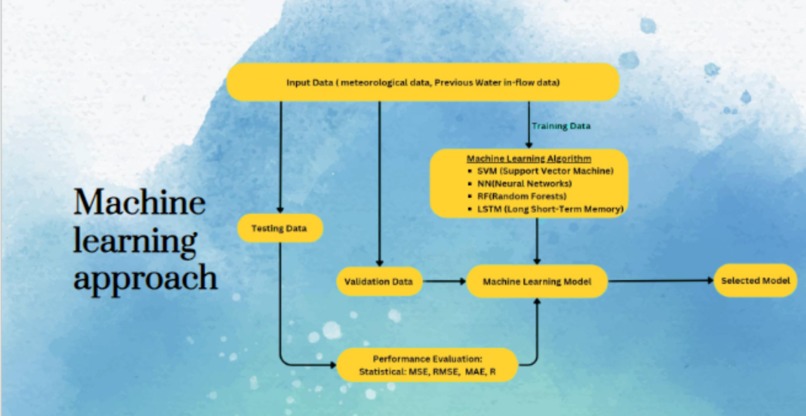
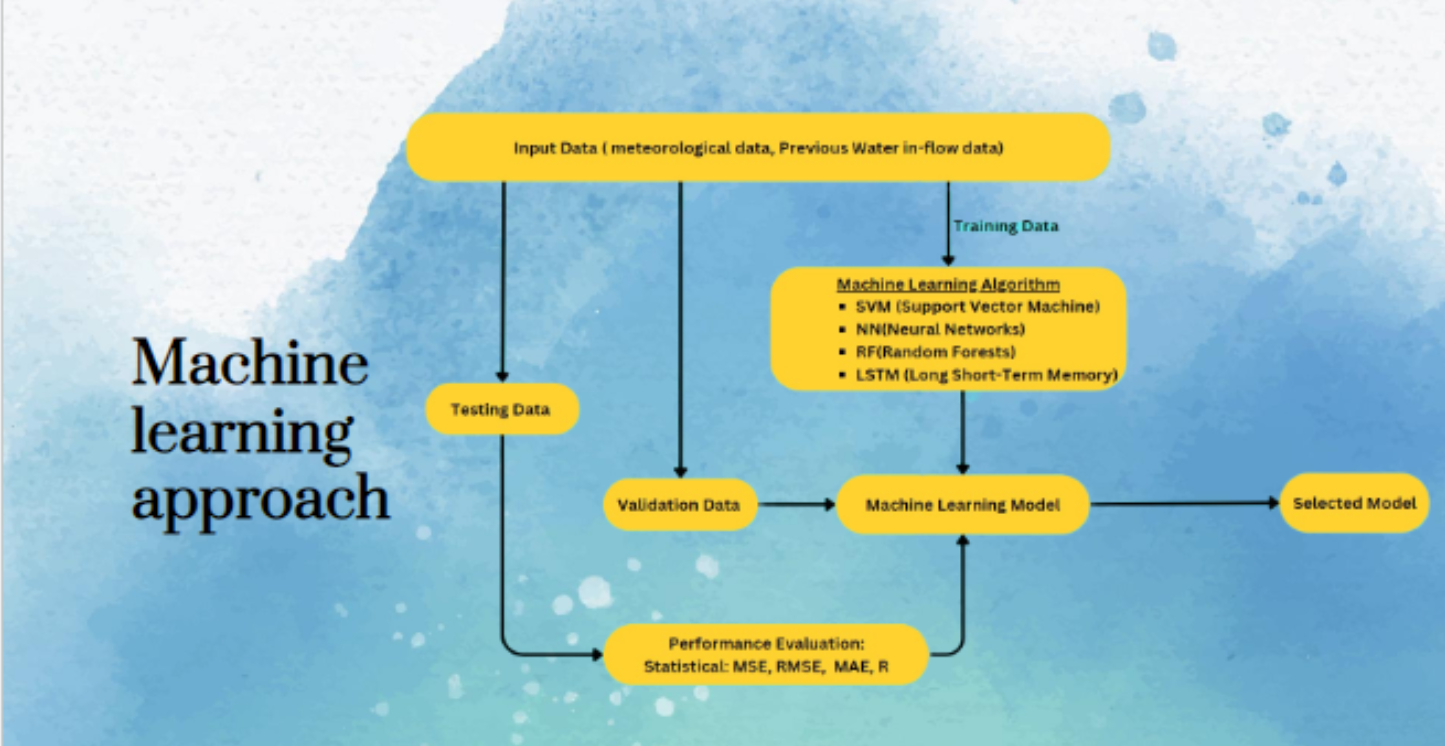
The machine learning used path
Flood Response Project
Inspiration
The devastating floods in Myanmar highlighted the urgent need for a reliable platform to aid affected individuals in real time. Witnessing communities struggle for help motivated us to create a solution that empowers users to find assistance and connect with rescue teams quickly.
What it does
Flood Response is a user-driven platform designed to:
- Provide real-time alerts for flooding and safety information.
- Facilitate communication between users and local rescue teams.
- Offer resources for shelter, food, and medical assistance.
- Create a community space for sharing experiences and support.
How I built it
Our team built the platform using:
- Frontend: React for a dynamic and responsive user interface.
- Backend: Node.js and Express to handle user requests and manage data.
- Database: MongoDB to store user information and resources.
- Machine learning: To predict the pattern of the floods
Challenges I ran into
- Real-Time Data Handling: Implementing real-time updates for alerts and user communication posed technical challenges that required extensive testing and optimization.
- User Adoption: Ensuring the platform was user-friendly and accessible for individuals with varying levels of tech proficiency.
- Resource Gathering: Compiling reliable information and resources for users during emergencies was a logistical challenge.
Accomplishments that we're proud of
- Successfully launched a working prototype that allows users to connect with rescue services and access vital information.
- Created a community forum where users can share their experiences and tips for navigating flood situations.
- Received positive feedback from initial users, validating our concept and approach.
What I learned
- The importance of user feedback in shaping features and ensuring the platform meets community needs.
- Technical skills in real-time communication and database management were enhanced throughout the project.
What's next for Flood Response
- Expand the platform to include more resources such as volunteer coordination and donation options.
- Enhance the user interface based on feedback to improve accessibility and usability.
- Collaborate with local authorities and NGOs to integrate official resources and updates into the platform for better support during emergencies.
