Inspiration
Seeing cities like Mumbai, Guwahati, and Chennai flood every monsoon while rural farmers remain underpaid and underemployed, pushed us to ask: What if we could solve both problems with one system? Inspired by sponge city models and green infrastructure around the world, we imagined a localized, human-first solution that turns unused urban space into climate assets, while creating income for those most affected by climate change.
What it does
FloodFree is a modular flood-mitigation system that combines:
- Soak benches - public seating with built-in rain-absorbing pits
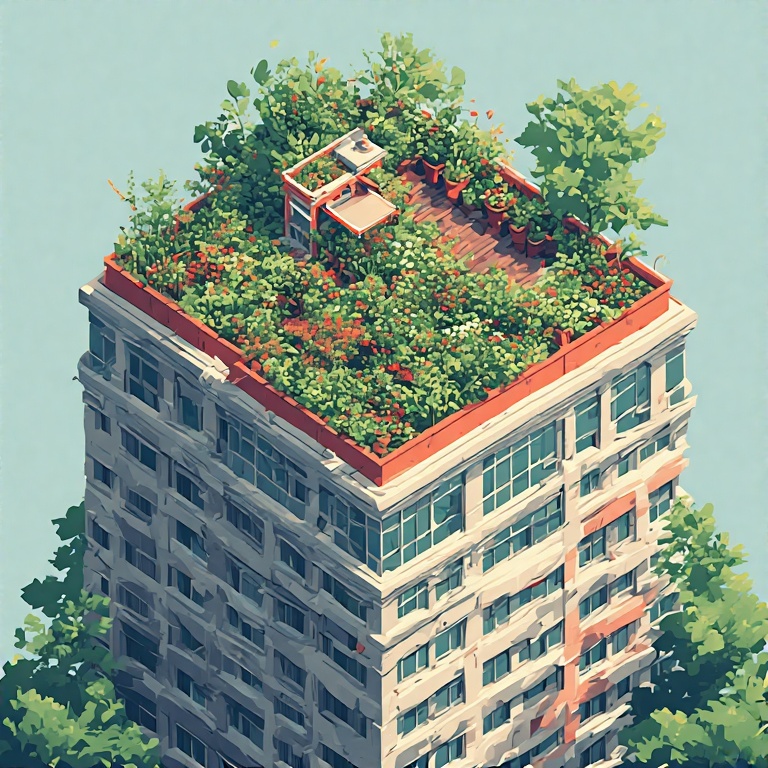
- Green rooftop boxes - low-cost modules that cool buildings and slow runoff
- A mobile app - connecting urban clients (schools, RWAs) with trained farmers or SHGs for installation and maintenance.
The system absorbs rainwater, cools cities, creates rural employment, and promotes climate awareness - all through local action.
How I built it
I designed the system to be:
- Technically feasible (layers of gravel, sand, and geotextile)
- Made with local, affordable materials like bamboo, coir, and recycled crates
- Easy to install by non-experts after short training
I created app mockups showing how tasks are posted, accepted, tracked, and paid out, modeled after gig platforms but tailored for sustainability work.
Challenges I ran into
- Balancing technical detail with visual simplicity in the sponge bench design
- Designing a mobile app that is intuitive for both urban users and farmers, considering language and literacy differences
- Ensuring feasibility without external funding - making the model as DIY and replicable as possible
Accomplishments that I'm proud of
- I created a solution that’s not just eco-friendly, but socially regenerative
- I developed a complete system- physical design + tech + business logic
- My pitch received mentorship interest and was called “deeply contextual and scalable” by industry reviewers
What I learned
- Solving environmental problems without involving communities doesn’t work
- Simplicity wins: the most powerful ideas often use local materials + human connection
- Even a bench can become a climate innovation, if it’s built with intention
What's next for FloodFree- A sustainable solution for urban heat and cooling
- Launch a pilot in a school or public park with 2 benches and 1 rooftop box
- Partner with a local NGO to onboard and train 10 farmers
- Build a basic MVP version of the app using React Native and Firebase
- Seek partnerships through CSR arms of Indian companies and Smart Cities missions
My goal: bring this to 10 cities and 1,000 farmers within 2 years.
Built With
- figma

Log in or sign up for Devpost to join the conversation.