-
-
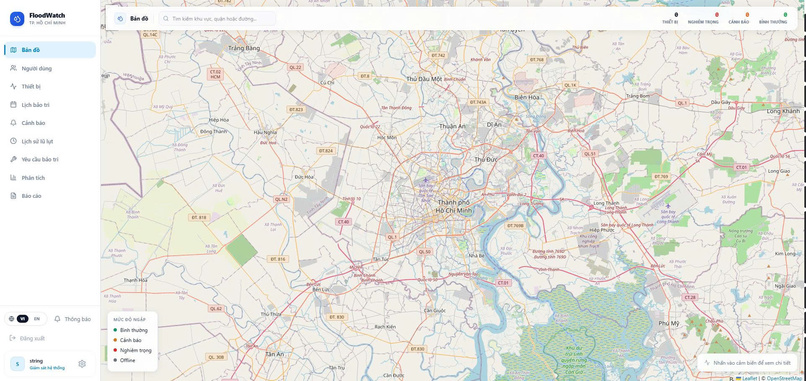
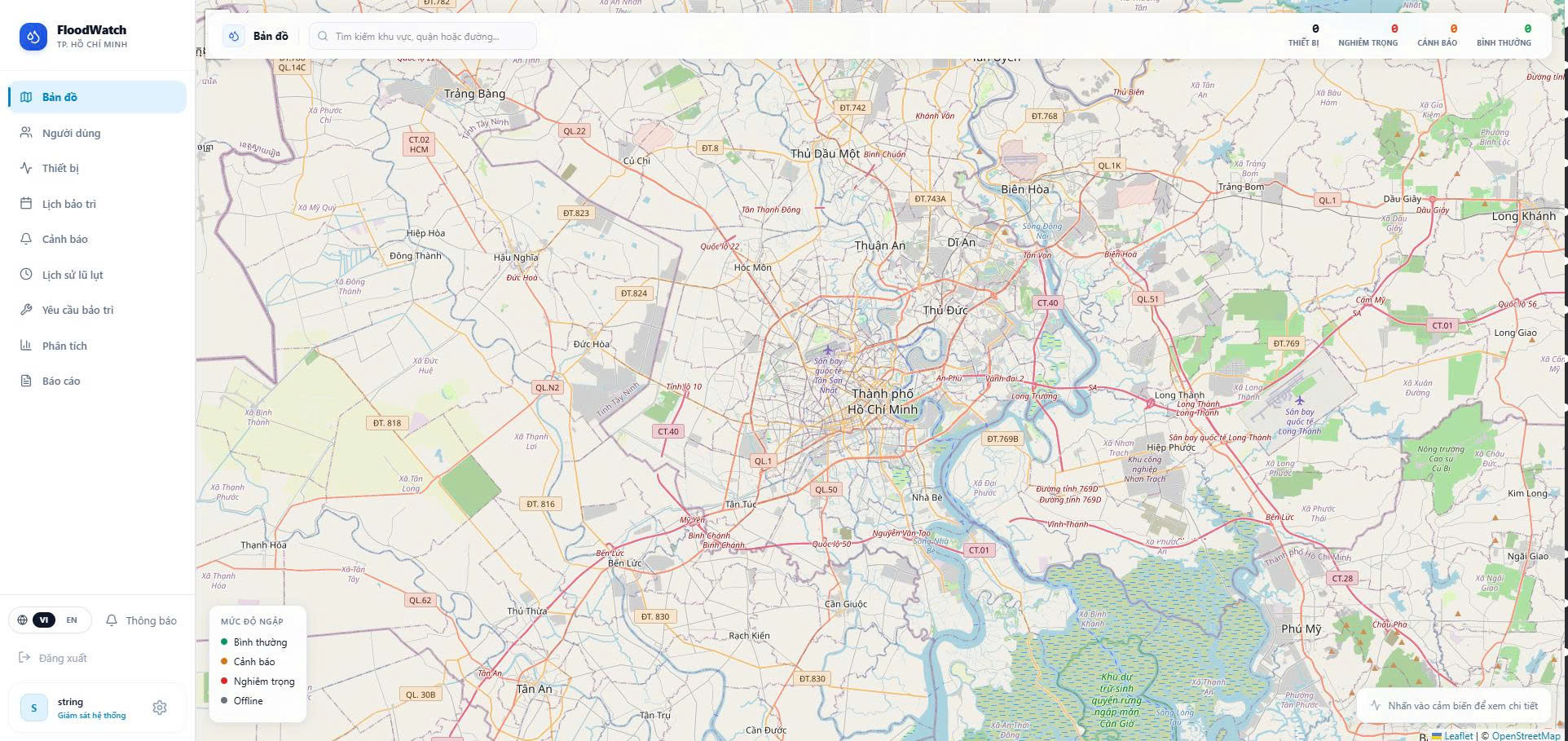
Main Screen of System Monitoring
-
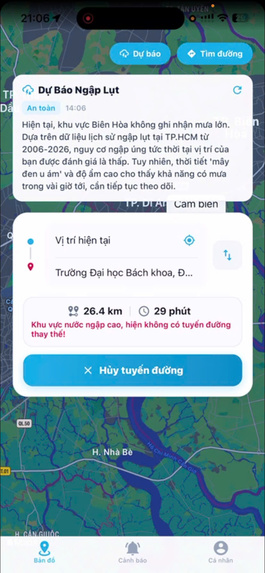
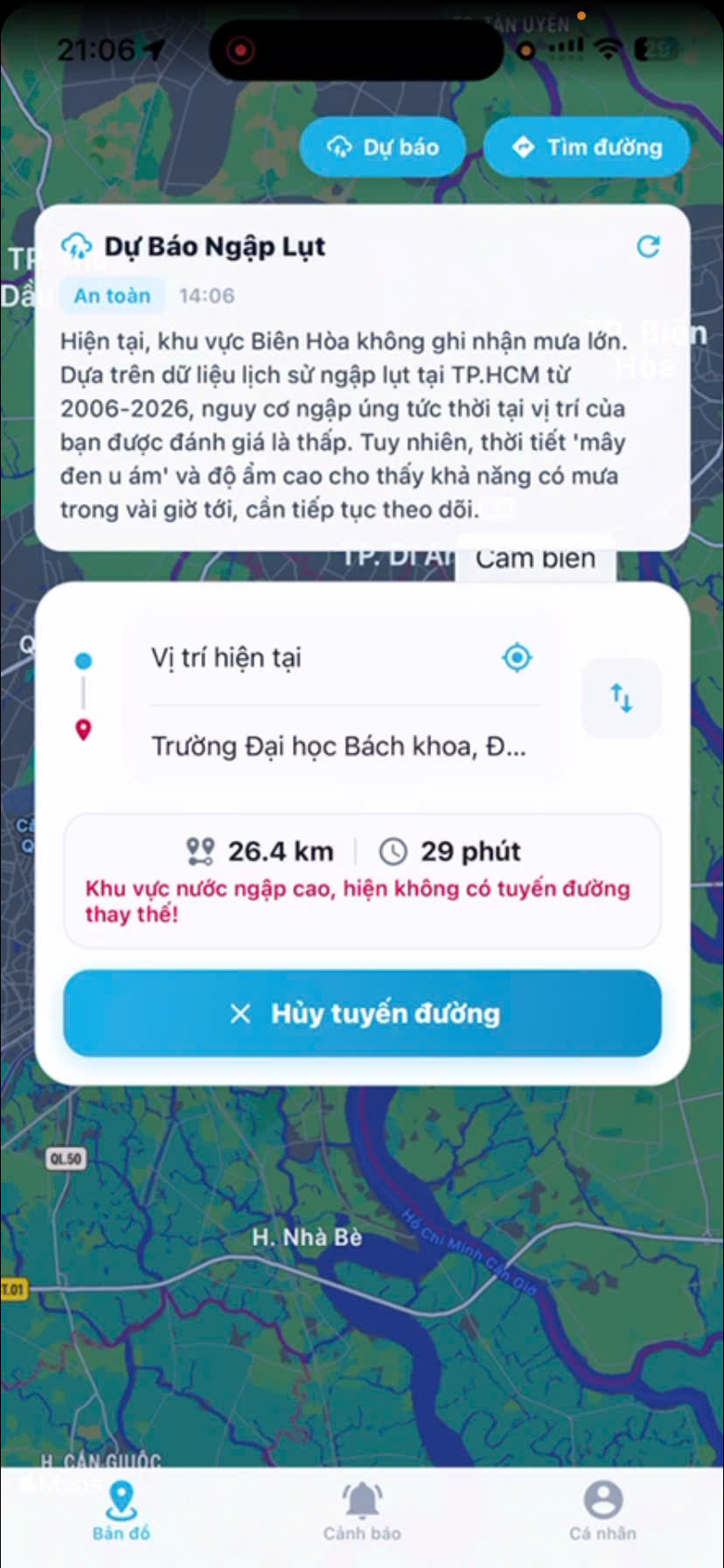
Mobile App Suggesting Road
Inspiration
Floods are among the most frequent and destructive natural disasters, particularly in regions with heavy rainfall and limited early warning infrastructure. In many cases, communities receive alerts too late to take meaningful action.
We set out to build a system that leverages AI, IoT, and real-time data to shift from reactive response to proactive flood prediction, enabling earlier intervention and potentially saving lives and resources.
What it does
FloodWarning AI is a real-time flood prediction and monitoring system that detects rising risk levels before they become critical.
The system:
- Monitors continuous water-level data from IoT sensors (or simulated streams)
- Analyzes trends using machine learning models
- Identifies high-risk flood zones in real time
- Visualizes risk through interactive dashboards and maps
- Triggers automated alerts when danger thresholds are reached
This enables users to act early instead of reacting after damage occurs.
How we built it
We built FloodWarning AI as a modular real-time AI + IoT pipeline:
Data Ingestion Layer
- IoT sensors (or simulated data streams) generate continuous water-level data
- Data is transmitted to the system via APIs in near real time
Backend Processing
- Built with Node.js to handle streaming data ingestion and system logic
- Ensures stable performance under continuous updates
AI Prediction Layer
- Developed using Python-based machine learning models
- Analyzes historical and live data to detect patterns and predict flood risks
- Generates dynamic risk scores based on trends and thresholds
Visualization Layer
- Built with React and data visualization tools
- Displays time-series data, flood risk levels, and high-risk zones
- Designed for clarity and quick decision-making
Alert System
- Automatically triggers alerts when predefined risk thresholds are exceeded
The architecture is scalable and extensible, allowing integration with real-world sensors, weather data, and additional prediction models.
Challenges we ran into
- Simulating realistic real-time IoT data without physical hardware
- Limited datasets impacting prediction accuracy
- Managing continuous data streams while maintaining performance
- Designing dashboards that balance simplicity with meaningful insights
Accomplishments that we're proud of
- Built a fully functional end-to-end AI + IoT flood prediction system
- Implemented real-time data streaming and analysis
- Created a clear and intuitive visualization dashboard
- Designed a scalable system ready for real-world deployment
What we learned
- Real-time systems require careful data pipeline design and optimization
- The quality of data directly impacts prediction accuracy
- Effective visualization is key to actionable insights
- Building for real-world impact requires simplicity, reliability, and scalability
What's next for FloodWarning AI
- Integrate real-world IoT sensor networks for live deployment
- Incorporate additional data sources (weather APIs, satellite data)
- Improve prediction accuracy with larger datasets
- Expand alert systems (SMS, mobile push notifications)
- Pilot the system in flood-prone regions for real-world validation
Built With
- api-integration
- dashboard
- data-visualization
- iot
- machine-learning
- node.js
- python
- react
- real-time-data
- typescript

Log in or sign up for Devpost to join the conversation.