Inspiration
The idea for FlipFiesta stemmed from a desire to create a captivating and enjoyable memory card game that could entertain and challenge users of all ages. The inspiration came from the classic concept of memory card games, where players flip cards to find matching pairs, coupled with a festive and celebratory theme.
What it does
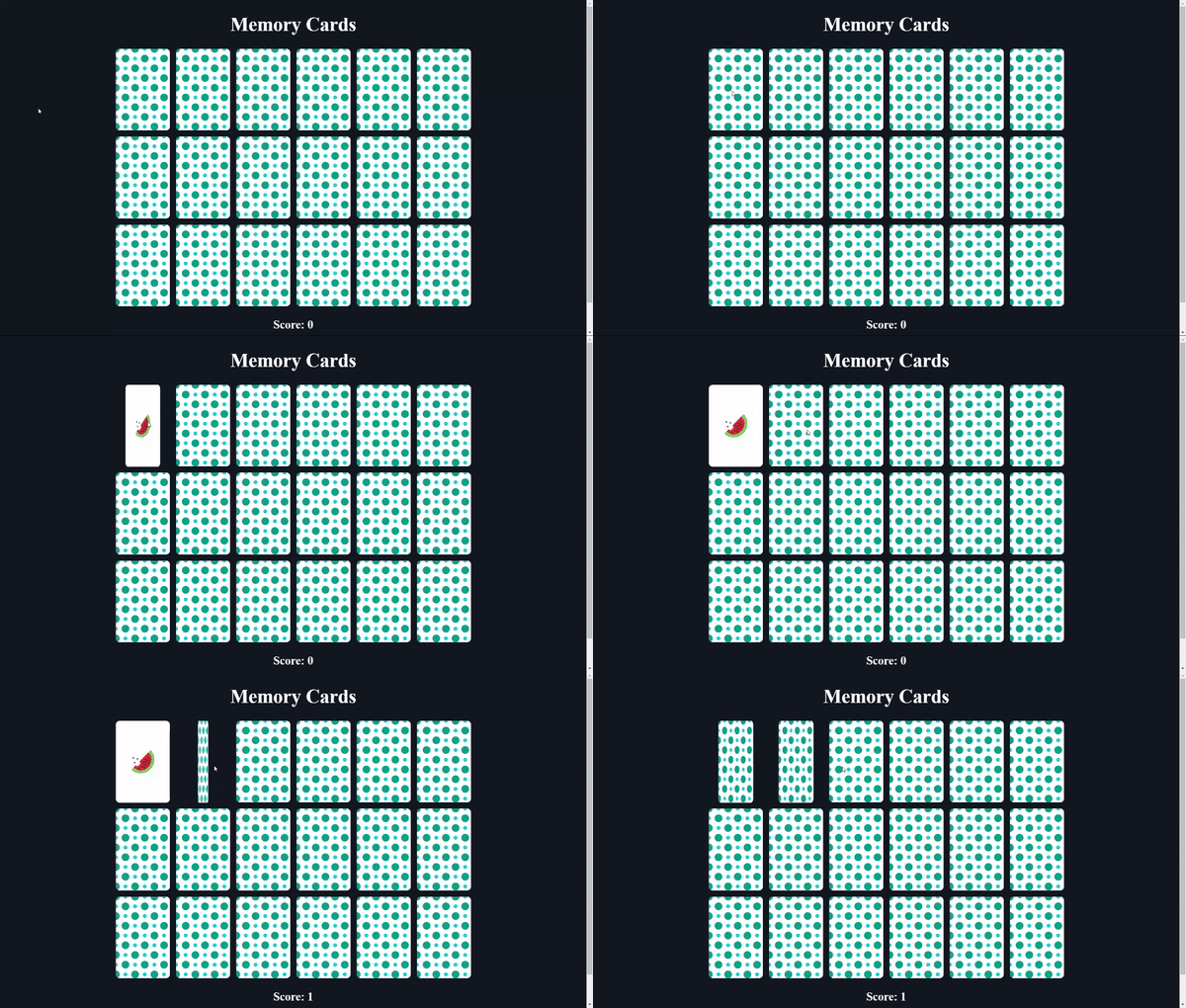
This HTML, CSS, and JavaScript code collectively implements a memory card game named "FlipFiesta." The game features a grid of cards with a festive design. Players flip cards to find matching pairs, earning points for each successful match. The game tracks and displays the player's score. The JavaScript logic handles card flipping, matching, scoring, and includes functionality to restart the game. The card images and data are loaded from a JSON file, and the game incorporates animations to enhance the user experience.
How we built it
The development process involved a step-by-step approach: HTML Structure: Created the basic layout of the game board using HTML. Implemented the card grid and ensured a responsive design. CSS Styling: Applied styles to give the game a vibrant and festive appearance. Animated card flips to enhance the gaming experience. Ensured responsiveness for seamless gameplay on various devices. JavaScript Logic: Developed the game logic to handle card flips, matching pairs, and scoring. Implemented a timer to add a challenging element to the game. Incorporated sound effects to enhance the gaming atmosphere. Testing and Debugging: Conducted extensive testing to identify and resolve bugs. Ensured smooth functionality across different browsers.
Challenges we ran into
Managing the state of the game, especially tracking flipped cards and their matches, required careful consideration to prevent glitches and ensure a seamless experience.
Accomplishments that we're proud of
What we learned
Embarking on the FlipFiesta project provided a valuable learning experience. Here's what I gained from each component of the development: HTML was the backbone of the project, providing the structure for the game. I learned to organize the game board, cards, and other elements using HTML tags and attributes. Styling the game to create an appealing and engaging visual experience was a significant aspect. CSS allowed me to customize the appearance of cards, add animations for flips, and design an overall festive theme. JavaScript brought interactivity to FlipFiesta. I utilized it to implement the game logic, manage card flipping, track pairs, and handle user interactions.
What's next for FlipFiesta
The journey doesn't end with the initial development of FlipFiesta. Our roadmap includes: Multiplayer Mode: Introducing a multiplayer feature to allow users to challenge friends or compete against players worldwide. Themes and Customization: Expanding the game's appeal by adding different themes and customization options, allowing users to personalize their FlipFiesta experience. Analytics and Feedback: Implementing analytics to gather insights into user behavior and preferences, enabling continuous improvement based on user feedback.

Log in or sign up for Devpost to join the conversation.