-
-
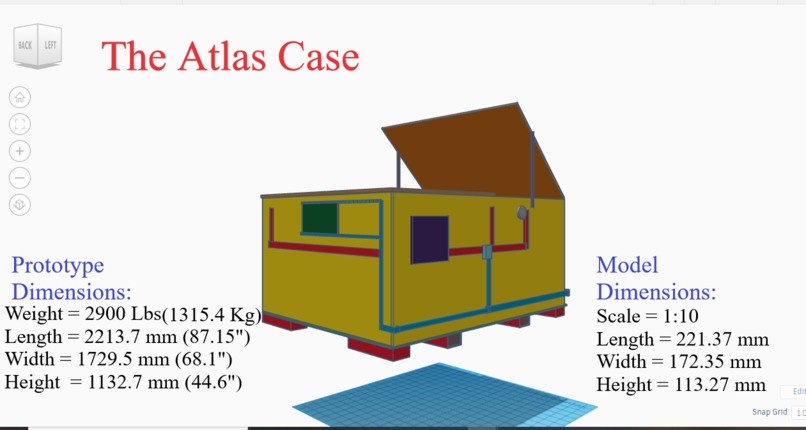
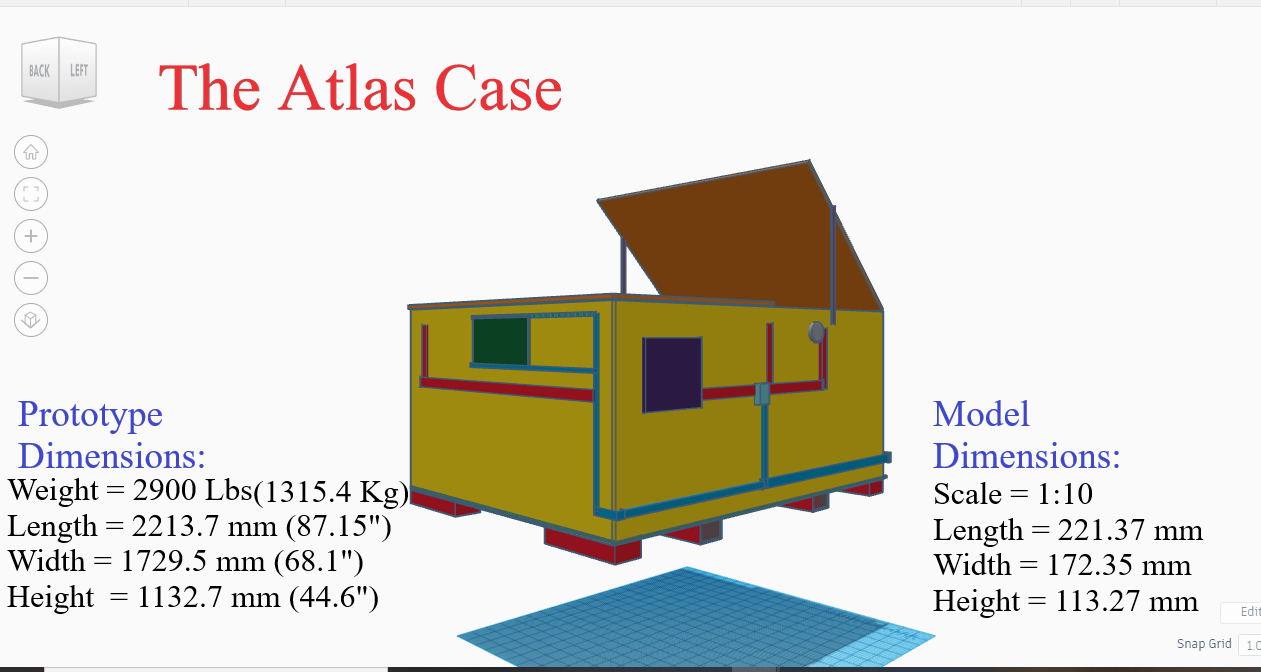
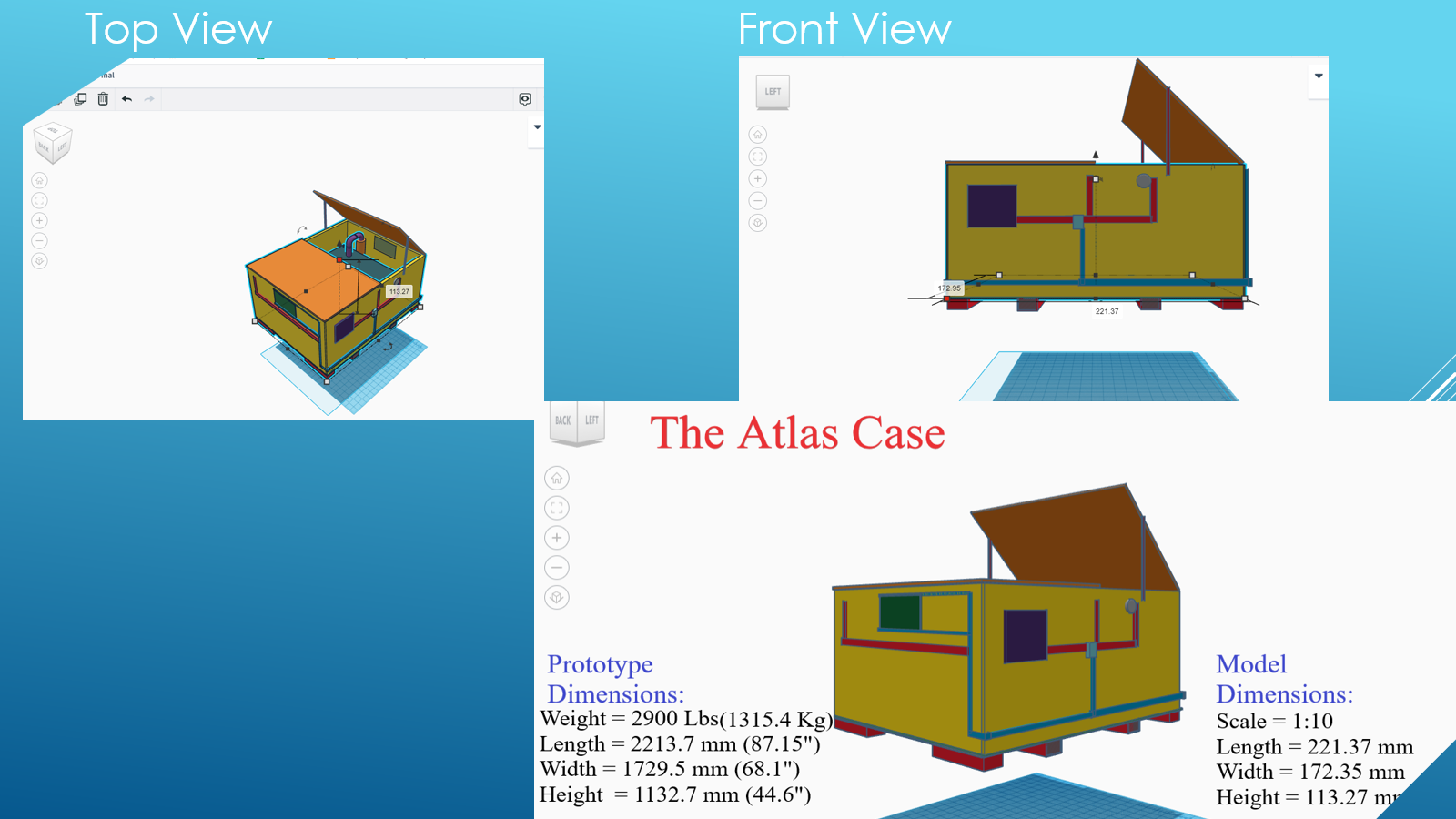
Atlas Case Dimensions
-
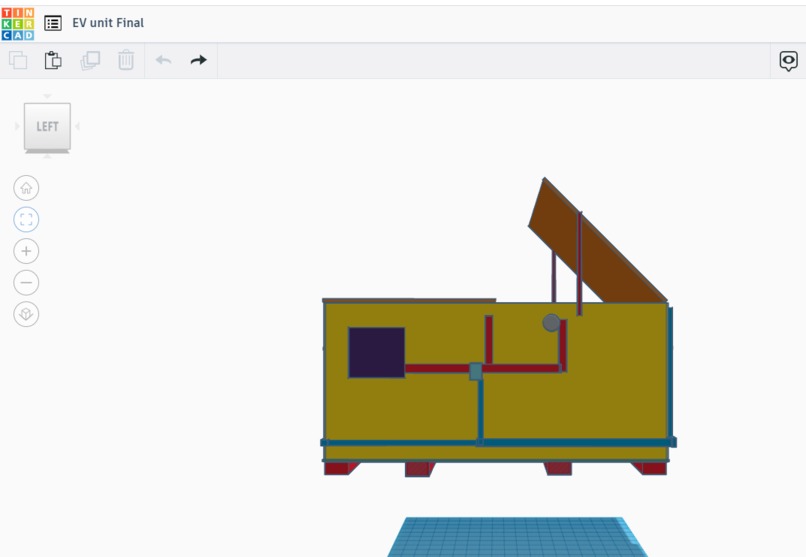
Front View
-
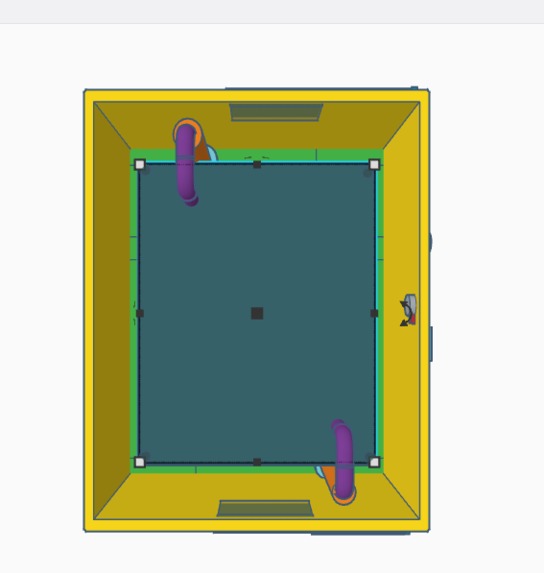
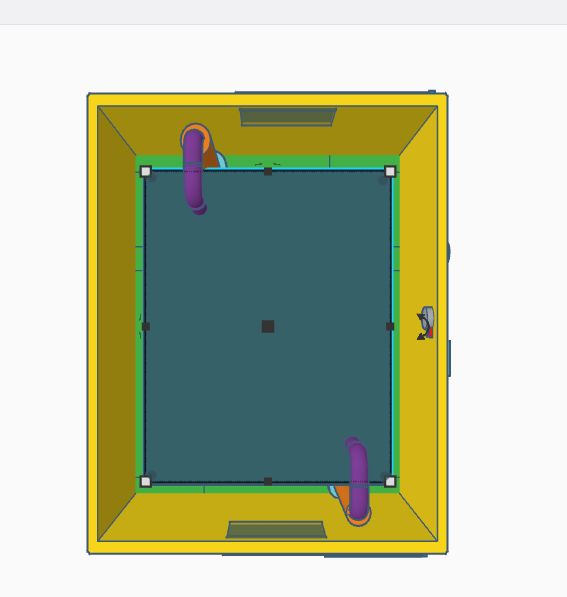
Top View
-
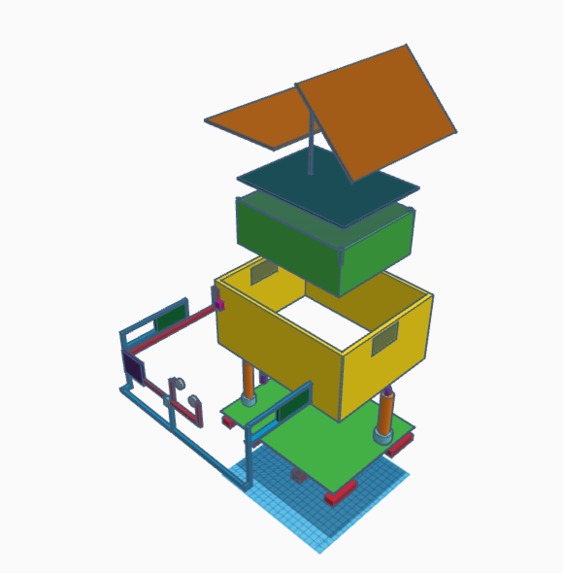
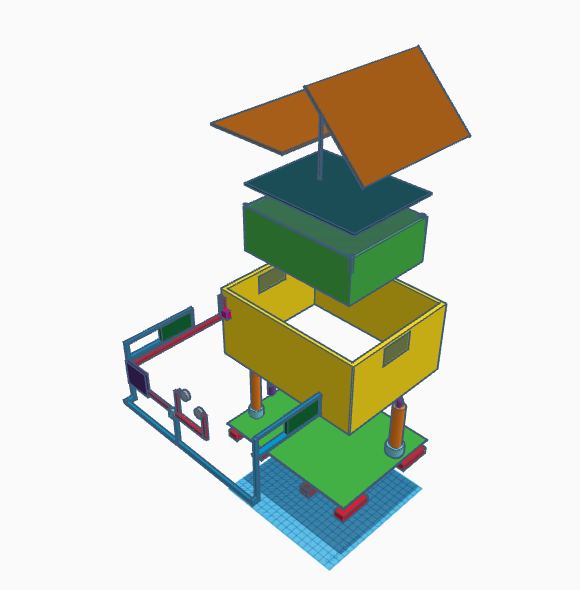
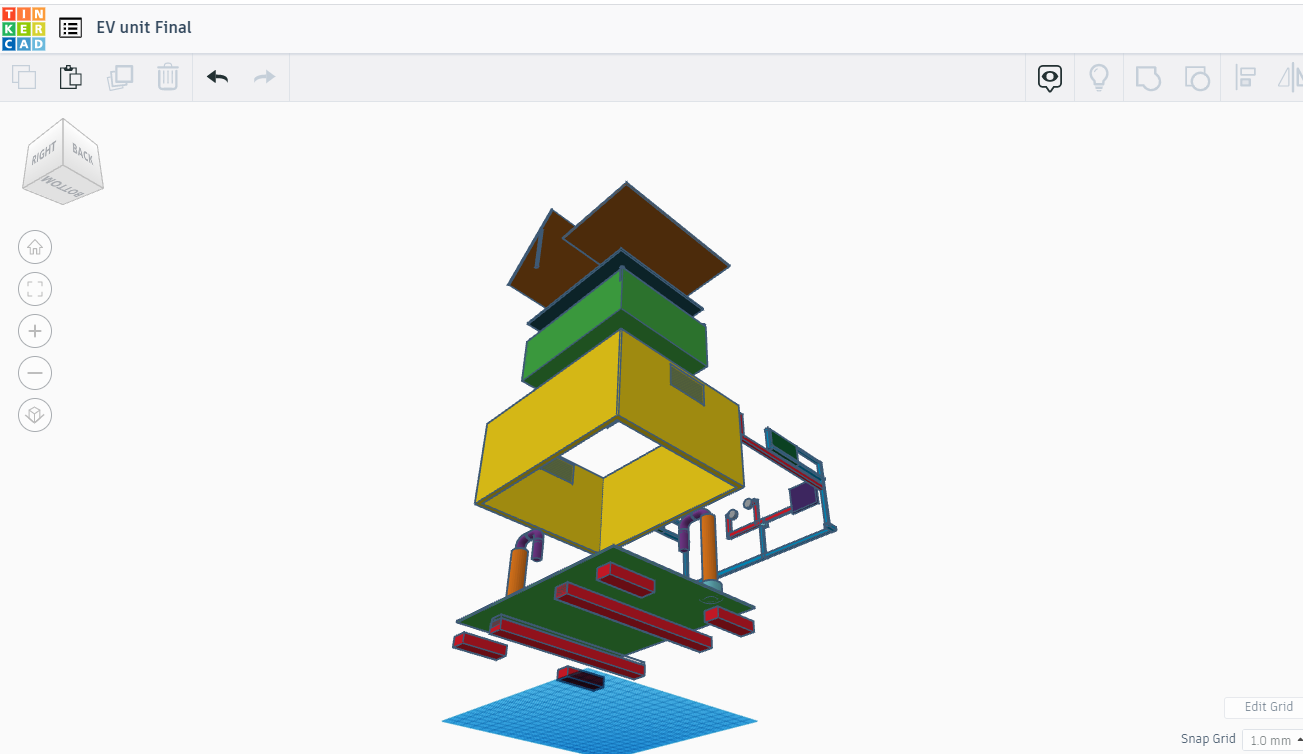
Exploded Assembly - Top View
-
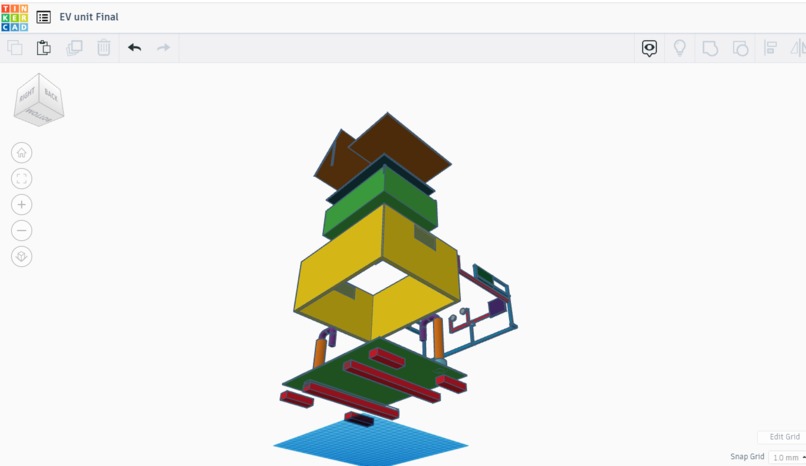
Exploded Assembly - Bottom View
-
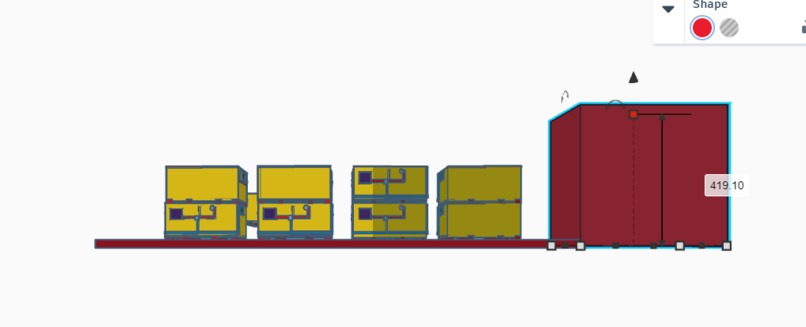
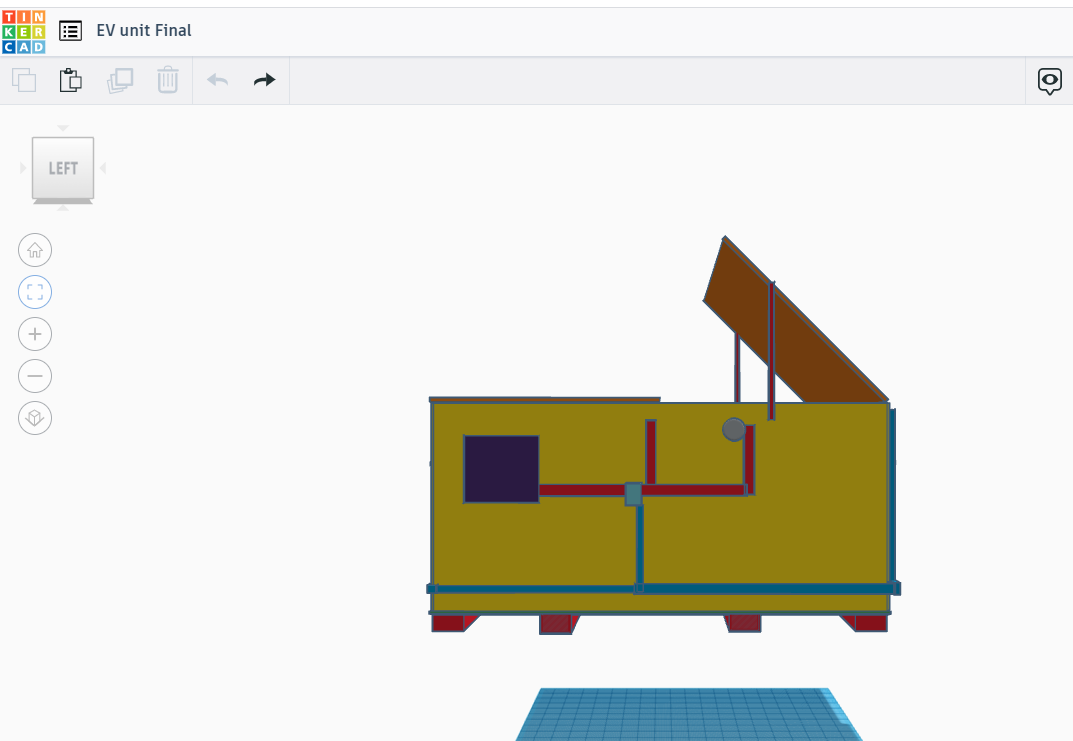
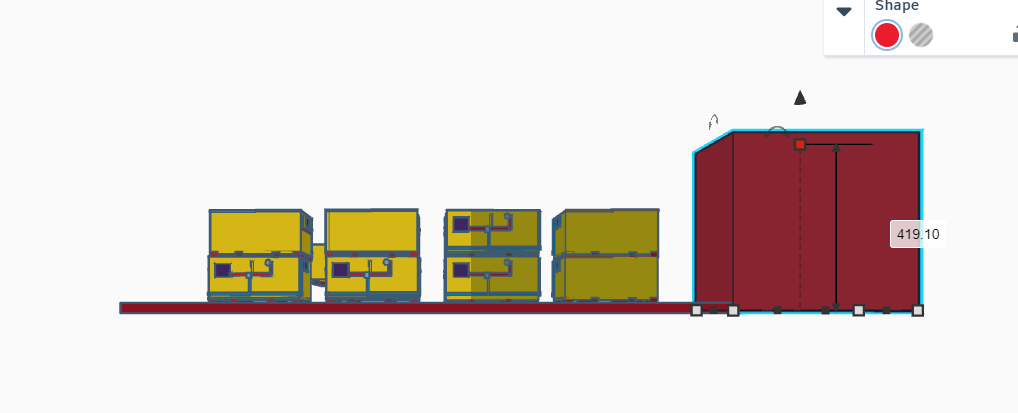
Transport Front View
-
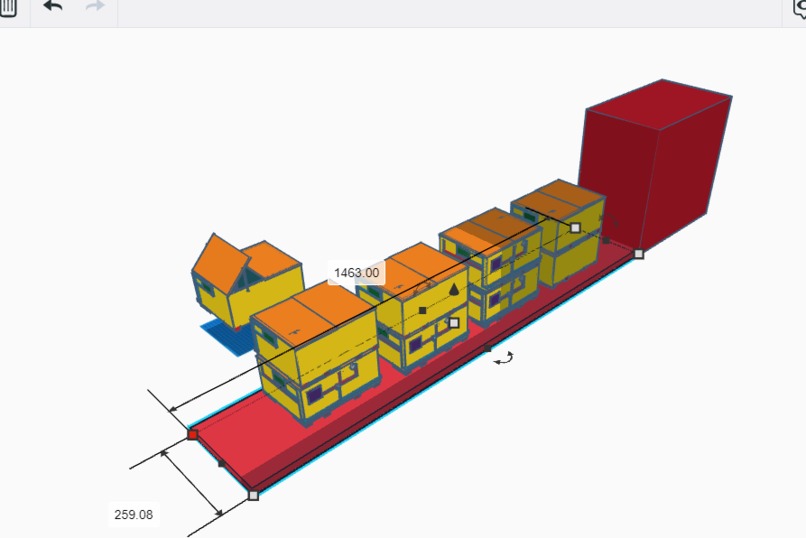
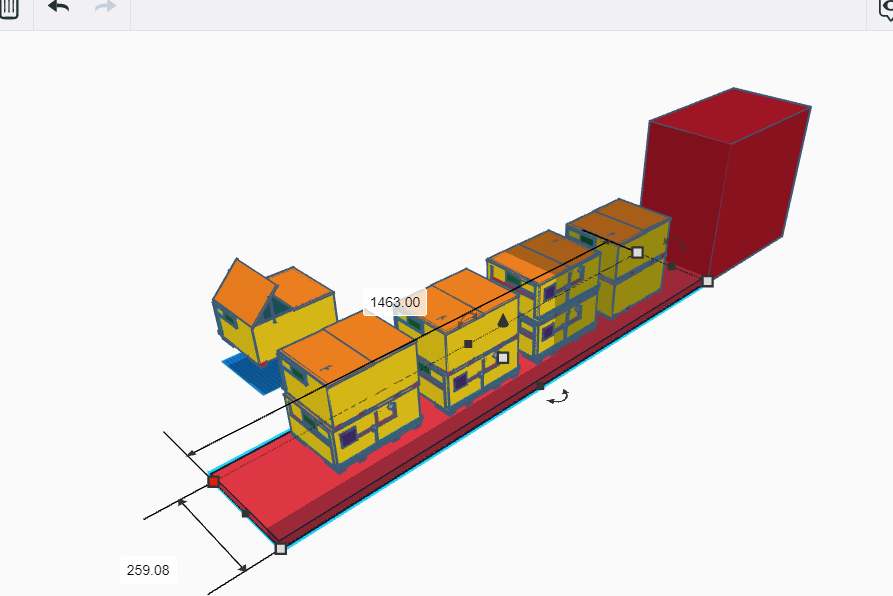
Transport Top View
-
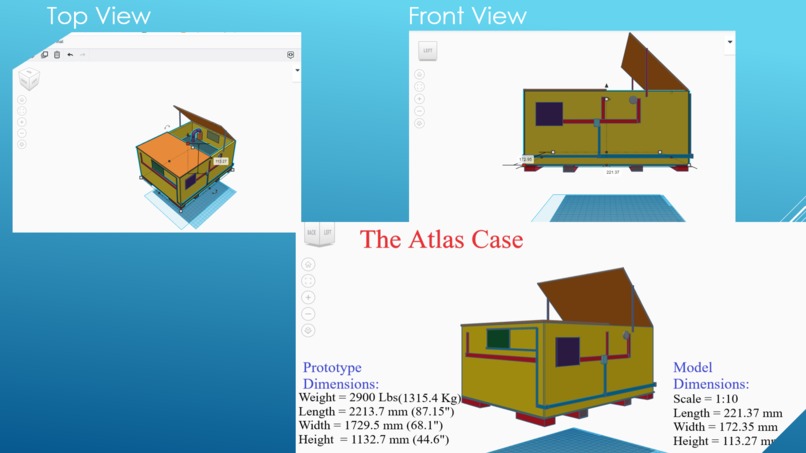
All Atlas Dimensions
-
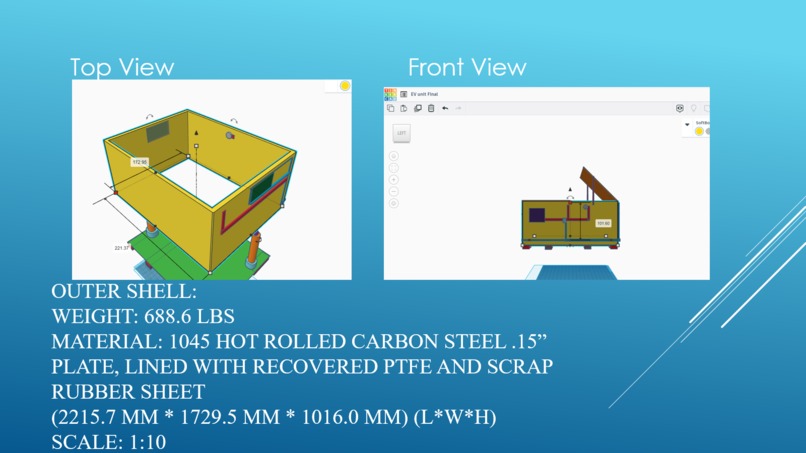
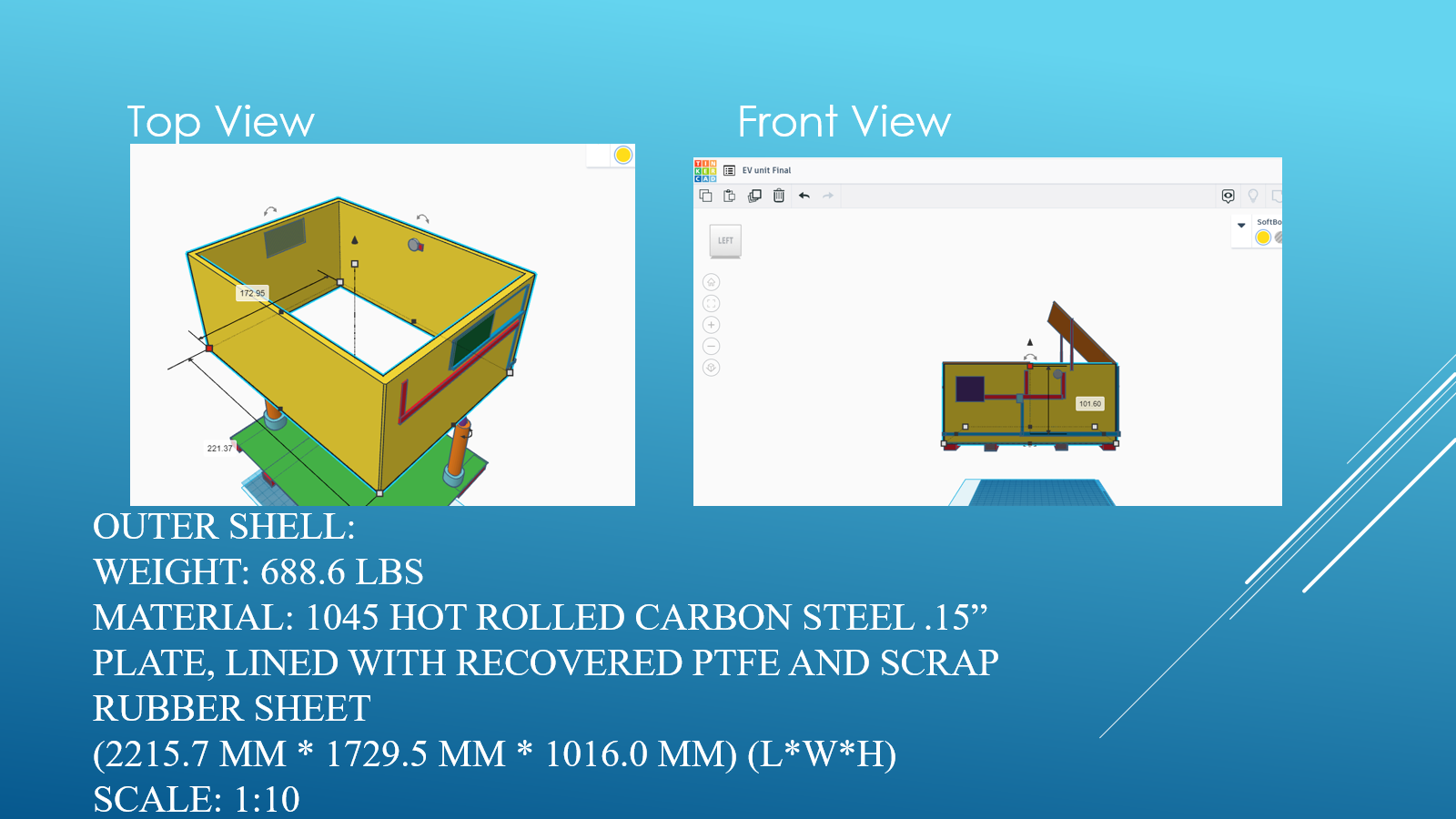
Outer Shell
-
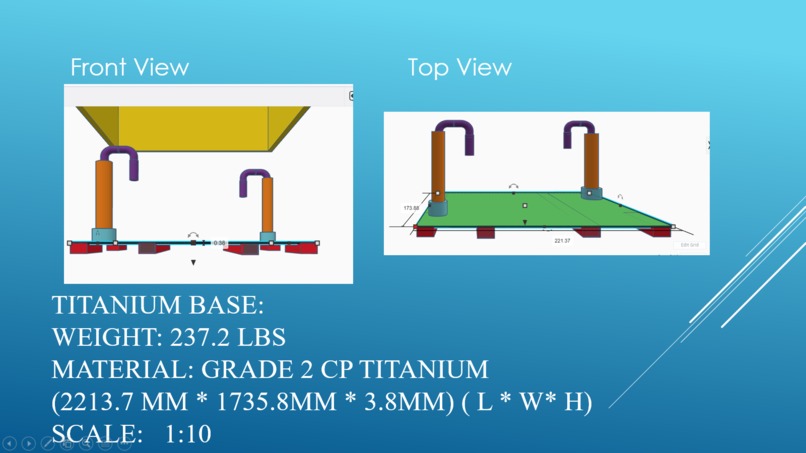
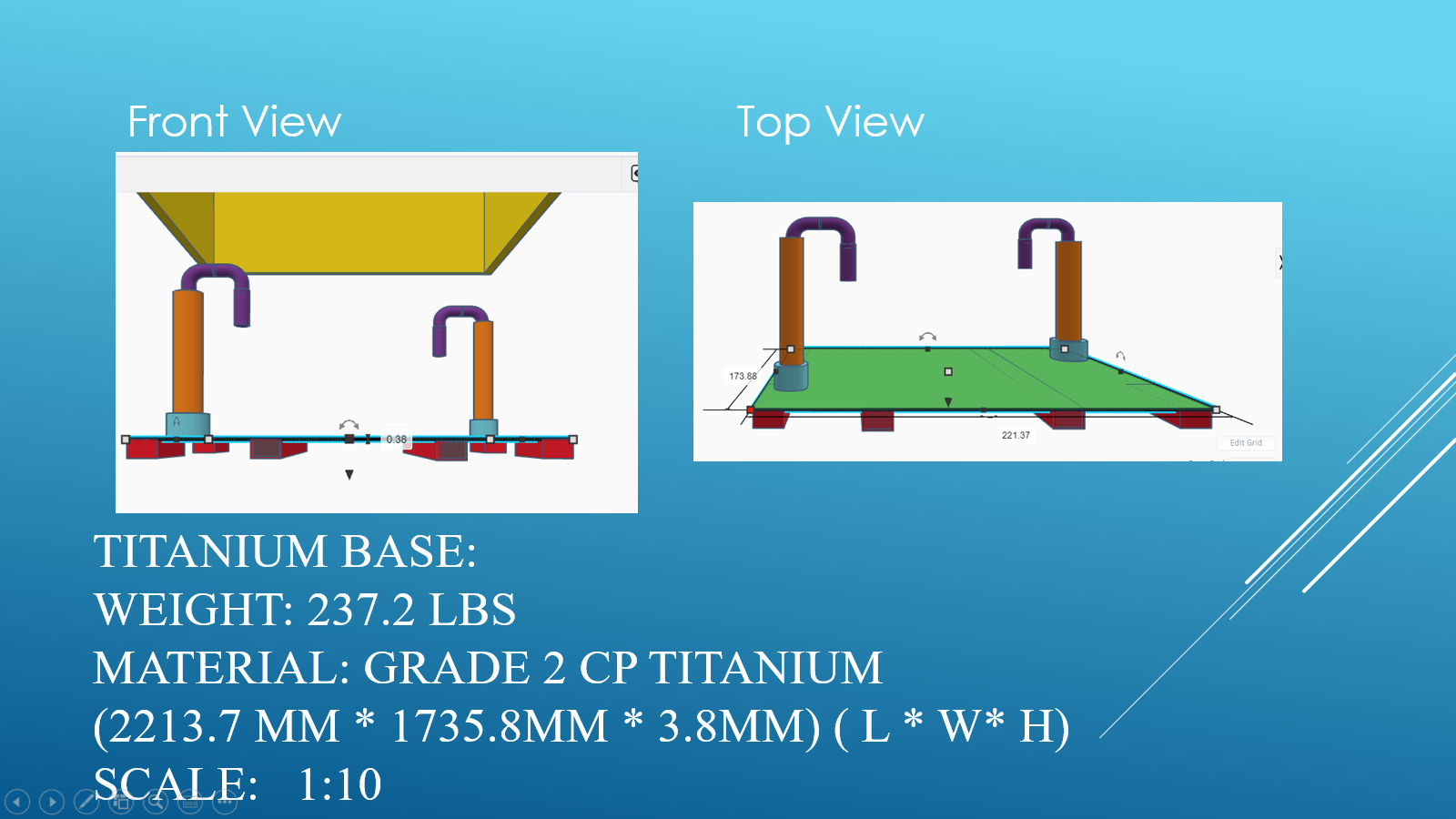
Base
-
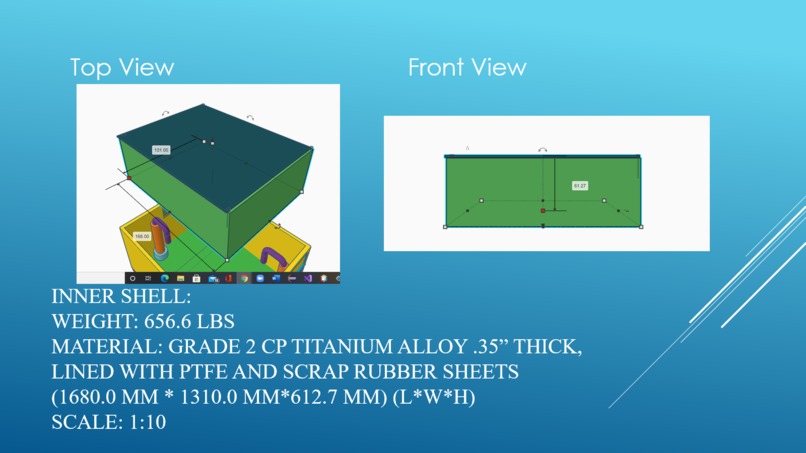
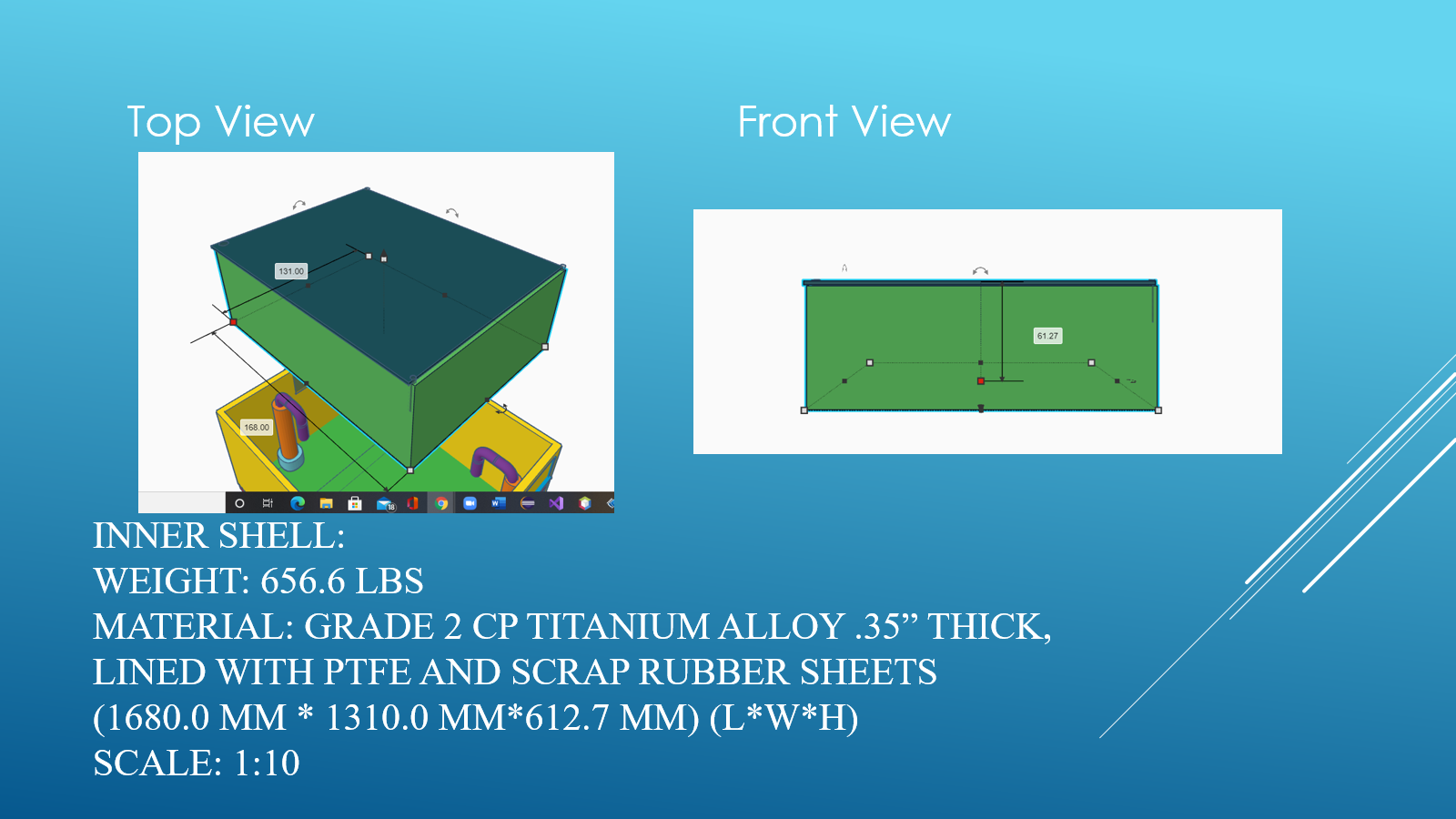
Inner Shell
-
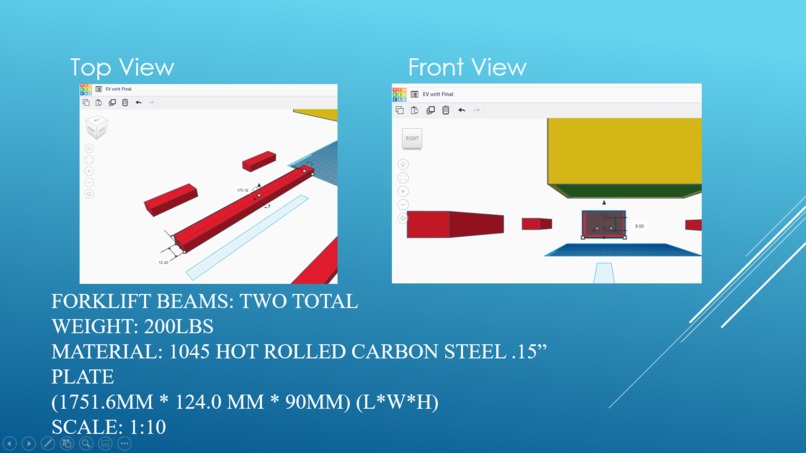
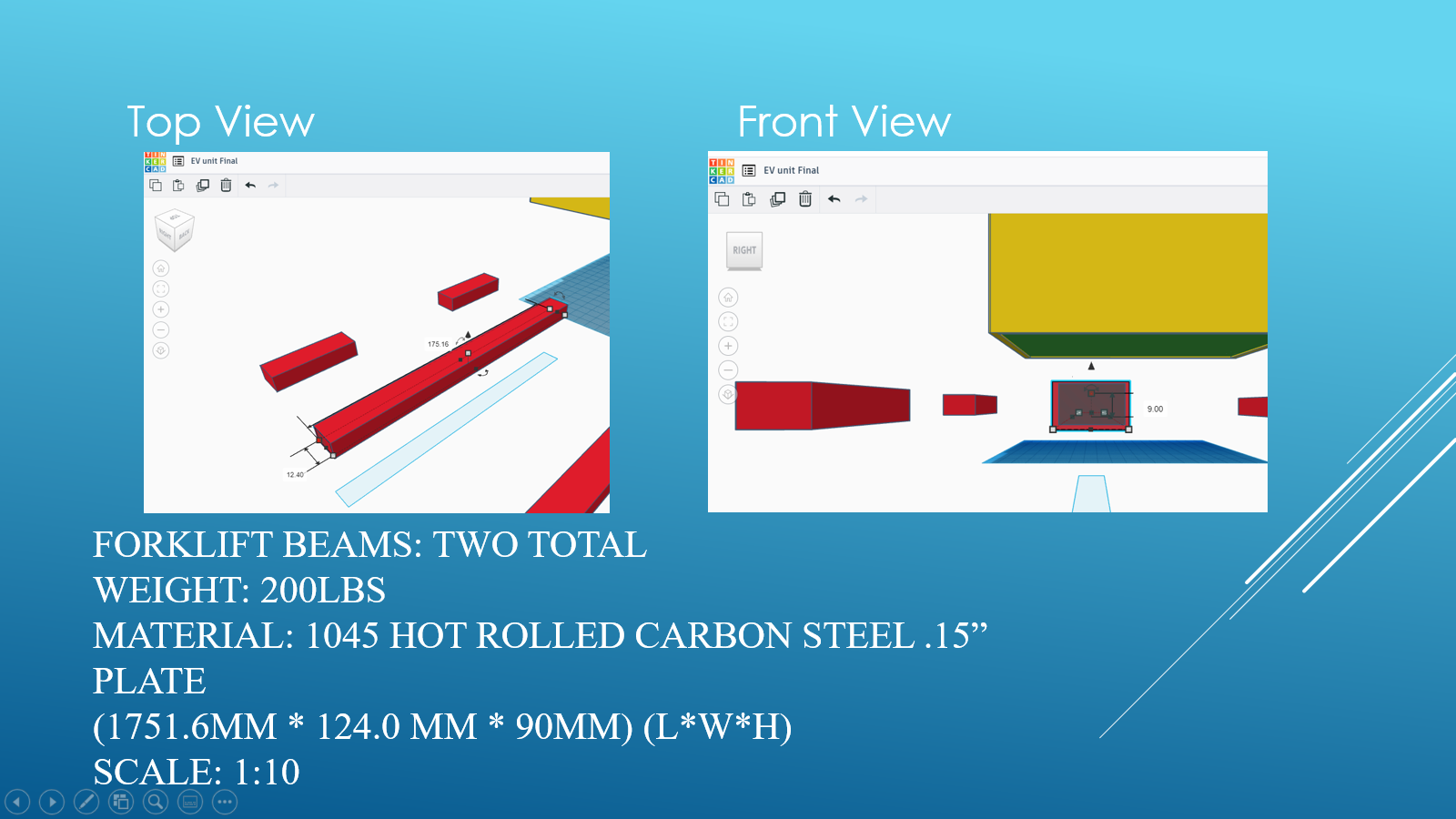
Forklift Teeth
-
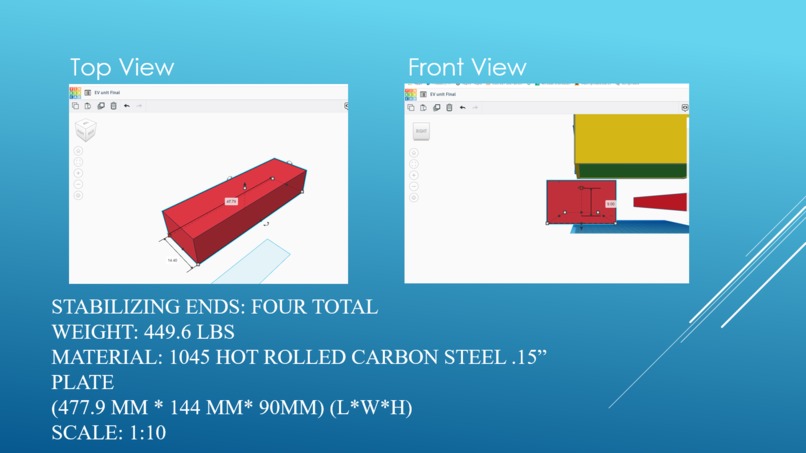
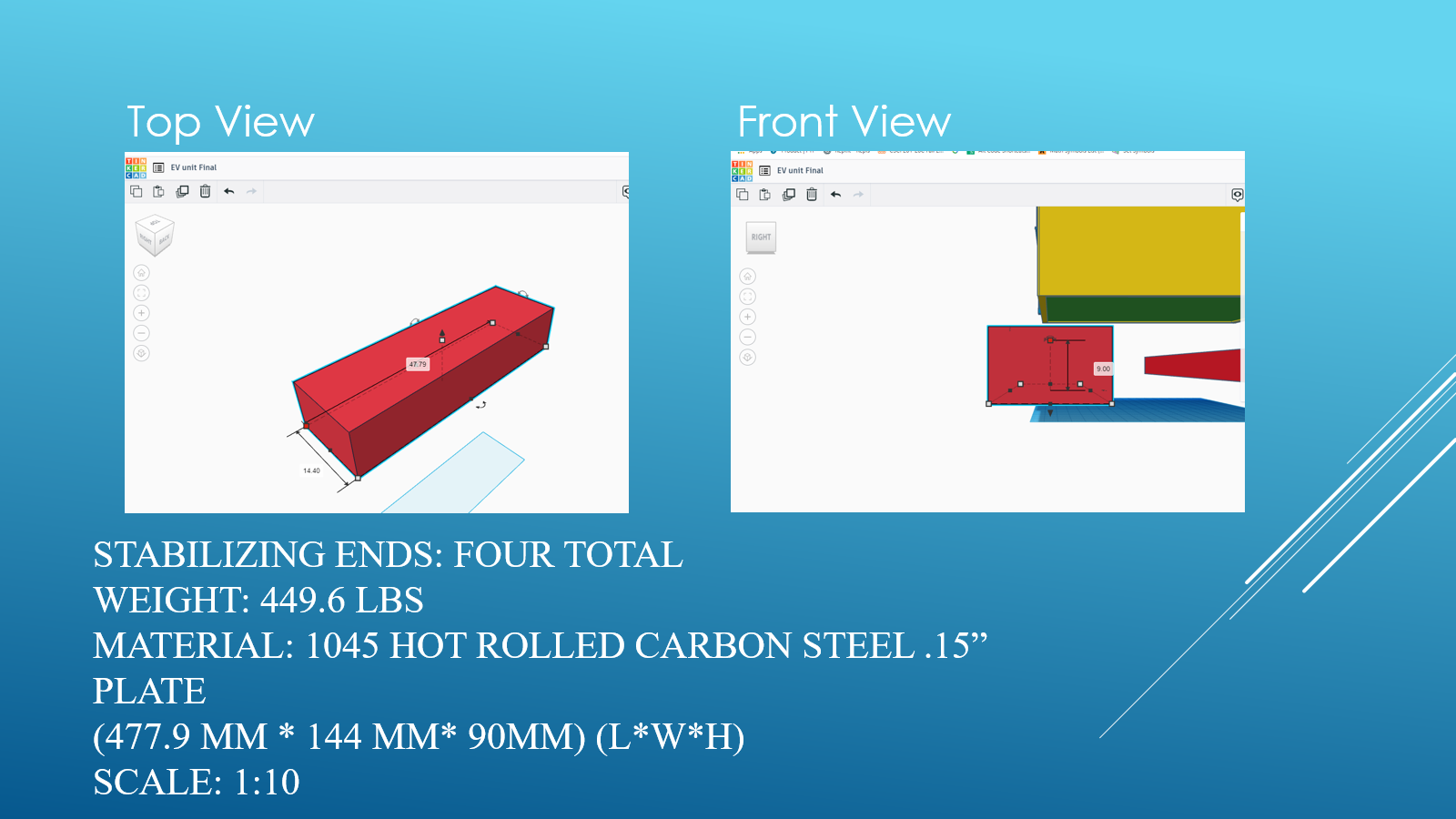
Stabilizers
-
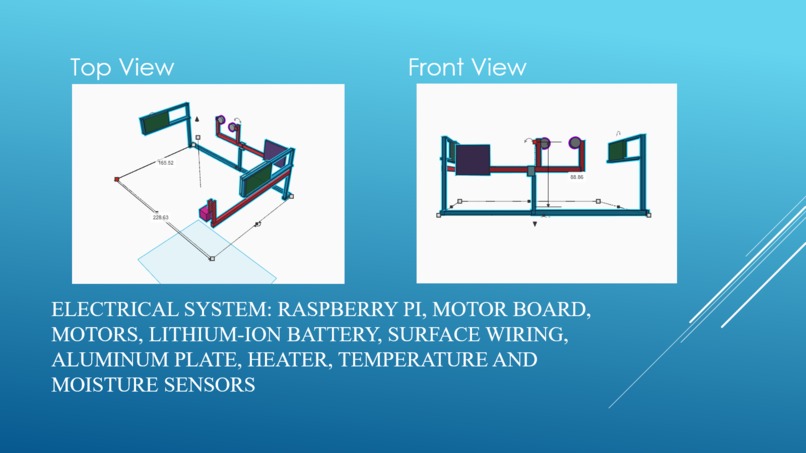
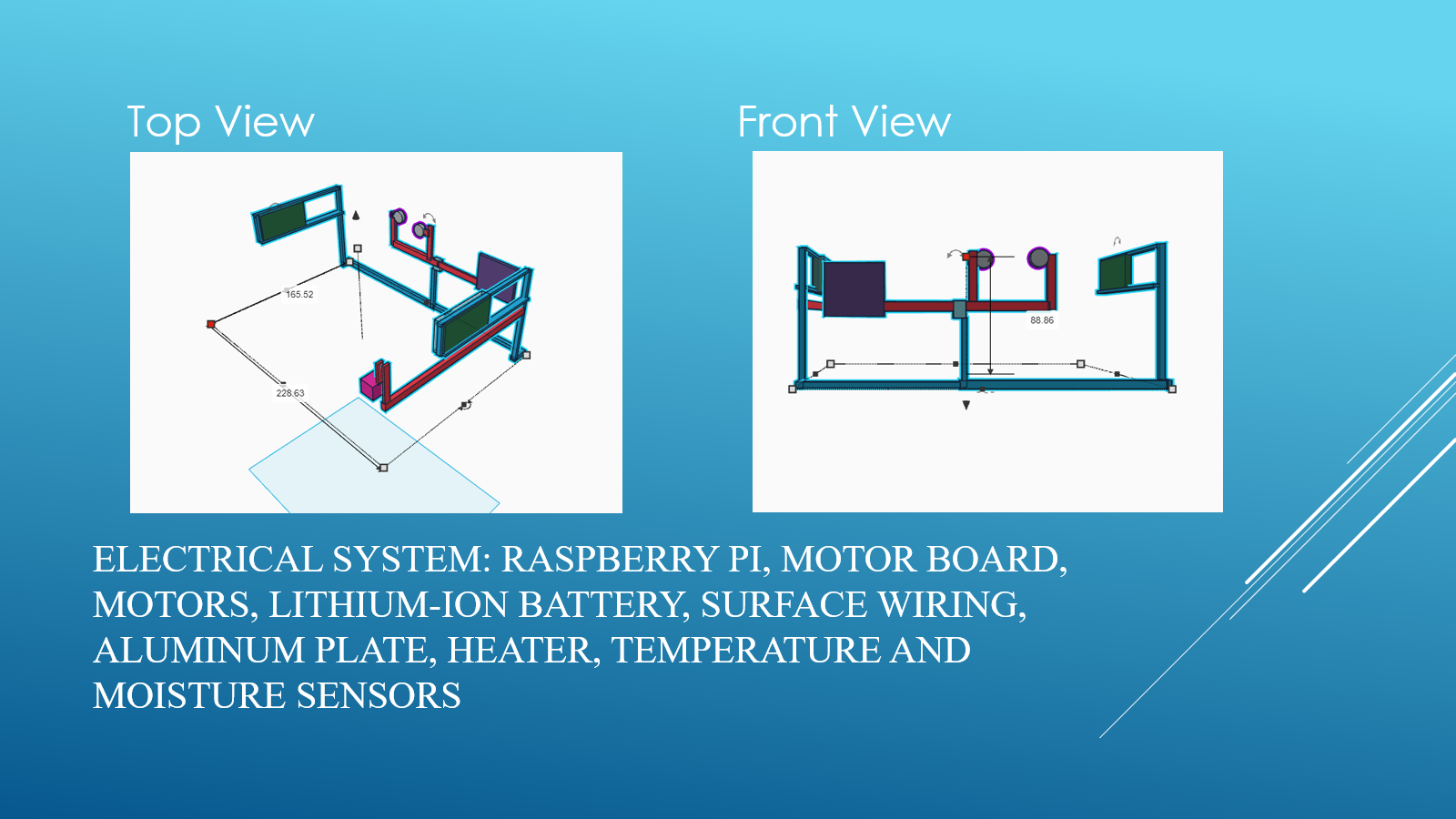
Electrical System
-
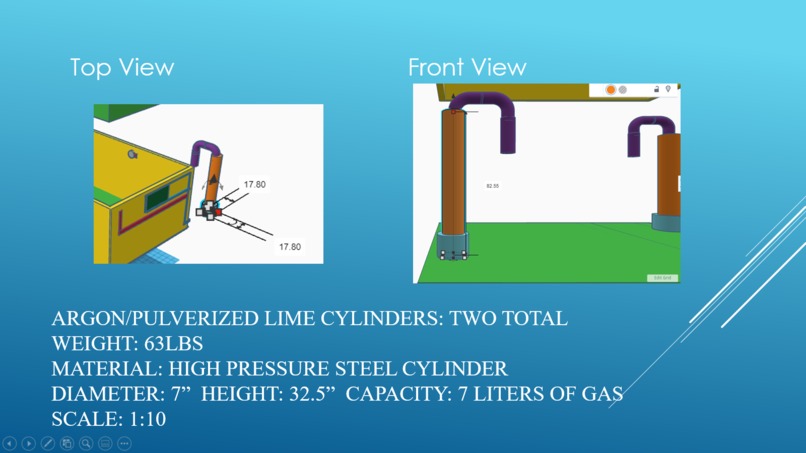
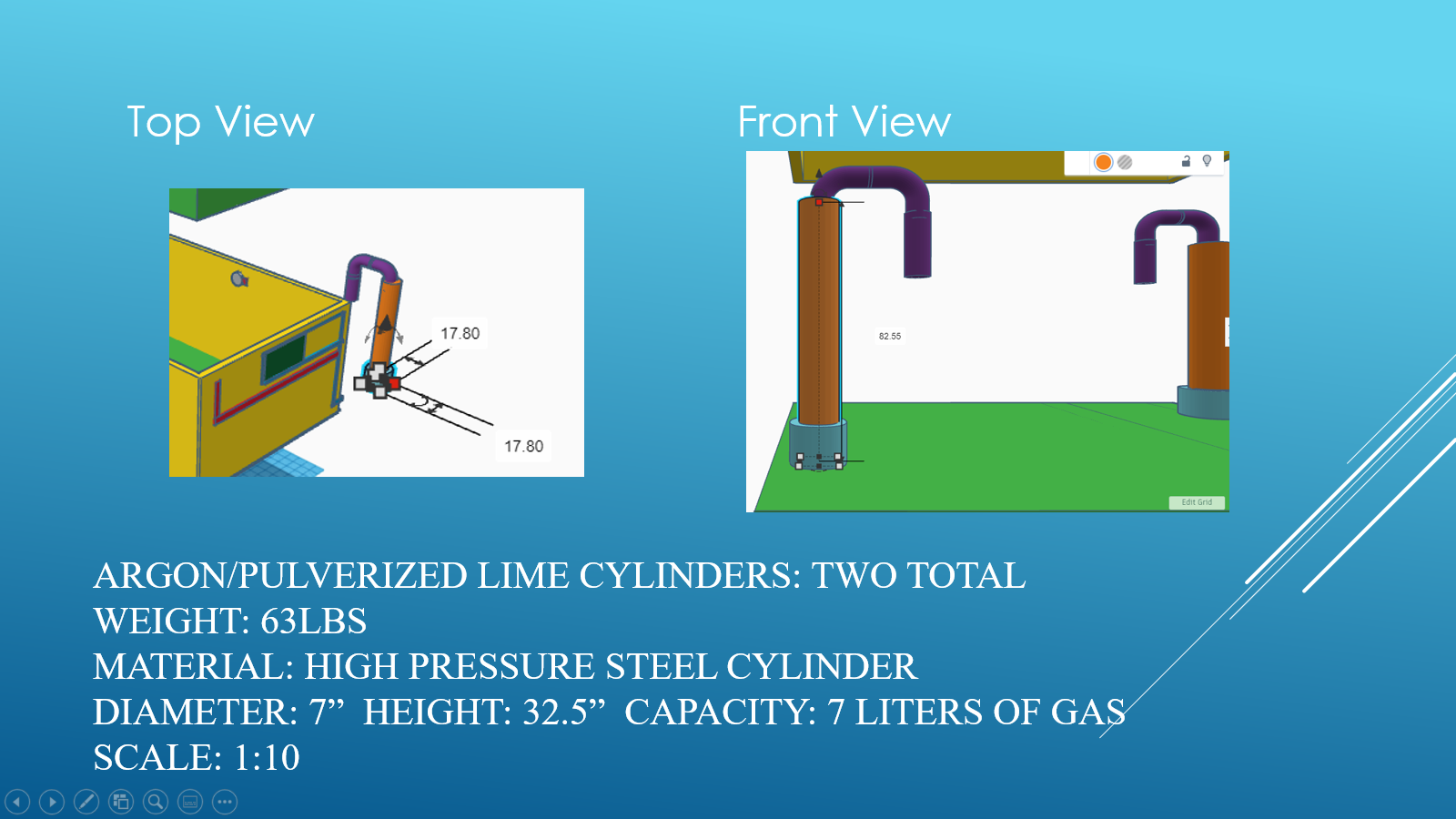
Argon System
-
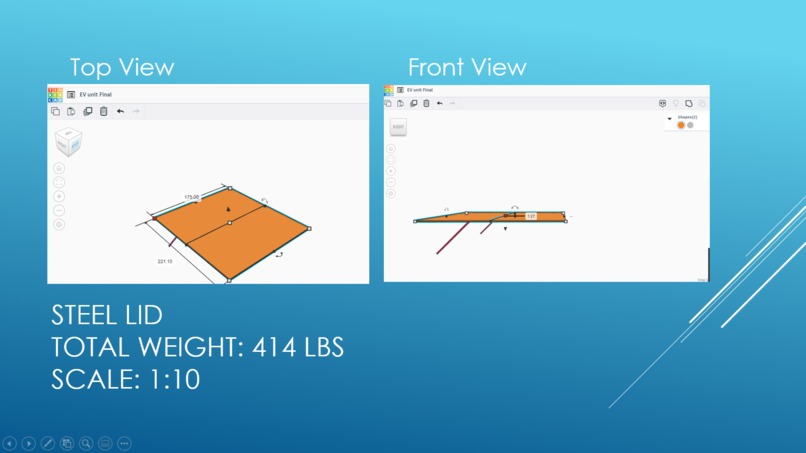
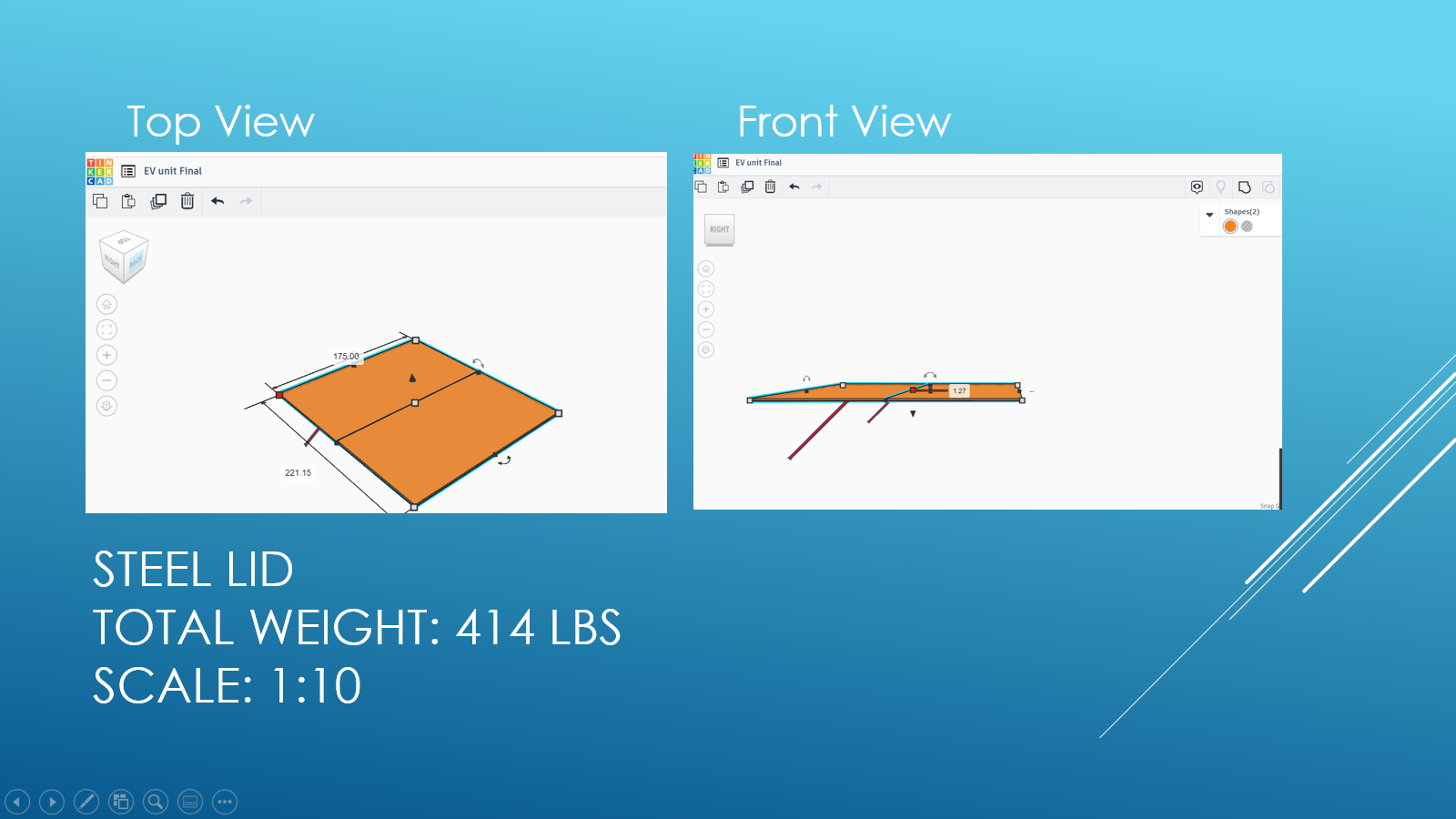
Outer Layer Lid
Our Team
- Sam Nakis - Pro Squad & Project Manager
- Alex Riester - Pro Squad
- Dan Hautzinger - Pro Squad
- Madison Thomas - Go Squad
- Gerard Seig - Go Squad
- Tyler Poling - Coach
- Caleb Francis - Coach
Problem
With a large amount of Electric Vehicle (EV) batteries entering the end of their useful life in EVs, there are many issues related to safe storage and transportation of these batteries for recycling and repurposing endeavors. Many of these EV batteries still hold 70-80%of their storage capacity, however current methods of EV storage lead to degradation of this storage capacity due to temperature changes and inactivity of the battery’s components. EV batteries present many dangers in their storage as well due to their reactive components potentially causing rapid fires and hazardous gases as a byproduct, presenting risk for the people involved in the recycling process and other batteries.
Solution
The Atlas Case is designed with both the safety of the consumer and the batteries capacity protection in mind. The climate control system is designed to keep the battery stored in its optimal temperature range of 60-80 degrees fahrenheit, either through means of electrical heating to prevent capacity drainage through the cold, or an air filtration system that moves air air in and out of the case to avoid air stagnation. With all of this, the Atlas Case will also keep the battery charged in order for it to be repurposed at a later date.
Market Size
“The global electric vehicle battery recycling market was valued at $138.6 million in 2017, and is projected to reach $2,272.3 million by 2025, growing at a CAGR of 41.8% from 2018 to 2025”(Allied Market Research).
Competition
Global Tech Environmental and the Mobility House are going to be FLIP’s main competitors. Global Tech focuses on the recycling of batteries through transportation capabilities while the mobility house focuses on how they can extend its life. FLIP will combine these two aspects to be the go-to solution for recycling and repurposing old EV batteries.
Business Model
After the initial push for transportation of old EV batteries, FLIP will make money by using the Atlas Case as a secondary energy storage container focused on power for businesses. FLIP will be selling the Atlas case as a secondary storage container to businesses for $12,750 per case. It will cost $6500 to manufacture each box with a lifespan of 10 years. The batteries purchased from car dealerships will cost $1000 to $3000 giving a profit between $3,250 to $5250 per box depending on the life of the battery.
Marketing and Sales
Flip will focus marketing efforts towards B2B online marketing as well as industry related trade fairs. After the initial marketing, there will be a carefully planned sales funnel to ensure the company achieves as many sales as possible. This will include a pitch and demo all in one. FLIP knows this is a good product so the company needs to show that from the beginning. FLIP will be very involved in a personalized approach throughout the whole process with a heavy focus on communication. The funnel will end with price negotiations that fit that particular customer’s needs until the sale is complete.
Progress to Date
Currently, the Atlas Case is being planned on a computer and code is being developed. Much of the research pertaining to the business is complete. Next up is manufacturing the actual case and obtaining the proper patents.
Future Milestones
Flip has a lot of potential for growth in the next few years that will allow the company to infiltrate new markets. At the moment, theAtlas case is a great storage solution for EV batteries but how can it go a step further and create more value? The answer to that is by taking the energy and putting it to use. These cases can turn into generators to power tiny homes, food trucks, power areas hit by natural disasters, and much more. FLIP will also begin talking with the FAA about being able to fly EV batteries with the Atlas case. Currently, these batteries are not able to be flown because of safety concerns but the Atlas case changes that. This is the future of EV batteries.

Log in or sign up for Devpost to join the conversation.