About the Project
Inspiration
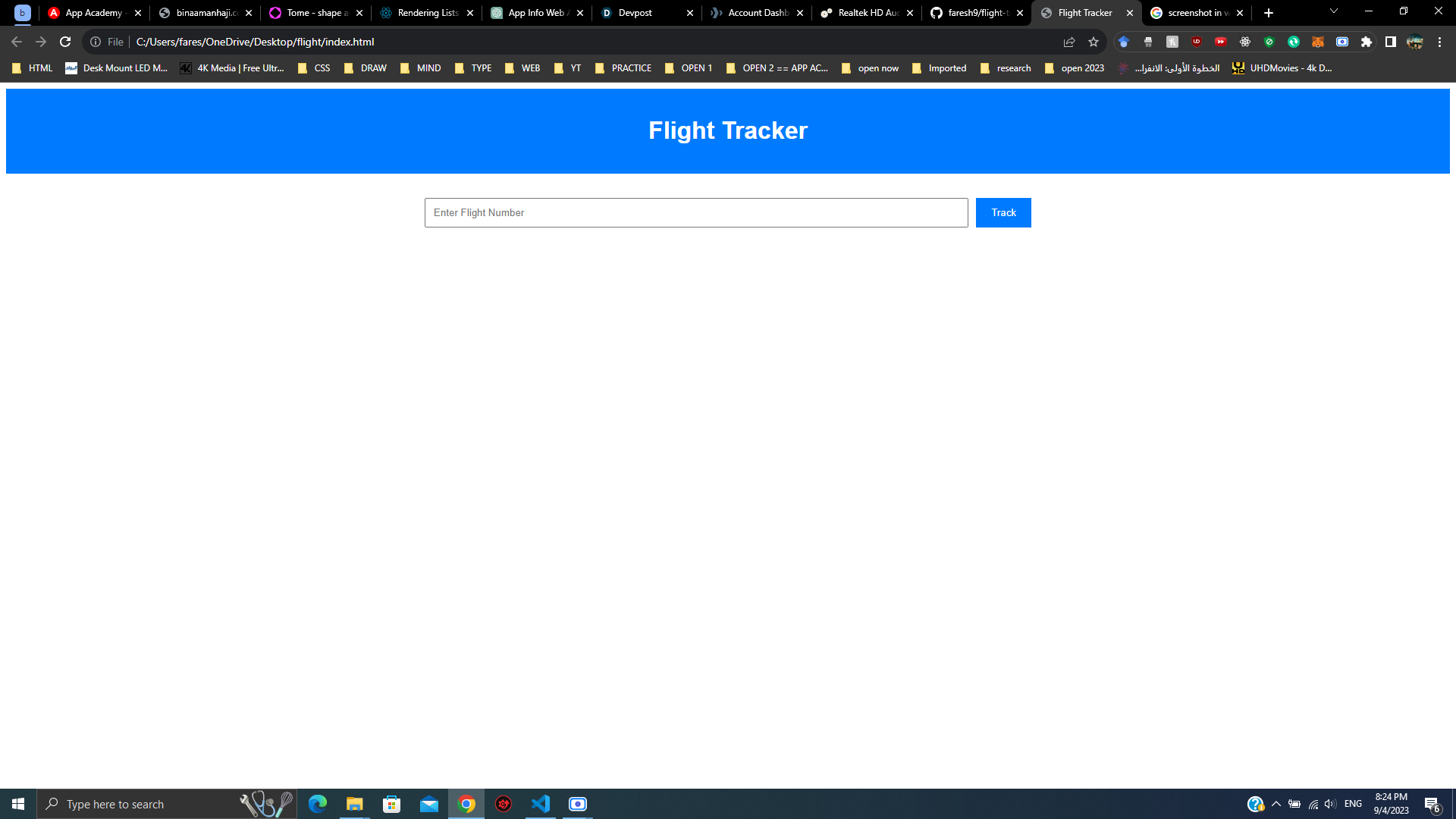
The inspiration for the Flight Explorer project came from a shared fascination with aviation and a desire to create a practical application that combines technology with the thrill of tracking flights. As aviation enthusiasts, we often found ourselves monitoring flights, checking arrival and departure times, and following the paths of aircraft in real-time. However, we noticed that many existing flight tracking tools were either too complex or lacked a user-friendly interface. This led us to create a simple and intuitive flight tracking web application that anyone, from aviation enthusiasts to travelers, could use to explore the world from above.
What We Learned
Throughout the development of Flight Explorer, we learned several valuable lessons:
API Integration: We gained hands-on experience in integrating external APIs, such as the AviationStack API, to fetch real-time flight data. This involved handling API requests, parsing JSON responses, and displaying the information in a user-friendly format.
Front-End Development: Our project allowed us to enhance our front-end development skills. We created a clean and responsive user interface using HTML, CSS, and JavaScript, ensuring a seamless user experience on both desktop and mobile devices.
Project Collaboration: Collaboration was a key aspect of this project. We learned how to work effectively as a team, divide tasks, and use version control systems like Git and GitHub to coordinate our efforts.
Problem Solving: We encountered challenges along the way, such as handling API rate limits, error handling, and optimizing the application's performance. These challenges taught us valuable problem-solving skills.
How We Built Our Project
Flight Explorer was built as a web application using the following technologies and methodologies:
HTML/CSS/JavaScript: We used these fundamental web technologies to create the user interface and add interactive features to the application.
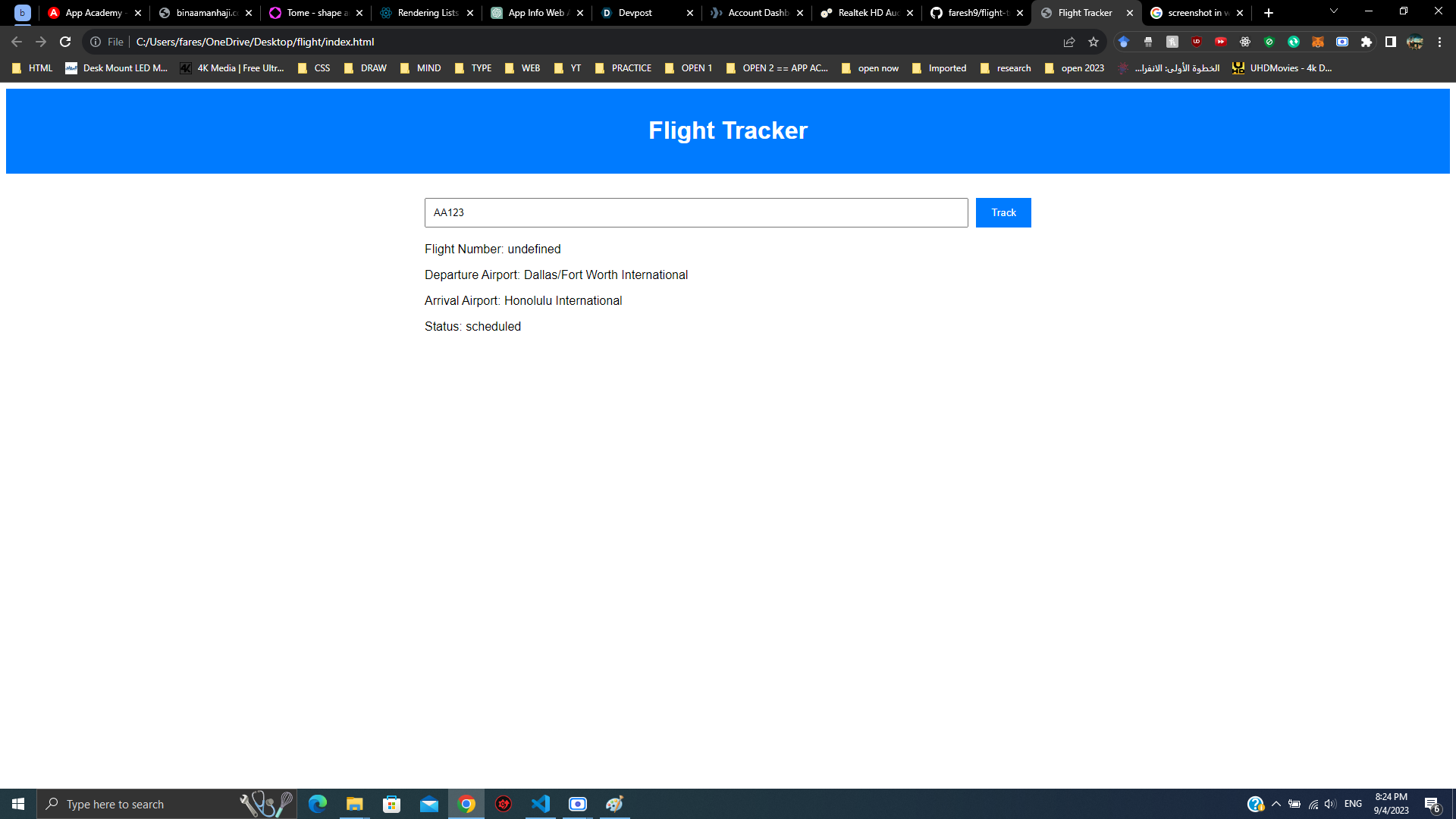
AviationStack API: We integrated the AviationStack API to fetch real-time flight data, including flight numbers, departure airports, arrival airports, and flight statuses.
Responsive Design: We ensured that Flight Explorer is responsive and looks great on various screen sizes, from mobile devices to desktop computers.
Version Control: We used Git for version control and GitHub for collaboration, allowing us to track changes and work together efficiently.
Challenges We Faced
While building Flight Explorer, we encountered several challenges:
API Rate Limits: To prevent overloading the AviationStack API, we had to implement rate limiting on our end and handle errors gracefully when rate limits were exceeded.
Data Parsing: Parsing the complex JSON responses from the API and displaying the information in a user-friendly way required careful data handling and formatting.
Cross-Browser Compatibility: Ensuring that Flight Explorer works consistently across different web browsers and devices posed some challenges in terms of CSS and JavaScript compatibility.
User Experience Optimization: Striking the right balance between a visually appealing interface and a smooth user experience required continuous refinement and testing.
Despite these challenges, we are proud of what we have achieved with Flight Explorer and are excited to share it with the aviation community and travelers worldwide. We hope you enjoy using it as much as we enjoyed building it!
Built With
- api
- css
- html
- javascript
- vscode

Log in or sign up for Devpost to join the conversation.