-
-
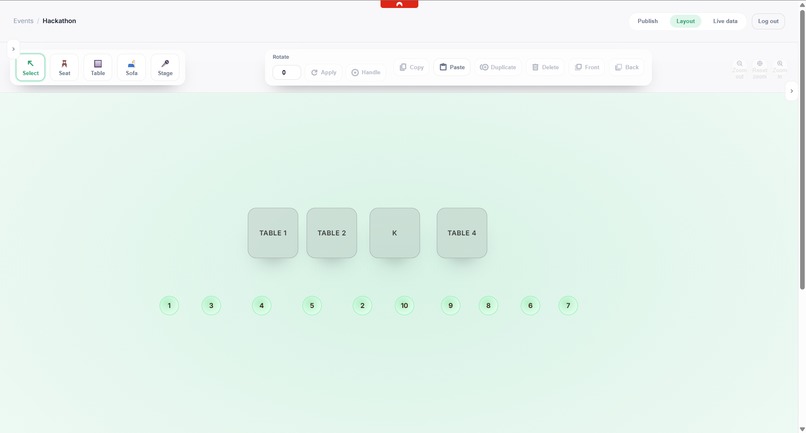
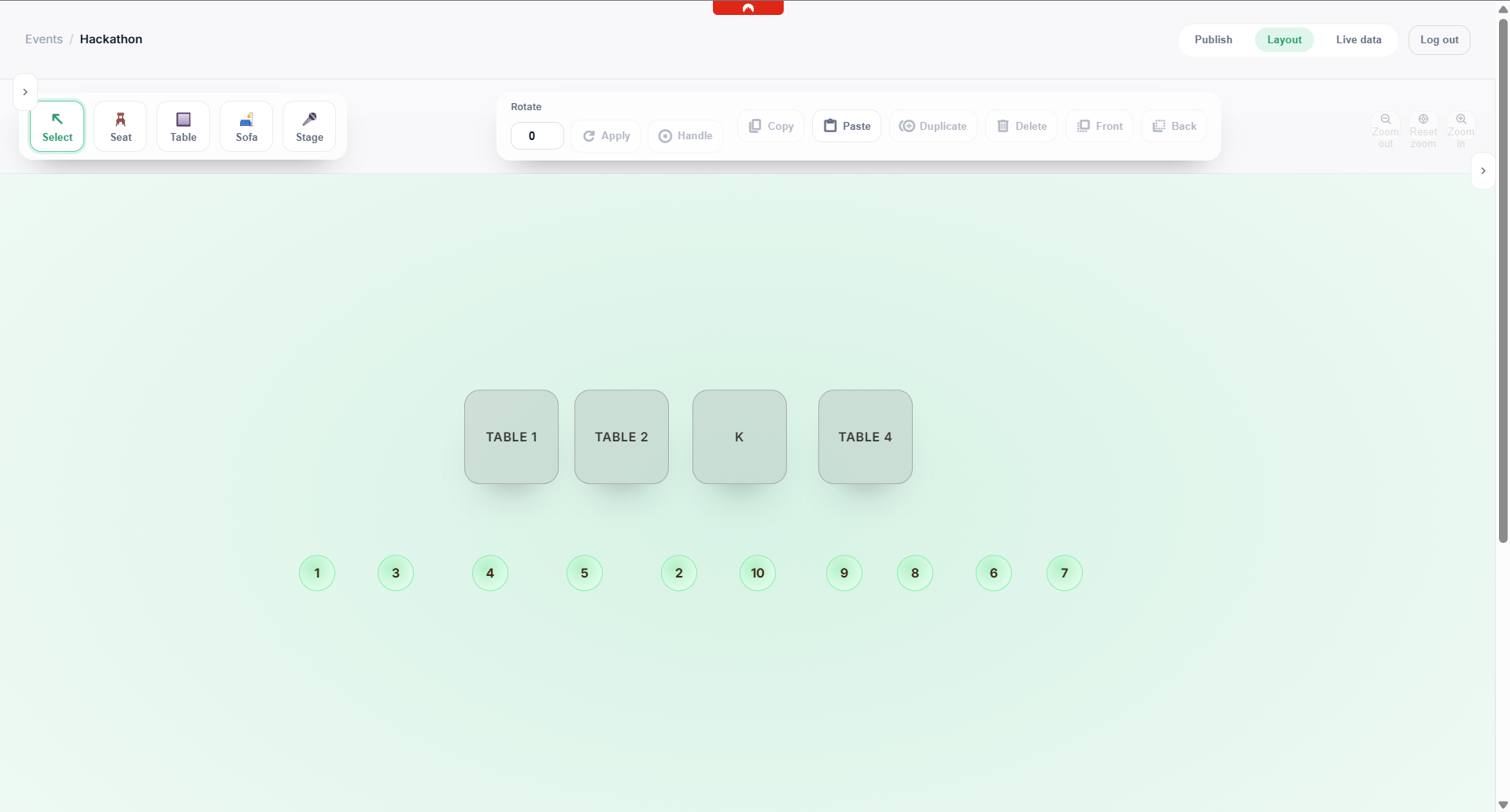
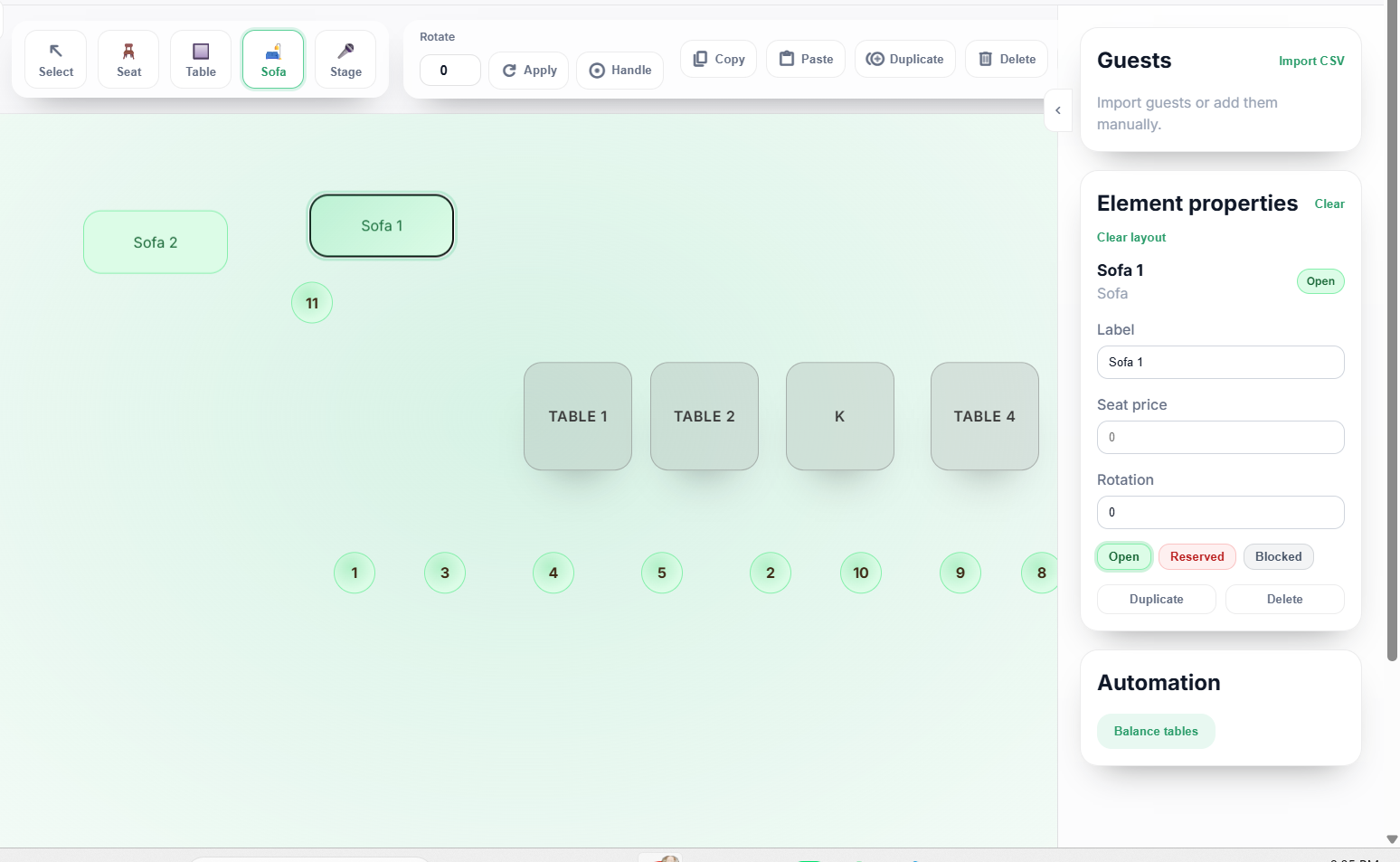
Organizer Interface 1
-
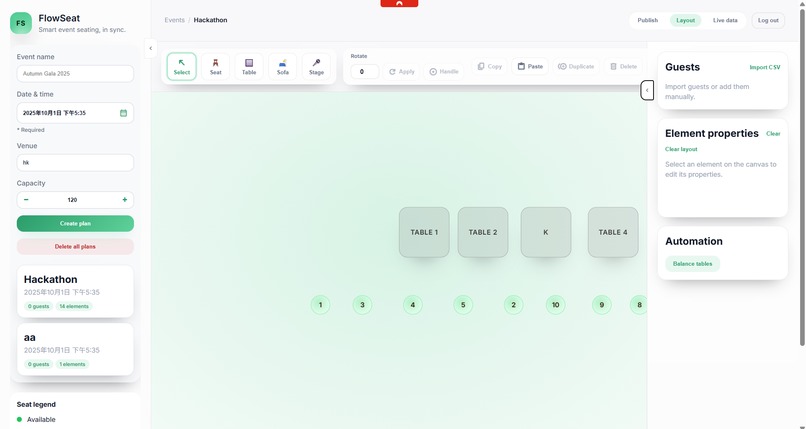
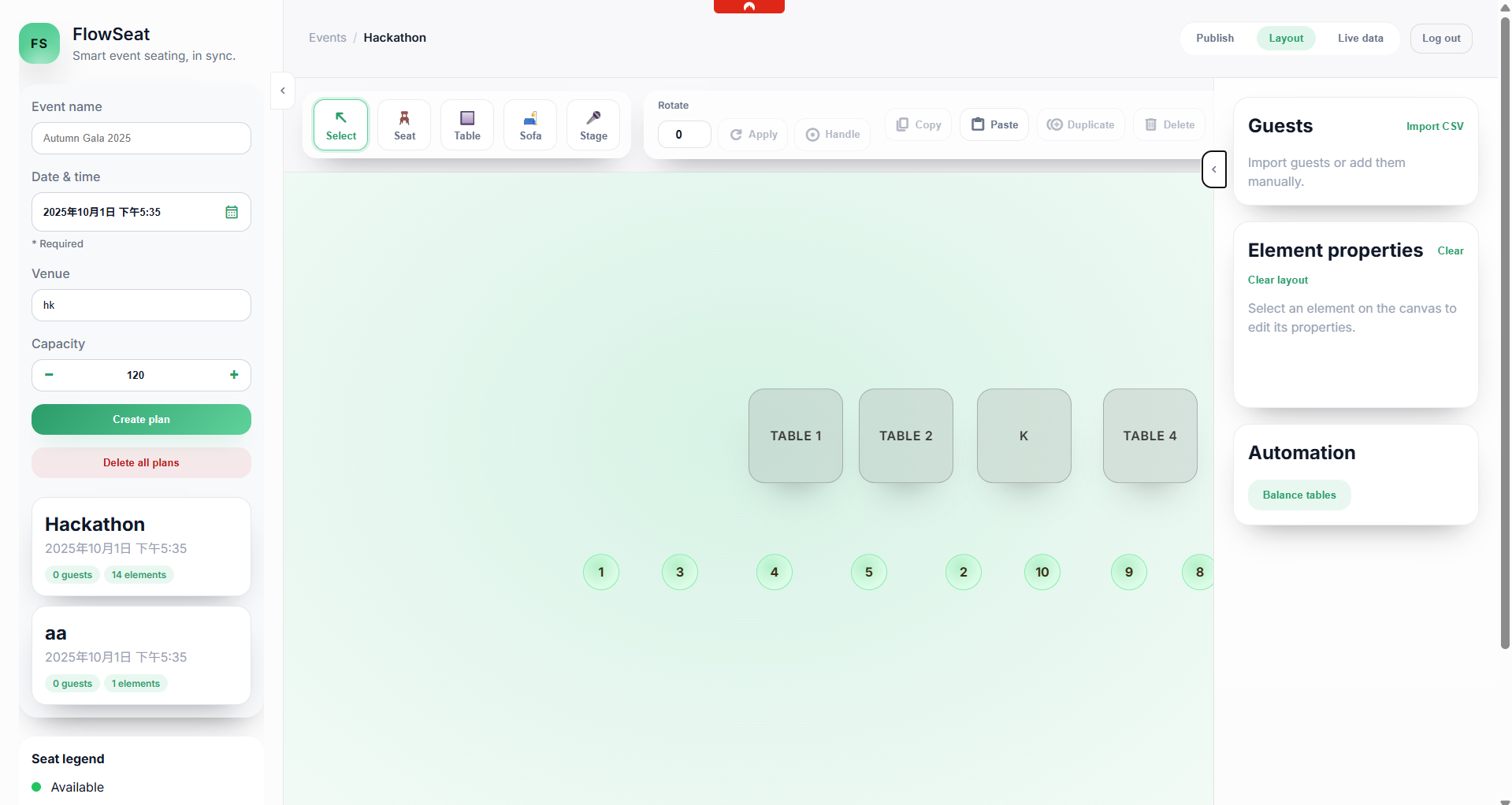
Organizer Interface 2
-
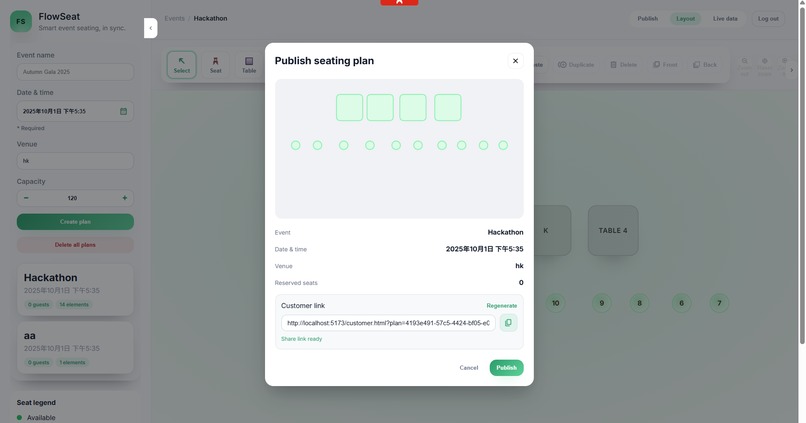
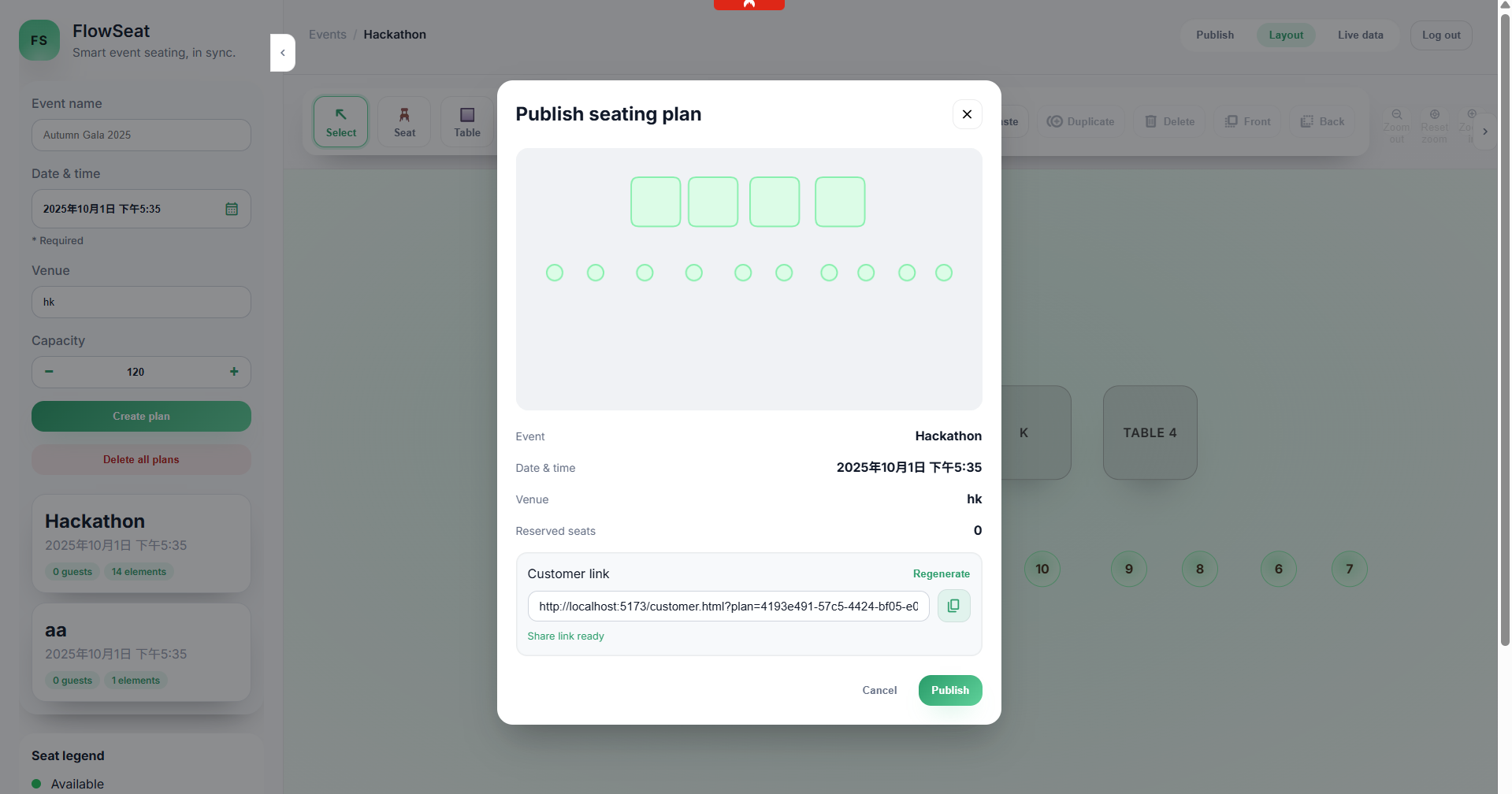
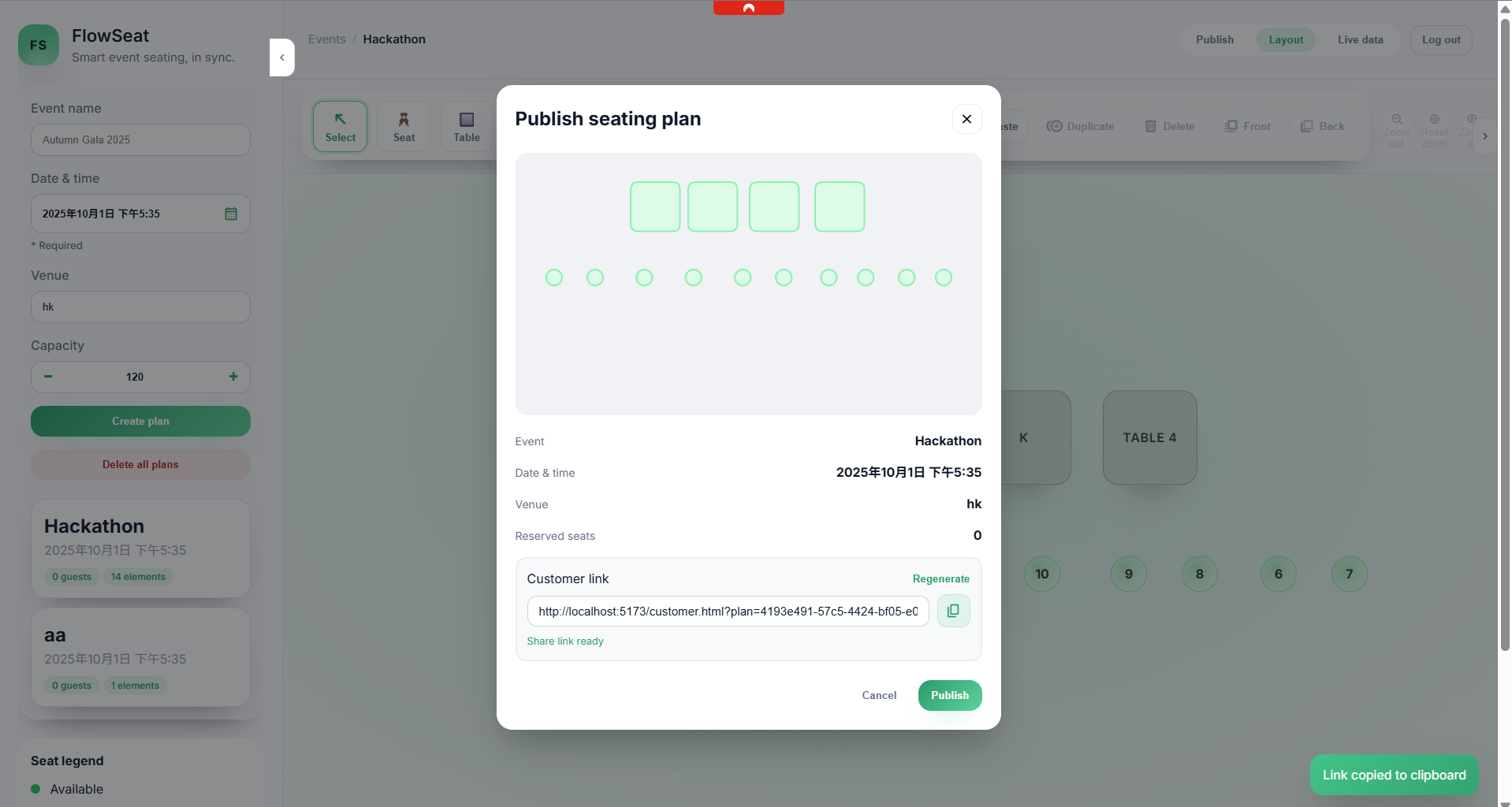
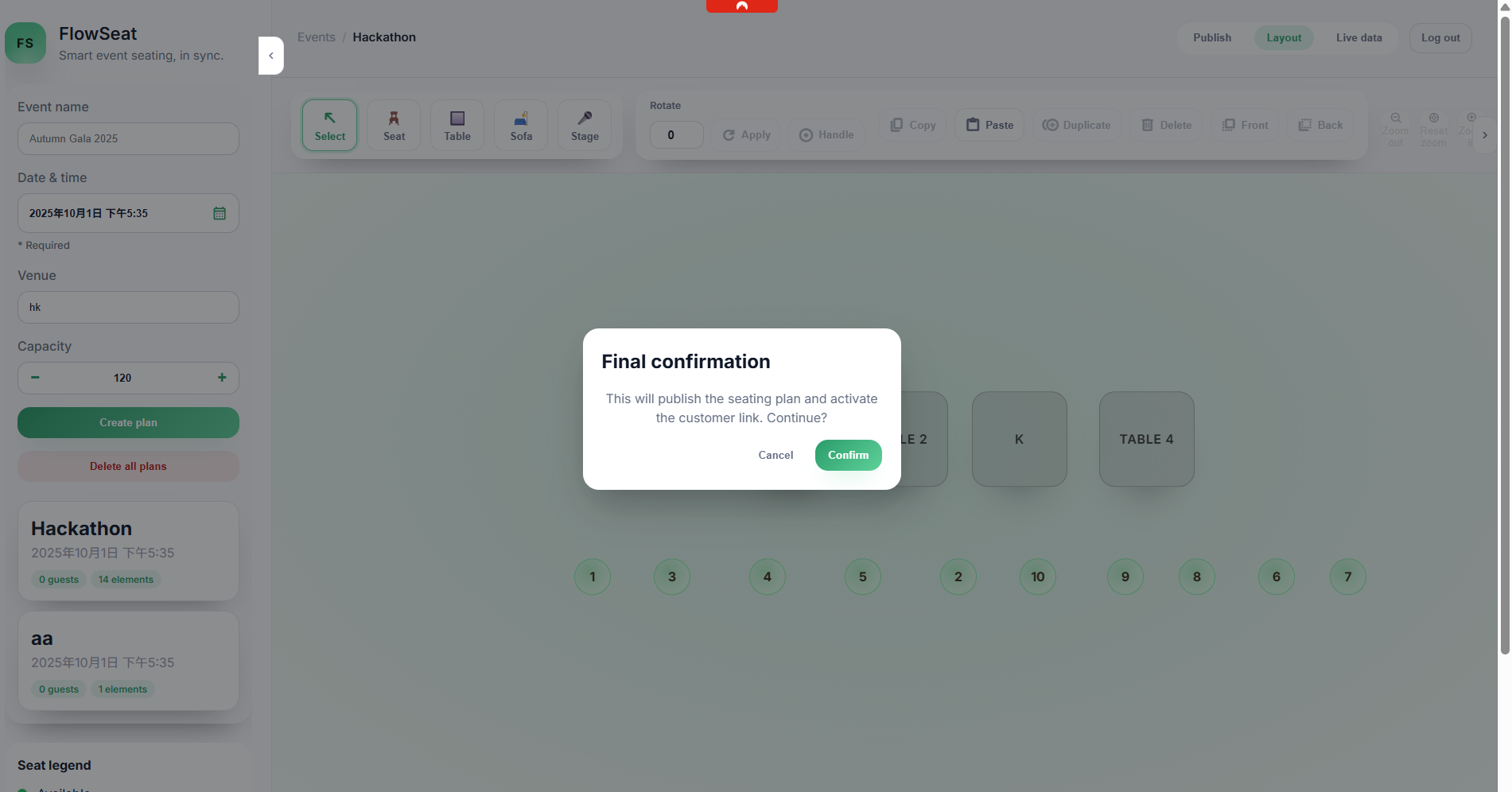
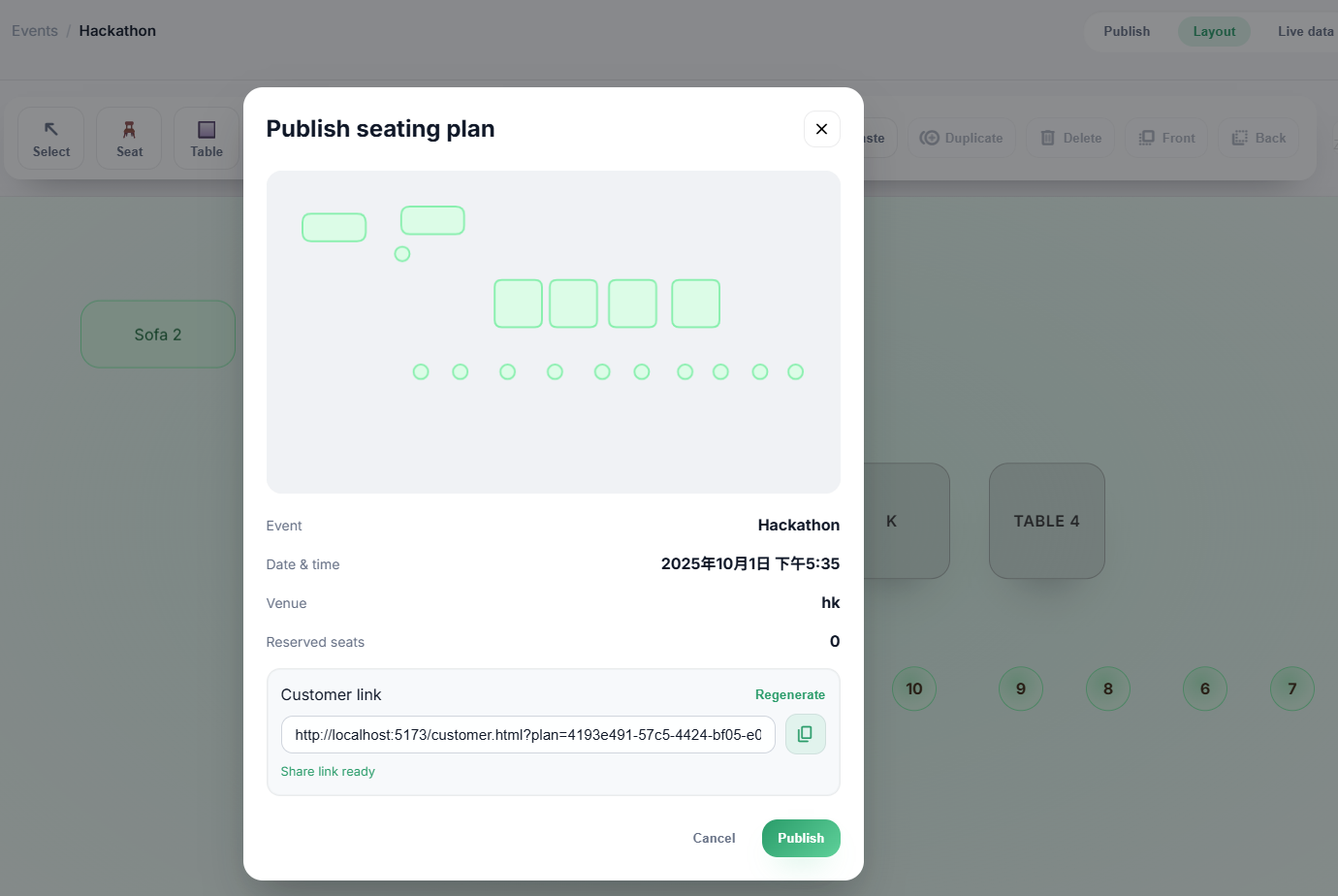
Organizer Interface 3 Publishing Seating Plan
-
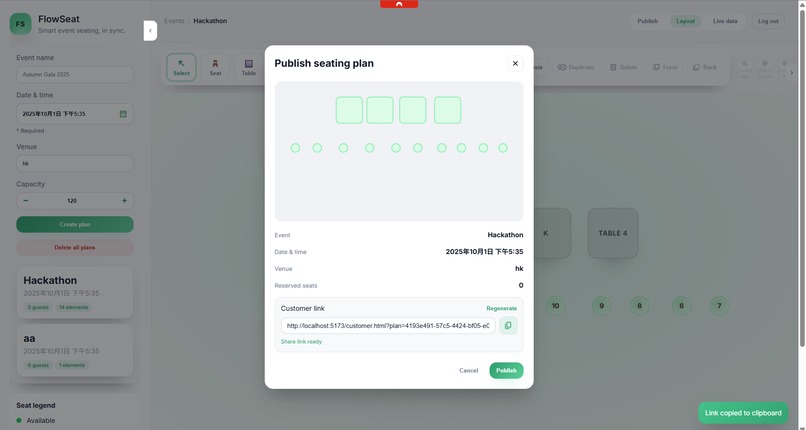
Organizer Interface 4 Publishing Seating Plan
-
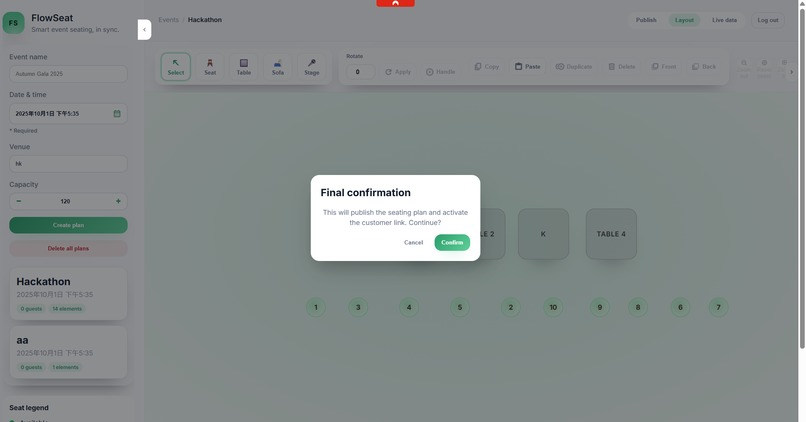
Organizer Interface 5 Publishing Seating Plan
-
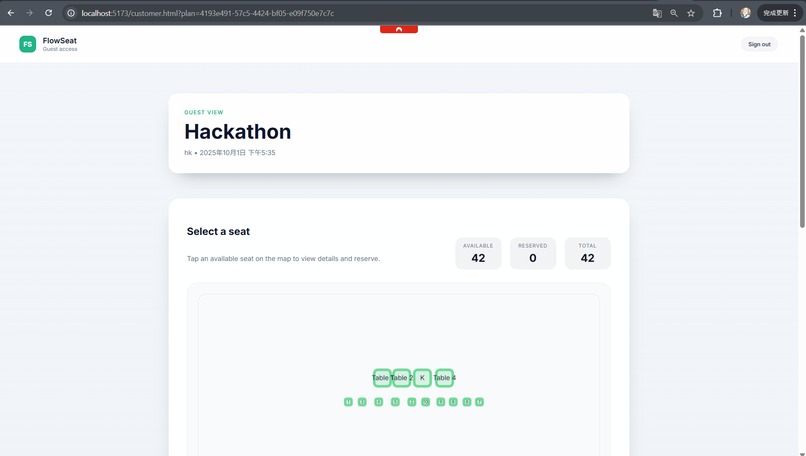
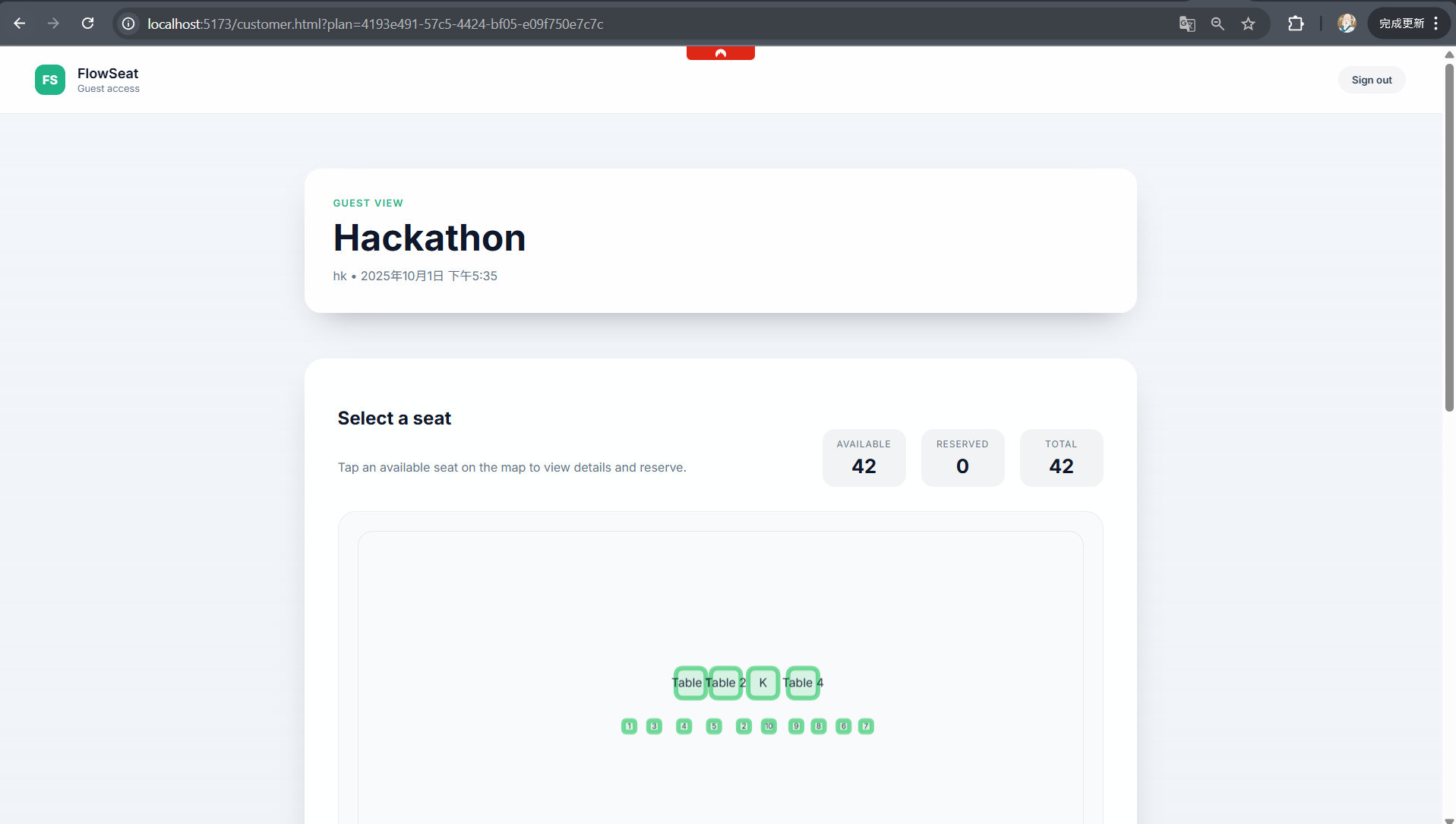
Client Interface 1
-
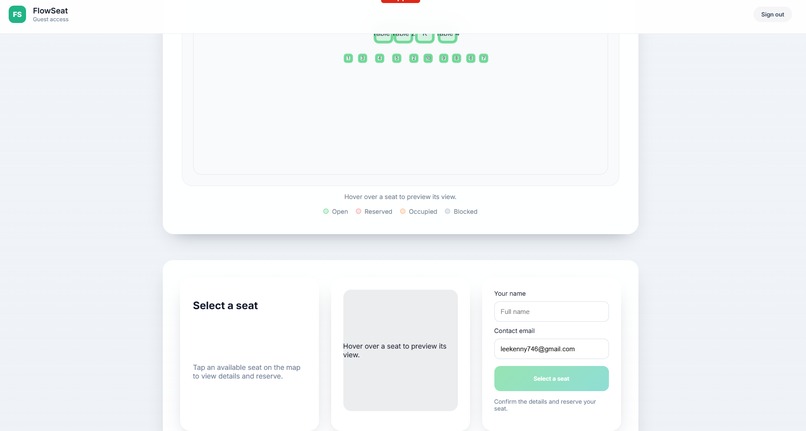
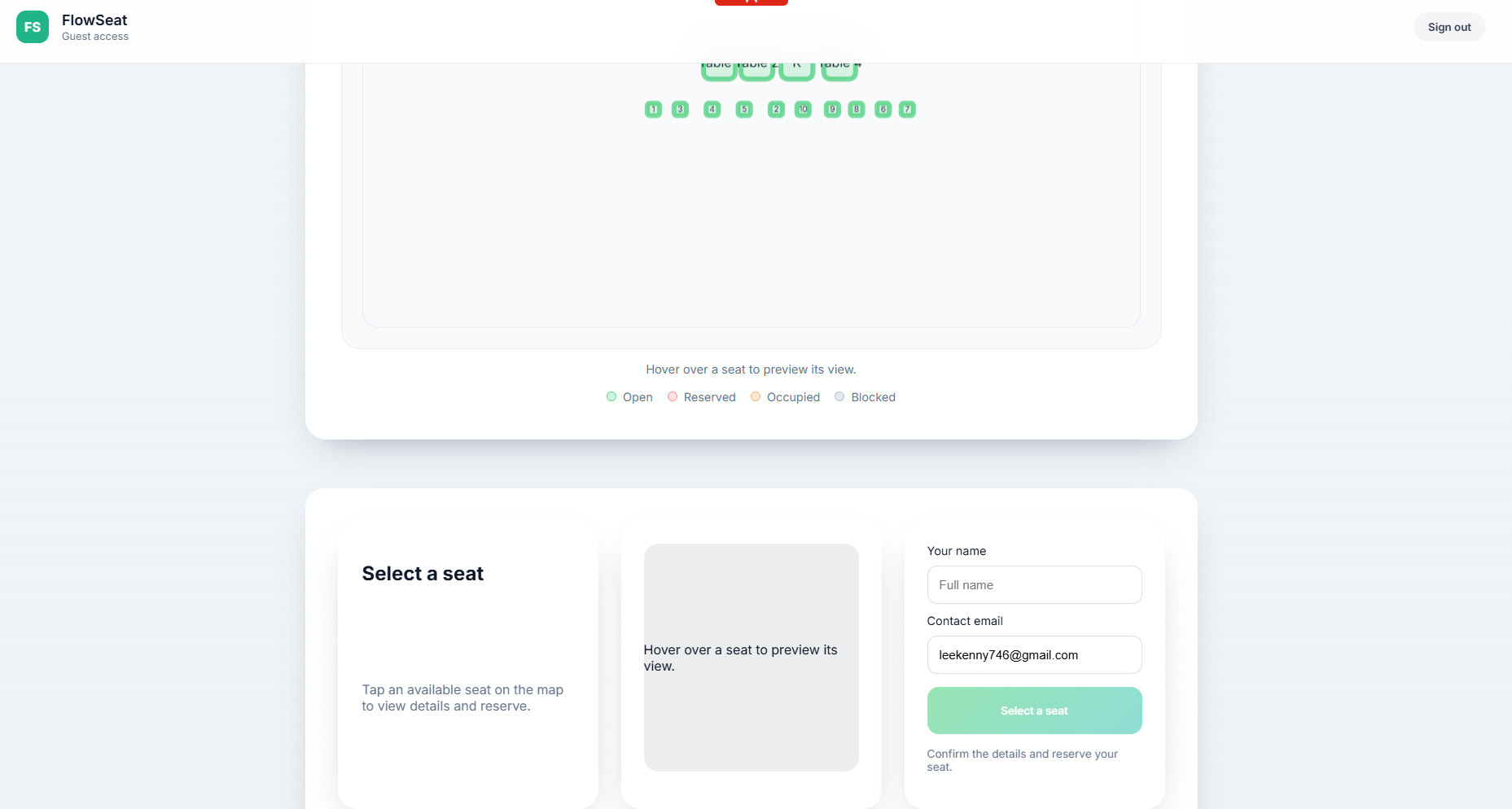
Client Interface 2
-
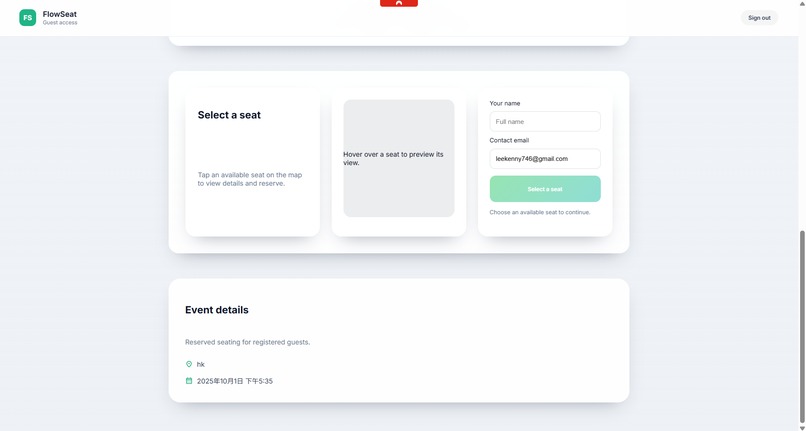
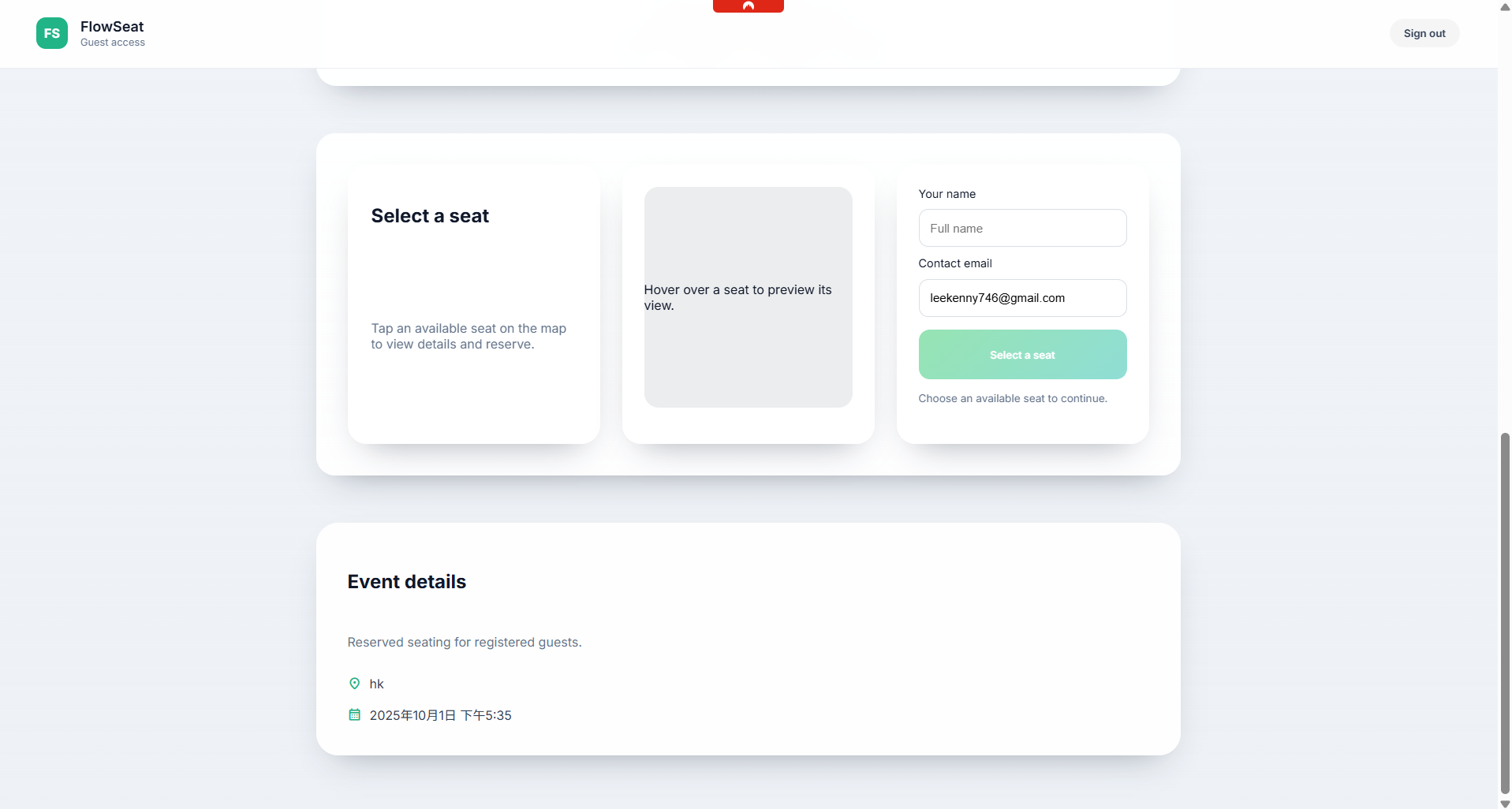
Client Interface 3
-
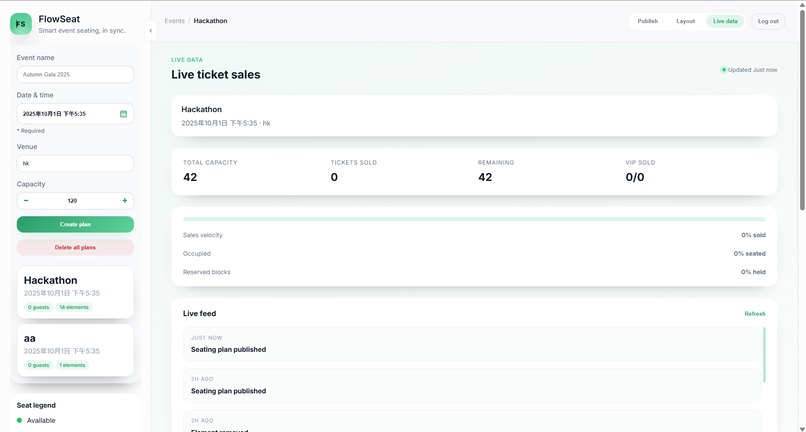
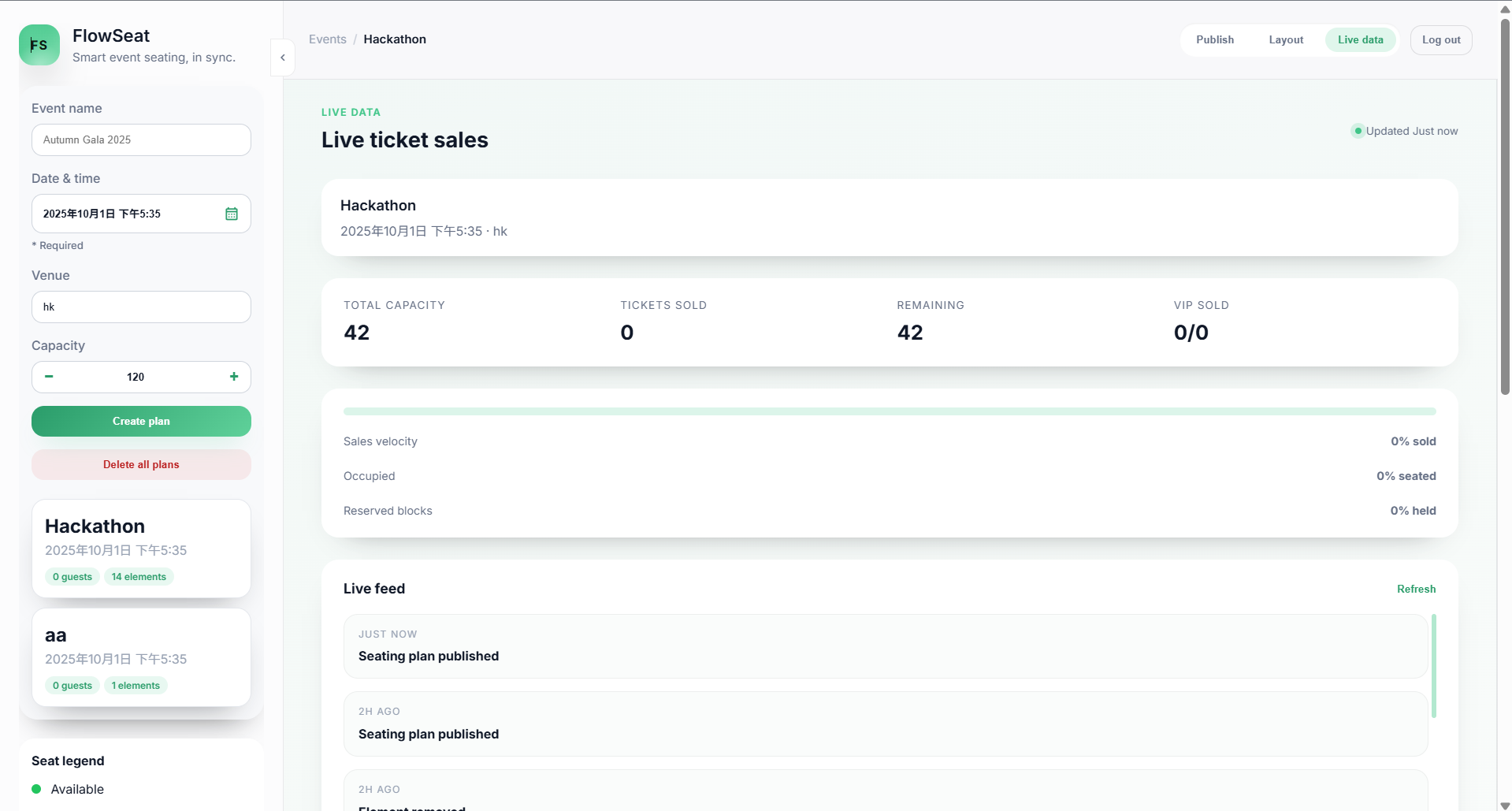
Organizer Interface 1 Real Time Ticket Selling Data
-
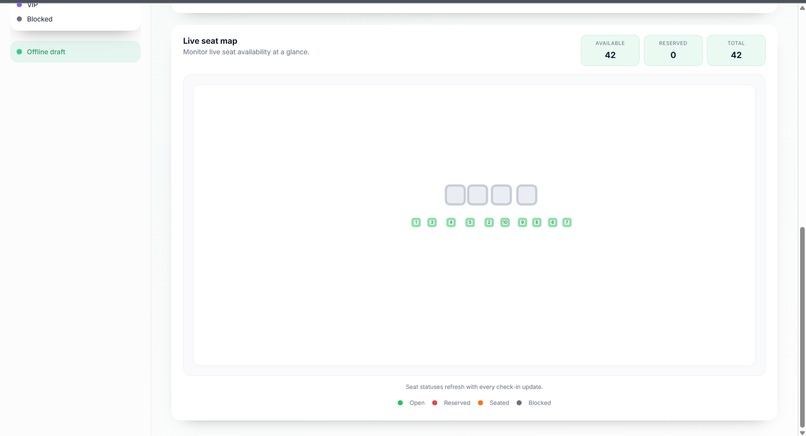
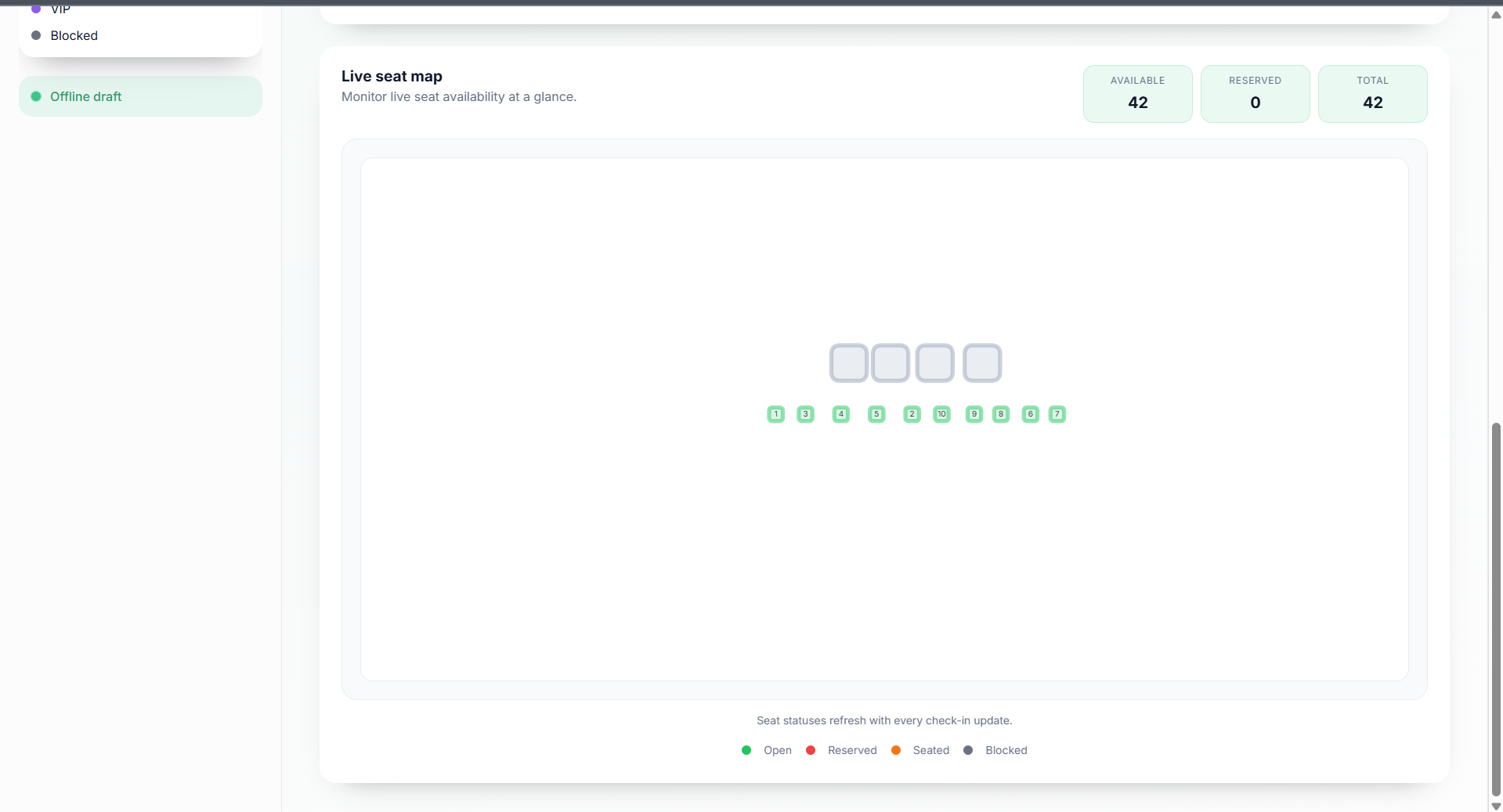
Organizer Interface 2 Real Time Ticket Selling Data
-
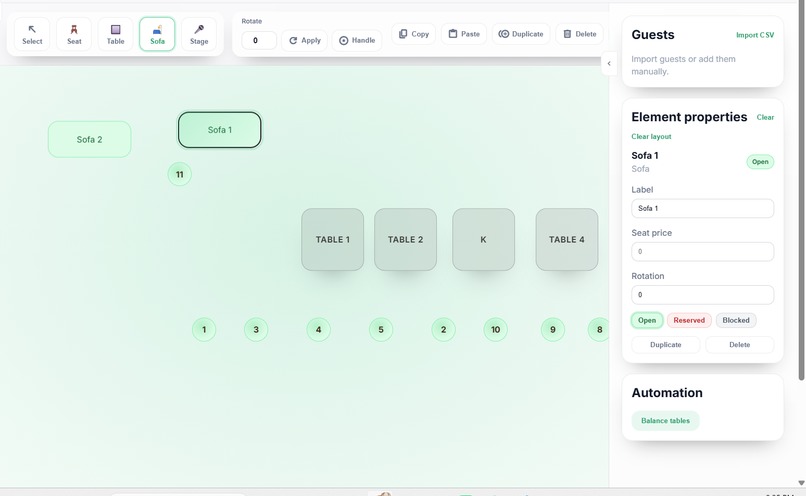
Adding new objects
-
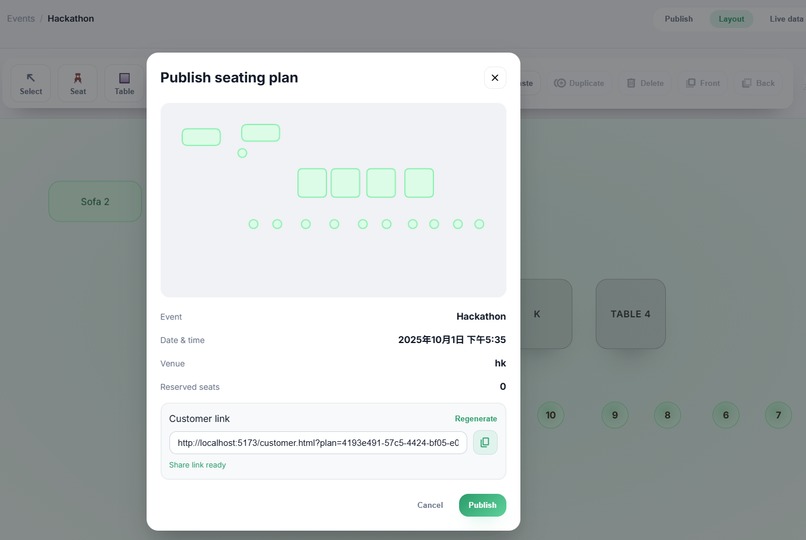
Republishing
Inspiration
In the vibrant heart of Hong Kong, event organizers are vital to our city's cultural and social life. Yet, the first step in bringing people together—designing a seating plan—remains stuck in the past.
We've watched talented organizers spend countless hours redrawing seat maps on PDFs or sketching on paper. They juggle rigid software, manual seat counts, and a last-minute scramble to publish a static map. The result? Frustration, errors, and a poor experience for attendees left guessing what their seats actually look like.
We believed there had to be a better way. The inspiration for FlexiSeat was born from a simple idea: what if the entire process—from a rough sketch to a sold ticket—could be seamless, intelligent, and flexible? We set out to build a tool that doesn't just draw seats but truly understands the art and science of bringing people together.
What it does
Our project is designed to streamline event seating management both before and during an event. FlexiSeat is a flexible, end-to-end seat planning and ticketing product built for these real-world needs.
Before the event
Hosts can digitally design their venue's layout. You start by importing what you already have—uploading a PDF or even a photo—and our AI converts it into an editable digital map. A fast drag-and-drop editor then lets you design anything: theater, classroom, U‑shape, banquet, or mixed seating and standing. Pick an event type and FlexiSeat recommends a layout tuned for capacity, spacing, sightlines, and accessibility. When your plan is ready, you can run an AI Enhancement to catch improvements—optimizing for better sightlines, safer aisles, smarter price tiers, and accessible seating placement.
During the event
Once the design is complete, hosts can assign seats either manually or automatically. When the event begins, the system transitions to a live mode, allowing hosts to dynamically mark and assign available seats in real-time as guests arrive, ensuring an efficient and organized seating process.
How we built it
We kickstarted the project by defining its vision and scope. From there, we empowered our workflow with Amazon Q, using it to build the initial website framework and implement core features. As we fine-tuned the details, Amazon Q helped us with swiftly troubleshooting and polishing the code to create the final product.
Challenges we ran into
While Amazon Q was vital in this project, particularly for its incredible debugging and framework generation capabilities, we faced significant challenges with its UI output. Despite providing detailed screenshots and style guides, the generated interfaces did not meet our professional standards. As a result, we had to dedicate a considerable amount of effort to manually redesigning the UI to achieve a professional aesthetic.
Accomplishments that we're proud of
Our biggest accomplishment was completing each major module step by step, steadily building towards the finished product. Along the way, we dedicated significant effort to identifying and solving bugs, ensuring that every part of the system worked reliably. This disciplined approach allowed us to transform a complex idea into a working solution.
What we learned
We learned that high-contrast, color-blind-safe palettes and redundant cues like labels improve readability in chaotic environments. During a round of testing, we understood that touch-first design needs larger targets, forgiving gestures, and clear feedback to avoid mis-taps on crowded canvases. We also confirmed that generative AI like Amazon Q is a force multiplier in application development. Using Amazon Q, we were able to ship functional systems within days rather than weeks or months with traditional development methods.
What's next for FlexiSeat
For the next phase of our project, we plan to implement a dynamic, live seating plan.
Imagine this: A major conference in Wan Chai is in full swing. New guests arrive. As a family of four checks in, the host instantly locates and assigns them adjacent seats with a single tap. An attendee concerned about their view is seamlessly moved to a better location in real time. The host remains calm, the guests are delighted, and the event adapts effortlessly.
This innovation will greatly enhance event management by eliminating the challenge of finding seats when it matters most. We are building the capability to manage seating live, empowering hosts to maintain control from the initial design stage to the moment the final guest walks through the door. By bringing real-time clarity and dynamic control to the event floor, we will replace last-minute chaos with absolute confidence, allowing hosts to focus on what truly matters: delivering an exceptional experience.

Log in or sign up for Devpost to join the conversation.