-
-
-
-

Logo
-
1st
-
2nd
-
3rd
-
4th
-
5th
-
6th
-
7th
-

Inspiration
I built FitHero (a gym workout tracker) in 2019 and have been scaling it ever since. FitHero is published on both iOS and Android and makes five figures in ARR.
I always build apps I use myself. Today I'm 37, so it's not only about lifting weights anymore. What I was lacking was... mobility. I could find plenty of yoga apps, but no stretching app focused on gym-goers and desk workers (basically, people like me).
So here I am with FlexHero.
What it does
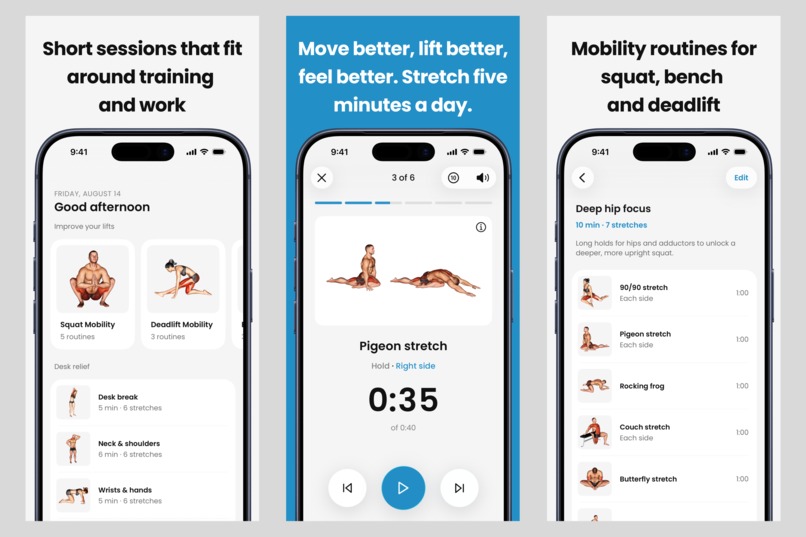
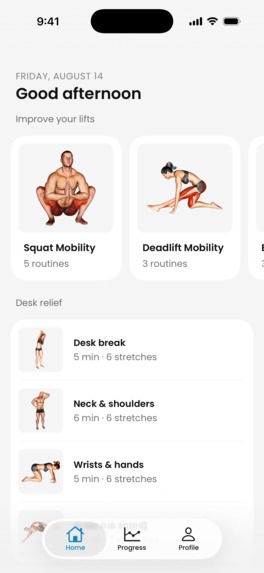
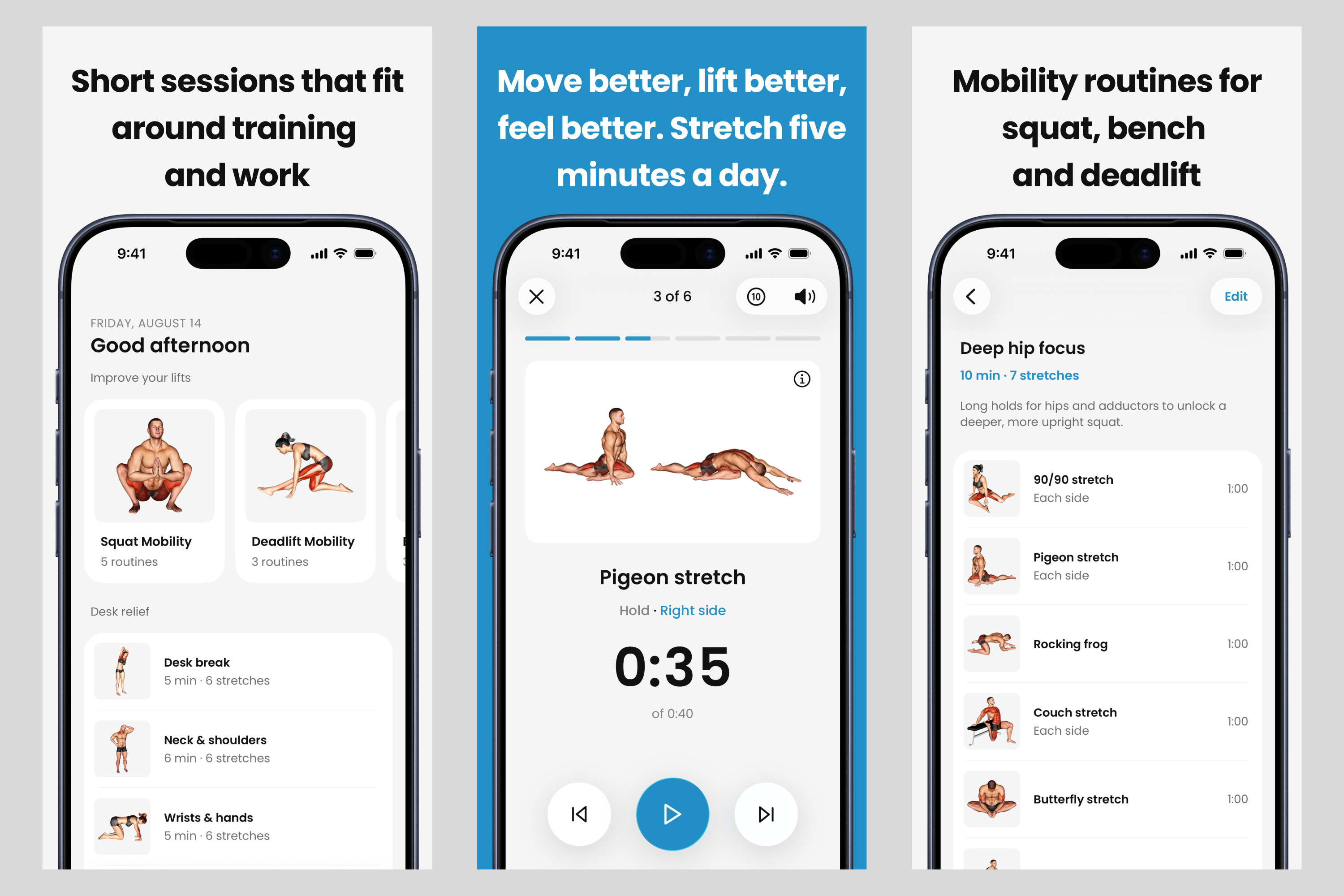
FlexHero is a stretching and mobility app for gym-goers and desk workers (people like me basically).
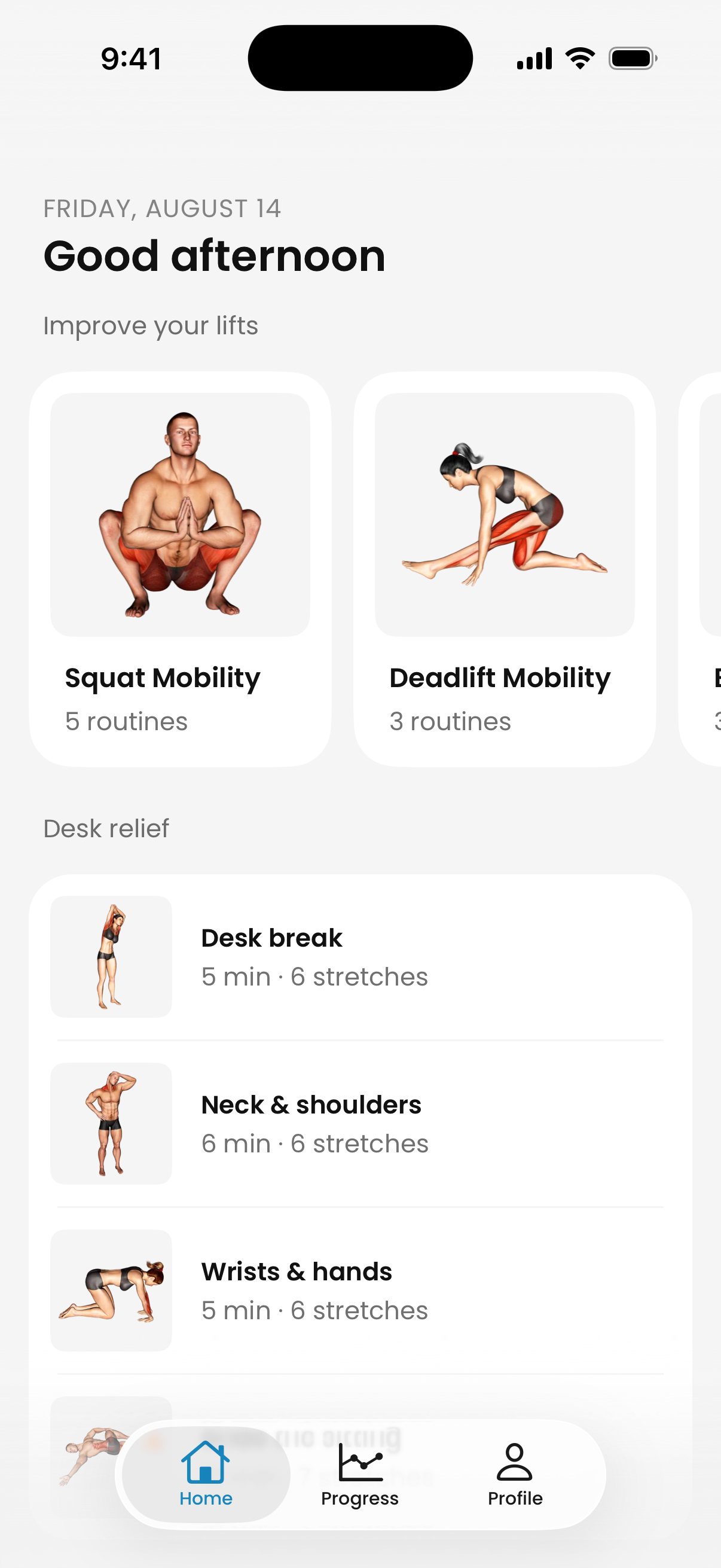
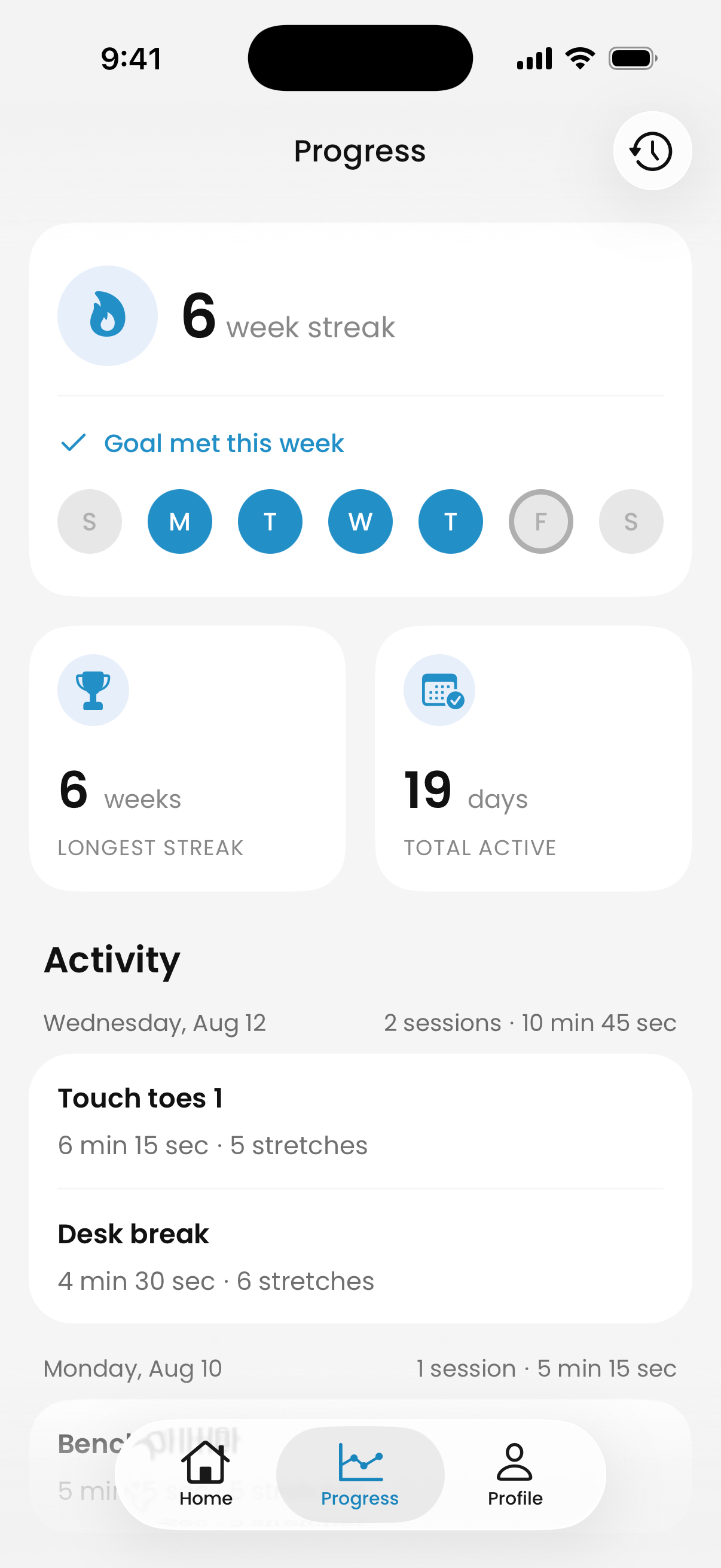
Most stretching apps I tried felt like yoga apps. I wanted something for before and after the gym, for rest days, and for when you sit at a desk all day.
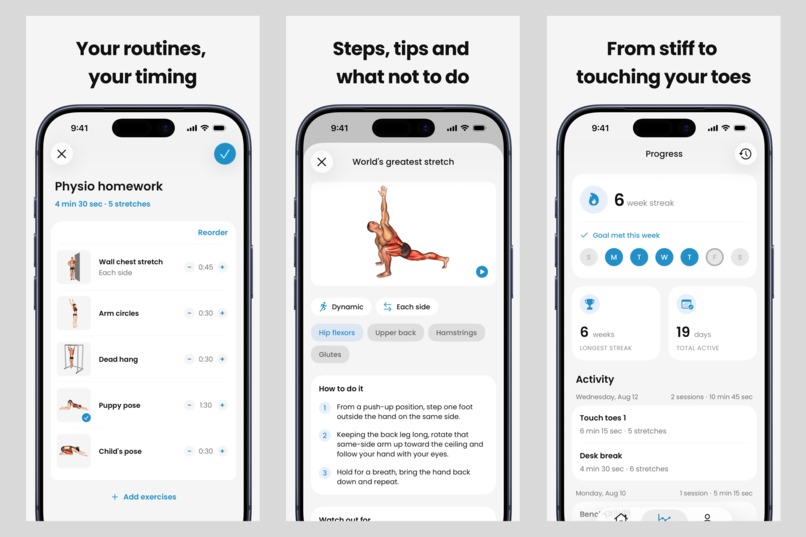
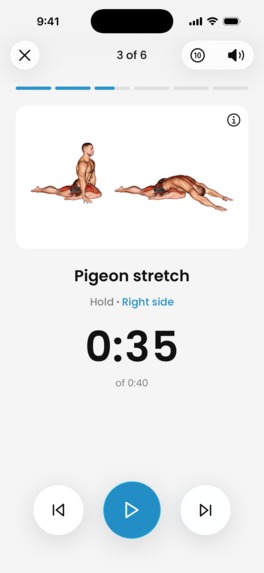
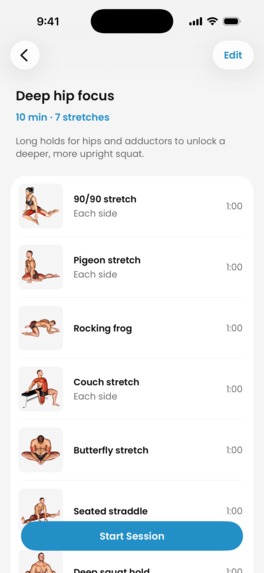
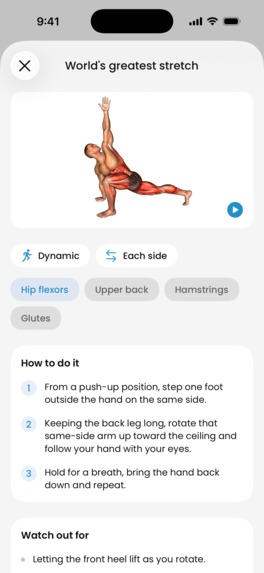
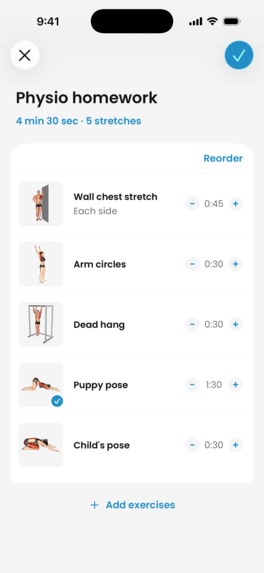
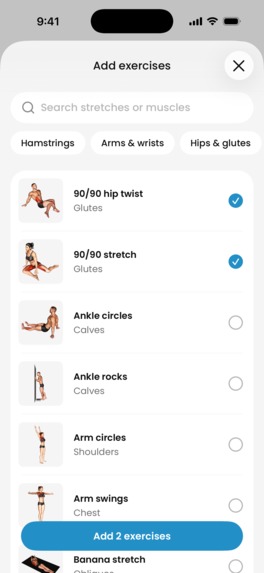
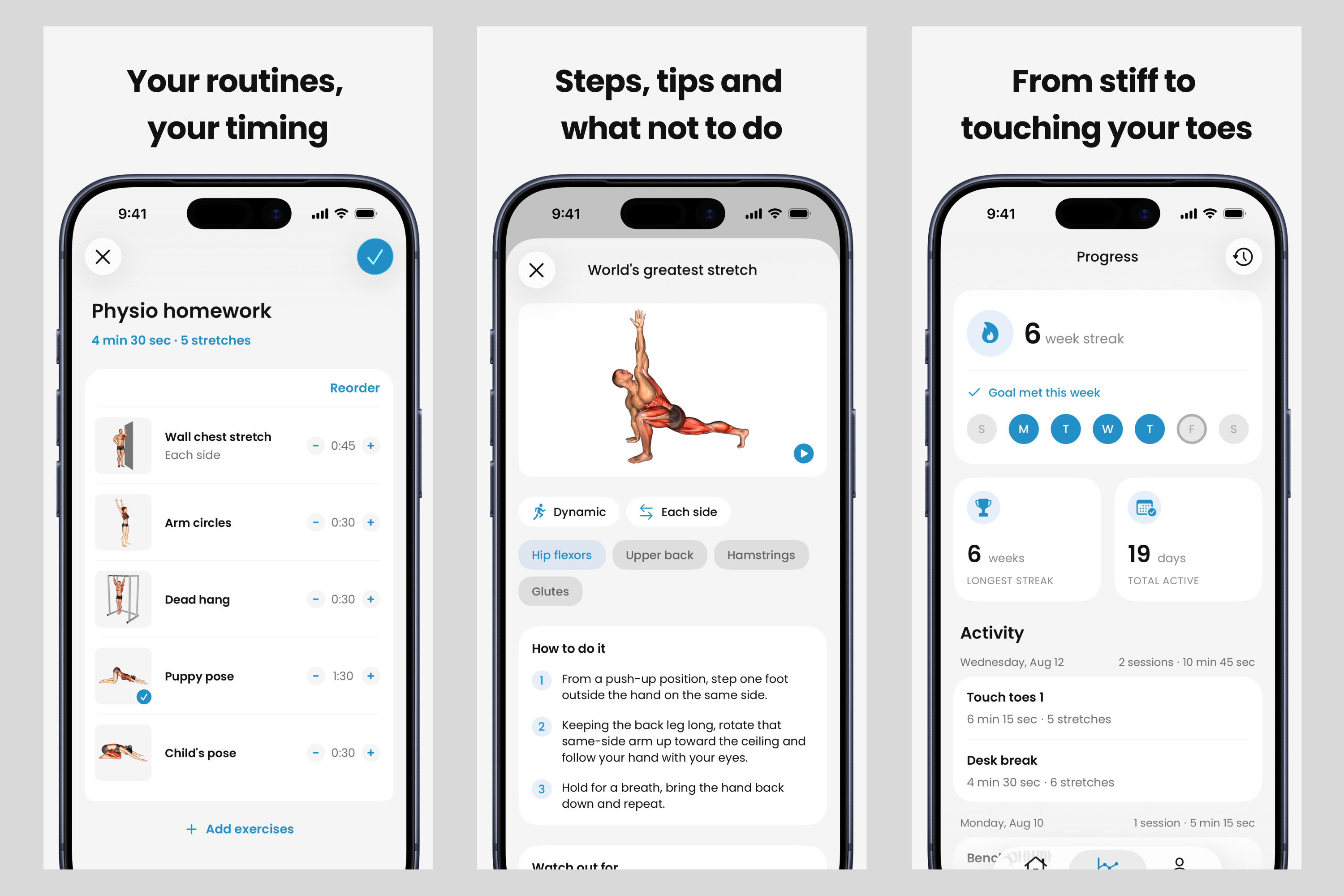
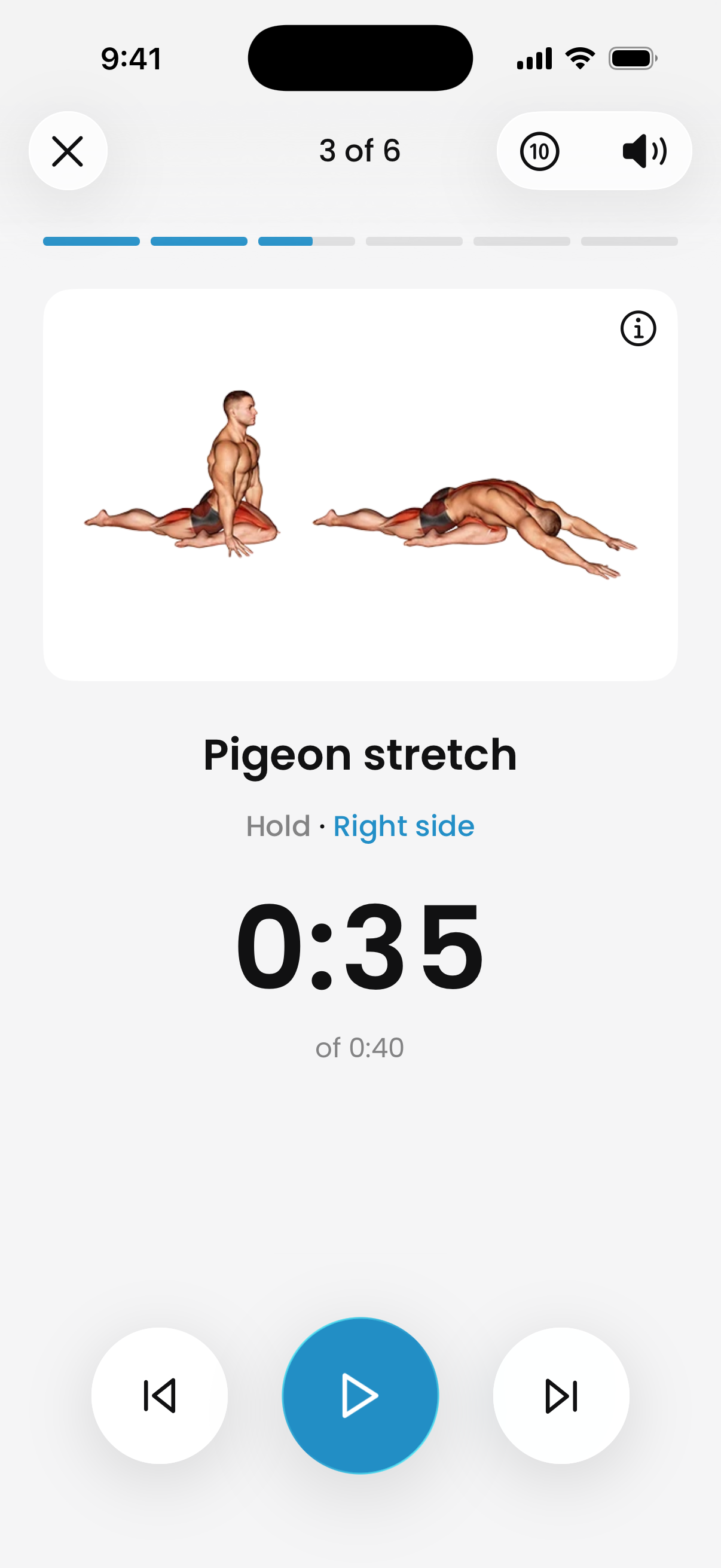
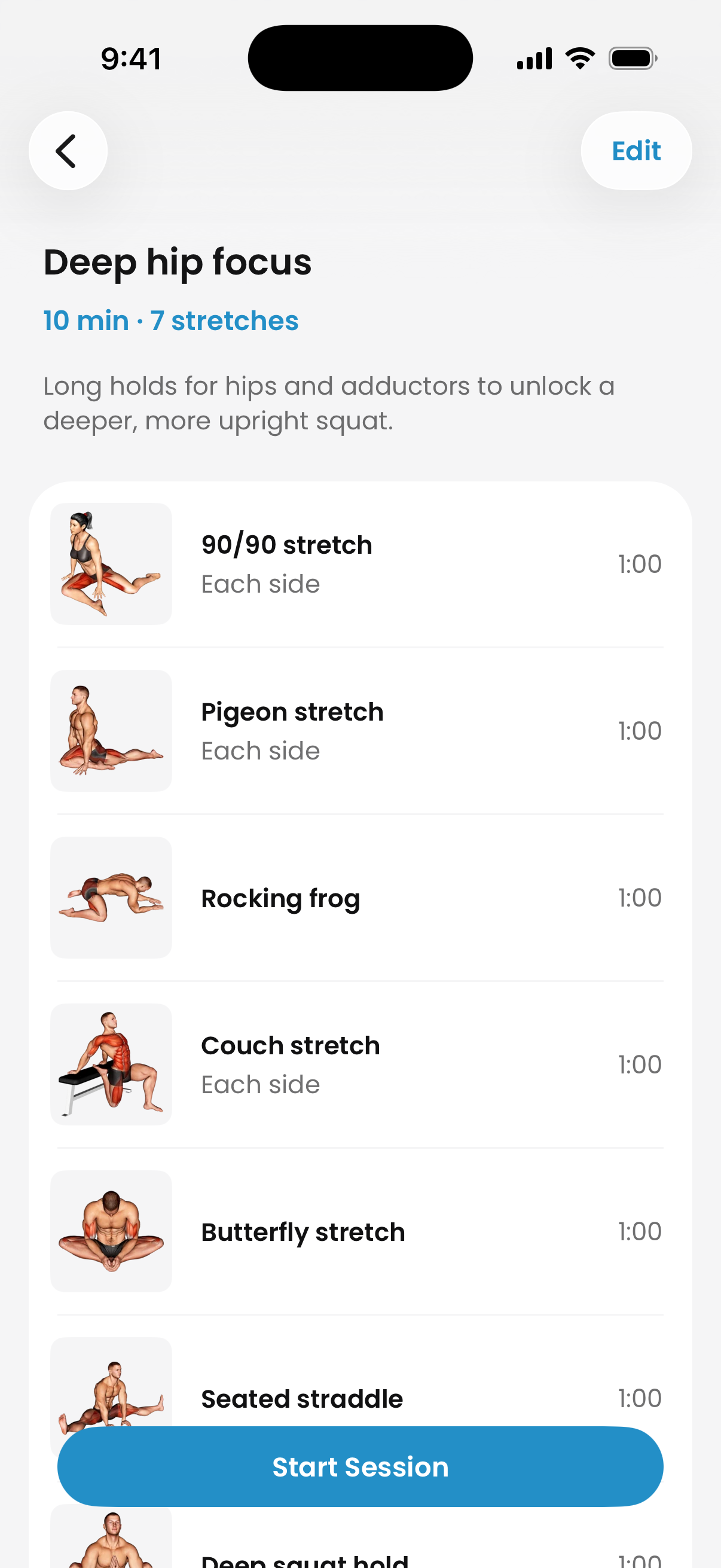
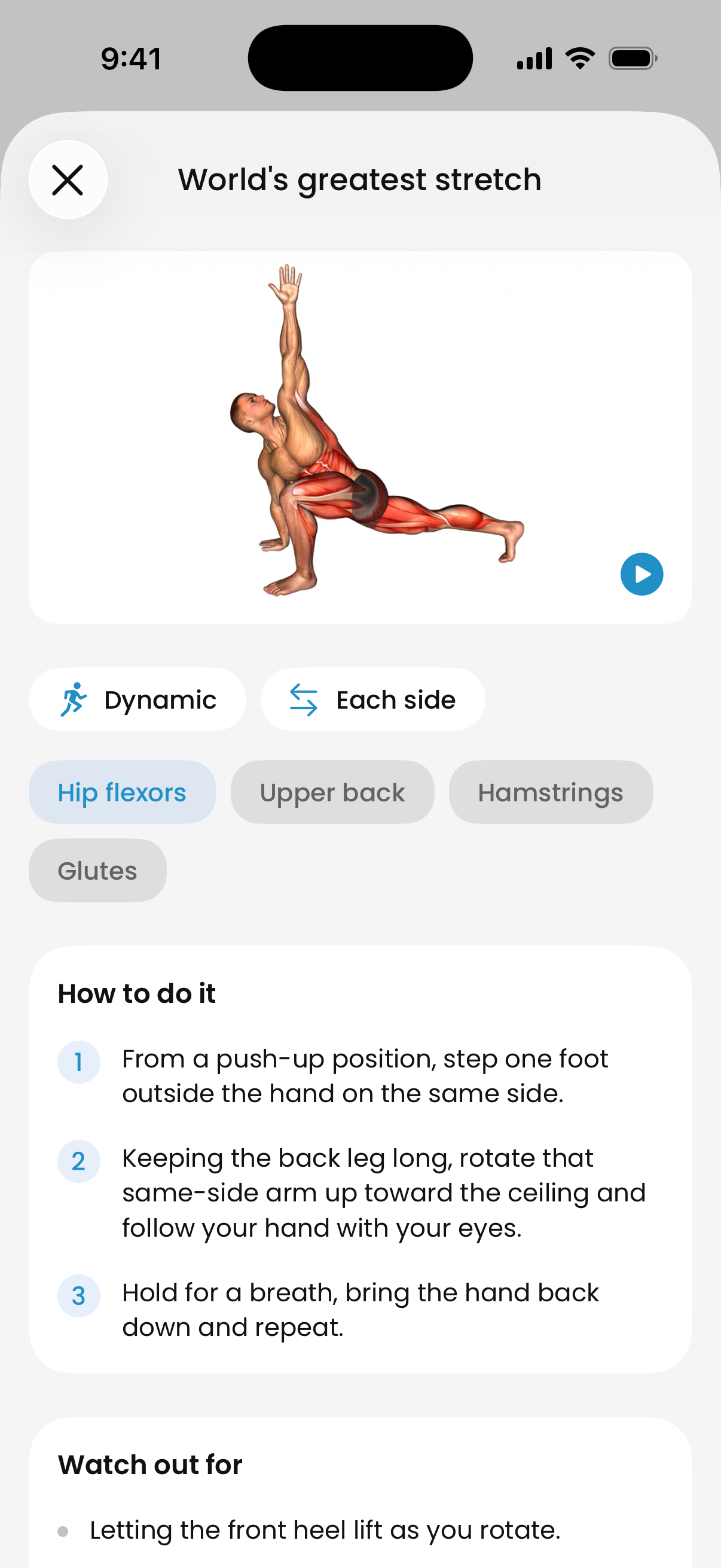
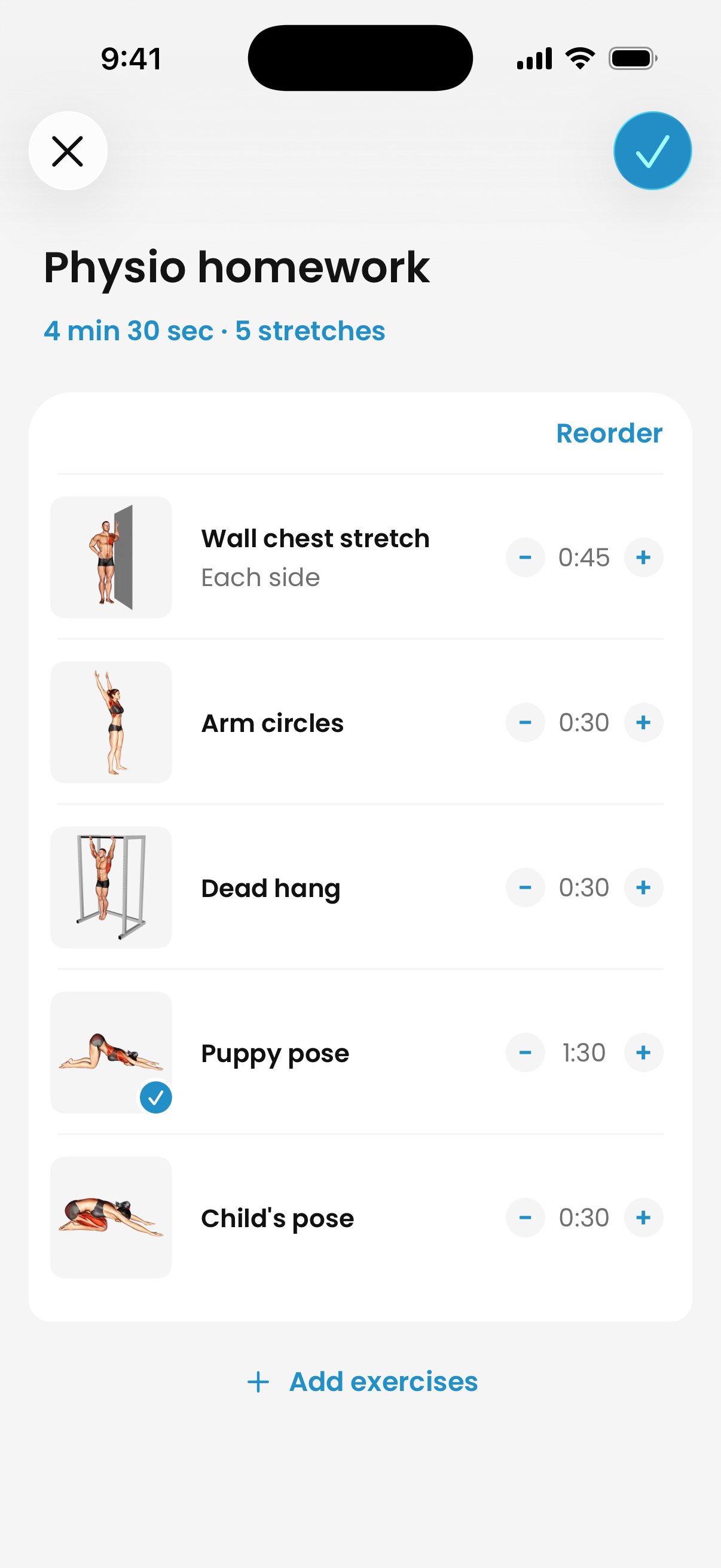
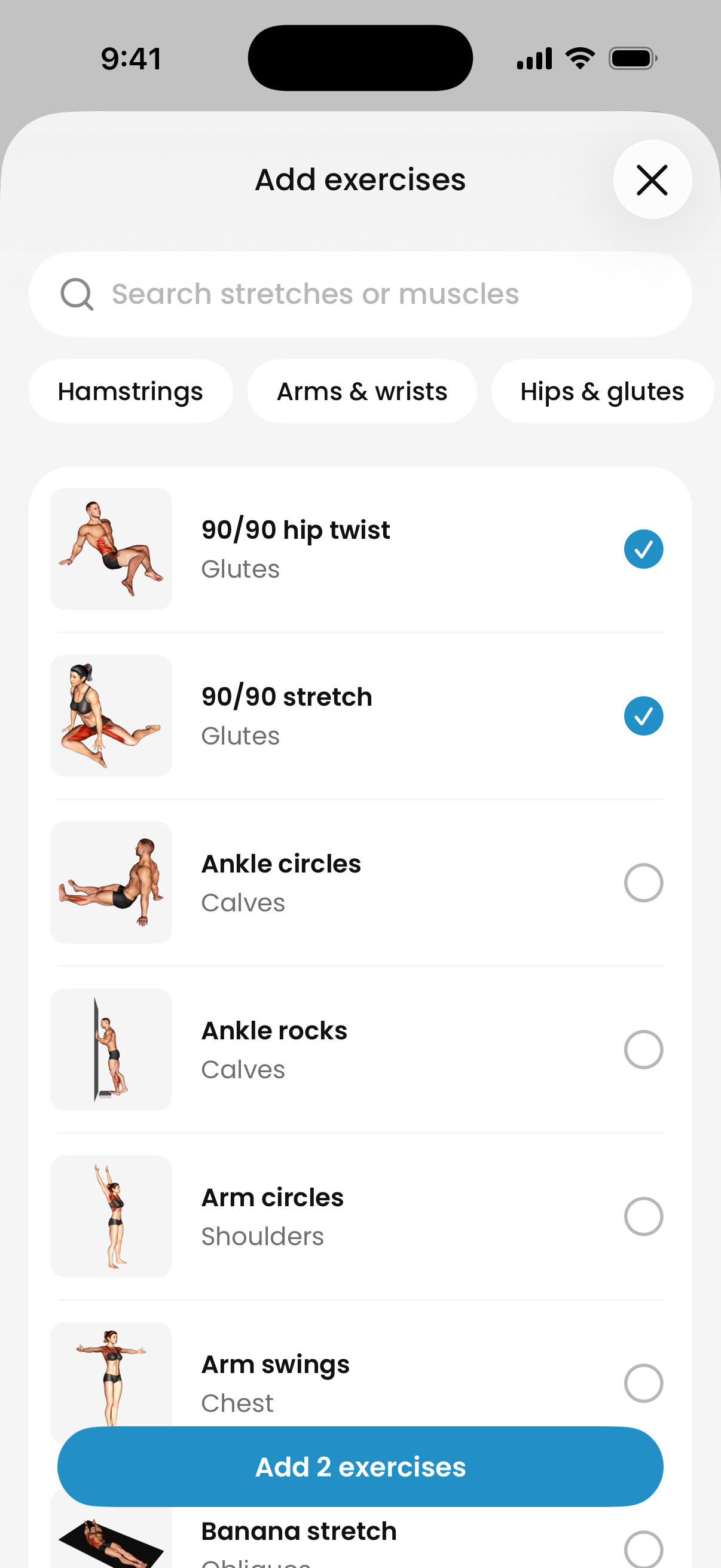
Routines are short (5–10 min) and they are guided sessions with audio cues and videos, so you just follow along. You can also create your own routines.
How I built it
Most of the foundations of FlexHero are what I learned during the years with FitHero. I built it using React Native, but always with proper native patterns and performance in mind. Now with libraries like Expo UI I can use SwiftUI and Jetpack Compose directly, so it feels really native on both platforms. This is so important for me that I started https://www.nativebydefault.com/ for others to do the same and not let AI build whatever.
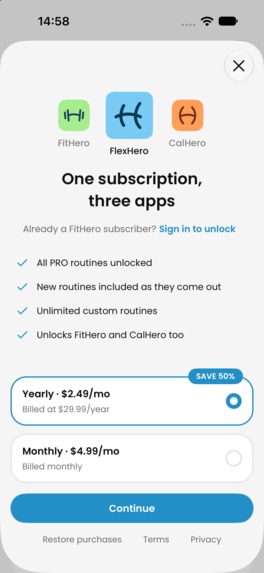
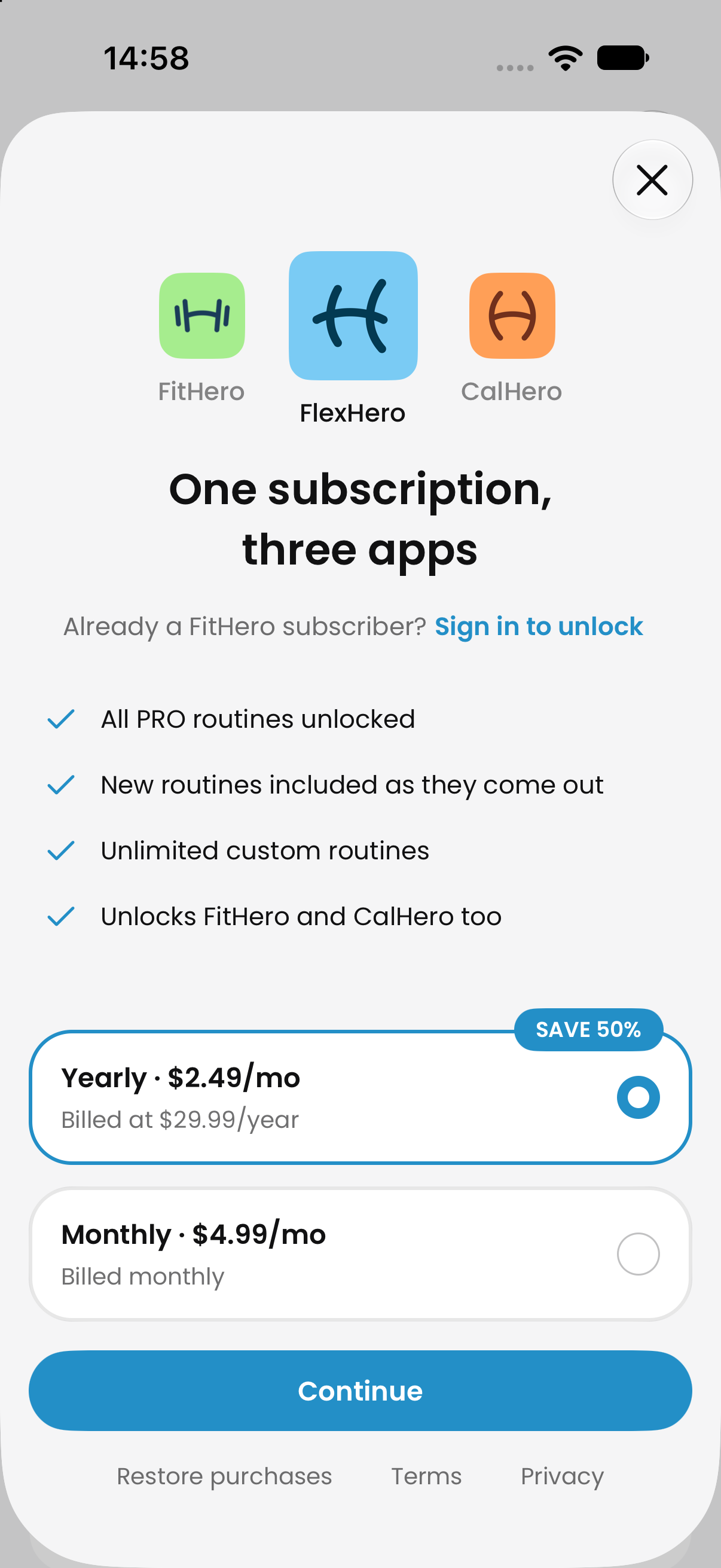
I also built a shared auth system for my three apps, and subscriptions are done with RevenueCat. So if you subscribe in FlexHero, FitHero or CalHero, you get Premium in all of them, and you can sign in to keep it across your devices. For me this is a big part of the project: every new app I build gives more value to the people already subscribed.
Challenges I ran into
The hardest part was not the code, it was the content. Other stretching apps have hundreds of routines, but many are the same thing repeated. I wanted fewer routines but each one with a clear purpose, and safe for people who are not flexible at all. Picking the right exercises, the order, the timings and writing the instructions is a lot of manual work to get right, and it's never really done.
It's also always challenging to make the app as good on iOS and Android at the same time, but React Native helps a lot there.
And App Review, which is always a stress. I prepared very well this time (I also launched CalHero this year) and FlexHero was approved on the first attempt!
Accomplishments that I'm proud of
- Released on both iOS and Android
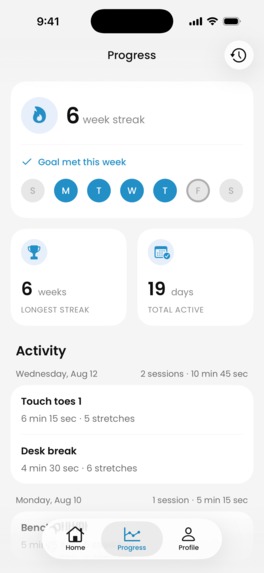
- Users already stretching every day, and growing
- First subscribers already in
- Built an auth system and a shared subscription system with RevenueCat, so wherever you subscribe (FlexHero, FitHero or CalHero), you get Premium everywhere
- Videos, audio, and SwiftUI and Jetpack Compose inside React Native
What I learned
Personally, I've built an app used by thousands of people without AI, and now I've built one with AI. If you really care, you can build a good product 10x or 100x faster.
What's next for FlexHero: Stretching & Mobility
I feel the stretching & mobility category is not as crowded and as popular because it's not a "sexy" thing for people. Everybody knows it's important, but actually doing it is very different. I want to change that and make stretching an easy daily habit.
Next I want to add more programs to reach real goals, not only single routines, and make routines more personal based on how you train. I also want to connect the ecosystem more, for example suggesting a FlexHero cooldown right after you finish a workout in FitHero.
And when I have more capacity, I would love to have videos with real actors to make the app feel more unique and personal.
Built With
- android
- ios
- jetpack
- jetpack-compose
- react-native
- swift
- swift-ui


Log in or sign up for Devpost to join the conversation.