-
-
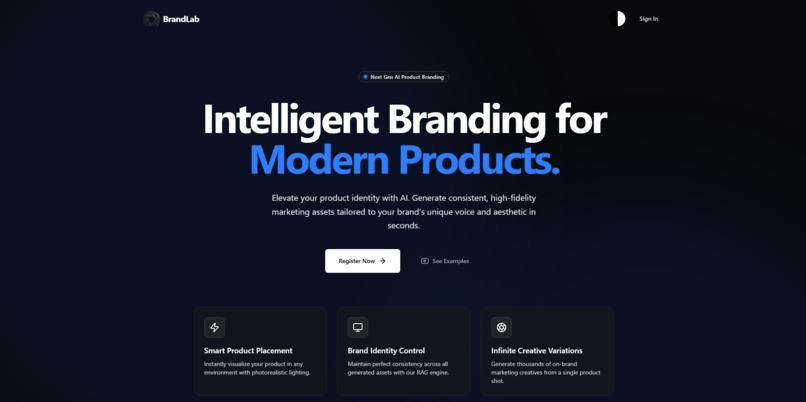
Landing page
-
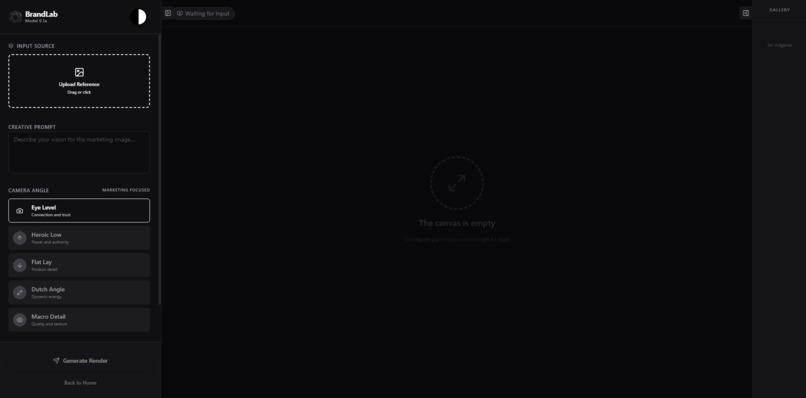
Editing page
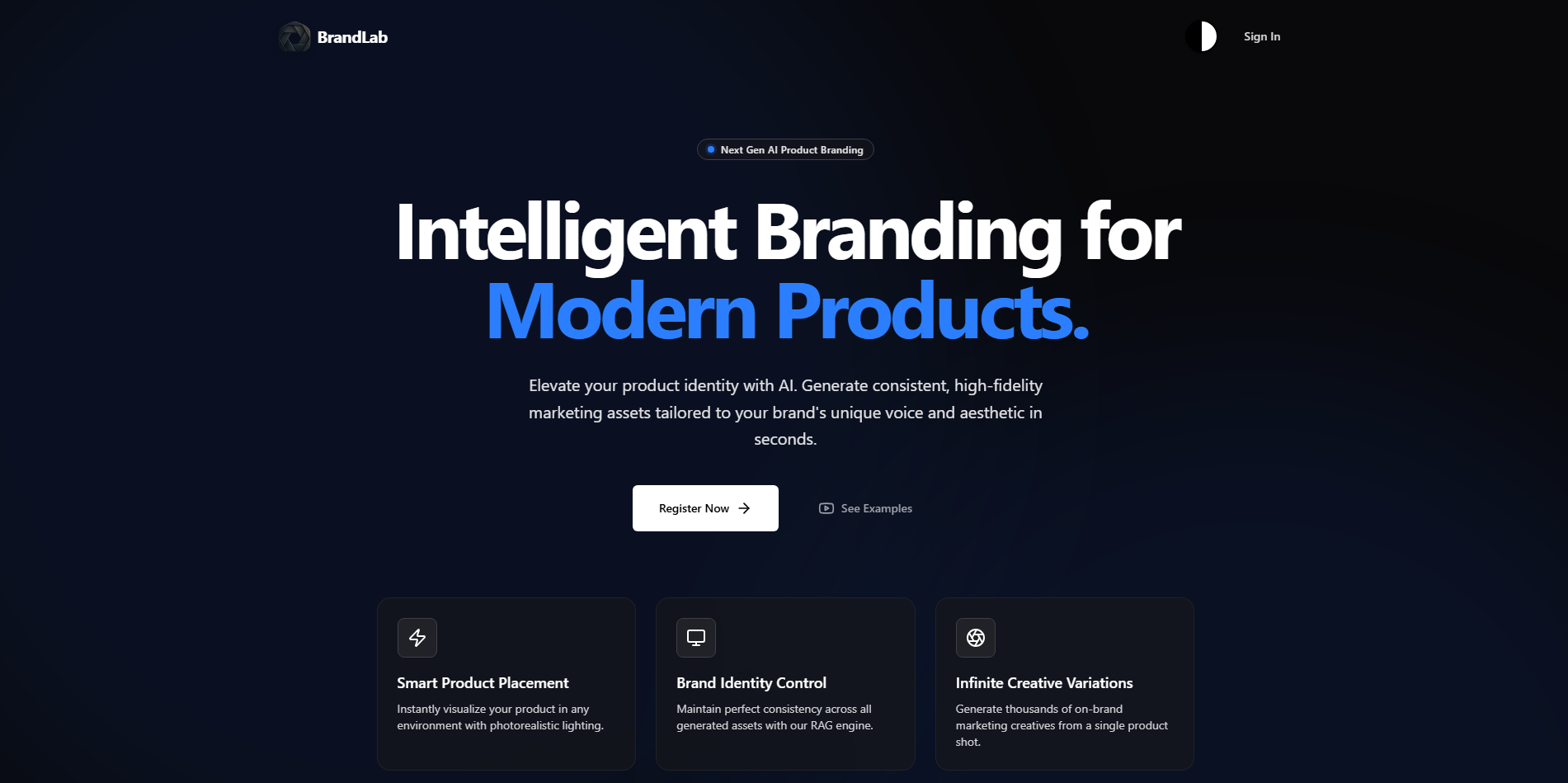
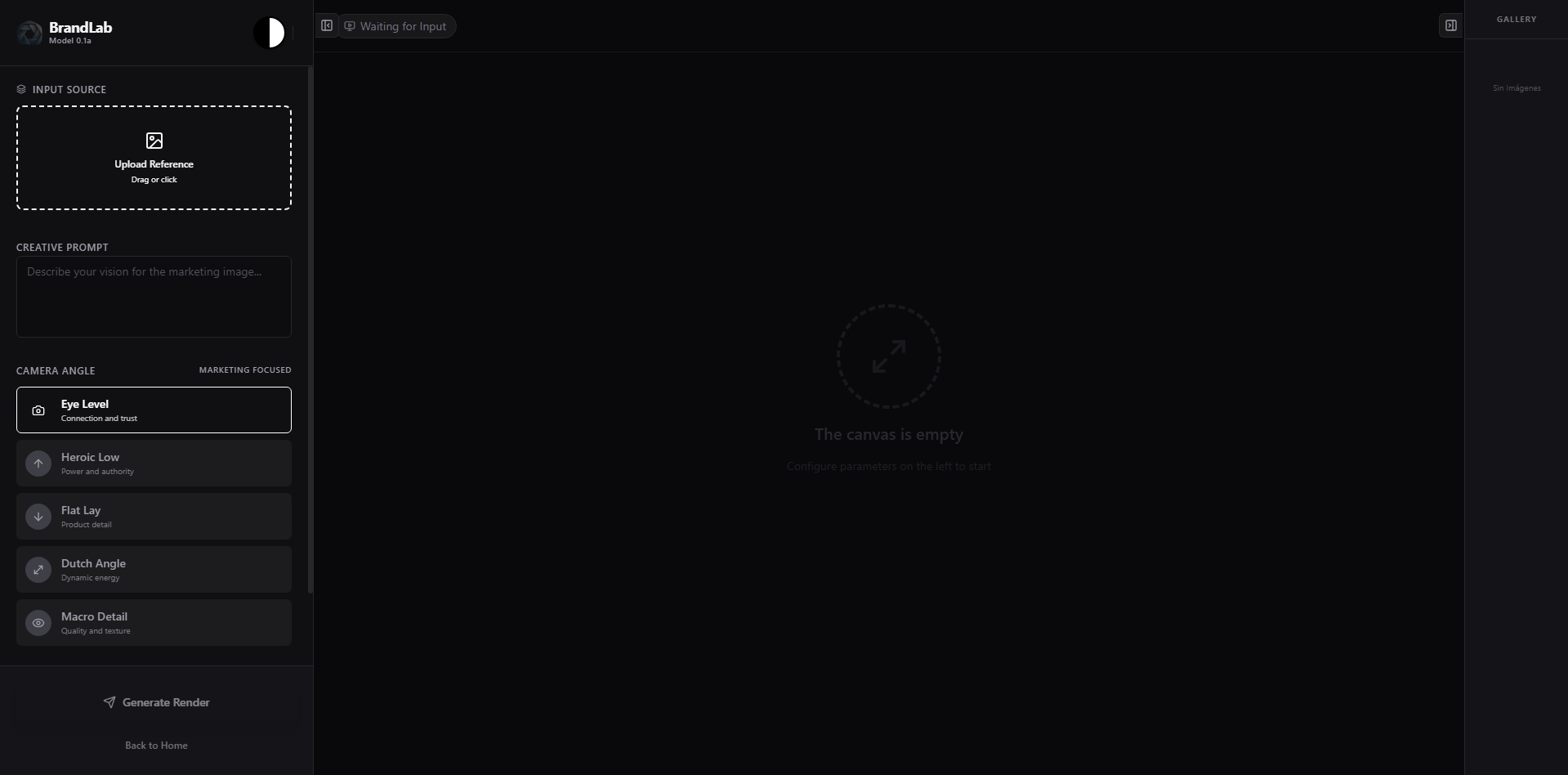
BrandLab
Inspiration
In the fast-paced world of e-commerce, brands struggle to produce high-quality, consistent marketing assets at scale. We wanted to bridge the gap between static product photos and dynamic, high-conversion marketing visuals. Our inspiration was to create an "AI Art Director" that understands not just what a product is, but who the brand is—automating the creative process without losing the brand's soul.
What it does
BrandLab is an intelligent marketing platform that transforms simple product photos into professional, brand-aligned creative assets.
Key Features
Brand Understanding: Users define their brand identity (colors, mood, target audience)
AI Orchestration: Our LLM-based agent acts as a creative director, analyzing visual trends and the product's context to propose specific marketing concepts (e.g., "Golden Hour Lifestyle," "Cyberpunk Studio")
High-Fidelity Generation: Uses Bria AI's FIBO model to generate photorealistic images that strictly adhere to the proposed concepts and brand guidelines, keeping the product as the hero
How we built it
We built a robust architecture centered around an AI Orchestration Engine:
Frontend
- React + TypeScript + Tailwind CSS to create a premium, "dark mode" creative studio experience
Backend
- Python (FastAPI) to handle complex asynchronous workflows
AI Core
- OpenAI (GPT-4o) as the "Planner" to generate structured JSON prompts based on marketing logic
- Bria AI (FIBO v2) for actual image generation using its Native JSON capabilities for precise control
Data & Storage
- MongoDB (Beanie) to store campaign data and generation history
- Supabase for secure authentication and image storage
Challenges we ran into
1. Structured Prompt Engineering
Mapping the creative, abstract ideas from the LLM into the strict JSON schema required by Bria's FIBO model was difficult. We had to fine-tune our "Agent" to act as a translator between human marketing language and machine parameters.
2. Asynchronous State Management
Managing the state of multiple image generation jobs (polling Bria's API, updating the UI, handling errors) required a solid job queue system in our backend.
3. NGROK Tunneling
Dealing with CORS and secure image fetching while developing locally with webhooks and tunnels presented several networking hurdles.
Accomplishments that we're proud of
The "Smart Agent" Workflow
We successfully built a pipeline where an LLM "thinks" like a marketer and controls an Image Model that "draws" like a photographer.
Seamless Integration
The transition from uploading a raw product photo to seeing it in a fully rendered, lighting-matched environment feels magical.
Full-Stack Persistence
Unlike many demos, BrandLab saves user history, campaigns, and preferences, making it a functional MVP rather than just a script.
What we learned
The Power of Native JSON
We learned that controlling image generation via structured data (objects, lighting, camera angle) is far more powerful and consistent for commercial use cases than standard text-to-image prompting.
RAG for Branding
We discovered that injecting brand context (Retrieval-Augmented Generation) into the generation process significantly improves the relevance of the output.
What's next for BrandLab
Direct E-commerce Integration
Plugins for Shopify or WooCommerce to push generated assets directly to store fronts.
Video Generation
Expanding our "Art Director" agent to storyboard and generate short-form video content.
Collaborative Campaigns
Allowing teams to vote on and refine generated assets together in real-time.


Log in or sign up for Devpost to join the conversation.