-
-
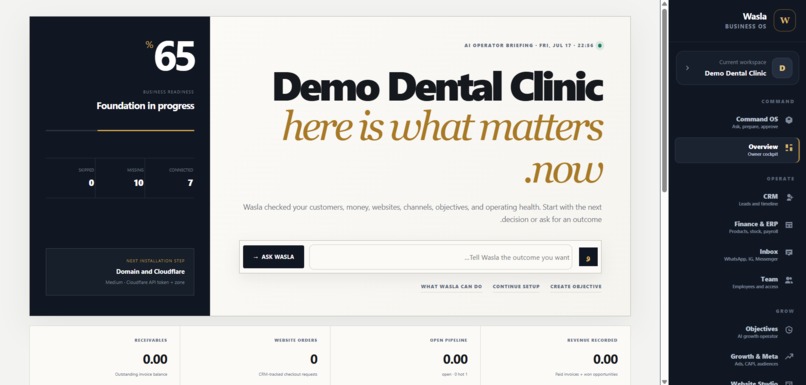
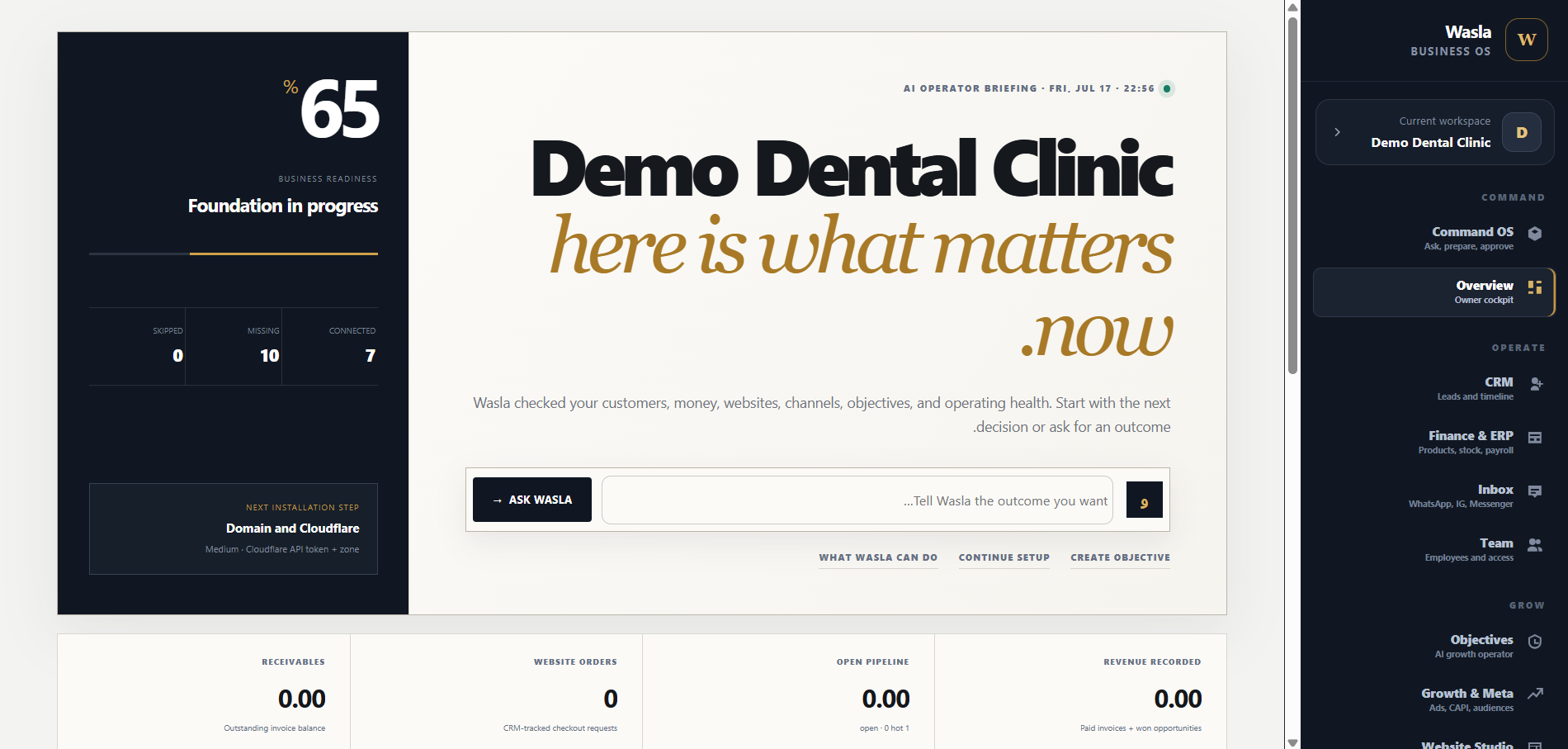
Tracks Setup progress in details
-
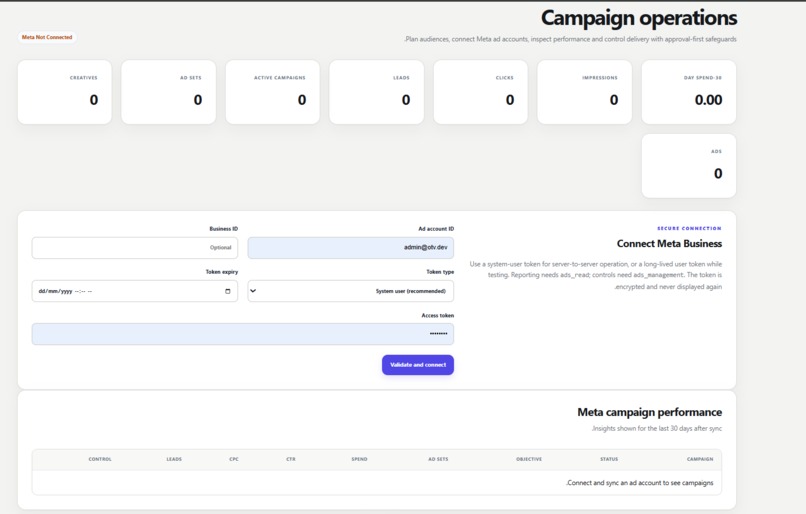
You will need to sell and we got you sorted
-
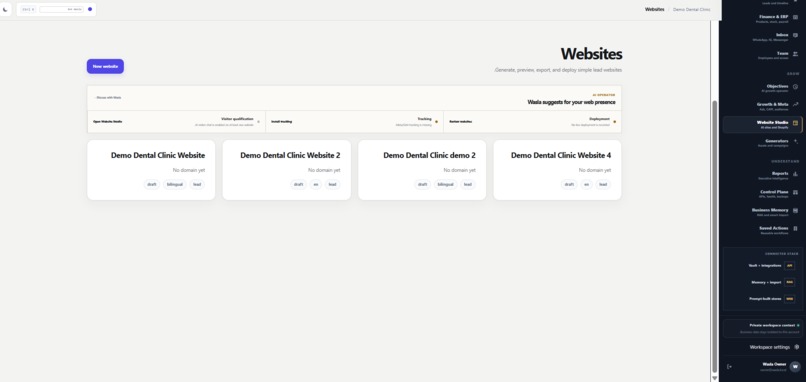
Full ability to create, no limits, no coding
-
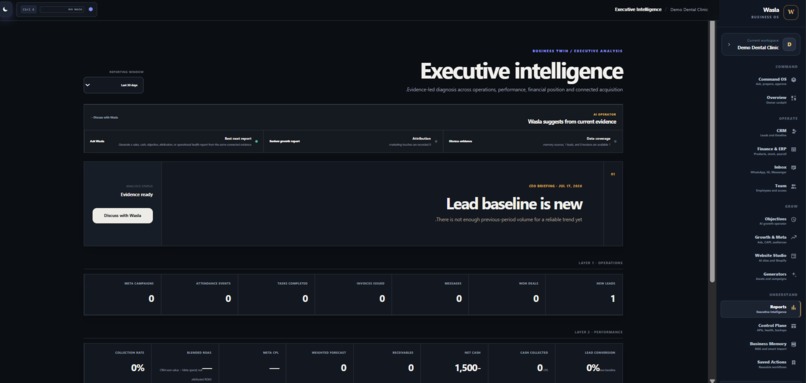
Track your business reports flawlessly
-
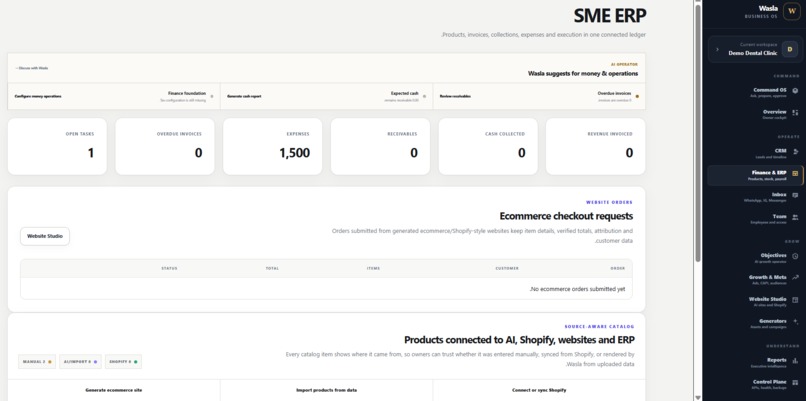
if you ever have a question
-
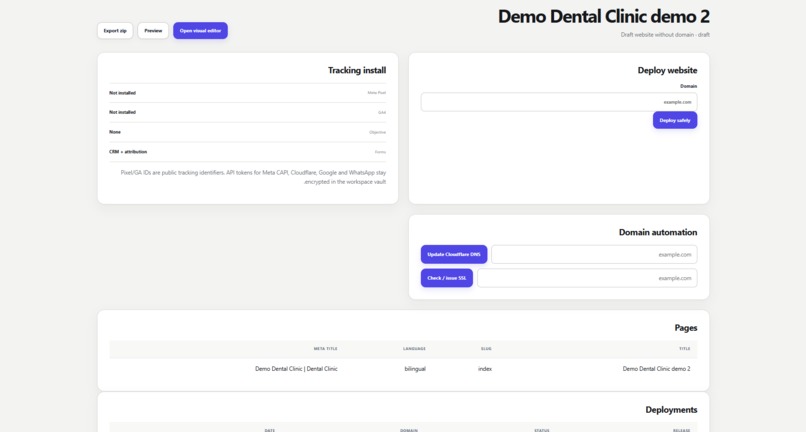
Deploy your next generation Manager abilities online with clicks
-
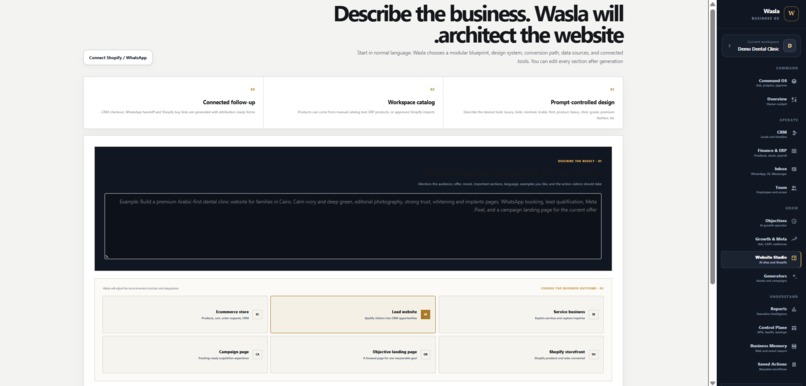
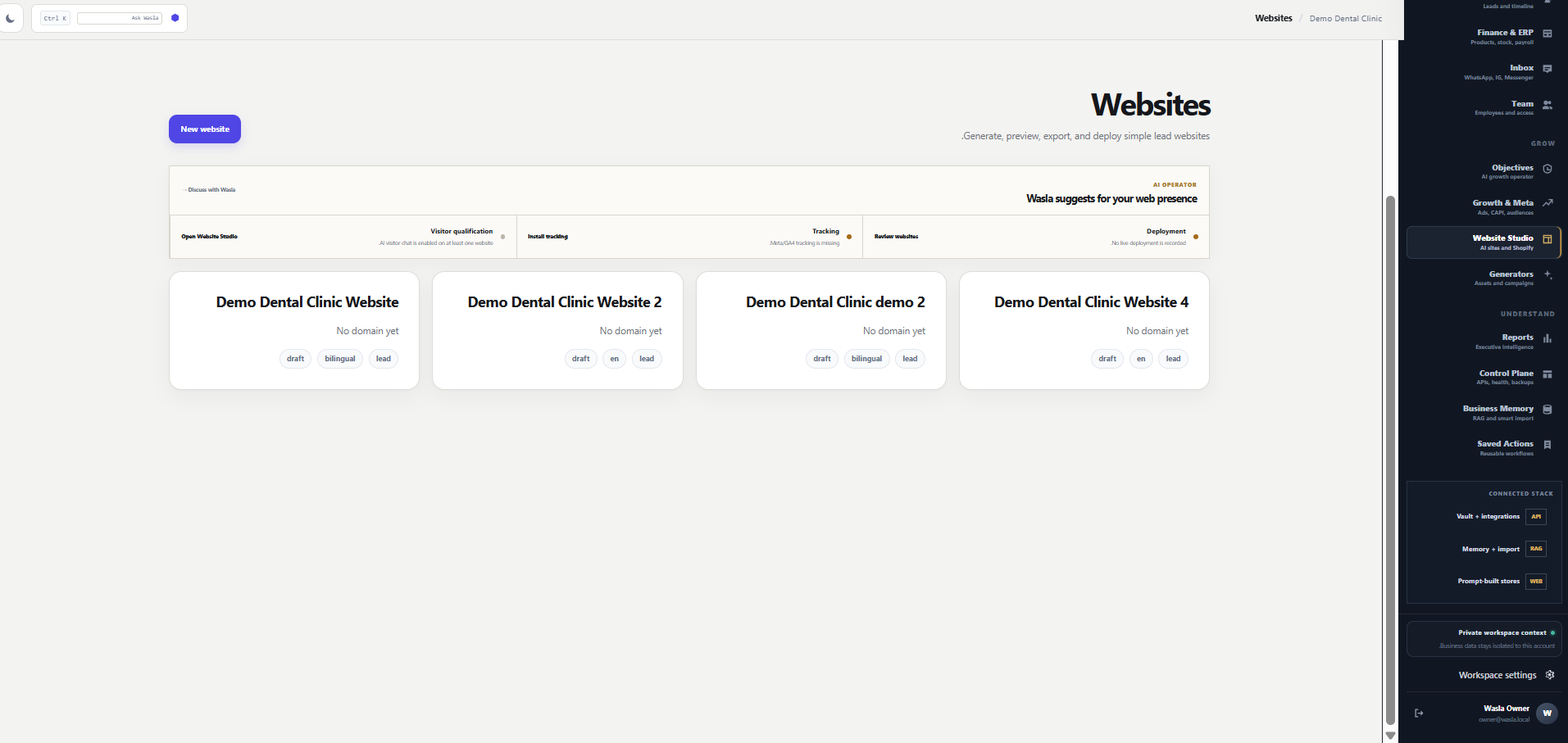
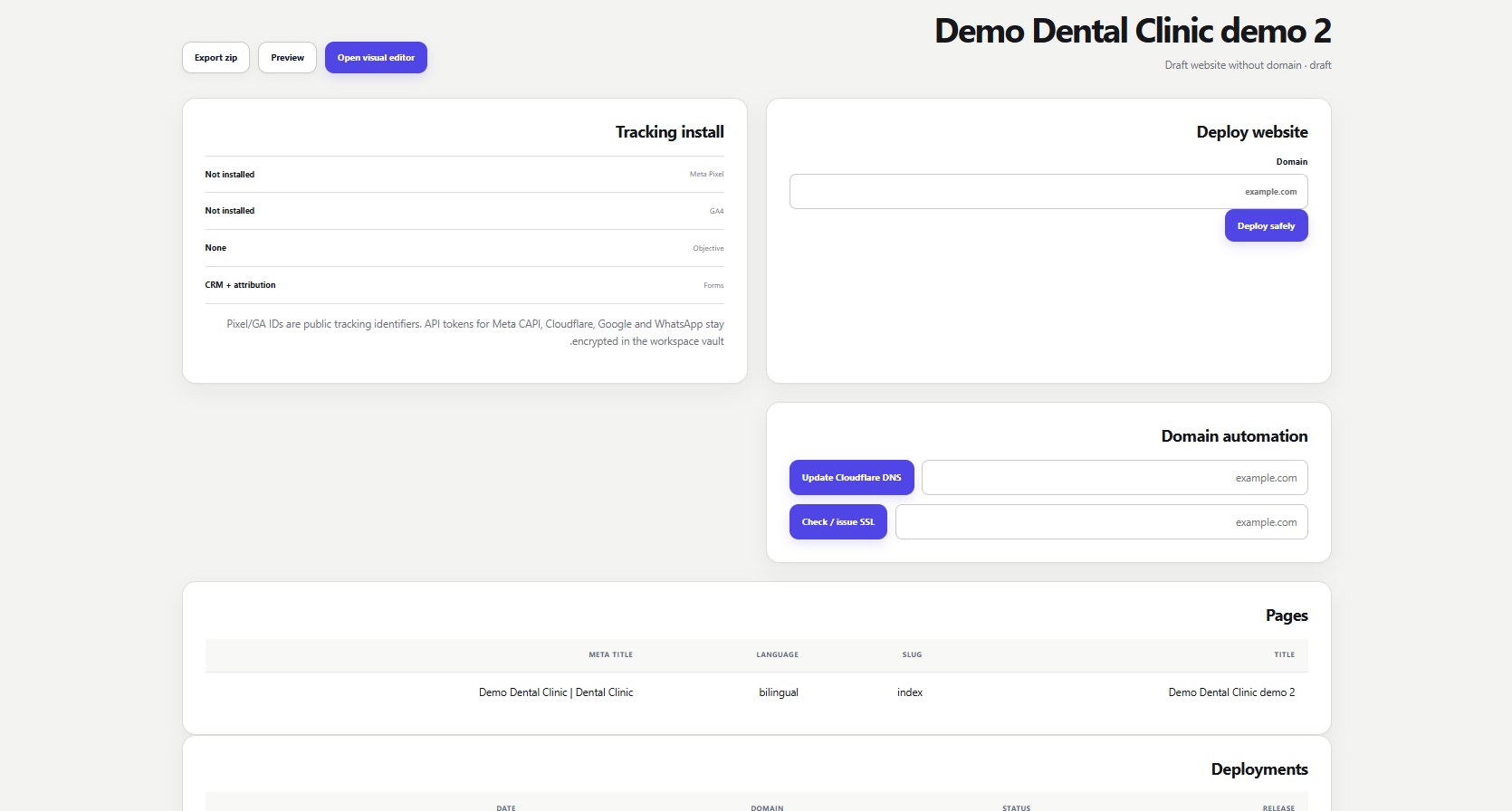
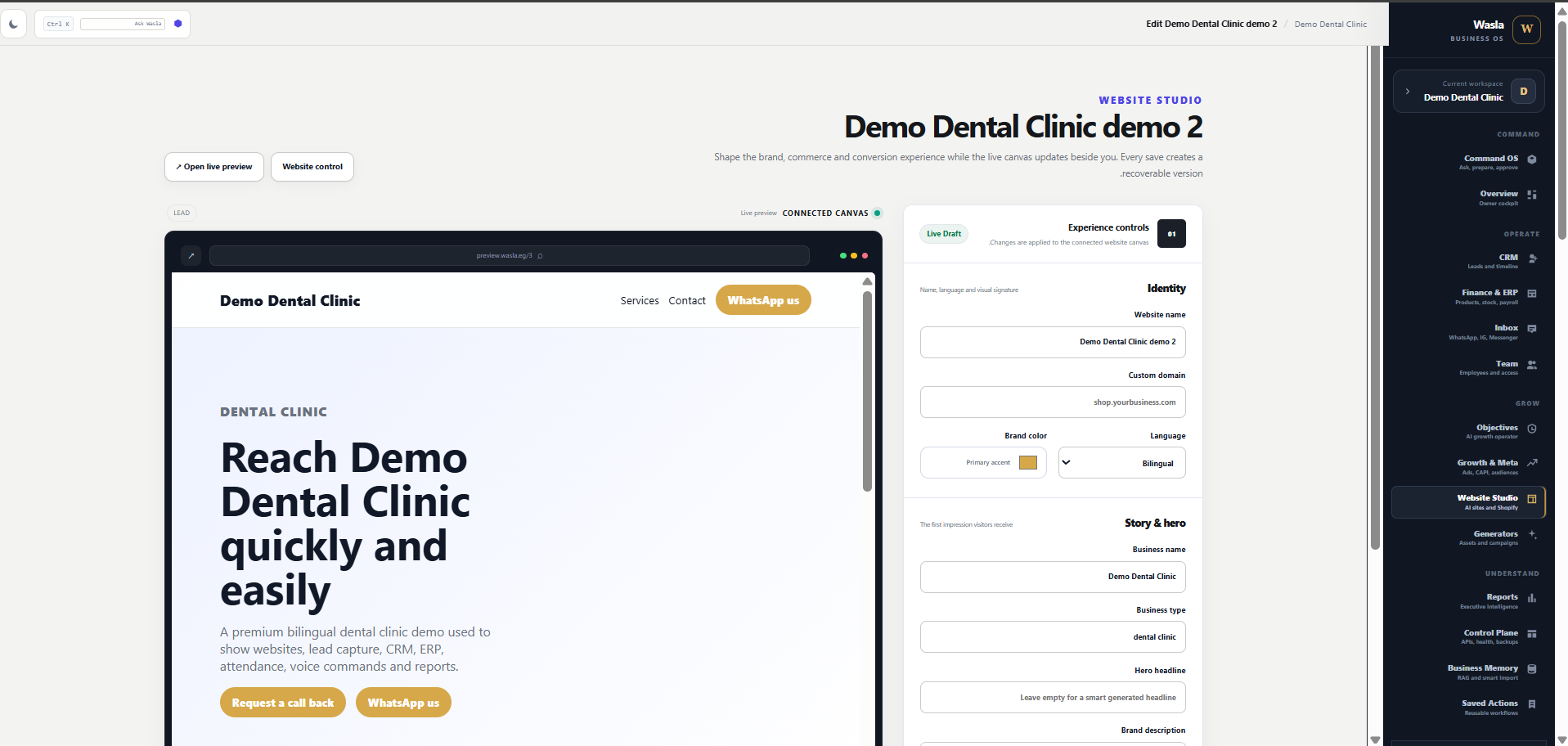
Creature your website either for leads generating, online pressence/SEO, track your visitors with meta pixel/GA4 and use its ecommerce.
-
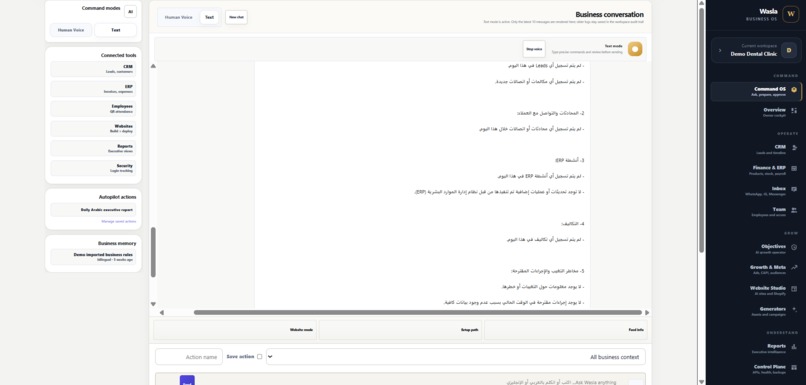
we connect we are wasla
-
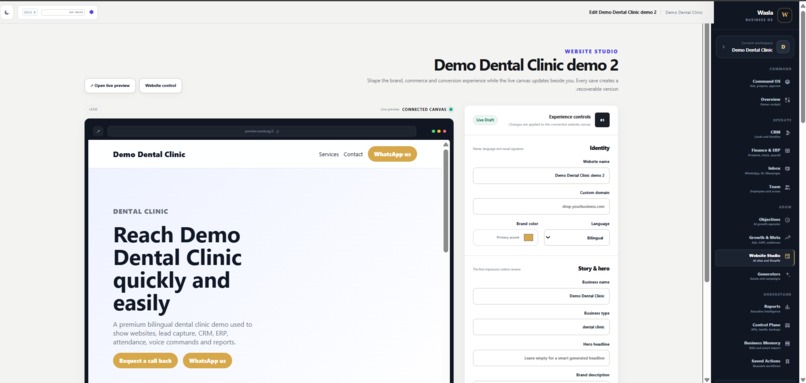
Visual editor for your generated websites which includes unique features like lead generating and reselling from shopify/products
-
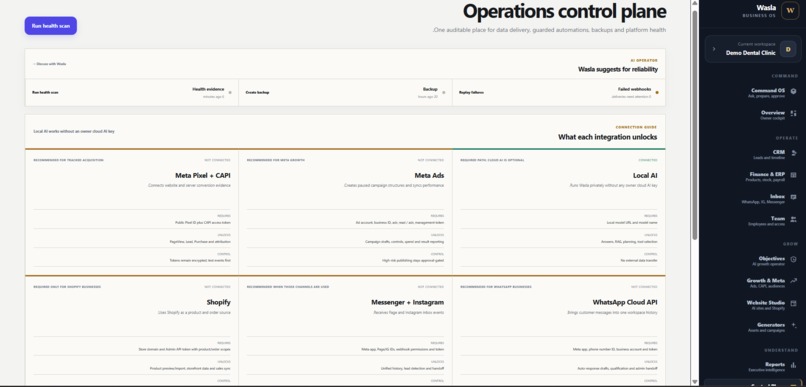
your manager will always be there
-
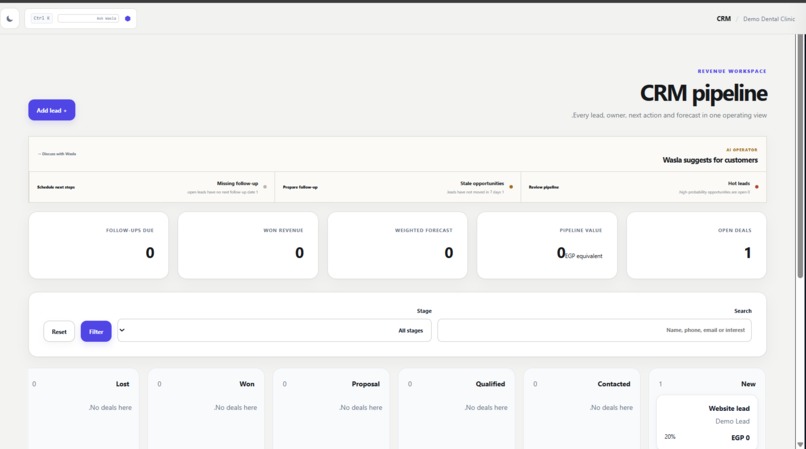
in your assistance
-
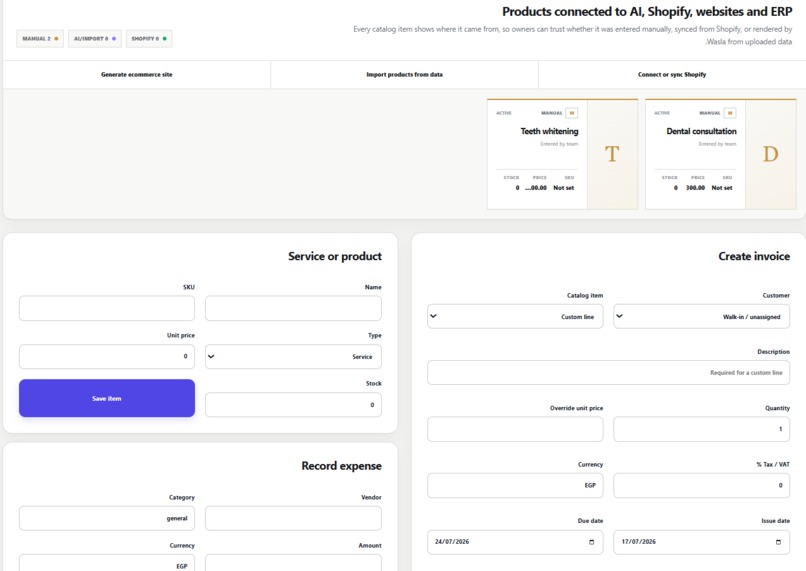
Your whole operation within clicks
-
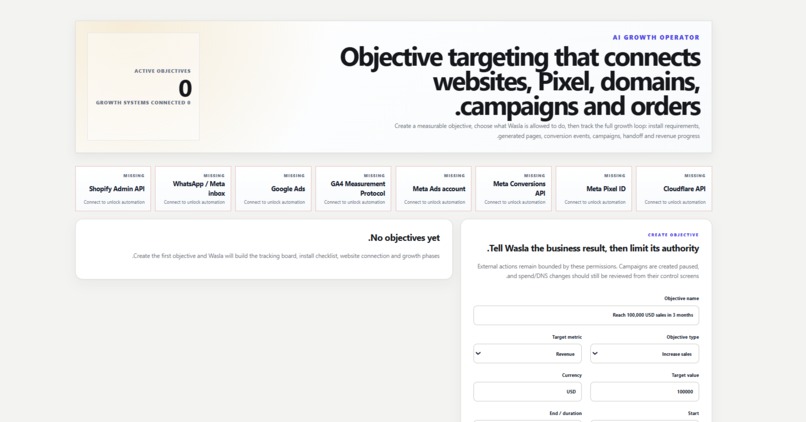
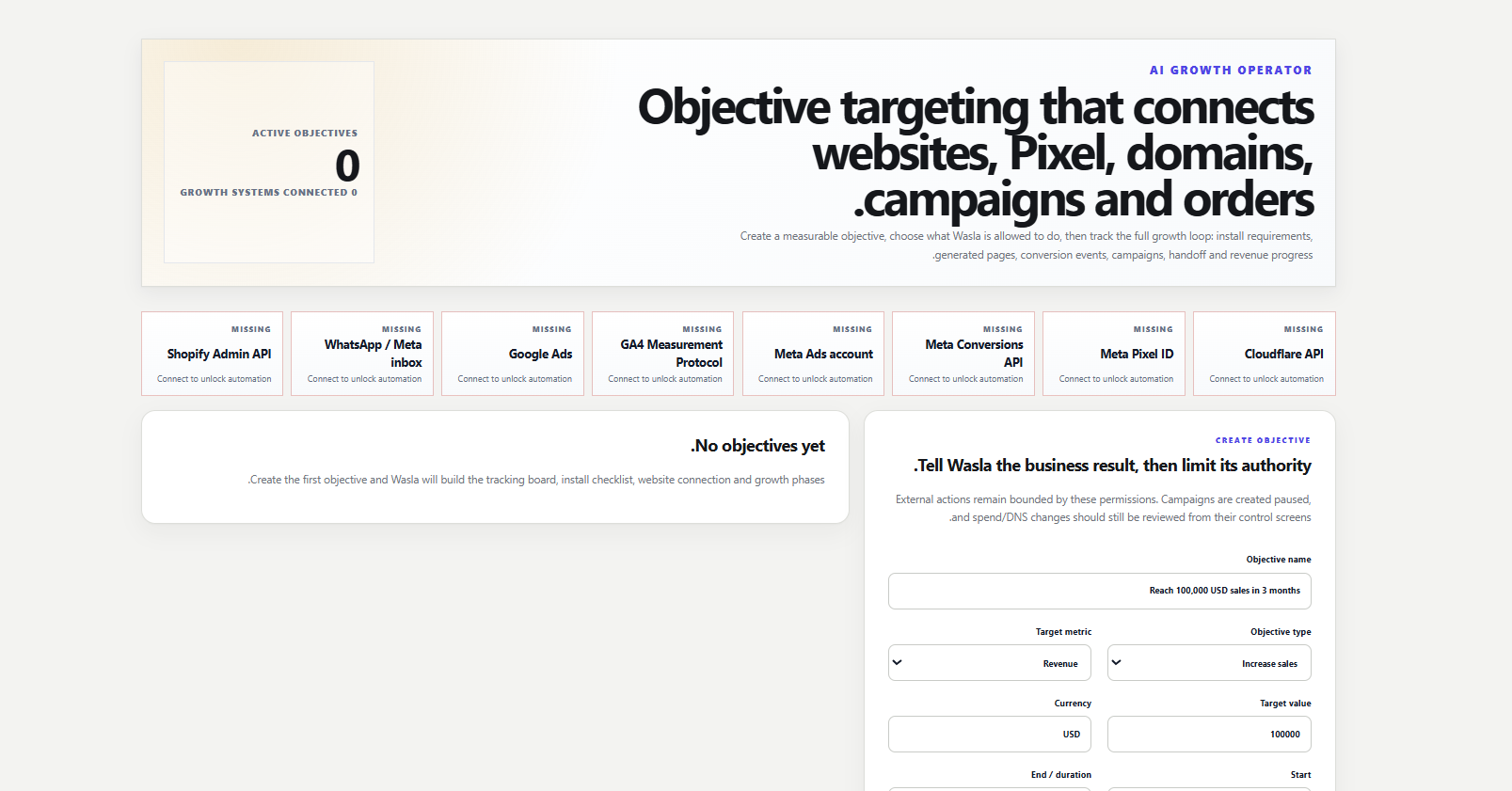
set up objective and let your manager take care of your constant presence and fresh leads daily
Inspiration
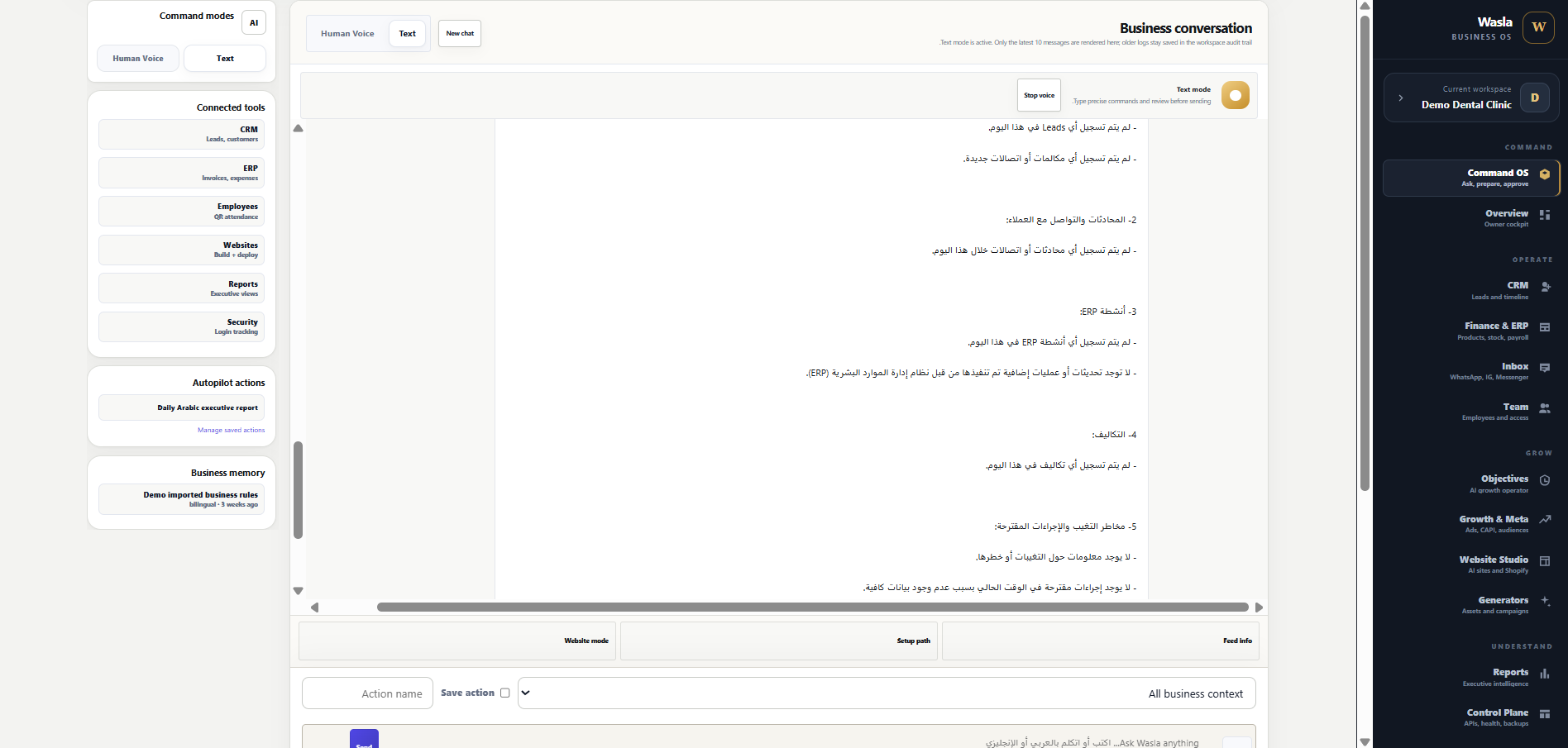
Wasla AI was inspired by the difficulty of managing business data and digital operations across the Middle East, especially in Egypt. Many small and medium-sized businesses still depend on spreadsheets, paper records, disconnected applications, and manual communication through WhatsApp. Digital transformation can be expensive, technically complicated, and exhausting for business owners who simply want to manage their customers, employees, websites, marketing, and daily operations efficiently. We created Wasla AI to make digitalization more accessible, practical, and suitable for the way businesses in the region actually operate.
What it does
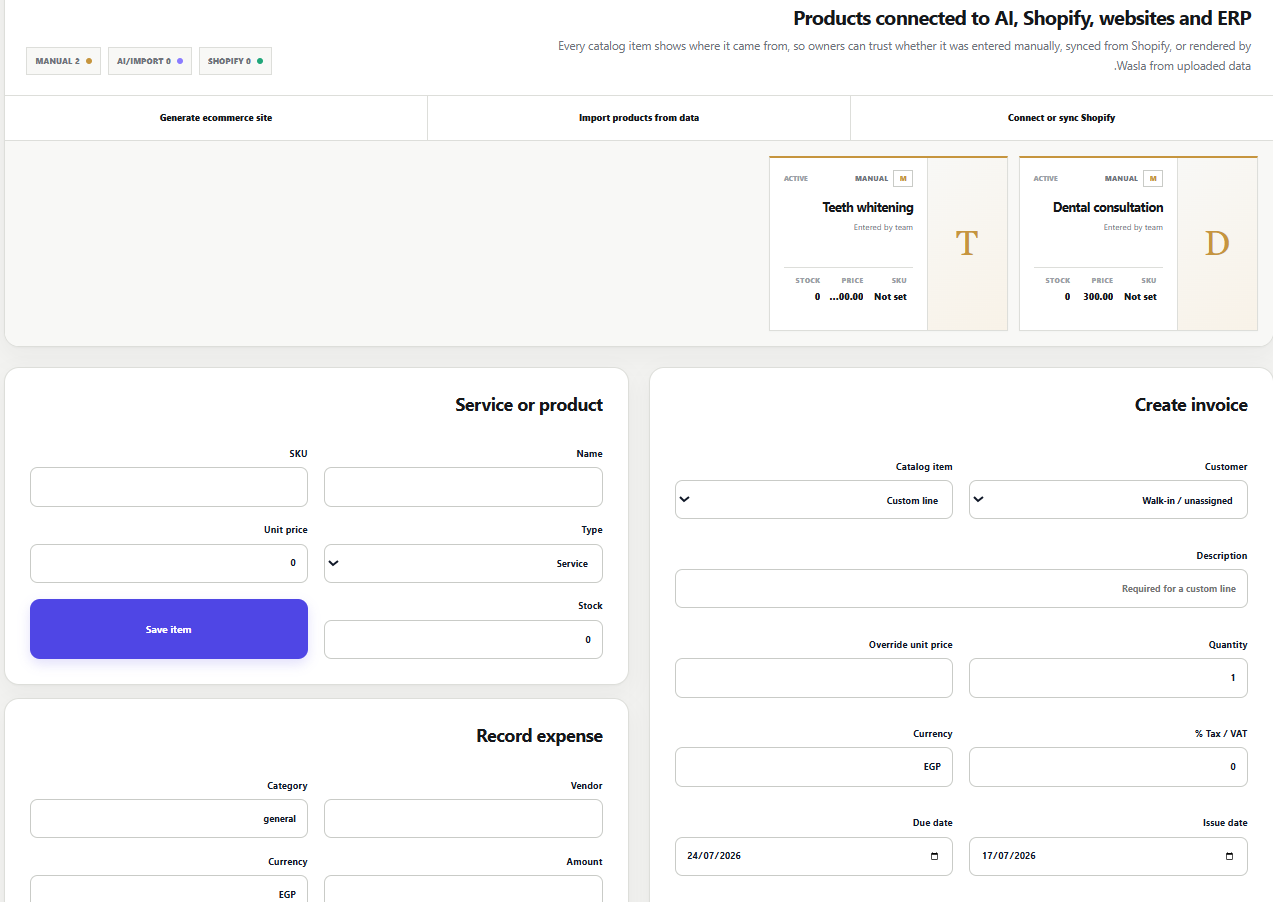
Wasla AI is a bilingual Arabic and English business management platform that brings essential business tools into one connected workspace. The platform helps businesses:
- Create and manage their digital presence.
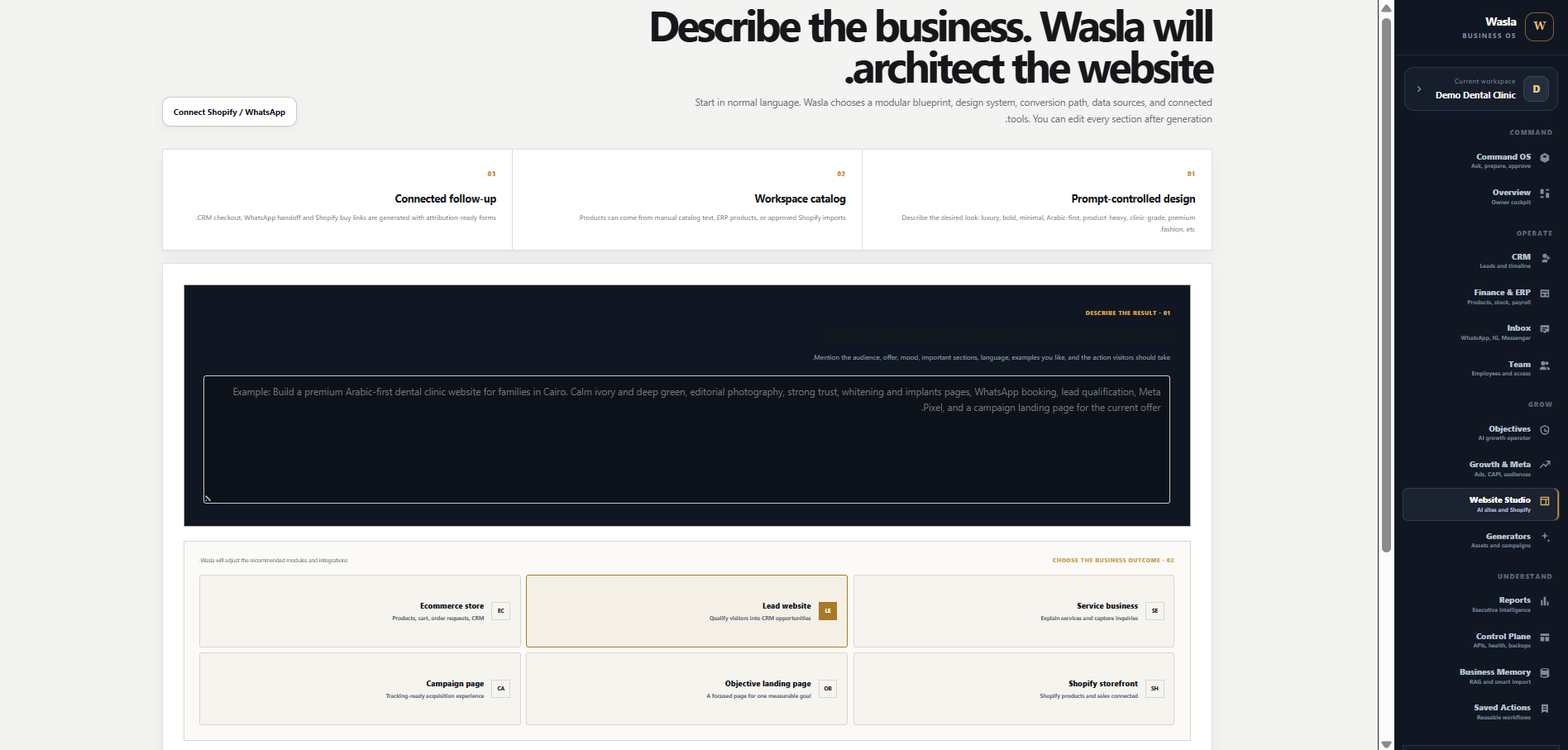
- Build and publish business websites.
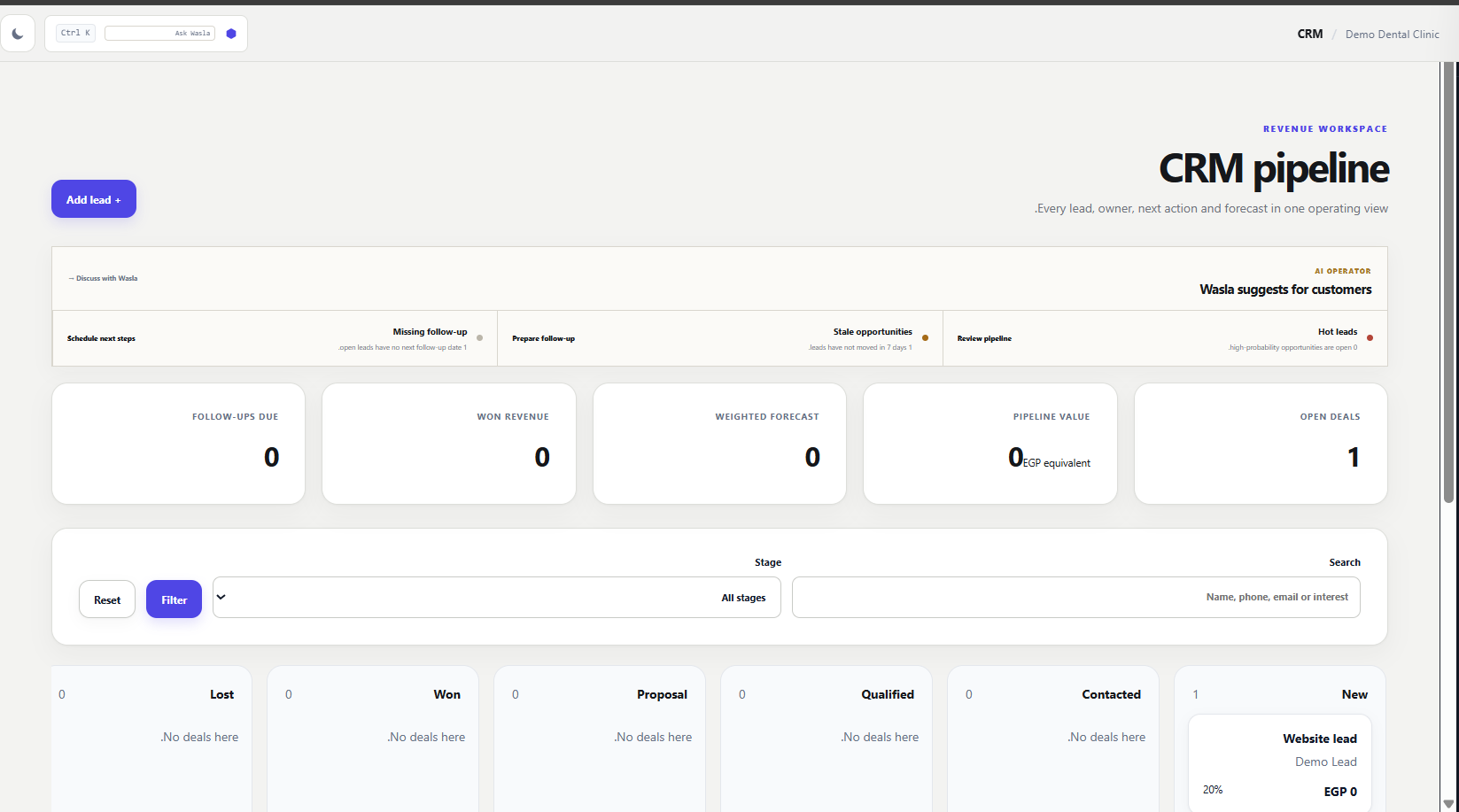
- Organize customers, leads, and conversations through a CRM.
- Manage employees, attendance, roles, and internal records.
- Receive and organize customer inquiries.
- Generate business content and operational recommendations.
- Communicate through text, voice, and WhatsApp-oriented workflows.
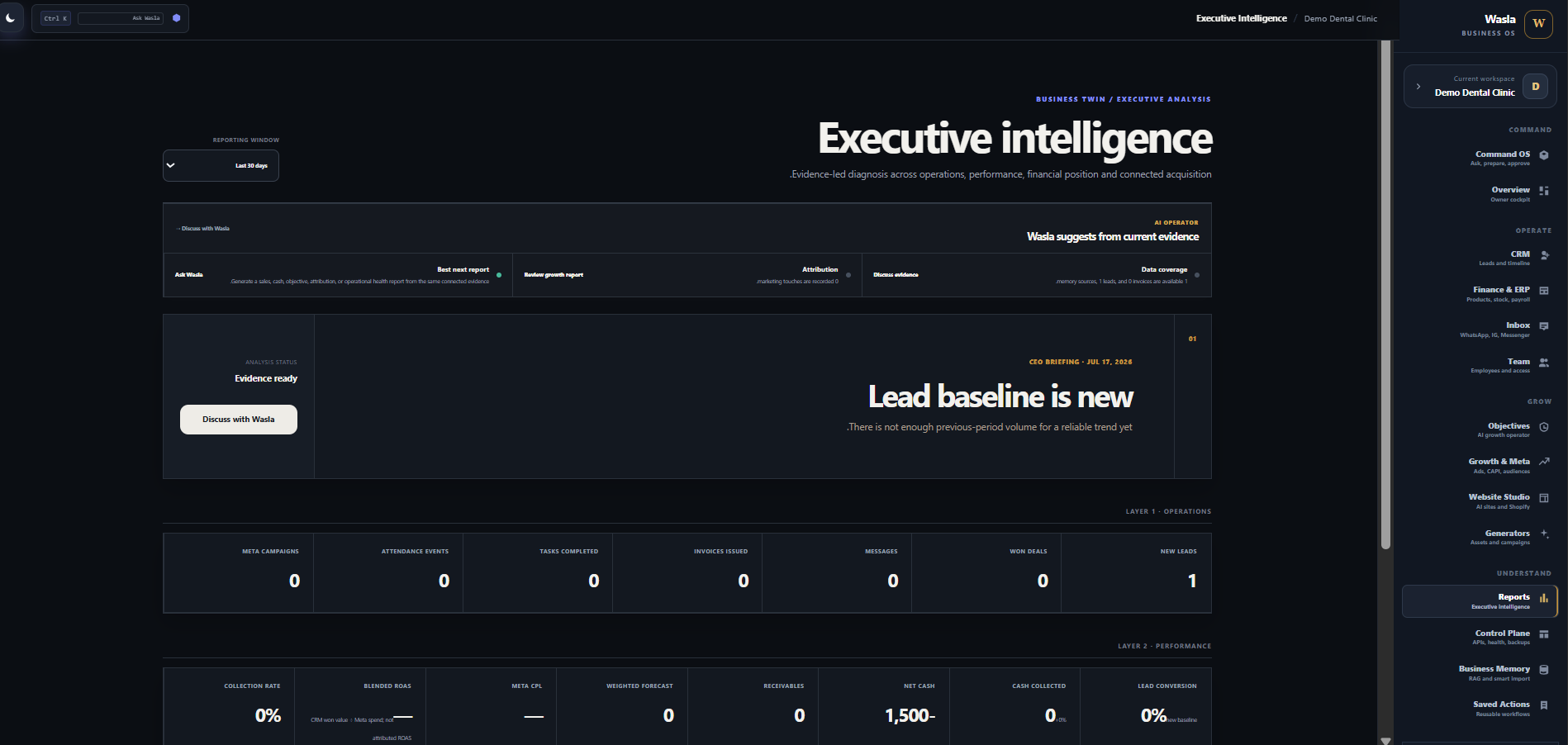
- Review reports and important business information from one dashboard.
- Manage multiple businesses or workspaces securely.
Instead of forcing business owners to move between many disconnected services, Wasla AI aims to provide one operating system through which they can manage and grow their business.
How we built it
built as a modular, multi-workspace SaaS platform using Laravel, PHP, MySQL, JavaScript, HTML, CSS, Nginx, and Linux-based infrastructure. We designed the system around isolated business workspaces, allowing every company to maintain its own users, customers, settings, website content, employees, and operational data.
The platform includes separate modules for:
- Authentication and workspace management.
- Roles and permissions.
- Customer relationship management.
- Website creation and deployment.
- Employee and attendance management.
- Business reporting.
- Knowledge-base management.
- Voice and text interaction.
- AI-provider integration.
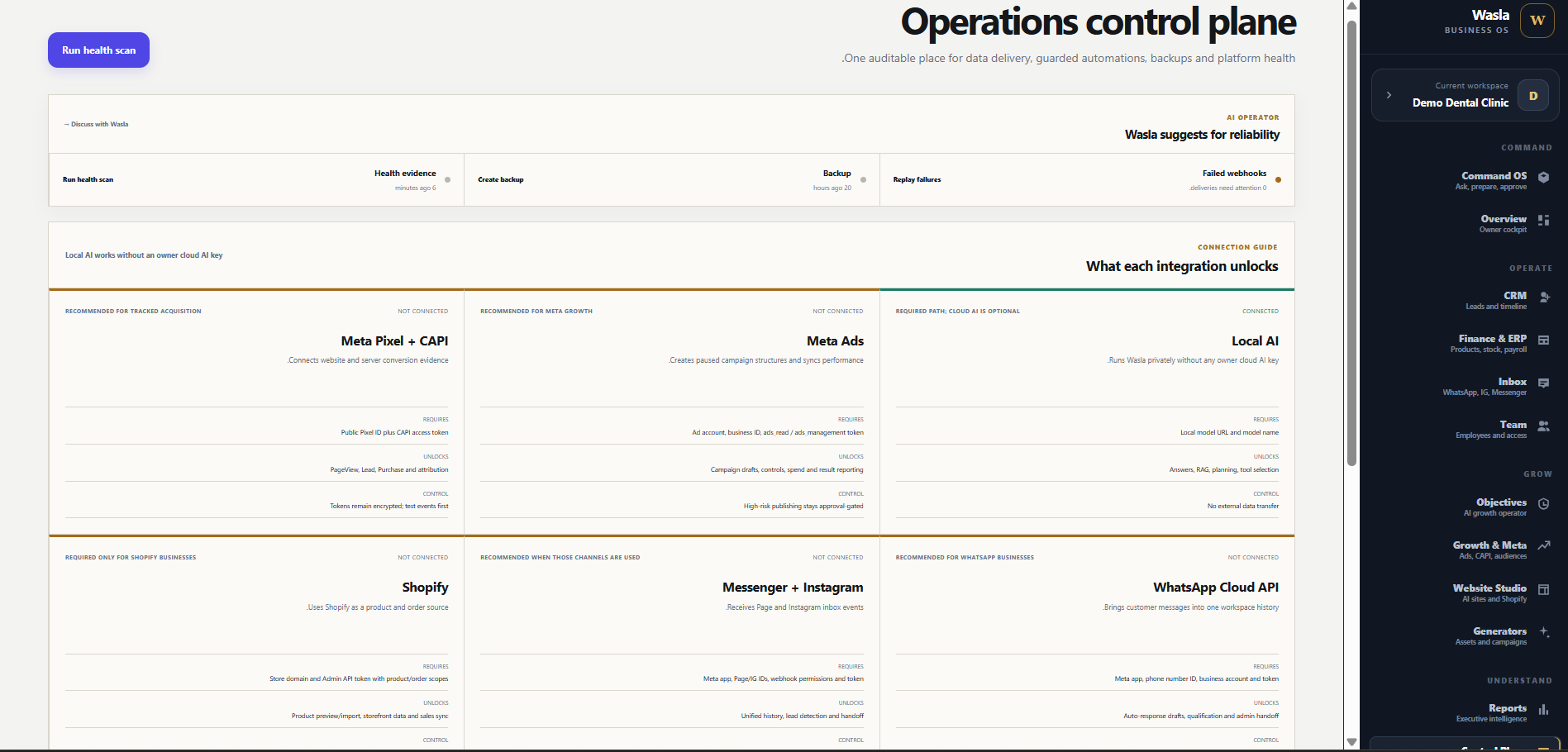
- External service and API connections.
We also developed an abstraction layer for AI services, allowing Wasla AI to work with different providers, local models, or non-AI fallback functionality. This prevents the entire platform from depending on one external provider and gives us more control over pricing, privacy, and future scalability.
The infrastructure was deployed using Ubuntu, Nginx, MySQL, SSL certificates, and Cloudflare-related services for domain and deployment management.
Challenges we ran into
One of the biggest challenges was designing a platform that remained powerful without becoming too complicated for non-technical business owners. Supporting both Arabic and English introduced additional challenges involving right-to-left layouts, voice recognition, translated interfaces, and differences in how users describe business actions.
We also faced technical challenges involving:
- Maintaining strict data isolation between businesses.
- Designing a reliable multi-workspace architecture.
- Converting voice instructions into structured business actions.
- Supporting Arabic speech recognition accurately.
- Connecting independent modules without creating duplicated data.
- Building secure website publishing and domain-management workflows.
- Providing useful AI functionality while avoiding complete dependency on external AI providers.
- Creating a modern interface that still feels simple and approachable.
- Deploying and testing the platform across both Windows development environments and Linux production servers.
Another major challenge was defining the correct product scope. Business management can include hundreds of possible features, so we had to identify which workflows created the greatest immediate value for SMEs.
Accomplishments that we're proud of
We are proud that Wasla AI developed from an initial idea into a working modular SaaS architecture with real business-management capabilities.
Some of our most important accomplishments include:
- Building a bilingual Arabic and English platform.
- Creating a secure multi-workspace system.
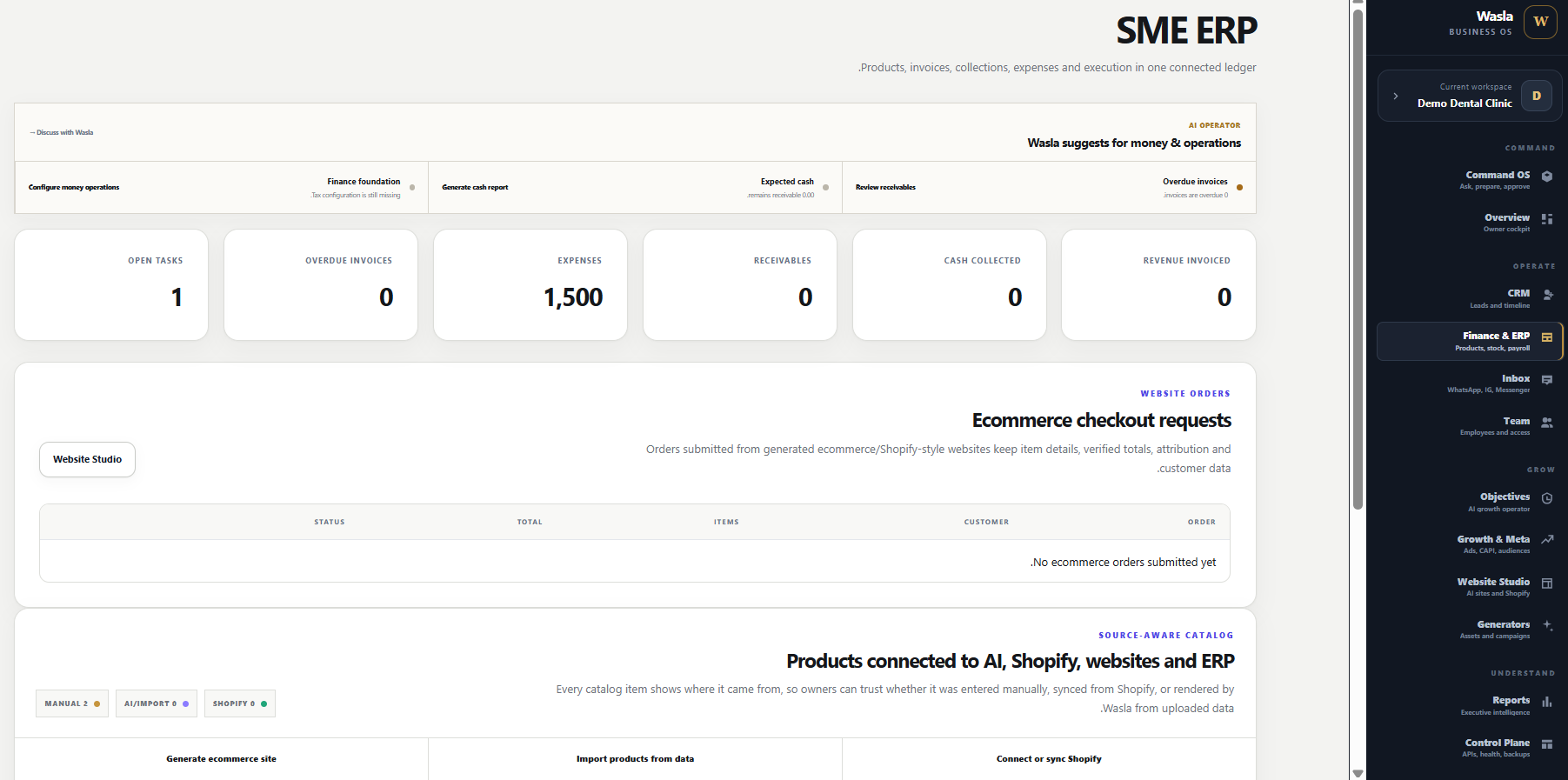
- Combining CRM, employee management, websites, reporting, and business assistance in one product.
- Developing a provider-independent AI architecture.
- Creating a knowledge base that can organize business-specific information.
- Building website-generation and deployment workflows.
- Supporting QR-based employee attendance.
- Designing voice-driven administrative workflows.
- Deploying the project on production Linux infrastructure with HTTPS.
- Building the product independently through research, experimentation, and continuous technical iteration.
Most importantly, we created a foundation that can grow into a complete business operating system rather than remaining a collection of disconnected features.
What we learned
We learned that successful digital transformation is not only about adding more technology. It is about reducing friction and making complicated systems understandable to ordinary users. We also learned that regional context matters. A solution designed for Middle Eastern businesses must understand Arabic communication, WhatsApp-based customer relationships, local operational habits, limited technical resources, and the importance of affordability.
From a technical perspective, we learned the importance of:
- Designing modular systems from the beginning.
- Separating business logic from external AI providers.
- Protecting workspace and customer data.
- Building reliable deployment and recovery processes.
- Testing interfaces with real operational workflows.
- Prioritizing user experience alongside backend functionality.
- Keeping human confirmation in sensitive automated actions.
The project also taught us to validate the actual business problem before adding new features. A technically impressive function has limited value unless it saves the user time, improves a decision, or replaces a painful manual process.
What's next for Wasla AI
The next stage is to transform Wasla AI from a broad functional platform into a focused, market-tested product for SMEs in Egypt and the wider Middle East.
Our priorities include:
- Completing the core CRM and customer inbox.
- Improving Arabic and English voice interaction.
- Expanding WhatsApp communication and automation.
- Adding stronger analytics and business reports.
- Improving website and e-commerce integrations.
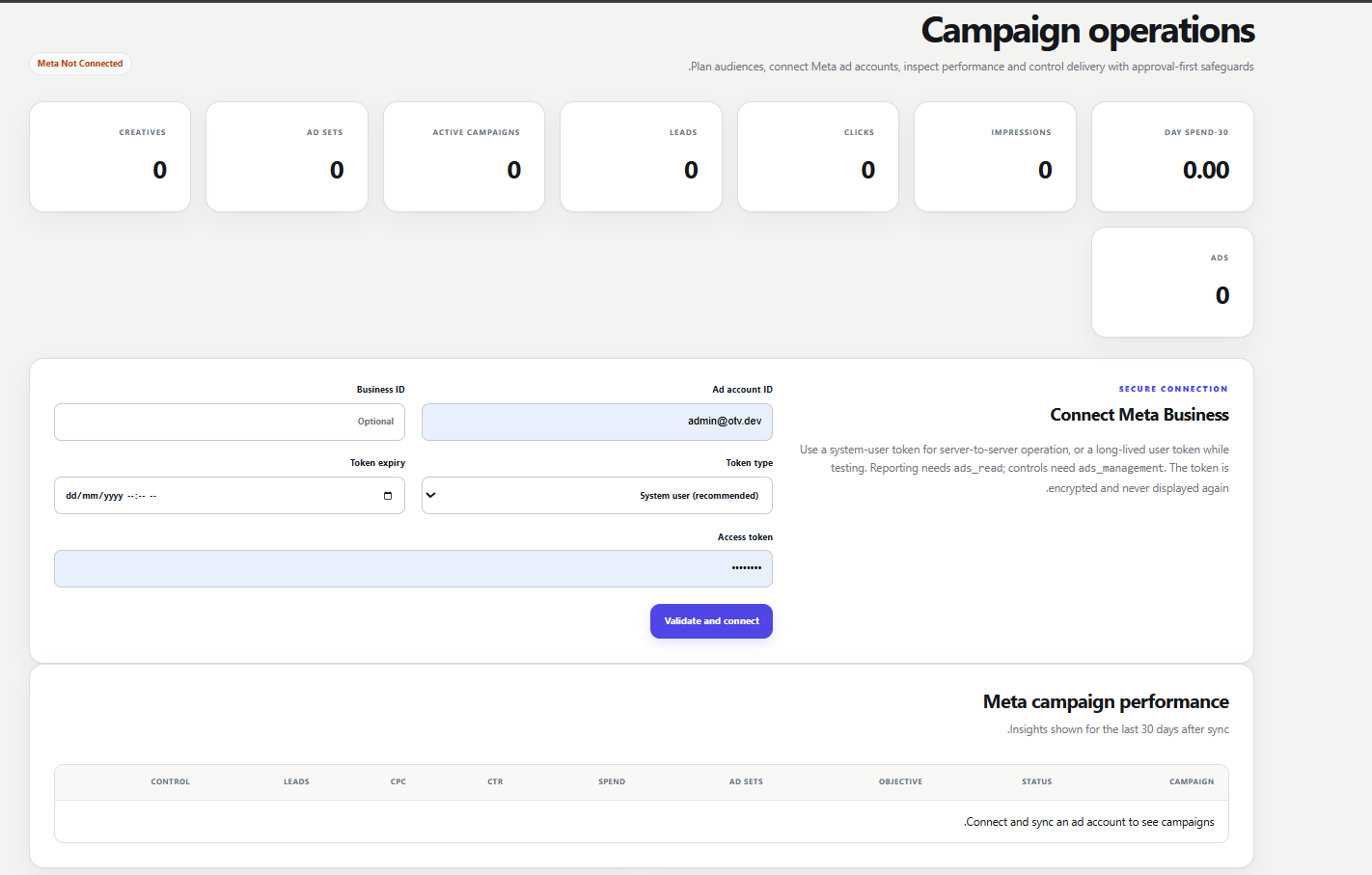
- Integrating platforms such as Shopify and Meta advertising.
- Developing guided onboarding for non-technical users.
- Expanding workflow automation with clear user confirmation.
- Improving the mobile experience.
- Testing the platform with real businesses.
- Measuring time saved, customer-response improvements, and revenue impact.
- Strengthening security, scalability, and data privacy.
- Establishing partnerships in Egypt, Saudi Arabia, and the United Arab Emirates.
Our long-term goal is for Wasla AI to become the digital operating system for Middle Eastern SMEs: a platform through which businesses can manage their customers, employees, websites, communications, marketing, and growth from one intelligent and accessible workspace.
[Login Info] link : https://otveterans.net/ email: [email protected] password: password
Built With
- arabic-and-english-speech-processing-services
- blade
- cloudflare
- css3
- erp
- git-and-github
- html5
- javascript
- laravel
- modular-crm
- multi-tenant-saas-architecture
- mysql
- nginx
- openai-and-alternative-ai-provider-integrations
- php
- qr-code-technology
- reporting
- rest-apis
- role-based-access-control
- ssl/tls
- ubuntu-linux
- website-builder


Log in or sign up for Devpost to join the conversation.