

Inspiration
For over 50,000 years, humans were the only source of art, information, language, and thought - until AI. Since it hit the mainstream, LLM's and other AI now contribute more to social media than humans do. It is growingly increasingly difficult to differentiate between ideas thought of by humans and those created by AI. Flare seeks to remedy this problem by serving as a live AI detector as you surf the web.
What it does
Flare runs directly in your browser as a Chrome extension. It passively analyzes every page you visit, scoring text blocks and images for AI-generation probability. A small floating badge shows the overall score at a glance. For deeper inspection, a side panel breaks down every detected block with individual scores, confidence tiers, and explanations. Flagged content can be automatically blurred until you choose to reveal it.
It's designed to be non-intrusive - you install it once and it works silently in the background. No copy-pasting, no switching tabs, no manual effort.
How we built it
The frontend was built using the Vite framework on React with Tailwind CSS, TypeScript, and the Chrome Manifest V3 APIs. The backend gateway was built with Node.js, Express 4, Helmet, and LRU Cache.
Two separate models were used for text and image AI content classification. The text classification model was the DistilBert from the HuggingFace Transformers library, finetuned on wikipedia passages through Google Colab. Image classification was performed with the Nvidia Hive image AI detection model. The models were integrated with the rest of our software architecture using Python, FastAPI, and PyTorch.
Challenges we ran into
We ran into various challenges during the project. One of the toughest was version control, there were numerous times one of us somehow broke our own branch and then were too different from main to just pull to fix everything, which resulted in some very messy merges. Next time we'd like to push to the repo more frequently to avoid that happening again. Also, the text model was tough to train, as using larger dataset led to overfitting and various other inaccuracies. This led us to use the smaller distil BERT model, which seemed to generalize better to different texts. The entire task of AI detection for text was A LOT harder than we thought it would be, needing several model iterations and datasets and still not be 100% accurate.
Accomplishments that we're proud of
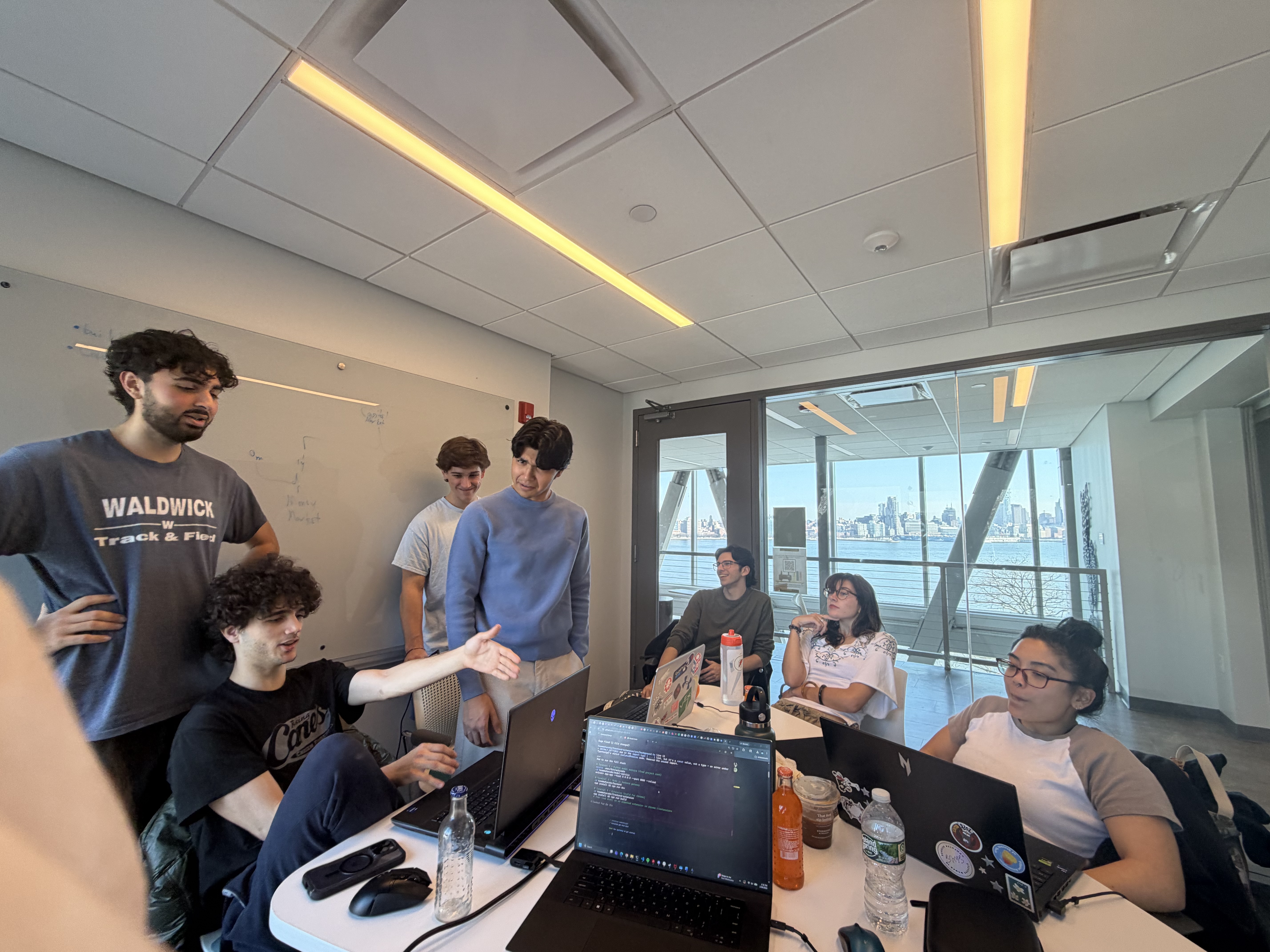
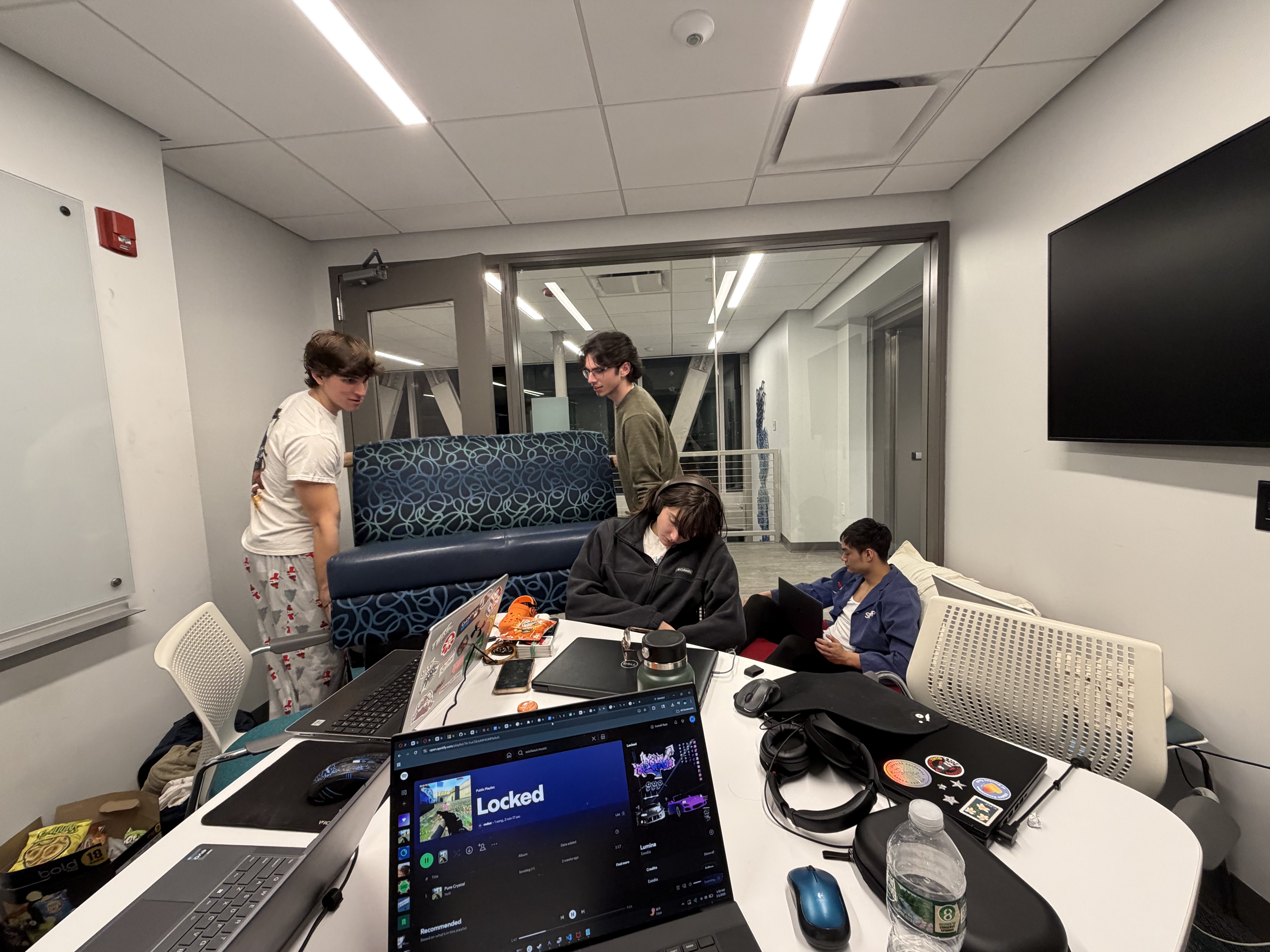
After 18 hours straight, we managed to get the extension working with no (major) bugs or issues. It works continuously, scanning every new webpage you open and giving a fairly accurate score as to whether or not there is AI generated content. We also maintained good spirits and had a lot of fun! (TY organizers)
What we learned
We learned how to use a new (to us) tech stack consistent React + NodeJS and express, with the modelling layer consisting of a finetuned hugging face model for text detection and the "HIVE AI" image detection from Nvidia. We also got a lot better versed in github and version control. Last but not least, we learned a lot of AI techniques - including how to use claude code, google antigravity, chatGPT, and various other tools.
What's next for Flare
With the limited timeframe of production, Flare has much potential for more AI detection features, wider use cases, and further refinement of the models we already have. Some ideas that floated around during development included sentiment analysis for bias and subjectivity ratings (intended mostly for news/political opinion articles) as well as incorporating into more social media sites where AI slop is prevalent.
Built With
- accelerate
- api
- axios
- canvas
- chrome-side-panel-api
- clsx
- css-frameworks:-react-18
- docker
- eslint-libraries:-huggingface-transformers
- express-4
- fastapi
- featherless-ai-(llm-explanations)-ci/cd-&-deployment:-github-actions
- google-colab-(model-training)-build-tools:-vite
- helmet
- html
- huggingface-inference-api
- javascript
- languages:-typescript
- lru-cache
- mutationobserver
- nvidia-nim-(hive-image-detection)
- originality.ai
- pino-(logging)-apis:-gptzero
- postcss
- python
- pytorch-platforms:-chrome-(manifest-v3-extension)
- render-other:-chrome-storage-api
- sapling
- tailwind-css


Log in or sign up for Devpost to join the conversation.