-
Flare icon
-
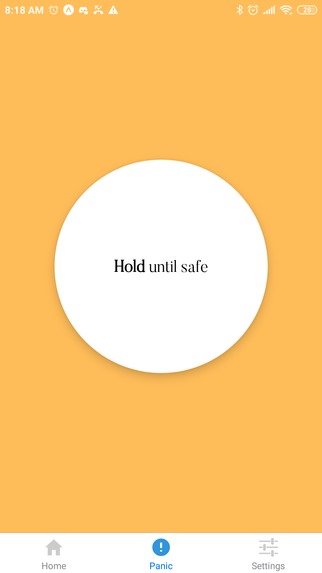
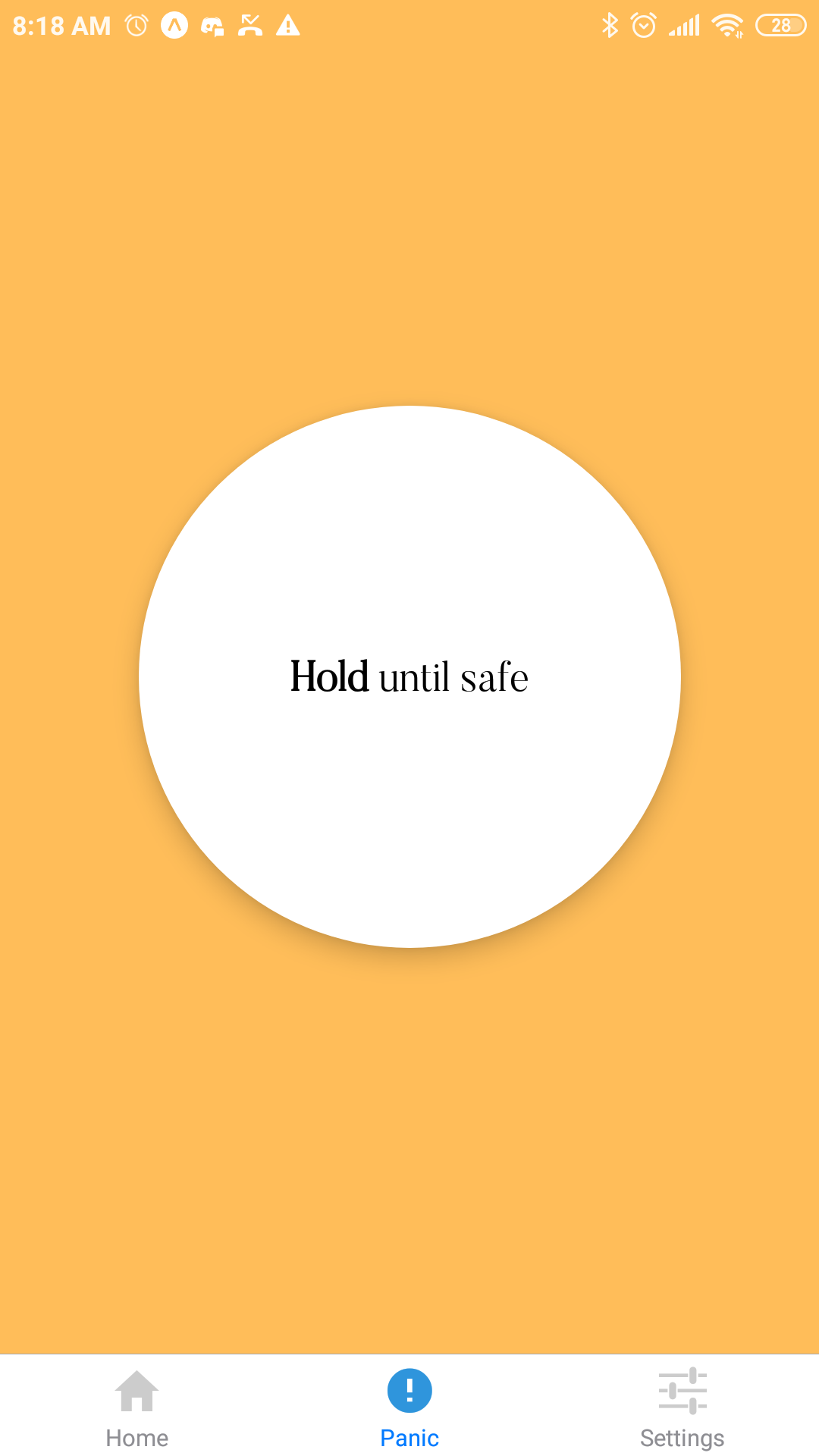
Panic button
-
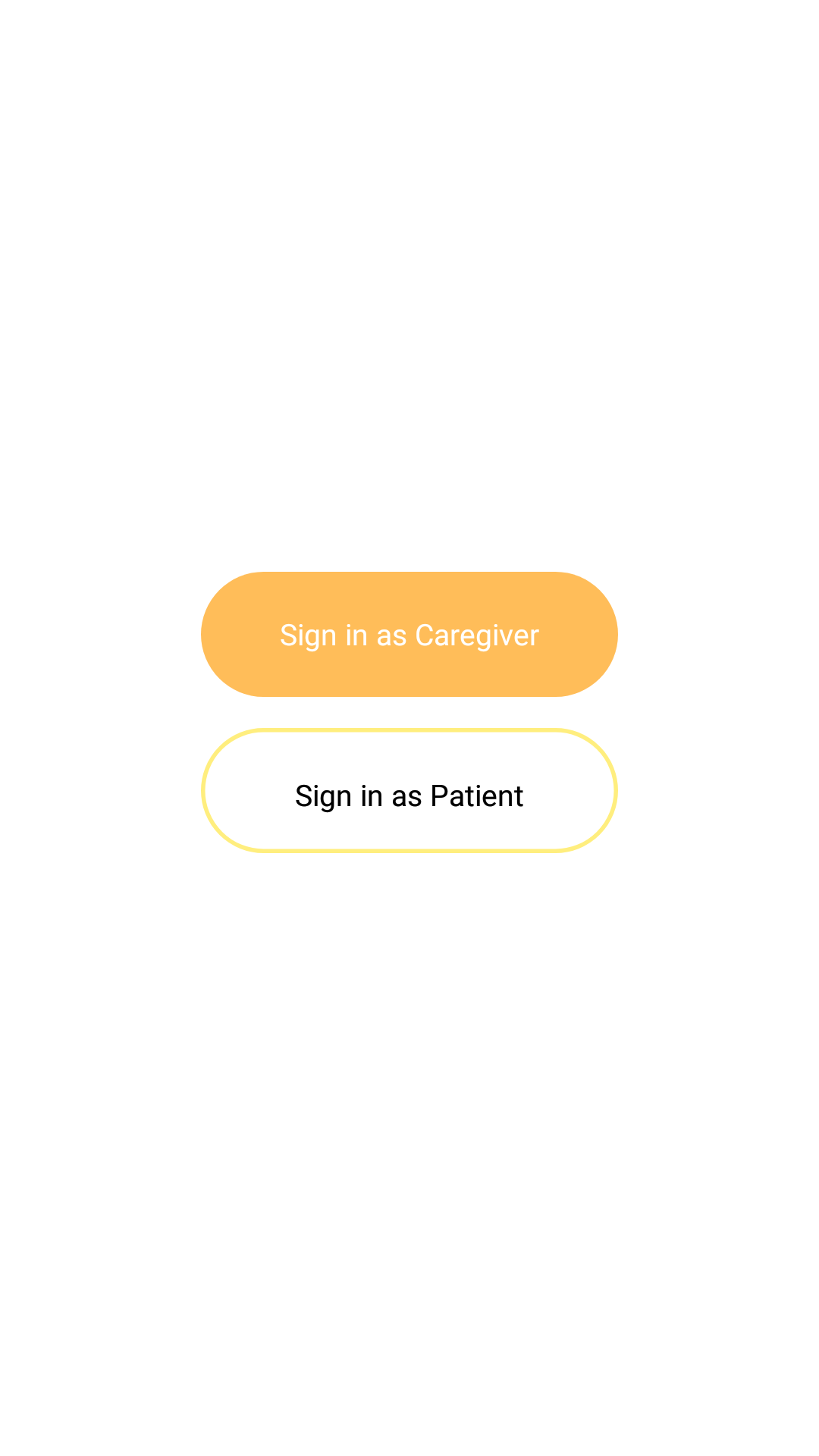
Sign in
-
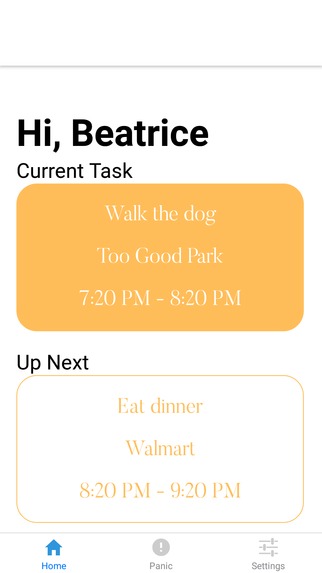
Patient current and next tasks view
-
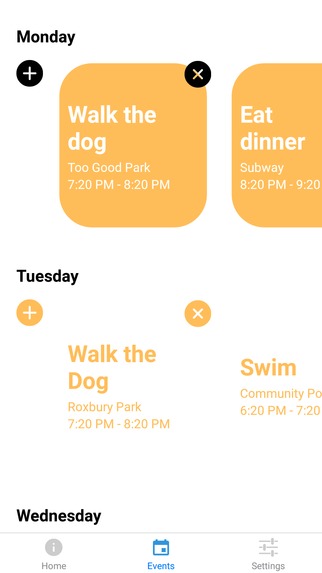
Caregiver schedule setter



Inspiration
Initially, our team was intending to make a solution to help with the daily challenges faced by Alzheimer's and other dementia patients. They suffer from various degrees of memory loss, which affects their ability to navigate, and may lead them into dangerous situations where they get lost with no one around who can assist them. Our app name, Flare, meaning a burst of fire, also means the light for patients who suffer from amnesia and vulnerable when they are lost. It is a reference to the emergency panic button our app provides that the patient can use if they find themselves in an unfamiliar situation.
What it does
The caregiver or the guardian have the full access to the daily schedule of the patient and will be able to know if they are in the correct location indicated on the map in real-time. If not, a notification will be sent to the caregiver. The patient's view is very simple as we want to keep it as easy as possible. It only has the next routine, its location, and a help button if the patient can't figure out what to do or if the place suddenly sounds strange to them.
How we built it
We build the app with react-native and expo so that it is easily testable and hackable. We just need to scan the QR code with our phone to load the app. We used react-native-maps for location service.
Challenges we ran into
Time limit, map display.
Accomplishments that we are proud of
We planned out an app that had an acceptable scope and implemented it.
What we learned
New technologies, such as React Native.
What's next for Flare
- Many to many relationships between patients and caregivers.
- Incorporate privacy settings for the data.
Built With
- expo.io
- express.js
- javascript
- node.js
- react-native
- react-native-maps
- twilio

Log in or sign up for Devpost to join the conversation.