-
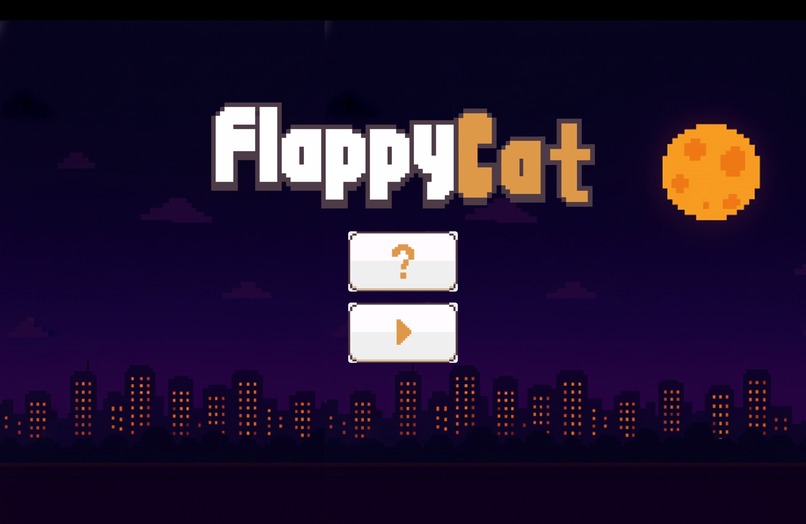
Home Page
-
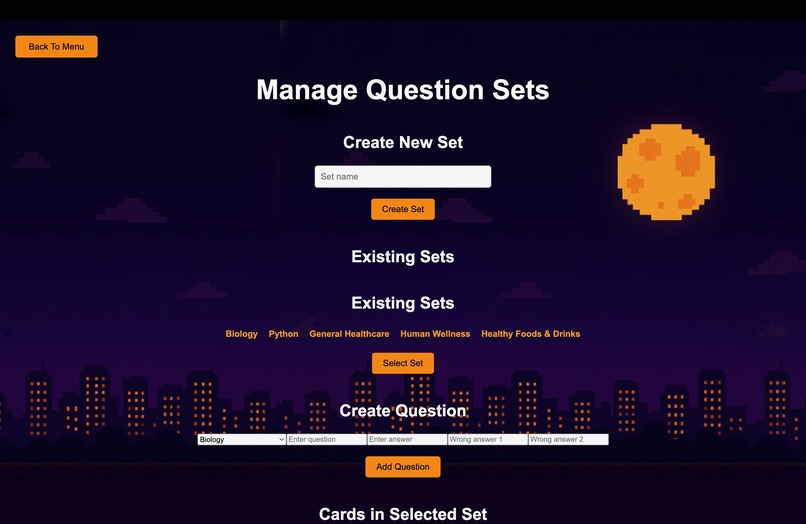
Index Page (After you click Question Mark)
-
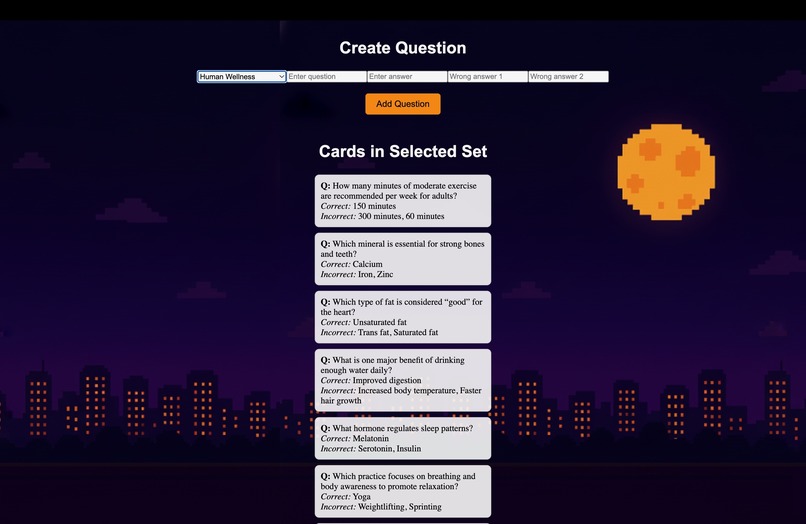
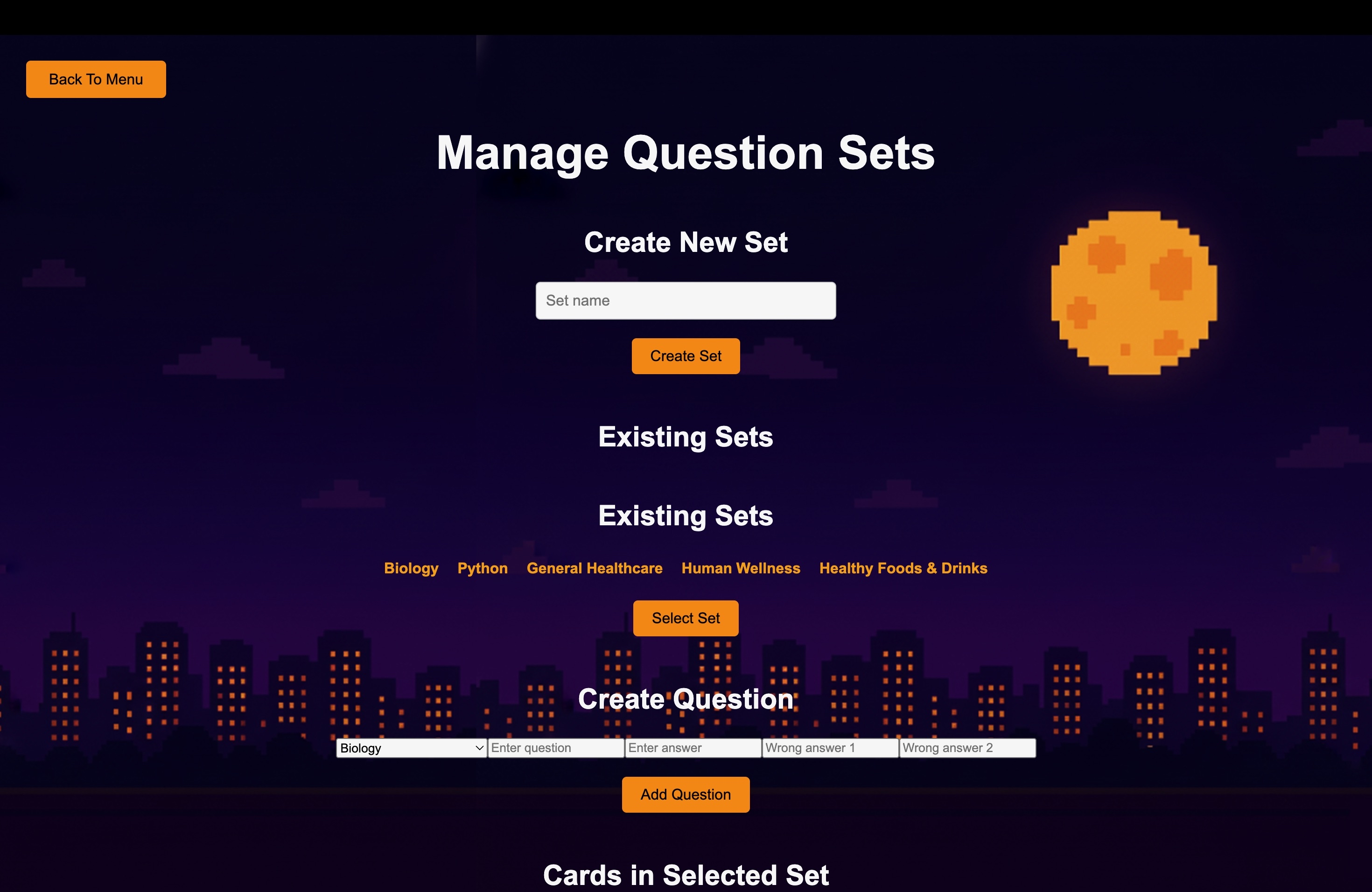
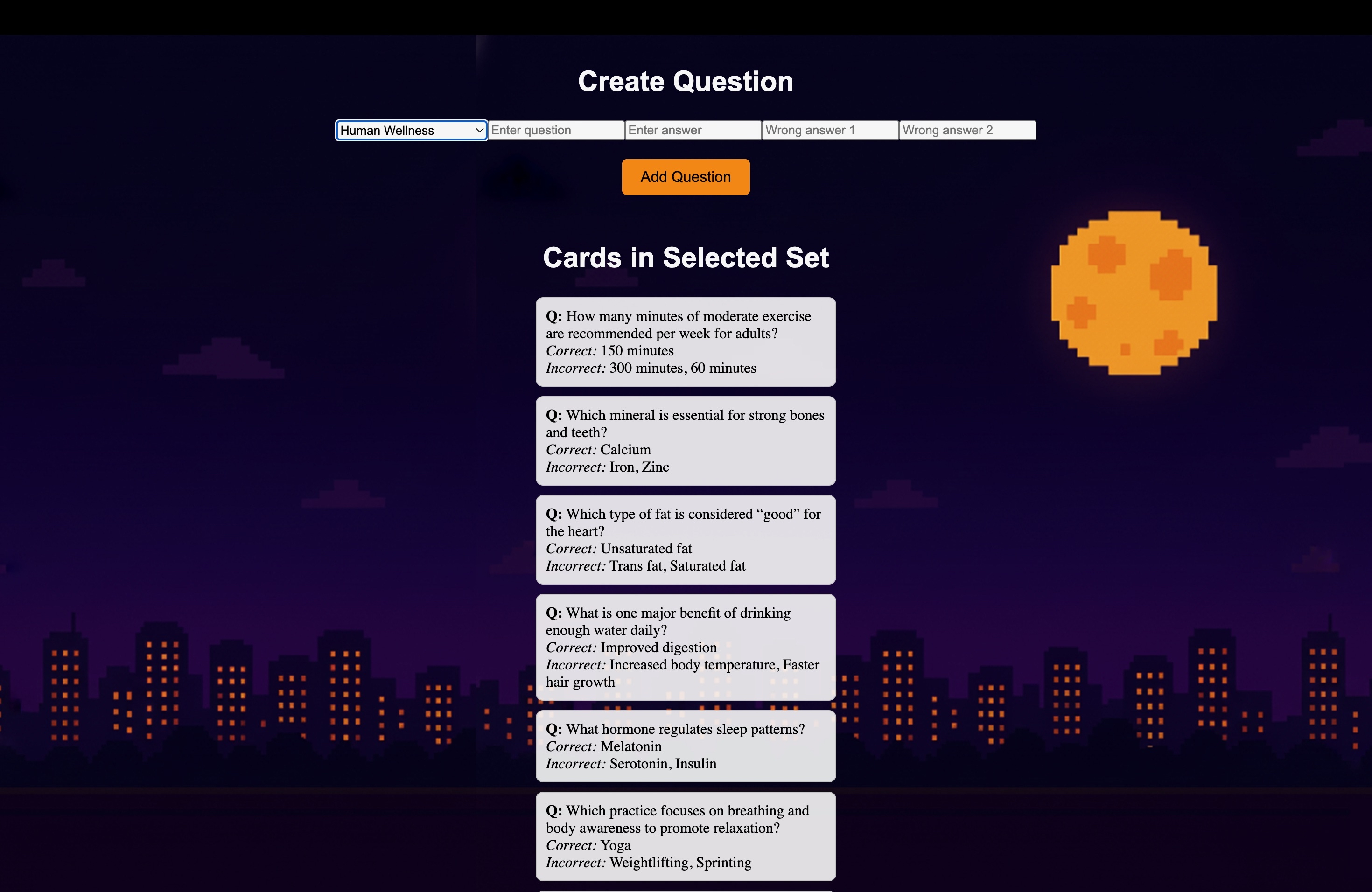
Set list of question (After you click on an existing set to view it's contents)
Inspiration
As students with busy schedules, we wanted to make learning about healthcare more engaging by combining fast-paced gameplay with health related content. Inspired by Flappy Bird, we saw an opportunity to turn this reflex-based game into an interactive learning tool that can help people worldwide to incorporate healthy habits into their lives. Wanting to further expand this impact, we wanted to reduce communication stress. Thus, we added features to also make learning conversational languages fun and interactive.
What it does
People can choose to upload their own healthcare related question set or play with an existing one, which appear during gameplay. Each wrong answer makes the game harder, encouraging both focus and active learning through repetition. The game blends fun mechanics with healthcare education, this helps people learn general healthcare tips/ facts so they can be mindful of it and apply it to their daily lives. After selecting a question set, they navigate a spooky flying cat through pipe gaps representing multiple-choice answers. Flying through the correct gap scores points, while too many wrong choices trigger a game over. The game blends rewards repetition and reflexes to make learning these habits/ facts dynamic and memorable.
We designed a simple game with separate pages for the menu, question sets, and gameplay. The system dynamically loads questions from user-selected datasets, processes player interactions, and tracks performance metrics such as correct and incorrect responses to drive scoring logic and game-over conditions. Additionally, we created an OpenAI-powered agent that allows users to generate custom multiple-choice questions by entering a prompt, expanding the game's scope and allowing student's to truly learn as even they don't know what the choices can be.
What we learned
We learned that creating and developing in this sort of environment is challenging and there will almost always be issues that we will run into. Despite this, the experience is extremely rewarding as we come out with more information and connections.
Built With
- css
- html
- javascript
- openai
- python
- supabase


Log in or sign up for Devpost to join the conversation.