Inspiration
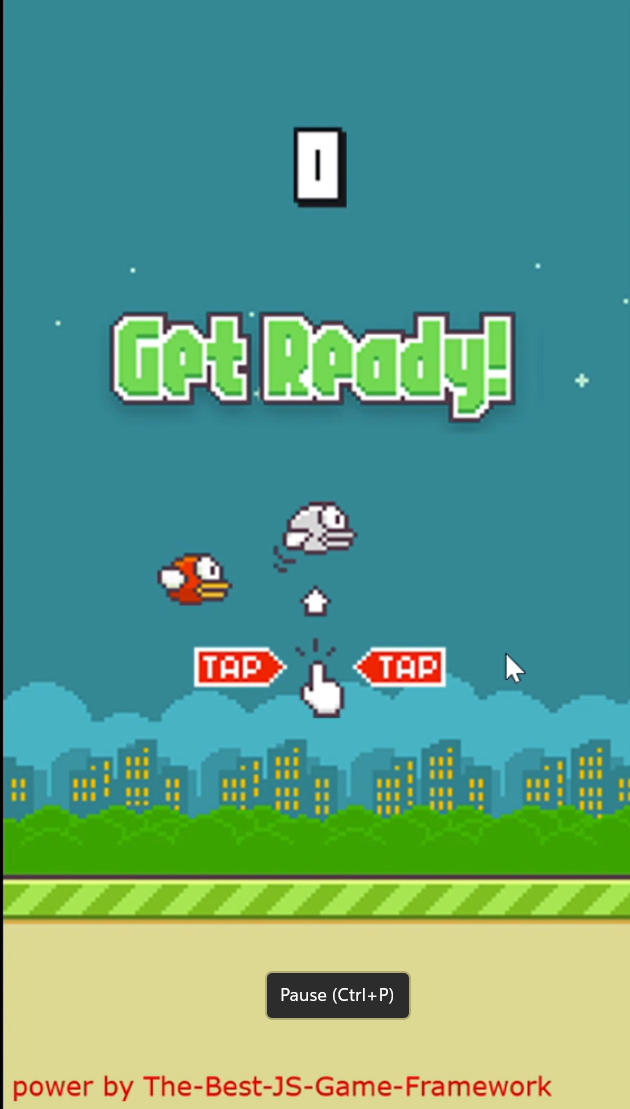
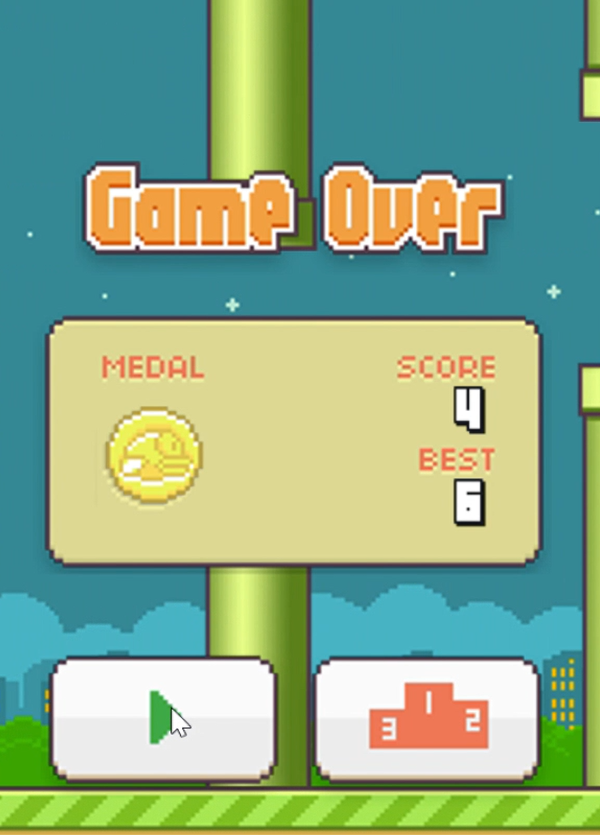
We were inspired by the original Flappy Bird game, which became a cultural phenomenon due to its simplicity and addictive gameplay. Its minimalist design and one-tap mechanic made it a perfect candidate for a coding challenge that was fun and engaging to build. We wanted to recreate that magic with our own twist while learning about game development in the process.
What We Learned
Throughout the development of this project, we learned how to:
- Use HTML5 Canvas for 2D game rendering.
- Handle user input and collision detection.
- Implement game physics like gravity and velocity.
- Optimize performance for smooth gameplay.
- Structure game logic using JavaScript efficiently.
We also explored the importance of balancing difficulty to keep players engaged without making the game too frustrating.
How We Built It
We built the game using HTML, and JavaScript. The graphics were drawn using the Canvas API, and game states were managed through simple conditionals. We also added a scoring system, randomized pipe gaps, and a restart feature. We kept the design lightweight to ensure fast loading and smooth performance on both desktop and mobile browsers.
Challenges We Faced
One of the biggest challenges was fine-tuning the physics to feel just right—balancing gravity and flap power took several iterations. Collision detection was also tricky, especially around pipe edges. Finally, we had to manage performance to avoid frame rate drops, particularly on mobile devices.

Log in or sign up for Devpost to join the conversation.