-
-
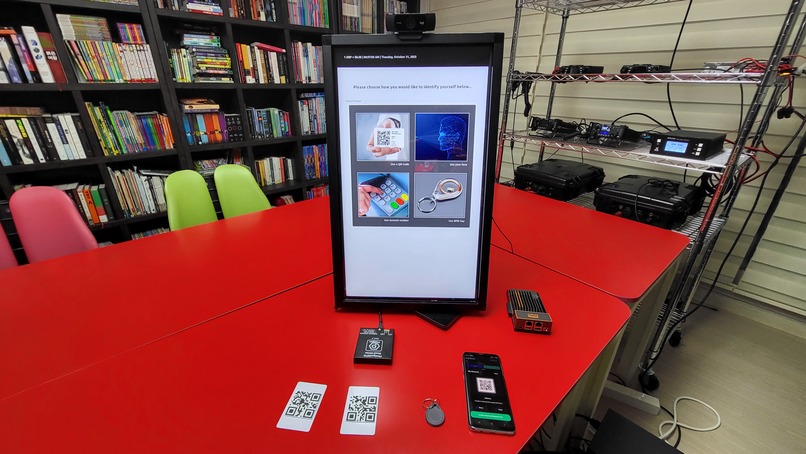
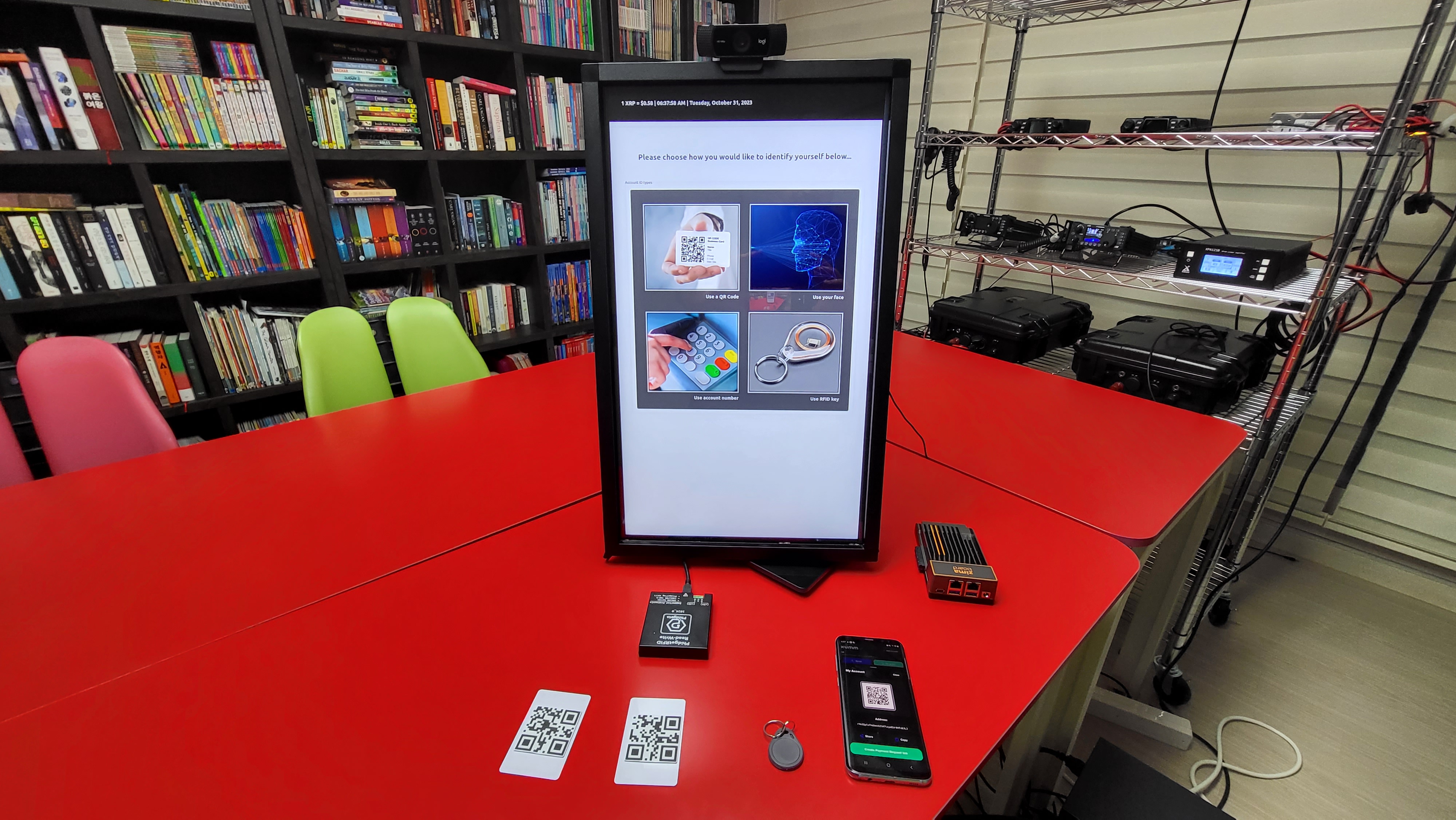
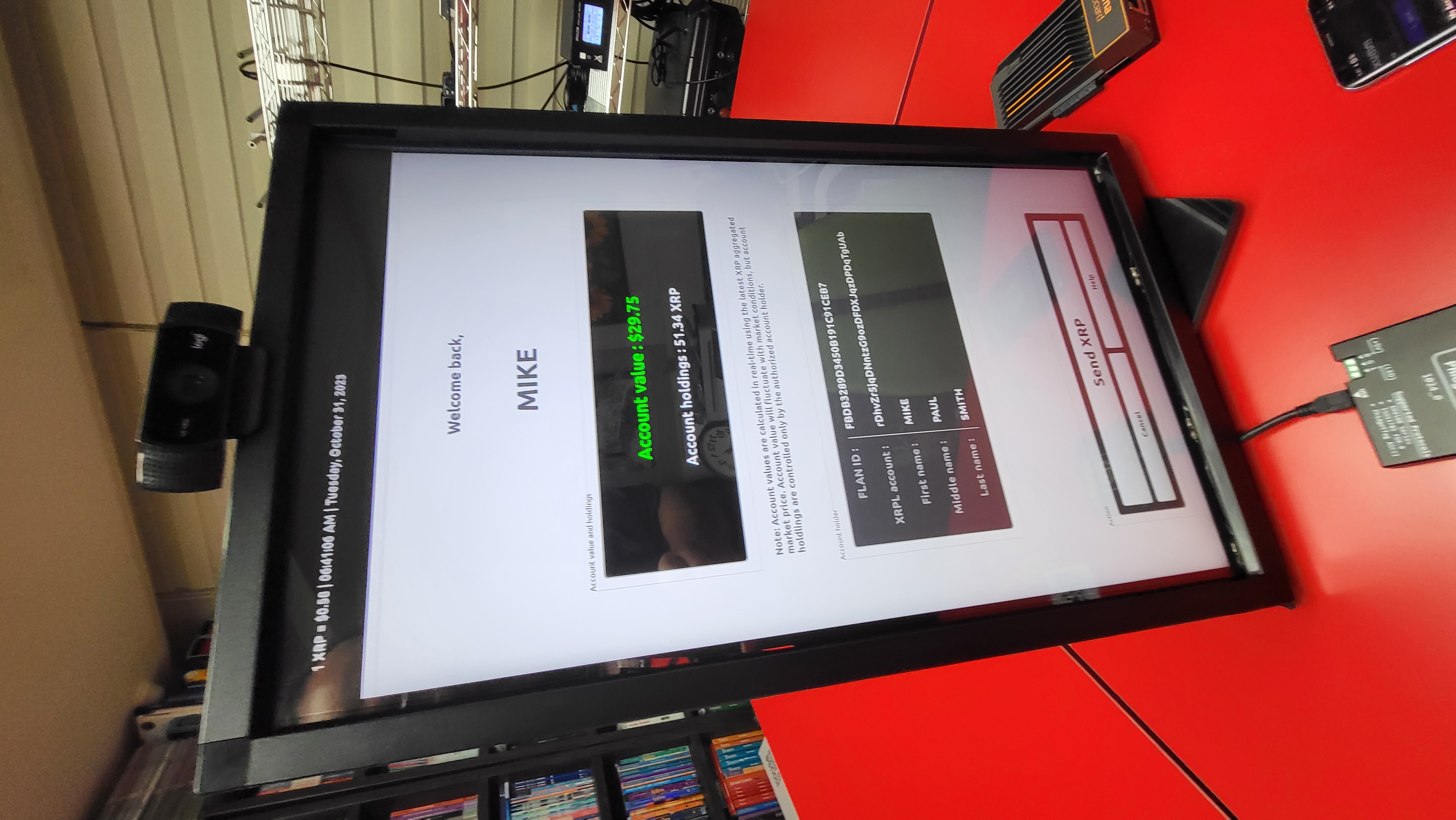
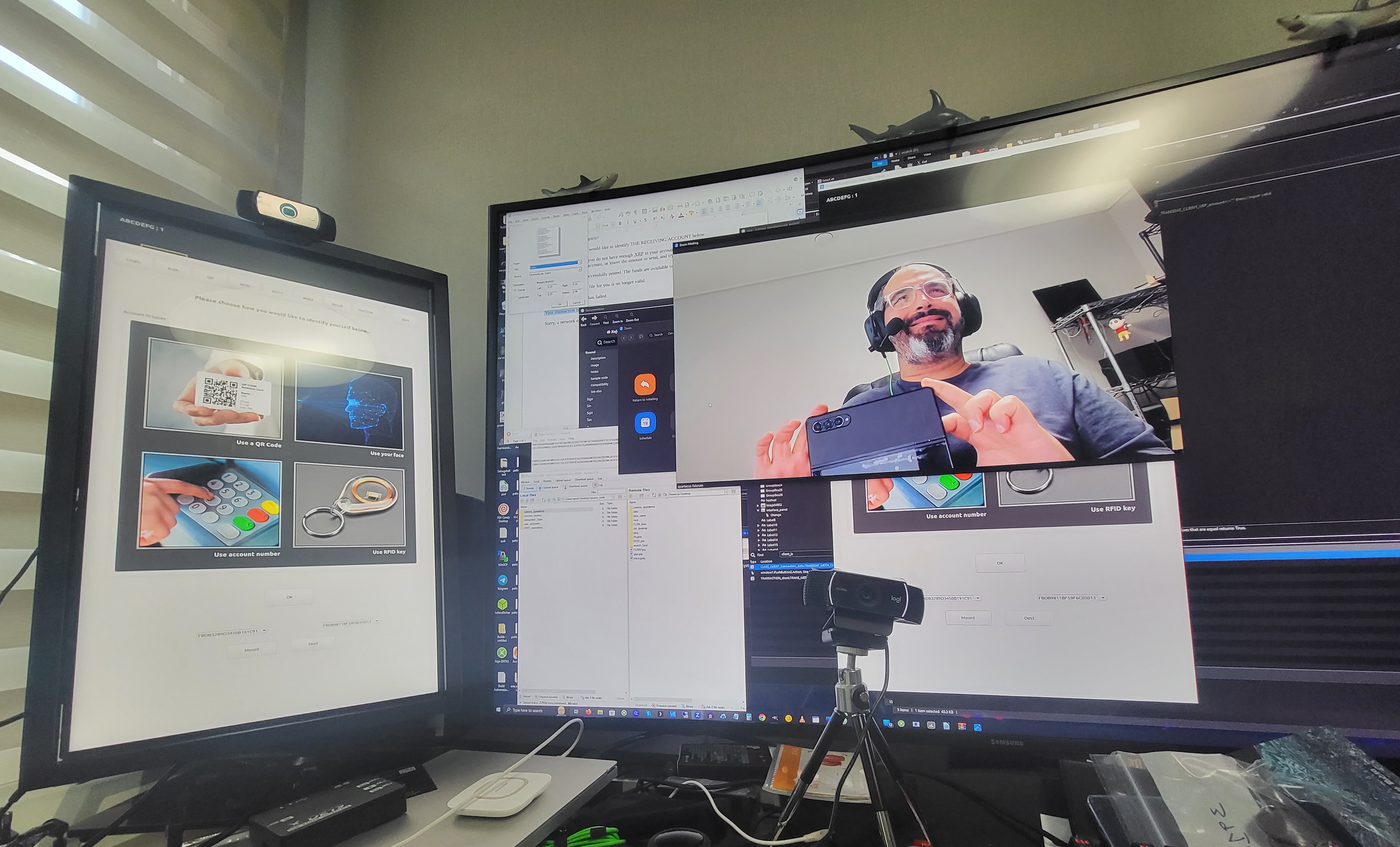
The complete FLAN User Access Terminal Development Prototype Hardware.
-
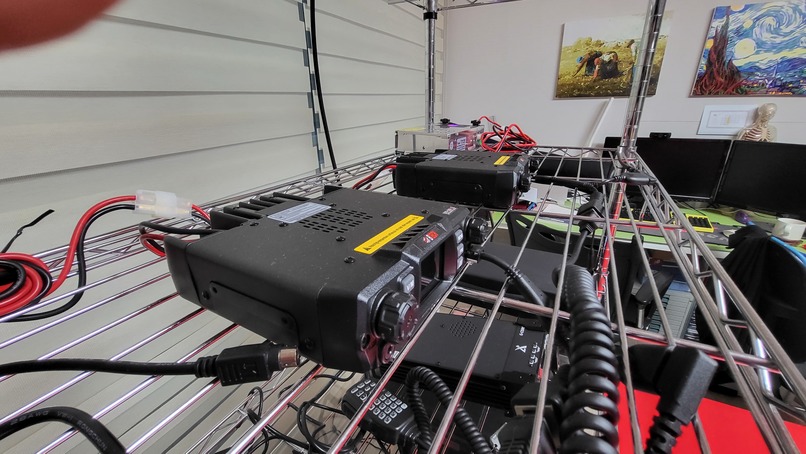
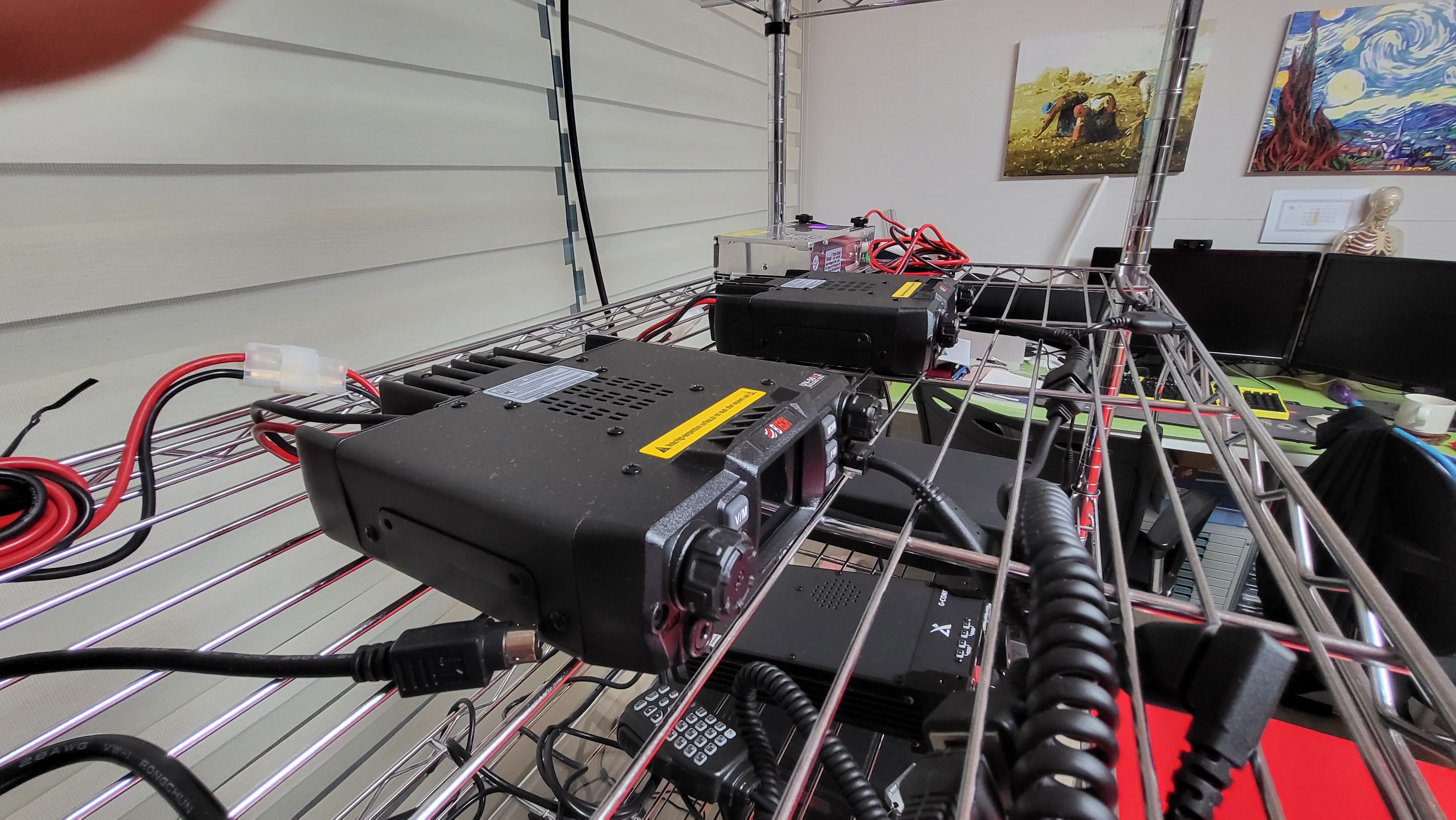
VHF/UHF radio multi-point and packet routing protocol development underway.
-
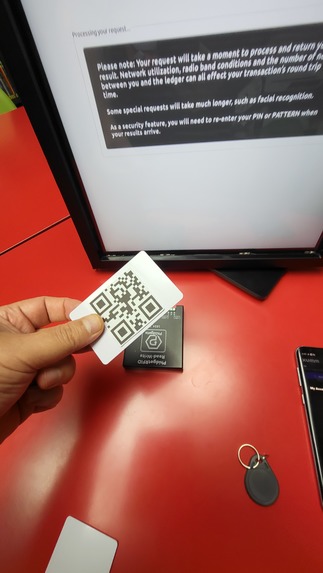
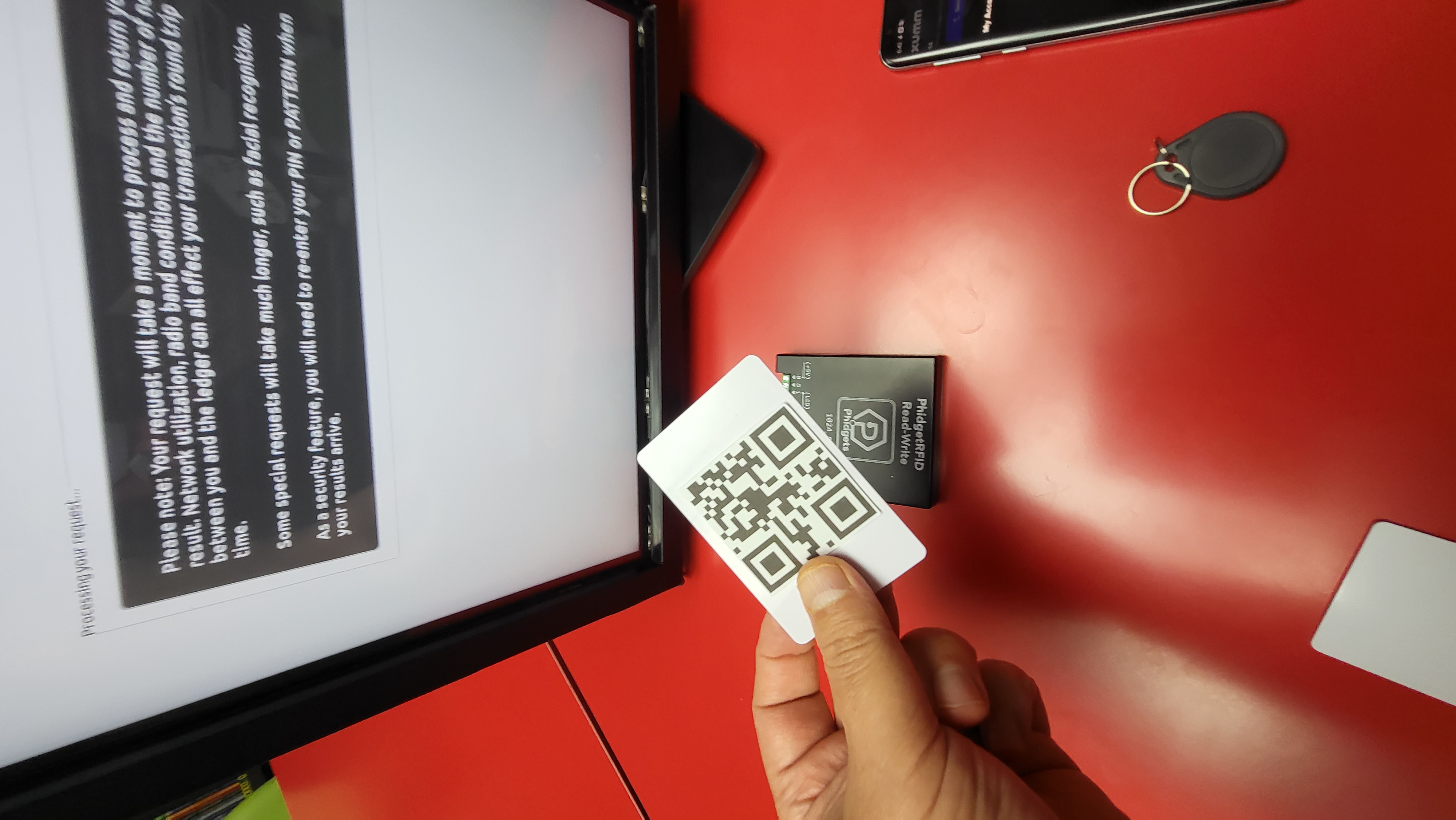
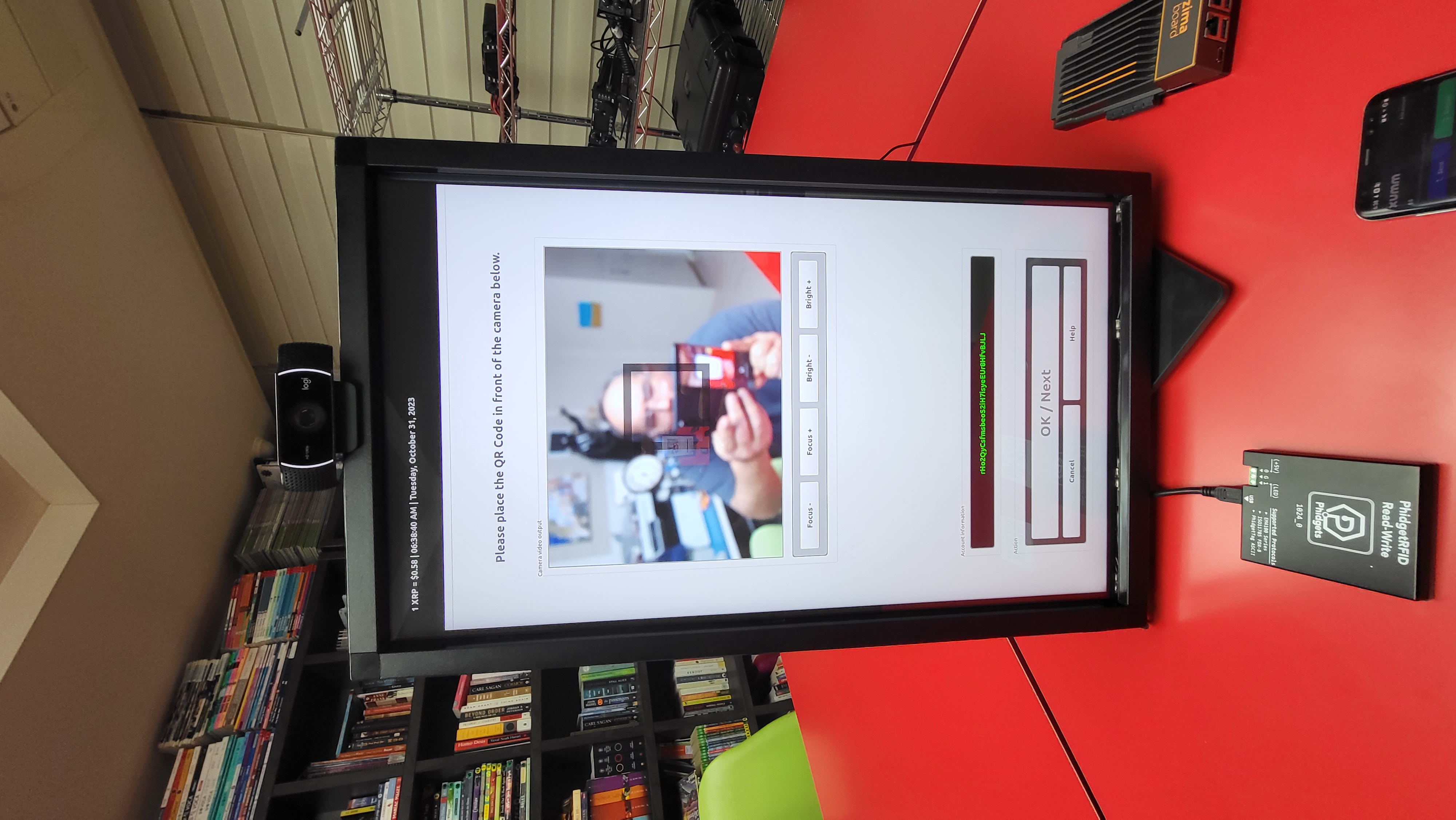
RFID (Read and Write) from the FLAN UAT. Also heavy use of printed QR codes to eliminate user friction and complexity.
-
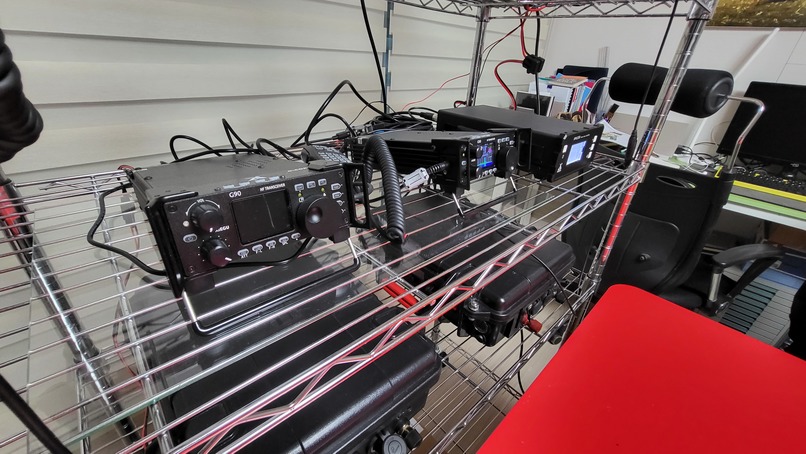
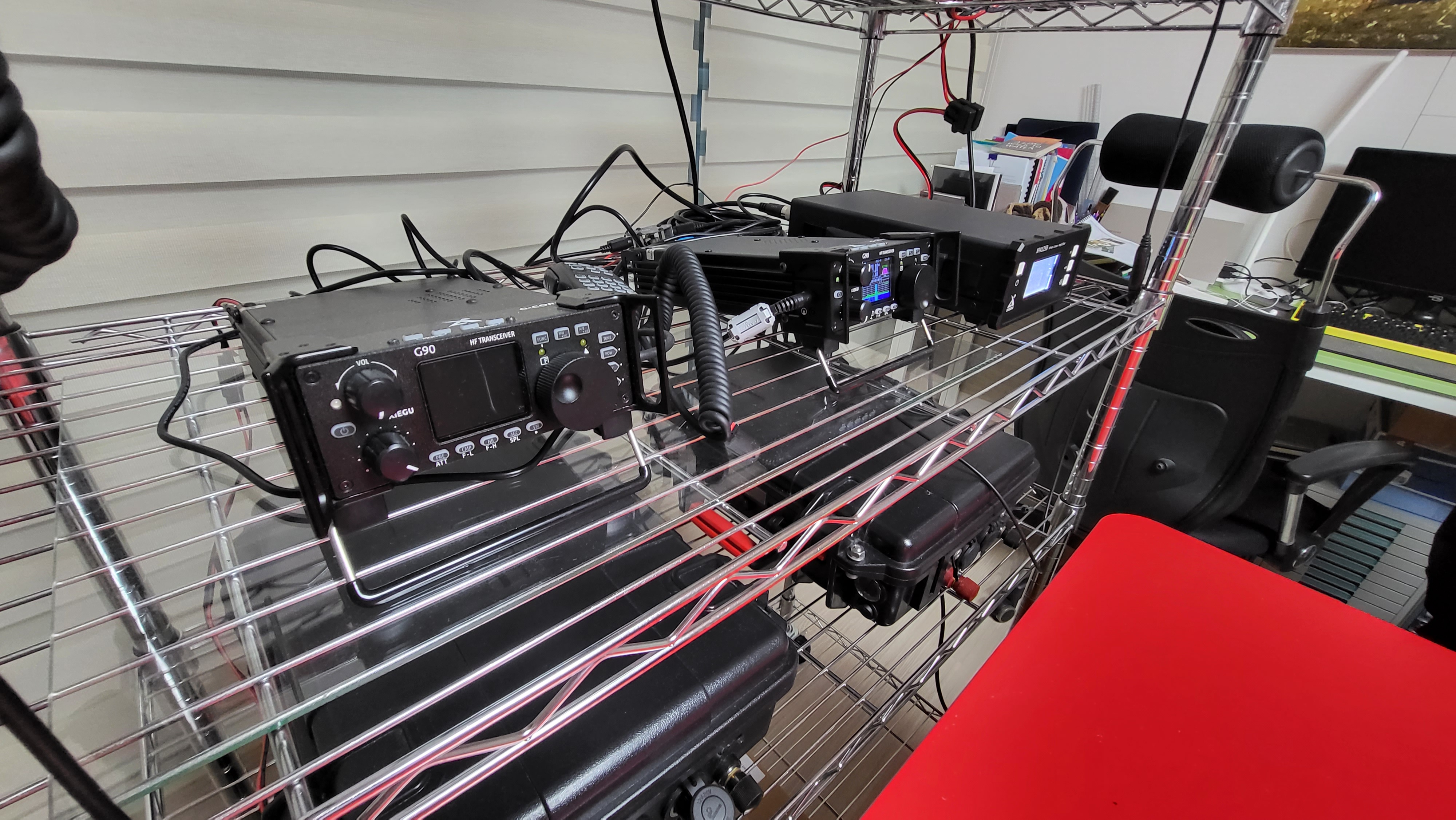
HF Ionospheric and NVIS propagation testing for FLAN data protocol.
-
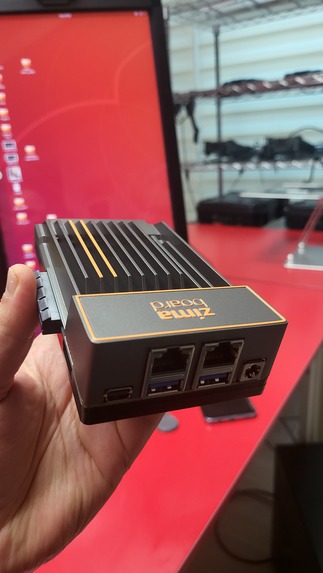
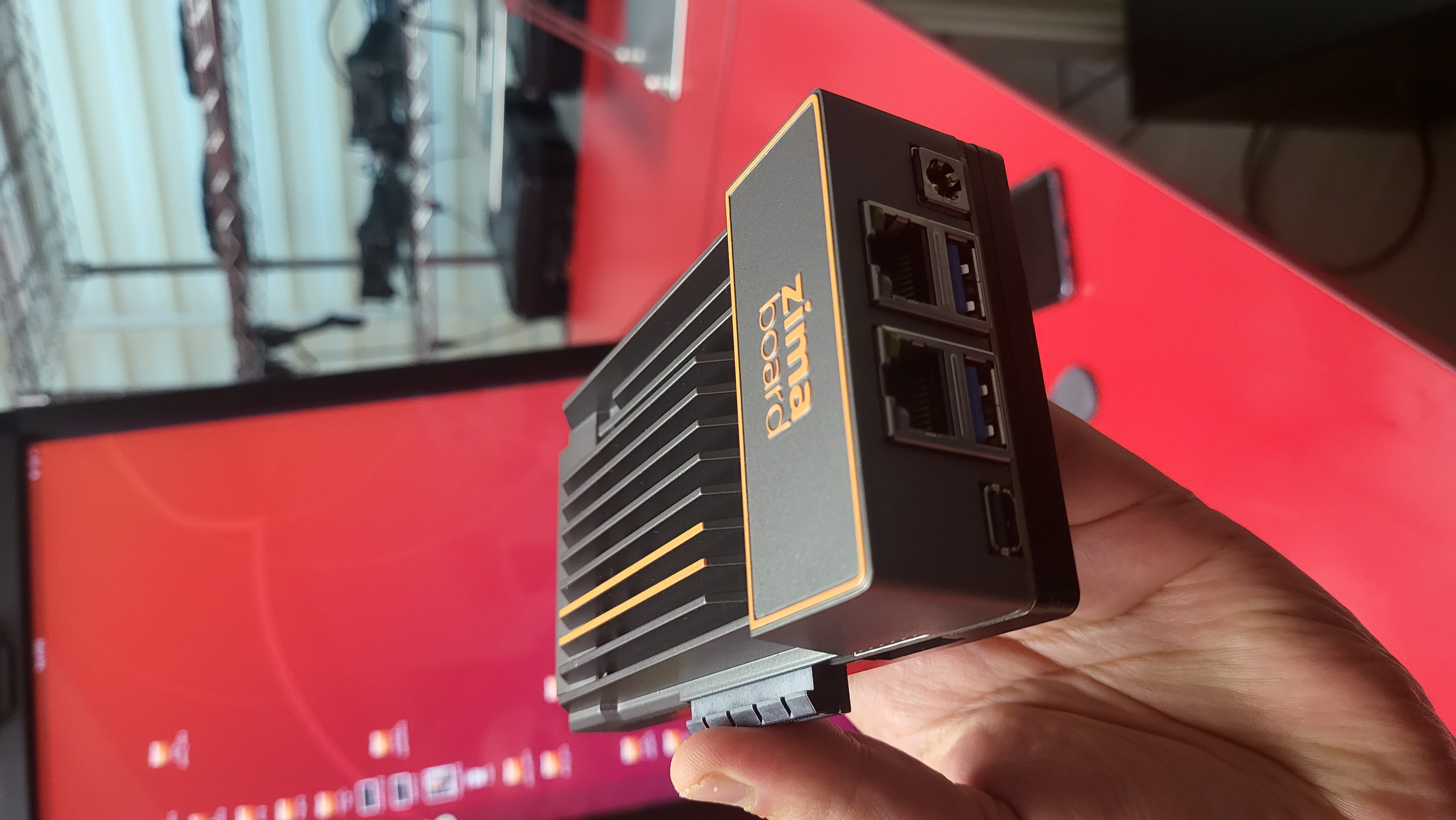
ZIMAboards are much more available and higher performance than RBP. 6 Watt DC draw.
-
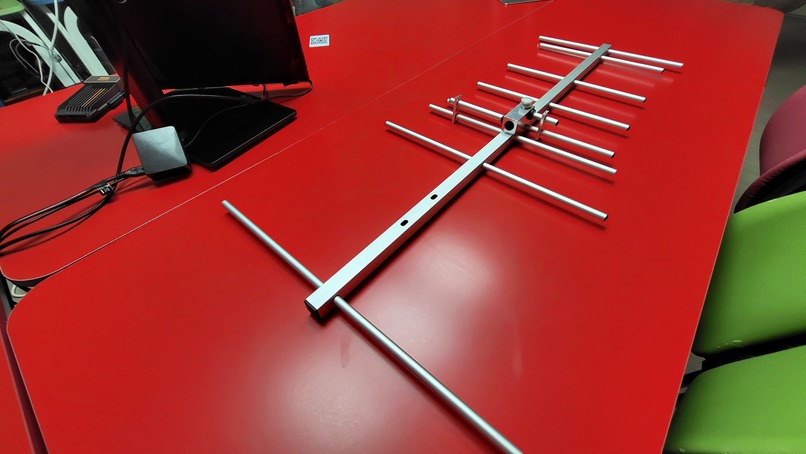
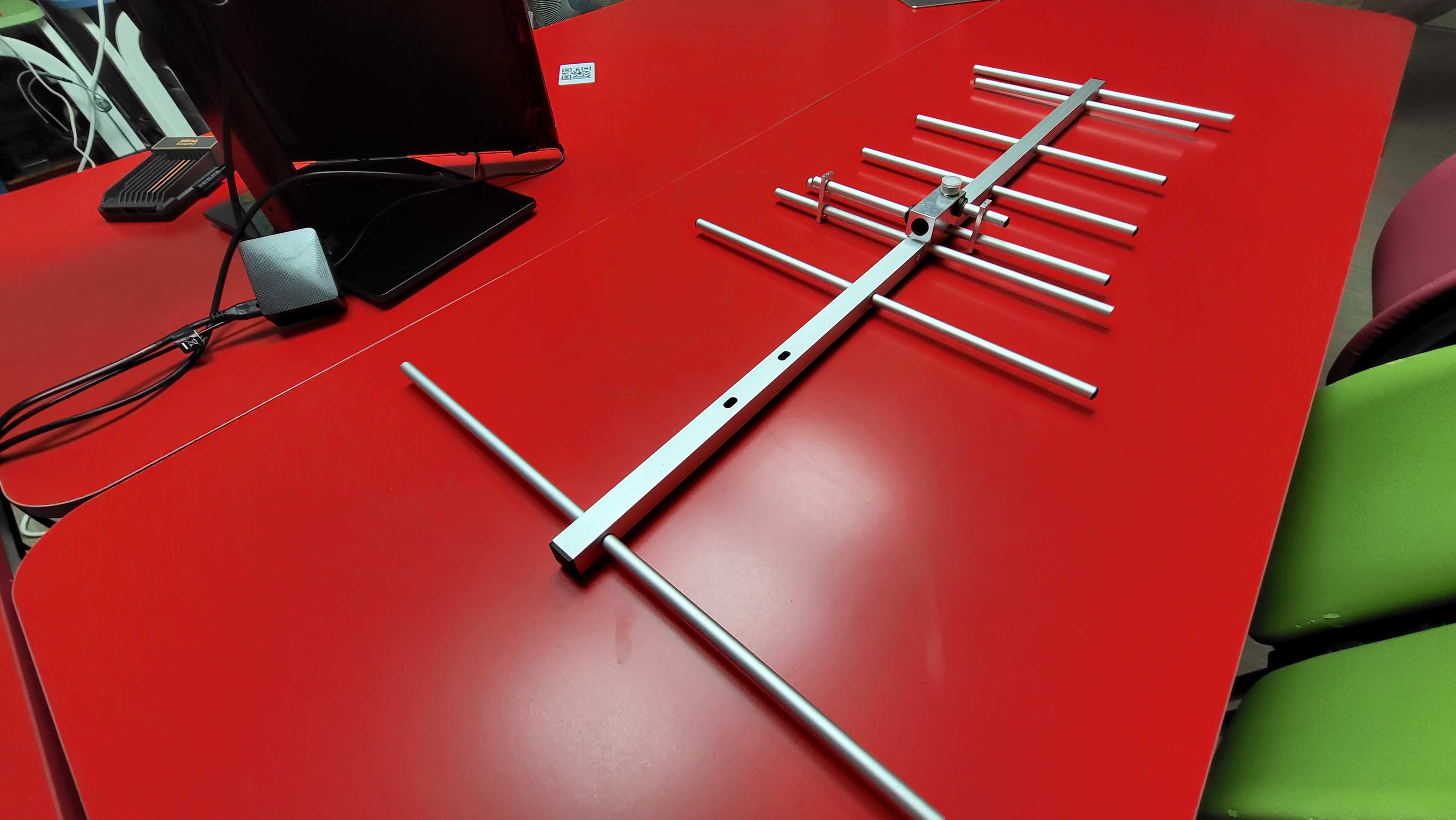
Multiple Dipole, Mono-pole and Yagi Antenna options are under review and testing.
-
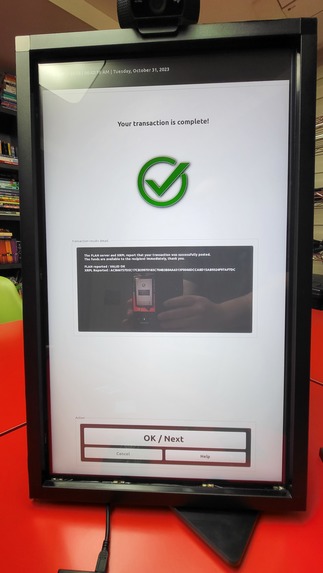
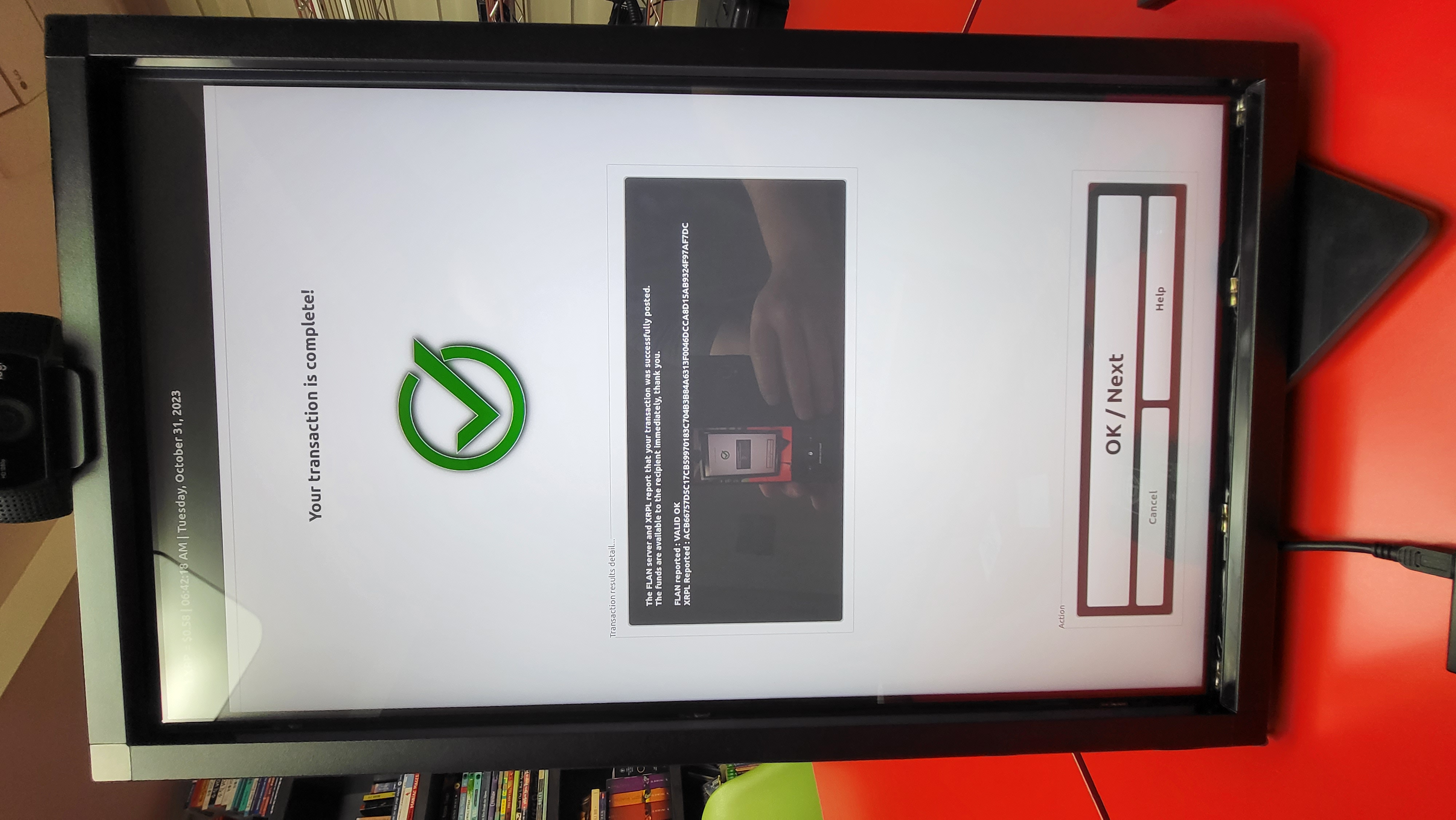
Tested with on-chain XRPL transactions, this is a fully functional prototype.
-
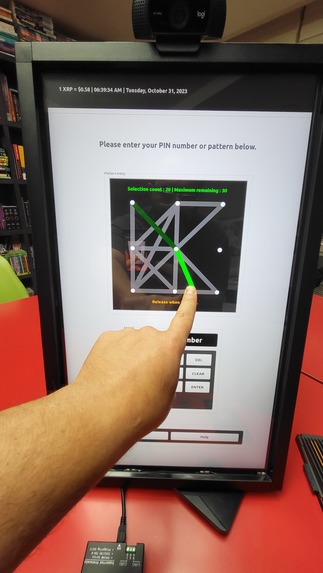
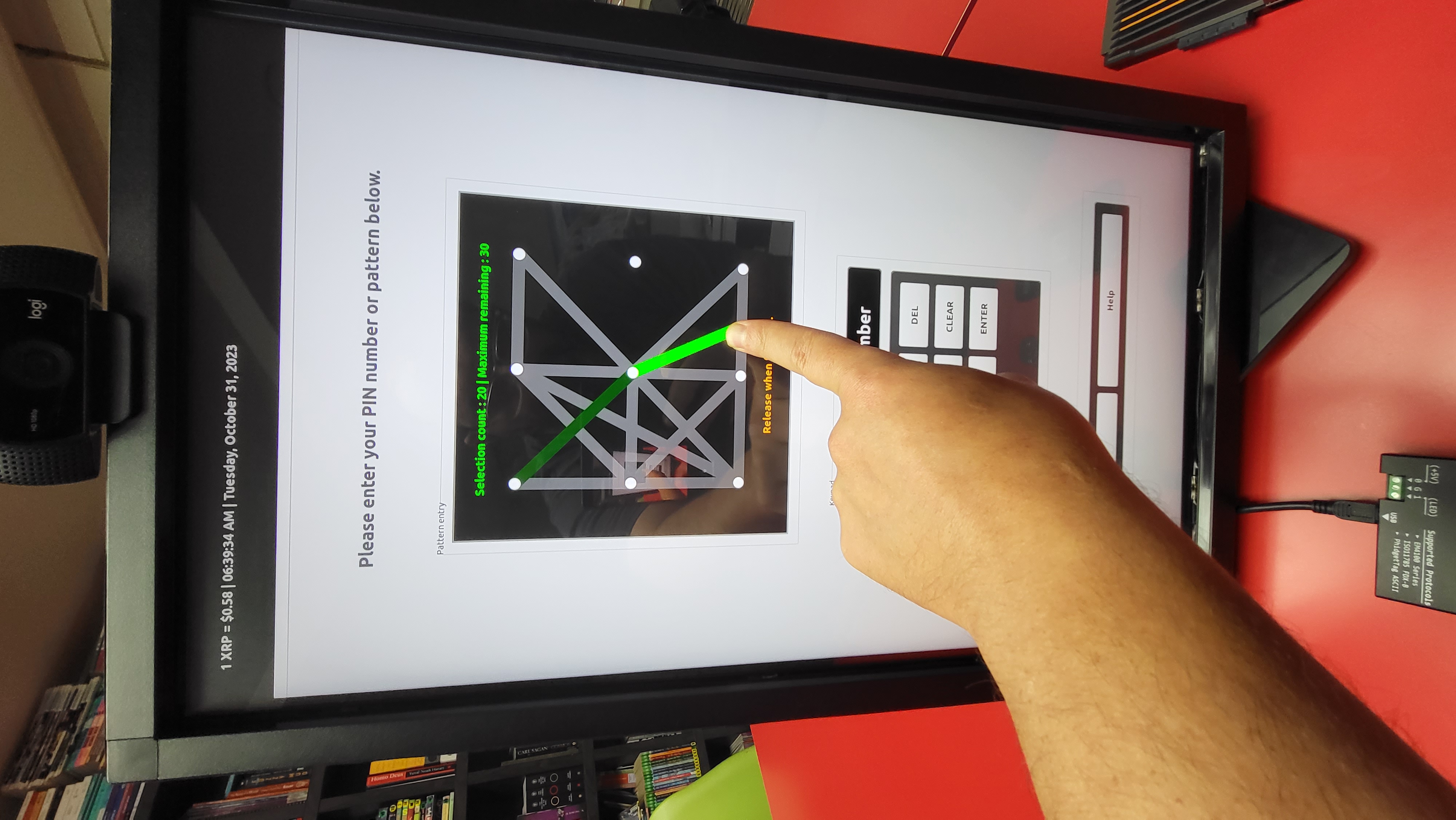
Multiple authentication methods available to the user, patterns and PINS. (large and small)
-
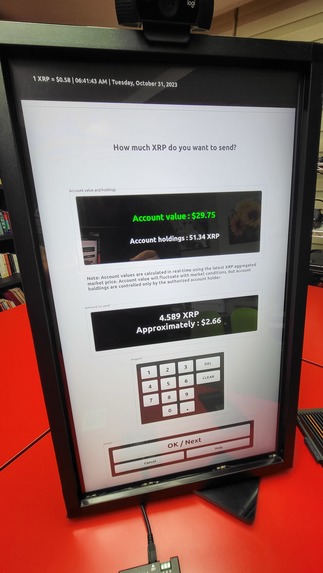
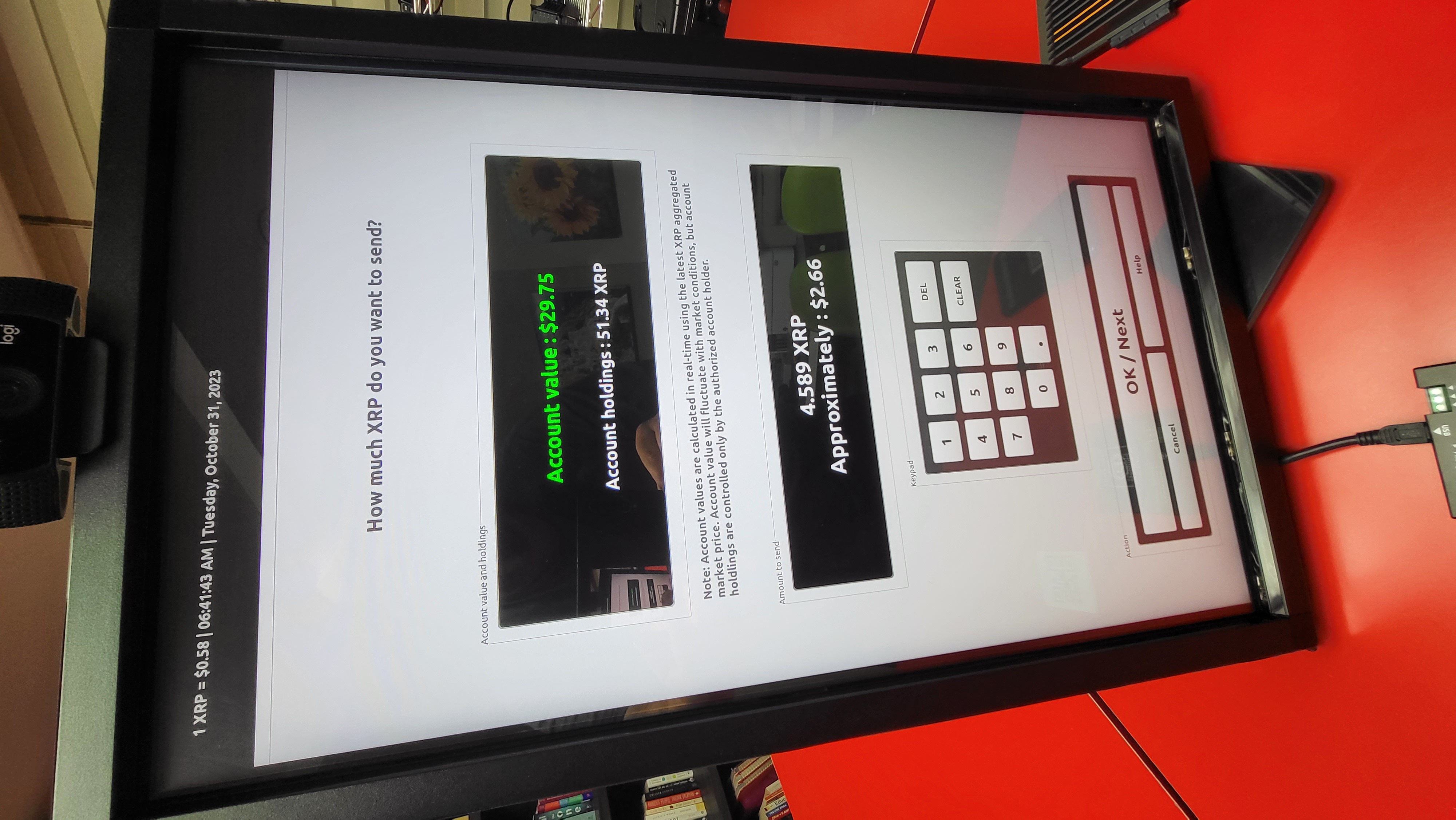
XRP Market price feed (in protocol) allows for near real-time account value updates when transacting.
-
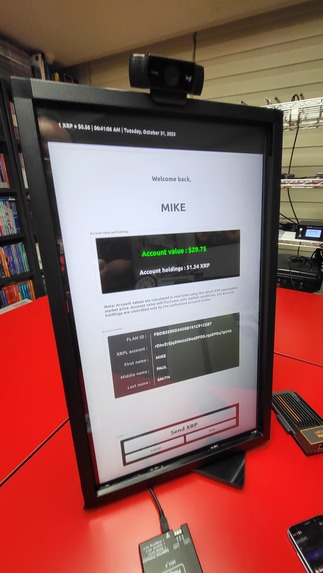
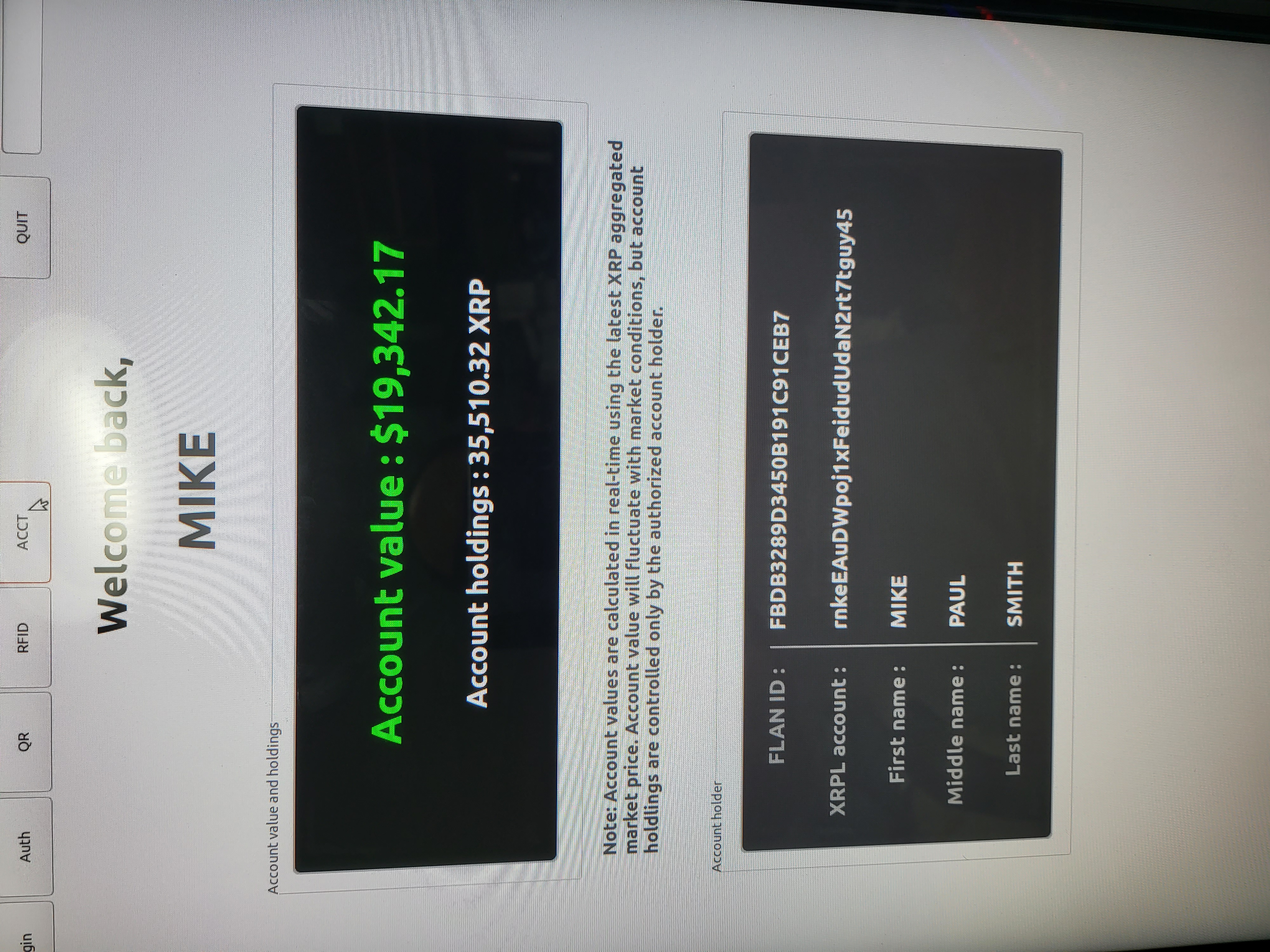
Custodial system with user accounts, XRPL keys never leave the custody provider. Could facilitate digital identity when available.
-
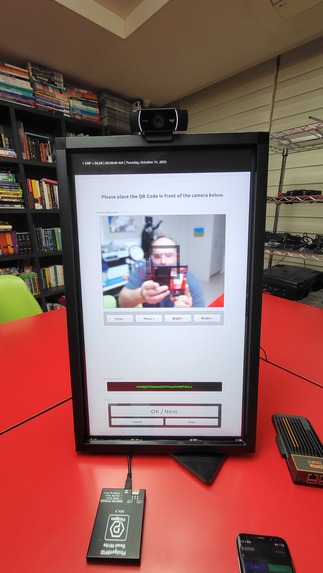
Multi camera real-time video QR scanning and visual feedback. Also useful for facial recognition and regulatory applications.
-
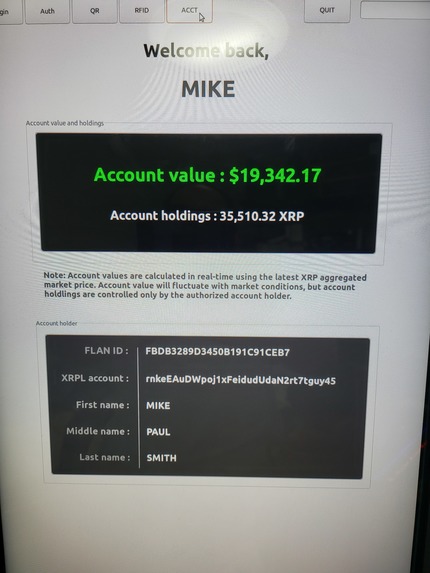
Testing with XRPL accounts.
-
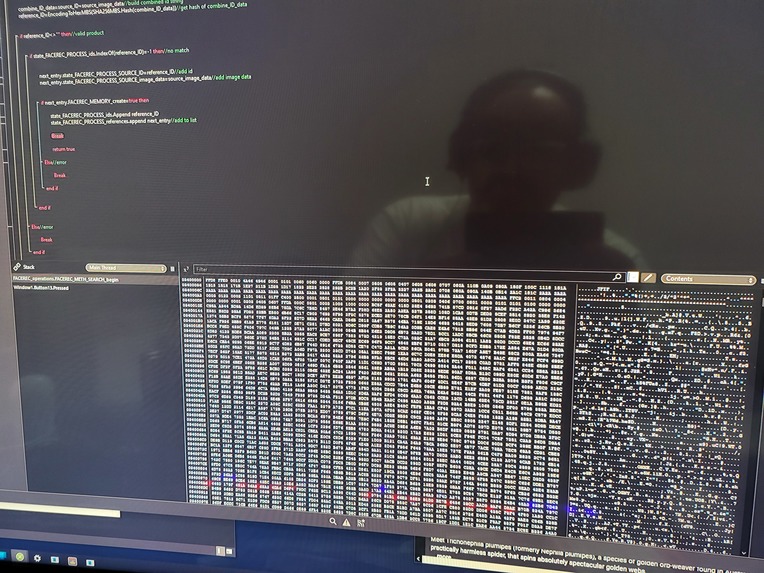
(Backstage) Image compression optimization for radio interface transit
-
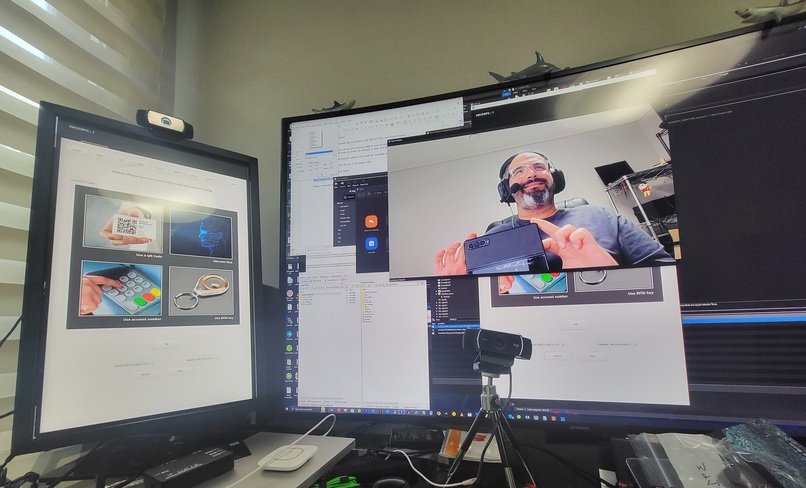
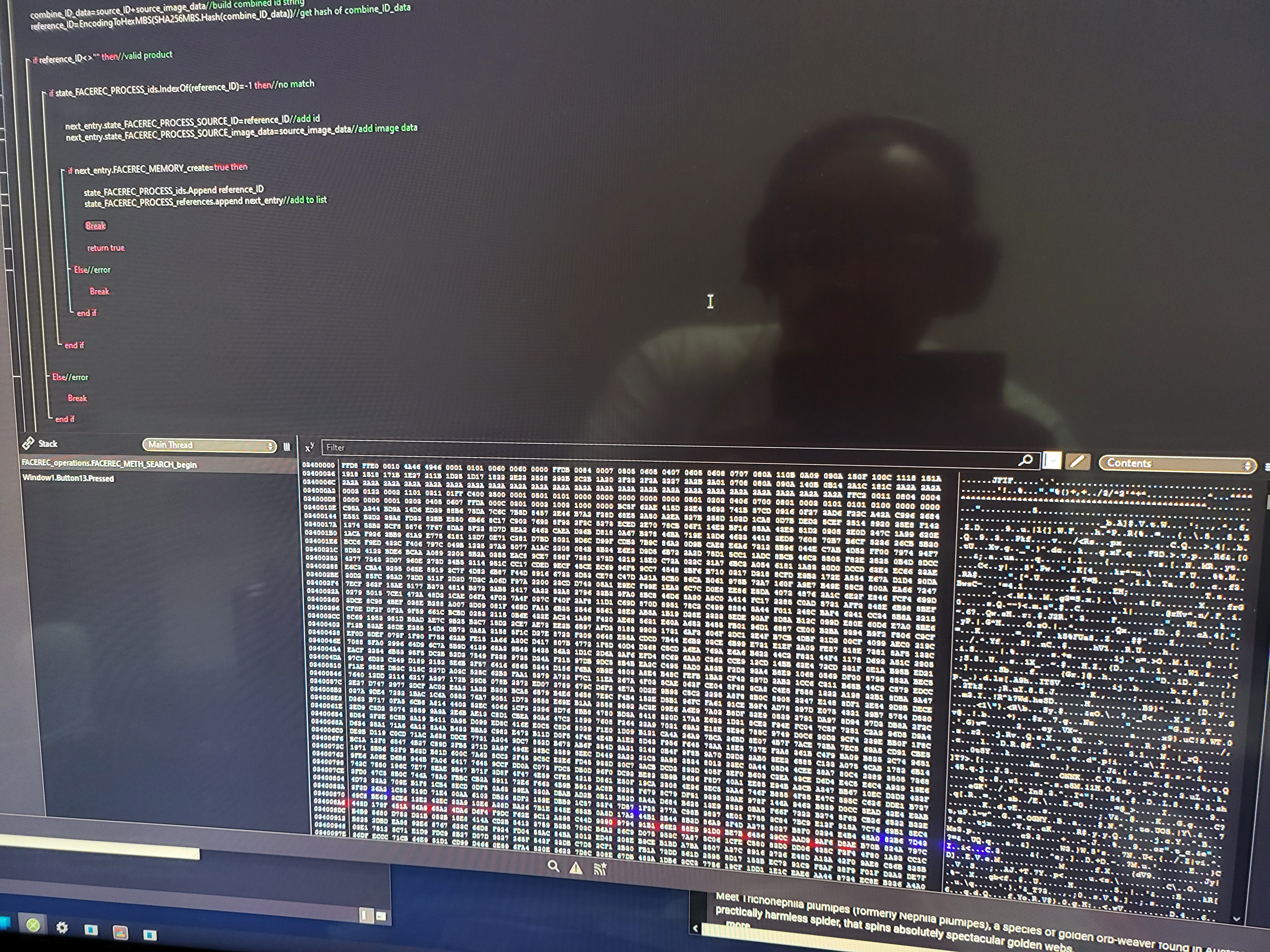
(Backstage) FLAN terminal development workstation.
-
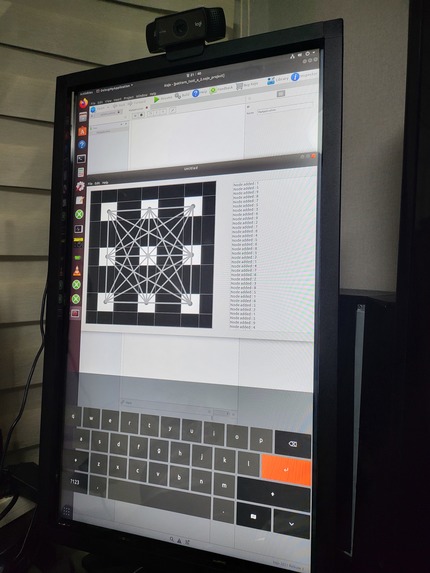
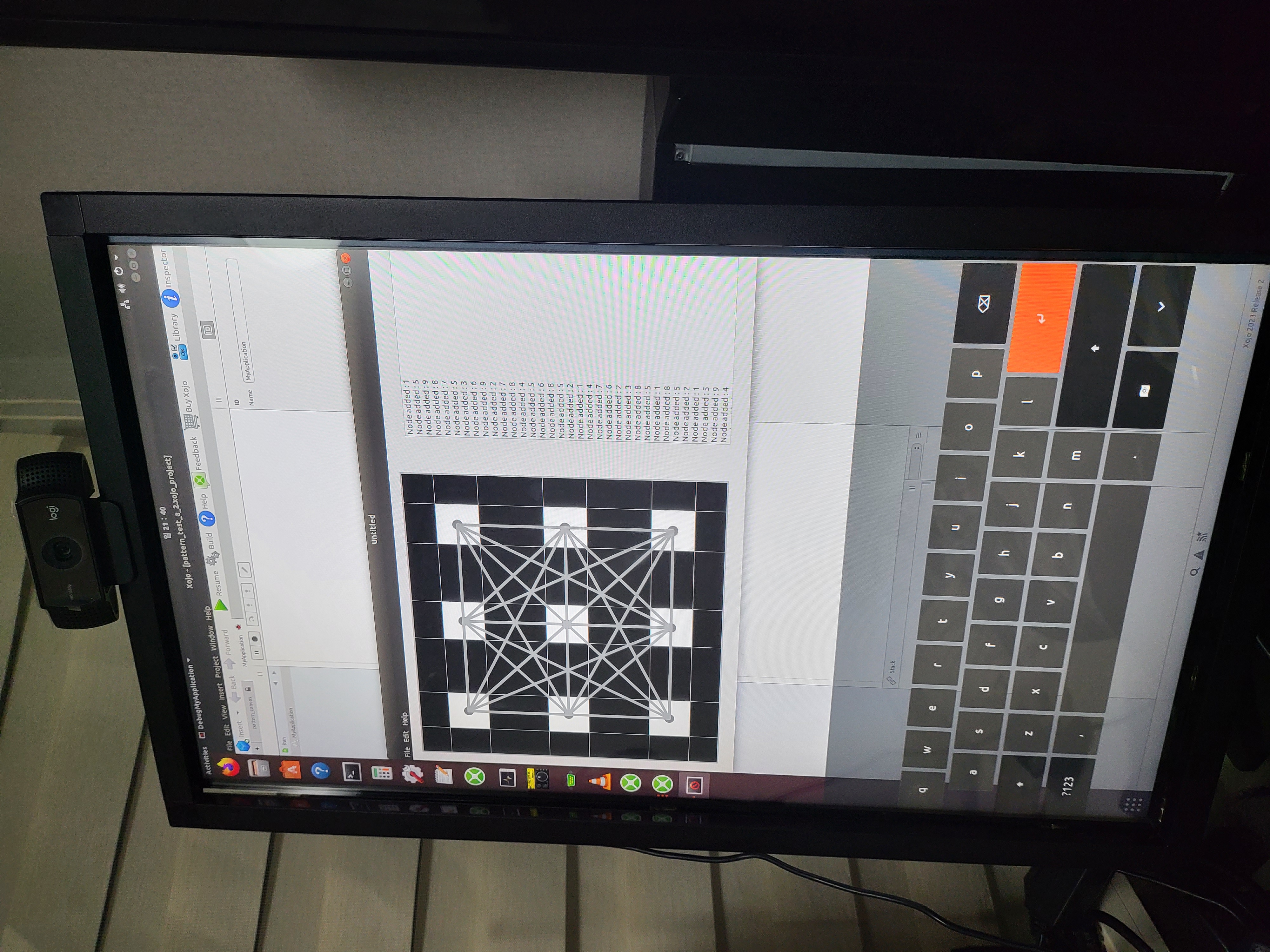
(Backstage) Pattern based signature development.
What it does
In the phase I video I promised a more mature user interface. I present a User Access Terminal that was deigned to act as a friendly abstraction to the underlying complexity of DLT. To provide all the requisite hardware and software for a transaction, so the user only need bring their face. And finally, to develop a solution that can use both a FLAN radio data network, or conventional TCP… that can provide quick service to customers in a remote village or a bustling coffee shop. I wanted an interface that could be learned in a single pass, and would allow transaction to be conducted safely with the minimum amount of friction possible.
Phase I video, if you need a summary on the FLAN itself...
Reliable AFSK sending binary files, Please pardon the noise.
-I hope this comes close to the mark.
What we learned
I've ran (and recovered) a decent amount of my own personal money (XRP) through this thing for development and testing. (XRP is almost free to actually use, that's why its great for its use case)
I’ve had a great deal of fun working on this project so far, many new things I would not have tried before and working on what could eventually become a complex network of machines that people rely on for their livelihood, is a very seductive concept. I really appreciate the opportunity to explore this concept in functional detail.
Evaluation Unit
I have placed the FLAN GUI, its XRPL interface module and the Radio Networking stack on a private GitHub. There is a history of the development of the GUI portion, complete with comments on each commit. I would be happy to provide access to this repository to Ripple team members or their designated associates, in addition to providing access to the binaries and their source code.
The FLAN User Access Terminal hardware, the radio networking protocols, VHF radio sets, their proper configuration, the RFID radios and all the associated OS dependencies in their current “hackathon” deployment state are probably too complex to expect to simply install on an end user machine (although many of the features should work anyway).
This was designed to be a tightly integrated hardware/software infrastructure, and as such requires specific considerations during setup.
With that in mind, I am more than willing and would be happy to ship a complete hardware configuration to Ripple, or bring a demonstration article to Ripple for your complete and unrestricted technical evaluation.
What's next for FLAN: Financial Ledger Applications Network Phase II
Further radio-networking protocol development:
Multihop-Routing protocol. Onion skin sessions. HF Radio data modes. LoRa interface integration. Long range and high power testing and establishment of performance standards and best practices. Significant push for a variety of satellite communications endpoints and vendors.
Application Server:
Scaling implementation (each portion of the FLAN was written with shared memory interconnects and a custom message passing interface, and designed to be easily split into separate Linux processes) The sharding of the application for scaling has been postponed (but implemented in design) until the last possible moment for feature implementation and debugging.
New UAT GUI:
Integration of the new GUI and XRPL interface module with the existing radio networking stack. The phase one demo is fully functional, yet crude when compared with the newer development. I will need a few more weeks to integrate the newer portions with the radio stack. All components are however fully functional as standalone and as demonstrated in their respective videos.
Custody and Digital ID:
Much is unclear to me about the regulatory and technical requirements for interacting with both Digital ID specifications and asset custody organizations. I require more research on these topics.
Exhaustive unit and quality assurance testing.
This is prototype (I believe, good quality and functional) but bleeding edge and in need of extensive testing and performance tuning.
U.S. Patent Pending 63531554


Log in or sign up for Devpost to join the conversation.