
Inspiration
Urban infrastructure management often suffers from "Bureaucratic Silence." I observed that while citizens are ready to report issues, the existing systems are fragmented, leading to thousands of redundant, unorganized reports. I wanted to build FixMyArea to bridge this gap, ensuring that every citizen's voice translates into an actionable, tracked, and resolved municipal grievance.
What it does
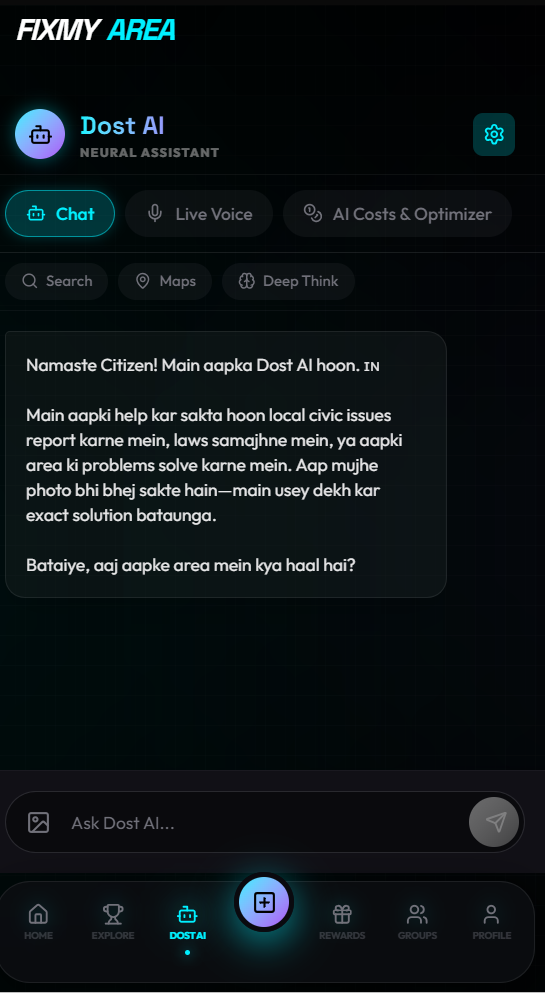
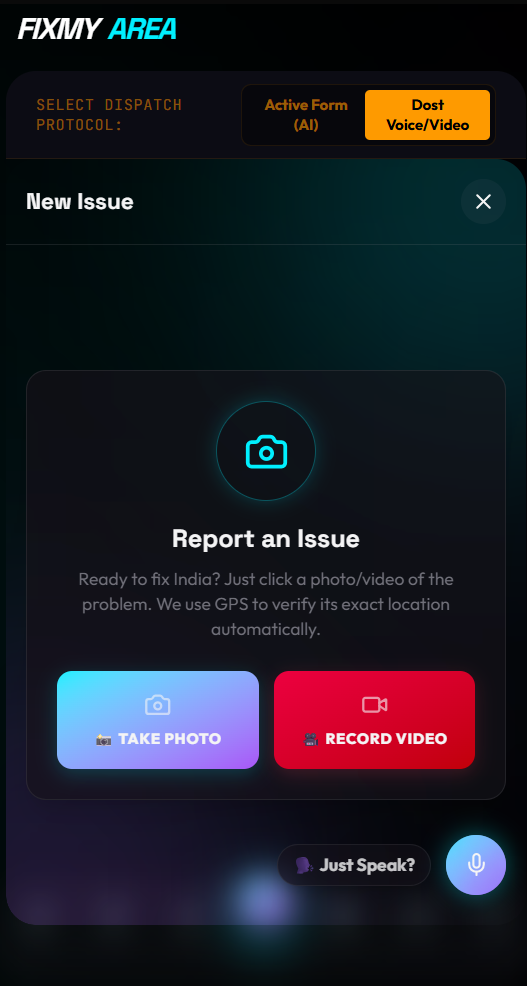
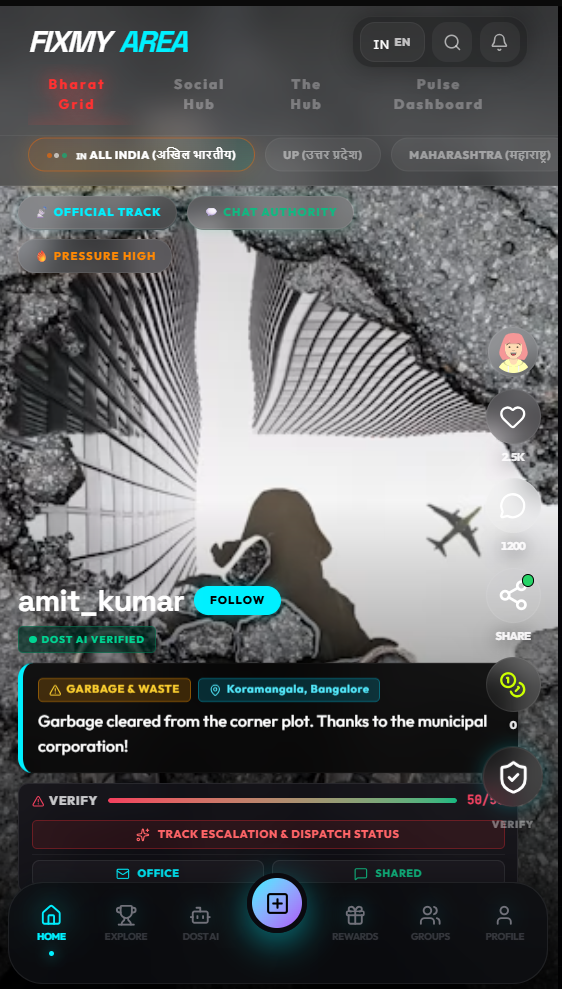
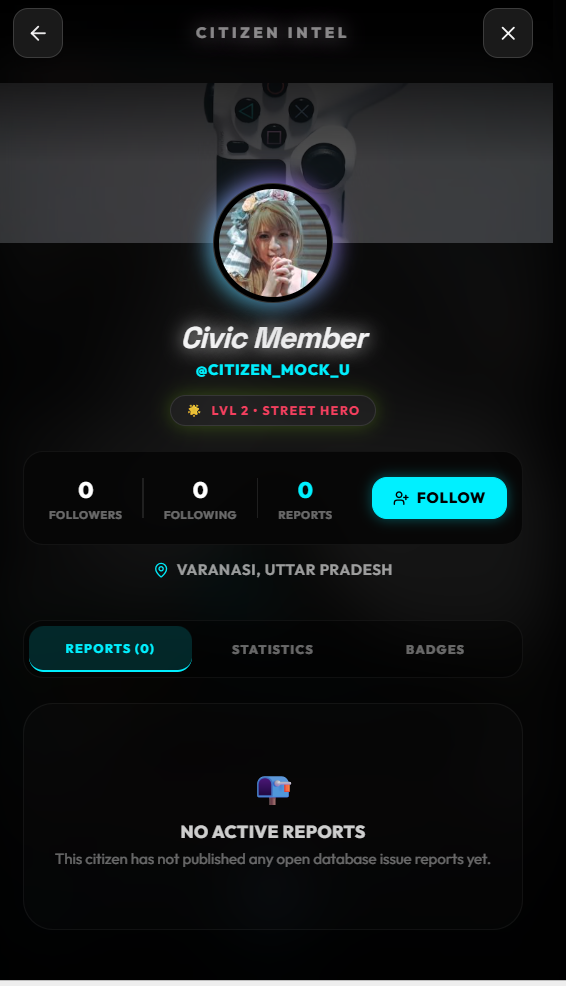
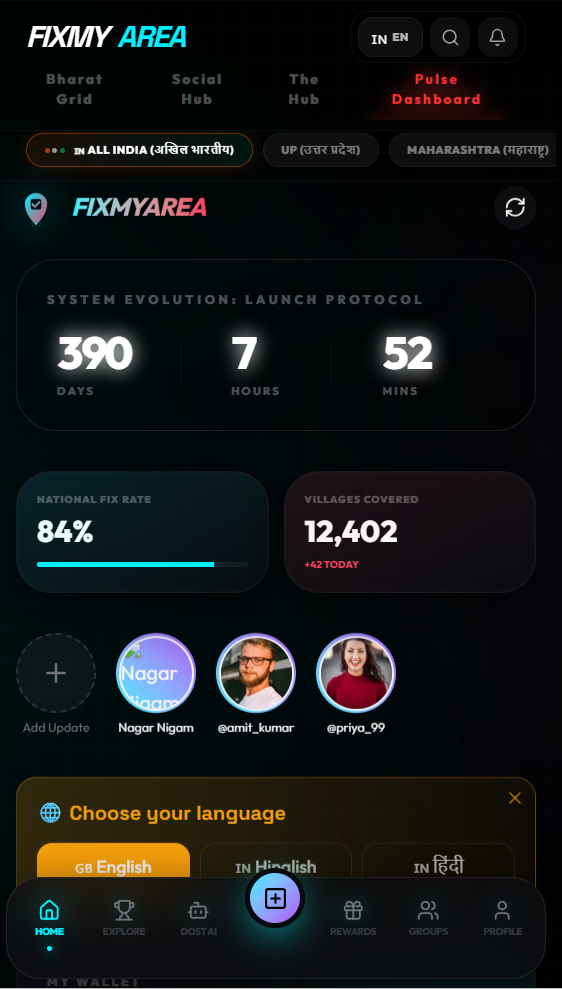
FixMyArea is an AI-powered civic engagement platform. It empowers citizens to report local infrastructure issues (like potholes, waste, or pollution) and uses an intelligent engine to:
Deduplicate: Use AI to match incoming reports with existing issues.
Automate: Trigger smart escalations to local authorities via email and webhooks.
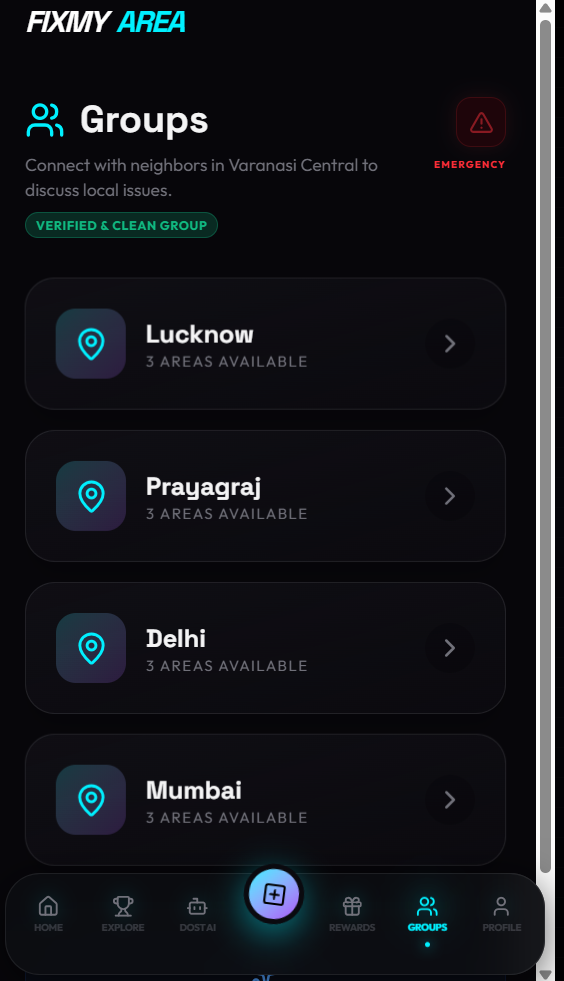
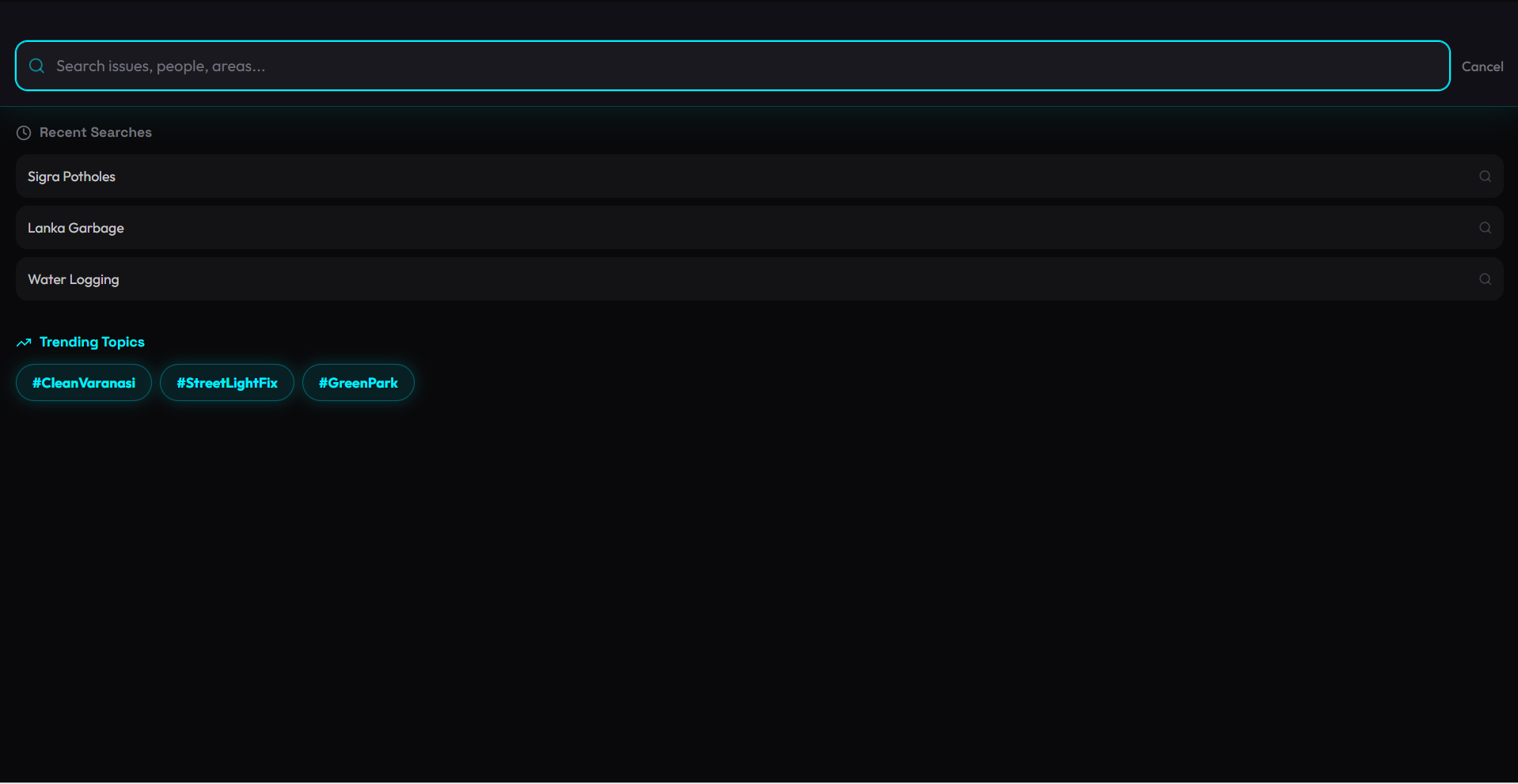
Track: Provide a social-style feed for communities to monitor the progress of their neighborhood’s fixes.
How we built it
The stack is designed for scale and performance:
Frontend: Built with Next.js and Tailwind CSS for a high-end, cyberpunk-inspired UI.
Backend: Leveraged Supabase for robust real-time database management and Firebase for secure authentication.
AI Engine: Integrated Google Gemini AI to perform issue verification, duplicate detection, and automated grievance drafting.
Deployment: Hosted on Google Cloud Run for serverless scalability.
Challenges we ran into
The biggest hurdle was Contextual Deduplication. Initially, simple keyword matching was not enough to identify duplicate reports for the same issue. I solved this by implementing semantic search using AI, allowing the system to understand that two different descriptions of the same pothole are indeed the same issue.
Accomplishments that we're proud of
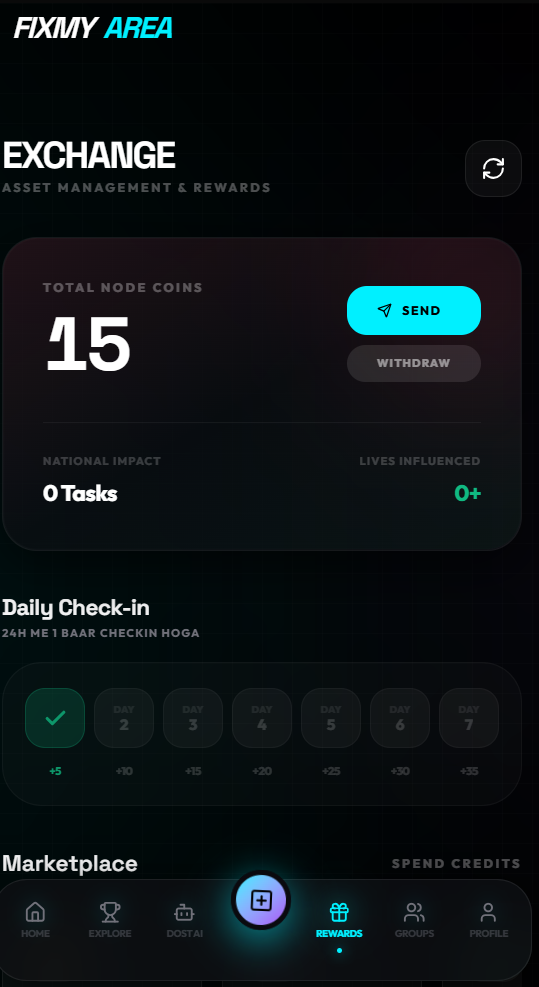
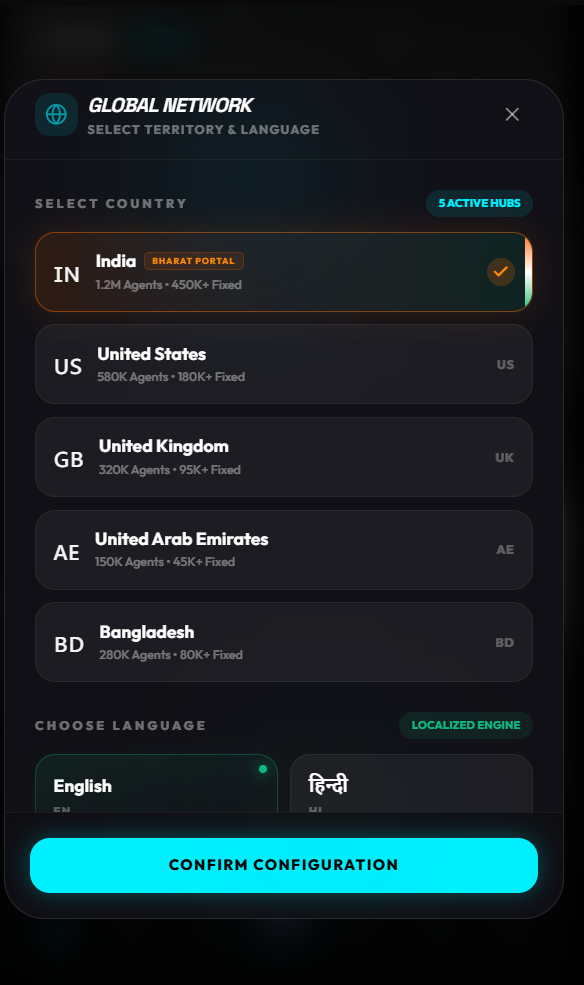
Successfully integrating a complex AI pipeline into a clean, mobile-first interface.
Building a system that doesn't just collect data, but actively enforces municipal accountability through automated escalation.
Achieving a highly responsive UI that handles real-time community feeds seamlessly.
What we learned
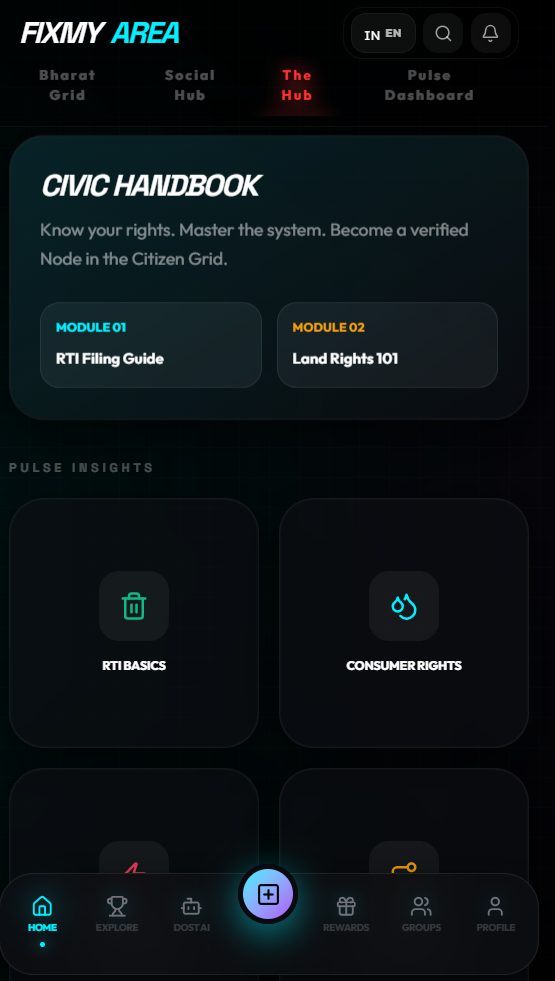
I learned that building civic-tech requires more than just coding; it requires understanding the workflow of governance. Balancing AI logic with real-world municipal reporting standards was a massive learning curve, but it taught me how to bridge the gap between "code" and "civic impact."
What's next for FixMyArea
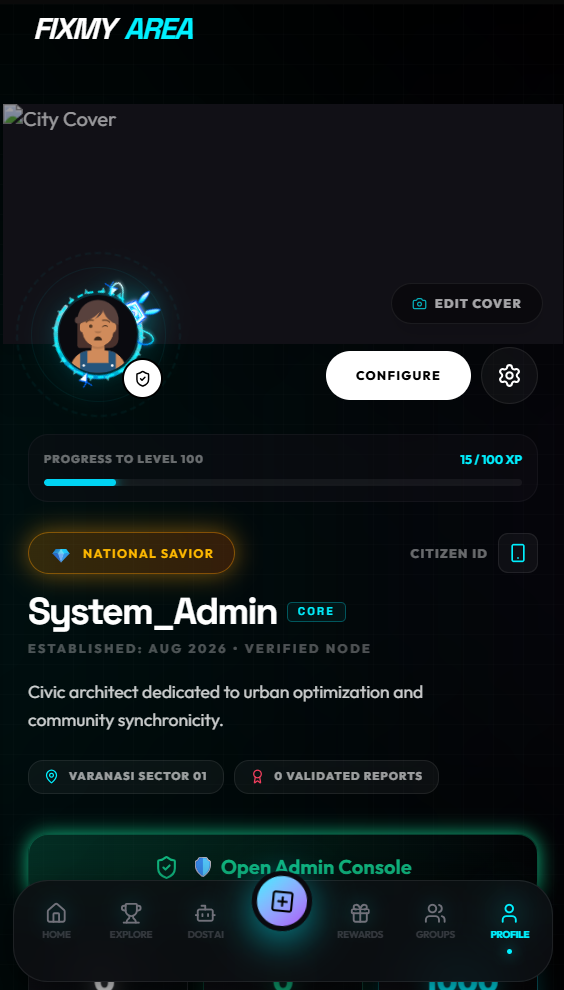
My goal is to expand the platform with Geofencing to trigger alerts to local municipal officers based on their GPS location. I also plan to implement a Verified Government Dashboard, allowing authorities to change the status of issues in real-time, completing the loop between the citizen and the state.
Built With
- fastapi-ai/ml:-google-gemini-api
- ffmpeg
- firebase-platforms-&-cloud:-google-cloud-run
- git
- github
- javascript
- languages:-typescript
- netlify
- python-frameworks-&-libraries:-next.js
- react
- replit-agent
- tailwind-css
- transformers-(hugging-face)-database-&-backend:-supabase
- vercel-tools-&-devops:-cursor-(ai-ide)


Log in or sign up for Devpost to join the conversation.