Inspiration
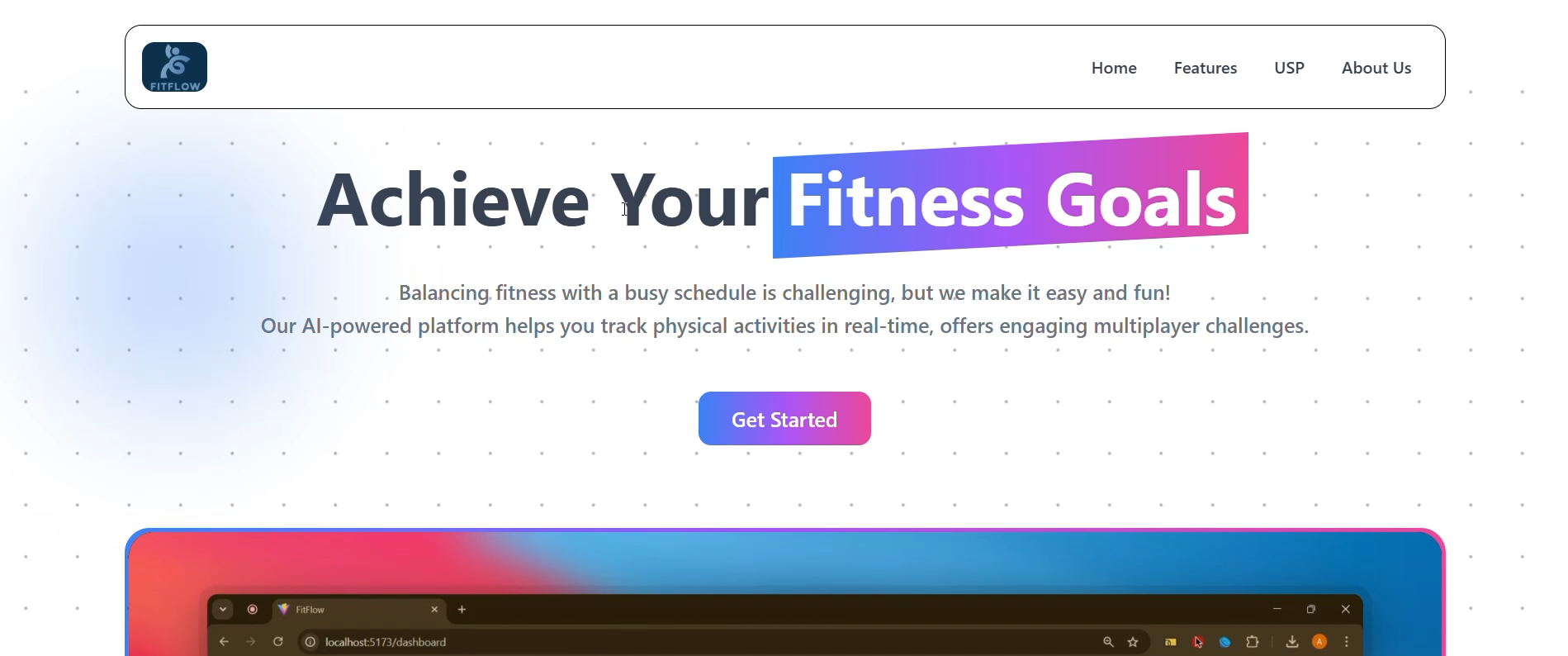
FitFlow.ai was born out of the need to make fitness more accessible, safer, and effective for everyone, no matter where they are. The increasing demand for personalized fitness solutions and the challenges people face with traditional gym memberships and schedules led us to think about a better way. The result is an AI-powered platform that provides real-time form correction and personalized workouts using only your device's camera.
What it does
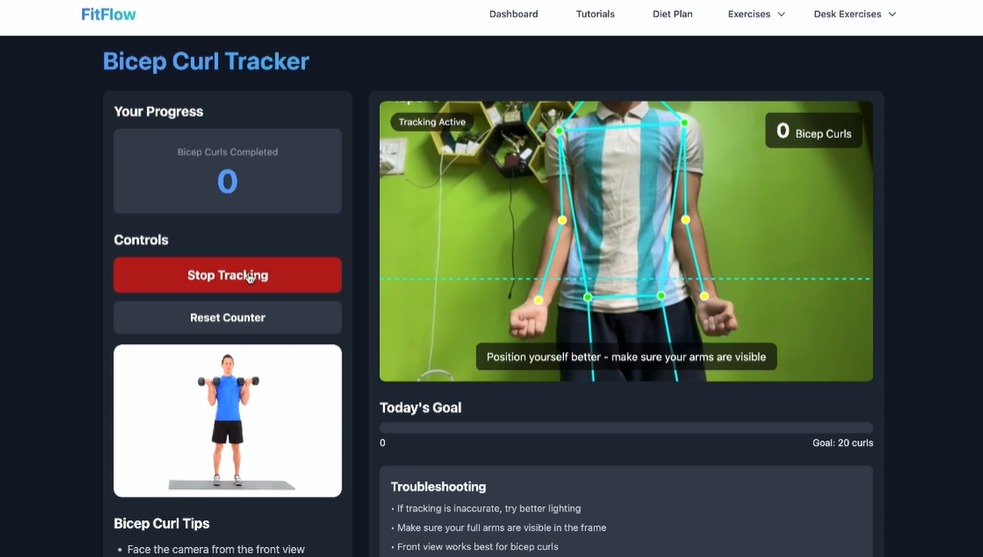
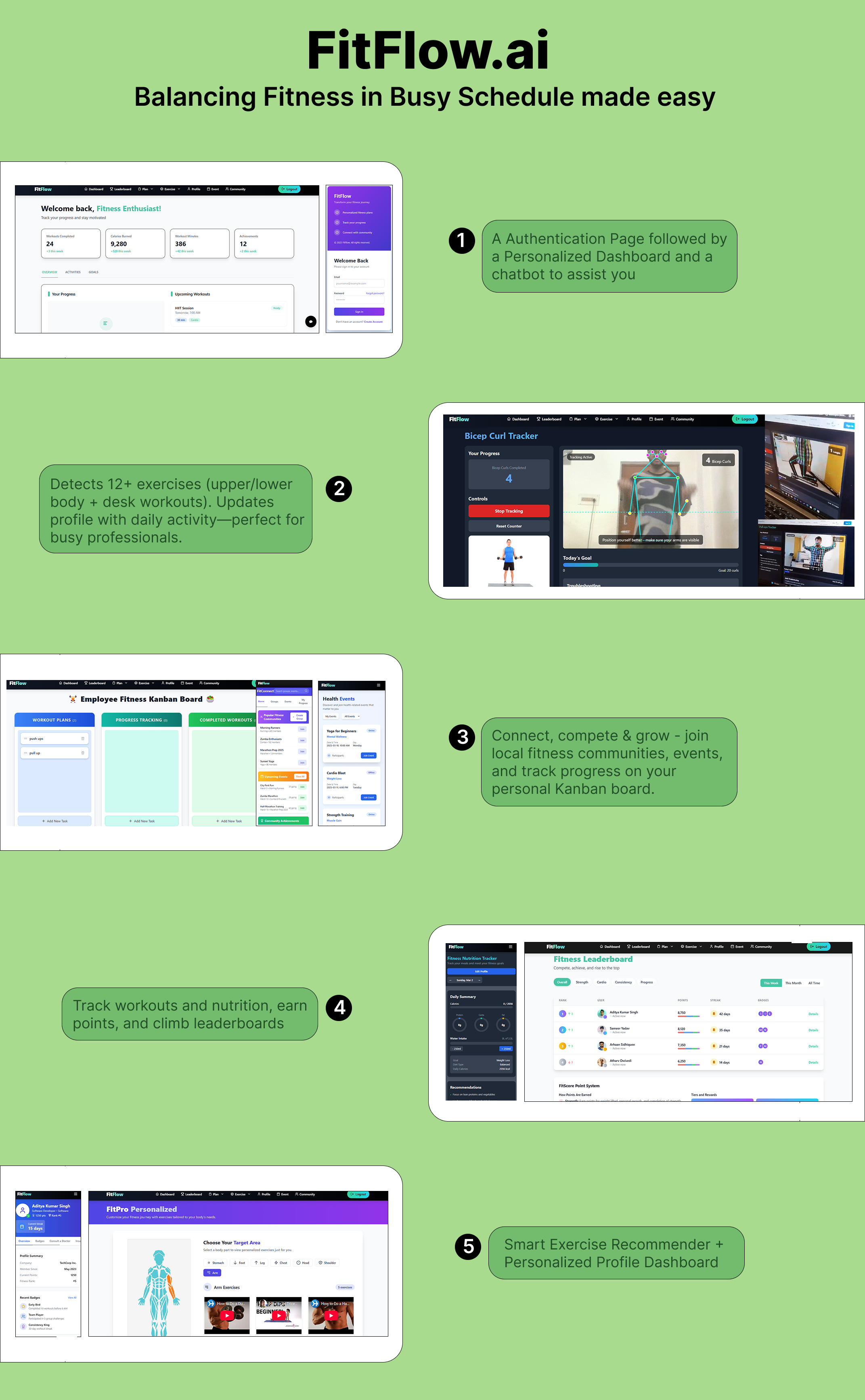
FitFlow.ai democratizes fitness by offering a cutting-edge AI-powered personal trainer. The platform provides real-time feedback on your form, helps with injury prevention, and adapts your workouts based on your progress—all through the camera on any device.
Key features include: Instant form corrections to ensure exercises are performed safely and effectively. Adaptive workouts tailored to user preferences and goals. Access anywhere—all you need is a smartphone or computer camera. Data-driven insights to help users progress in their fitness journey confidently.
How we built it
FitFlow.ai was developed with a focus on accessibility, real-time performance, and adaptability. At its core, we integrated MoveNet, a state-of-the-art pose detection model, to analyze user movement in real-time. We enhanced this technology with custom algorithms to smooth joint tracking and provide accurate feedback. Our system processes camera input, detects poses, and provides form correction advice based on a deep learning model. The system can deliver customized workout routines and provide ongoing feedback, adjusting dynamically to user performance.
Challenges we ran into
One of the major challenges we faced was the latency in delivering real-time form correction. Early versions of the system had noticeable delays—feedback like "lower your squat" would come several seconds after the user had already finished the movement. This made the feedback ineffective. Solution: We implemented a three-part fix to resolve the latency issue: Frame Throttling: We reduced the CPU load by processing frames at set intervals (e.g., every 150ms), which significantly improved performance. Pose Smoothing: We applied algorithms that average keypoint data across multiple frames to eliminate jittery tracking, ensuring more stable and accurate pose detection. Smarter Feedback Logic: We optimized the feedback system to only trigger for persistent, high-confidence errors, minimizing interruptions and providing more valuable, timely feedback.
Accomplishments that we're proud of
Real-time, reliable form correction: Our system now provides users with real-time feedback that is both accurate and relevant, ensuring they can improve their form safely. Accessibility and convenience: FitFlow.ai enables users to work out anywhere and anytime, without needing a gym membership or special equipment. Effective injury prevention: Through AI-powered form corrections, users can minimize the risk of injury, making exercise safer for beginners and experienced athletes alike.
What we learned
User behavior can be unpredictable: We learned that different users have vastly different movement patterns, and we had to create a system that could adapt to a wide range of abilities and needs.
Real-time feedback requires efficiency: Optimizing latency was a critical part of the project. Even small delays can lead to frustration, so achieving near-instantaneous feedback was a valuable lesson in performance engineering.
Continuous improvement: Fitness is an ongoing journey, and so is improving FitFlow.ai. We're learning from user data and constantly updating the system to make the feedback and recommendations even more personalized and effective.
What's next for FitVerse
As FitFlow.ai continues to grow, we have ambitious plans for the future:
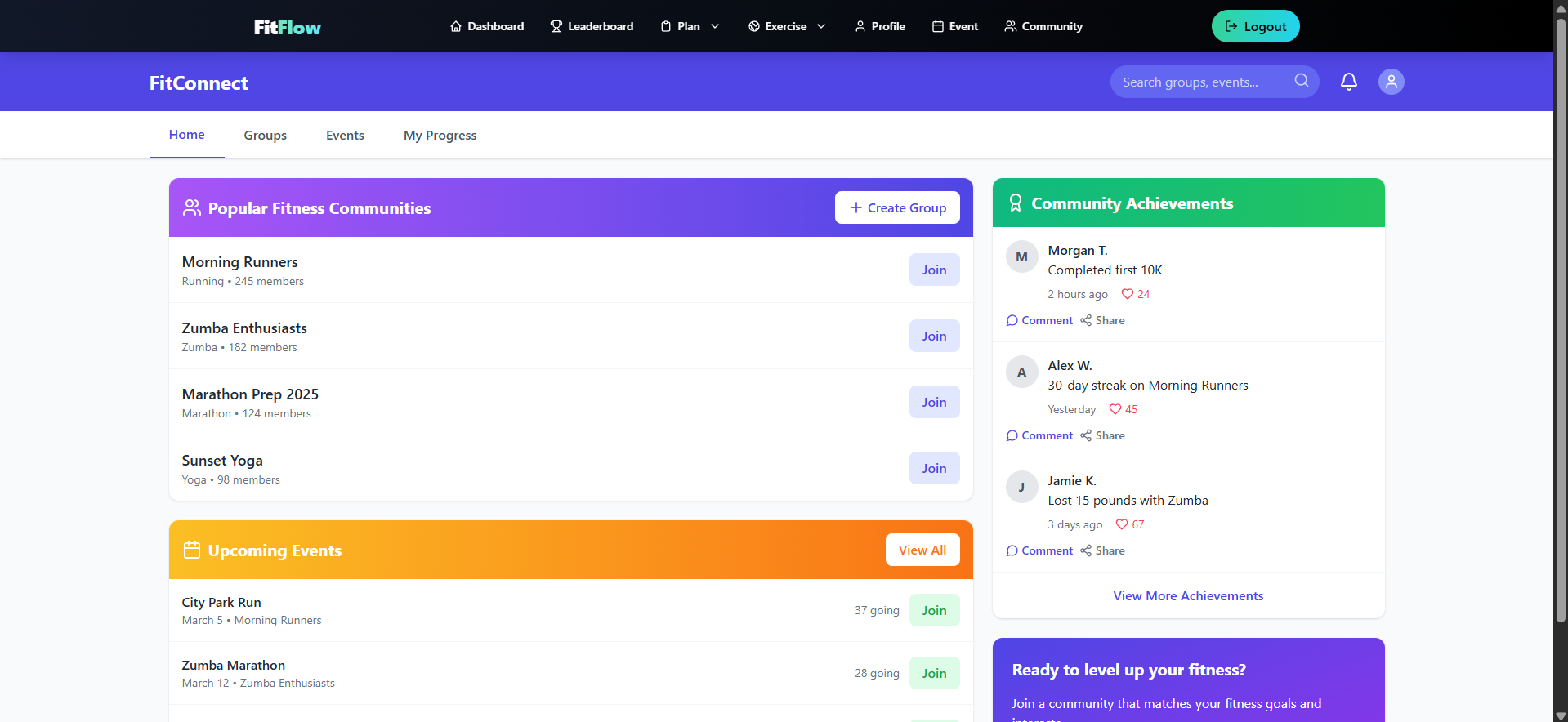
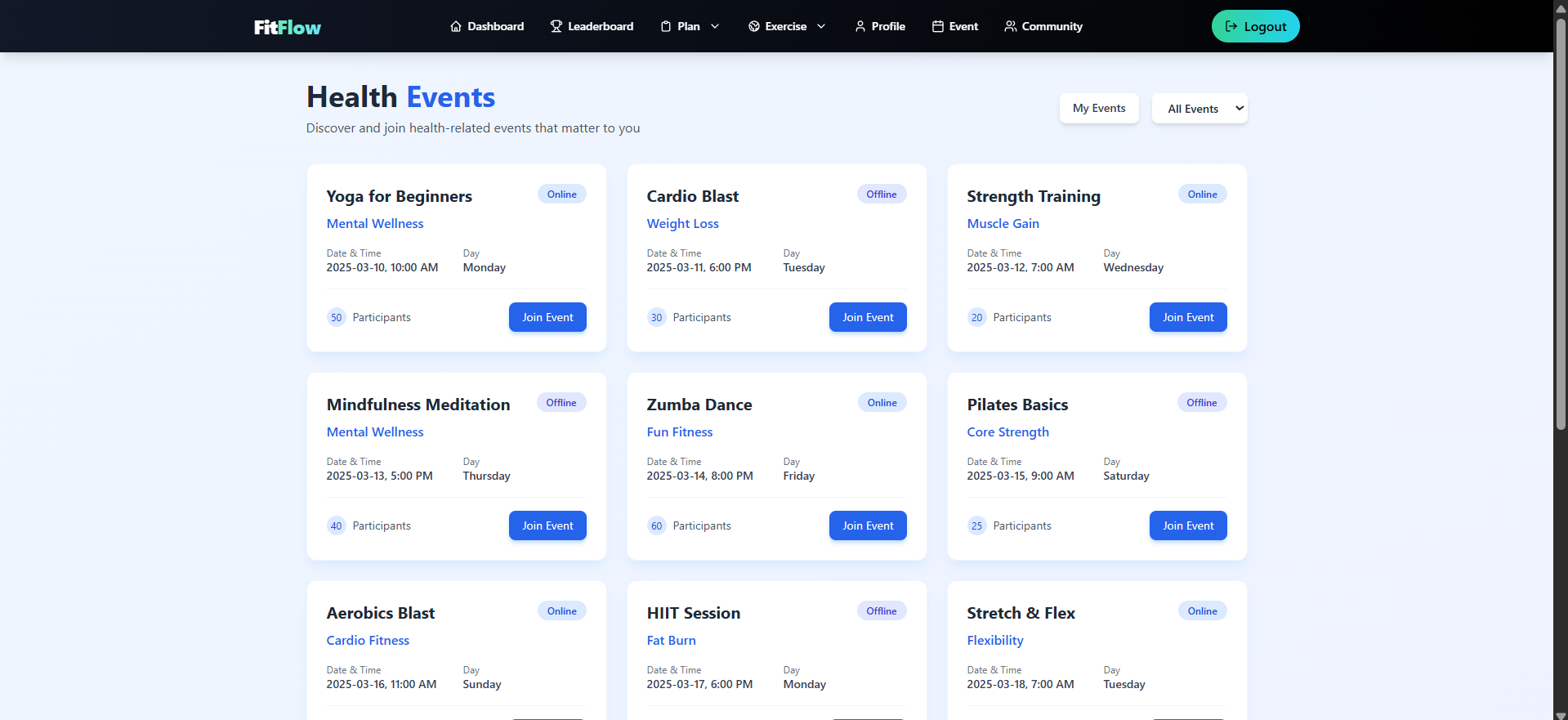
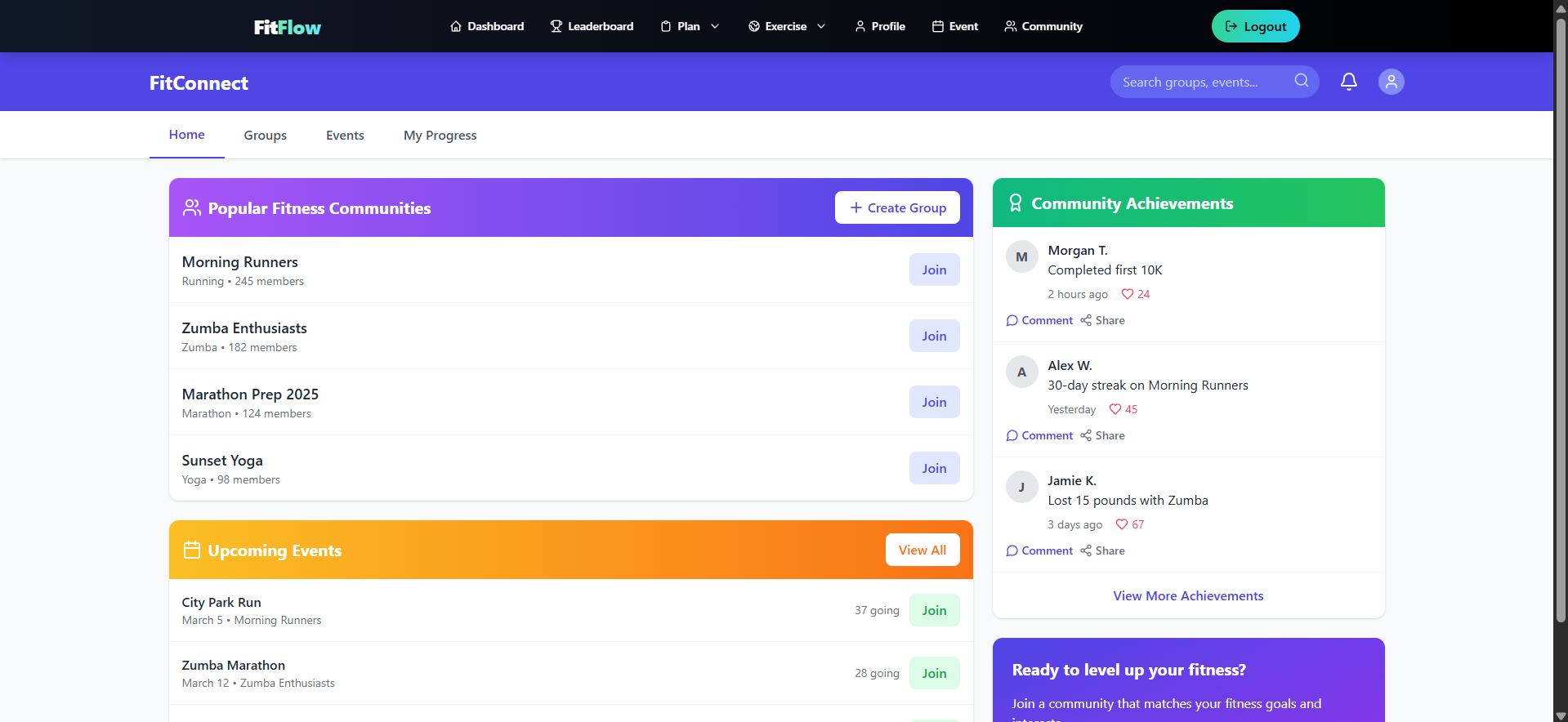
Expand fitness tracking capabilities: Adding features like heart rate monitoring and exercise intensity tracking to offer a more comprehensive health and fitness experience. Enhanced AI models: Improving the AI’s ability to handle complex exercises and nuanced movement patterns to provide even better form correction and performance analysis. Community and Social Features: Building a community around FitFlow.ai, where users can share progress, compete, or motivate each other on their fitness journey.
Built With
- computervision
- express.js
- genai
- mediapipeline
- mongodb
- movenet-model
- react.js
- tailwindcss
- tenserflow


Log in or sign up for Devpost to join the conversation.