-
-
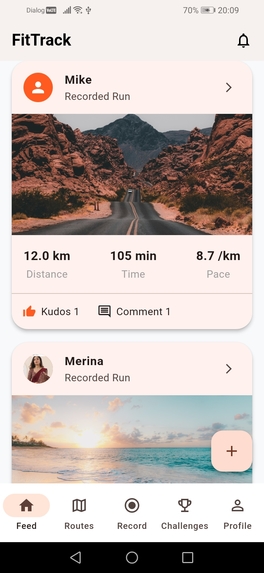
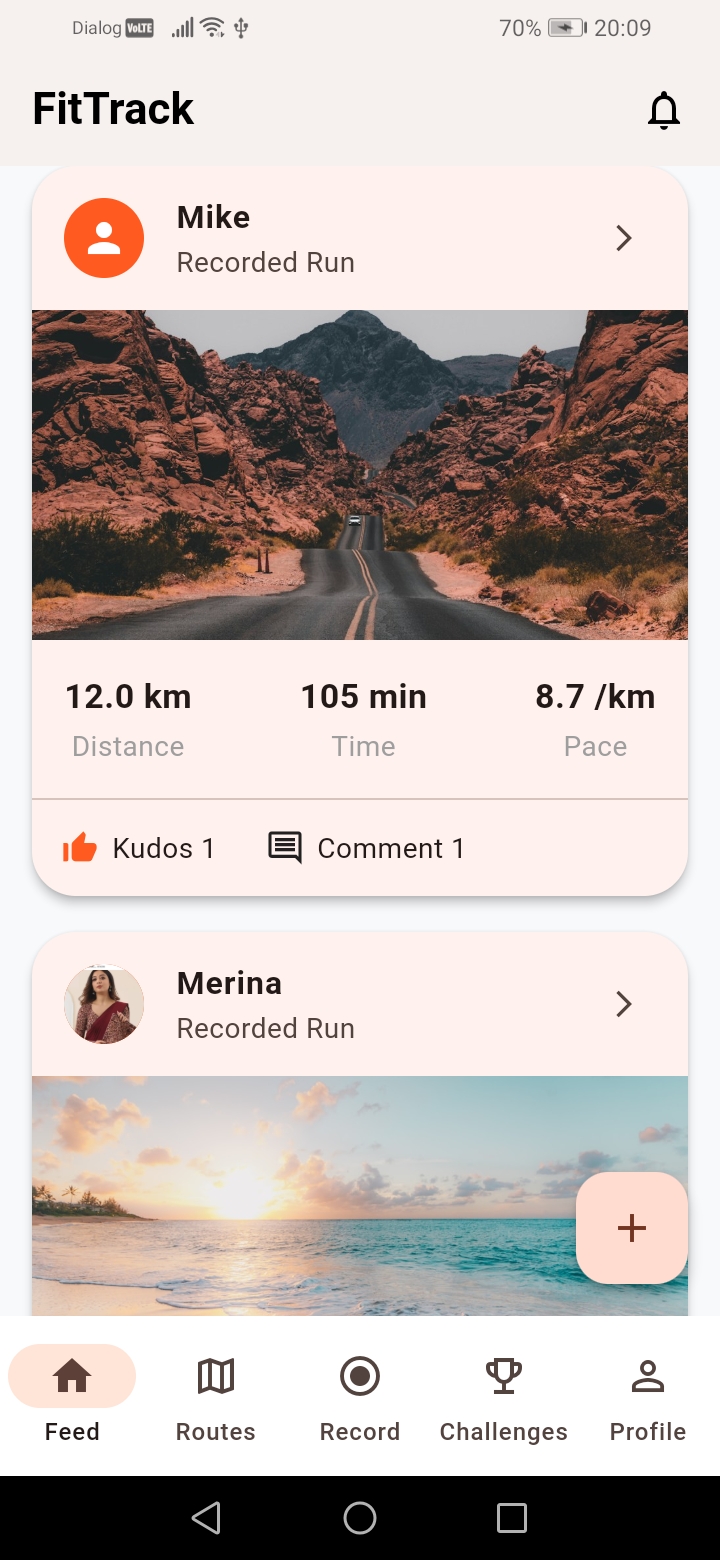
Feed page
-
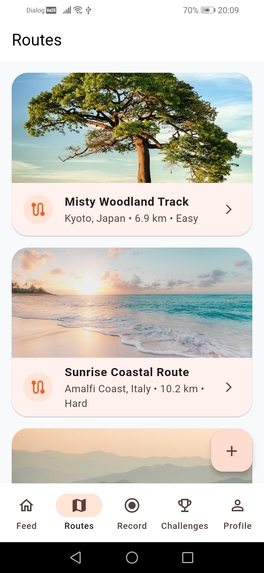
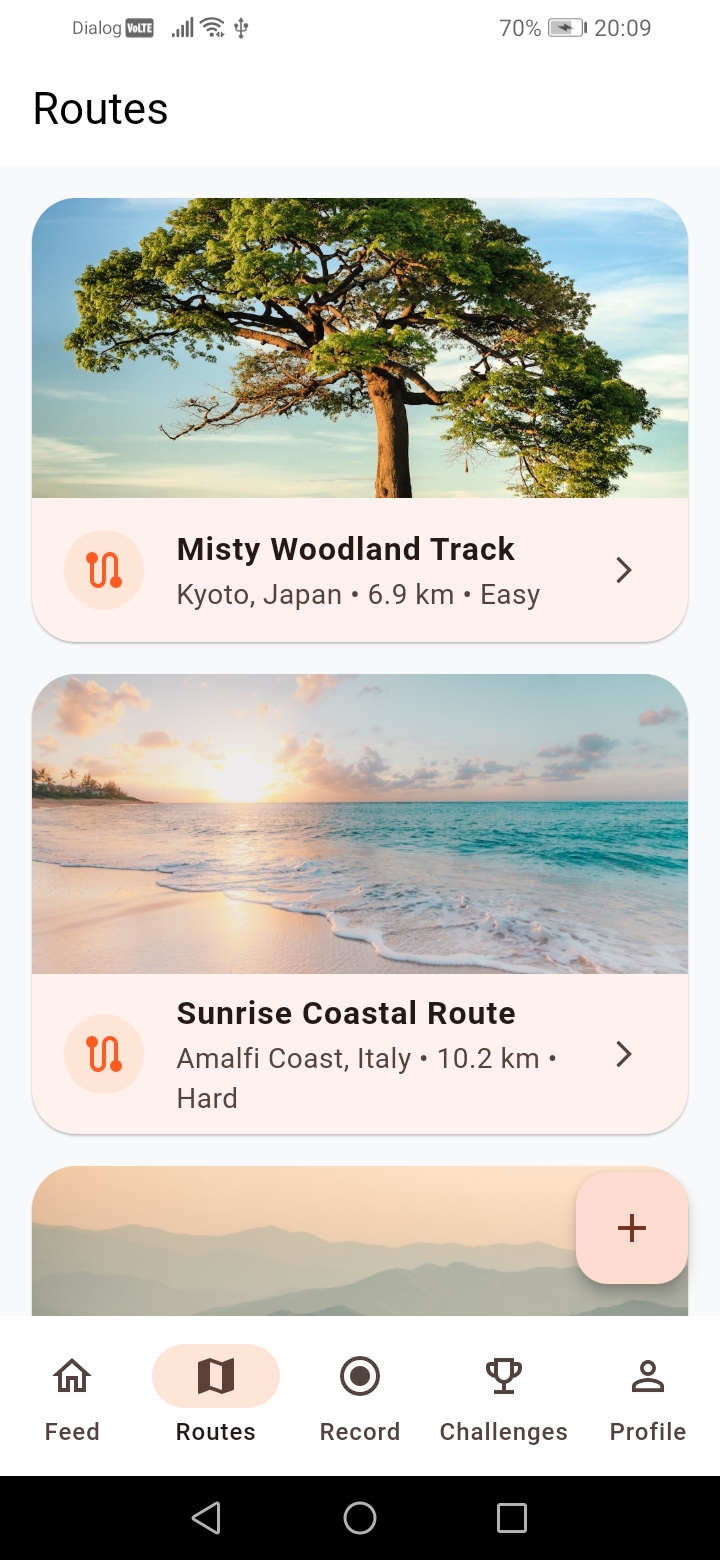
Routes page
-
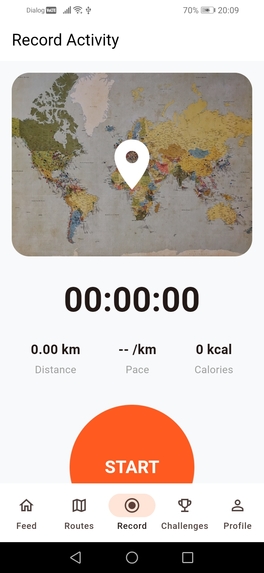
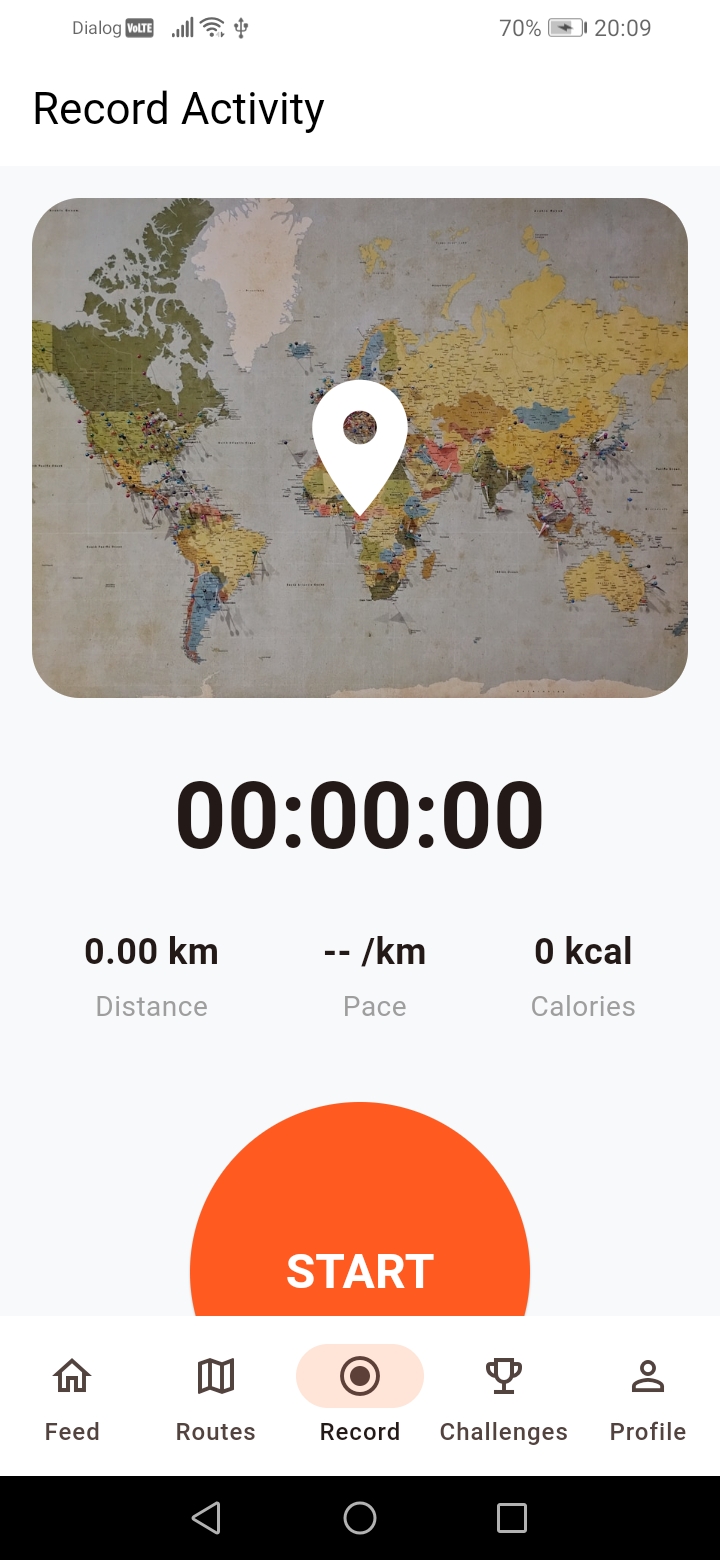
Activity recording page
-
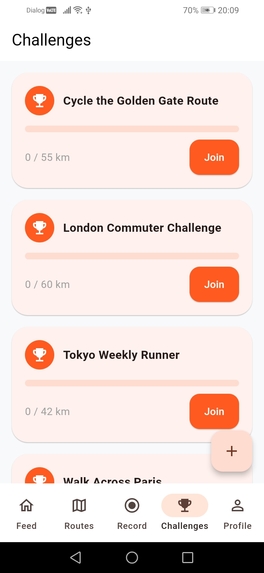
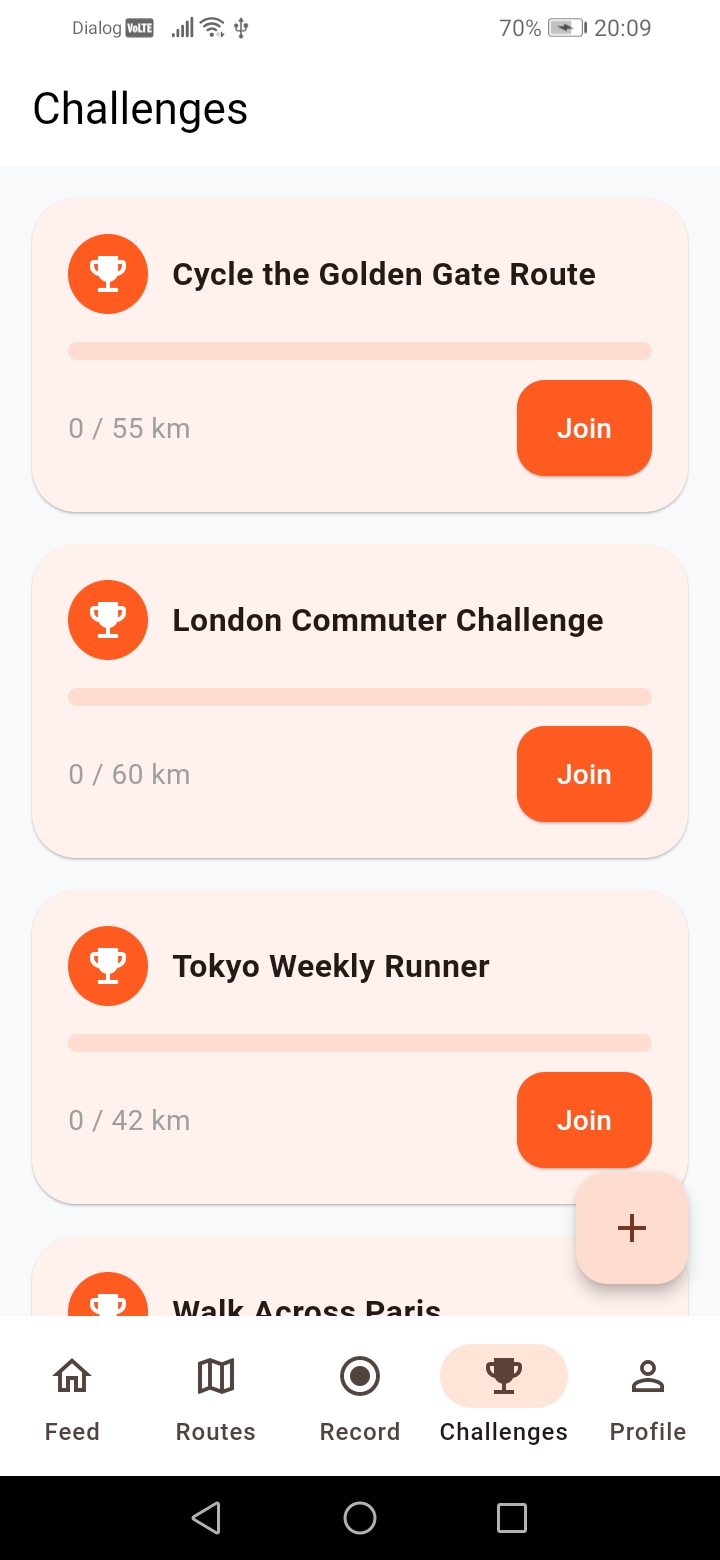
Challenges page
-
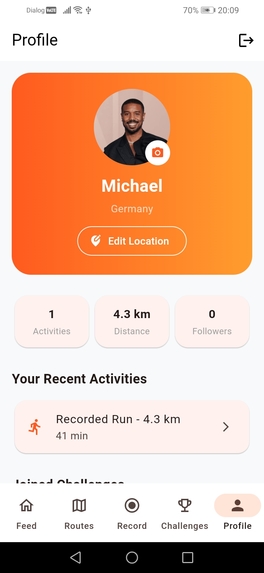
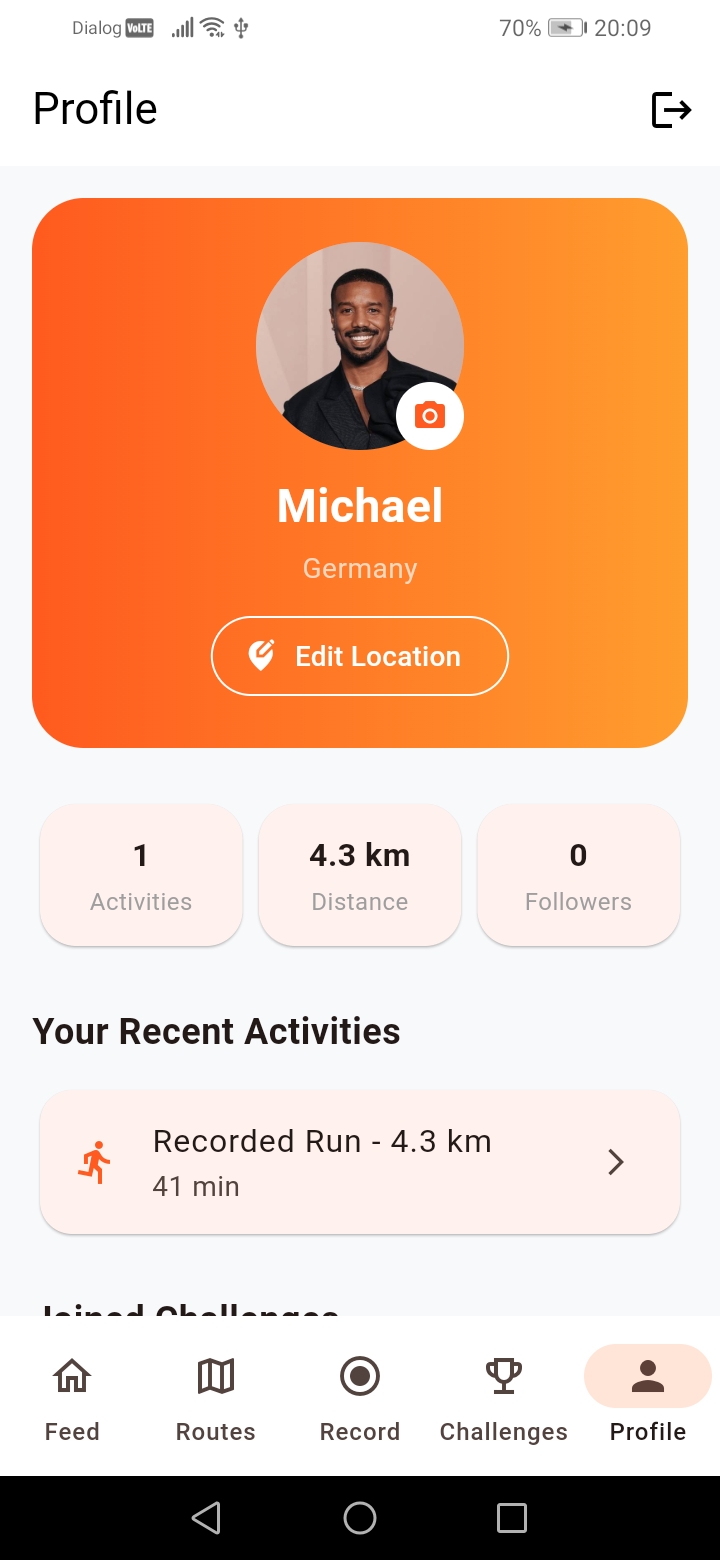
Profile page
Inspiration
FitTrack was inspired by my personal interest in fitness, self-improvement, and community-driven motivation. I noticed that many people start fitness journeys with excitement, but over time, lose consistency because they feel isolated or unmotivated. Existing fitness apps often focus only on tracking numbers, but I wanted to create something more social and engaging.
As someone passionate about technology and building meaningful digital products, I saw an opportunity to combine fitness tracking with community interaction. I wanted users to feel encouraged not only by their own progress but also by support from others through follows, kudos, comments, and shared challenges.
This project also allowed me to explore how technology can positively influence healthy lifestyles and human connection.
What it does
FitTrack is a social fitness tracking application that allows users to:
- Create accounts and personalized fitness profiles
- Record and share fitness activities
- View a real-time social activity feed
- Give kudos and comment on other users’ performances
- Follow other athletes and view their profiles
- Join fitness challenges
- Explore and share fitness routes
- Upload profile images and customize profiles
The platform combines activity tracking with social interaction to create a more motivating and connected fitness experience.
How we built it
I developed FitTrack as a solo project using:
- Flutter for cross-platform frontend development
- Supabase for backend infrastructure
- Supabase Authentication for user management
- PostgreSQL database through Supabase
- Supabase Realtime for live feed updates
- Supabase Storage for profile image uploads
- GitHub for version control and deployment management
I structured the application using reusable Flutter screens and centralized database services to manage authentication, activities, follows, comments, kudos, routes, and challenges.
The goal was to build a realistic MVP that demonstrates how a modern social fitness platform could function with real backend integration and real-time interactions.
Challenges we ran into
One of the biggest challenges I faced was handling user authentication and synchronizing user profiles correctly between Supabase authentication and database tables.
Implementing social features also introduced several technical challenges, including:
- Following users
- Viewing public profiles
- Real-time kudos updates
- Comment systems
- Secure database permissions using row-level security policies
Another major challenge was debugging profile visibility and ensuring users could properly interact with other users’ activities without permission issues.
Since I built the project solo, managing both frontend and backend logic while maintaining a smooth user experience required a lot of problem-solving and iterative testing.
I also spent significant time improving UI responsiveness and making interactions like comments, follows, and kudos refresh dynamically in real time.
Accomplishments that we're proud of
I am proud that I successfully built a working social fitness platform with real backend functionality instead of just a static prototype.
Some accomplishments include:
- Fully working authentication system
- Real-time social activity feed
- Public user profiles
- Follow and follower system
- Kudos and comment interactions
- Fitness challenges system
- Route sharing functionality
- Cloud-based backend integration
- Responsive and modern UI design
One of the things I am most proud of is creating an application where users can socially interact around fitness activities, making the platform feel like an actual connected community.
I am also proud that this project was developed independently while learning and solving real-world backend and application architecture challenges along the way.
What we learned
During this project, I learned:
- Flutter frontend architecture and UI development
- Integrating Flutter with Supabase
- Authentication and database management
- Real-time application development
- Cloud storage integration
- Database relationships and security policies
- Managing user-generated content
- Building scalable app structures
- Debugging real-world backend issues
I also learned how important user experience and community engagement are in fitness applications.
Beyond the technical side, this project taught me how much persistence and problem-solving are required when building a complete application independently from idea to implementation.
What's next for FitTrack
I plan to continue developing FitTrack into a more advanced fitness ecosystem by adding:
- Real GPS activity tracking
- Live route maps
- Advanced fitness analytics
- Push notifications
- Weekly and monthly leaderboards
- Achievement badges and streak systems
- AI-powered fitness recommendations
- Smart route discovery
- Wearable device integration
- Team and corporate fitness challenges
In the future, I would also like to explore ways FitTrack can support local fitness communities, outdoor activity discovery, and wellness-focused social engagement.
My long-term vision is to transform FitTrack into a fully featured social fitness platform that motivates people through both technology and community support.
Built With
- apis
- authentication
- cloud
- code
- cross-platform
- dart
- data
- database
- design
- development
- flutter
- github
- image
- management
- material
- netlify
- pages
- picker
- postgresql
- real-time
- realtime
- rest
- state
- storage
- supabase
- vs
- web



Log in or sign up for Devpost to join the conversation.