-
-
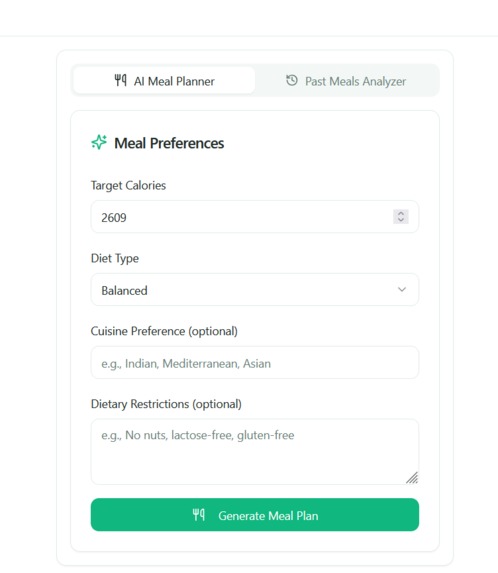
MEAL PLANER AND NUTRTION ANALYSIS
-
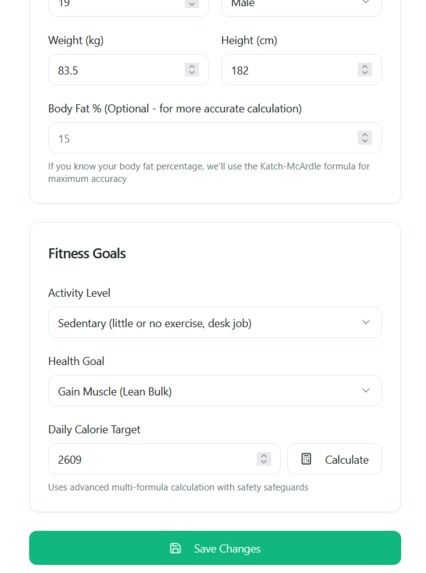
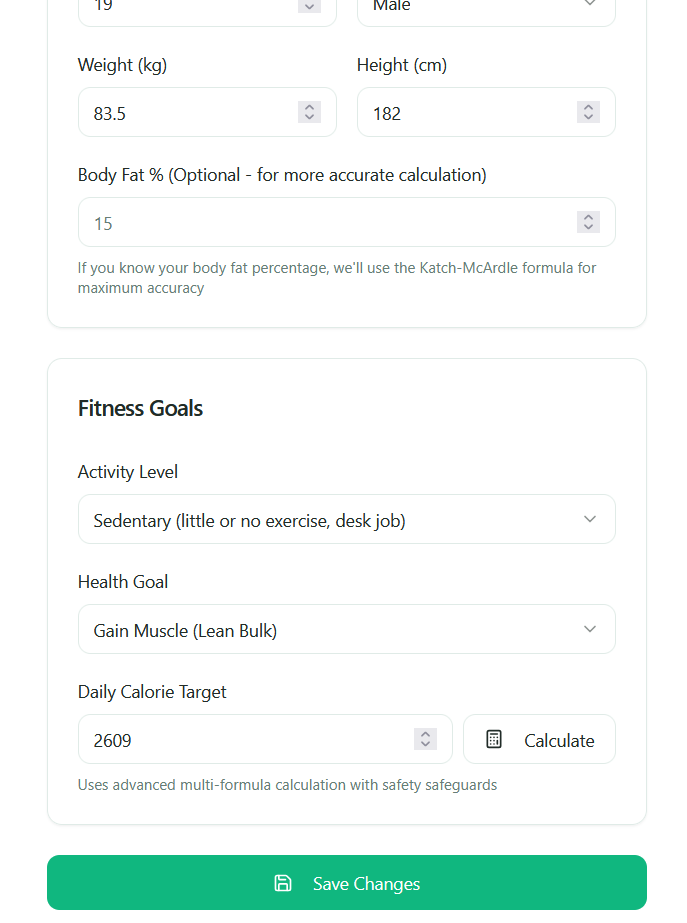
PROFILE STEUP WITH CALORIE TARGET CALCULATOR BASED ON GOAL
-
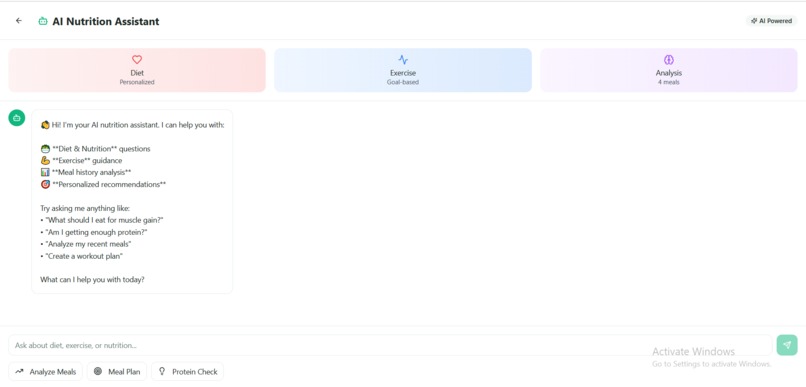
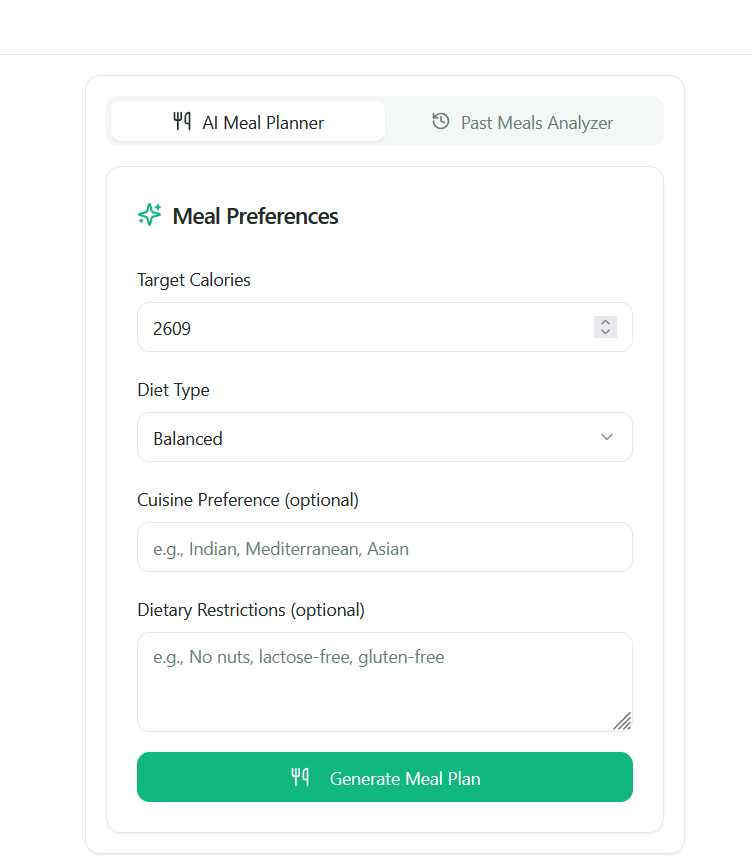
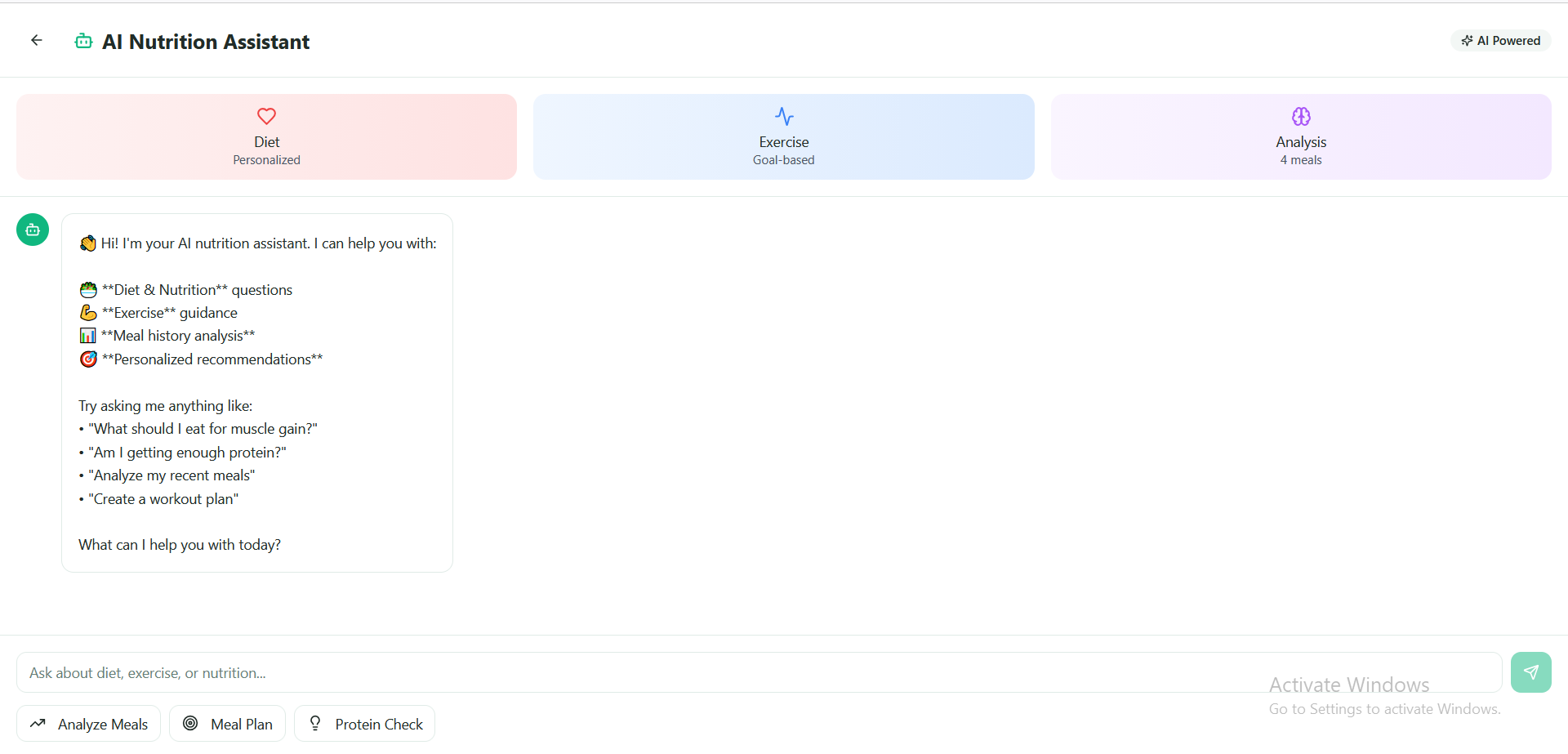
AI HELPER THAT CAN ANSWER COUSTOMISED BASED ON YOUR PROFILE
-
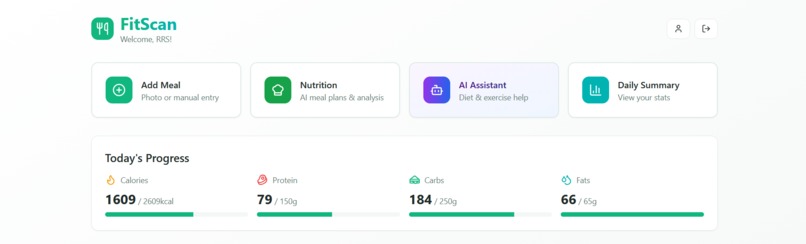
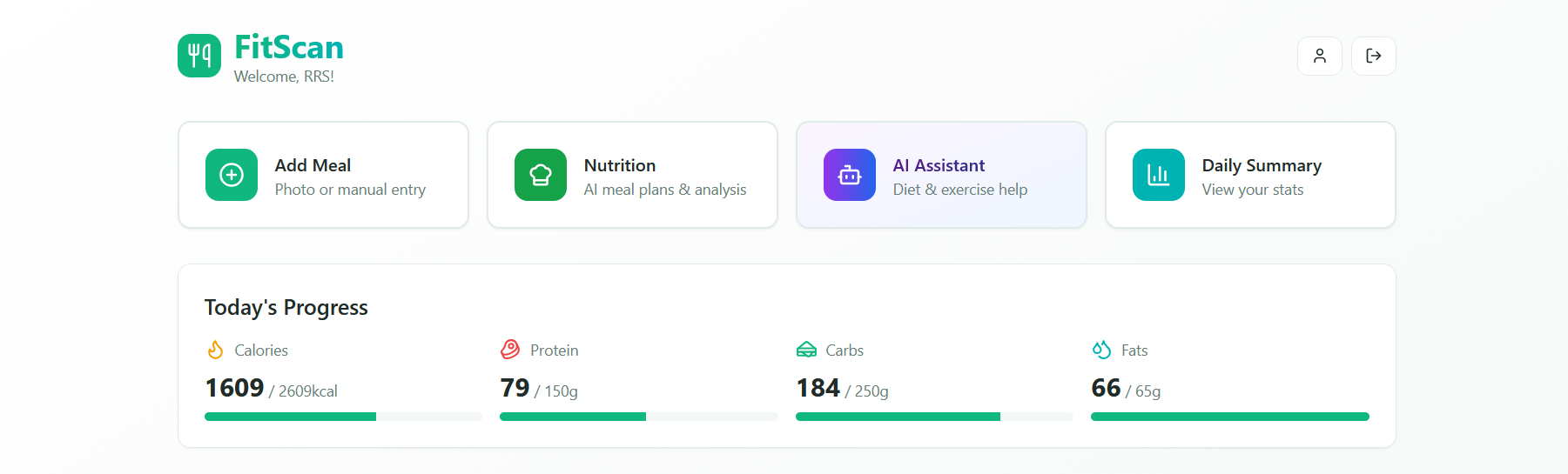
DASHBOARD
-
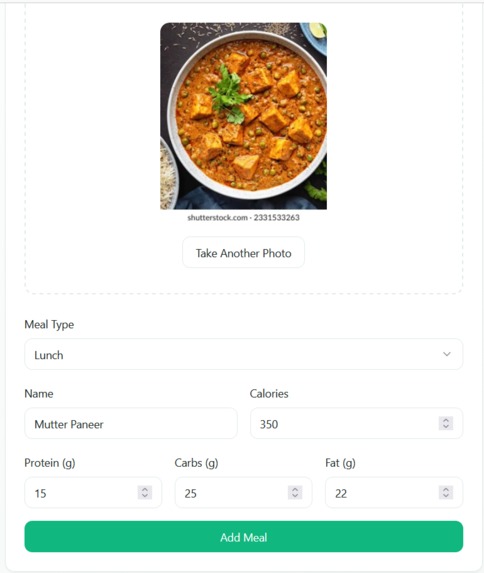
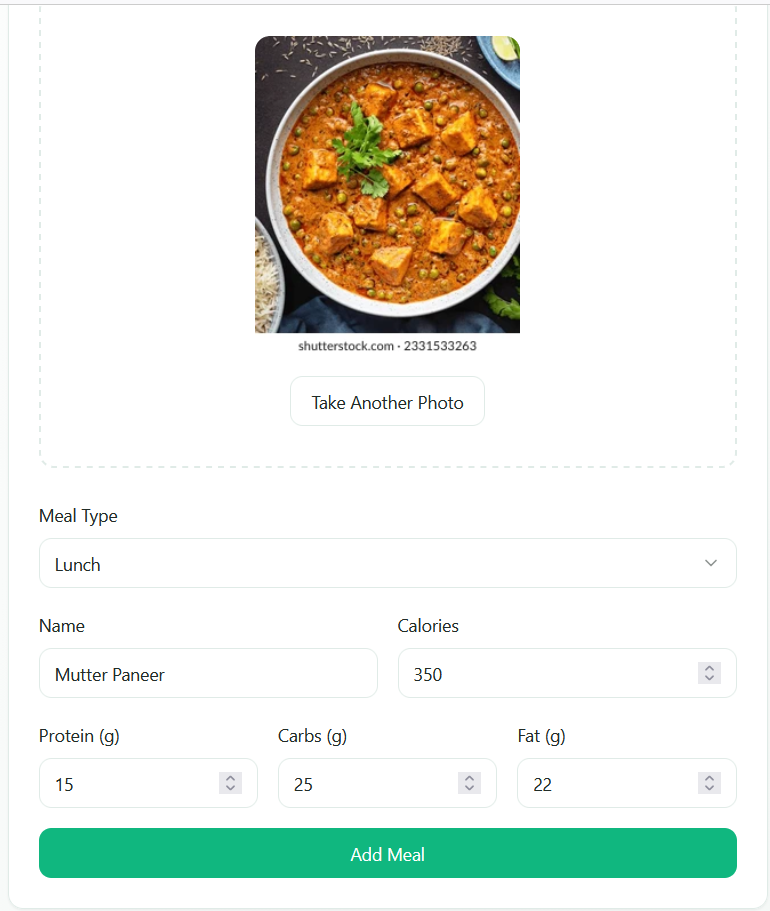
AI FOOD ANALYSIS AT WORK
-
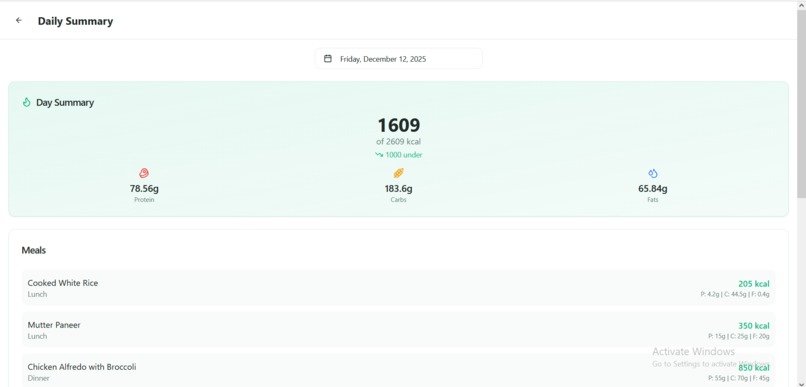
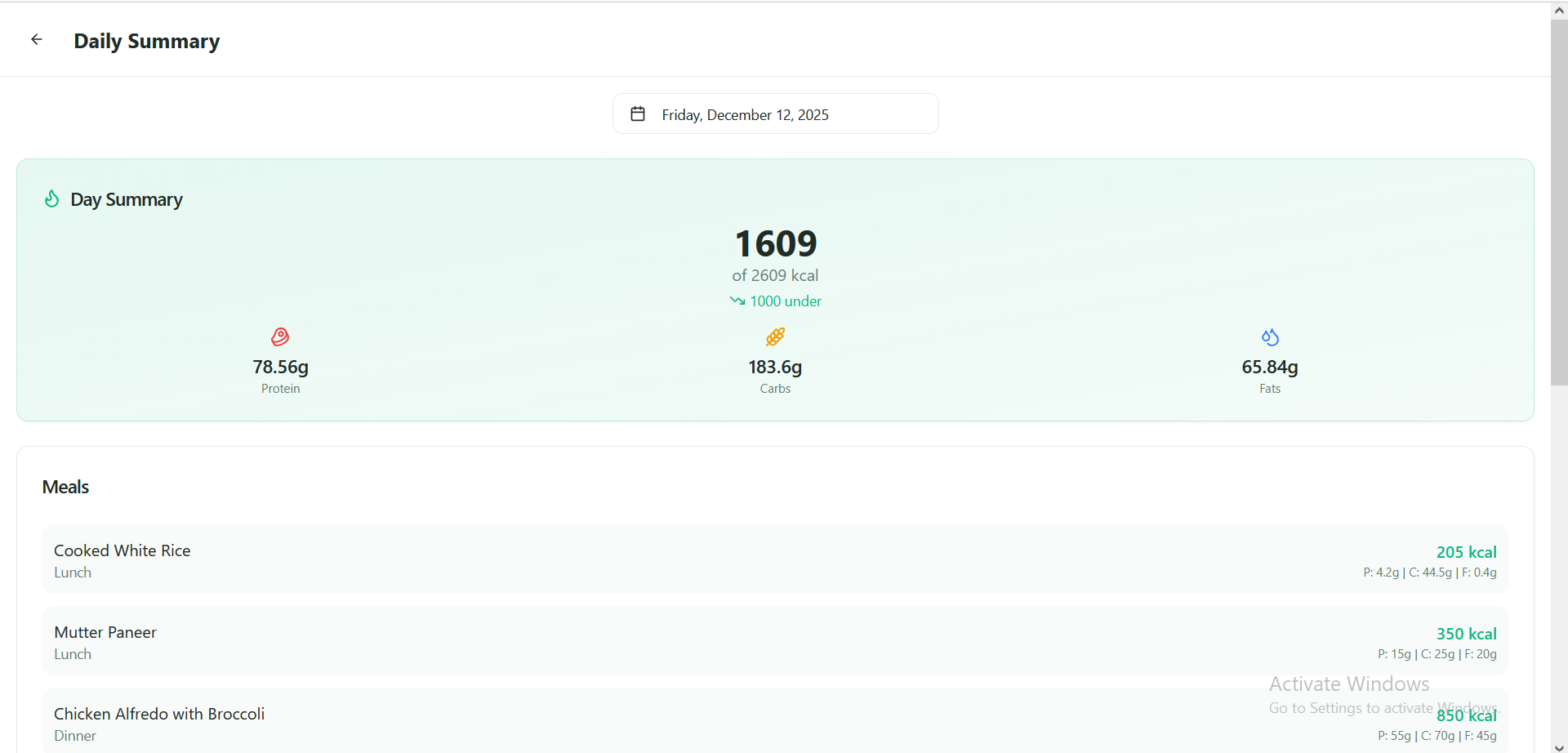
DAILY SUMMARY
Inspiration
My personal fitness journey is what truly inspired this project. For years, I struggled with losing weight, and when I finally committed to it, I was advised to track my daily calorie intake. At first, it sounded simple—but once I actually began tracking, it quickly became inconvenient. I had to manually note down what I ate, how much, and estimate the calories for every meal. It felt like a chore, and I ended up giving up many times. While brainstorming for this project, I reflected on this frustrating experience and asked myself how I could simplify the process for others. That’s when the idea emerged: to create something that makes calorie tracking and meal planning effortless and supports people on their wellness journey, ultimately contributing to public good.
What it does
FitScan is a comprehensive AI-powered fitness tracking application that helps users monitor their nutritional intake and achieve health goals. Users can track meals through manual entry or photo uploads, receive daily nutritional summaries with macro breakdowns, and get AI-powered food analysis to understand their eating patterns.The app features user authentication, personalized profiles with custom fitness goals, real-time data synchronization, and a modern interface for viewing meal history and daily progress. Built with React, TypeScript, and Supabase, it provides a complete solution
How we built it
FitScan was built as a modern web application using a React and TypeScript frontend with shadcn/ui for a polished,responsive interface. The backend leverages Supabase as a full-stack platform, providing a PostgreSQL database with Row Level Security for secure user data management, built-in authentication, and real-time synchronization. The tools used for this project where raindrop code , raindrop mcp & raindrop smart buckets . The app integrates AI-powered food analysis through a combination of gemini api and smartbuckets to analyse the image better , and follows a component-based architecture with custom hooks for state management and API interactions. The entire development workflow is streamlined with Vite for fast development,and the database schema includes tables for user profiles, meals, and daily summaries that automatically calculate nutritional totals.
Challenges we ran into
Setting up the image analysis system was one of our biggest challenges, especially fine-tuning it to accurately detect a wide range of food items, including uncommon ones. Ensuring consistent accuracy required several iterations and adjustments to the model. Building the backend also posed difficulties, as working with Supabase was completely new to me and demanded time to understand its features and structure. Integrating authentication, storage, and database functions added to the complexity. Finally, bringing all the components together so the app functioned as one coherent system required extensive debugging and testing. Making the frontend, backend, and image processing pipeline communicate smoothly was a demanding yet rewarding process.
Accomplishments that we're proud of
I am overall very proud of this app, as building it was a valuable learning opportunity filled with many first-time challenges. Throughout the development process, I explored new tools, solved unfamiliar problems, and pushed myself beyond my comfort zone. Among all the features, the AI-based food photo analysis is the one I am most proud of, because it is what originally inspired me to create this project. Seeing it accurately identify a wide range of food items feels rewarding and validates the effort put into fine-tuning it. The accuracy it has achieved is far better than I initially expected, and it motivates me to continue improving and expanding the app.
What we learned
Throughout the project, I learned to work with many new technologies and tools, especially Raindrop, SmartBuckets, and the entire Raindrop tool ecosystem. I gained a solid understanding of how image processing works and how to fine-tune models for better accuracy. I also picked up some valuable experience in frontend development while building the user interface. Working with Supabase taught me how to manage databases, authentication, and backend logic efficiently. Overall, the project helped me expand my technical skills, adapt to unfamiliar tools, and grow as a developer.
What's next for FITSCAN:AL CALORIE AND NUTRITION APP
I have many exciting plans for the future of this web app, starting with adding step-tracking features that can connect to popular services like Fitbit and Google Fit. I also want to integrate an AI chatbot that can guide users with fitness, nutrition, and diet-related questions in a personalized way. Another major goal is to fine-tune the AI food recognition model even further so it becomes faster, smarter, and more accurate with a wider range of food items. Overall, I aim to evolve this app into a complete fitness companion that supports users in every part of their health journey.
note-took help of raindrop code for this
Built With
- api
- gemini
- node.js
- raindropcode
- raindropmcp
- react
- smartbuckets
- supabase
- typescript
- vite

Log in or sign up for Devpost to join the conversation.