Inspiration
We were inspired due to the fact that all the fitness apps have all these meal preps, but couldn’t apply AI to the their apps to make it better for the consumers. So we wanted to do something that helps the fitness community as a whole, and help people who want to get their diet right.
What it does
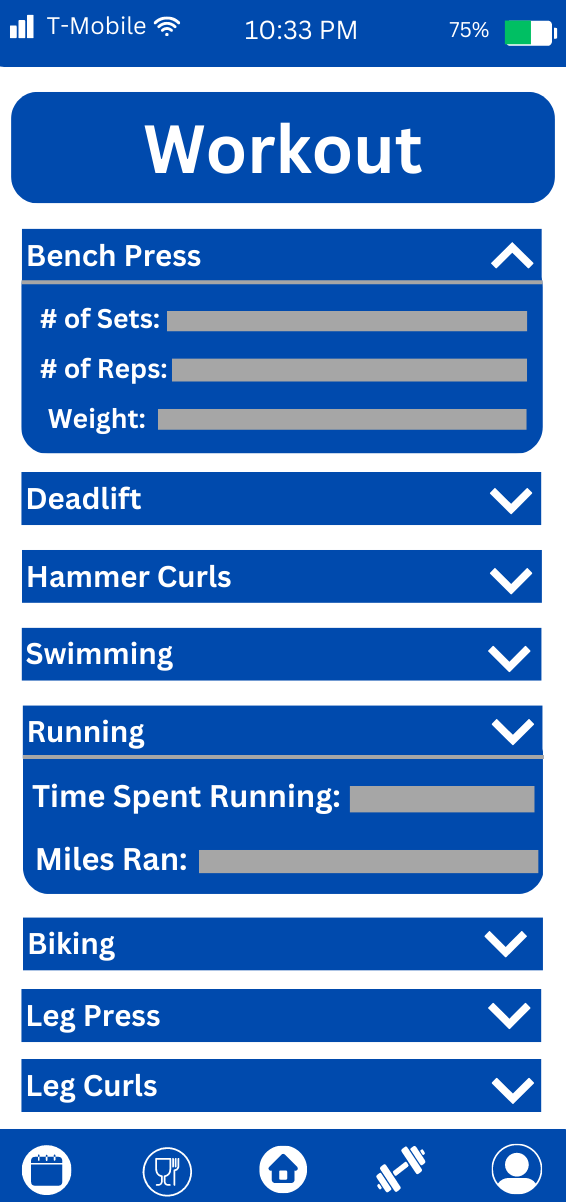
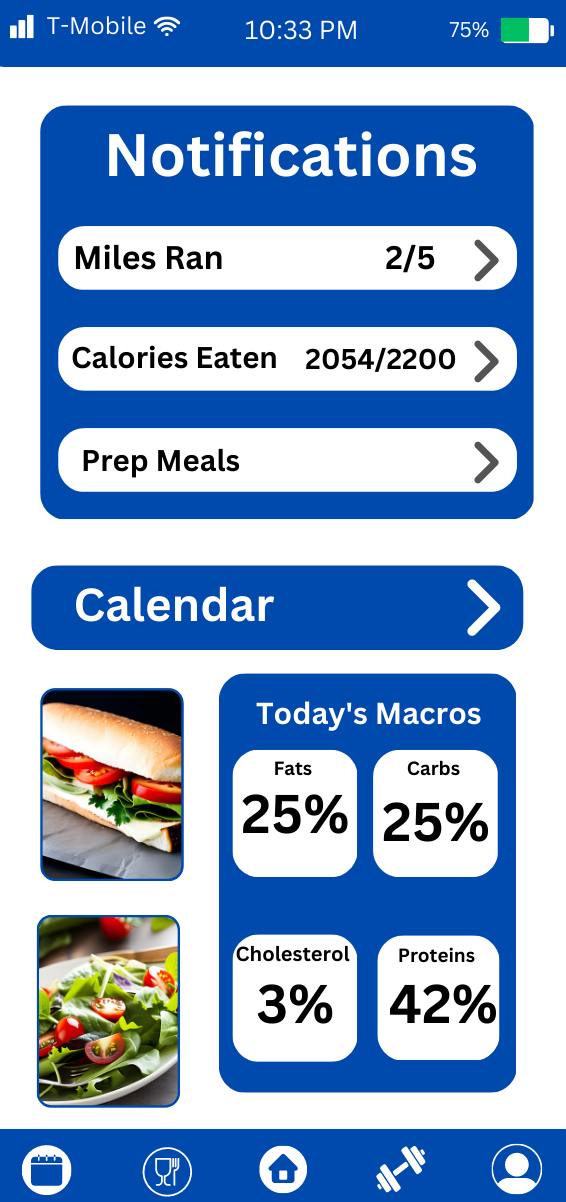
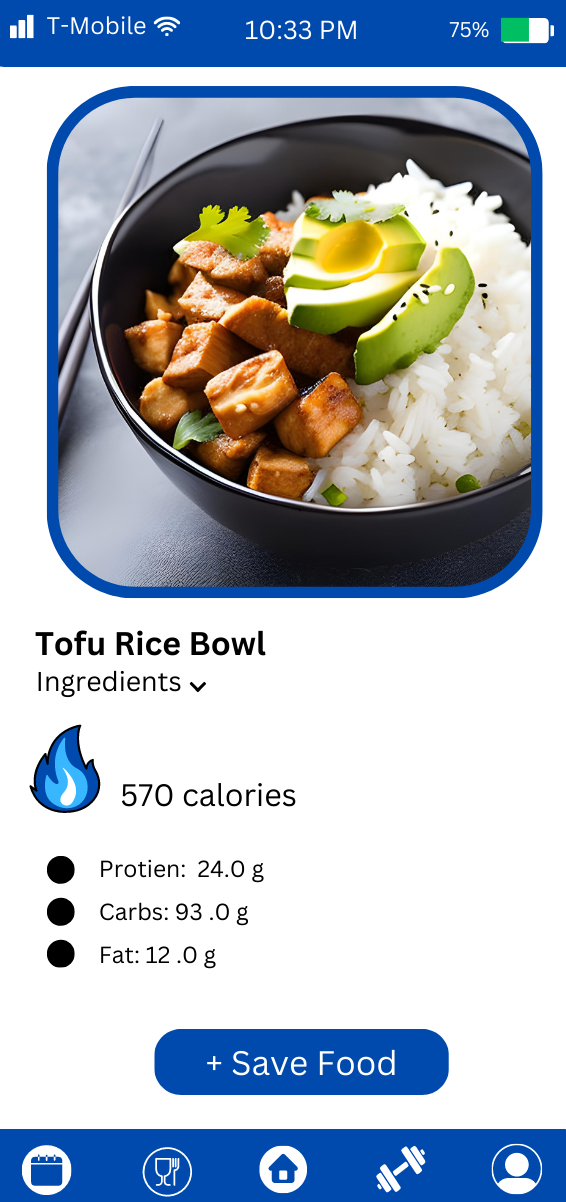
"FitScan" is the name of the app we developed, and it is available for both Android and iOS platforms. The app scans the barcode or takes a picture of a food item using the camera on the user's smartphone. The Al technology then analyzes the image to identify the food item and provides the user with information about its nutritional content. The app calculates the number of calories and macronutrients in the food item, such as protein, fat, and carbohydrates.
How we built it
We used Android studio which is a Java based code to create a fitness app that can help the fitness community.
Challenges we ran into
The challenges we ran into were downloading all the databases of each food item in one day because it took hours download on our laptops. We also struggled to make the image processing work because it would only scan basics ingredients not the complex meals we wanted.
Accomplishments that we're proud of
We are proud of almost finishing the whole app in a day, and making it run partially. Also figuring out how to use the AI to scan all the food items, and calculate the calories and the macros.
What we learned
We learned how to code in Android Studio, and get fluent in Java due to the fact that we only know how to use python, C++, and HTML.
What's next for FitScan
Inspiration
We were inspired due to the fact that all the fitness apps have all these meal preps, but couldn’t apply AI to the their apps to make it better for the consumers. So we wanted to do something that helps the fitness community as a whole, and help people who want to get their diet right.
What it does
The app we have developed is called "FitScan" and it is available for both Android and iOS platforms. The app uses the camera on the user's smartphone to scan the barcode or take a picture of the food item. The Al technology then analyzes the image to identify the food item and provides the user with information about its nutritional content. The app calculates the number of calories and macronutrients, including protein, fat, and carbohydrates, in the food item.
How we built it
We used Android studio which is a Java based code to create a fitness app that can help the fitness community.
Challenges we ran into
The challenges we encountered were downloading all of the databases for each food item in one day because it took hours on our laptops. We also struggled to get the image processing to work because it only scanned basic ingredients rather than the complex meals we desired.
Accomplishments that we're proud of
We are proud of finishing almost the entire app in a day and getting it to run partially, as well as figuring out how to use AI to scan all of the food items and calculate the calories and macros.
What we learned
We learned how to code in Android Studio, and get fluent in Java due to the fact that we only know how to use python, C++, and HTML.
What's next for FitScan
We intend to make FitScan available on the Google Play and Apple App Stores in order to gather consumer feedback. Then we'll use that feedback to tailor the app to our customers' preferences, making it even more useful to them.

Log in or sign up for Devpost to join the conversation.