-
-
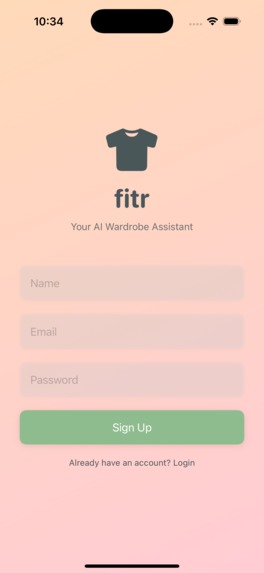
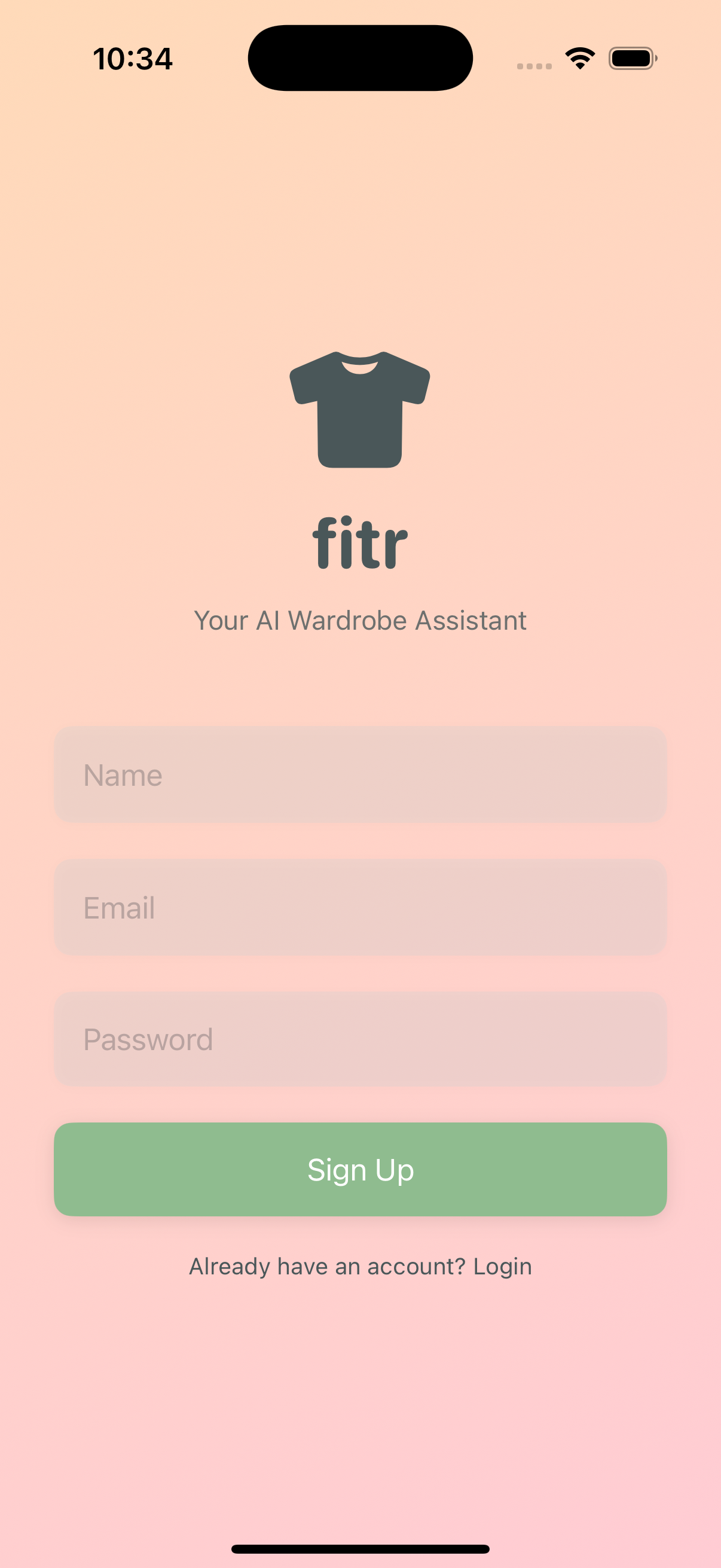
Sign Up Screen
-
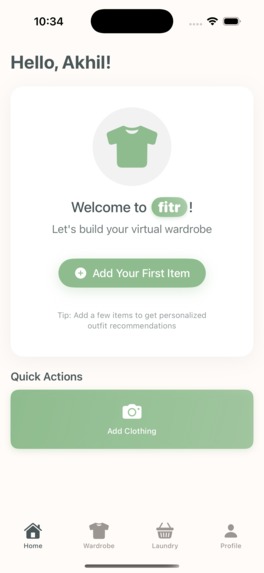
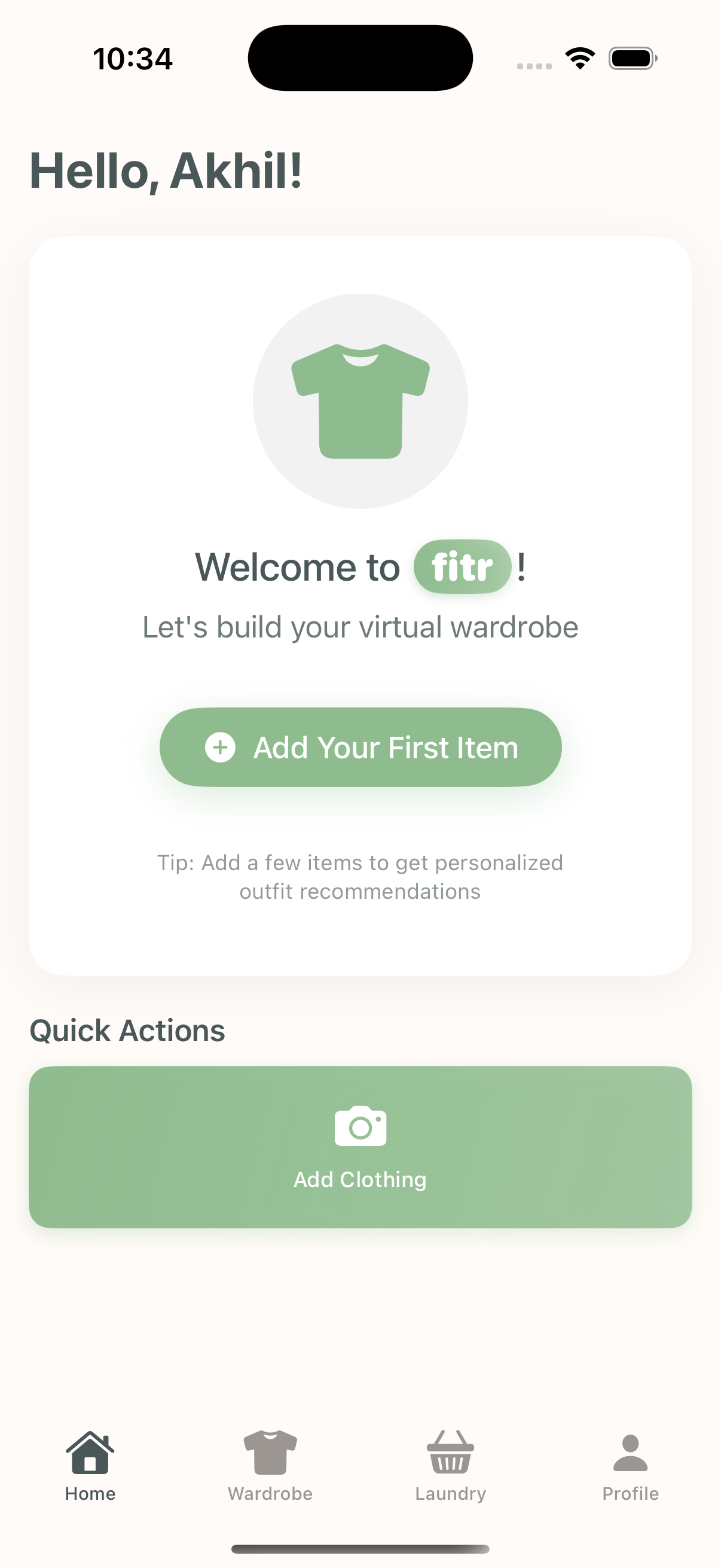
Initial Homescreen
-
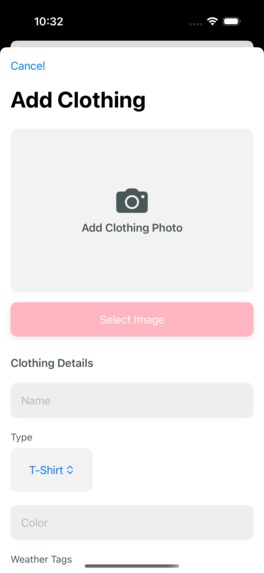
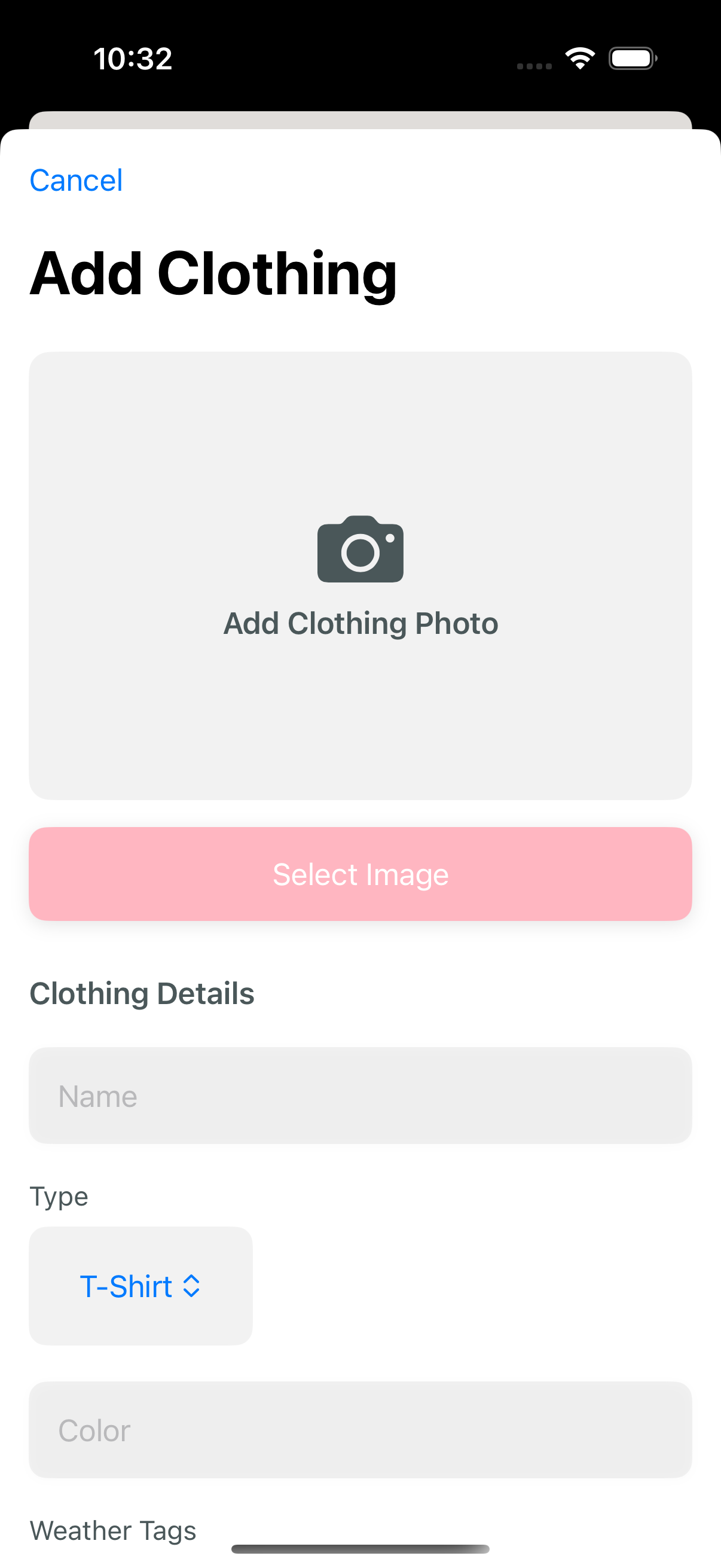
Adding new clothing
-
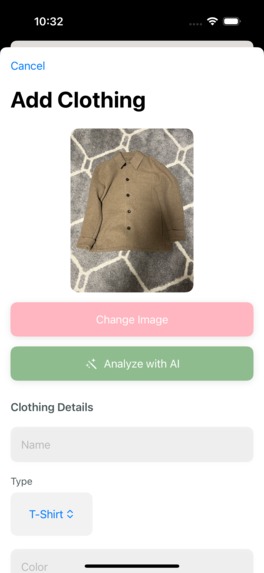
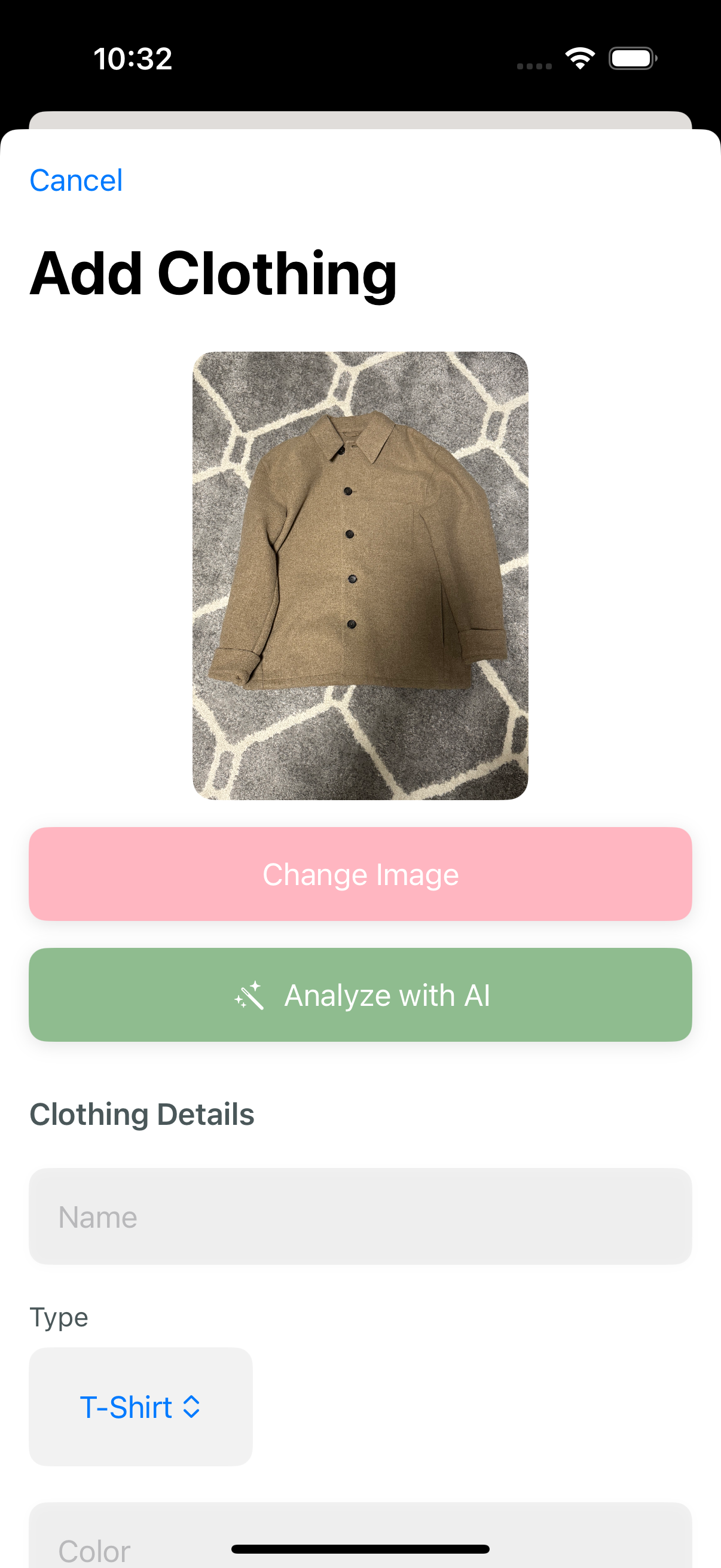
Analyze clothing with AI
-
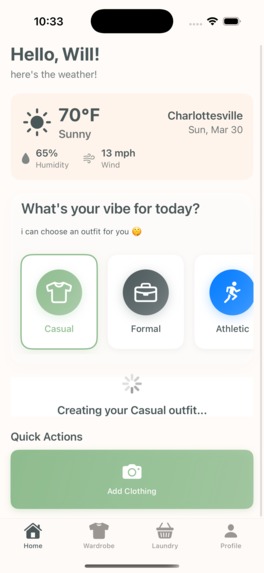
Dashboard after adding Items
-
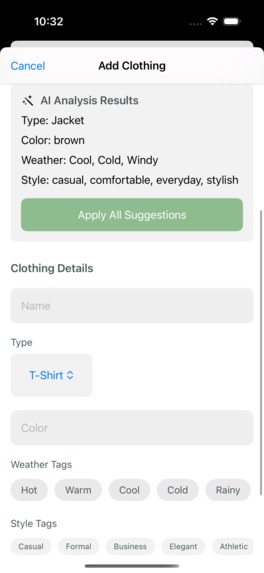
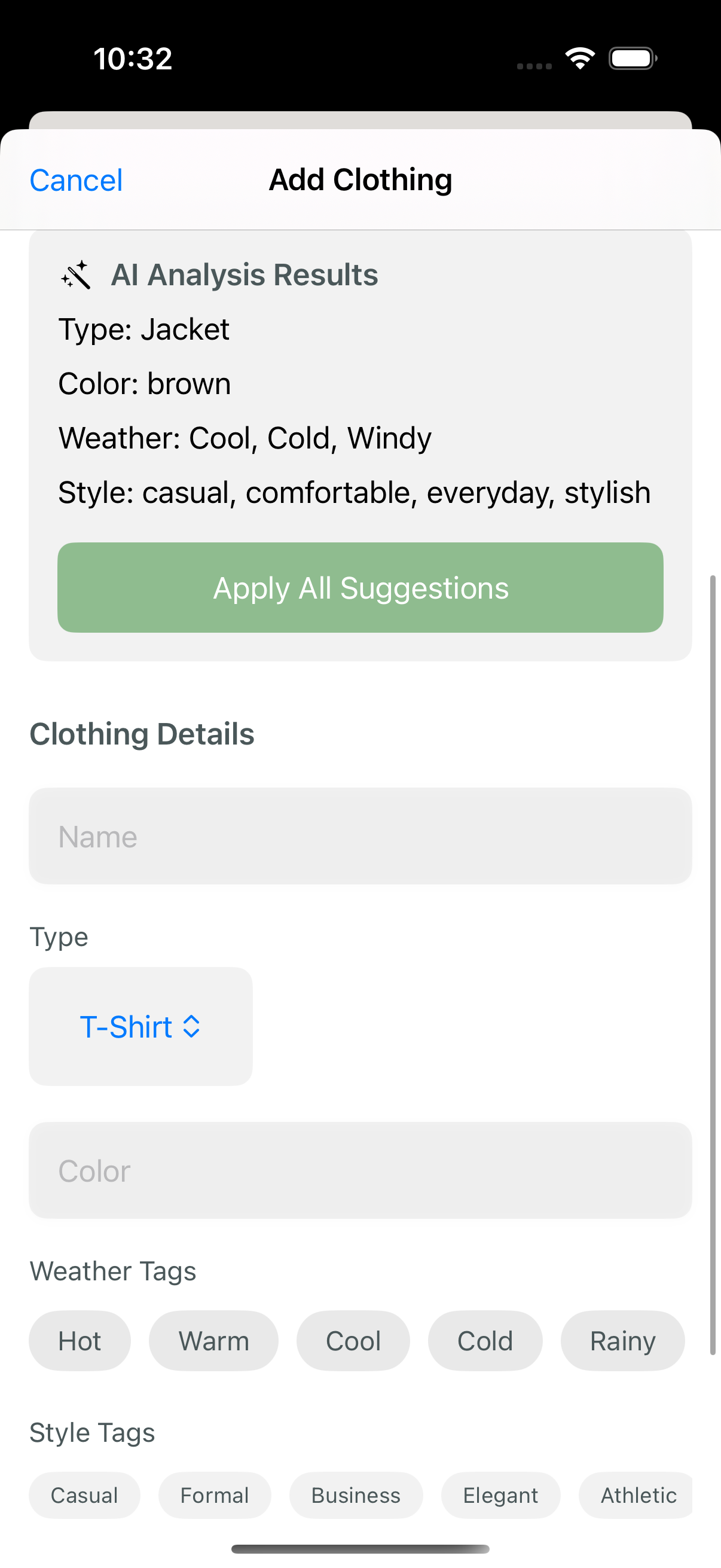
Description of analyzation
-
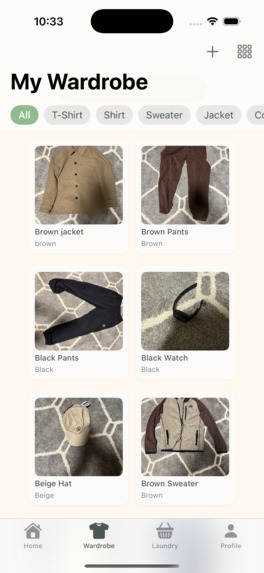
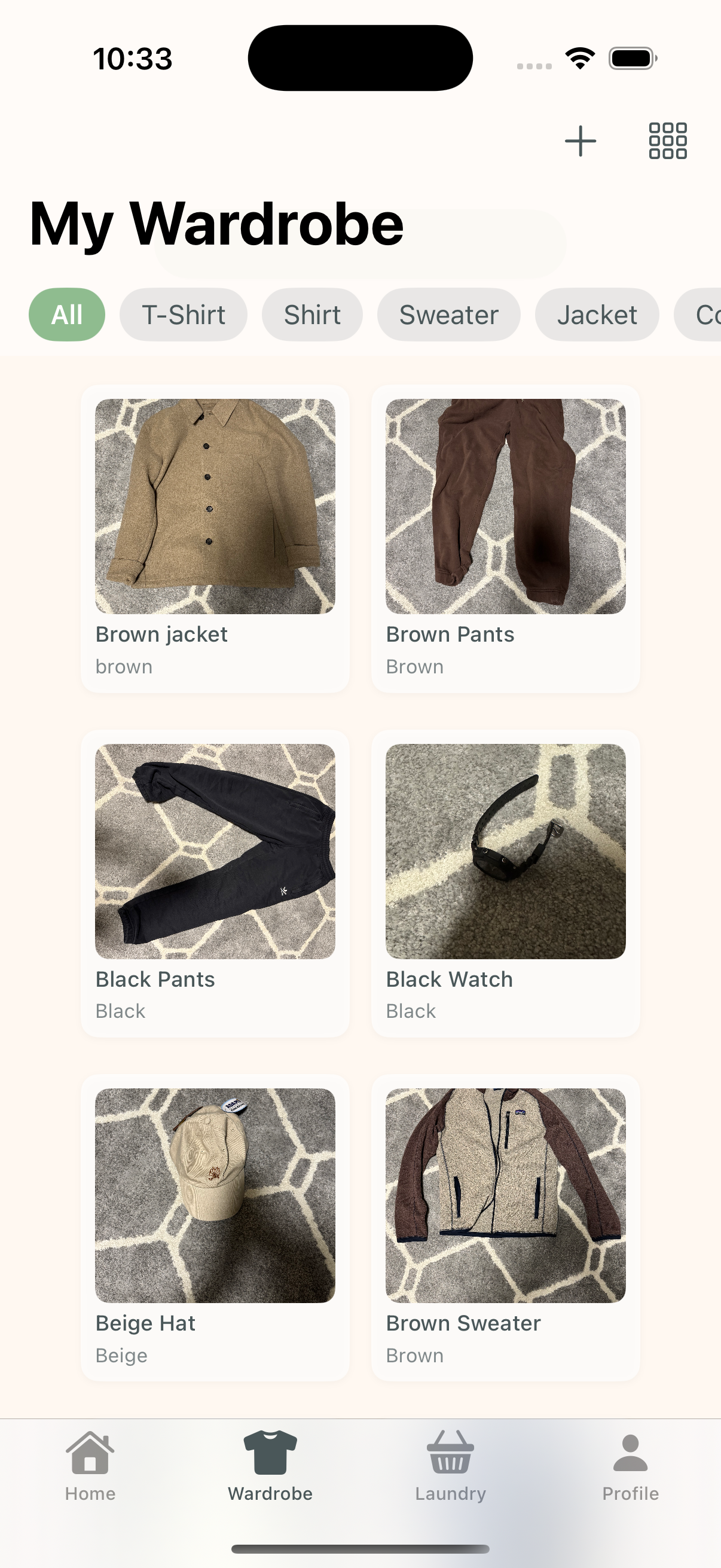
Filled Wardrobe
-
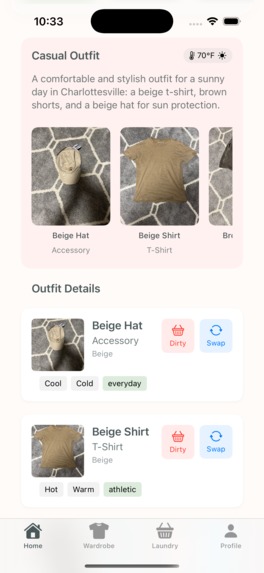
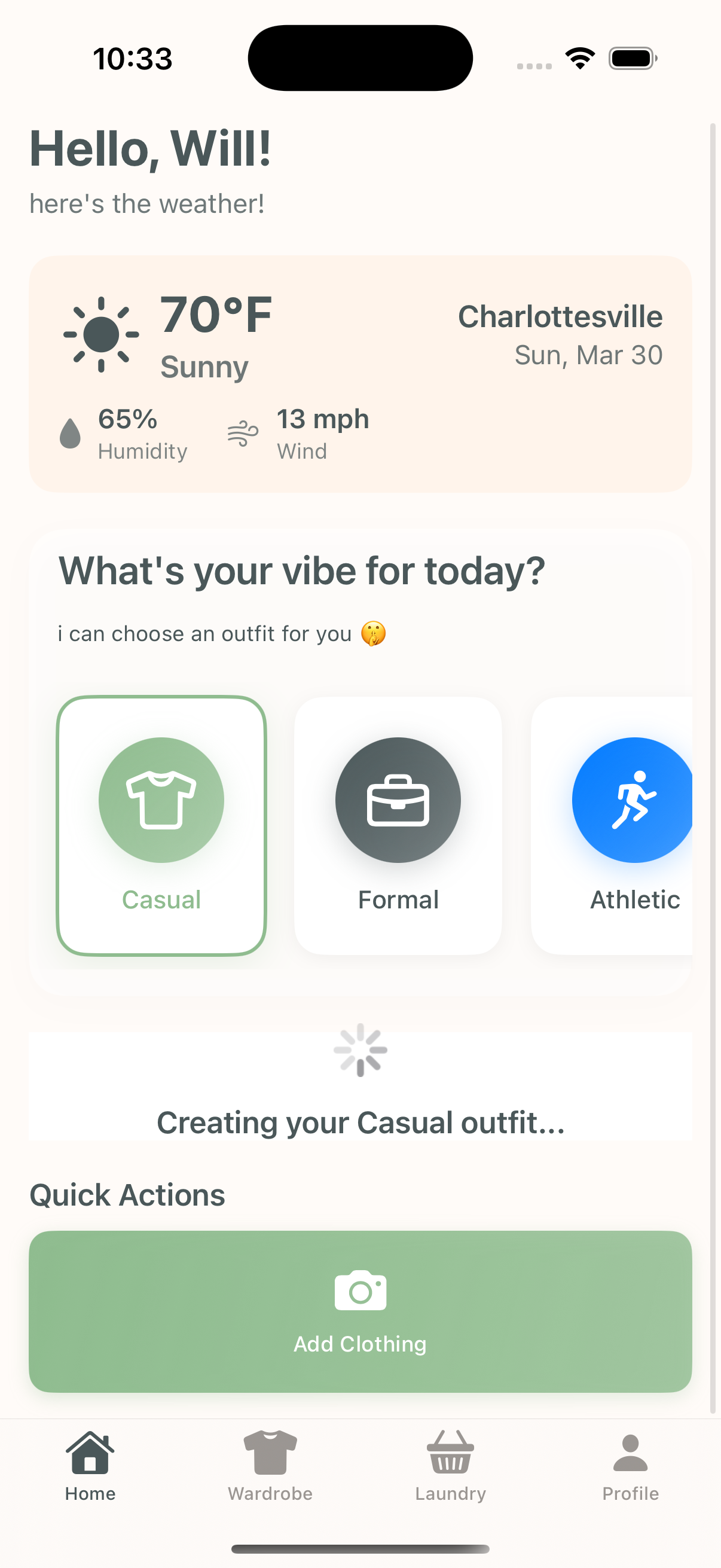
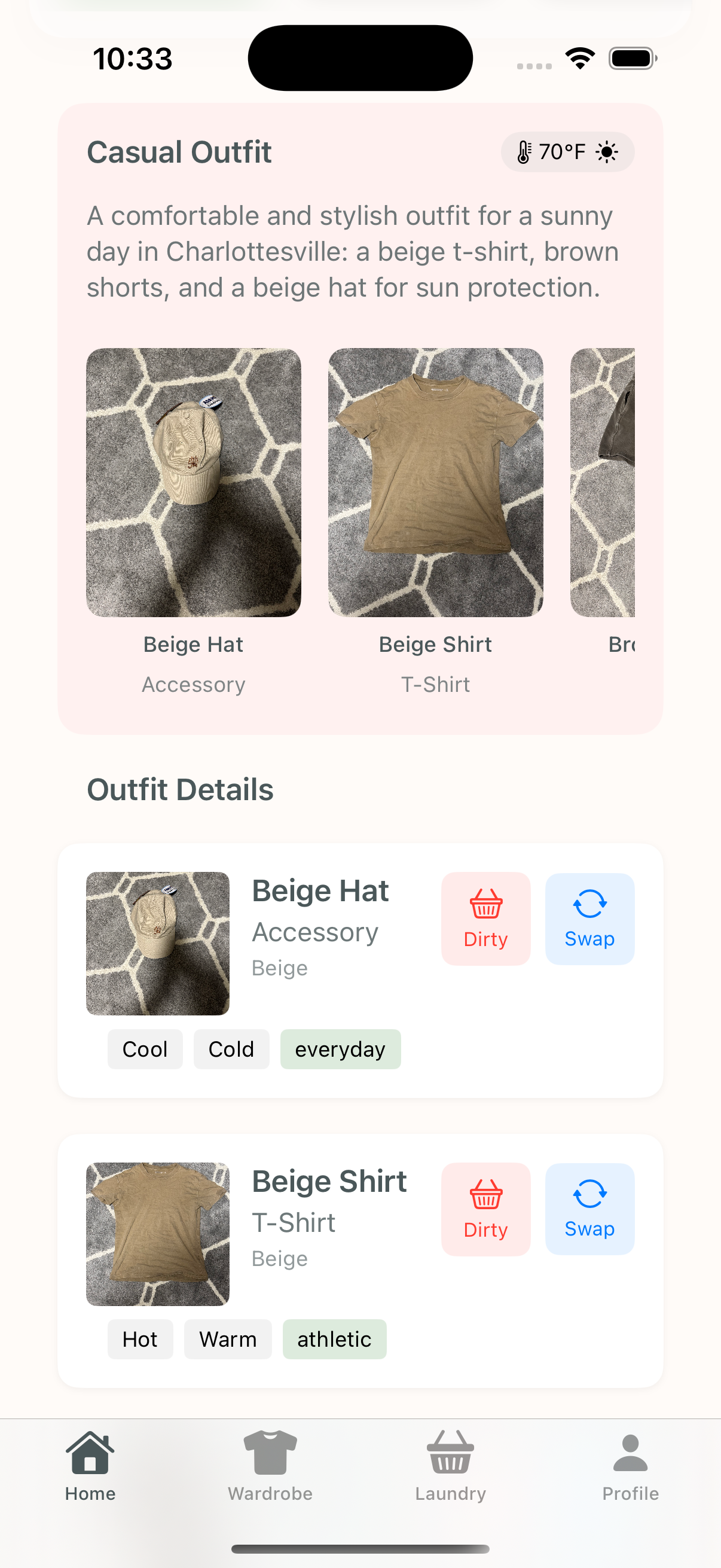
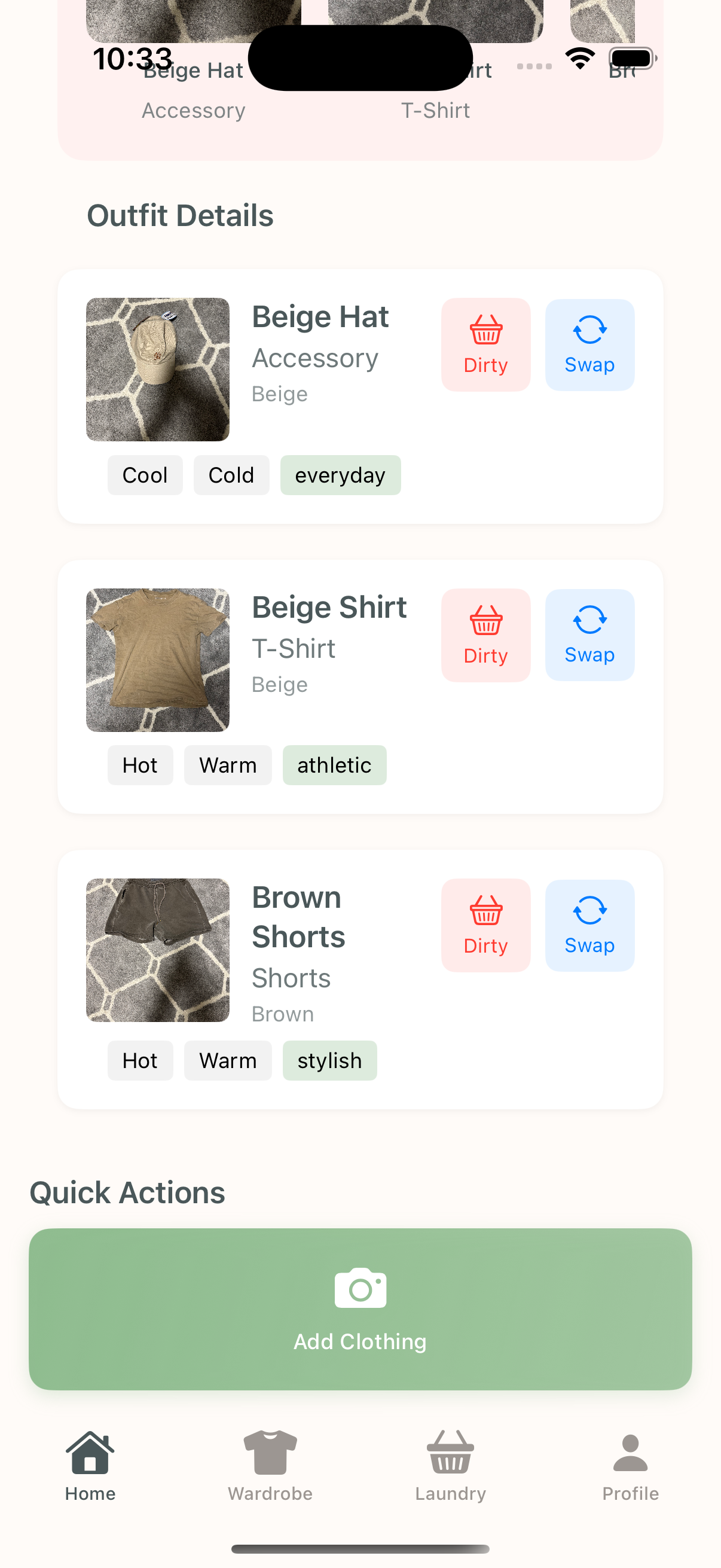
Generation of Outfit
-
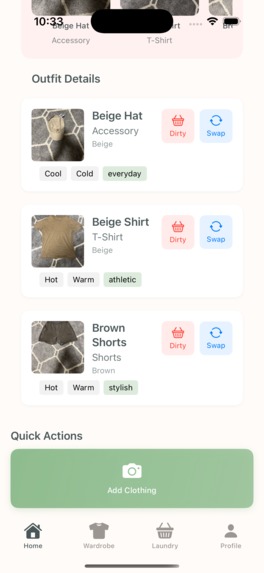
Generation of Outfit
-
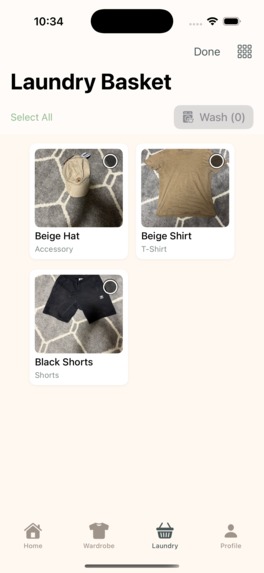
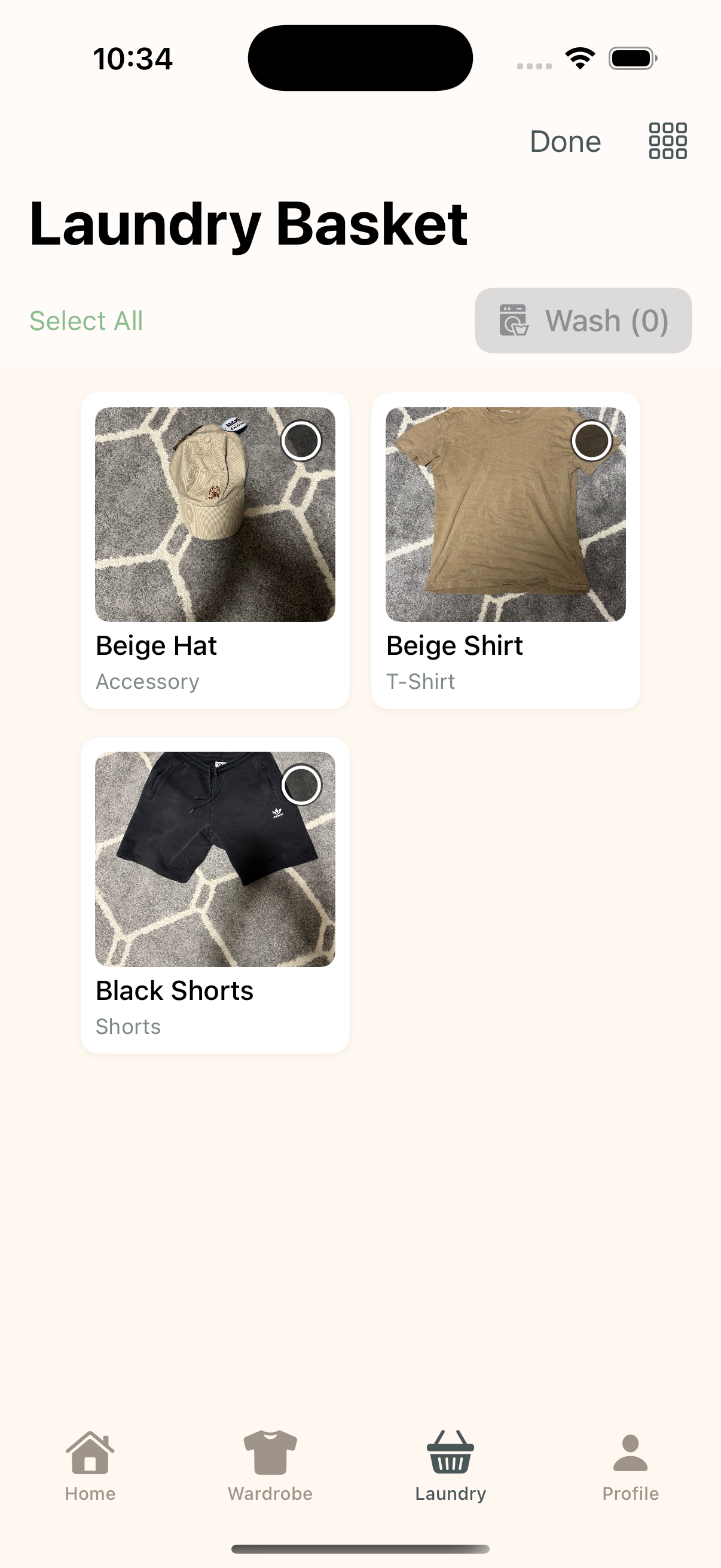
Laundry Basket with Items
Inspiration
We are often indecisive about what to wear. For lazy individuals like ourselves, this project would save us several minutes deciding on our outfits every morning.
What it does
fitr generates an optimal, fashionable outfit based on the weather of your location, your mood in the morning, and the various styles and colors of clothes in your wardrobe. There's even a laundry option to prevent dirty clothes from being reworn.
How we built it
We used XCode and Apple's SwiftUI to build the app. We leveraged Google Gemini 1.5 Pro for image recognition/classification and generating outfits. We also used OpenWeatherMap's API for real-time weather coverage at our current location to pass in as an additional parameter for creating outfits.
Challenges we ran into
We initially planned on utilizing OpenAI's Clip network to feed our images, but had extensive issues configuring our network through an API key. Upon realizing that our desired OpenAI API configuration is a subscription-based service, we eventually turned to Gemini which configured seamlessly to our Firebase Cloud Storage. While the storage was also a paid service, we had $300 in credit for read/write calls, which was more than enough for our proof of concept.
Accomplishments that we're proud of
This was our first time coding the front end of an application on Swift. Although we initially considered ReactJS for Android compatibility, we eventually prioritized app efficiency for iOS devices. We are also proud of finding a way to integrate existing software into an innovative and interesting passion project.
What we learned
We were complete beginners at Swift, but had some experience with other languages, so we had to learn the language syntax and all. We thought this app's premise should only be mobile for convenience, so that's why we decided to use SwiftUI instead of ReactNative. We learned Swift overnight through online guides and generative AI (primarily BoodleBox, which gave us access to most leading models), so that we could start coding when the hackathon began. We also learned how to navigate through terminal and configure an XCode environment.
What's next for fitr - a new way to fit.
We anticipate training and implementing our own ML model that specializes in clothing rather than a large, data-intensive model like Gemini. Such a model would not only improve efficiency from its optimized data entries, but also general accuracy by enabling the recognition of more nuanced clothing characteristics such as text, logos, and art styles. The next step would also be using algorithms to have the ML model account for specific user characteristics and tailored preferences.


Log in or sign up for Devpost to join the conversation.