-
-
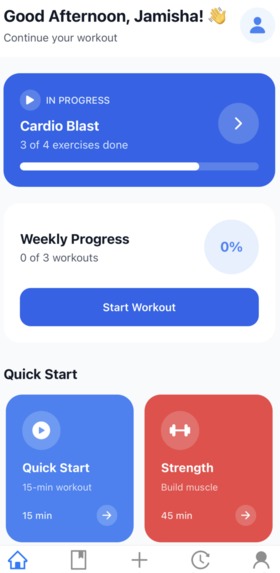
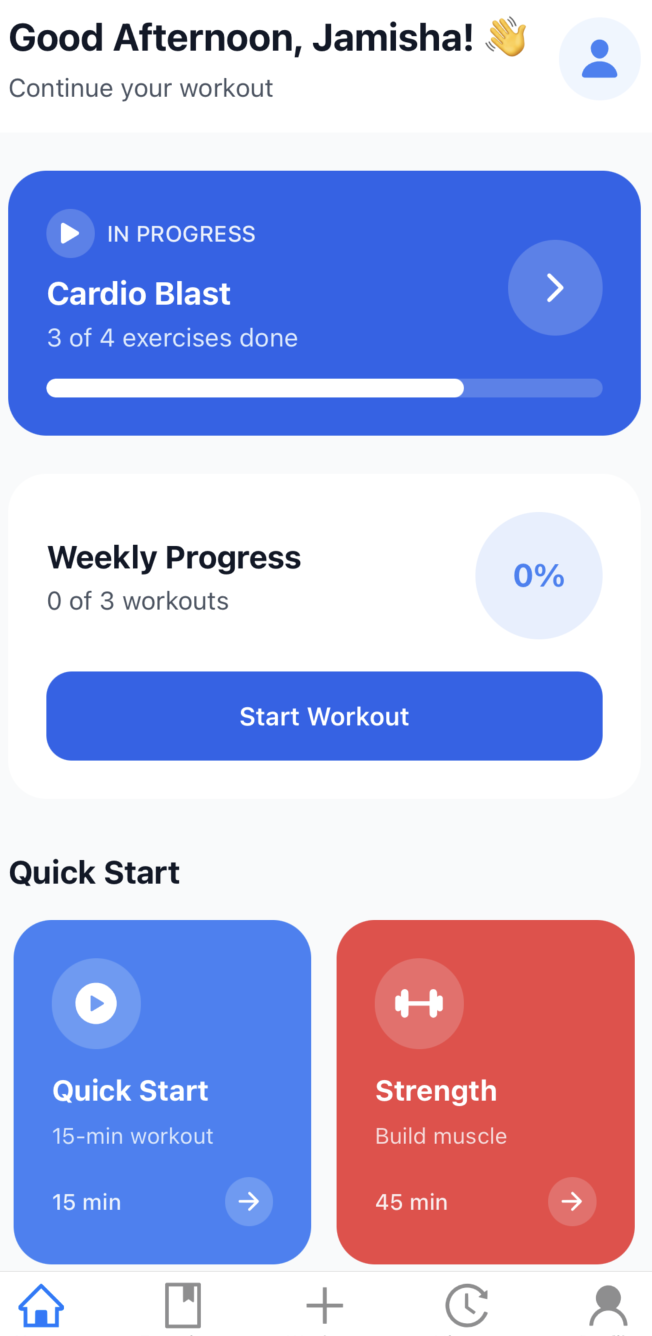
Home Tab
-
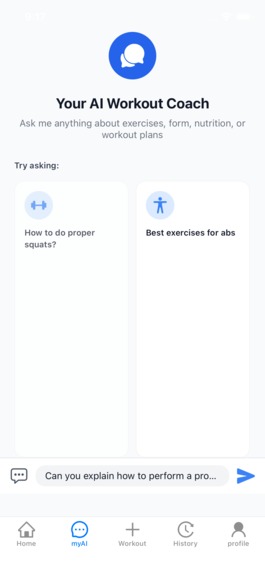
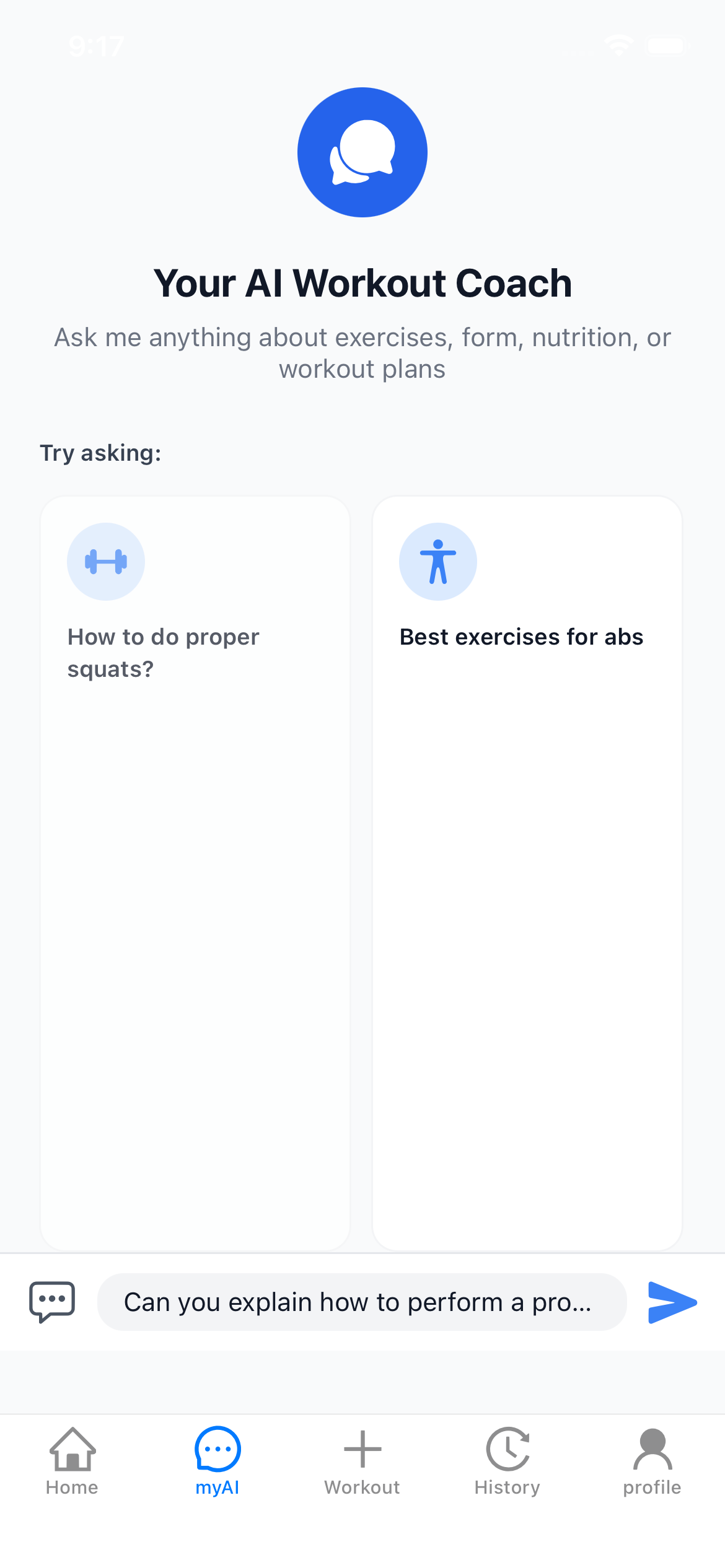
MyAI Tab
-
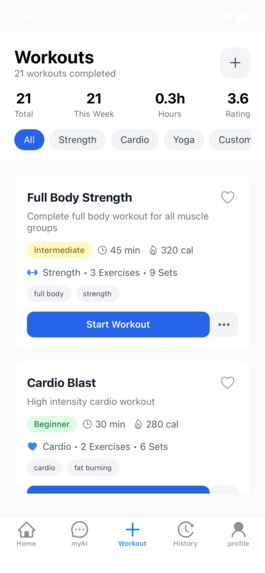
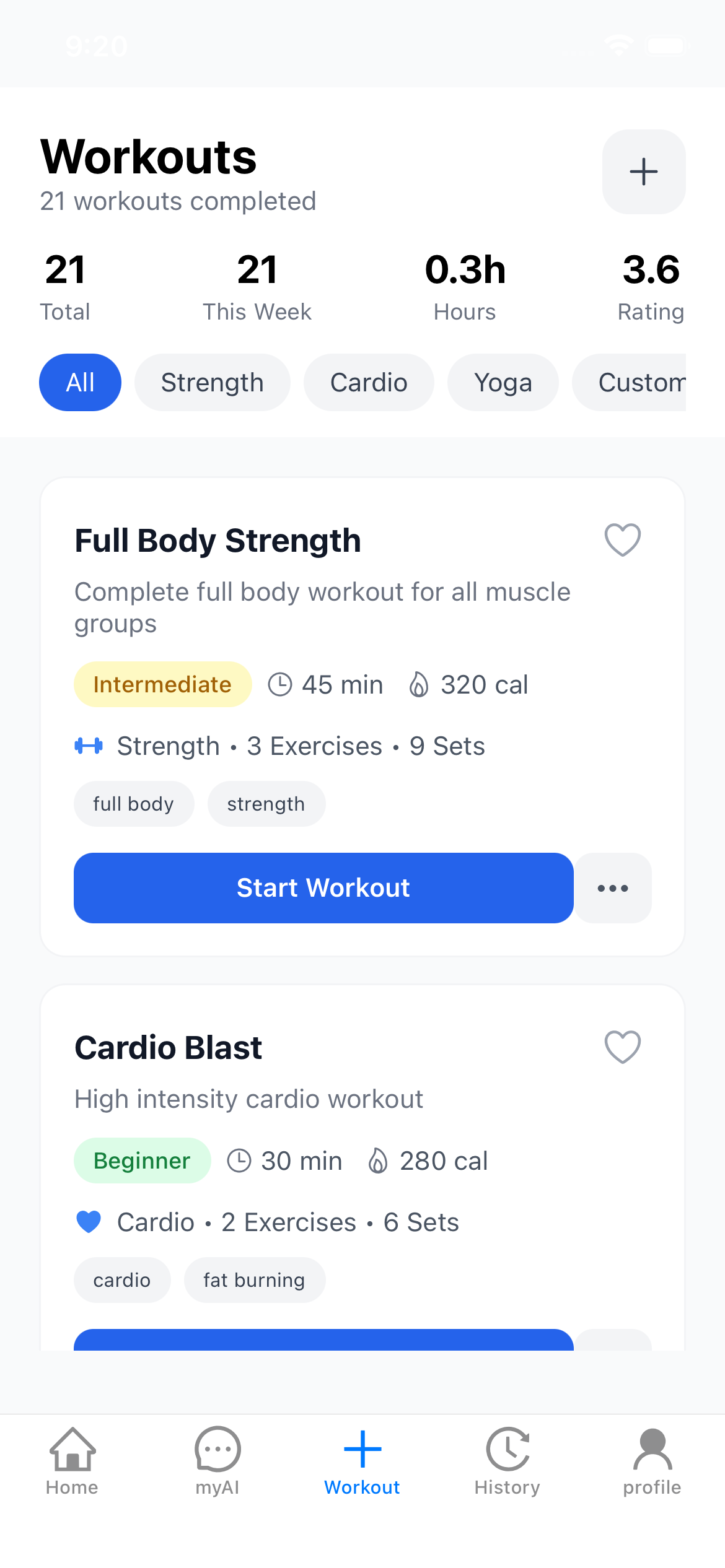
Workout Tab
-
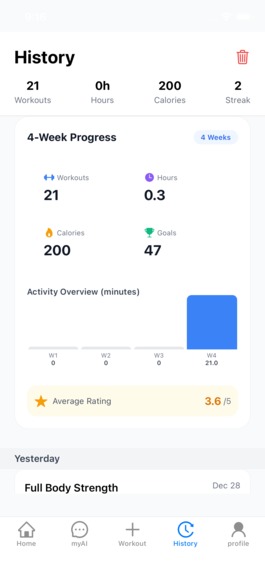
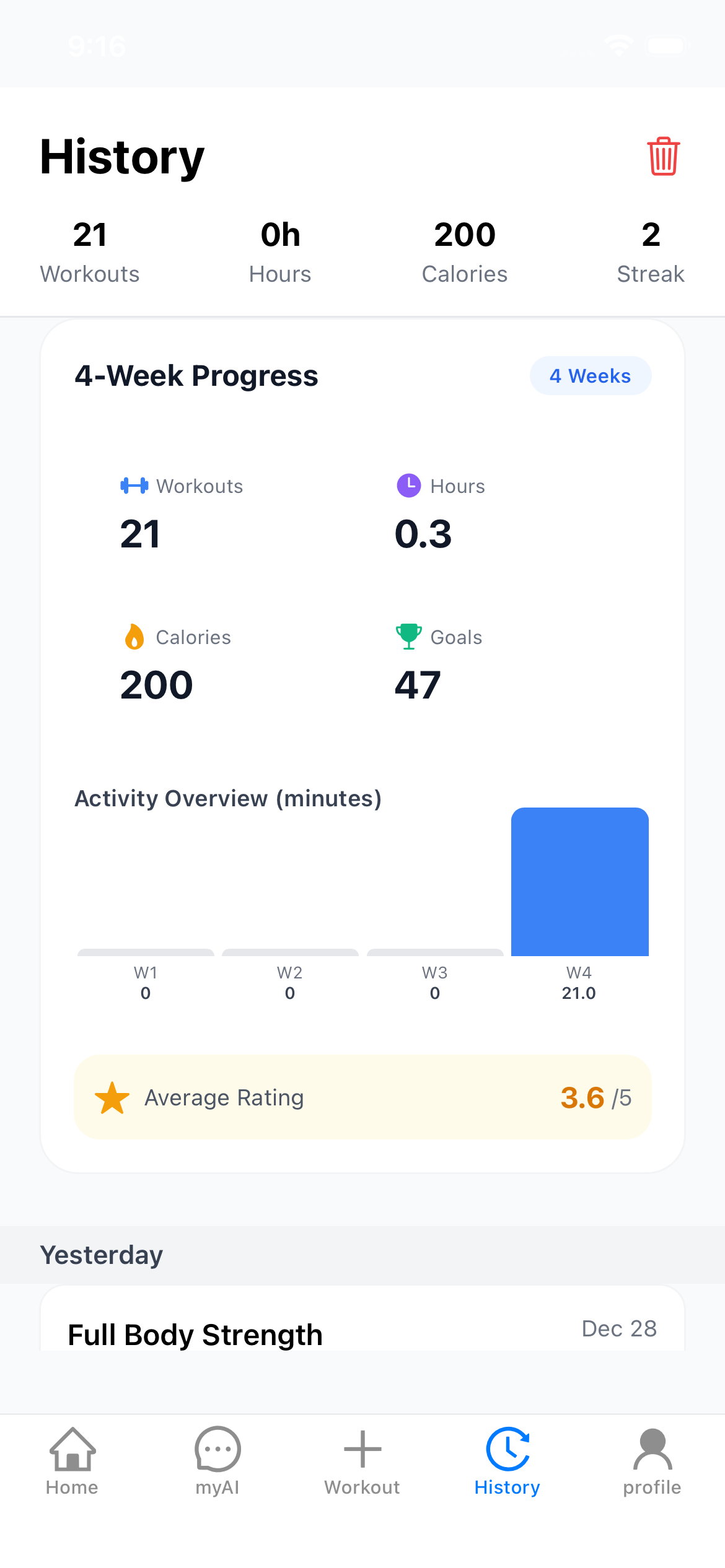
History Tab
-
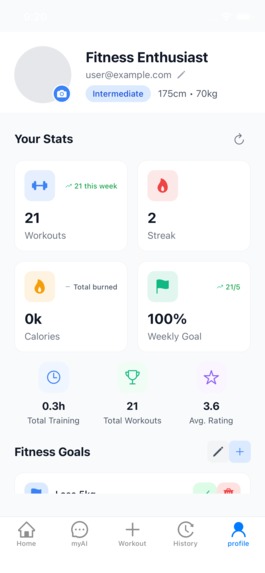
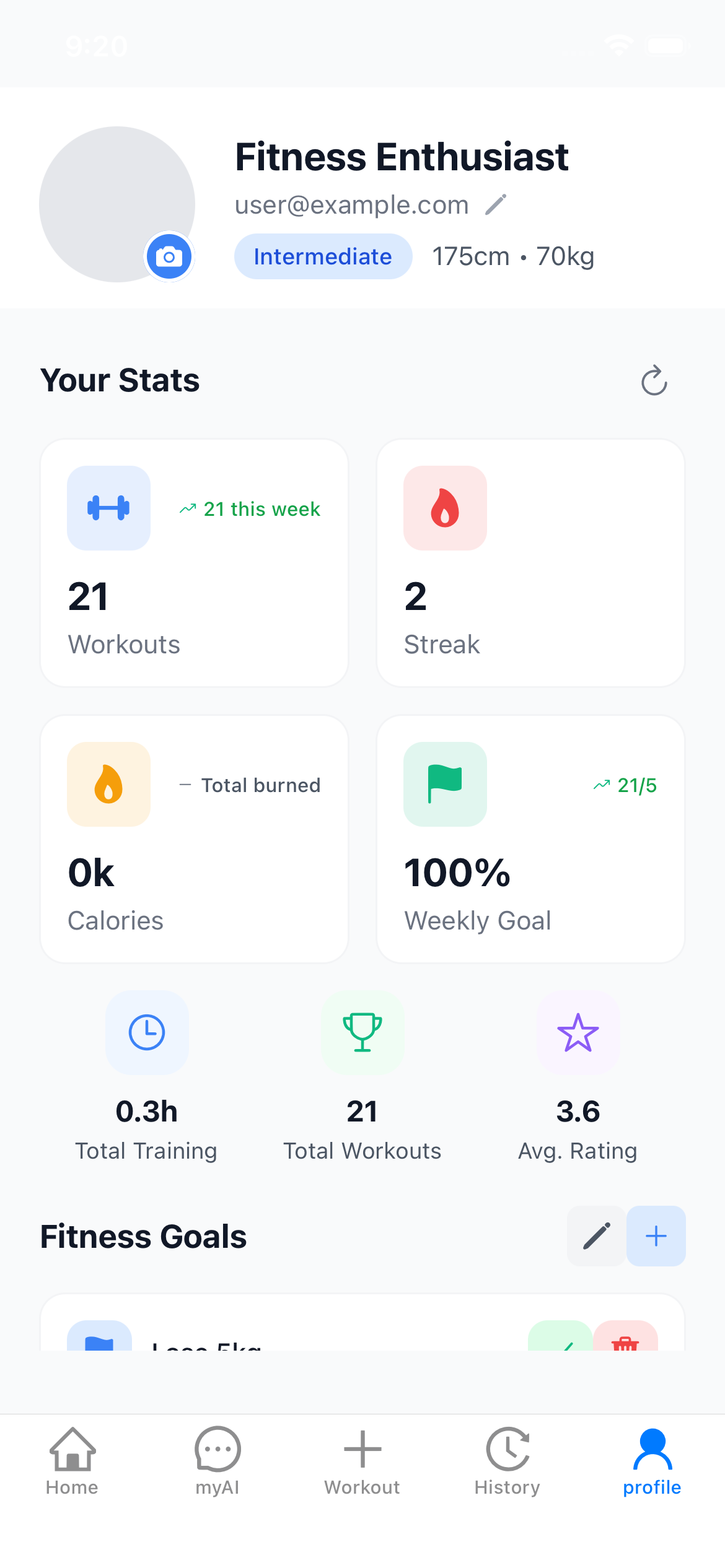
Profile Tab
Inspiration
The inspiration for fitNfine.ai came from observing that many fitness applications rely on static workout plans and generic recommendations that do not adapt to individual users. This often leads to low engagement and difficulty maintaining long-term consistency. The project was motivated by the idea that AI-driven personalization could make fitness guidance more adaptive, structured, and relevant to each user. In addition, this project served as an opportunity to apply mobile development, state management, and AI integration concepts in a real-world application.
What it does
fitNfine.ai is an AI-powered fitness application that provides personalized workout guidance and progress tracking. Users can authenticate securely, access workout plans, track completed workouts, view historical data, and interact with AI-driven features such as chat-based guidance or workout recommendations. The app is designed to centralize workout planning, execution, and tracking within a single, cohesive interface.
How we built it
The application is built using React Native with TypeScript, enabling cross-platform development with strong type safety. Expo Router is used for file-based routing and tab navigation, allowing a clear separation between authentication flows and the main application interface. Authentication is handled using Clerk, which manages user sessions, protected routes, and authentication state across the app. The main app interface is organized into tab-based screens, including Chat, History, Workout, and Profile. The UI is composed of reusable components such as workout cards, dashboards, charts, and timers to maintain consistency and reduce duplication. Global state is managed using React Context, while custom hooks abstract data-fetching and update logic for workouts and user profiles. AI functionality is implemented through integration with the Hugging Face API , which supports AI-driven chat interactions and personalized workout logic. TypeScript interfaces and types are used throughout the codebase to define core data models and improve reliability.
Challenges we ran into
One of the main challenges was designing a scalable architecture that allowed multiple screens to share state without becoming tightly coupled. Coordinating asynchronous data flows across authentication, AI requests, and UI updates required careful state management and error handling. Integrating AI functionality was also a significant challenge. Ensuring that AI-generated responses were relevant, predictable, and consistently formatted required prompt refinement, response validation, and fallback handling. Managing API latency and failures while maintaining a smooth user experience added additional complexity.
Accomplishments that we're proud of
- Designing a clean, modular mobile app architecture
- Successfully integrating AI features into a real application
- Implementing secure authentication and protected routes
- Building reusable UI components for scalability and maintainability
- Applying TypeScript effectively to reduce bugs and improve code clarity
What we learned
Through this project, we gained hands-on experience with mobile app architecture, file-based routing, authentication systems, and AI API integration. We also learned how to manage shared state across complex UI flows and how to design applications with long-term scalability in mind. The project reinforced the importance of separating concerns, writing reusable logic, and balancing technical complexity with usability.
What's next for fitNfine.ai
Future development will focus on improving AI personalization, expanding workout customization, and enhancing progress analytics. Additional features such as goal-based recommendations, improved historical insights, and performance optimization are also planned. fitNfine.ai will continue evolving as a platform for experimenting with AI-driven fitness guidance and modern mobile development practices.
Built With
- clerk
- expo.io
- huggingfaceapi
- react-native
- typescript

Log in or sign up for Devpost to join the conversation.