-
-
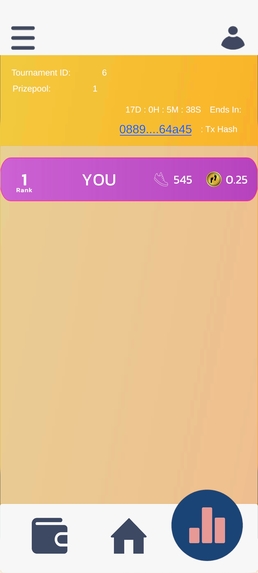
Tournaments and Leaderboard
-
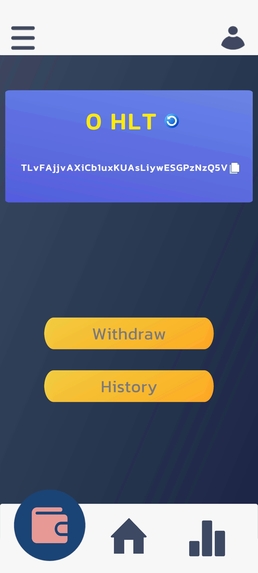
Wallet Section
-
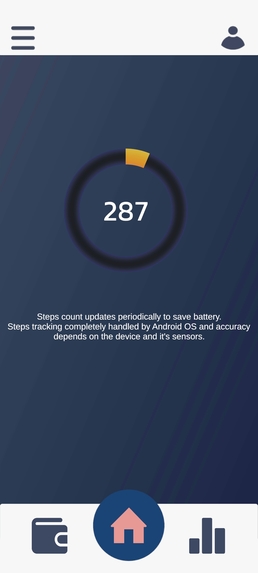
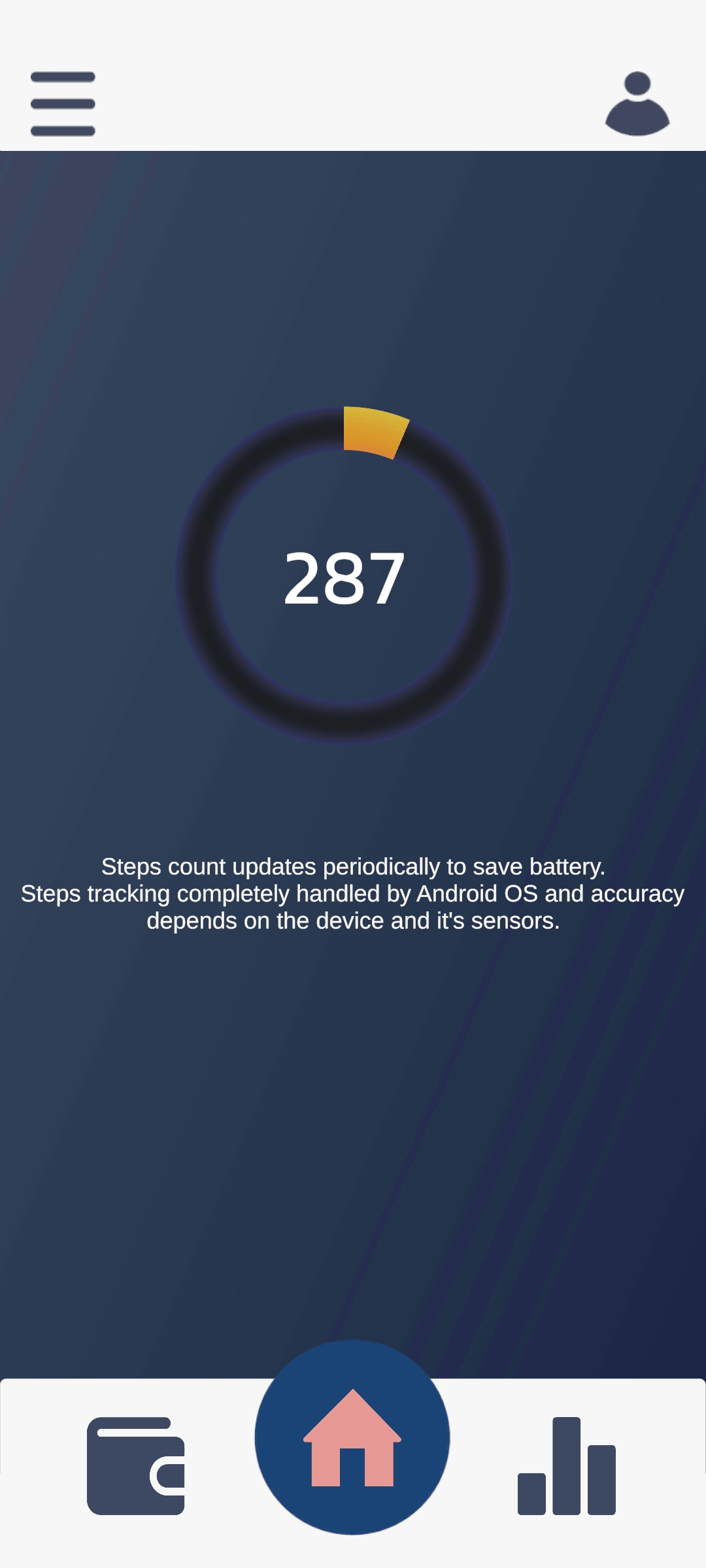
Home Screen with steps recording
-
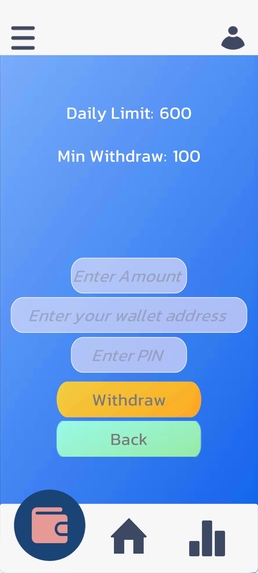
Withdraw Funds Section
-
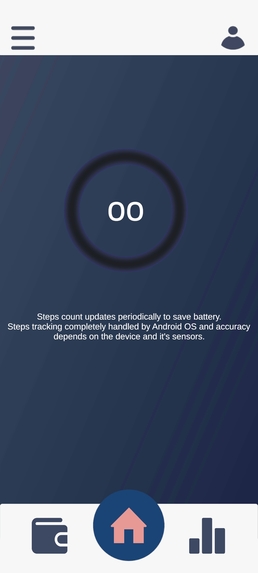
Home Screen




Inspiration
The inspiration for this project comes from seeing how blockchain can be used to make everyday activities more engaging and rewarding. I recognized that many people are motivated by challenges and rewards. Combining that with the potential of crypto, I wanted to create an app that not only tracks fitness activities but also adds an exciting layer of competition and incentives through tournaments and prize pools. The goal is to make staying active more fun and rewarding for everyone.
What it does
HealthLedger tracks your fitness activities like steps, cycling, and running. It adds a competitive edge by offering challenges where you can win crypto tokens. The app also hosts tournaments with prize pools and features a leaderboard to track top performers. By integrating blockchain technology, HealthLedger turns your fitness journey into a rewarding experience with real prizes and community engagement.
How I built it
Blockchain Development:
I utilized the TRON blockchain for HealthLedger, developing smart contracts in Solidity. TronWeb was used for interacting with these contracts, while TronBox used for testing and deployment.
Backend Development:
I developed traditional backend server to handle user data that doesn’t need to be stored on the blockchain. Backend is built with JavaScript, Express.js, RESTful APIs, and MongoDB, supporting server-side operations and data management.
Unity Development:
Unity was chosen for developing the app, providing an interactive platform for users to track their fitness activities. Communication between the Unity app and backend occurs through REST APIs, allowing seamless interaction with the TRON blockchain and the delivery of responses back to the app
Challenges I ran into
Blockchain Integration: Ensuring seamless interaction between the Unity app and TRON blockchain involved overcoming challenges with smart contract interactions and managing token rewards efficiently.
Data Synchronization: Aligning fitness data from the app with blockchain transactions and accurately tracking user activities proved technically complex.
User Data Management: Balancing the secure storage of blockchain data with the efficient handling of non-blockchain user data led to complex backend architecture issues.
API Communication: Reliable communication between Unity, the backend, and the TRON blockchain through REST APIs required careful error handling and optimization to avoid latency issues.
Smart Contract Testing: Testing and deploying smart contracts on TRON posed challenges in ensuring contract security, accuracy, and effective response handling.
Wallet Integration: Limited support for TRON blockchain in Unity made wallet integration particularly challenging. The lack of native packages for TRON in Unity meant I had to find workarounds for handling user wallets and transactions.
Accomplishments that I'm proud of
Seamless Wallet Integration: I developed a solution for wallet creation and management entirely on the backend, eliminating the need for users to handle wallets directly. Users can sign in with their Google account and get started effortlessly.
Overcoming Unity Limitations: Given the lack of support for TRON blockchain integration and wallet management in Unity, handling wallet creation and blockchain interactions on the backend was a significant achievement. This approach simplified the process for users and ensured a smooth experience.
Efficient Backend Communication: The backend effectively communicates with the TRON blockchain to manage data, handle transactions, and post information. This setup allows Unity to focus solely on sending API requests, with all blockchain-related complexities managed behind the scene
What I learned
Backend Flexibility is Key: I discovered how crucial it is to have a flexible backend, especially when dealing with platform limitations like Unity's lack of support for TRON blockchain integration. Handling wallet creation and blockchain interactions on the backend made a big difference.
Complexities of Blockchain Integration: Integrating blockchain technology with an app wasn't as straightforward as I initially thought. It taught me a lot about managing transactions, synchronizing data, and rewarding users effectively.
User Experience Matters: By taking care of wallet creation and blockchain data handling on the backend, I made the app much easier for users. They can sign in with their Google account and start using the app without dealing with complicated blockchain details.
Efficiency in API Communication: I learned how important it is to have efficient communication between different parts of the system. Making sure Unity, the backend, and the TRON blockchain worked well together was key to keeping everything running smoothly.
Innovative Problem Solving: I had to think creatively to solve integration challenges. Finding workarounds for the lack of native TRON support in Unity pushed me to come up with innovative solutions that improved the app’s functionality and user experience.
What's next for Fitness Ledger
Improve Wallet Integration: I'll work on refining wallet management and exploring potential partnerships to offer a more seamless and user-friendly experience, possibly integrating native solutions if available.
Optimize Performance: My focus will be on optimizing both backend and frontend performance to ensure faster and more reliable interactions, particularly as user numbers grow.
Explore New Partnerships: I’ll seek partnerships with fitness brands and influencers to enhance app visibility, offer exclusive rewards, and create a more engaging experience for our users.
Personalized Fitness Services: Custom Diet and Workout Plans: Users can pay for personalized diet and fitness plans with access to professional trainers. This service provides tailored guidance for weight loss, muscle gain, or general health improvements. In-App Store: Fitness Products: The app offers an in-app store selling fitness-related products, which users can buy using the crypto tokens they earn from tournaments. Platform Fees: The app takes a small platform fee for every purchase made through the in-app store.
Product Listings and Promotions: Company Listings: Fitness companies can list their products in the store, for which the app charges a listing fee. Promotional Fees: Companies can also pay for additional promotional services to feature their products more prominently in the app.
Conclusion
This fitness app leverages blockchain technology to provide a transparent, engaging, and competitive fitness experience for users. The various features, including tournaments, friend challenges, and tier-based rewards, ensure users remain motivated to stay active. The blockchain ensures fairness and authenticity, while the app’s monetization strategies create multiple revenue streams through personalized services, product sales, and company promotions.


Log in or sign up for Devpost to join the conversation.