-
-
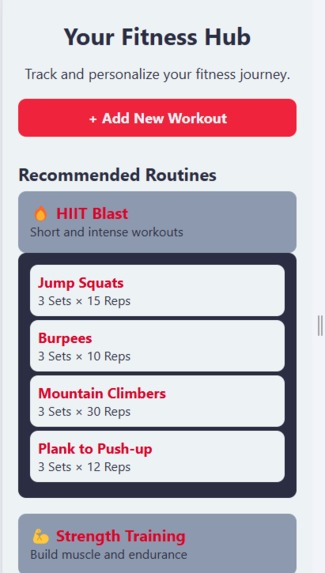
Workout
-
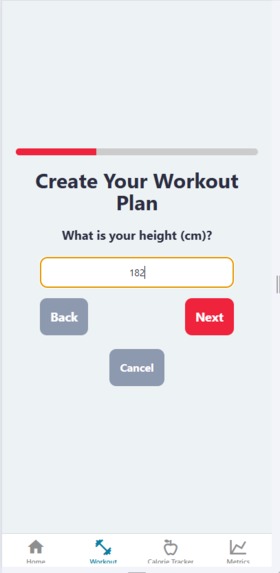
Workout plan
-
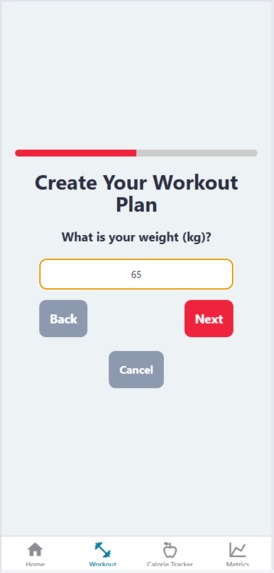
Workout plan
-
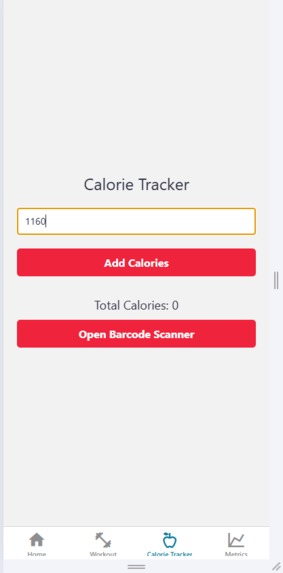
Calorie tracker
-
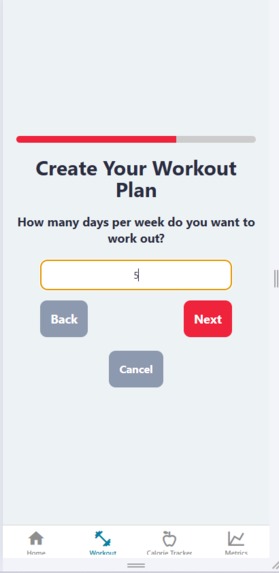
Workout plan
-
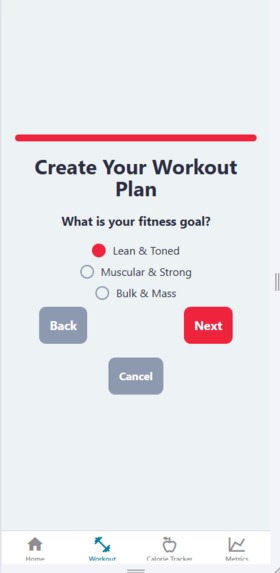
Workout plan
-
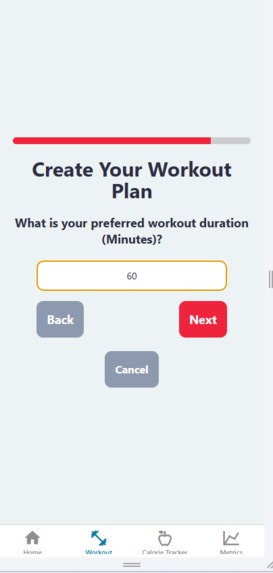
Workout plan
-
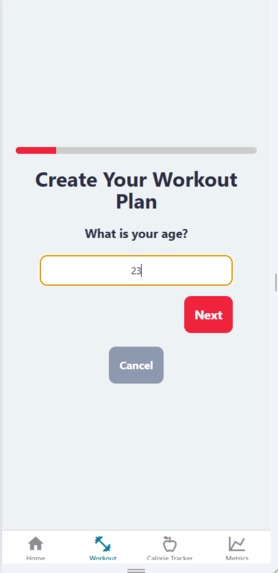
Workout plan
-
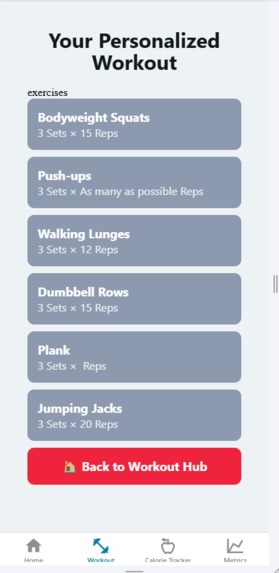
Personalized workout
-
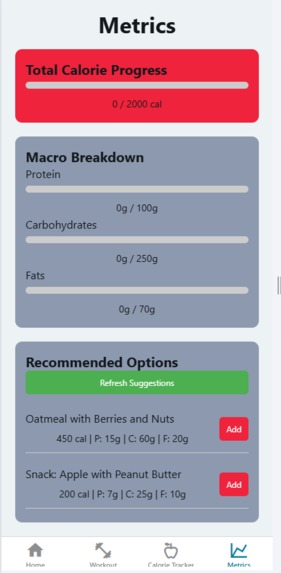
Metrics
-
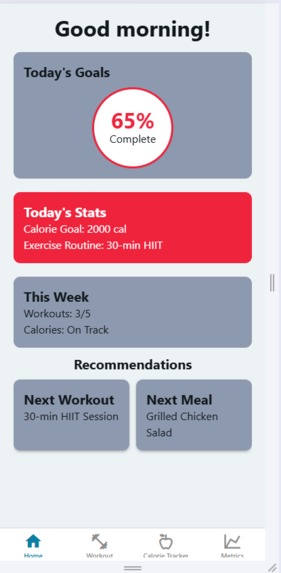
Home
Inspiration
We were inspired to create our fitness app by my passion for fitness and technology. We envisioned a platform that empowers users to manage their nutrition, track workouts, and achieve their goals seamlessly. The idea itself came from observing how modern fitness apps could be enhanced with smarter, more interactive features.
What it does
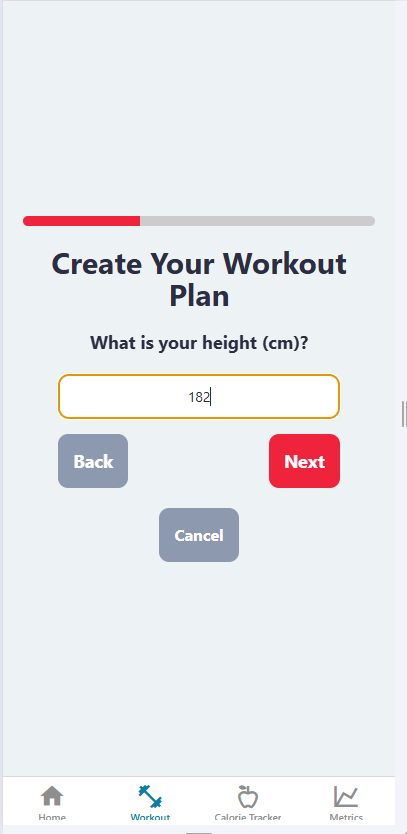
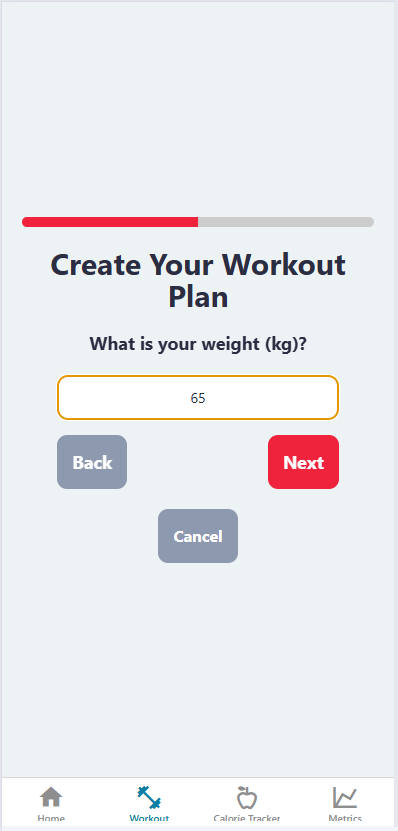
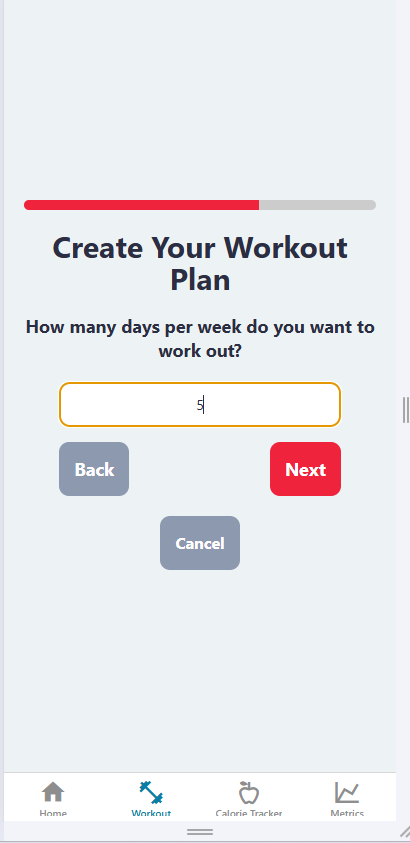
Our fitness app is a comprehensive platform that enables users to:
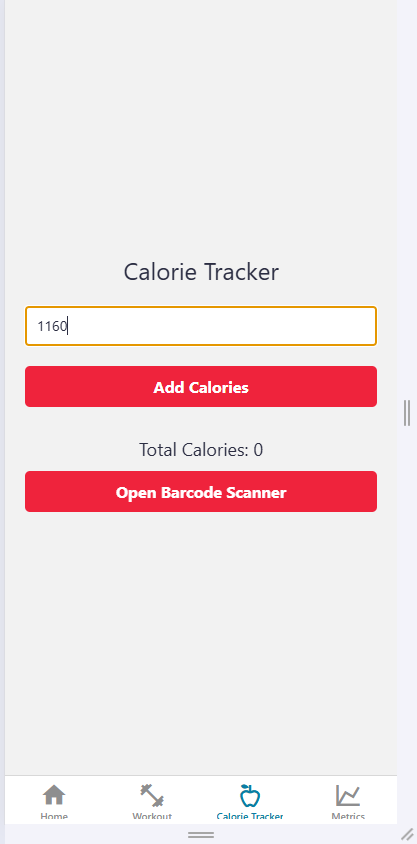
- Track their caloric intake with an intuitive tracker and barcode scanning.
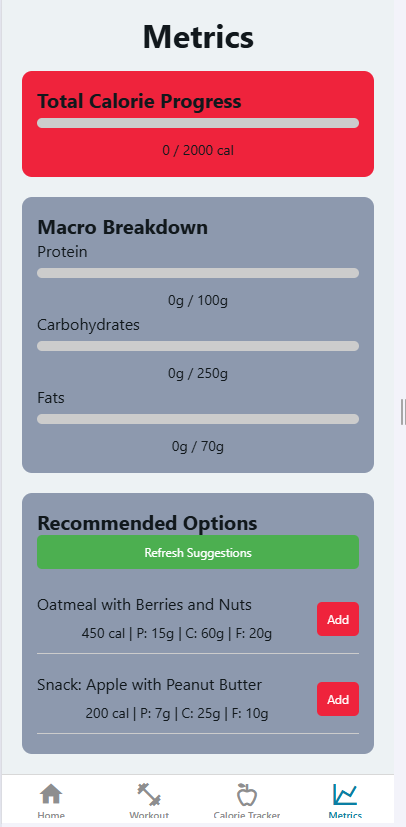
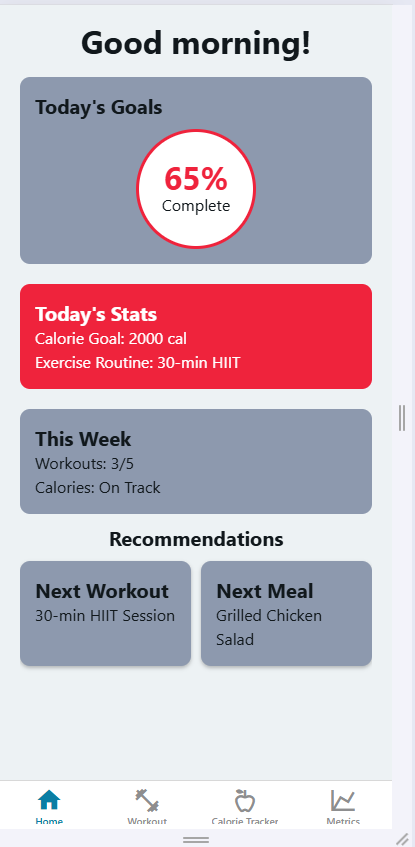
- Monitor dynamic nutritional and workout metrics for personalized goal setting.
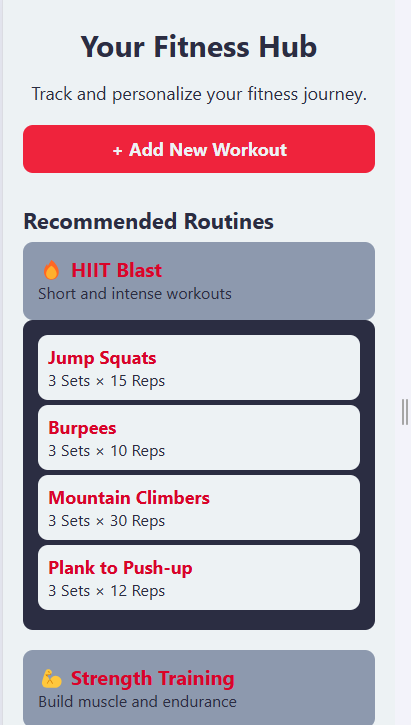
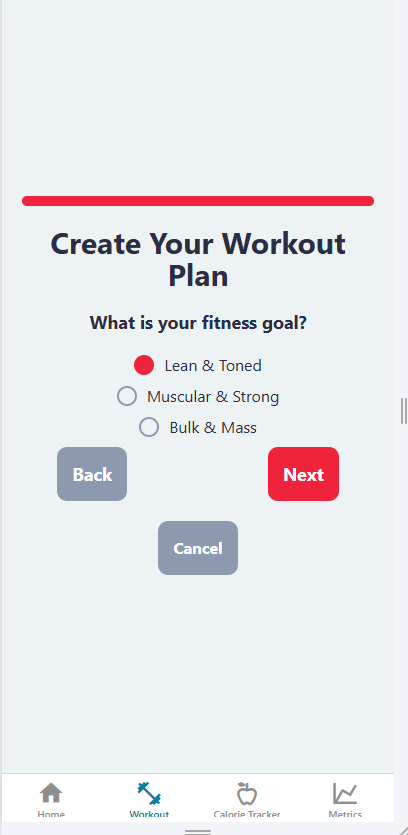
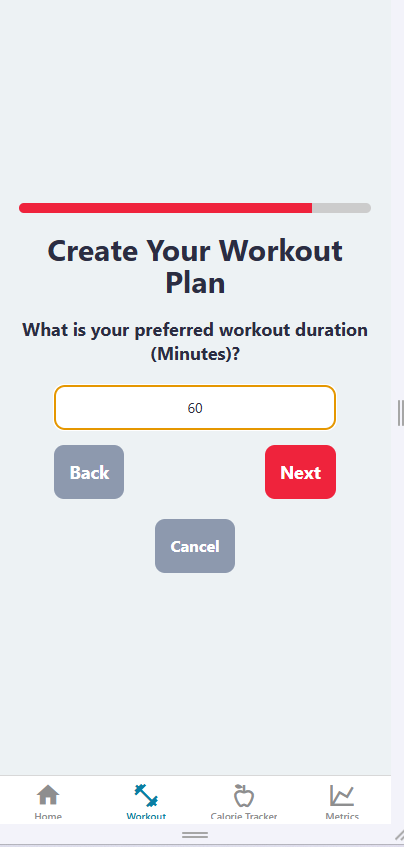
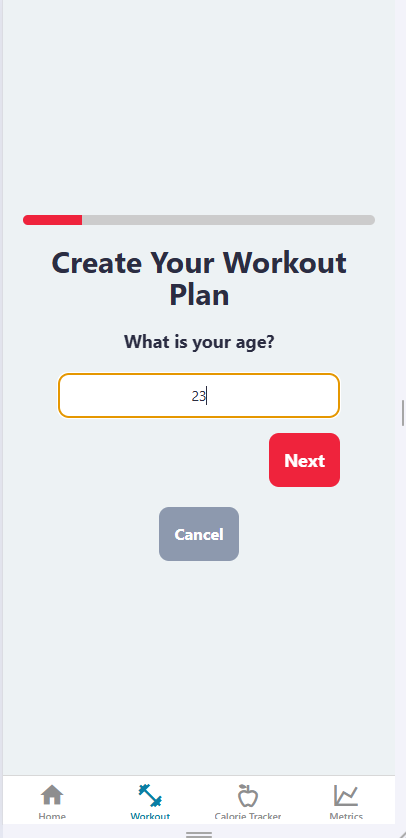
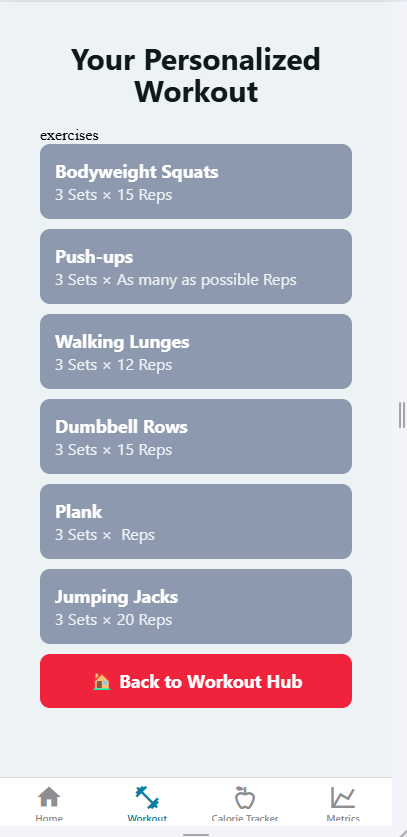
- Access and customize workout routines and meal suggestions.
- Enjoy a seamless experience with light/dark mode support across devices.
How we built it
- Planning: We started by outlining key features such as calorie tracking, personalized workouts, and real-time metrics.
- Development: We built the app using React Native and Expo, incorporating third-party libraries for animations, gesture handling, and barcode scanning.
- Design: A consistent color scheme was implemented, and components were designed to work harmoniously across different devices.
- Iterative Improvement: Through testing and feedback, the app was refined continuously to ensure smooth performance and an engaging user experience.
Challenges we ran into
- Balancing Features and Usability: Ensuring that the app maintained a clean interface while offering a rich set of features was a constant challenge.
- Asynchronous Operations: Debugging and managing asynchronous API calls required careful coordination and robust error handling.
- Cross-Platform Issues: Testing on both iOS and Android highlighted subtle differences, pushing me to optimize the app for a diverse range of devices.
- Maintaining Code Quality: As the app grew larger, keeping the code modular and scalable meant revisiting and refactoring components multiple times.
Accomplishments that we're proud of
- Seamless Integration: Merged multiple fitness and nutrition functionalities into one cohesive interface.
- Interactive User Interface: Implemented gesture-based navigation and smooth animations to enhance user engagement.
- Robust State Management: Utilized React Context and hooks to manage asynchronous data flows efficiently.
- User-Centric Design: Achieved a consistent and adaptive color scheme that caters to both light and dark mode preferences.
- Iterative Improvement: Incorporated user feedback to continuously refine and optimize the app's features.
What we learned
- Technology Integration: We deepened our understanding of React Native and Expo, working with file-based routing and advanced animations.
- User-Centric Design: We learned the importance of a responsive and consistent UI, embracing both light and dark themes to enhance user experience.
- State Management: We improved our skills managing asynchronous data flows with React Context and hooks.
- Modular Code Organization: By breaking down functionalities into smaller, reusable components, we were able to keep the codebase clean and maintainable.
What's next for Fitness App
- Advanced AI-Driven Personalization: Integrate advanced algorithms for better-tailored workout and nutrition insights.
- Wearable Device Integration: Connect with fitness trackers to offer real-time health data.
- Community Engagement: Develop social features such as challenges and sharing to foster a supportive user community.
- Enhanced Analytics: Expand and refine data visualization to include more comprehensive health metrics.
- Global Scalability: Further optimize performance and scalability to serve a broader audience worldwide.

Log in or sign up for Devpost to join the conversation.