
** Fitgence**
The Story Behind Fitgence
I’ve always been fascinated by numbers, science, fitness, and optimizing my body. Naturally, I became someone who tracked almost everything.
My weight. My meals. My calories. My sleep. My steps. My workouts. My supplements. My heart rate.
The problem was that all of this information lived in different places.
I would use one app for weight, another for food, another for calories, another for sleep, another for steps, another for workouts, and another for supplements. My wearable would collect even more data.
And then, when I needed advice, I would jump between ChatGPT, YouTube, Instagram, Notes, and Excel.
It became a mess.
I was constantly creating spreadsheets, writing formulas, making workout plans on paper, copying information into notes, and trying to remember what I had done previously. Sometimes I would lose a note or forget where I had written something.
There was no single place where everything came together.
Then AI Changed the Way I Tracked My Workouts
As AI evolved, I started using ChatGPT differently.
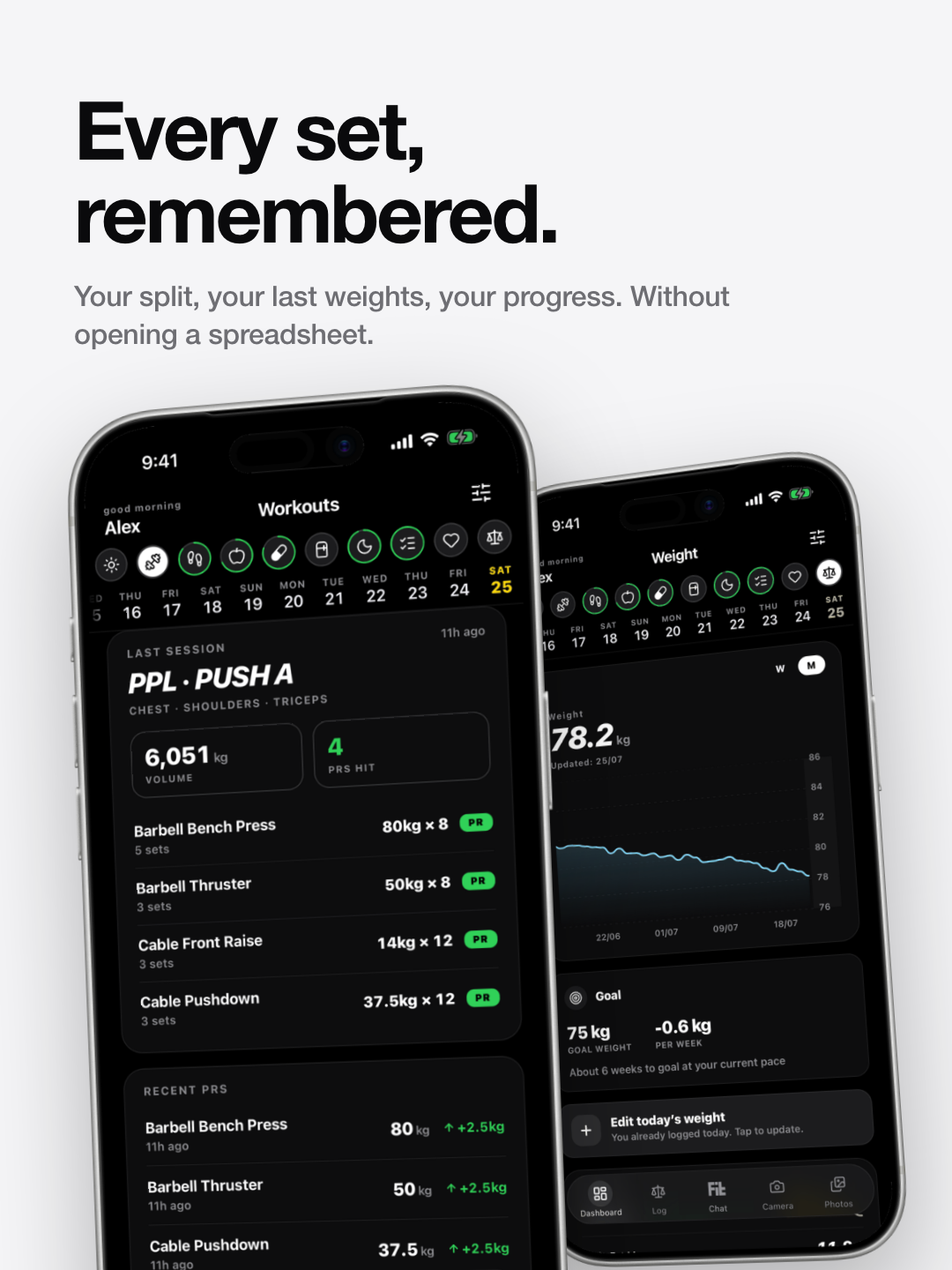
Instead of manually maintaining workout logs, I started typing my workouts into ChatGPT just so I could remember what I had done.
It was incredibly convenient.
I could simply say what I had done, ask questions, get ideas, and continue the conversation.
But there was a fundamental problem.
I eventually had multiple conversations for the same project.
One chat was for nutrition. Another was for workouts. Another was for something else.
And ChatGPT isn't designed to be a dedicated fitness database that maintains a structured, consistent history of everything you do.
I realized that if I wanted something that actually worked the way I wanted, I would have to build it myself.
Building Fitgence for Myself
That is where Fitgence started.
I didn't begin by thinking about building a company or a product for thousands of people.
I built it because I needed it.
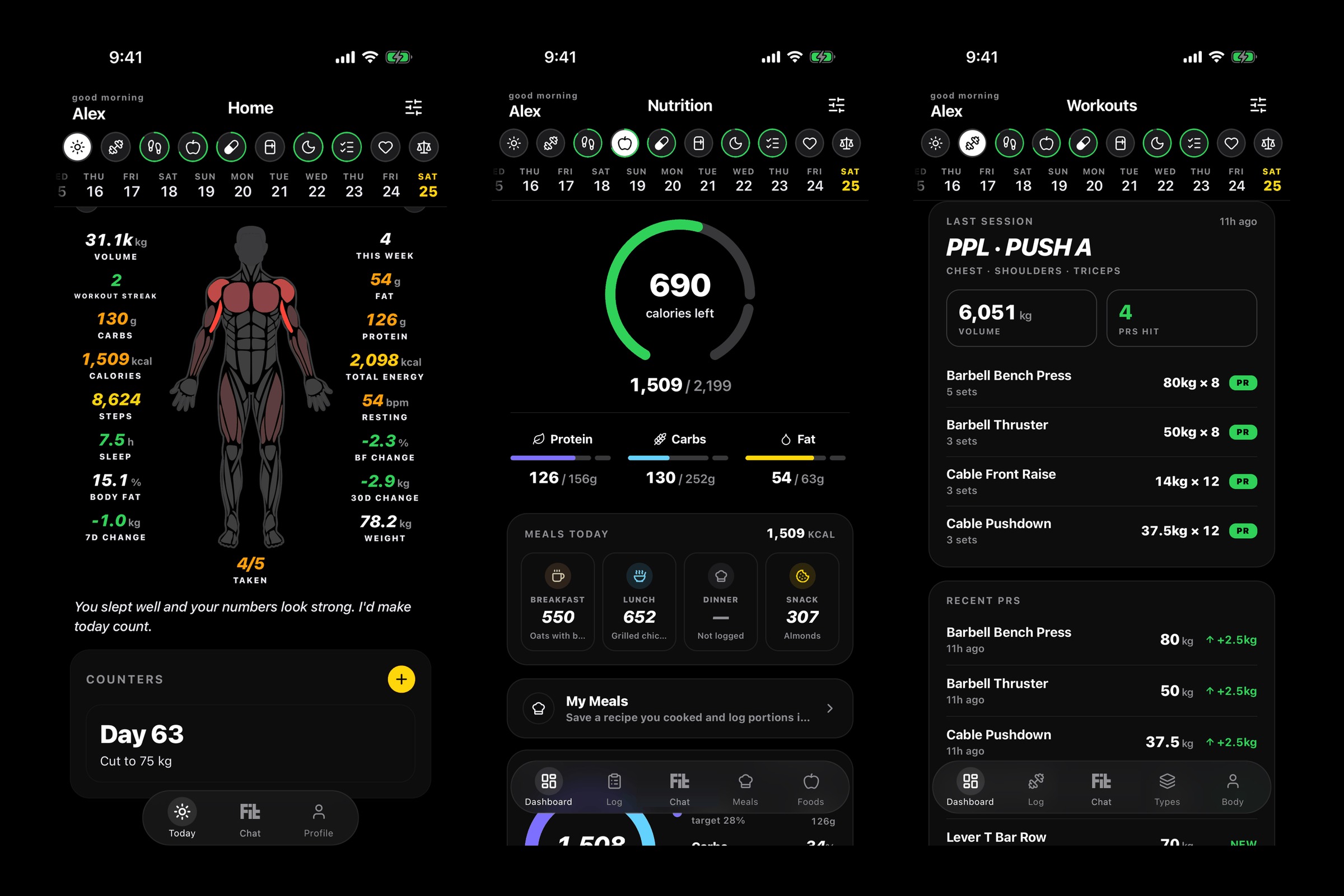
I wanted one place where I could track my fitness journey and see all of my data together.
So I started building.
The idea was simple:
What if everything related to your fitness could live in one place?
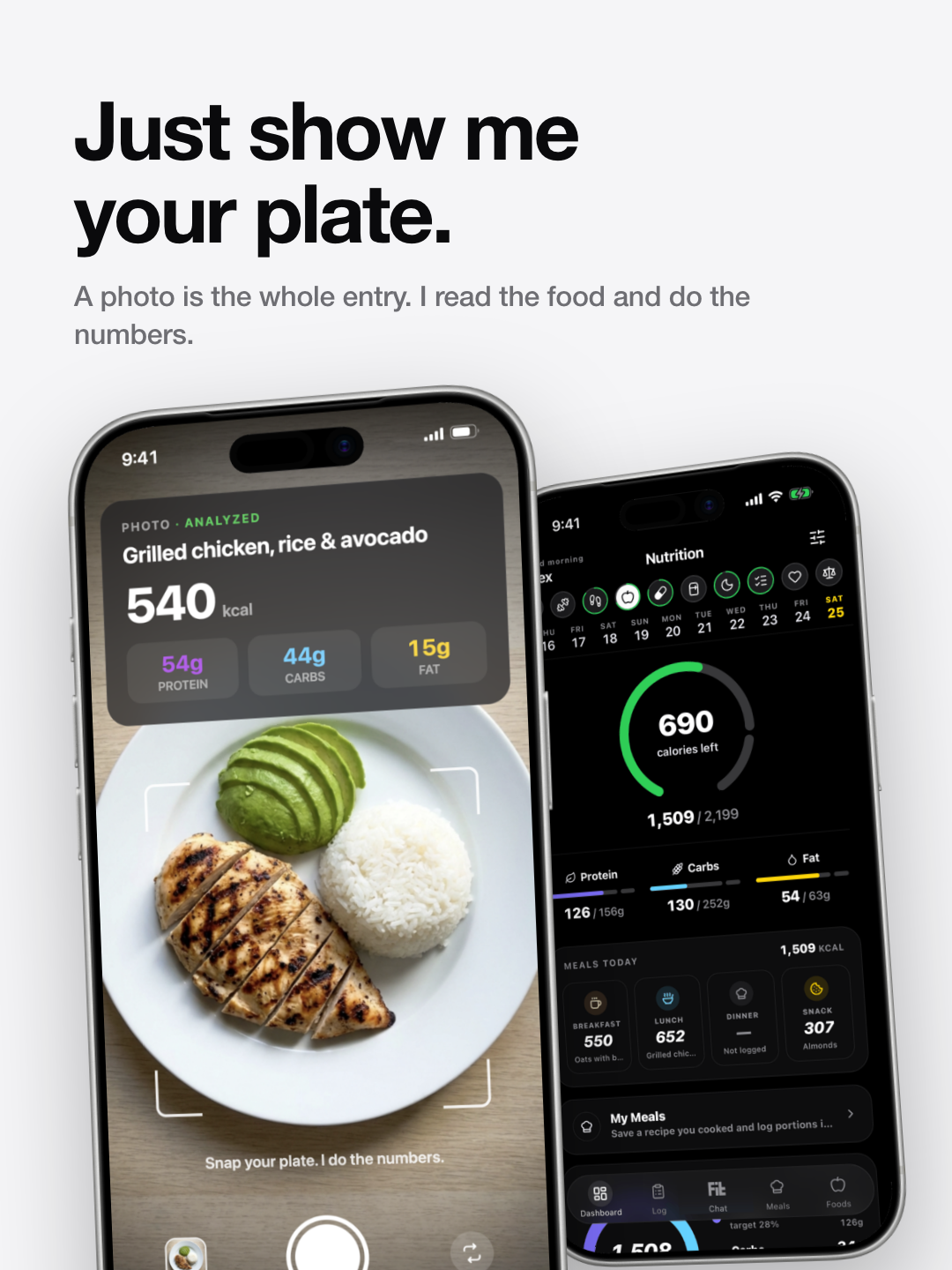
Instead of manually maintaining spreadsheets and jumping between different applications, Fitgence could bring the pieces together.
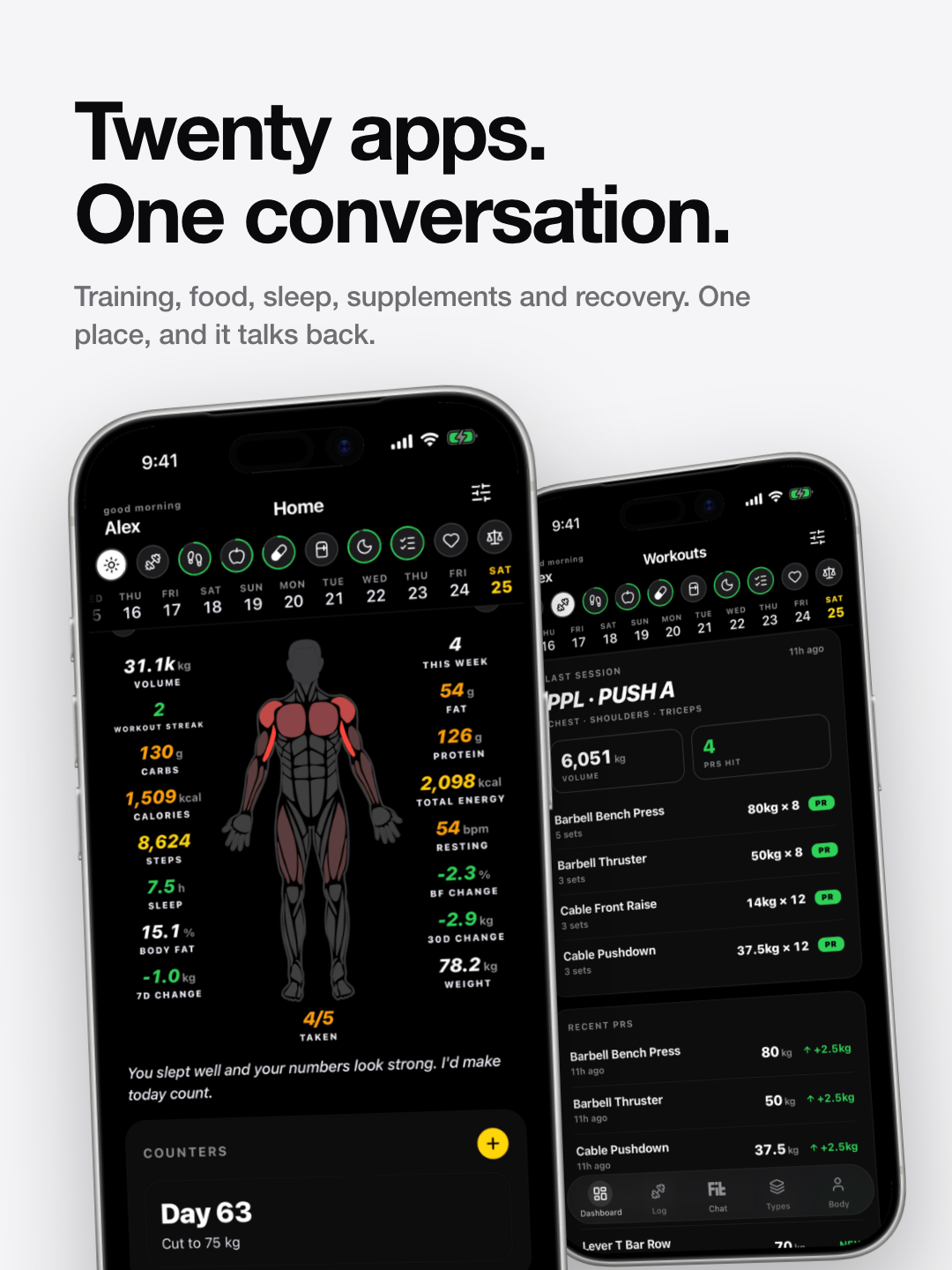
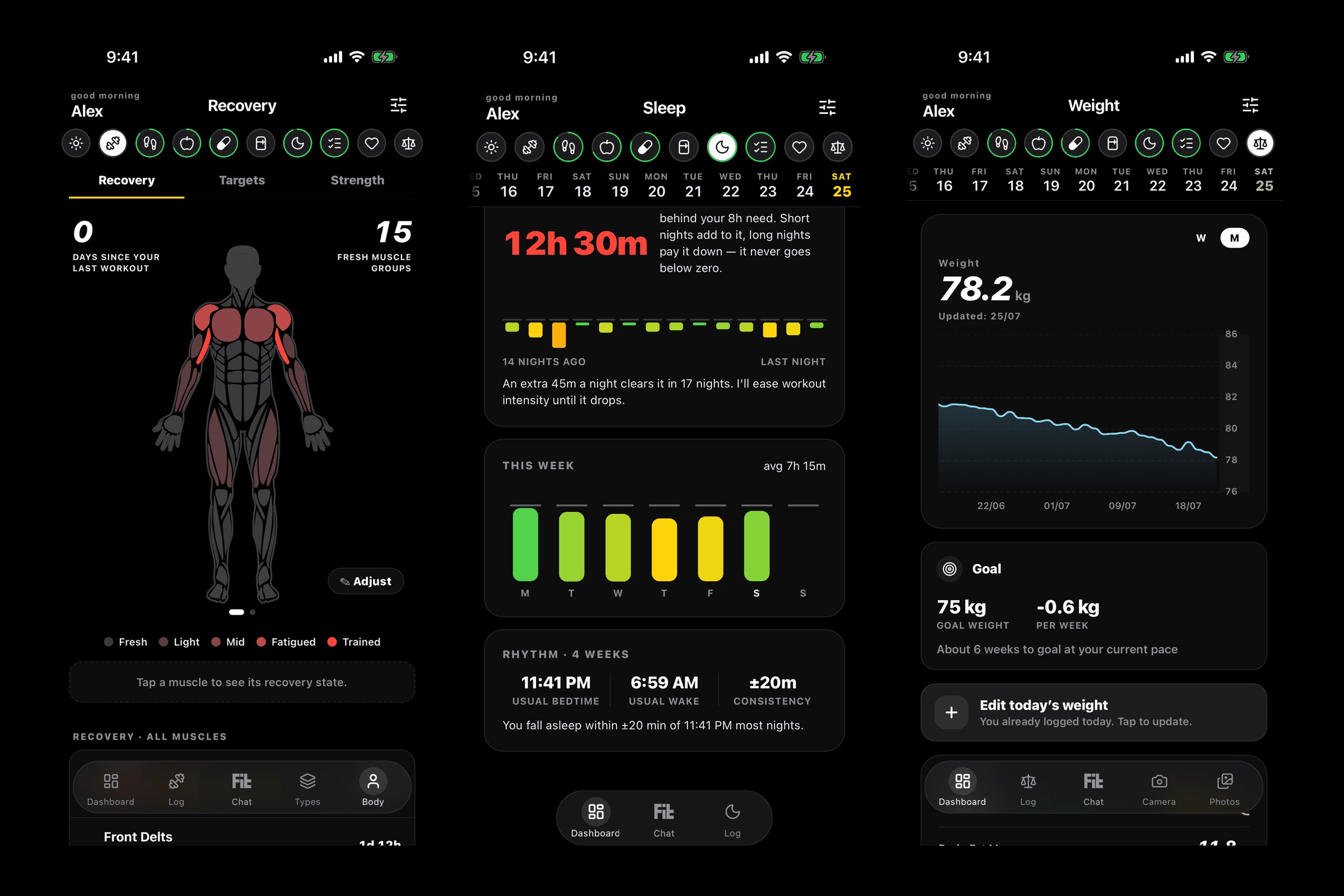
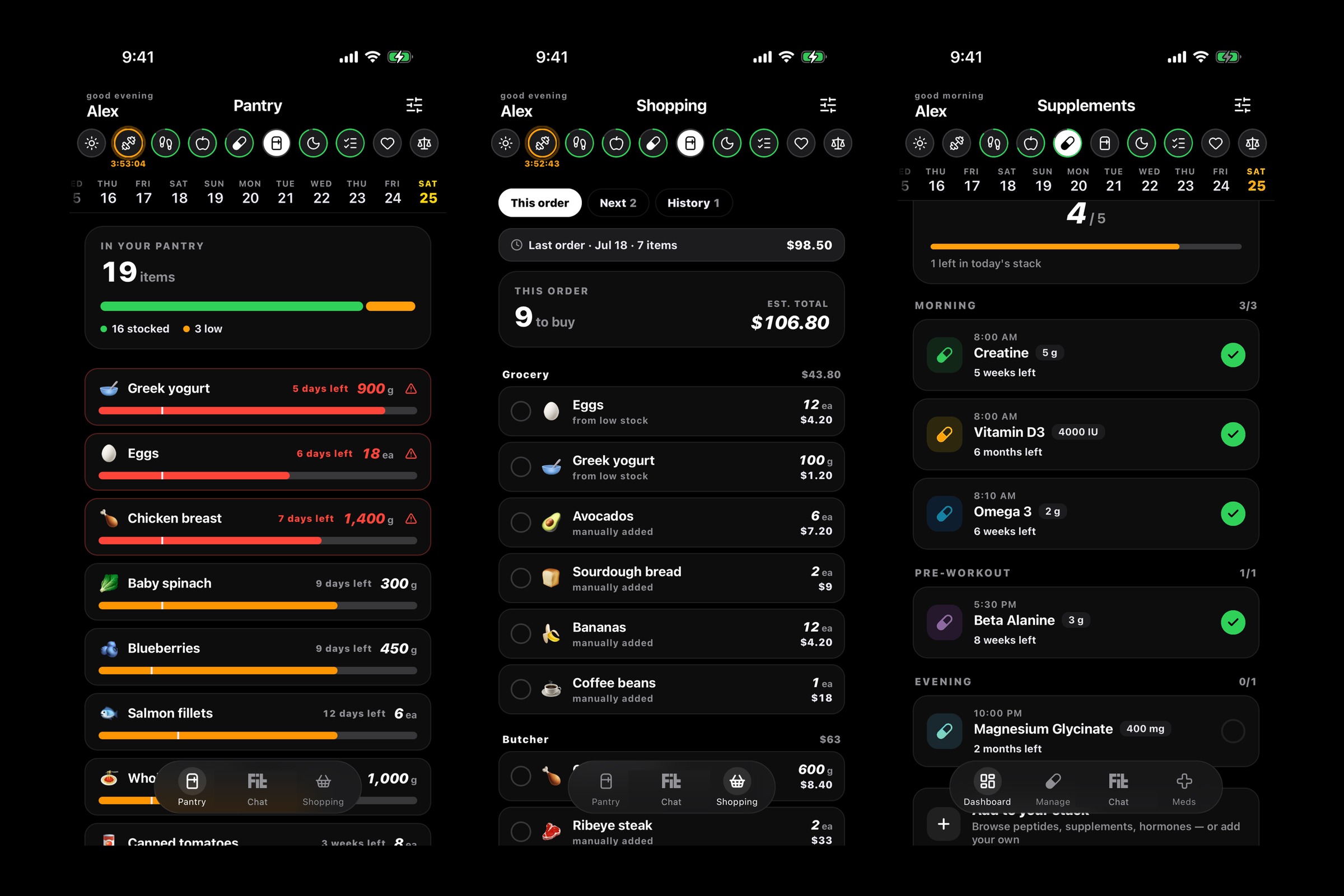
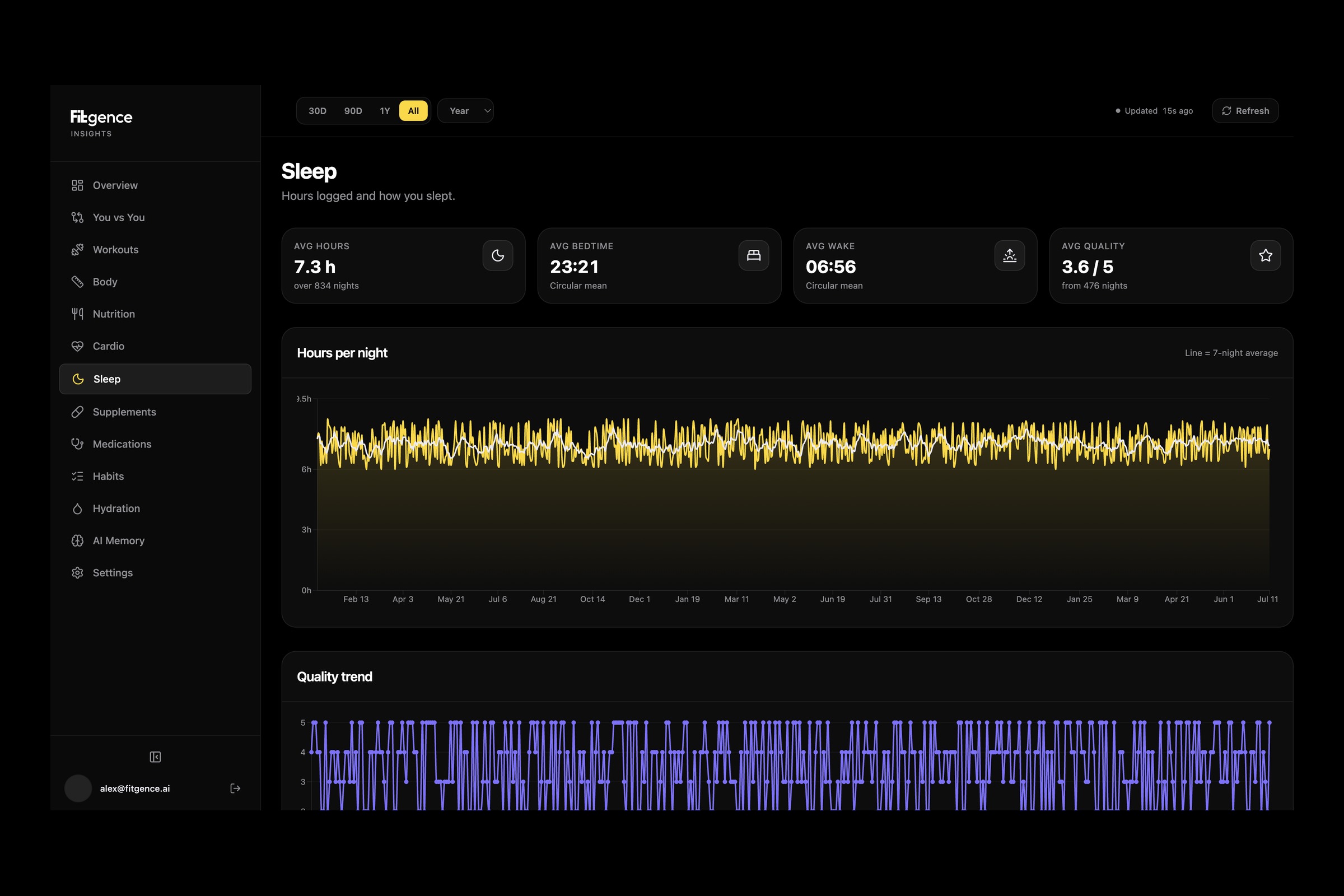
Workouts. Nutrition. Weight. Body composition. Steps. Sleep. Heart rate. Supplements. Progress.
And instead of only storing the information, the application could turn that information into something useful.
From a Personal Dashboard to Something Bigger
One of the first things I built was a dashboard for myself.
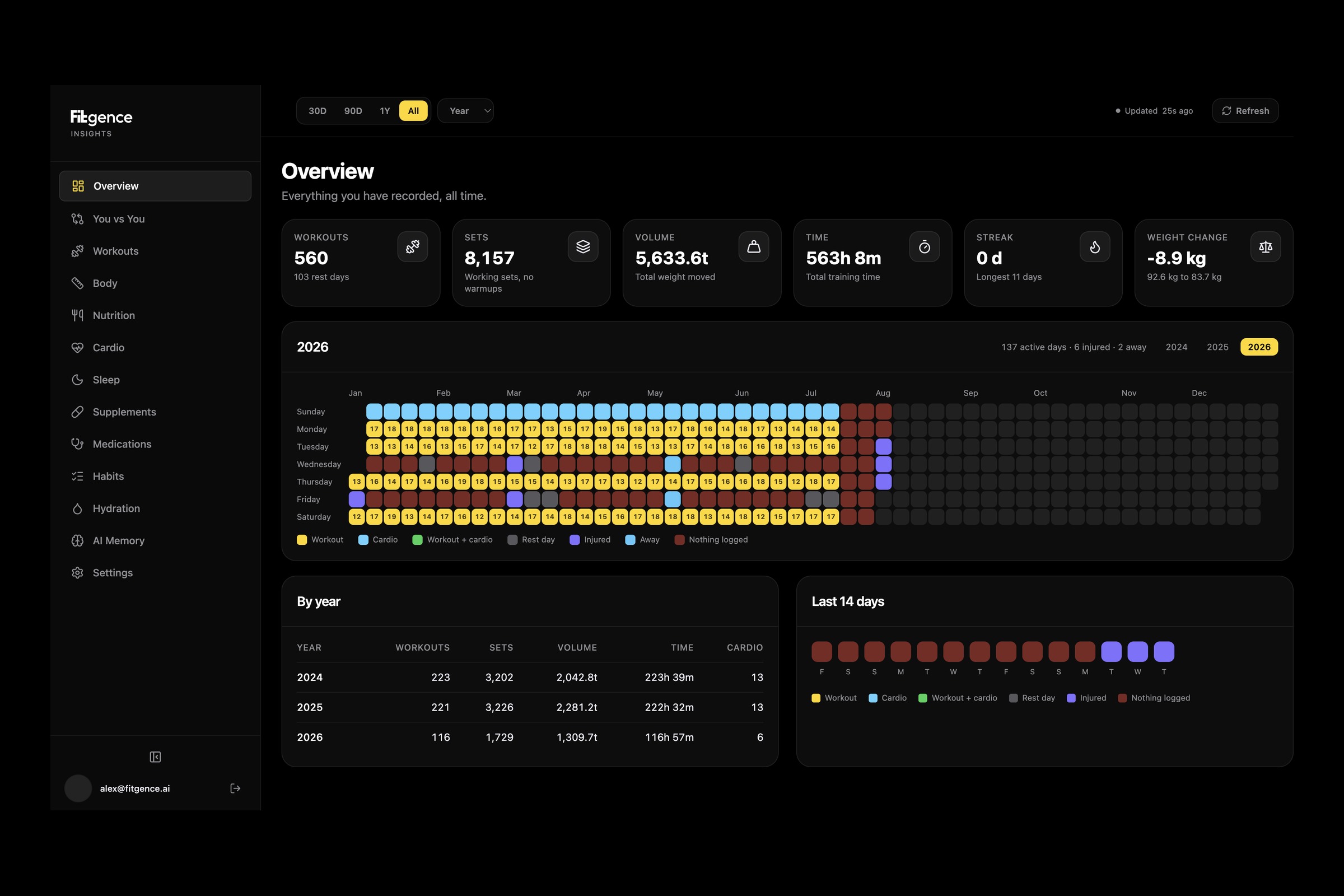
I wanted to be able to log in and immediately see my fitness journey — including my workouts across an entire year and the data behind my progress.
Then something else happened.
I was also helping my fiancé with her workouts.
So I built a separate portal where I could see what she was doing: her workouts, steps, meals, and other progress.
At first, this was simply something I built for the two of us.
But eventually, I realized there was a much bigger idea hiding inside what I had already built.
What if this wasn't just for me?
What if a trainer could use the same system to manage their clients?
That became the next evolution of Fitgence.
Turning Fitgence Into a Trainer Platform
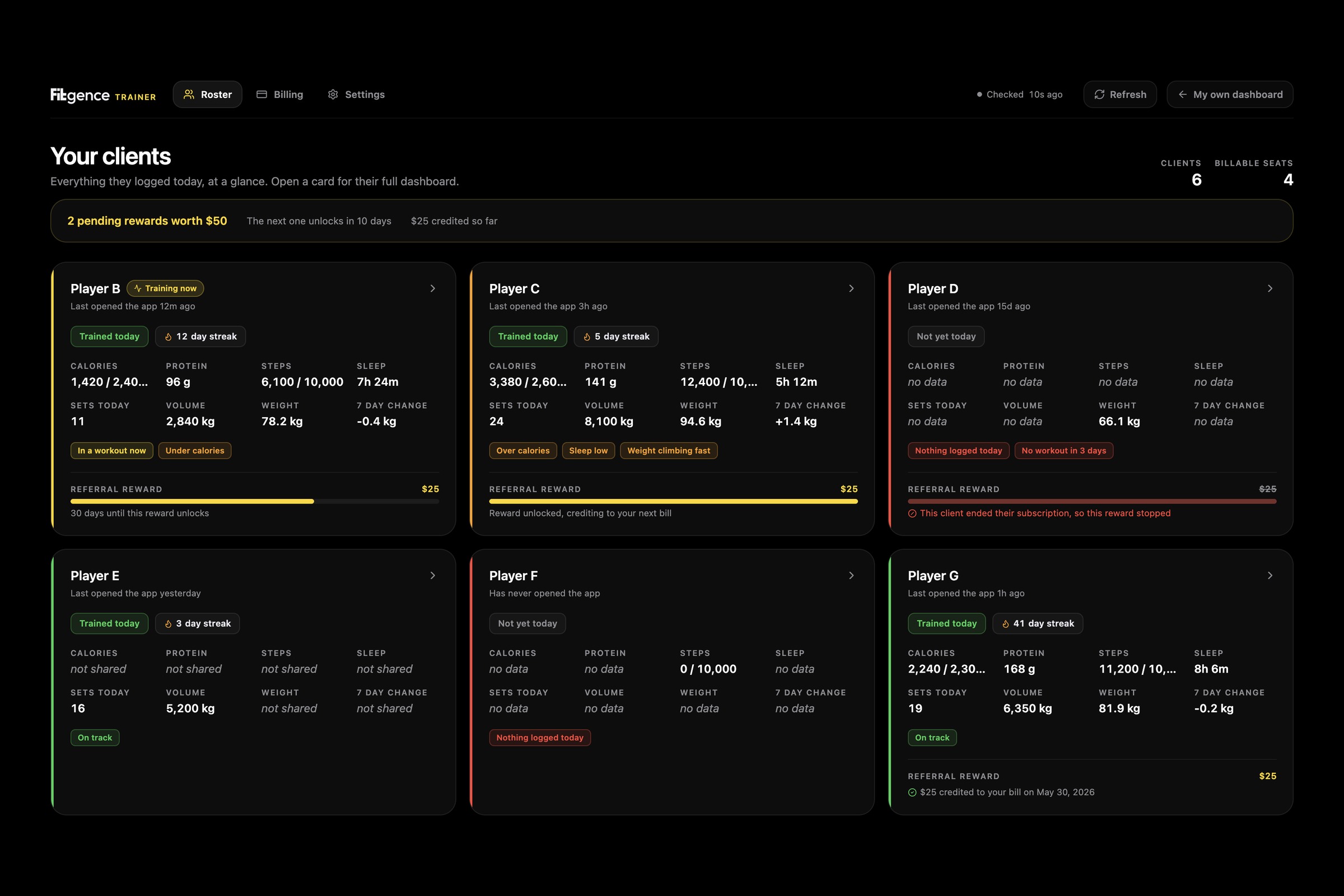
I transformed the personal dashboard into a trainer portal.
The idea is that a trainer shouldn't have to constantly message a client:
"What did you do today?"
Instead, the client can log their information inside Fitgence, while connected wearables can automatically provide additional data such as steps, sleep, and heart rate.
The trainer can then view that information from their own dashboard.
They can monitor workouts, nutrition, activity, progress, weight, body composition, and other metrics — even when their clients are somewhere else in the world.
The trainer can also create and tailor workouts and meal plans for their clients while having their progress and activity available in one place.
What started as a personal fitness tracker became something much bigger:
a connected fitness platform for both individuals and trainers.
How I Built It
The development process was very much a learning experience for me.
I started with my own requirements and built features as I personally needed them. Then I tested them in real life, found problems, changed things, and continued building.
Instead of trying to design the perfect product from day one, I focused on solving one problem at a time.
The application evolved roughly like this:
Personal tracking
       ↓
Fitness dashboard
       ↓
Shared tracking for my fiancé
       ↓
Client monitoring
       ↓
Trainer portal
       ↓
Production application
Each stage came from a real problem I encountered while using the previous version.
And Here I Am Now...
At some point, I stopped counting features and started counting something else: code, commits, builds, and releases.
As of now, Fitgence has grown to:
- 1,144,361 lines of code
- 4,949 source files
- 14,344 commits across all branches
- 57 native iOS builds
- 209 OTA releases published to production
And there is a funny story behind those last two numbers.
Early on, I learned the hard way that rebuilding and shipping a native iOS build for every small change was not exactly the most efficient way to work.
So I learned about OTA (Over-the-Air) updates and started using them for changes that didn't require a new native build.
That led to 57 native iOS builds and, so far, 209 OTA releases to production.
For the technical people reading this: yes, I eventually learned how to stop shipping a new native build every time I changed something. 😂
These numbers aren't meant to say that more code or more commits automatically means a better product.
They simply show how far this project has come from the first version I built for myself.
The Biggest Challenge
The biggest challenge wasn't simply writing code.
It was figuring out how all of these different pieces of information should work together.
Fitness data is complicated because everything is connected.
A workout affects performance. Nutrition affects recovery. Sleep affects performance. Activity affects energy expenditure. Body weight changes over time. Wearables continuously generate new data.
I had to think about how to structure all of this information so that it could be useful to both an individual user and a trainer.
Another challenge was moving from something I built specifically for myself into something that could actually work as a production application for other people.
That meant thinking about things I didn't have to worry about when it was just my personal project: different users, different workflows, permissions, dashboards, client/trainer relationships, data organization, and making the experience understandable to someone who wasn't me.
What I Learned
The biggest thing I learned from building Fitgence is that building something for yourself is completely different from building something for other people.
When you're the only user, you already know exactly what everything means.
When you build for other people, every interaction has to make sense without you standing next to them explaining it.
I also learned that you don't need to start with a massive idea.
Fitgence started with a very simple thought:
"I wish all of my fitness data was in one place."
I built that for myself.
Then I built something for my fiancé.
Then I realized trainers could use it.
And that's how the project grew.
What's Next?
Fitgence is currently V1, and there is still a lot I want to improve.
I want to continue refining the user experience, expanding integrations, improving the analytics, and making the platform smarter and more useful for both individuals and trainers.
This is still the beginning.
But I'm excited about what it has become.
What started as a personal attempt to escape endless spreadsheets, scattered apps, notes, and ChatGPT conversations has turned into a complete fitness platform that I can actually share with other people.
Why I Built It
At the end of the day, Fitgence exists because I was the person who needed it first.
I built the product I wished existed.
Now I want to see if it can help other people the same way it helped me.
And for the developers and tech people looking at this project:
please go easy on me. 😂
I'm still learning, this is V1, and I know there is a lot more to improve.
But I built it, I use it, and I'm going to keep building.
Built With
- claude
- eas
- expo.io
- express.js
- healthkit
- livekit
- native
- node.js
- postgresql
- railway
- react
- revenuecat
- router
- sentry
- skia
- supabase
- swift
- swiftui
- typescript
- update
- vercel
- vite
- watchos
- widgetkit


Log in or sign up for Devpost to join the conversation.