-
-
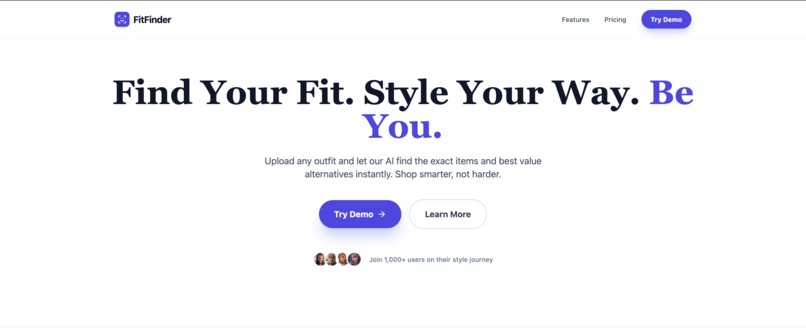
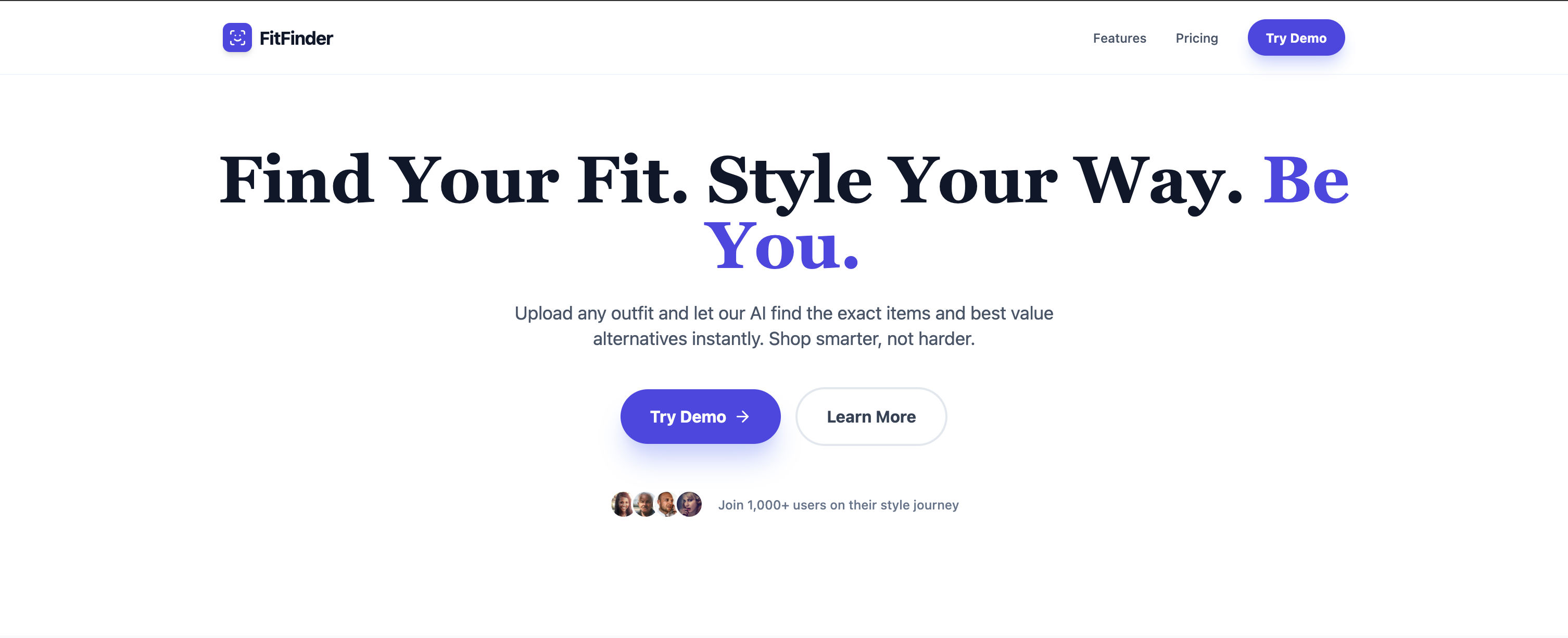
Landing Page
-
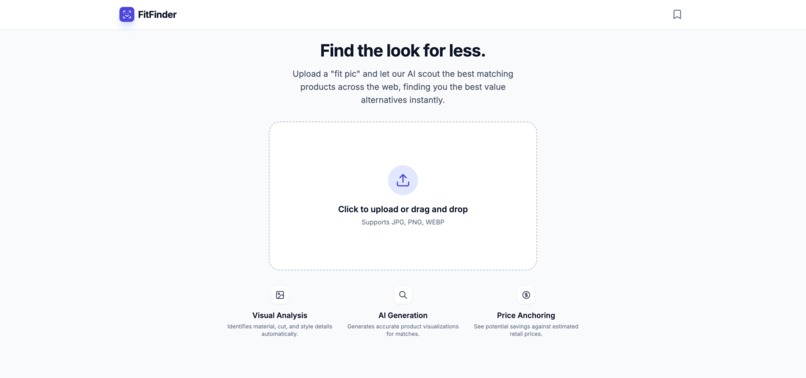
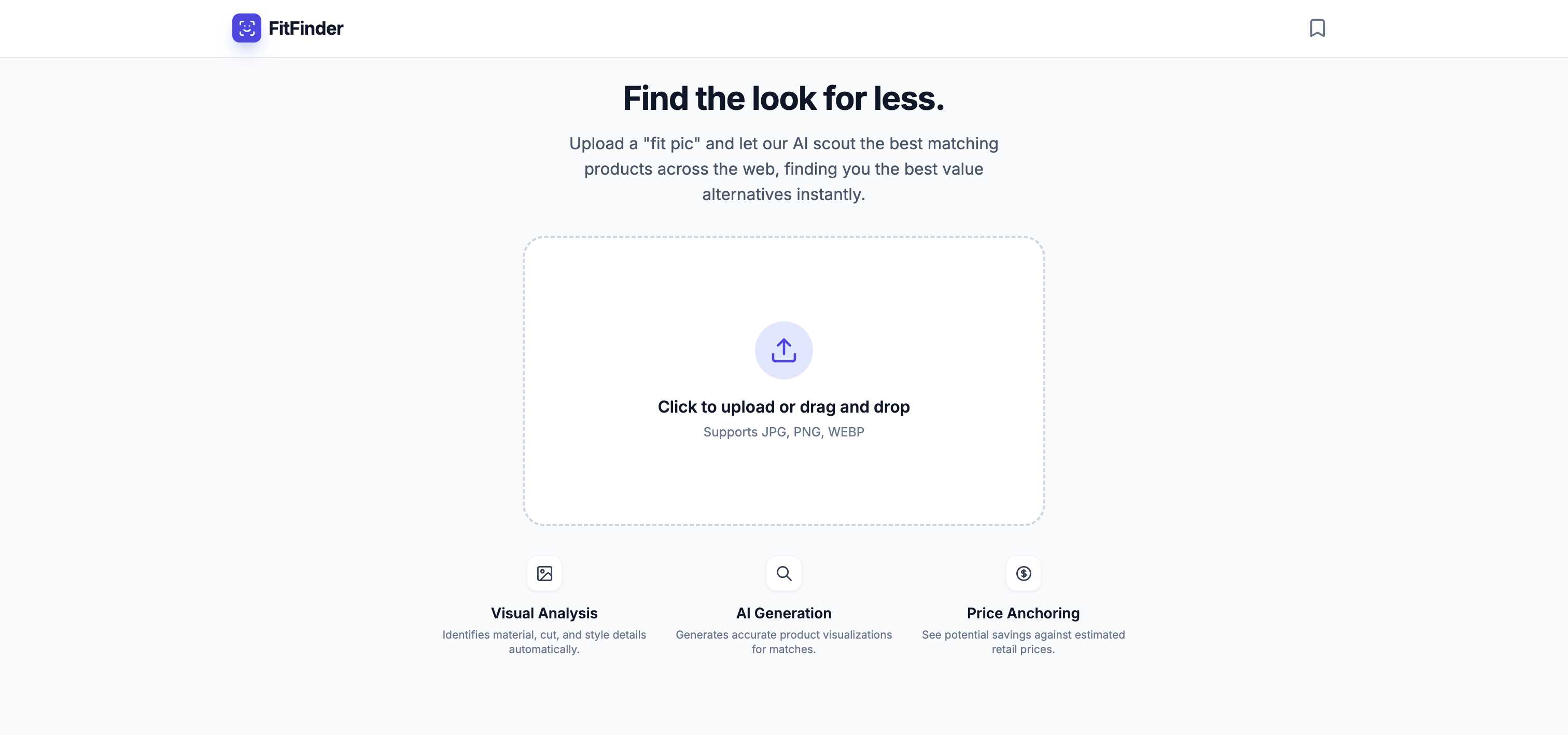
Demo Page
-
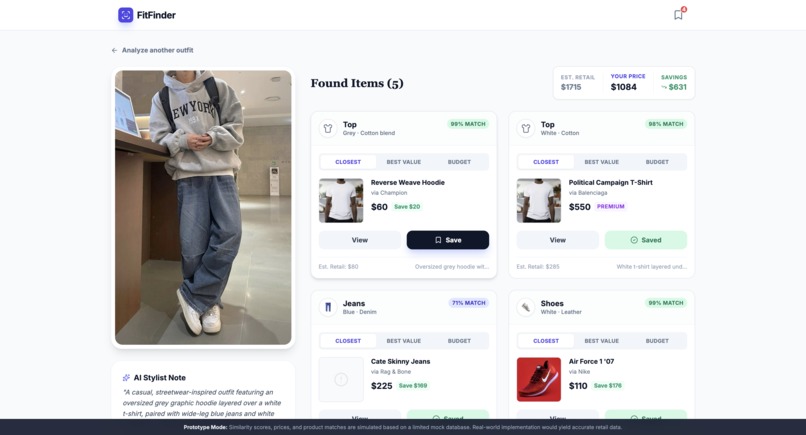
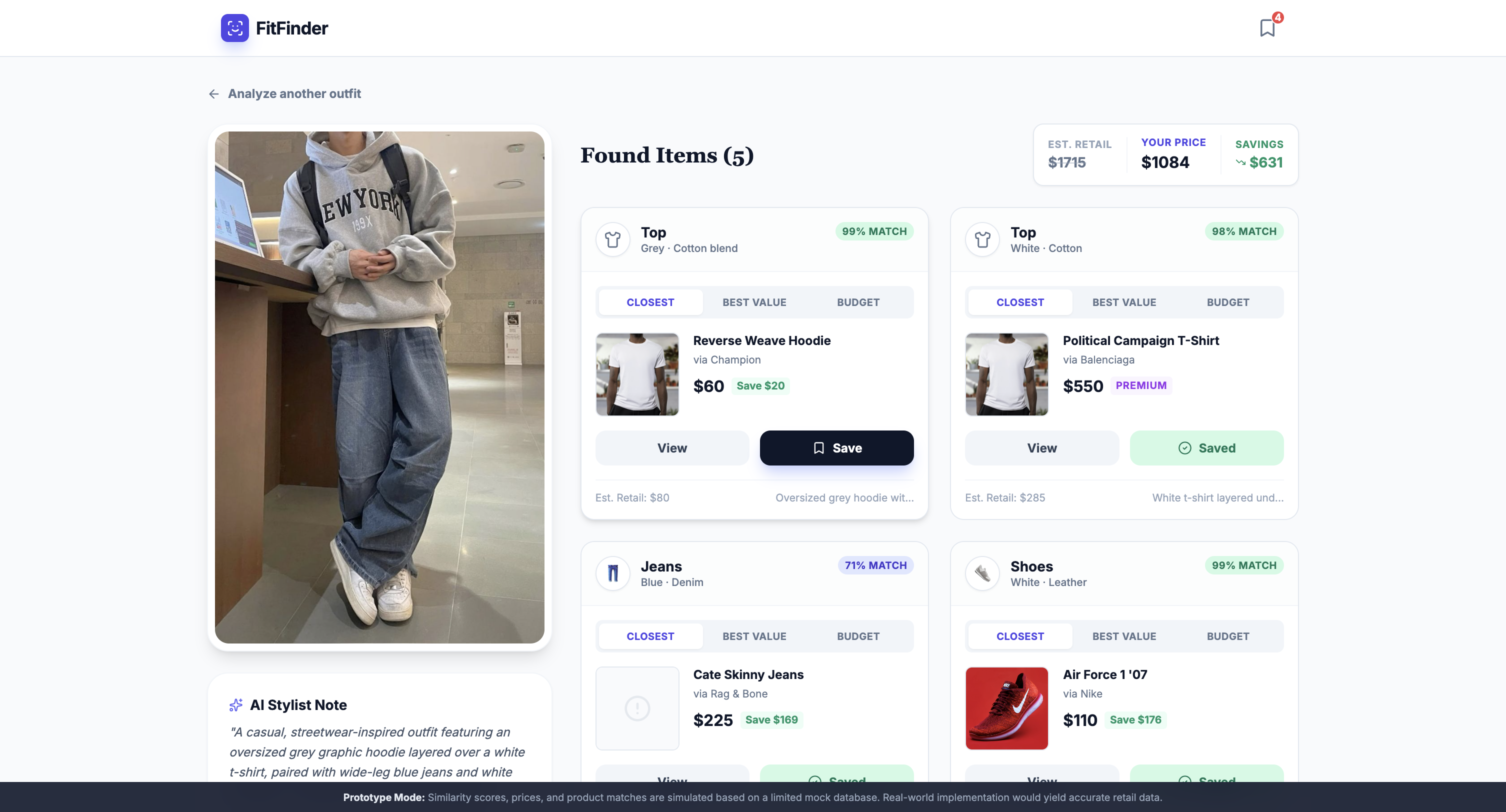
Items Page
-
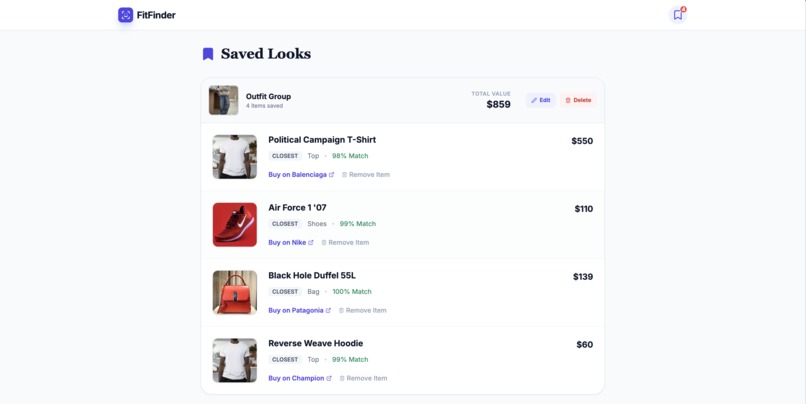
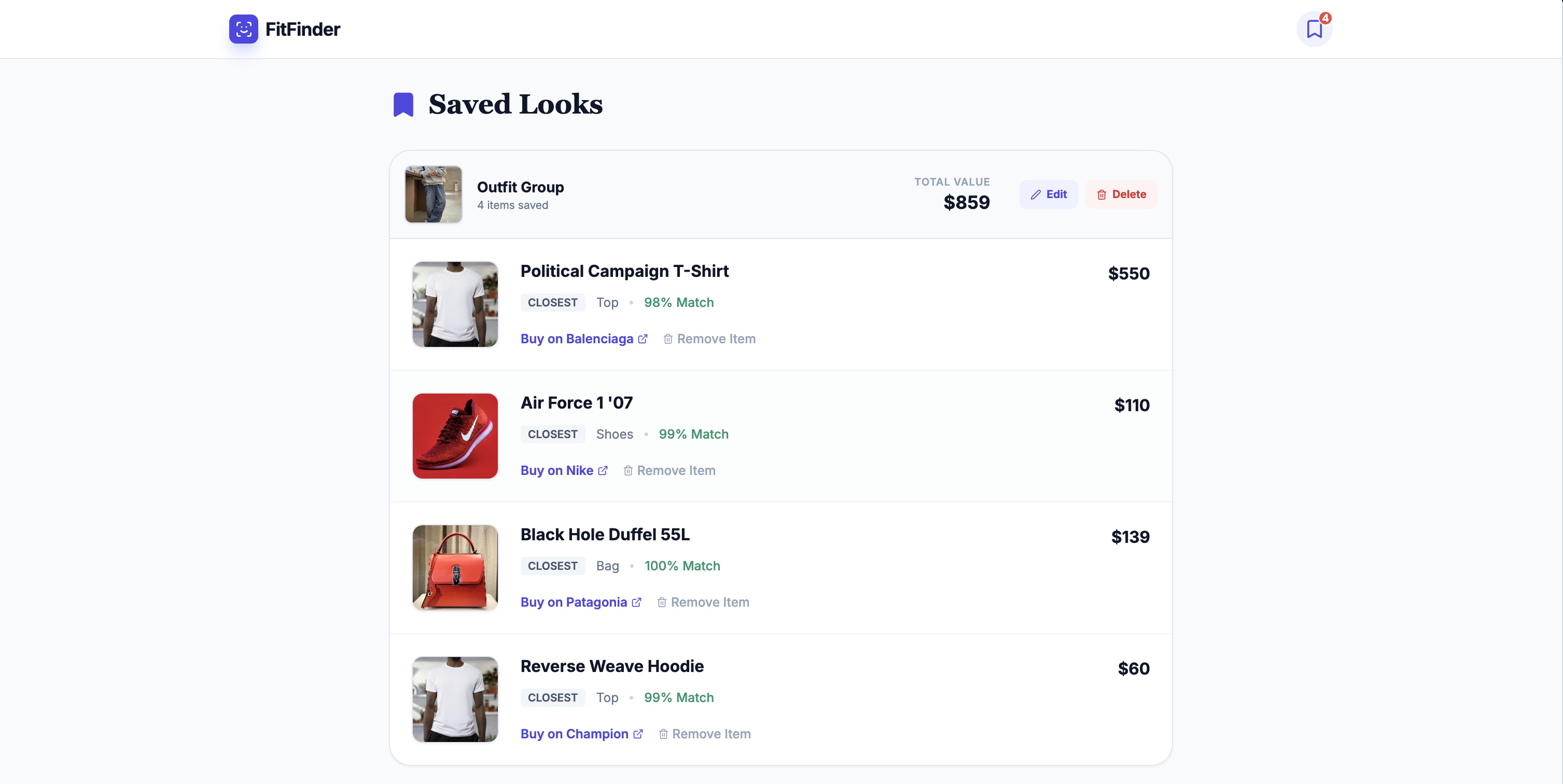
Saved Looks Page
Inspiration
FitFinder was inspired by how often people see outfits online — on Pinterest, Instagram, or fashion influencers — and want to recreate them but don’t know where to start. Finding each clothing item manually is time-consuming and frustrating. I wanted to build something that removes that friction and makes fashion discovery faster and more accessible.
What it does
FitFinder allows users to upload a photo of an outfit (“fit pic”). The system analyzes the image using Gemini multimodal vision capabilities to detect clothing items such as jackets, tops, pants, shoes, and accessories. For each detected item, FitFinder finds:
- Closest Match → visually most similar
- Best Value → best balance of similarity and price
- Budget Pick → cheapest acceptable match Users can save items into an outfit cart and visit partner store links to purchase.
How we built it
FitFinder was built primarily using Google AI Studio with Gemini 3 Pro Preview. Key components:
- Gemini multimodal vision → clothing detection
- Gemini embeddings → product similarity search
- Mock vector product database → realistic prototype catalog
- AI Studio app environment → full prototype UI and logic The entire prototype runs inside AI Studio to maximize speed of iteration and demonstration quality.
Challenges we ran into
The biggest challenge was understanding and designing the full pipeline:
- Vision detection → structured item data
- Embeddings → vector similarity search
- Re-ranking → choosing closest, best value, and budget options Another challenge was balancing realism vs hackathon scope. Instead of using real retail databases, we built a high-quality mock catalog that still demonstrates real-world behavior.
Accomplishments that we're proud of
We successfully built a working end-to-end prototype that demonstrates:
- Real image-to-product pipeline concept
- Multi-option smart product ranking
- Outfit-level cart experience
- Realistic fashion catalog simulation Even without real retail integrations, FitFinder clearly proves the idea is viable.
What we learned
This project showed that it’s easier than ever to bring ideas to life using Gemini 3 and Google AI Studio. Rapid prototyping with advanced multimodal AI allows small teams — even solo builders — to build concepts that previously required large engineering teams.
What's next for FitFinder
The long-term goal is to turn FitFinder into a real consumer application. Next steps would include:
- Real product catalog integrations
- Live price aggregation
- Affiliate commerce partnerships
- Scalable vector database infrastructure With funding and partnerships, FitFinder could become a real shopping discovery platform.

Log in or sign up for Devpost to join the conversation.