-
-
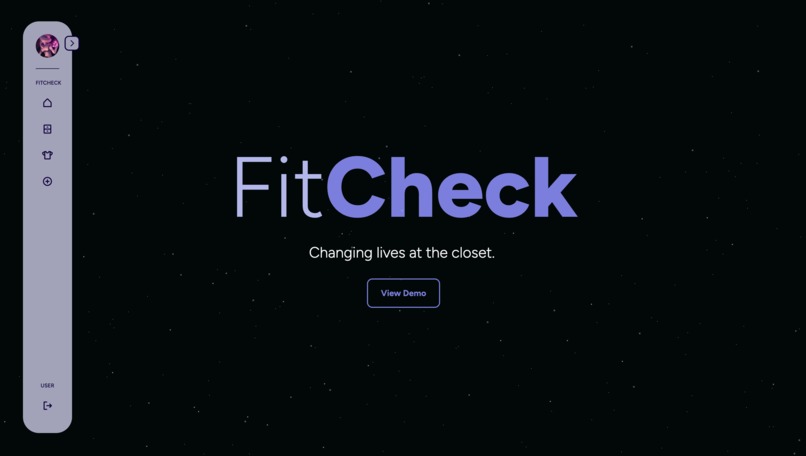
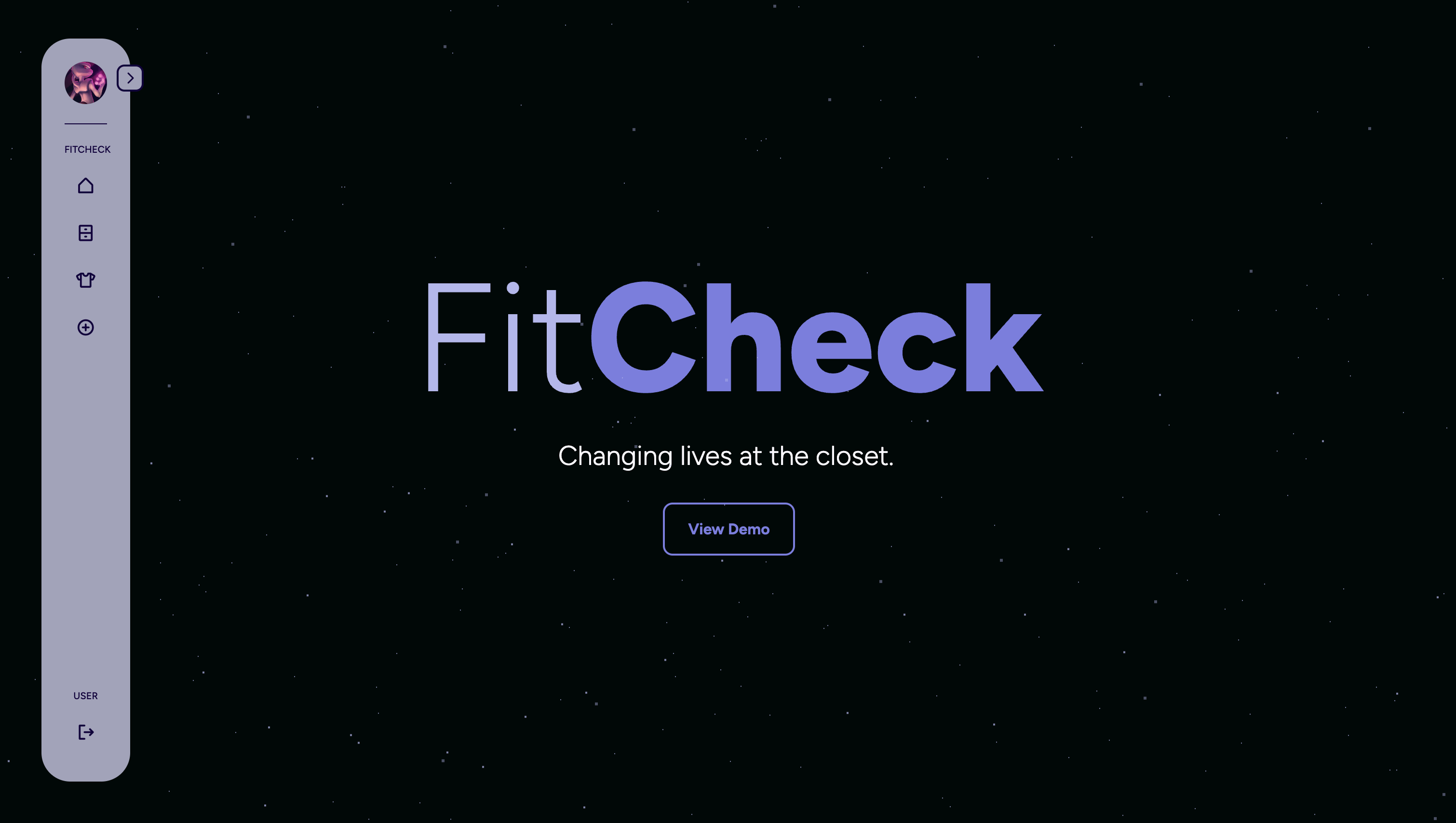
Home Page
-

User Logim Interface
-
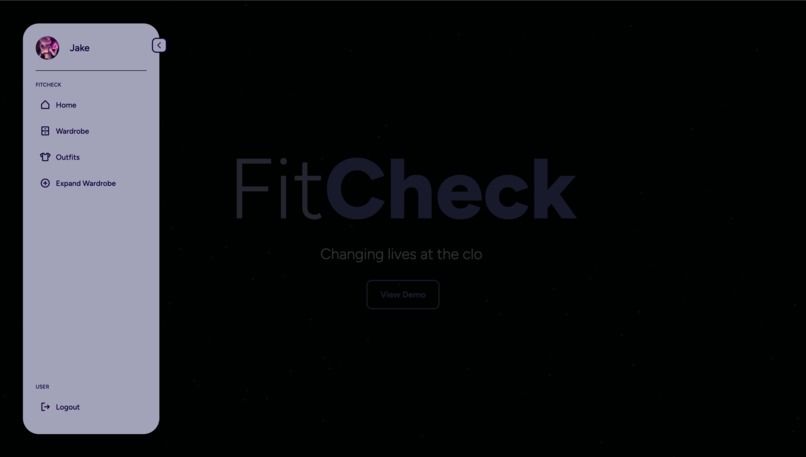
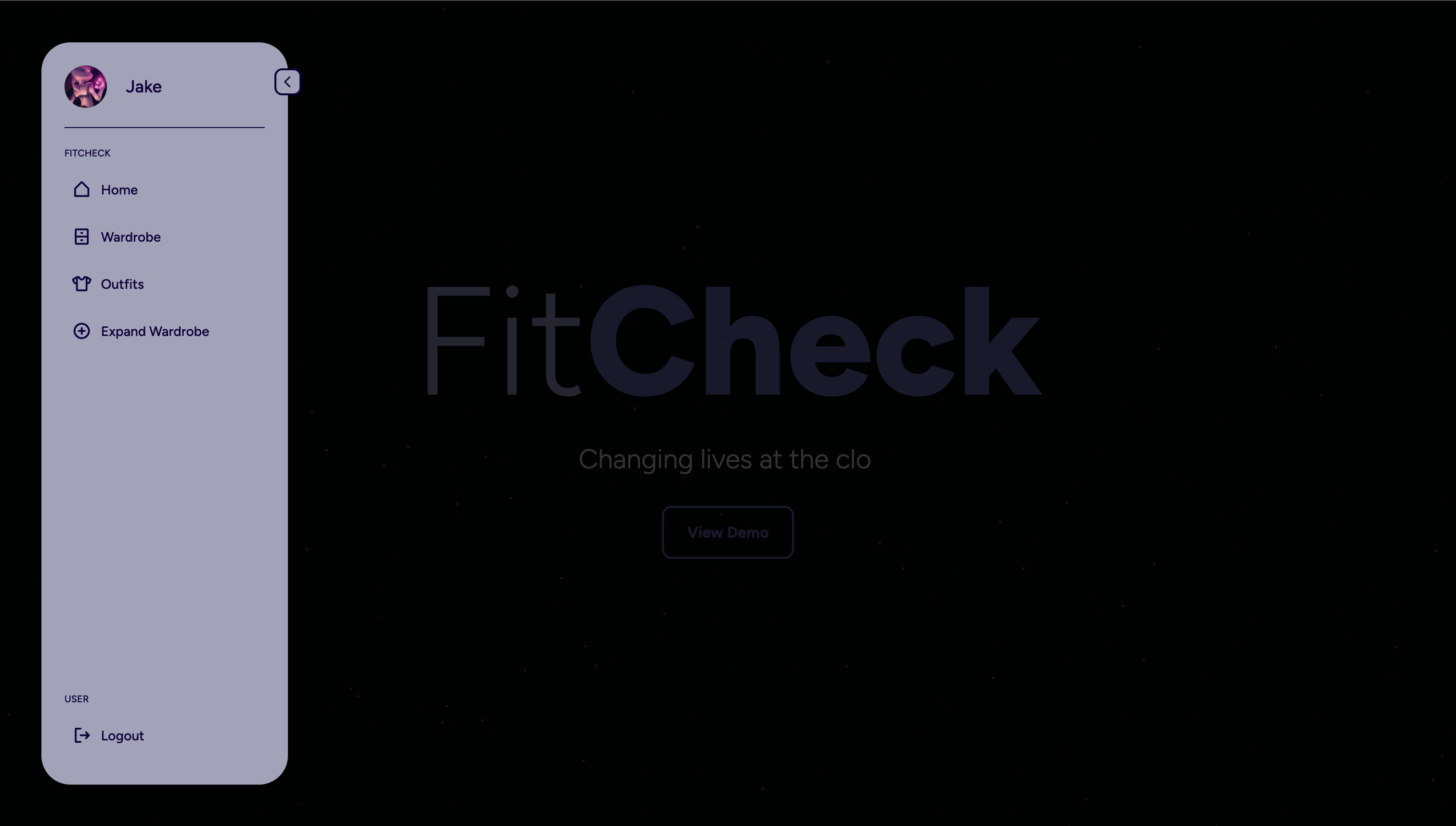
Navigation Menu
-
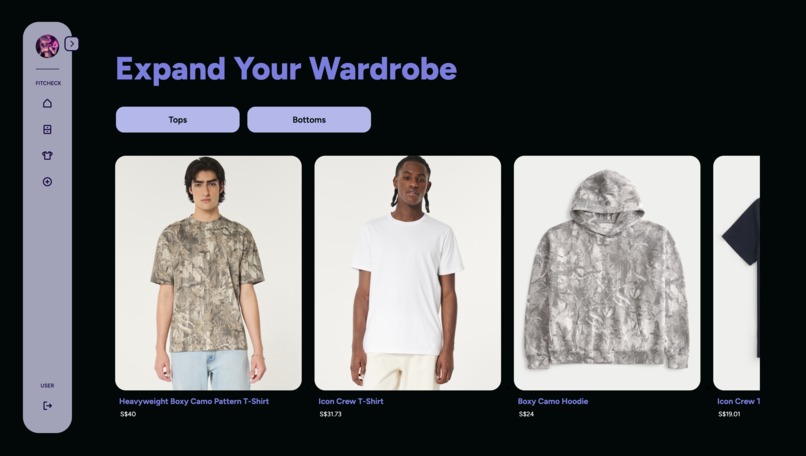
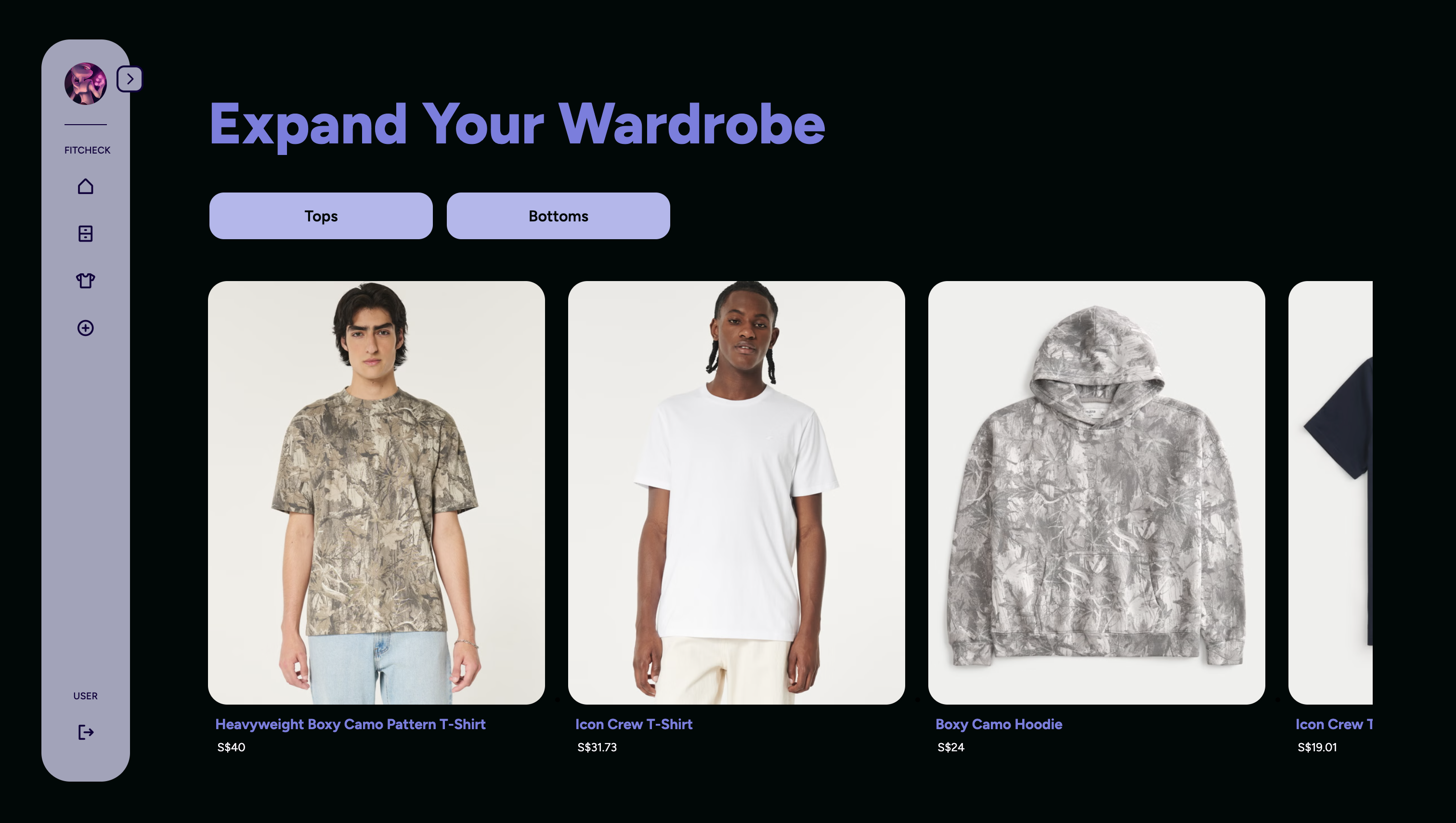
Future Expansion - Shopping Suggestions
-
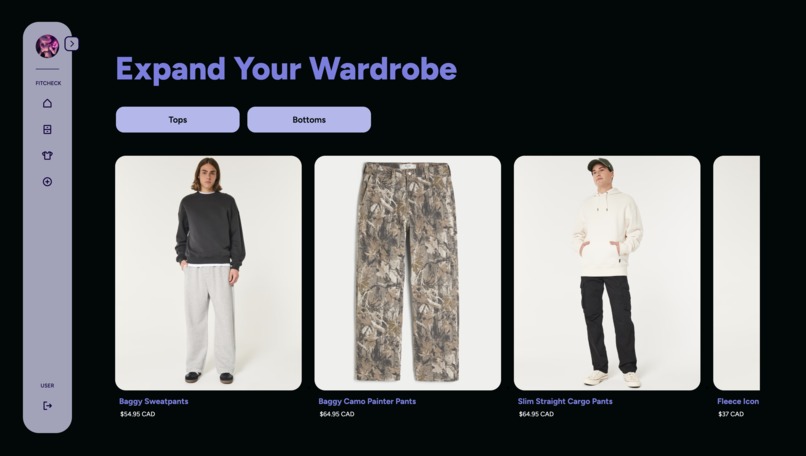
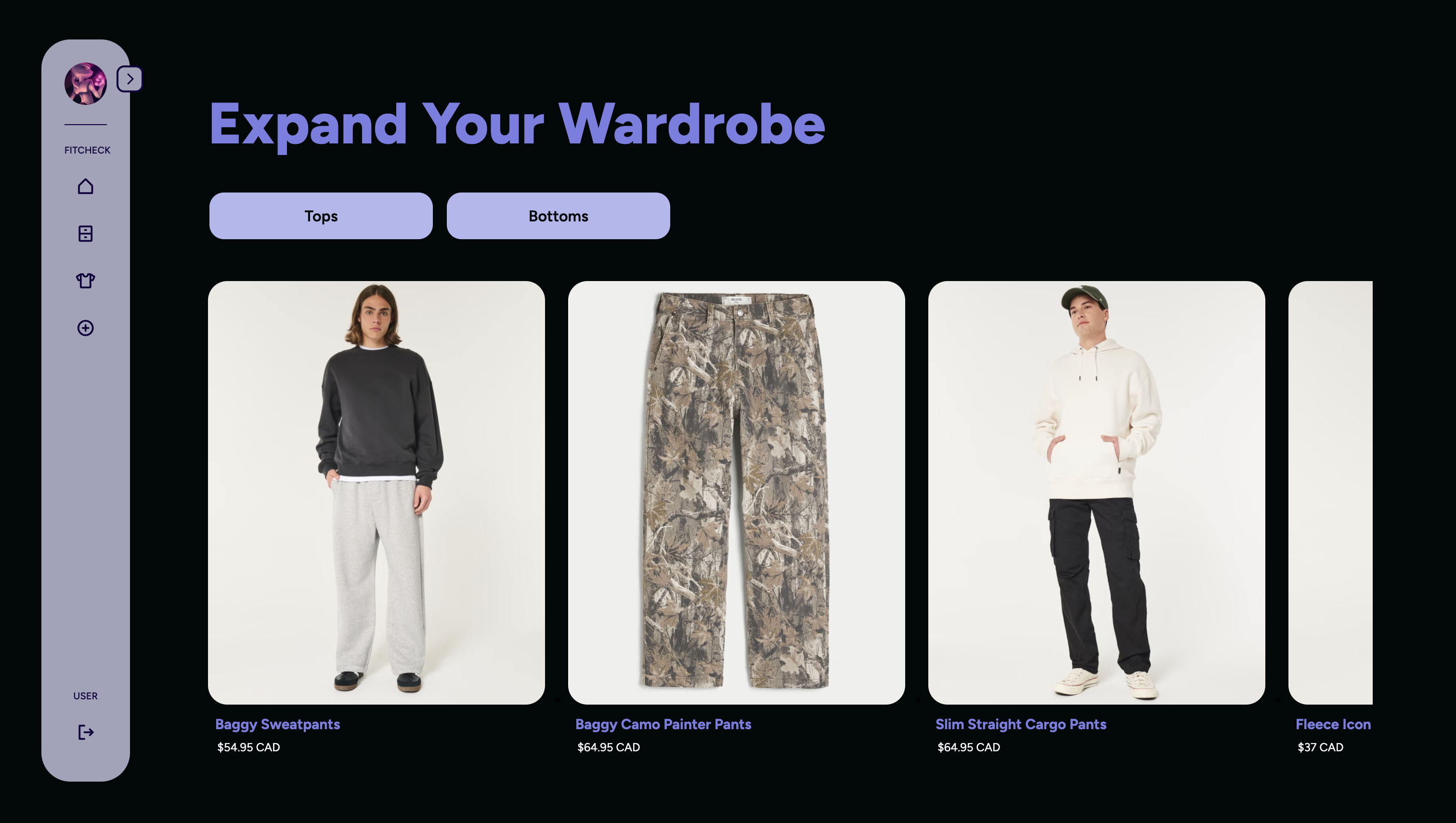
Future Expansion - Shopping Suggestions

Inspiration
Imagine never having to second-guess your outfit choices again. With our AI wardrobe fit checker, you can unlock the full potential of your wardrobe effortlessly. Powered by advanced AI, our solution analyzes your clothing and delivers personalized recommendations based on style, color coordination, and occasion. Whether you're dressing for work, a night out, or just looking to refresh your look, our tool simplifies decision-making and elevates your fashion game. Say goodbye to indecision and hello to confident, stylish outfits—perfectly tailored for you in seconds.
What it does
Our AI wardrobe fit checker scans and analyzes the clothes in your wardrobe, providing personalized outfit recommendations based on your style preferences, color coordination, and the occasion. It uses advanced algorithms to suggest combinations that complement your existing items, ensuring you always look your best. Whether you're dressing for a casual day, a business meeting, or a special event, the AI helps you make smart, stylish choices effortlessly. It also learns from your past selections, refining its recommendations to suit your evolving fashion sense.
How we built it
To build the AI wardrobe fit checker, we used Python as the core programming language and Groq to accelerate the model's performance. OpenCV was implemented to handle the image processing, allowing the AI to detect and analyze clothing items' visual attributes such as color, texture, and patterns. PyTorch was employed for training and fine-tuning the convolutional neural network (CNN) used for identifying fashion features. Flask was utilized to create a user-friendly web interface, where users can upload images of their wardrobe and receive outfit suggestions in real-time. The system integrates these technologies to offer a fast, scalable solution for generating personalized outfit recommendations.
Challenges we ran into
Image processing challenges using OpenCV, particularly in accurately detecting and analyzing clothing features like color and texture from user-uploaded images.
Performance optimization while integrating Groq to ensure faster model inference, as the initial implementation was slower than expected.
Fine-tuning the PyTorch model to properly identify fashion attributes, requiring adjustments to the convolutional neural network (CNN) for more accurate results.
Building a user-friendly interface with Flask, where creating a smooth real-time experience for users uploading wardrobe items and receiving recommendations took multiple iterations.
Integration issues between components such as PyTorch, OpenCV, and Flask, which initially caused bottlenecks and inconsistencies in how recommendations were generated.
Accomplishments that we're proud of
Image processing challenges using OpenCV, particularly in accurately detecting and analyzing clothing features like color and texture from user-uploaded images.
Performance optimization while integrating Groq to ensure faster model inference, as the initial implementation was slower than expected.
Fine-tuning the PyTorch model to properly identify fashion attributes, requiring adjustments to the convolutional neural network (CNN) for more accurate results.
Building a user-friendly interface with Flask, where creating a smooth real-time experience for users uploading wardrobe items and receiving recommendations took multiple iterations.
Integration issues between components such as PyTorch, OpenCV, and Flask, which initially caused bottlenecks and inconsistencies in how recommendations were generated.
What we learned
Importance of image processing accuracy: Using OpenCV effectively required fine-tuning to ensure the AI correctly analyzes clothing features like texture and color, highlighting the need for precise image handling.
Optimizing performance with Groq: Groq significantly improved the model's performance, but we learned that balancing model complexity with computational efficiency is crucial for real-time applications.
Model fine-tuning is key: While working with PyTorch, we realized that even small adjustments to the convolutional neural network (CNN) can dramatically impact the accuracy of fashion attribute detection.
User experience matters: Building the Flask interface taught us how important it is to focus on simplicity and ease of use, ensuring the process of uploading images and receiving recommendations feels intuitive.
Seamless integration: We learned the value of carefully managing interactions between multiple components like OpenCV, PyTorch, and Flask, to avoid performance bottlenecks and ensure smooth operation across the entire system.
What's next for FitCheck
Enhance Model Accuracy: Continue to refine the PyTorch model to improve the accuracy of fashion attribute detection, incorporating more diverse training data and exploring advanced model architectures if needed.
Expand Feature Set: Introduce additional features such as weather-based outfit suggestions, integration with online fashion trends, or virtual try-on capabilities to make the tool even more versatile.
Improve User Interface: Further enhance the Flask interface to include features like drag-and-drop image uploads, user feedback on recommendations, and personalized style preferences.
Optimize Performance: Continue optimizing the integration between OpenCV, Groq, and PyTorch to ensure that the system remains fast and responsive, especially as new features are added.
Testing and Feedback: Conduct extensive testing with real users to gather feedback, identify any usability issues, and make necessary adjustments to improve the overall user experience.
Scalability and Deployment: Plan for scaling the system to handle a larger number of users and explore deployment options to make the tool available on different platforms or as a mobile app.

Log in or sign up for Devpost to join the conversation.