
Inspiration ✨
Finding the right products can be overwhelming—navigating endless reviews, unreliable recommendations, and products that just don’t fit. At FitCheck, we’re changing that by empowering users to make informed decisions with personalized recommendations that truly match their needs.
But it doesn’t stop there. We believe users should also earn from their engagement. Through our unique affiliate model, users get rewarded not just for buying, but for sharing their experiences, turning reviews into real value. At FitCheck, we’re making the shopping experience simpler, smarter, and more rewarding—putting users in control of both their choices and their data. 🚀
What it Does
FitCheck is a personalized recommendation engine that transforms how users discover and shop for wellness and lifestyle products, starting with skincare. Our platform combines advanced data-driven insights with user-generated content to provide accurate, tailored product recommendations. Beyond skincare, FitCheck’s model is scalable across all wellness categories, offering unique benefits to both users and brands.
For Users:
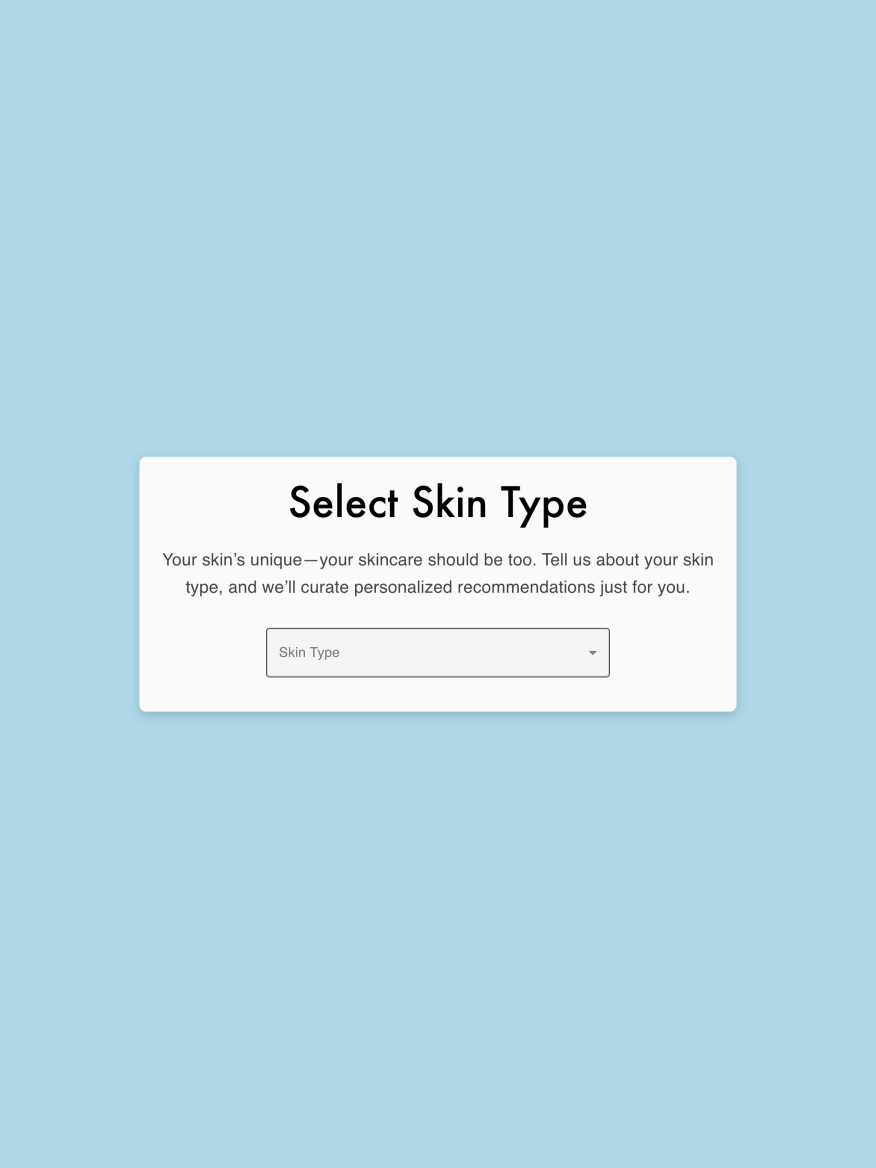
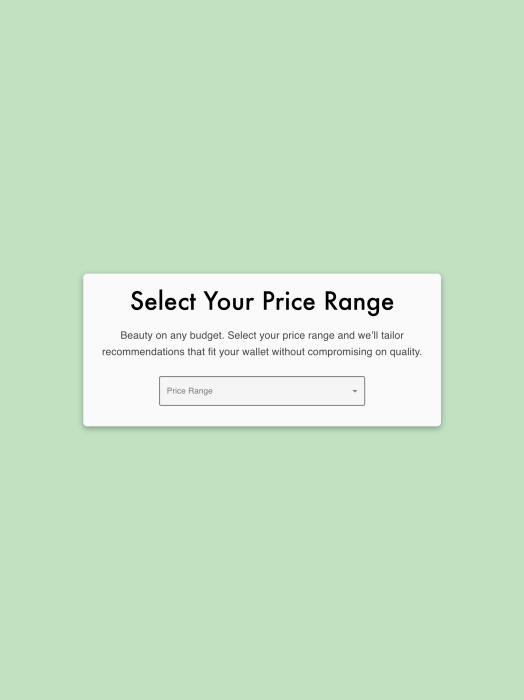
- Tailored Product Recommendations: FitCheck analyzes user input—budget, skin type, and skin concerns—to recommend the best products. We match users with products based on reviews from individuals with similar skin profiles and concerns.
- Sentiment-Driven Suggestions: Our recommendation engine uses a sentiment analysis model trained on 10,000+ reviews to surface the most relevant products with positive feedback from users like you.
- Earn with FitCheck: Users earn 50% of affiliate revenue by purchasing through FitCheck’s links and leaving reviews. You get 25% when you buy and another 25% when you return to review the product. This review-driven platform empowers users to actively contribute to refining product recommendations.
- Continuous Personalization: User feedback after purchases—such as product reviews and surveys—allows FitCheck to constantly improve the recommendation engine. As users provide more zero-party data, we refine the product match process, ensuring increasingly personalized recommendations over time.
For Brands:
- Access to Zero-Party Data: Brands gain access to valuable zero-party data provided willingly by users, which helps them understand consumer preferences better. This data enables brands to fine-tune their marketing strategies, product offerings, and audience targeting.
- Boost Conversions & Loyalty: FitCheck’s highly personalized recommendations and incentives for users lead to higher conversion rates and foster stronger brand loyalty.
- Actionable Insights: The platform provides detailed, user-generated feedback and insights from verified purchasers, helping brands improve their offerings and marketing campaigns.
- Affiliate Revenue Model: FitCheck connects brands with highly engaged consumers through an affiliate model, offering low-risk promotional opportunities that drive direct sales.
FitCheck uniquely aligns user satisfaction with brand growth through a data-driven feedback loop, creating a win-win situation where users earn while they shop, and brands receive actionable insights and greater loyalty.
How We Built It
- Scraped 10,000+ total reviews for over 100 skincare facial moisturizers using the Sephora Product API with REST/HTTP calls to gather user insights and feedback.
- Used Kindo.ai and Oxen.ai to:
- Append a sentiment score to each product review.
- Predict the skin type and skin concern of each reviewer.
- Pulled in product metadata such as price, ingredients, and descriptions to enrich the dataset.
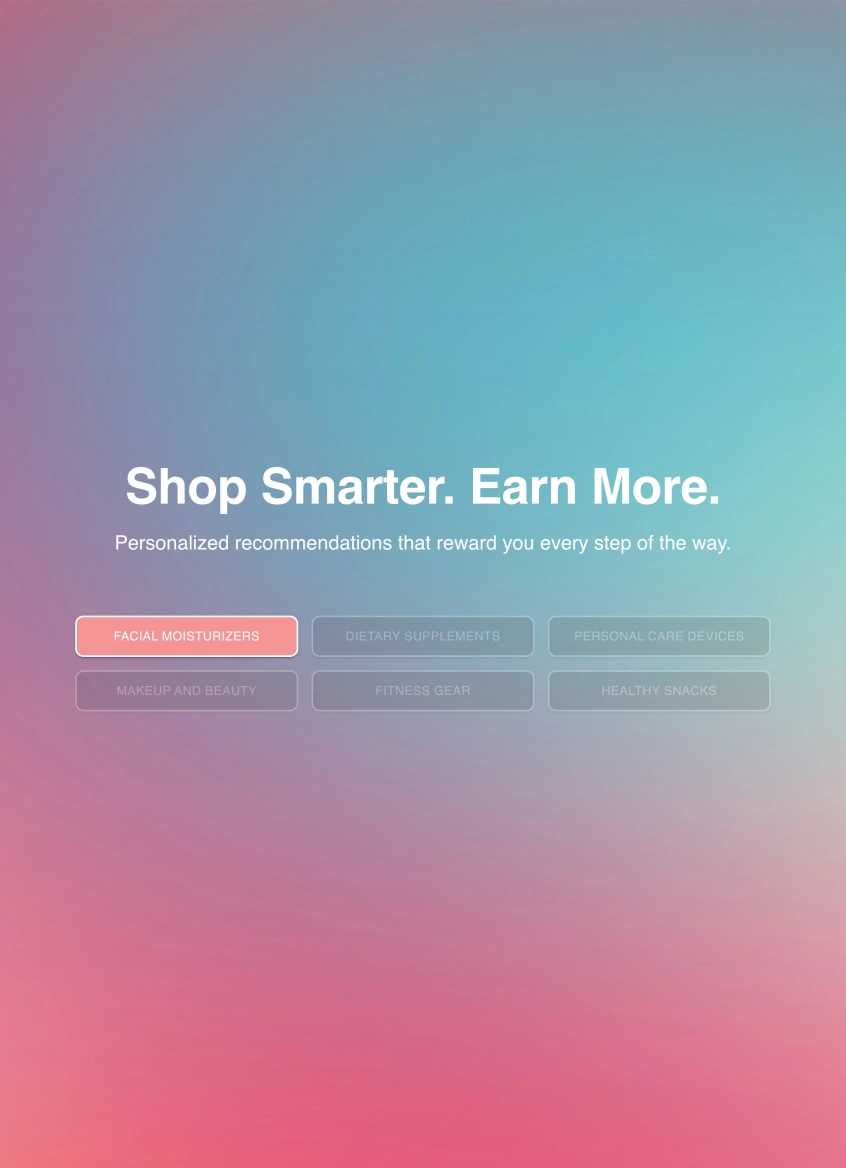
- Built a user interface allowing users to answer three key questions: budget, skin type, and skin concern.
- Passed user data to DynamoDB for real-time storage and retrieval.
- Developed a Lambda function to query the review data and surface the average sentiment score by product based on user-matching reviews (same skin type and concerns).
- For each returned product, calculated the average sentiment score and recommended the highest-scoring product based on reviews from users with similar skin types and concerns.
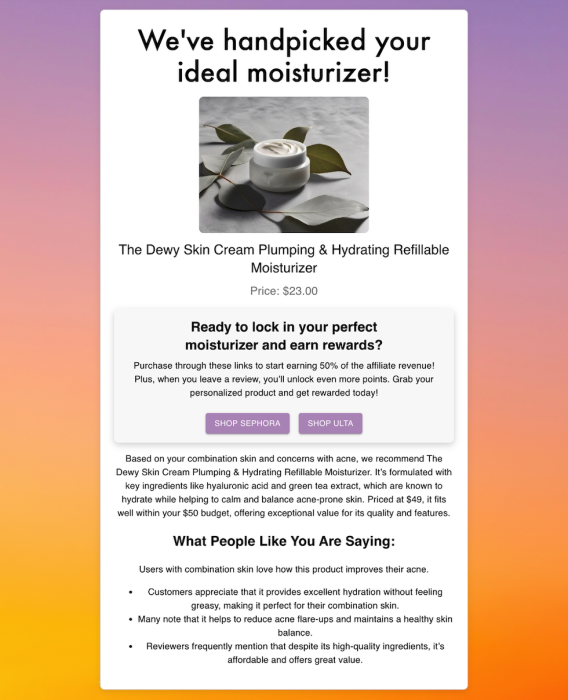
- Sent the user’s responses and matching reviews to Kindo.ai, which returned a summary explaining why the product was selected based on the user’s concerns, skin type, and budget.
- Generated a summary of common sentiments from "Users like you" based on reviews from individuals with matching profiles.
- Displayed the top product result on a results page, complete with affiliate links and a call to action encouraging users to begin earning 50% of the affiliate revenue:
- 25% upon making the purchase.
- 25% upon returning to complete a review and a follow-up questionnaire with additional product feedback.
Challenges We Ran Into
System Design Iterations: One of the major challenges we faced was deciding on the system design. Initially, we considered using Amazon Bedrock for sentiment analysis but found it insufficient for our needs. We then transitioned to using Kindo.ai and Oxen.ai, which gave us better results, but still required careful optimization to ensure speed and accuracy.
Model Testing and Optimization: We had to test several models, including Bedrock, Kindo, and Oxen APIs, to find the optimal solution. This process required many iterations to balance between accuracy and speed, ensuring that the recommendation engine was both fast and reliable.
API Integration and Speed: Integrating our UI with the AWS Lambda API was a significant challenge, particularly handling CORS issues. This process took longer than anticipated and slowed down our development timeline. Additionally, running certain API calls, especially those related to sentiment analysis, was time-consuming due to internet latency.
Seamless UI and API Handshake: Ensuring a smooth connection between the UI and API posed additional challenges. We needed to refine how data flowed between the two to avoid delays or data loss, which required extensive testing and troubleshooting.
These challenges taught us the importance of flexibility in system design and the value of optimizing both backend and frontend interactions for performance and user experience.
Accomplishments that We're Proud Of
Building a Fully Functional MVP: We successfully developed a fully functional MVP that integrates real-time user data with sentiment analysis and personalized product recommendations. From data scraping to building the user interface, we created an end-to-end system that delivers accurate product suggestions based on user inputs.
Seamless Integration of AI and Data: We are particularly proud of how we integrated Kindo.ai and Oxen.ai into the platform to predict skin type, skin concern, and sentiment. This advanced level of machine learning has allowed us to create more meaningful recommendations, improving the user experience.
Optimizing for Performance: Despite initial challenges, we were able to optimize the backend processes for speed and accuracy, ensuring the recommendation engine runs efficiently. This includes overcoming issues related to API latency and achieving a smooth user experience even when handling large amounts of data.
Innovative Revenue Model: We designed and implemented a reward-based affiliate revenue system, which allows users to earn 50% of affiliate revenue from their purchases and reviews. This accomplishment not only enhances user engagement but also creates a sustainable revenue stream for the platform.
User-Centric Design: Creating an easy-to-use interface that allows users to quickly provide their preferences—budget, skin type, and skin concern—was a key accomplishment. This design allows users to interact with the platform seamlessly while providing feedback to continuously improve the recommendation engine.
Scalable System Design: We built the platform with scalability in mind. While we started with skincare, specifically facial moisturizers, the system is designed to easily scale across other wellness and lifestyle product categories in the future.
What We Learned
Iterating on System Design: One of the key takeaways was the importance of being flexible with our system design. We initially explored using Amazon Bedrock for sentiment analysis, but quickly realized that it didn’t meet our needs. This taught us the value of testing different solutions, which led to the successful implementation of Kindo.ai and Oxen.ai.
Balancing Speed and Accuracy: Optimizing the recommendation engine to balance both speed and accuracy was a major learning point. We discovered that while accuracy is crucial for personalized recommendations, performance also plays a critical role in delivering a seamless user experience. By pre-processing the sentiment analyses and fine-tuning the integration between the UI and the backend API, we achieved this balance.
Handling Real-Time Data: Building a system that handles real-time data inputs while providing instant feedback was a challenge that helped us better understand the complexities of data flow and latency issues. We now have a much stronger grasp on how to ensure data consistency and speed in real-time systems.
Importance of User Feedback: We learned that user feedback, especially through reviews and follow-up questionnaires, is not just valuable for refining recommendations but also for training our machine learning models. Gathering zero-party data directly from users allows us to continue improving our engine with real insights from real people.
Scaling for Future Growth: We recognized the need to build a system that is scalable beyond the initial product category of skincare. As we designed the platform, we kept in mind the potential to expand into other wellness and lifestyle products, learning how to future-proof our technology for further development.
Overcoming Technical Challenges: From API integrations to solving CORS issues and learning about RAGs, we learned how to navigate and resolve unfamiliar technical obstacles that could have slowed down our development. This experience reinforced the need for persistence and creative problem-solving in the face of roadblocks.
The Power of Collaboration: This project taught us how vital teamwork and communication are, especially when working with complex systems involving multiple moving parts. By leveraging each team member's strengths, we were able to efficiently tackle challenges and deliver a successful MVP.
These lessons have not only enhanced our technical capabilities but also shaped our approach to future development, ensuring that FitCheck continues to evolve and scale effectively.
What’s Next for FitCheck
Expanding Beyond Skincare: While FitCheck currently focuses on facial moisturizers, our next step is to expand into other wellness and lifestyle product categories. We plan to integrate new product verticals such as haircare, makeup, supplements, and personal care to build a more comprehensive recommendation engine.
Refining Machine Learning Models: We will continue improving our machine learning models to enhance the accuracy of product recommendations. By leveraging additional data sources and refining our algorithms, we aim to provide even more tailored suggestions based on real-time user feedback.
User Data and Insights: As users engage with the platform and provide more reviews, we will use that data to further improve the personalization engine. Additionally, we plan to explore ways to offer more detailed insights and summaries to help users better understand why certain products are recommended to them.
Building Strategic Brand Partnerships: We will focus on building new partnerships with brands and retailers to increase our affiliate offerings. This will enable users to earn rewards from a broader range of products while also growing FitCheck’s affiliate revenue model.
Enhancing the User Experience: Our goal is to continually improve the user interface and overall experience. We plan to roll out features such as more in-depth product comparisons, improved user reviews, and personalized notifications to keep users engaged and informed.
Scaling the Platform: We’re designing FitCheck to scale, and the next phase will involve optimizing the infrastructure to handle increased traffic as we grow. We’ll explore further integrations with more AI-driven services to improve our ability to handle larger datasets and more complex product categories.
Mobile App Development: To meet users where they are, we plan to develop a mobile app that provides a seamless experience for on-the-go users. This will offer enhanced accessibility and allow users to engage with FitCheck’s recommendations and rewards program directly from their smartphones.
Exploring Global Markets: As we expand, we aim to explore opportunities in international markets, tailoring recommendations to regional preferences and expanding our affiliate partnerships globally.
With these next steps, FitCheck is poised to not only enhance its recommendation engine but also evolve into a comprehensive platform for wellness and lifestyle products, empowering users with personalized, data-driven solutions while driving brand growth through actionable insights.
FitCheck is transforming the way consumers shop for wellness and lifestyle products by combining personalized recommendations, user-driven data, and a rewarding affiliate model. With a scalable system designed to expand beyond skincare, we empower users to take control of their shopping journey while providing brands with actionable insights from zero-party data. As we continue to grow and refine our platform, FitCheck is poised to lead the future of personalized, data-driven shopping experiences. We're excited to partner with visionary investors to drive this next phase of innovation.
Built With
- amazon-web-services
- apigateway
- bedrock
- boto3
- css
- dynamodb
- html
- javascript
- kindo.ai
- lambdafunctions
- openai
- oxen.ai
- python
- pythonlibraries
- react
- restapi
- sephoraapi
- sql

Log in or sign up for Devpost to join the conversation.