AI Wardrobe Assistant
Inspiration
This project started from a very personal problem I faced during the summer. I had more clothes than I realized, but I still kept running into the same issue every time I had to go out: I never knew what to wear. My wardrobe felt disorganized, I often forgot what I already owned, and doing quick “fit checks” before events took way longer than it should have. On top of that, summer events, changing weather, and last-minute plans made outfit selection even more frustrating.
I realized the problem was not that I lacked clothes — it was that I lacked a system. I wanted something that could understand my wardrobe, help me decide what to wear, tell me what I should buy, and even help me let go of clothes I no longer needed. That became the inspiration for building an AI Wardrobe Assistant.
What it does
The idea behind the project is to create a smart fashion assistant that can:
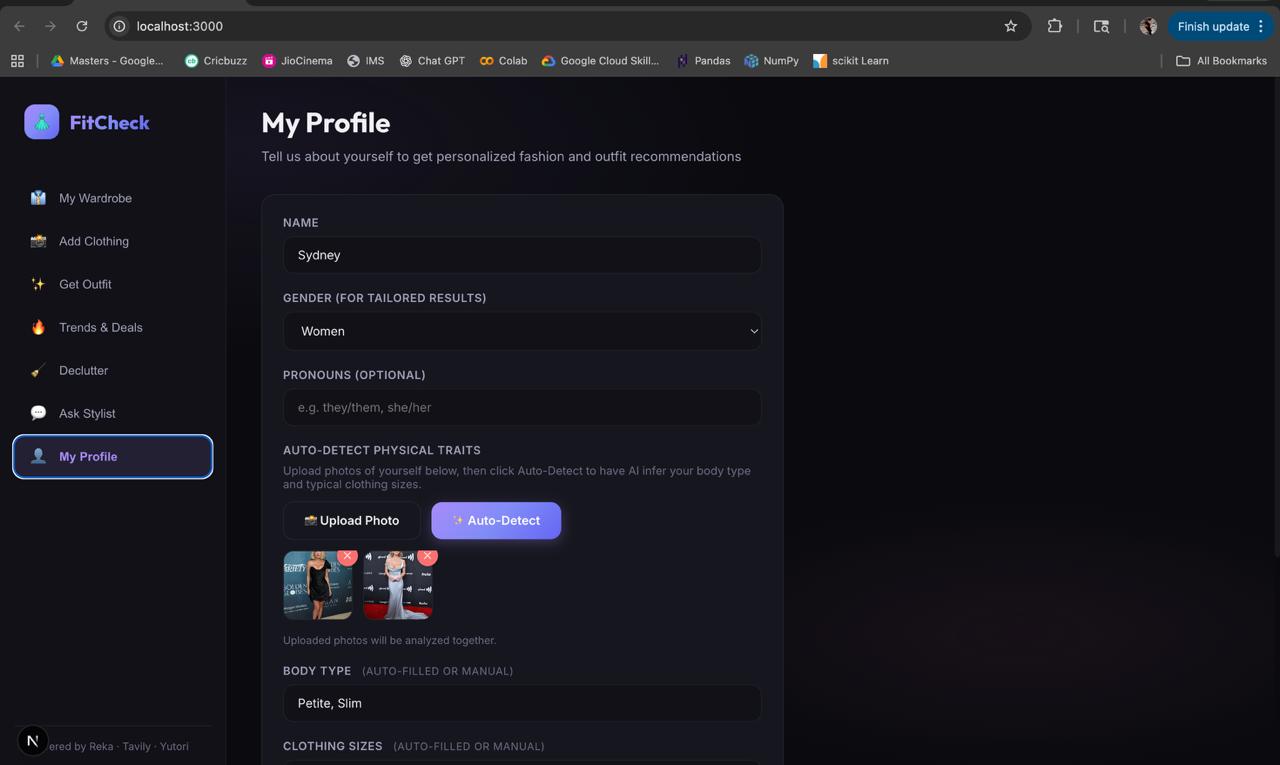
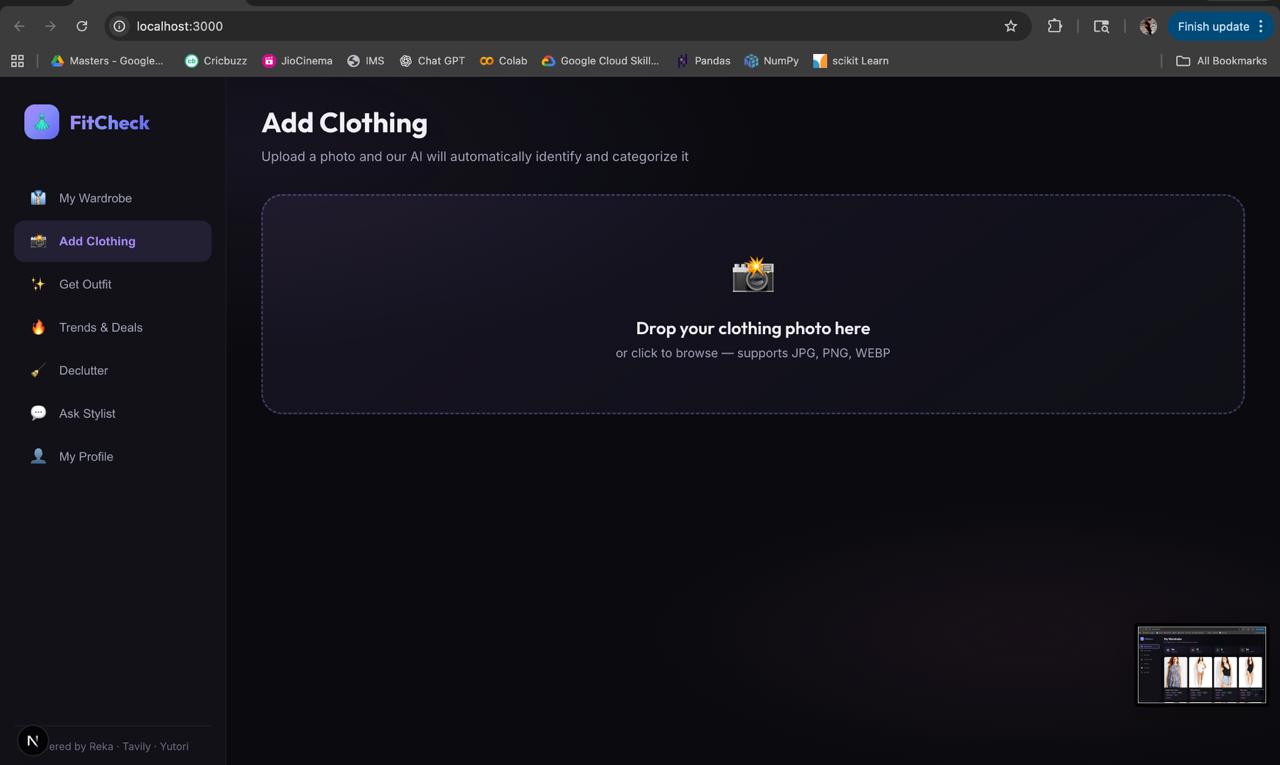
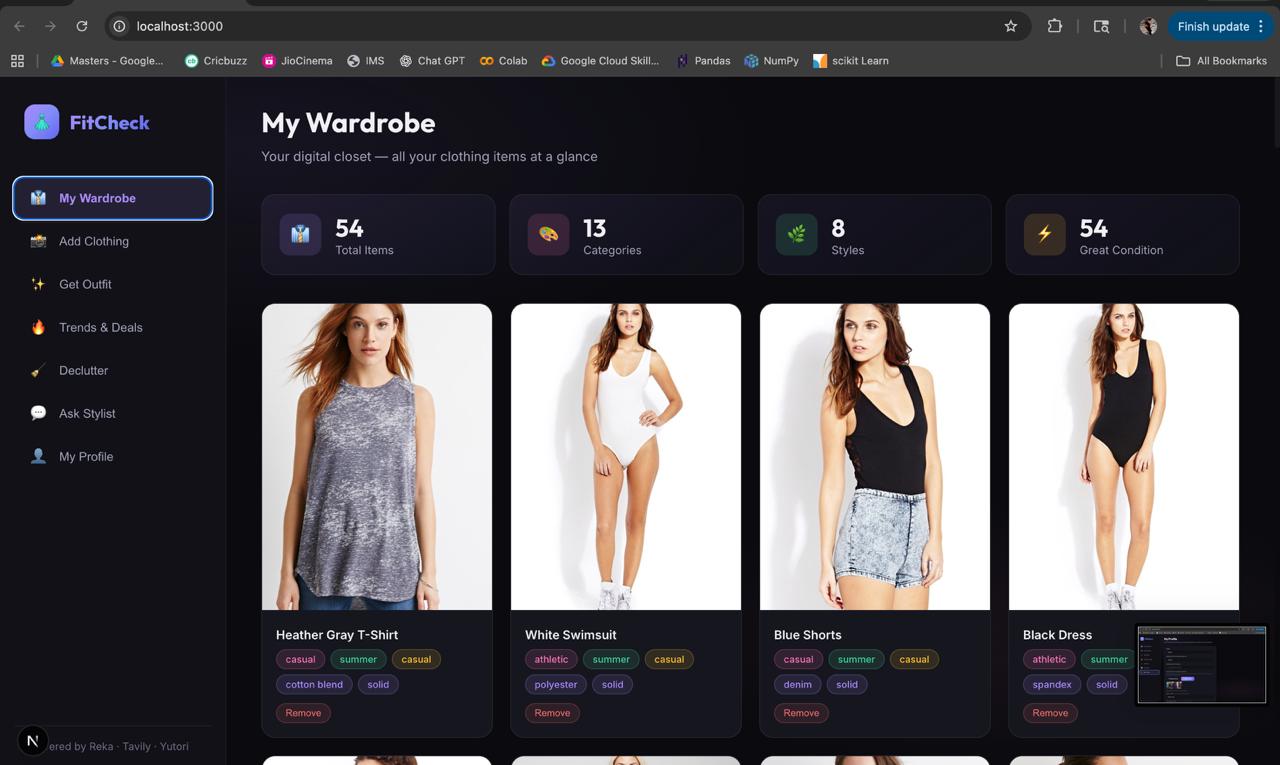
- ingest photos of wardrobe items and build a structured digital wardrobe database
- generate metadata for each clothing item, such as type, color, style, and possible use cases
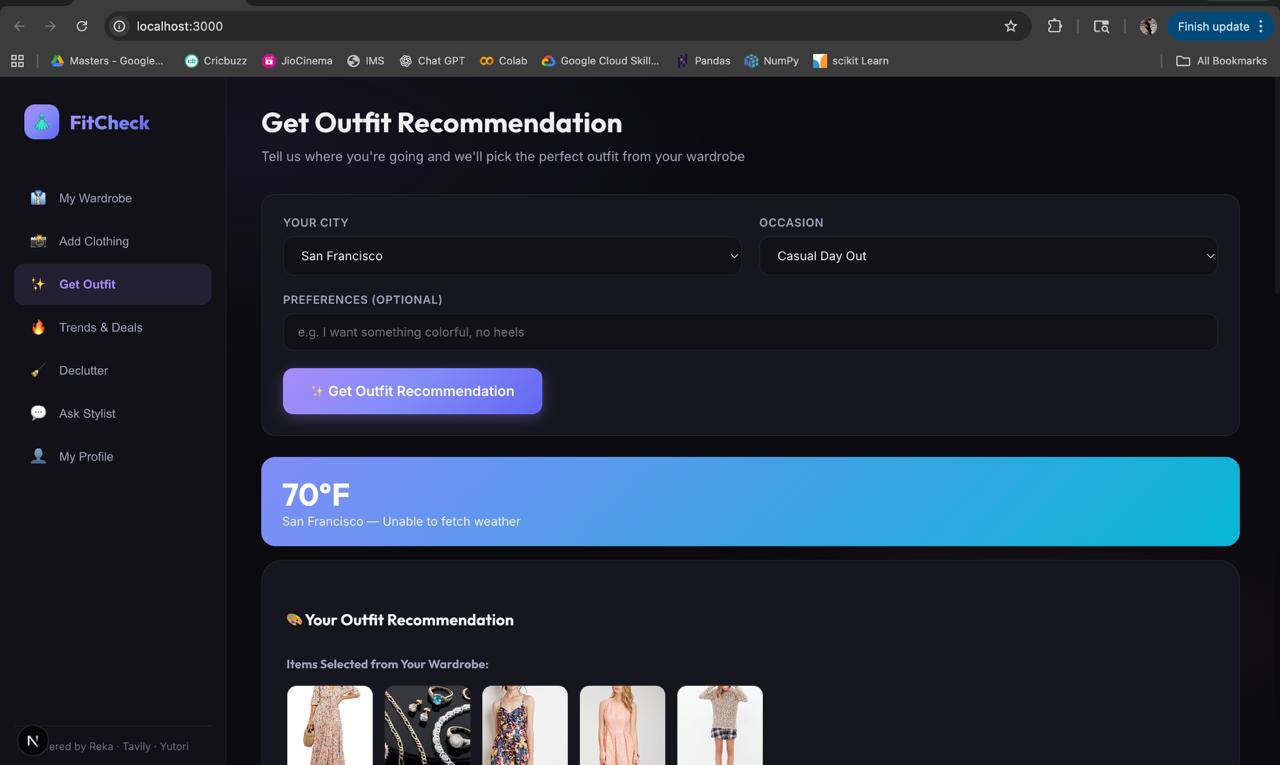
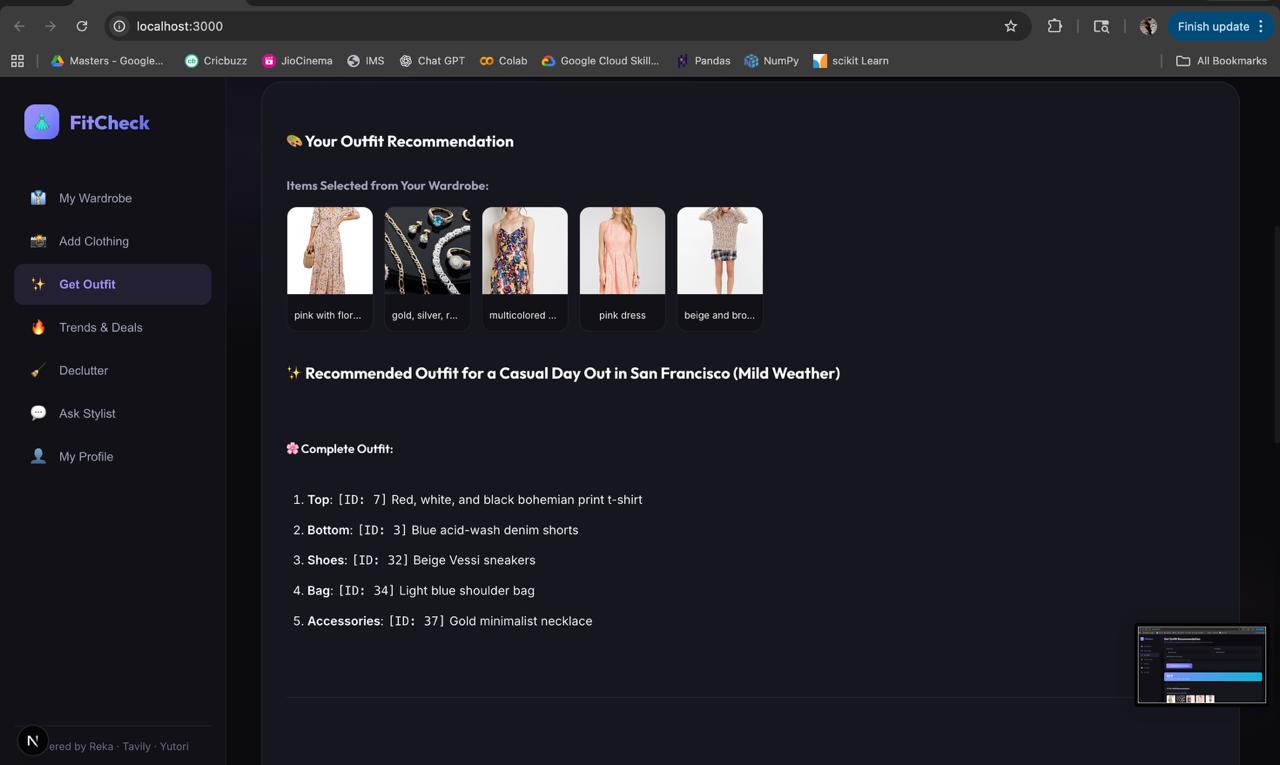
- use weather and calendar context to recommend outfits for upcoming occasions
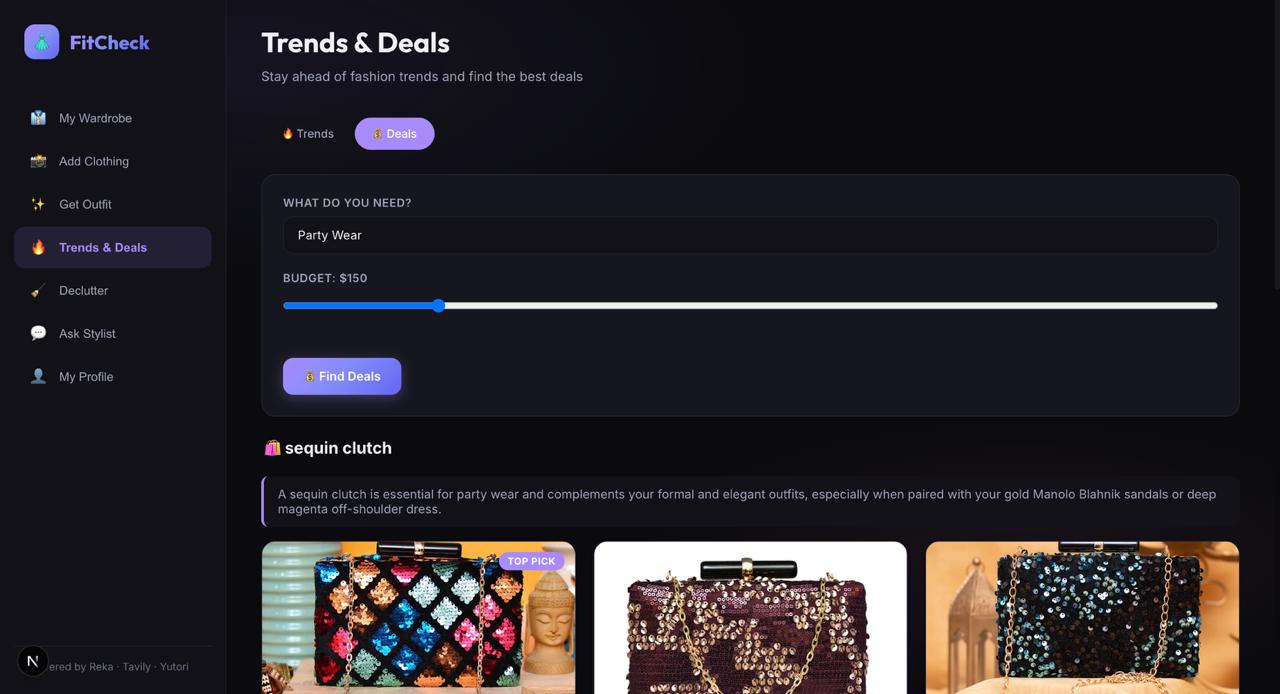
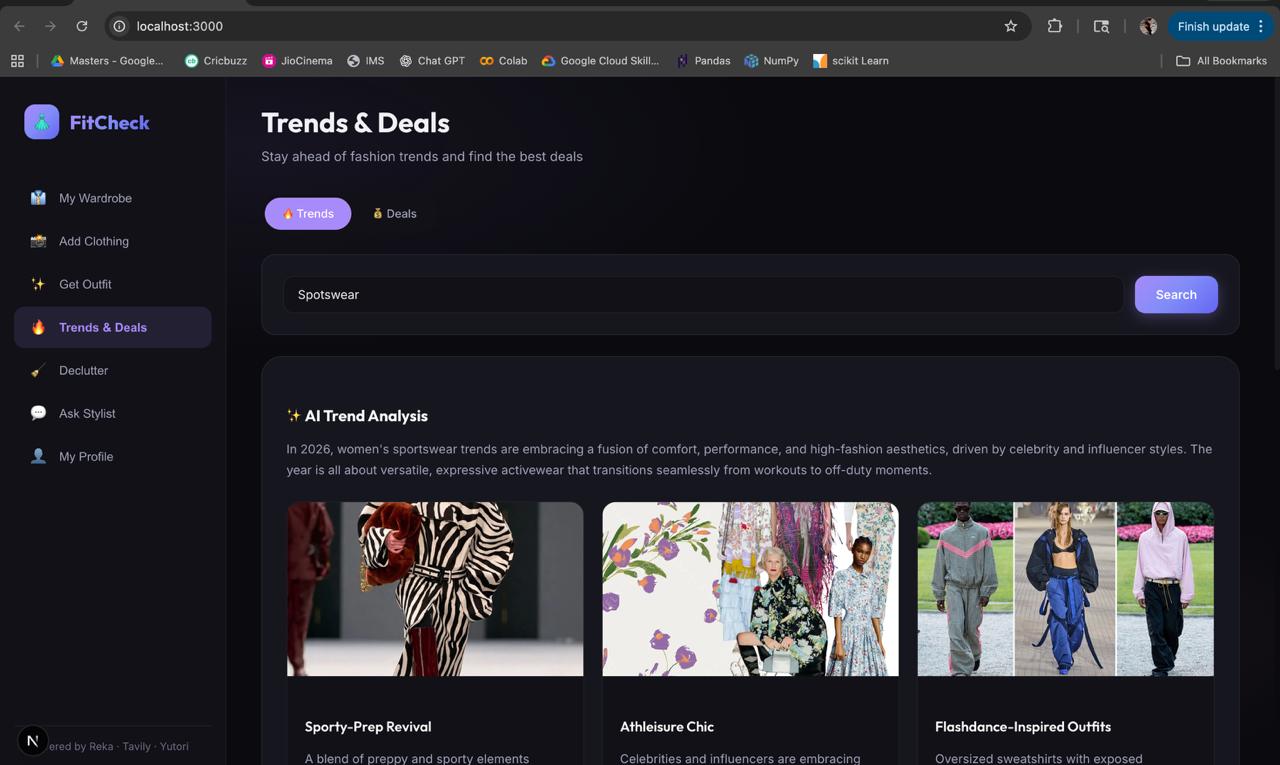
- analyze current fashion trends and suggest what to buy within a budget
- identify clothes that are old, out of style, or worth donating or reselling
- generate visual outfit previews so the user can do a virtual fit check
In simple terms, I wanted to turn a messy closet into a searchable, intelligent system.
How I built it
I approached the project as a combination of computer vision, personalization, and recommendation systems.
First, I imagined a pipeline where users could upload or capture pictures of their clothing. From there, an image-processing component would classify the item and generate useful metadata. If we think of the wardrobe as a database, each clothing item becomes an entry like:
$$ \text{Item} = { \text{category}, \text{color}, \text{season}, \text{style}, \text{occasion}, \text{condition} } $$
Once the wardrobe is digitized, the next layer is context-awareness. I wanted the assistant to check the weather forecast and the user’s calendar, then map that information into outfit recommendations. Conceptually, the recommendation function can be thought of as:
$$ \text{Best Outfit} = f(\text{Wardrobe}, \text{Weather}, \text{Calendar Event}, \text{Budget}, \text{Fashion Trends}) $$
That means the system is not just matching clothes randomly — it is using real-world conditions and future plans to make better suggestions.
Another major part of the system is trend and shopping intelligence. I designed the project idea so that it could search the web for current fashion trends, compare products, identify deals, and recommend what the user should purchase for upcoming events while staying within a target budget.
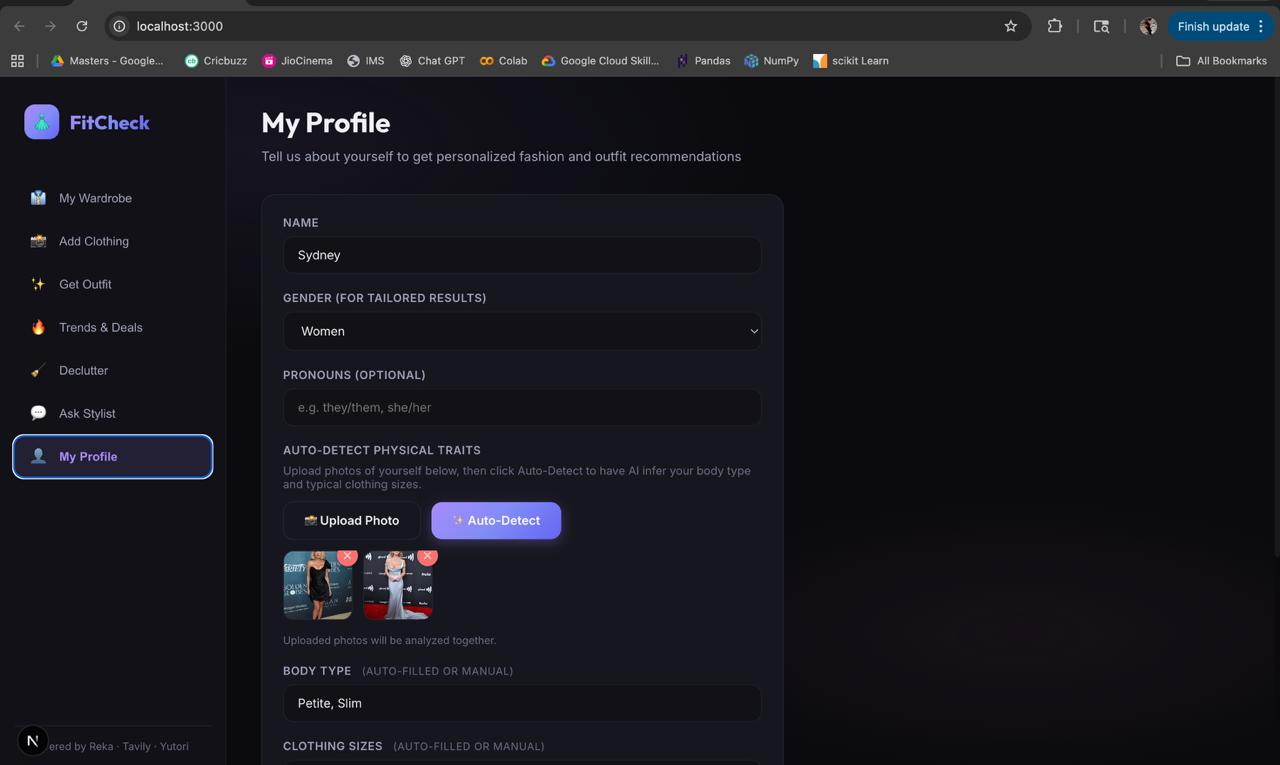
Finally, for fit checks, I wanted the system to visualize recommended outfits on the user so they could get a quick sense of whether the full look works before wearing it or buying additional pieces.
What I learned
This project taught me that even everyday problems can become powerful technical ideas when viewed through the lens of software and AI. I learned how many layers go into building a truly useful assistant:
- computer vision for understanding clothing items from images
- structured metadata design for representing wardrobes as searchable data
- recommendation logic for outfit selection
- context integration using weather and calendar signals
- market intelligence through trend and deal analysis
- user experience design for something as personal and subjective as fashion
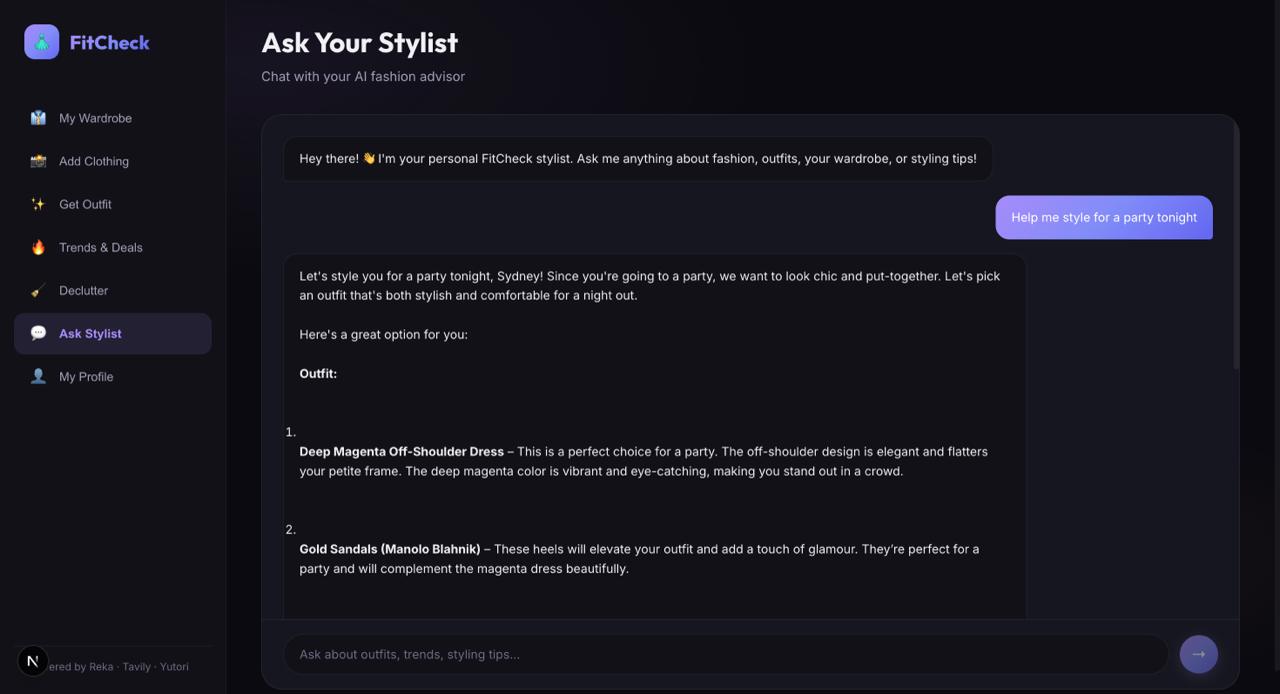
I also learned that personalization is difficult. Fashion is not just about what is technically correct — it is about confidence, taste, comfort, and occasion. That makes the problem much more human than a standard recommendation task.
Challenges I faced
One of the biggest challenges was translating a messy real-world problem into clean technical components. A wardrobe is not naturally structured data. People own similar-looking items, clothes vary in fit and condition, and fashion preferences are subjective. Designing a system that could take simple photos and transform them into meaningful metadata was already a hard challenge.
Another challenge was balancing utility with personal taste. For example, an outfit that fits the weather and occasion might still not feel right to the user. That means the system needs to go beyond rules and become more adaptive and personalized over time.
The fit-check visualization idea was also challenging because it adds another layer of complexity: it is not enough to recommend an outfit in text; the user should be able to see it. That introduces questions of realism, body representation, and whether the generated preview matches how the outfit would actually look.
A third challenge was combining many moving parts into one experience. This project is not just one model or one feature. It involves image understanding, recommendation, search, budgeting, resale suggestions, and visualization. The difficulty was in making all of those features feel like one seamless assistant rather than separate disconnected tools.
Why this project matters
What excites me most about this project is that it solves a problem I genuinely experienced. It came from the small but repeated frustration of standing in front of my wardrobe during the summer, wondering what I owned, whether an outfit worked, and whether I needed to buy something new. That everyday pain point turned into an idea for a system that is practical, intelligent, and potentially useful for many people.
This project is about more than fashion. It is about organization, decision support, sustainability, and confidence. By helping users better manage what they already own, buy more intentionally, and donate or resell unused clothes, the system can reduce waste while making everyday decisions easier.
Final reflection
Building this idea showed me how AI can be applied to highly personal, lifestyle-oriented problems in a way that feels meaningful. What started as a summer struggle with wardrobe management and fit checks evolved into a vision for a smart assistant that combines data, context, and personalization.
In the future, I would want to make the system even more personalized by learning the user’s style preferences over time, improving outfit visualizations, and creating stronger recommendations that align with both budget and identity.
At its core, this project came from a simple thought:
What if getting dressed felt as intelligent and personalized as using any other modern digital assistant?
Built With
- fastino
- gemini
- reka
- tavily
- yutori

Log in or sign up for Devpost to join the conversation.