-
-
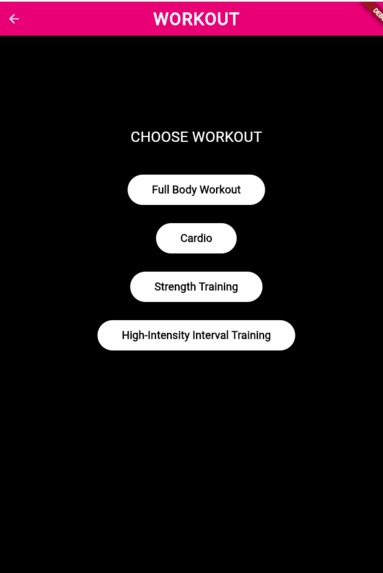
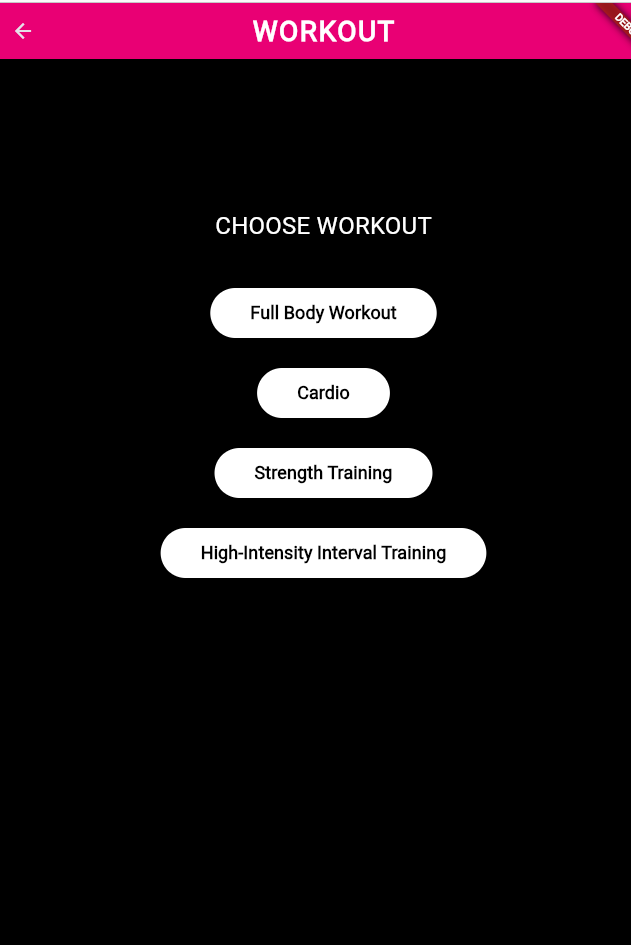
Options for workout
-
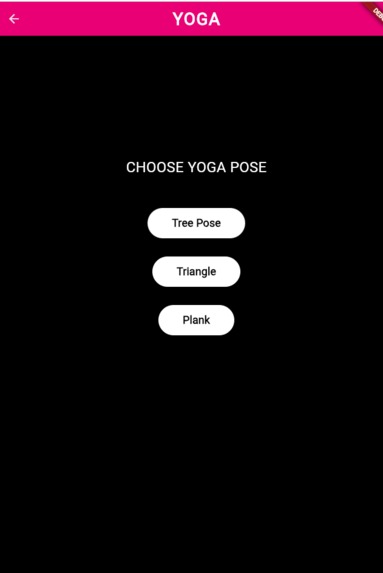
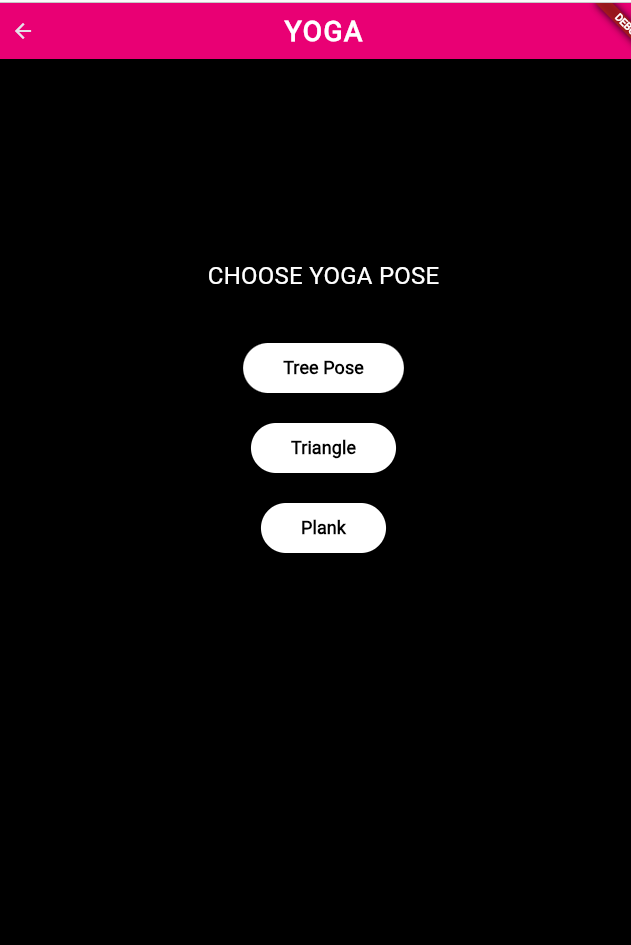
Options for Yoga
-
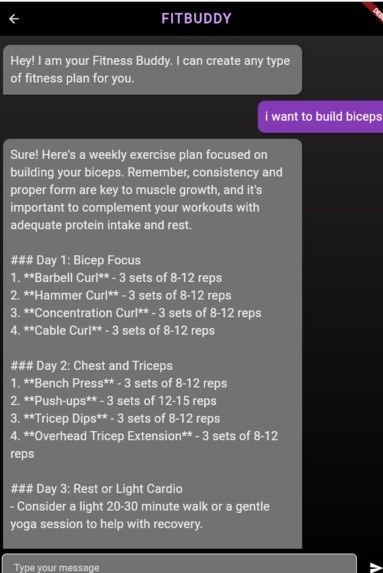
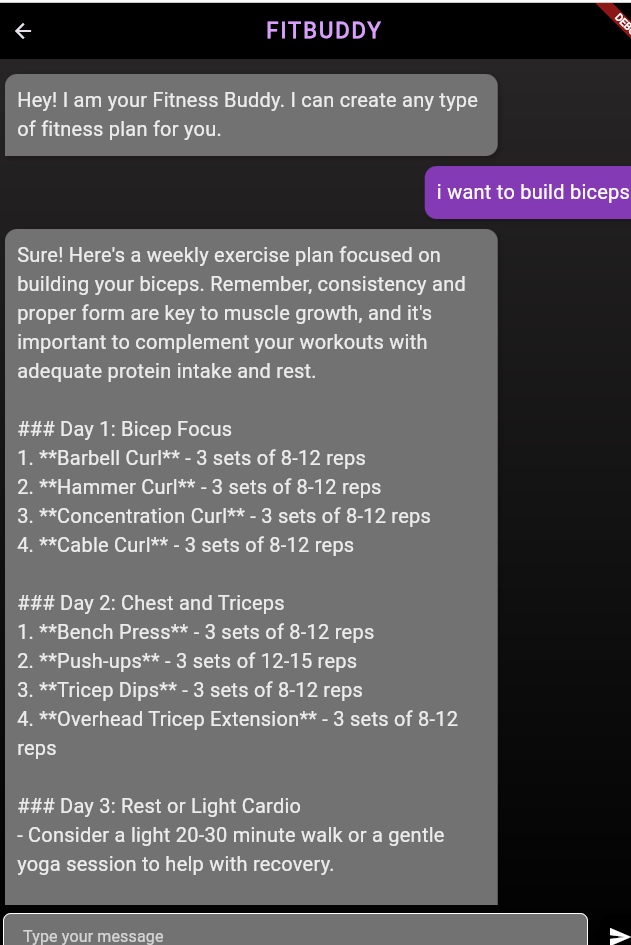
AI Chat bot ( made with Azure OPEN AI )
-
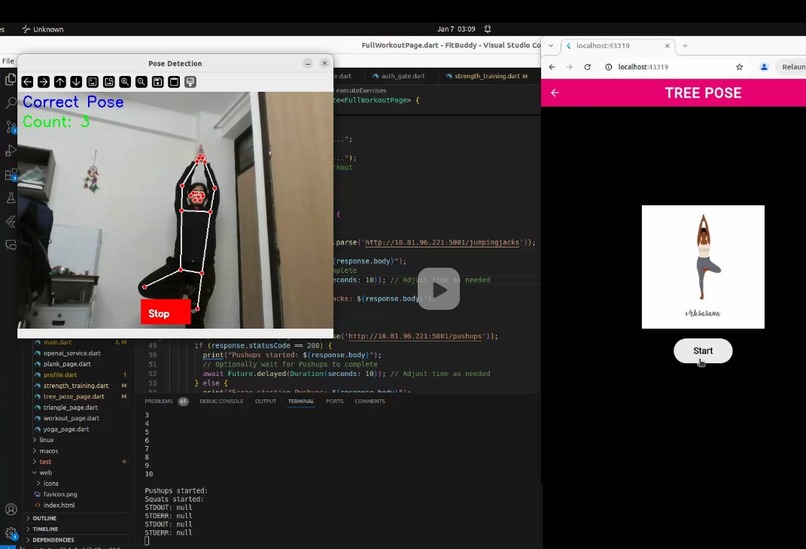
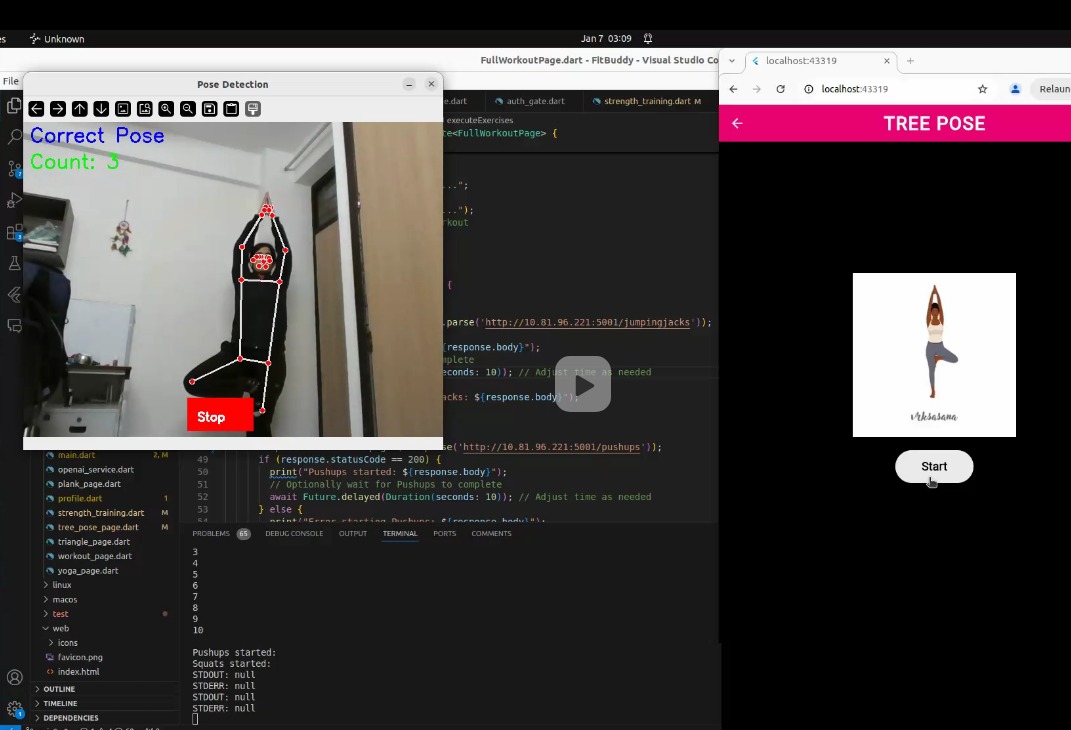
yoga via body sensing
-
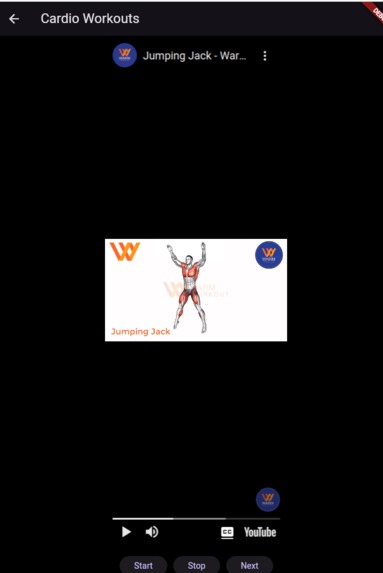
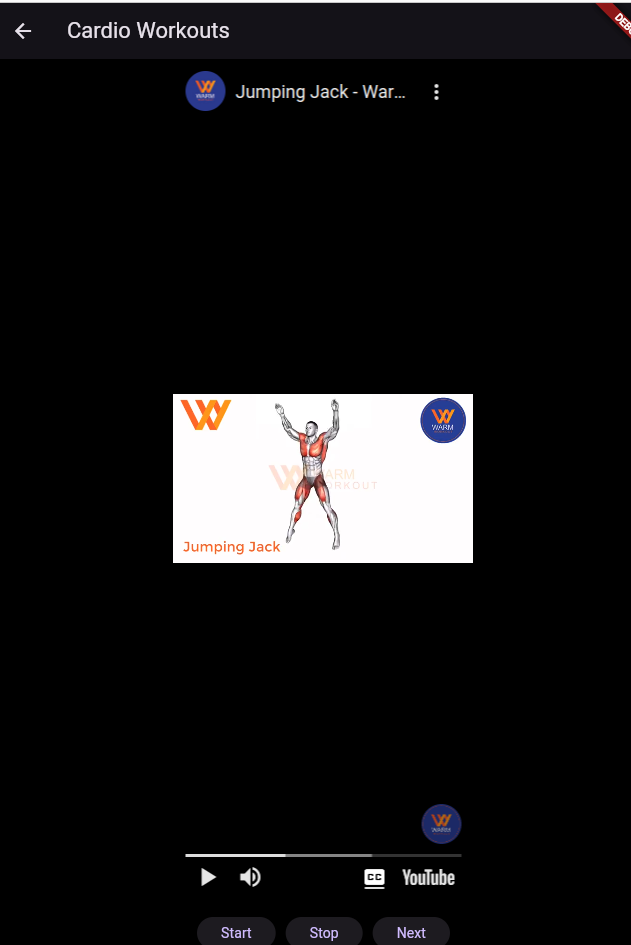
Workout by videos and side by side Posture checking
-
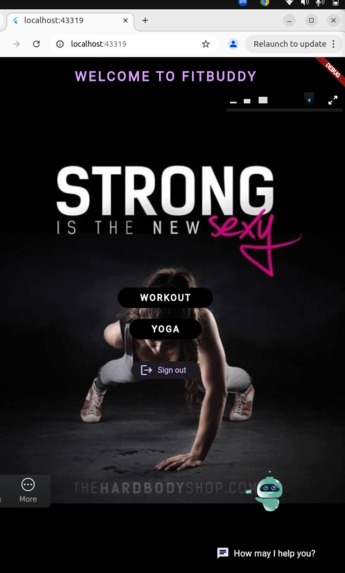
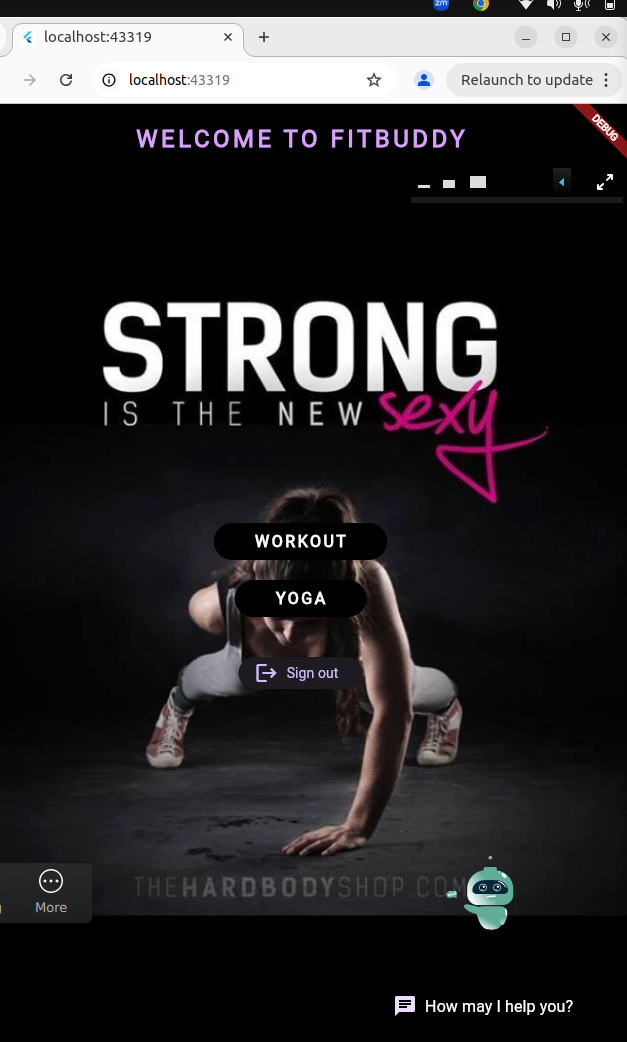
Landing Page
-

Thumbnail

FitBuddy: Your AI-Powered Fitness Companion – Personalized Plans, Real-Time Tracking, and Guided Workouts for a Healthier You!
Inspiration
The idea for FitBuddy stemmed from the challenges we face during workouts: manually tracking repetitions, ensuring correct posture, and designing workout plans tailored to specific goals. These tasks are not only inconvenient but also divert focus from the exercise itself. We envisioned a solution that eliminates these hurdles, helping individuals focus entirely on their form and progress while providing real-time guidance and customized fitness plans.
What It Does
FitBuddy is an AI-powered fitness companion, a web app, that enhances your workout experience:
- Automatically counts repetitions, allowing users to focus entirely on their form and progress.
- Provides real-time feedback for yoga poses, helping users correct their posture with precision.
- Includes an AI Chat Assistant that designs customized fitness plans based on personal fitness goals and preferences.
How We Built It
FitBuddy was created using a combination of cutting-edge technologies and tools to deliver an intuitive and efficient fitness experience:
- Frontend Development: The user interface was built using Flutter, ensuring a seamless experience across devices.
- Backend Development: We used Python with Flask to create APIs that integrate exercise tracking and yoga pose analysis.
- Pose Estimation: Libraries like MediaPipe and OpenCV were employed to enable real-time pose tracking and exercise counting.
- AI Chatbot: To power the chatbot, we integrated OpenAI services via Azure, leveraging state-of-the-art GPT models for creating personalized fitness plans and responding intelligently to user queries.
- GitHub Copilot: This tool significantly streamlined our development process, assisting with code generation and debugging for key components such as pose tracking algorithms and API integrations.
- Cloud Integration: Azure not only hosted the OpenAI services but also provided scalability for chatbot functionality, ensuring smooth performance.
Challenges We Ran Into
- Python-Flutter Integration: Establishing smooth communication between the Flask backend and Flutter frontend, especially on mobile devices, was challenging. Running the Flask server on mobile devices initially caused issues.
- Pose Estimation: Identifying libraries that provided accurate pose detection for yoga and exercises required extensive research and testing.
- Exercise Counting: Developing custom algorithms for accurate counting demanded multiple iterations to ensure precise feedback.
- AI Integration: Incorporating Azure’s OpenAI services for the chatbot posed difficulties, but GitHub Copilot provided valuable assistance in overcoming technical hurdles.
Accomplishments That We’re Proud Of
- Successfully integrating real-time pose detection and exercise counting.
- Delivering an AI-powered fitness chatbot that personalizes fitness plans.
- Creating a seamless user experience by combining cutting-edge AI and intuitive design.
- Overcoming significant technical challenges and achieving a functional cross-platform solution.
What We Learned
- The importance of efficient Python-Flutter integration for cross-platform applications.
- The intricacies of pose estimation and the nuances of exercise tracking algorithms.
- Leveraging tools like GitHub Copilot to expedite AI development and resolve complex coding challenges.
- Effective collaboration and iterative development to refine and improve features.
What’s Next for FitBuddy
- Expanding compatibility to make FitBuddy accessible across more devices and platforms.
- Adding a broader range of workout and yoga plans to cater to diverse user needs.
- Incorporating advanced AI models to provide even more accurate feedback and personalized fitness insights.
- Exploring wearable device integration for enhanced tracking and feedback during workouts.
FitBuddy is not just a fitness app; it’s a step toward making health and fitness accessible, intelligent, and user-friendly for everyone. For more details about our project, visit our GitHub repository.


Log in or sign up for Devpost to join the conversation.