-
-
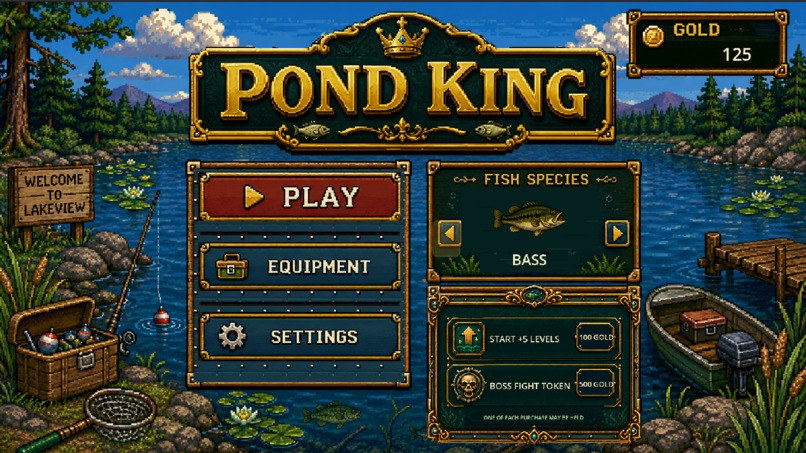
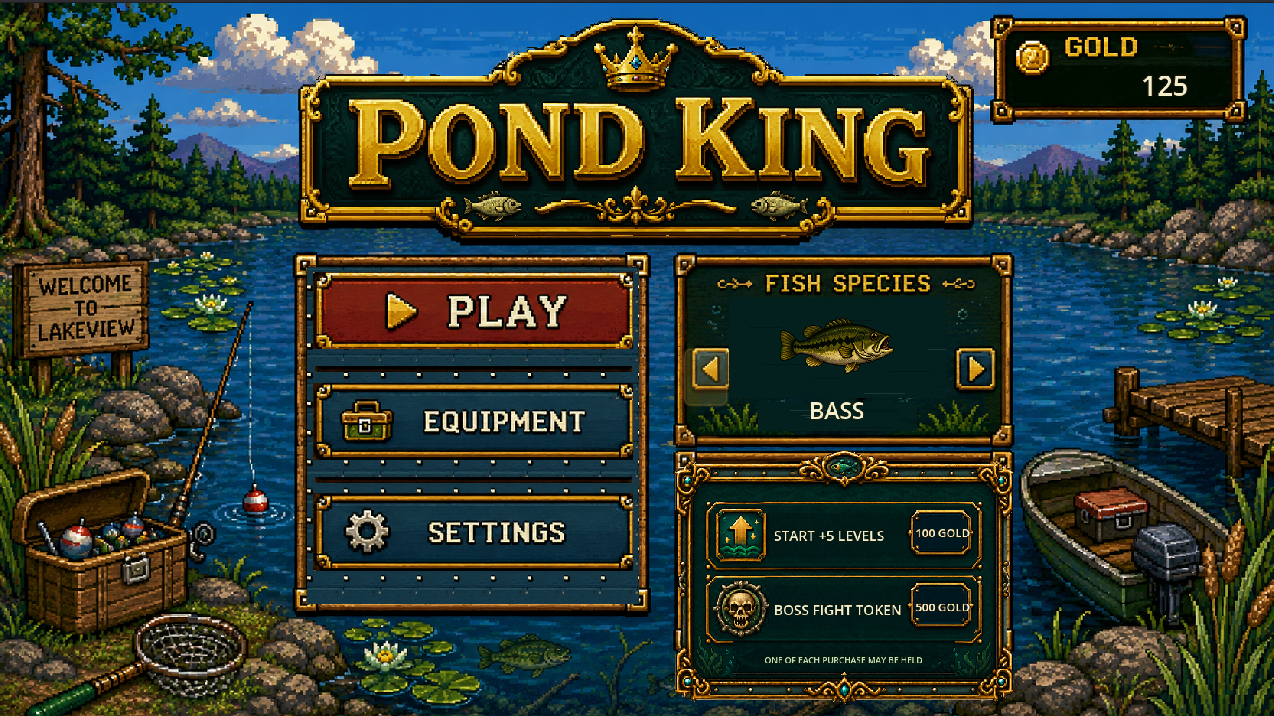
Title Menu
-
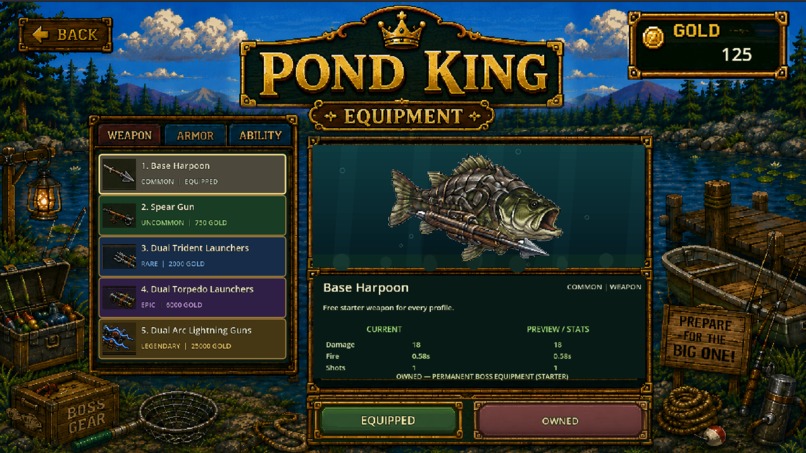
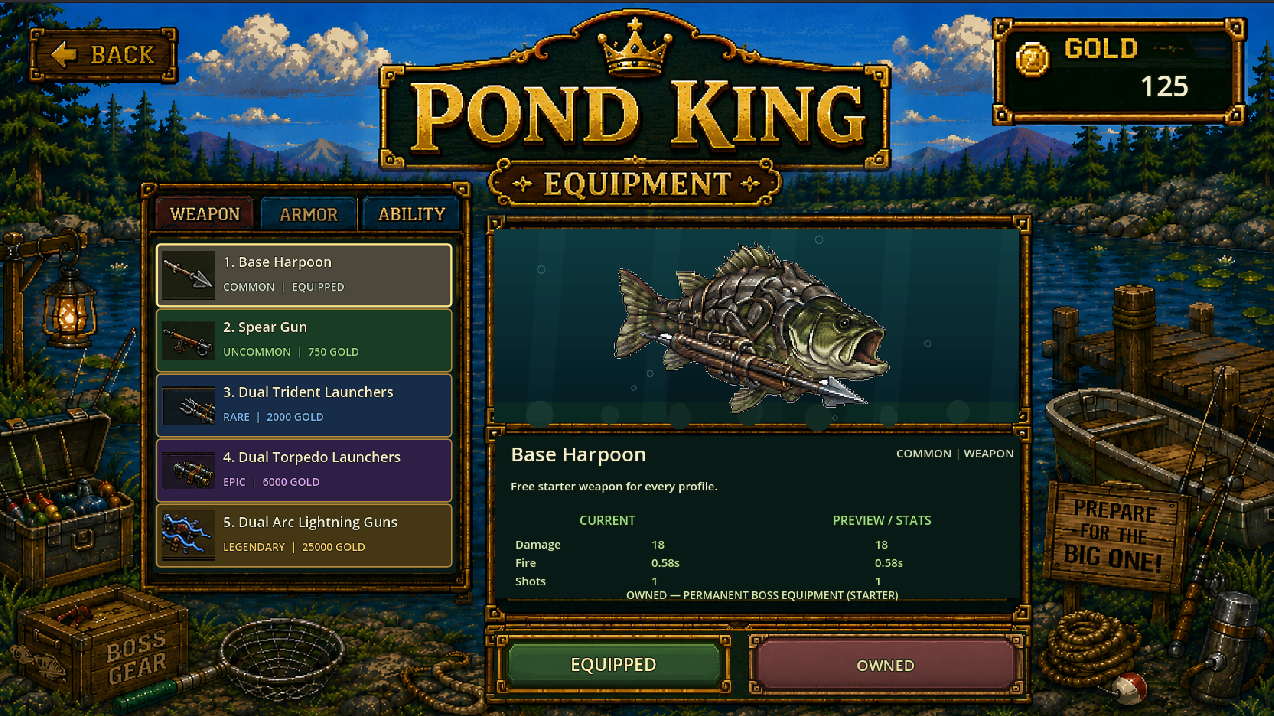
Equipment Menu
-
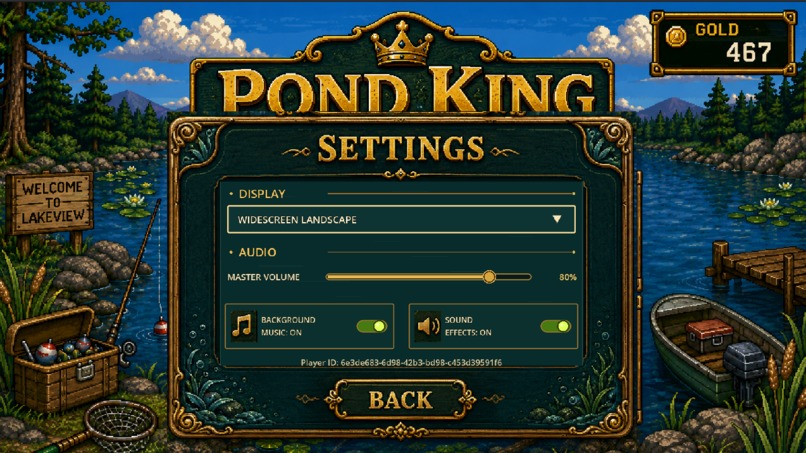
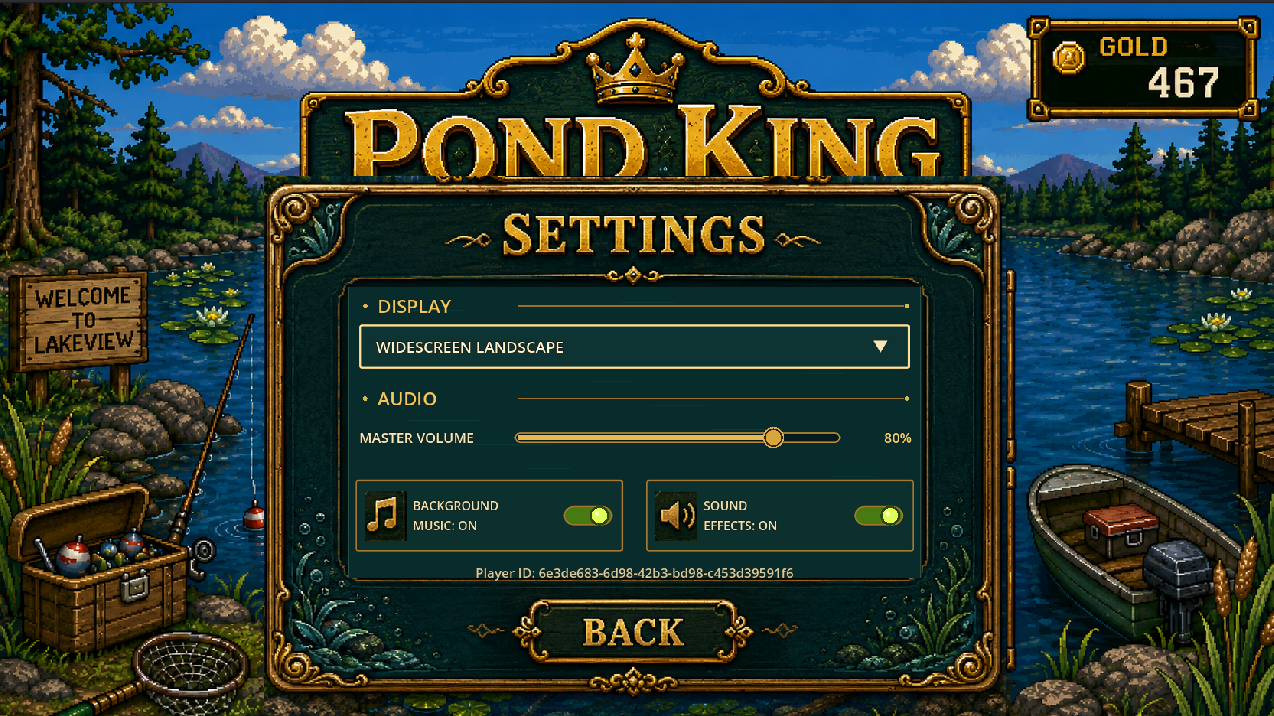
Settings Screen
-
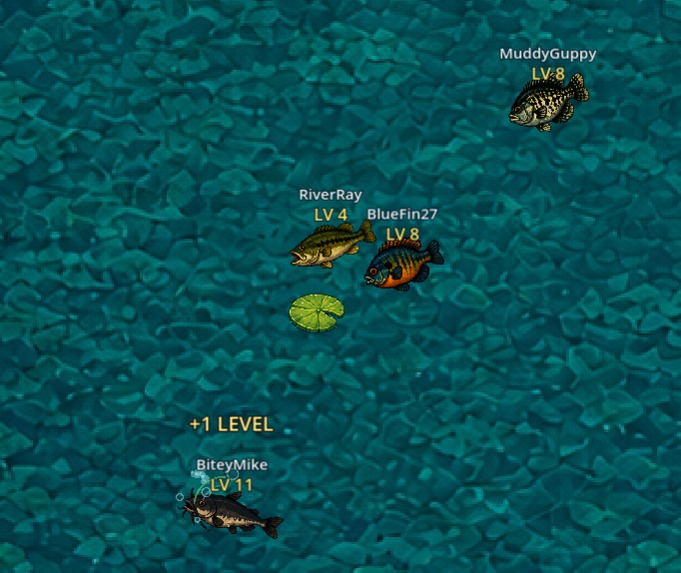
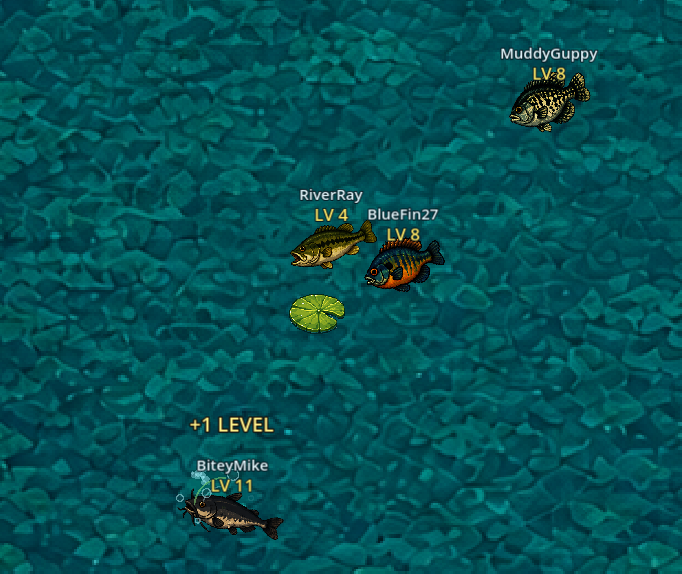
Pond fight
-
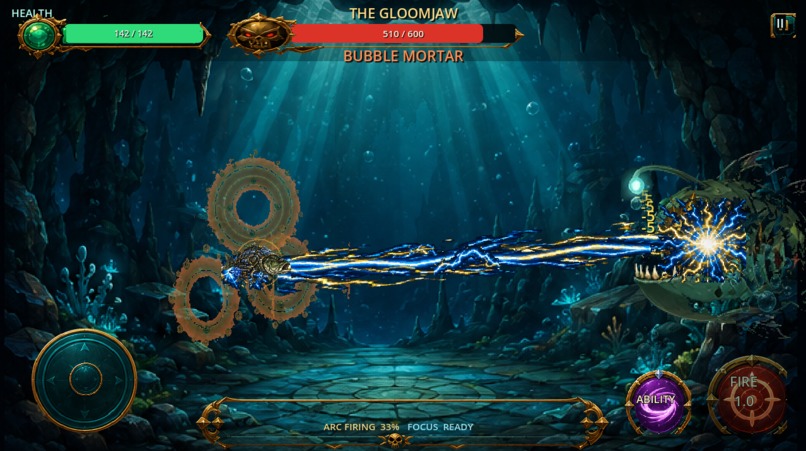
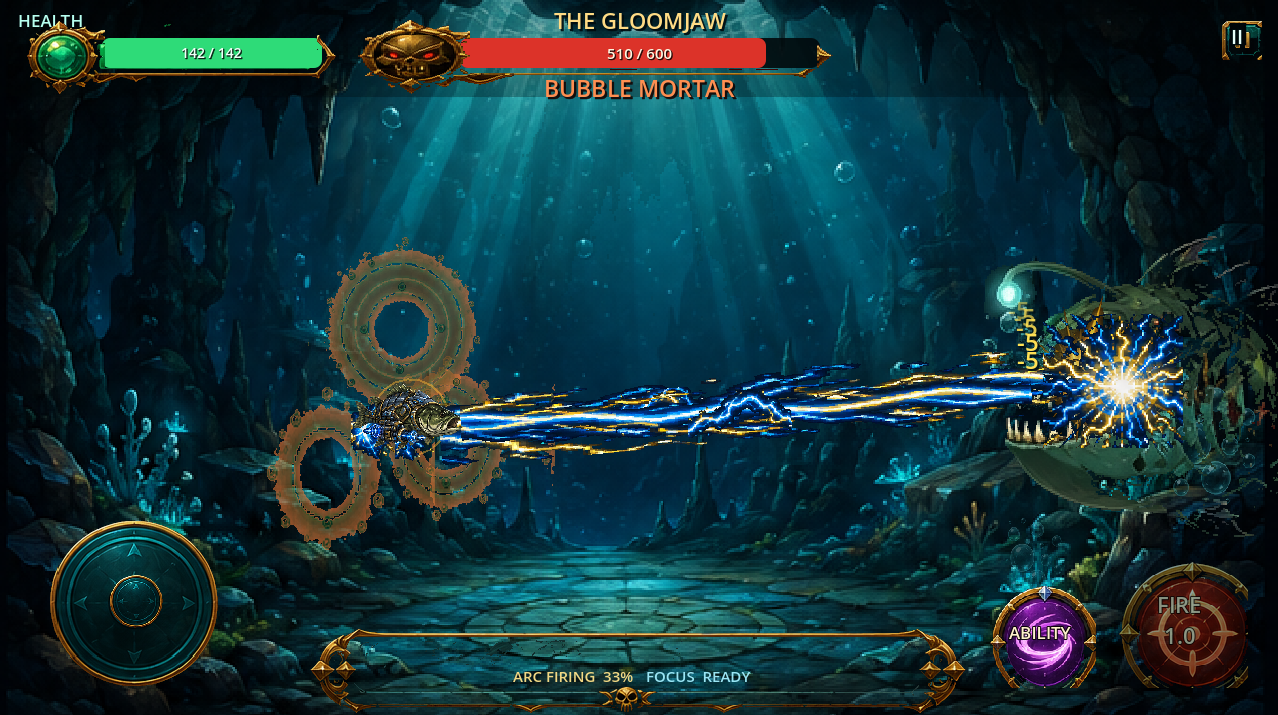
Boss Fight
-
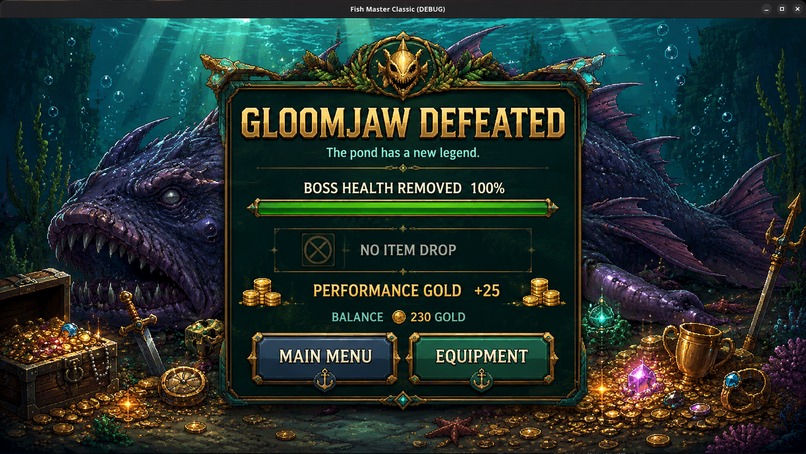
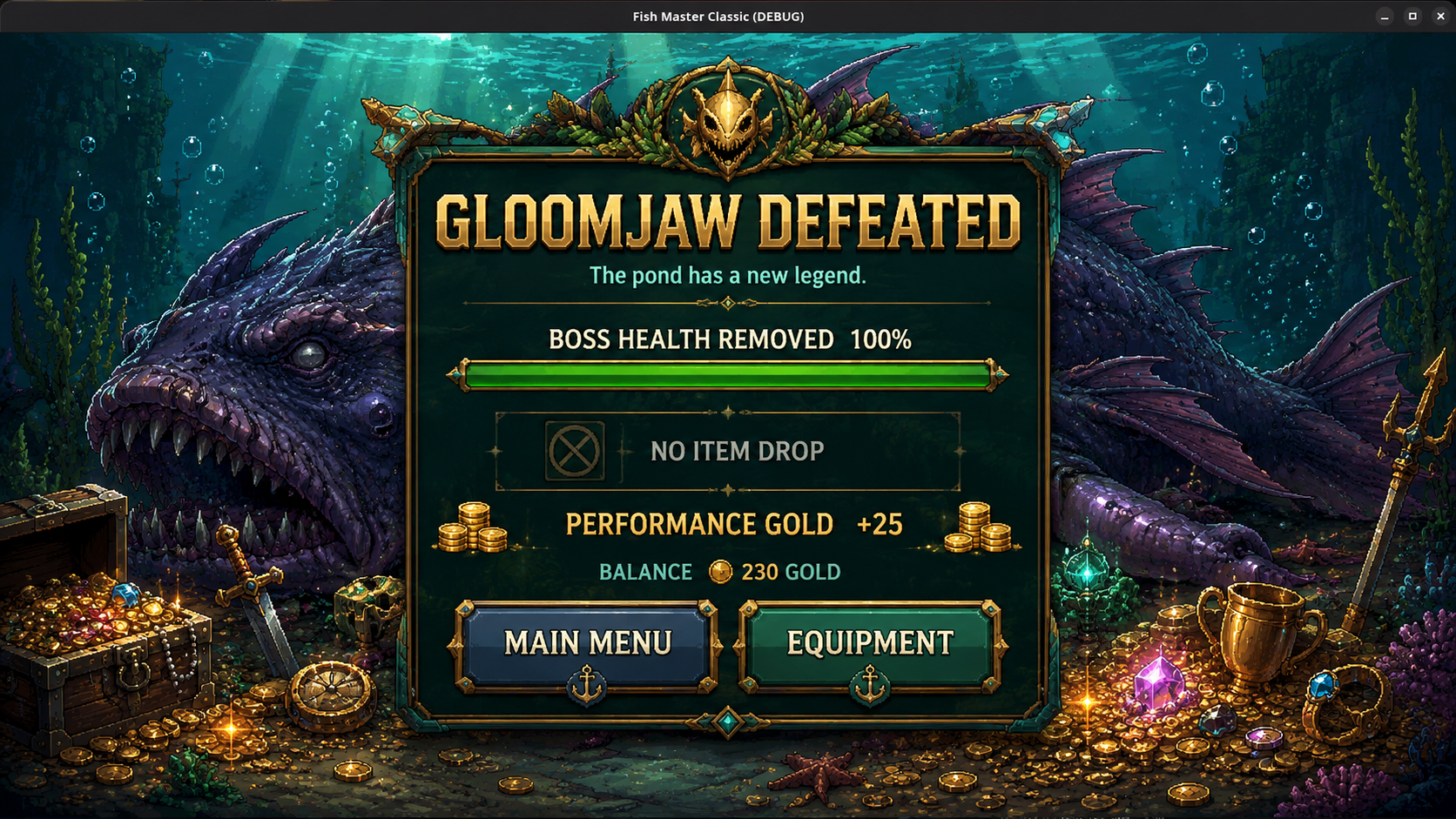
Boss Defeat
Inspiration
Fish Master Classic started after I watched my daughter playing games on her phone.
She was playing one of those extremely simple games on YouTube. The mechanics were basic, the graphics were poor, and there was no real progression, equipment, or ranking system. Yet the game had attracted tens of millions of players.
Watching her play made me think there was room for something better. I wanted to keep the controls simple enough for almost anyone to understand, while adding a progression system with fun competition that make players want to keep coming back.
I grew up primarily playing the Super Nintendo, so Fish Master Classic takes inspiration from that era. The goal is readable graphics, straightforward mechanics, and gameplay that does not require a long tutorial. I also drew inspiration from games such as World of Warcraft and Black Desert Online when designing equipment rarity, rewards, progression, and competitive rankings.
What it does
A match begins with eight fish in a pond. Players eat vegetation and smaller fish to increase their level while avoiding stronger opponents. Empty player positions are filled by bots so a match can always begin.
The pond competition is intended to remain skill based. Gold earned through match placement can be used to obtain weapons and armor for separate boss battles.
The next major phase is online PvP. Real players will fill the pond whenever available, with bots filling any remaining positions. After the pond boss is defeated, the final two surviving players will enter a separate arena and fight each other using their equipped weapons and armor. PvP wins and losses will contribute to an online ranking rather than awarding additional gold or equipment.
How I built it
I am not a traditional software developer. My background is military combat engineering, project management, mechanical troubleshooting, and facilities work.
I used Codex with GPT-5.6 as the primary software engineering tool. I defined the mechanics, visual direction, balance rules, failure conditions, and acceptance criteria. Codex inspected the Godot project, implemented systems, diagnosed failures, wrote tests, and produced builds under my direction.
The project was built in Godot using GDScript and developed on Linux. It includes automated regression tests for gameplay systems, bot behavior, vegetation, progression, boss combat, equipment, and mobile device compatibility.
Challenges
The biggest challenge was getting the game to look the way I pictured it. The graphics often required several rounds of correction before they matched the design, especially when armor and weapons had to fit different fish species, body shapes, sizes, and animations.
Character movement was another major problem. Fish would sometimes invert, turn unnaturally, or move in ways that made the animation look disconnected from the direction of travel. These issues became more complicated because the game uses different versions of the characters in the pond, equipment previews, and boss fights, and each version had to remain visually consistent.
Working efficiently with Codex was also a challenge. I had to improve the way I wrote prompts so they were specific, measurable, and focused on one problem at a time. Poorly structured prompts could waste tokens, repeat work, or produce changes that technically functioned but did not match what I wanted.
The process required constant visual testing, comparison, and revision. A feature was not finished simply because the code ran. It had to look natural, fit the character correctly, and remain consistent throughout the entire game.
What I learned
I learned that someone without a traditional programming background can still direct the development of a substantial software project by defining clear requirements, testing results, and refusing to accept unverified fixes.
I also learned that AI assisted development works best when each task has one observable goal, measurable acceptance criteria, and a clear verification step.
What's next
The next phase is the multiplayer server, real player matchmaking, ranked PvP duels, equipment balancing, account progression, and broader mobile device testing.
The long term goal is a game that is simple enough for a child to understand, but deep enough that progression, equipment, and competition continue to matter.


Log in or sign up for Devpost to join the conversation.