Inspiration
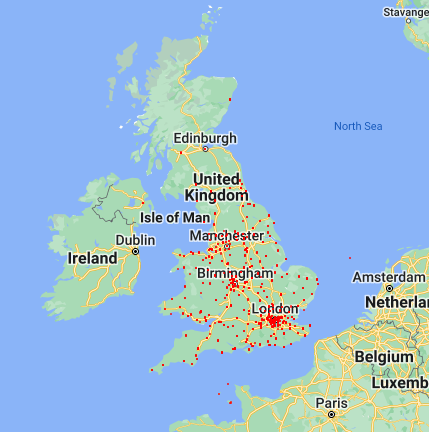
The idea of creating Fish Baiter emerged as a unique and interesting challenge. The goal was to track compromised ATMs across the UK and develop a system to determine which ATMs were affected by the Fish Bandit.
What it does
Fish Baiter utilizes a Flask backend, a Bootstrap frontend, and real-time ATM data streamed through json-server. The application has two interfaces:
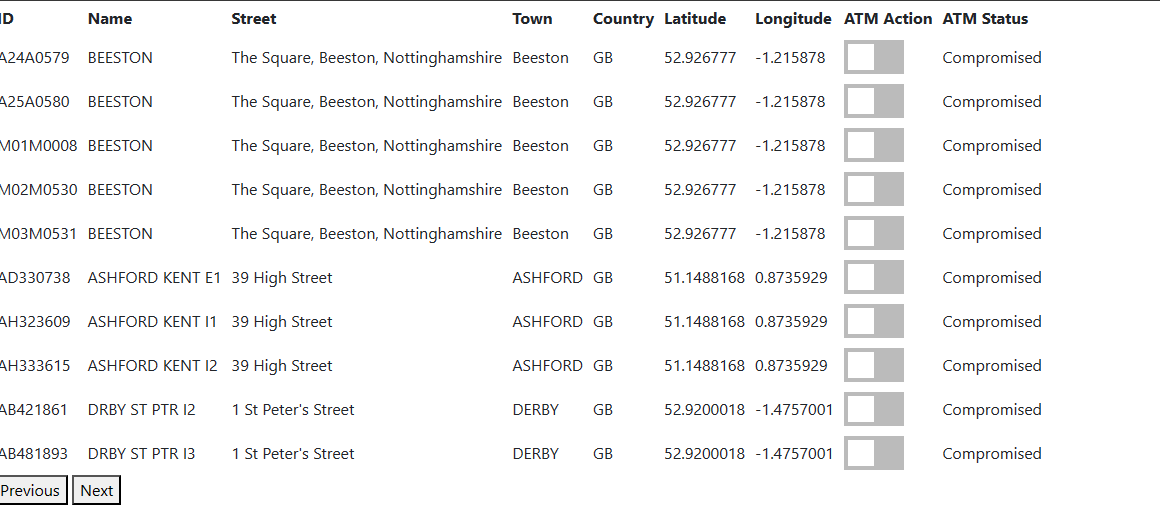
- A dashboard for checking the status of all ATMs, displaying real-time data.
- A Customer Engagement platform for tracking affected and unaffected ATMs, with an issue resolution system powered by MongoDB.
How we built it
- Flask apps for backend
- Bootstrap for frontend
- Streaming real-time ATM data using json-server
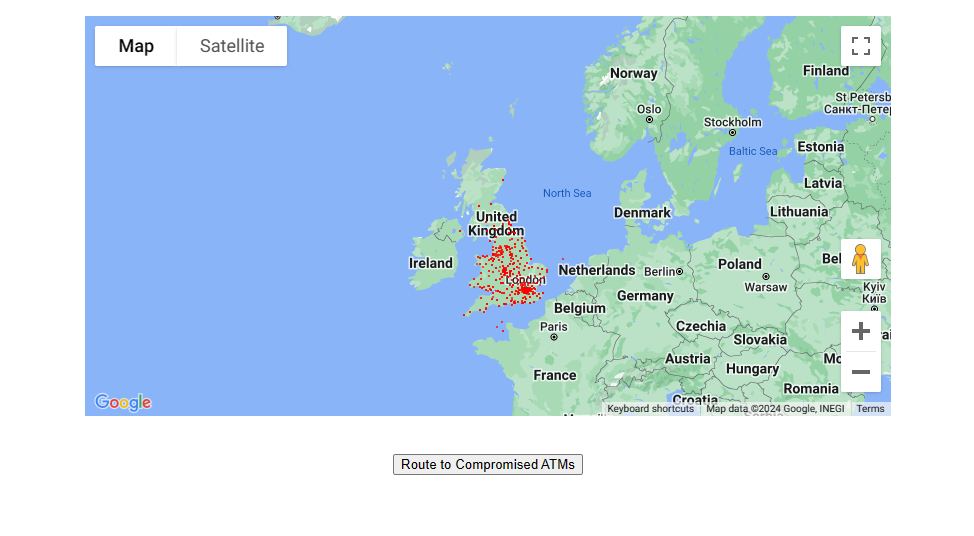
- Map data loaded from Google Maps API
- MongoDB to store data from the issue resolution platform
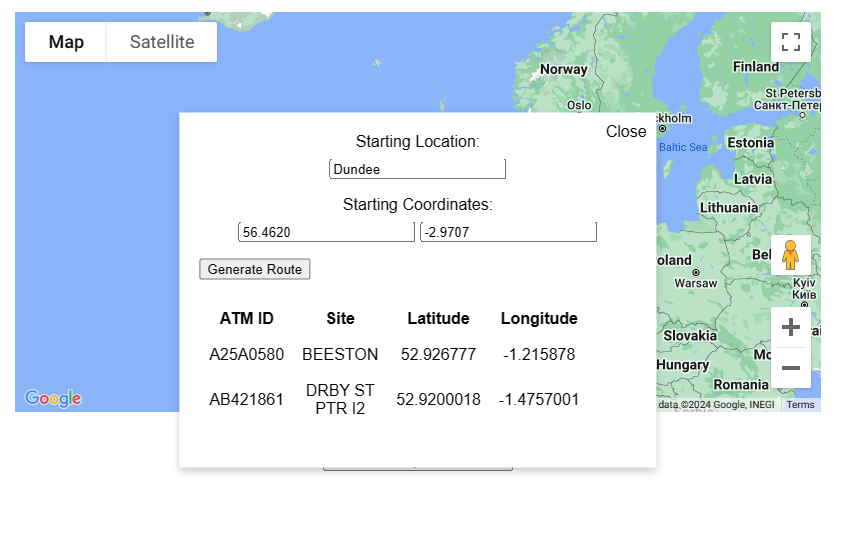
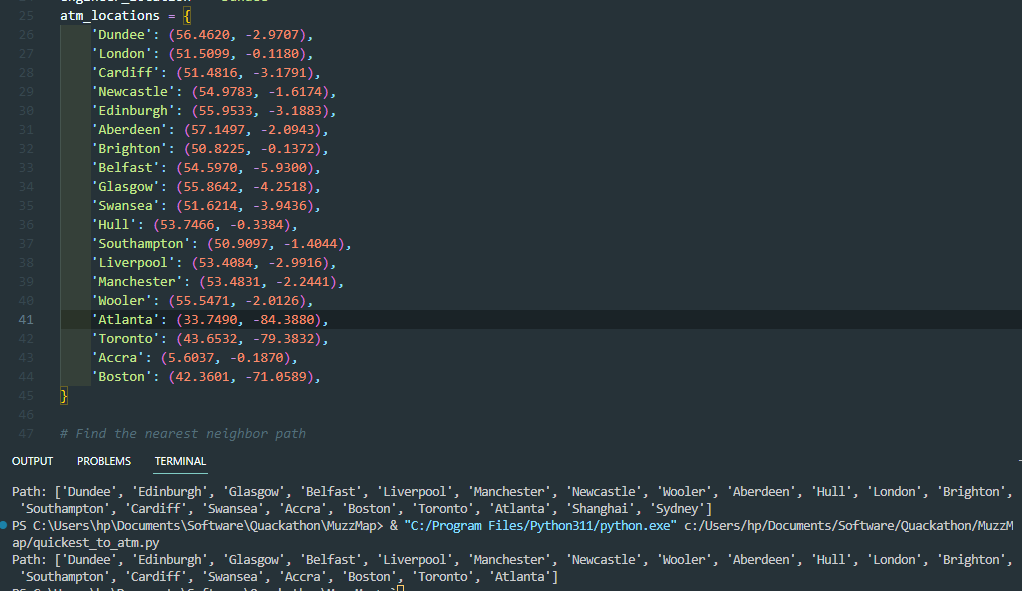
- Nearest Neighbor algorithm for optimal distance computation
- Google Maps visualization for affected and unaffected ATMs
- Asynchronous requests for real-time tracking of the thief
Challenges we ran into
- Difficulty in routing between Flask and JavaScript
- Implementing Google Maps visualization for affected and unaffected ATMs
Accomplishments that we're proud of
- Successful implementation of the Nearest Neighbor algorithm
- Map visualization using Google Maps API with multiple markers
- Asynchronous requests for tracking the thief in real-time
What we learned
- Long-term tracking of the thief based on compromised locations poses a significant challenge.
What's next for Fish Bait Customer Eng. Route Planner
The future development of Fish Baiter involves refining the route planner for customer engineers, potentially analyzing patterns to predict the Fish Bandit's next move, and addressing challenges in long-term tracking of compromised locations.

Log in or sign up for Devpost to join the conversation.