Inspiration
The inspiration for this project came from my dad, who loves tracking his finances, creating graphs, and analyzing his spending patterns. I realized that while he enjoys doing it, the process of sorting through data and making sense of it can be tedious and time-consuming. This motivated me to create an app that automates and enhances this process using the power of AI.
What it does
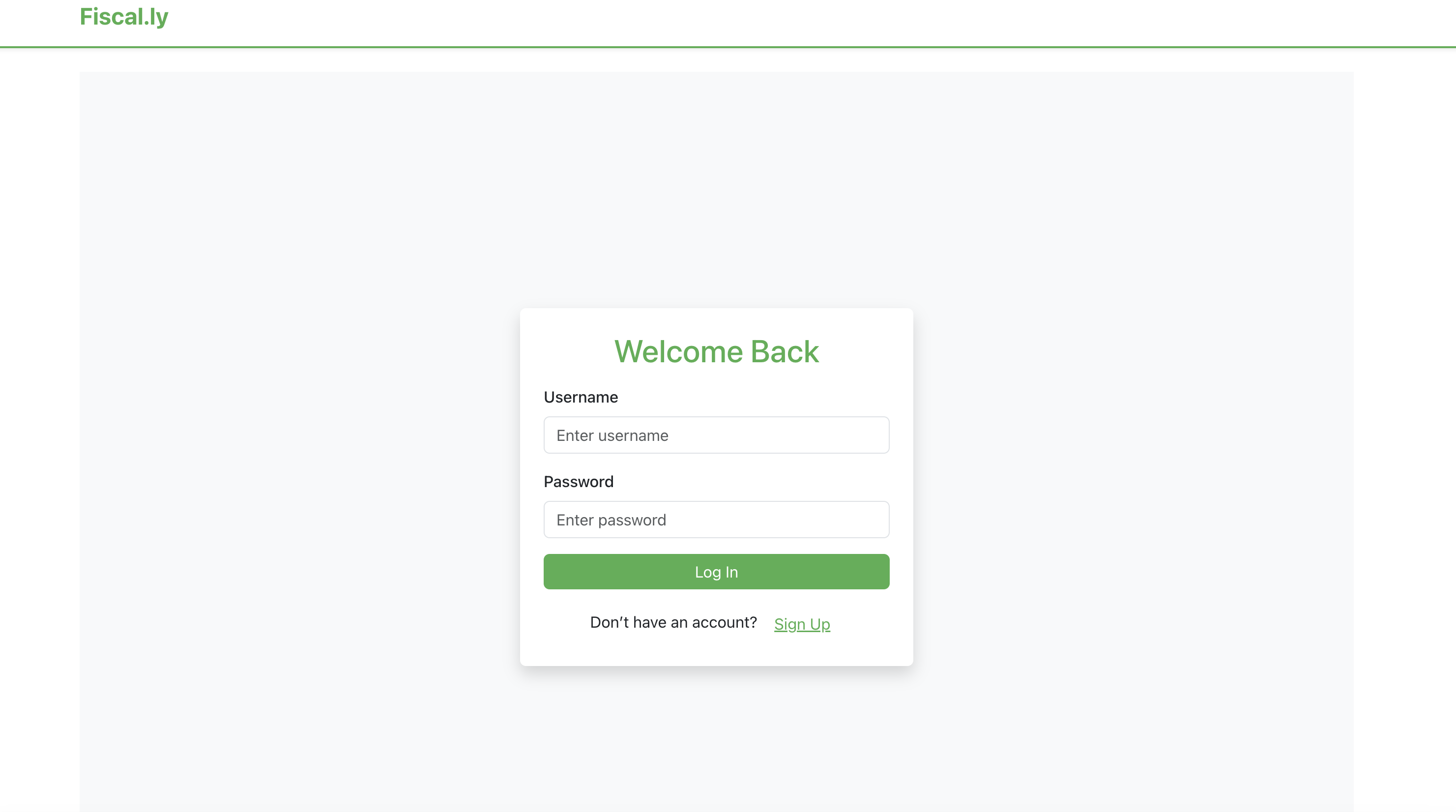
Fiscal.ly is a personal finance assistant designed to simplify managing and analyzing spending habits.
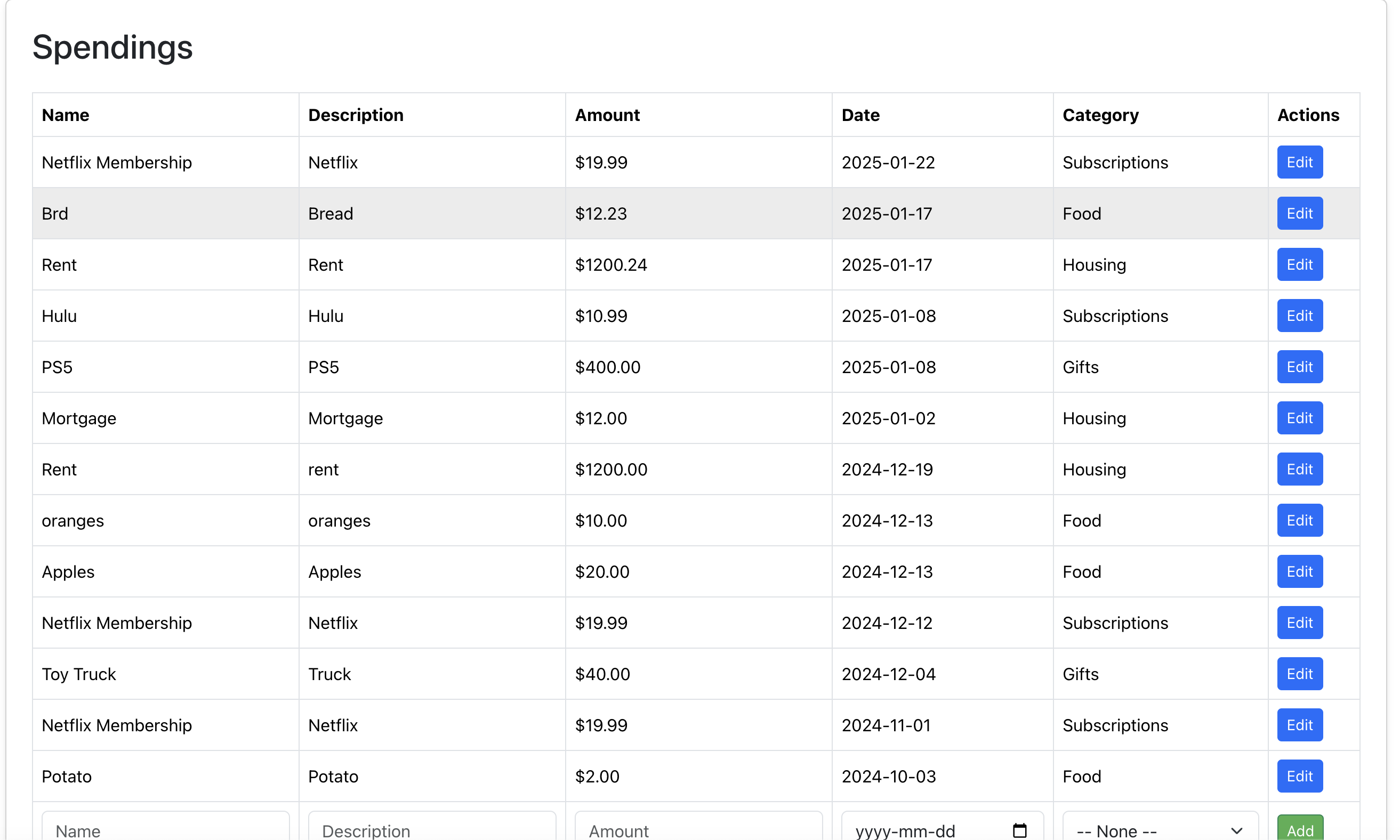
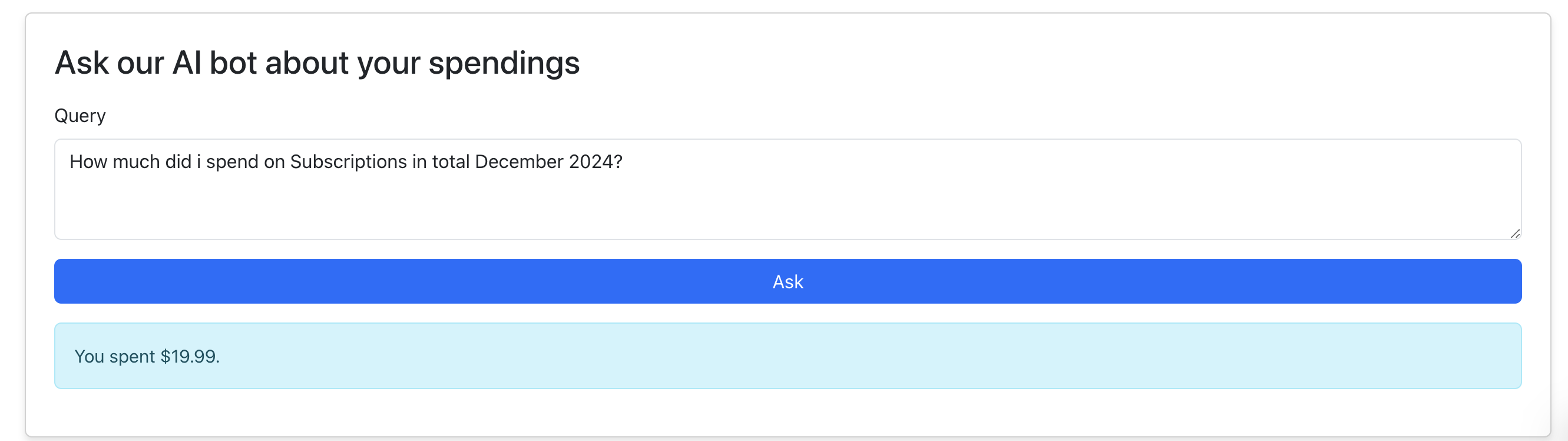
With Fiscal.ly, users can effortlessly track their spending, categorize transactions, and even ask natural language questions about their finances, thanks to the integration of GPT technology.
How I built it
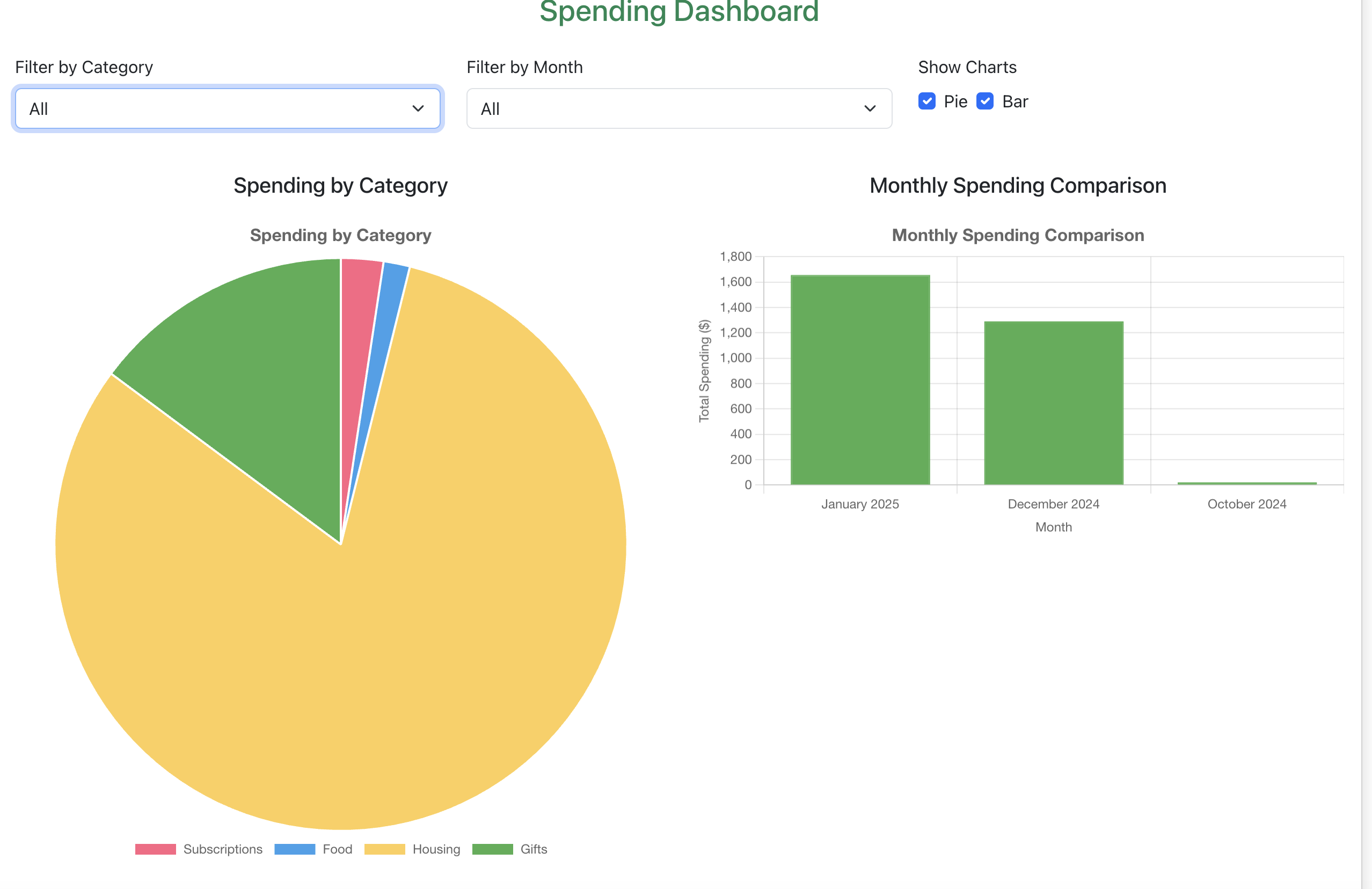
- Frontend: Built using React and styled with React Bootstrap for a clean and responsive design. I used Chart.js to create dynamic visualizations like pie charts and histograms for spending analytics.
- Backend: Django served as the backbone for APIs, user authentication, and database management using PostgreSQL.
- AI Integration: Integrated a GPT model to process user queries in natural language and provide meaningful insights.
- Deployment: Leveraged modern tools and techniques such as Docker to prepare the project for hosting and scalability.
Challenges I ran into
Building Fiscal.ly came with its fair share of challenges:
- AI Integration: Making the GPT model work with the financial data while ensuring the queries were accurately interpreted was tricky.
- Containerization: Creating docker container for the front-end, back-end and database was a big task, because I have never created my own docker containers before this
- Time Constraints: Working on such a comprehensive project in a limited time during the hackathon meant prioritizing key features while leaving room for future development.
Accomplishments that I'm proud of
- AI Integration: Successfully integrating GPT models into the project to handle natural language queries about spending was a huge milestone.
- Dynamic Data Visualization: Creating interactive and visually appealing charts, like pie charts and histograms, to help users better understand their spending patterns was a highlight. It made the financial data more engaging and insightful.
- Full-Stack Development: Building a large and secure backend with Django and Postgres; and a clean, user-friendly frontend using React. It’s satisfying to see the entire stack work together.
- Limited Time: Completing a functional and polished product within the hackathon’s timeframe was a big accomplishment. Prioritizing key features while maintaining a high standard was a skill I’m proud to have applied.
- Inspiration from Personal Experience: Bringing to life an idea inspired by my dad’s love for tracking finances and creating something that could genuinely help people manage their money smarter.
What we learned
This project was a deep dive into many technologies and concepts, and I learned a lot along the way:
- Backend Development: I built the backend using Django REST Framework, implementing secure user authentication, category management, and transaction tracking.
- AI Integration: I integrated an open-source GPT model to enable users to ask AI-driven questions about their spending.
- Frontend Development: The React frontend was designed with a focus on responsive design and data visualization
- Data Visualization: Creating visually appealing charts and graphs helped me understand how to present financial data in a user-friendly manner.
What's next for Fiscal.ly
While Fiscal.ly is already functional, there’s still so much potential for improvement and expansion. I plan to:
- Improve receipt parsing with OCR and machine learning.
- Add subcategories and deeper analytics for better financial insights.
- Enhance the AI to handle more complex financial queries.
- Deploy the app to reach a wider audience.

Log in or sign up for Devpost to join the conversation.