-
-
First Session
Inspiration
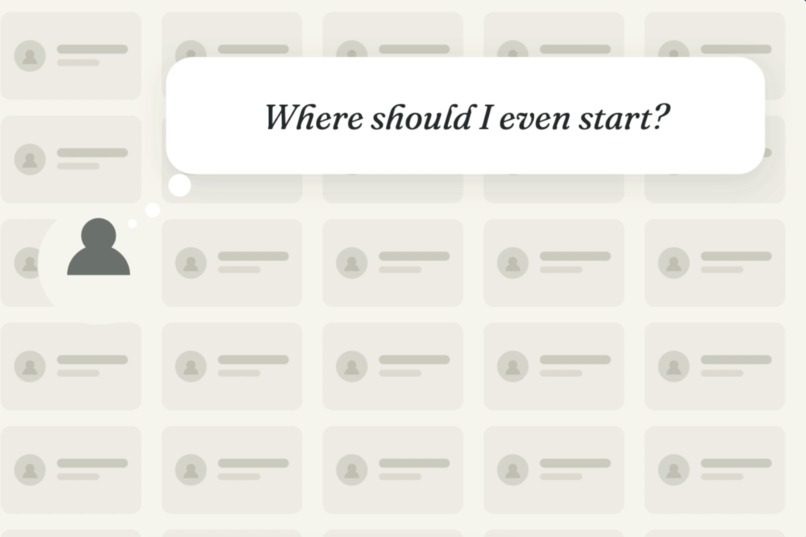
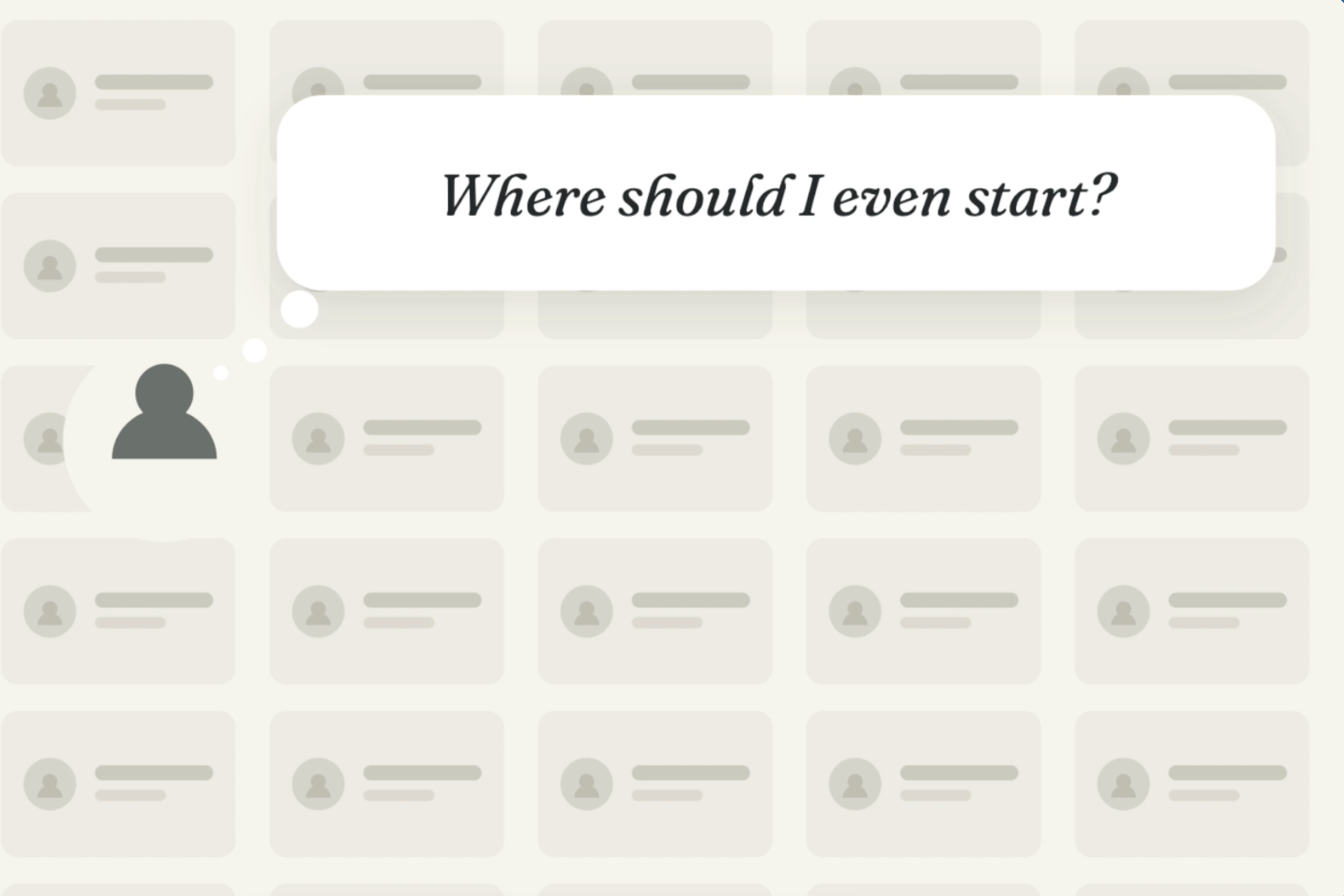
Finding a therapist for a child on Medicaid often starts with a public directory and hundreds of profiles that all look like separate choices. Yet none answers the question an overwhelmed parent has at 11 p.m.: Who should I contact first? First Session grew out of that frustration and research from the New York Attorney General, HHS OIG, and the Senate Finance Committee showing that inaccurate and outdated provider directories, often called phantom networks, are a widespread systemic problem.
What it does
First Session is a fail-fast access navigator for NYC parents looking for Medicaid teen therapists.
After analyzing 266 therapist profiles, we discovered that many profiles lead to the same intake organization, practice, or public email. Instead of treating every therapist as a separate option, First Session groups them into shared contact paths and recommends the highest-leverage place to start.
Recommendations are ordered by practical value: how many therapists one outreach can reach and how easy that outreach is. The top recommendation reaches 15 therapists through a single intake organization.
Every recommendation provides real actions such as copying a public email address or a ready-to-send outreach message, along with simple workflow controls like Contacted, Skip, and Dead End to help parents move forward instead of revisiting the same paths.
First Session is intentionally not a matching app. It does not rank therapists, score quality, or recommend the "best" clinician. It helps parents find the fastest path to a real conversation.
Read the full product story and design process: https://medium.com/@michiyamamoto/i-built-a-tool-that-tells-overwhelmed-parents-one-thing-who-to-call-first-f959f275aa62
How we built it
We built a lightweight data pipeline using Node.js and Playwright to collect a pre-filtered set of Psychology Today therapist profiles. For each therapist, we identified the best publicly available contact method, including email, contact forms, phone numbers, or Psychology Today as a fallback, then grouped therapists by shared contact paths into a generated JSON dataset.
The application itself is a mobile-first React app built with Vite and TypeScript. It runs entirely on the client without a backend, login, or runtime network requests. User progress is stored locally using localStorage. Gemini is used only to generate parent-friendly summaries and never to evaluate or rank therapists. The app is deployed to Firebase Hosting and Cloud Run on Google Cloud.
Challenges we ran into
The biggest challenge was resisting the temptation to overstate what we knew.
Directories may list that a therapist accepts Medicaid or works with teens, but they cannot confirm a family's specific Medicaid plan or current availability. Rather than adding misleading "verified" badges, we made honesty a product principle. The interface only says what we actually observed, such as "listed," "public email found," or "not verified."
Another challenge was realizing we had initially solved the wrong problem. Our first prototype focused on therapist matching. Through user research and data exploration, we discovered that parents were not struggling with choosing between therapists. They were struggling with knowing where to start. That insight led us to rebuild the product around leverage-ordered contact paths.
Accomplishments that we're proud of
We're proud of reframing therapist search as a navigation problem instead of a matching problem.
Grouping therapist profiles into shared contact paths creates a practical workflow that helps parents reach more therapists with fewer outreach attempts. Every action in the app is real, and the product is intentionally transparent about what it can and cannot verify. We believe that honesty builds more trust than unsupported certainty.
What we learned
We learned that the real problem is not a lack of information. It is too many undifferentiated choices.
Helping families means reducing decision fatigue, surfacing the highest-leverage next step, and making it easy to move on when a path turns into a dead end. We also learned that saying "we can't verify this" can be a product strength when users are making important decisions.
What's next for First Session
Next, we plan to validate the workflow by tracking real outreach across 30 to 40 contact paths to learn which signals best predict successful responses and dead ends. We'll add lightweight verification where it is responsible to do so, continue improving recommendation quality, and expand beyond NYC as we address the broader provider directory problem across the United States.
Built With
- clipboard-api
- css
- docker
- firebase-hosting
- google-cloud
- google-cloud-run
- google-gemini-api
- html
- javascript
- json
- localstorage
- nginx
- node.js
- playwright
- react
- typescript
- vite

Log in or sign up for Devpost to join the conversation.