-
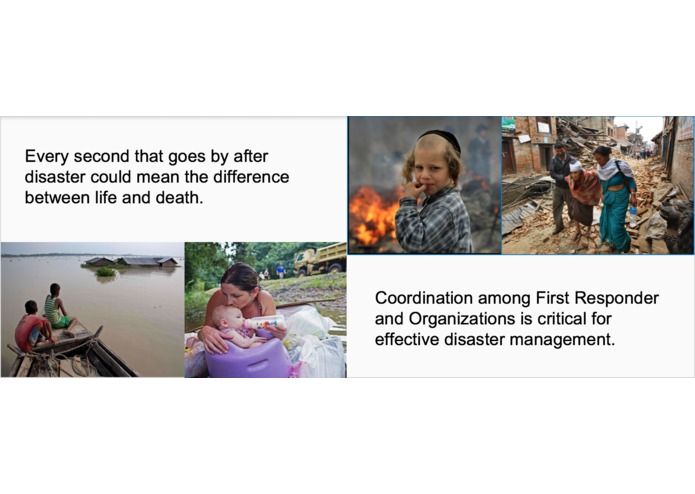
Time is of the essence when it comes to disaster management
-
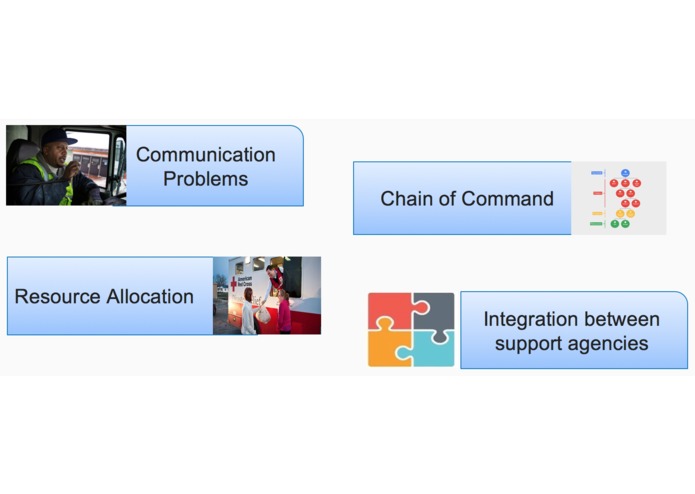
Issues addressed by proposed model
-
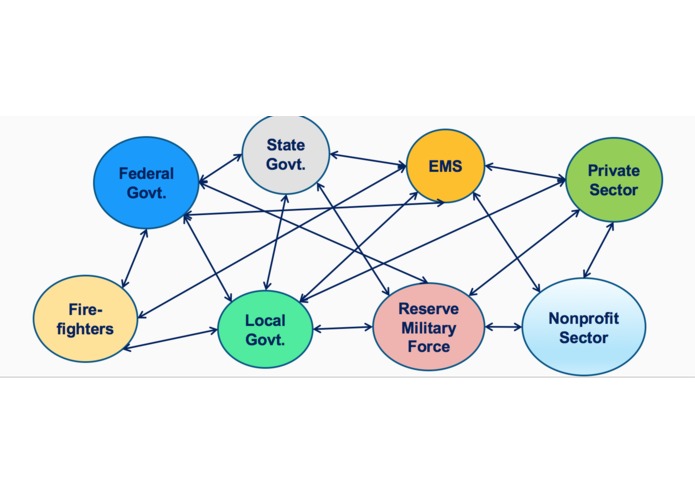
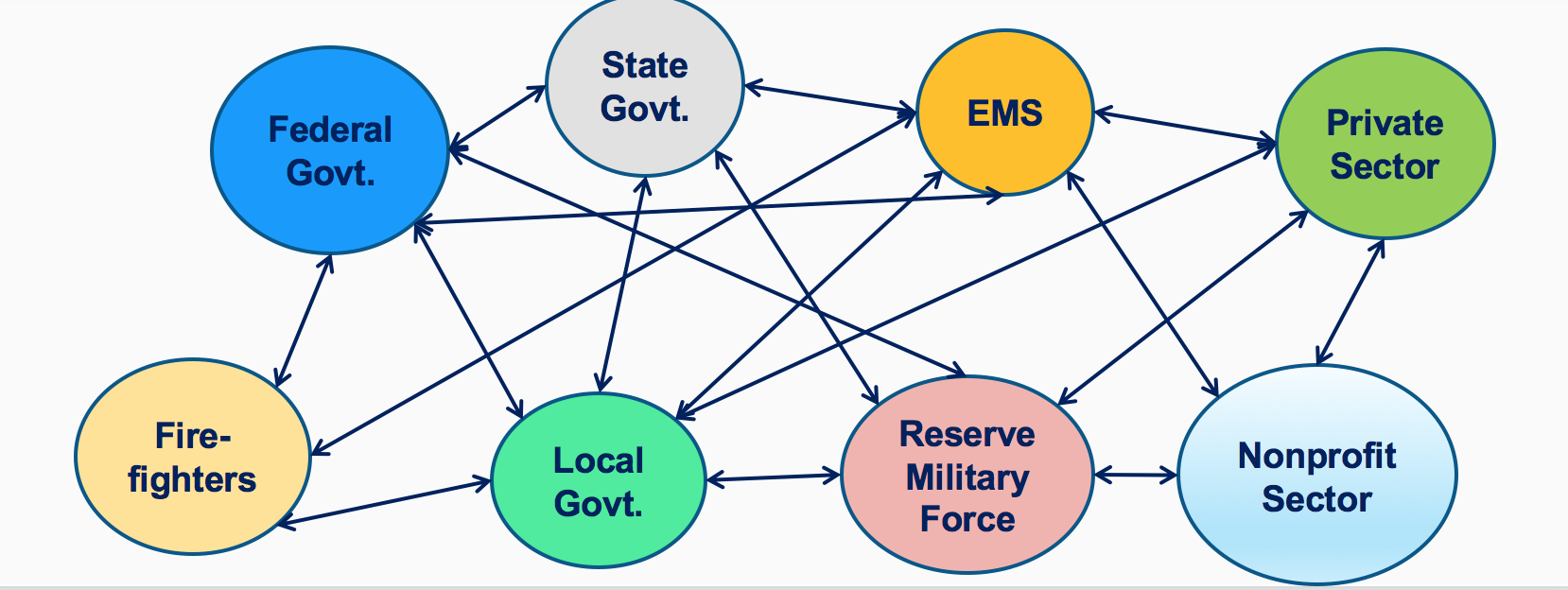
The emergency response network is complex, making it hard to coordinate efforts and disseminate information to various stakeholders
-
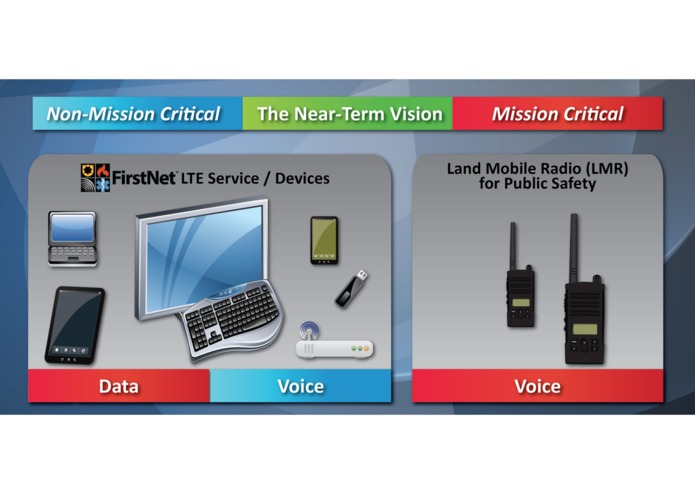
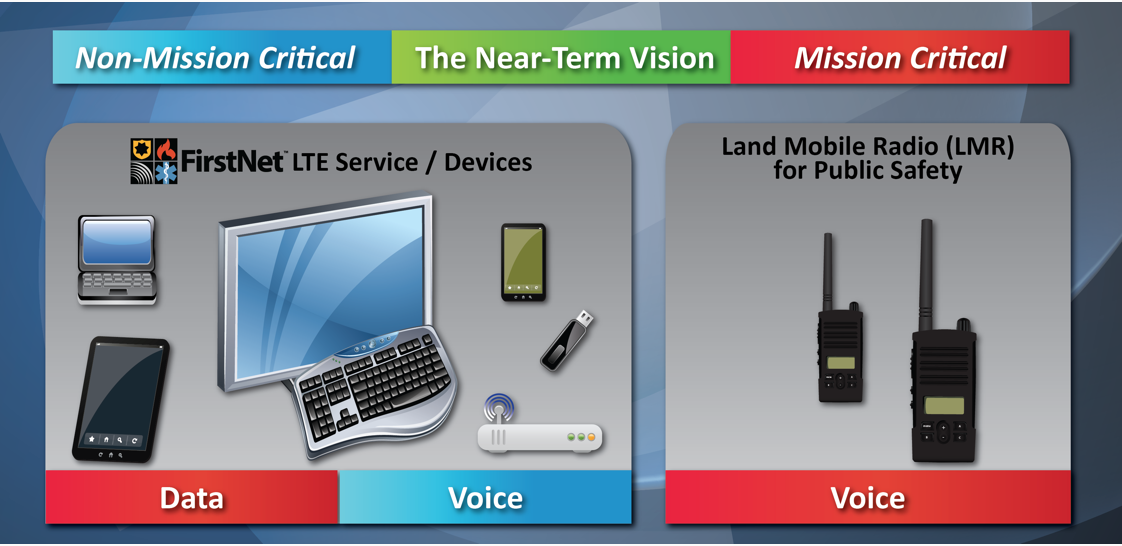
Leveraging satellite-connected mobile communications to supplement first responders' use of land mobile radio networks
-
This app will run on FirstNet, a wifi and mobile wifi dedicated to first responders and is intended to stay up during disasters
-
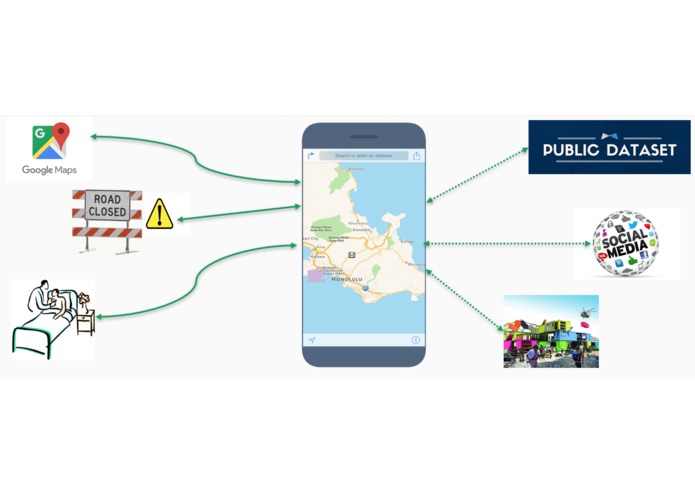
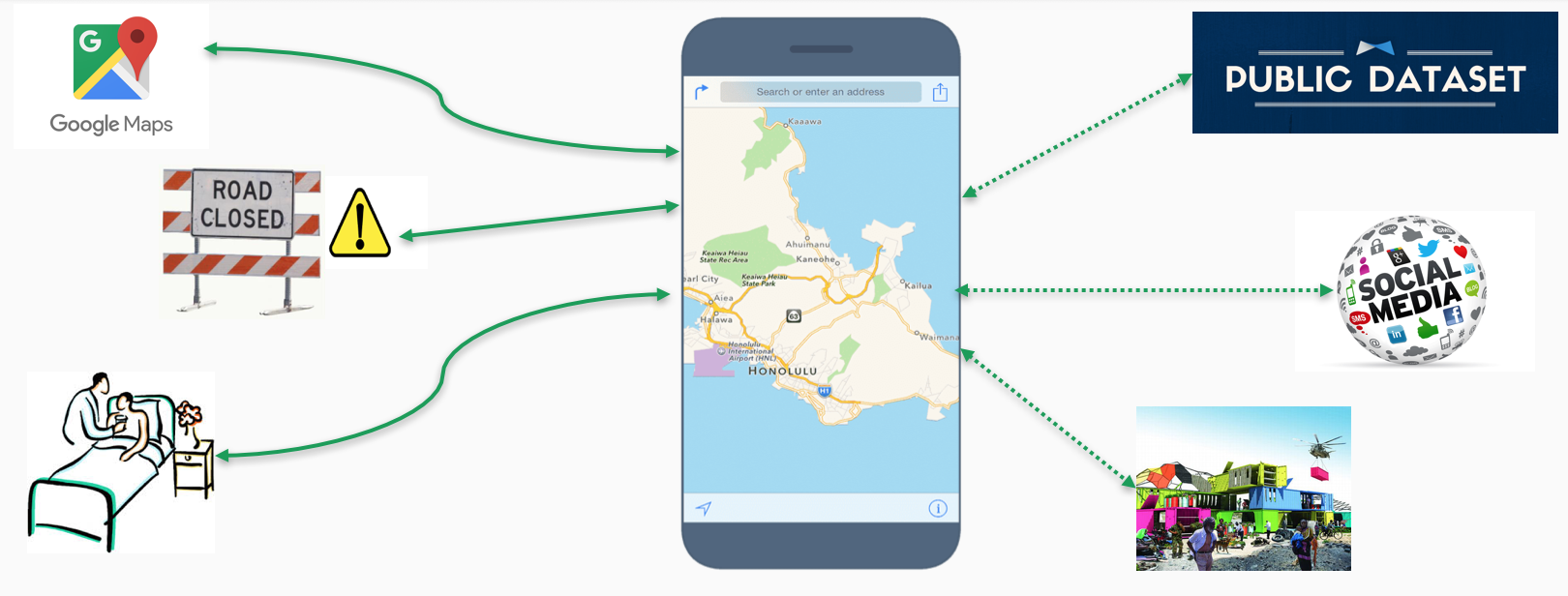
Proposed model for integrated emergency response framework with data-driven services and features
-
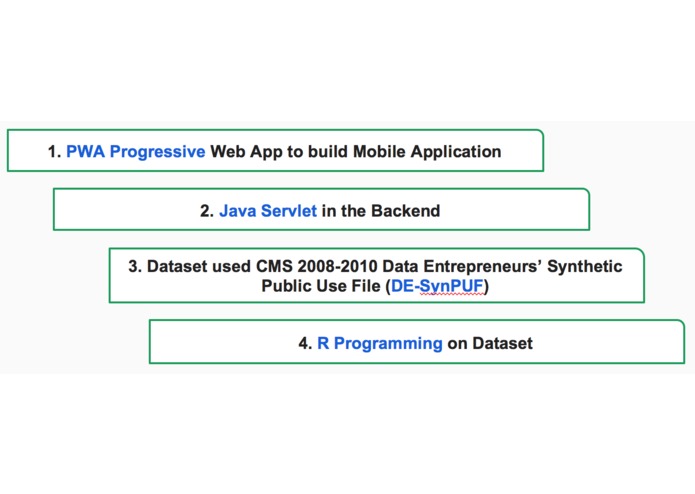
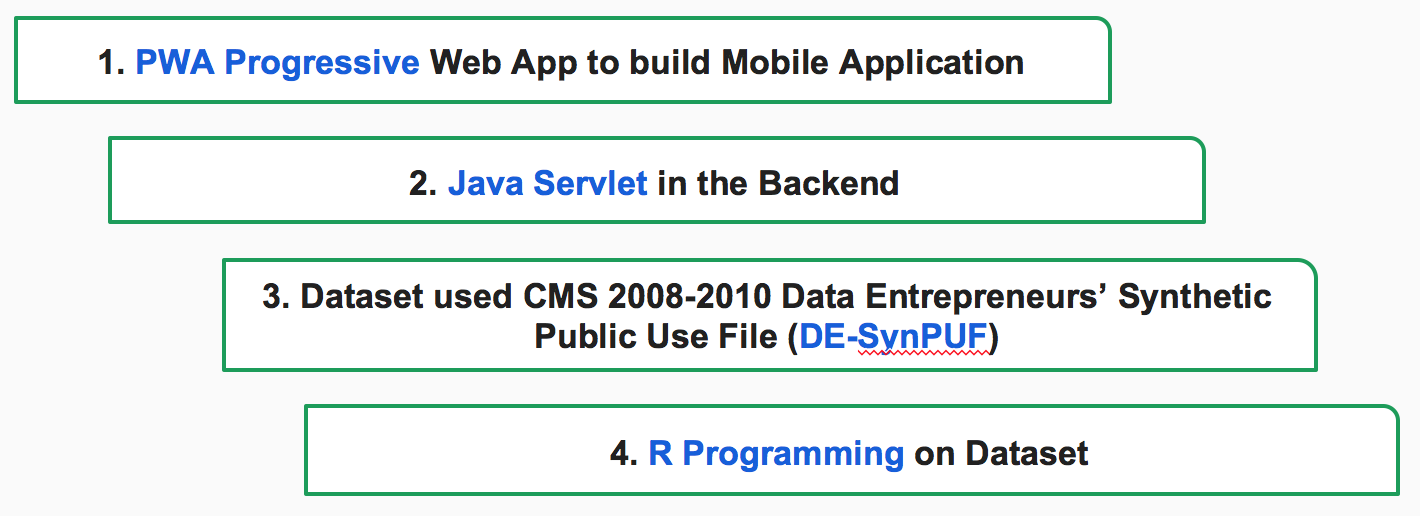
Technologies used to build the mobile application


Inspiration
Following recent disasters - including Superstorm Sandy, the Boston bombings, and the Hurricane Harvey and Maria - emerged the importance of first responders having reliable and accessible communication and information systems. Despite advances in technology, we continue to see articles , including one recently by The Atlantic about the ongoing struggle to communicate between responders.
Because we wanted to code for social impact and potentially save lives, we created the First-Responder Connect app to transform the way first responders communicate and share information. In turn, the app provides first responders ubiquitous access to data, more reliable coverage, and other resources in order for responders to operate faster, safer and more effectively.
What it does
In crisis management, most of the decision making involves the fundamental problem of propagating and then solving systems of constraints.
This app allows the local government to synchronize exchange of information between responders and effectively coordinate the various stakeholders by pinpointing the disaster location and providing key information such as what resources they have, what resources they need, and any notes at the disaster site like hazards that incoming vehicles should look out for. We designed our app to leverage data-driven services and features to help inform responders about constraints with resources. For evacuees seeking shelter during a crisis, for example, constraints shown include size, capacity, medical capabilities, and location. Additionally, by leveraging satellite-connected mobile communications, this app keeps first responders online and on the move even when terrestrial communication infrastructure is damaged.
How we built it
We used the following technologies:
- PWA Progressive Web App to build Mobile Application
- Java Servlet in the Backend
- Dataset used CMS 2008-2010 Data Entrepreneurs’ Synthetic Public Use File (DE-SynPUF)
- R Programming on Dataset
Challenges we ran into
Challenges we encountered include:
- coding features and functions we had never coded before and using documentation to assist us
- communicating in common terms, given the different structures and lingo that comes with using different languages and technologies
Accomplishments that we're proud of
We're proud of:
- effectively leverage each other's interdisciplinary strengths
- figuring out how to integrate various technologies into one project
What we learned
We learned various lessons, including:
- sharing information from one language to another and integrating various technologies into one project
- collaborating directly with potential users is important, because end users can bring up design concerns as well as knowledge and expertise on rules and regulations governing what they can do and how that extends to the product
- being able to pivot on ideas to enhance the final product
What's next for First-Responder Connect
The app can be further developed to address other areas first responders have identified as features or services that can be useful. These include:
- locating children and reuniting them with their families
- panic alarms to alert nearby communities
- developing an algorithm to create an area/block evacuation plan
Built With
- java
- java-servlet
- javascript
- pwa
- r

Log in or sign up for Devpost to join the conversation.