Inspiration
This chatbot was inspired by the desire to inform users so they can make healthier lifestyle choices.
What it does
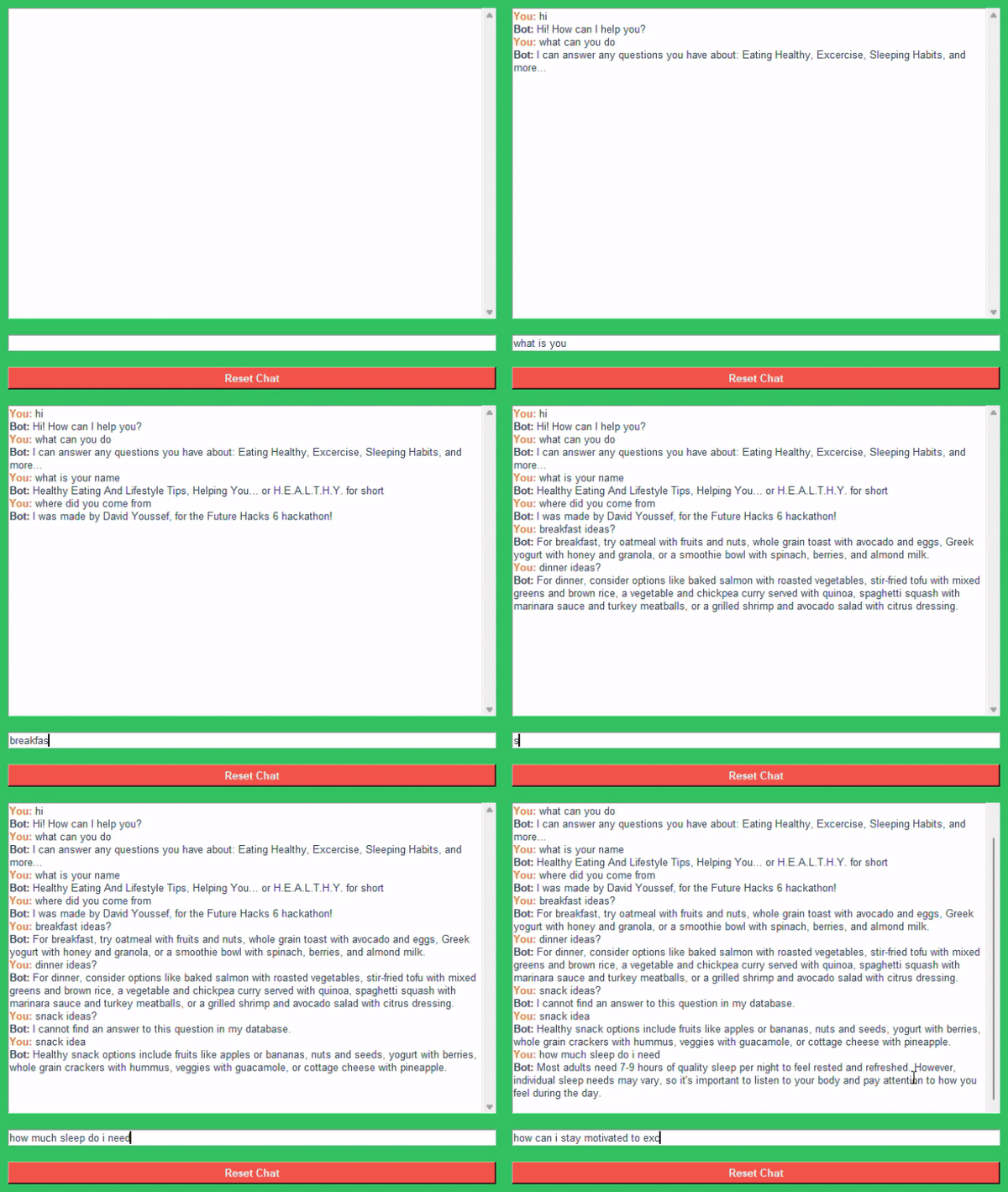
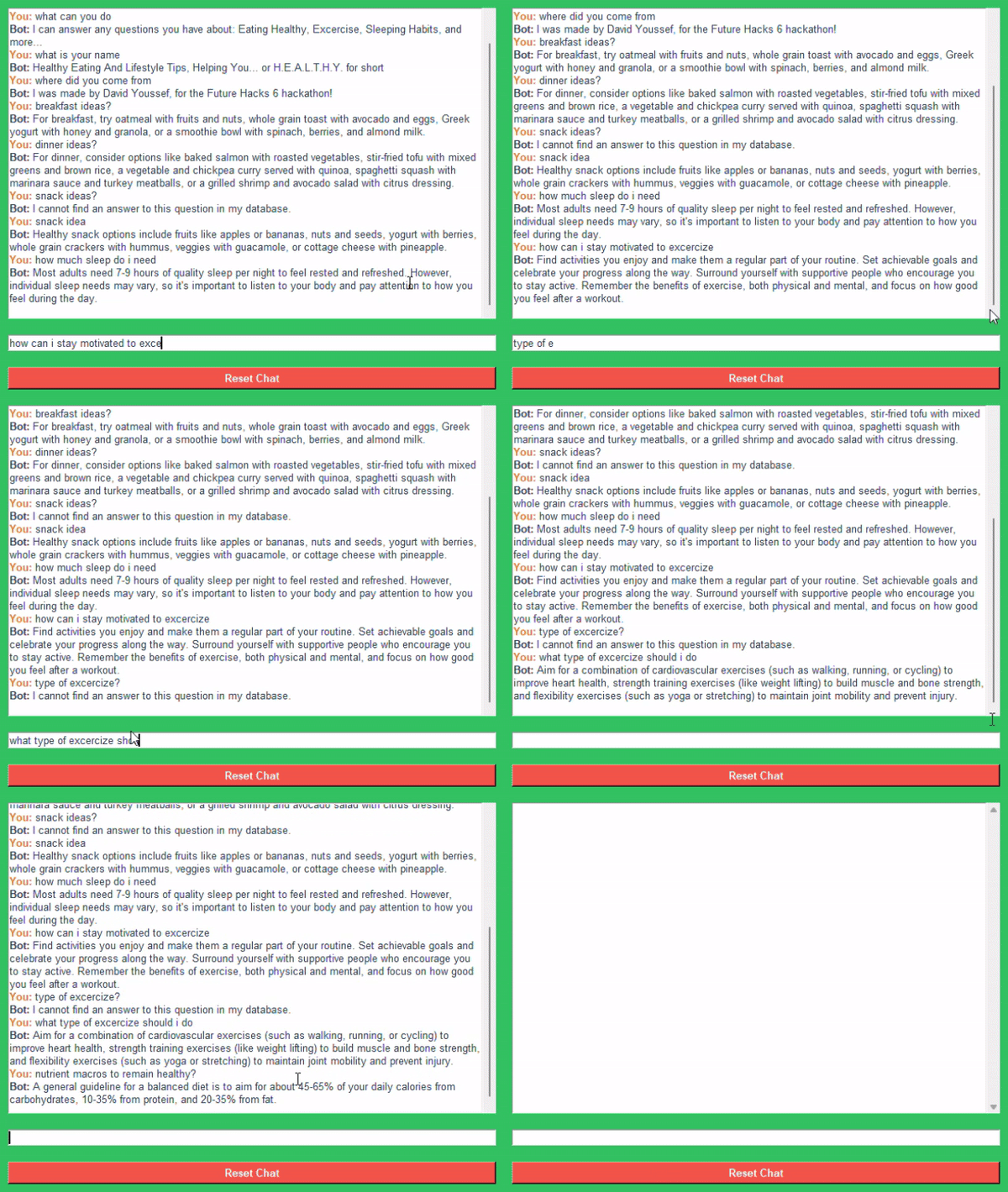
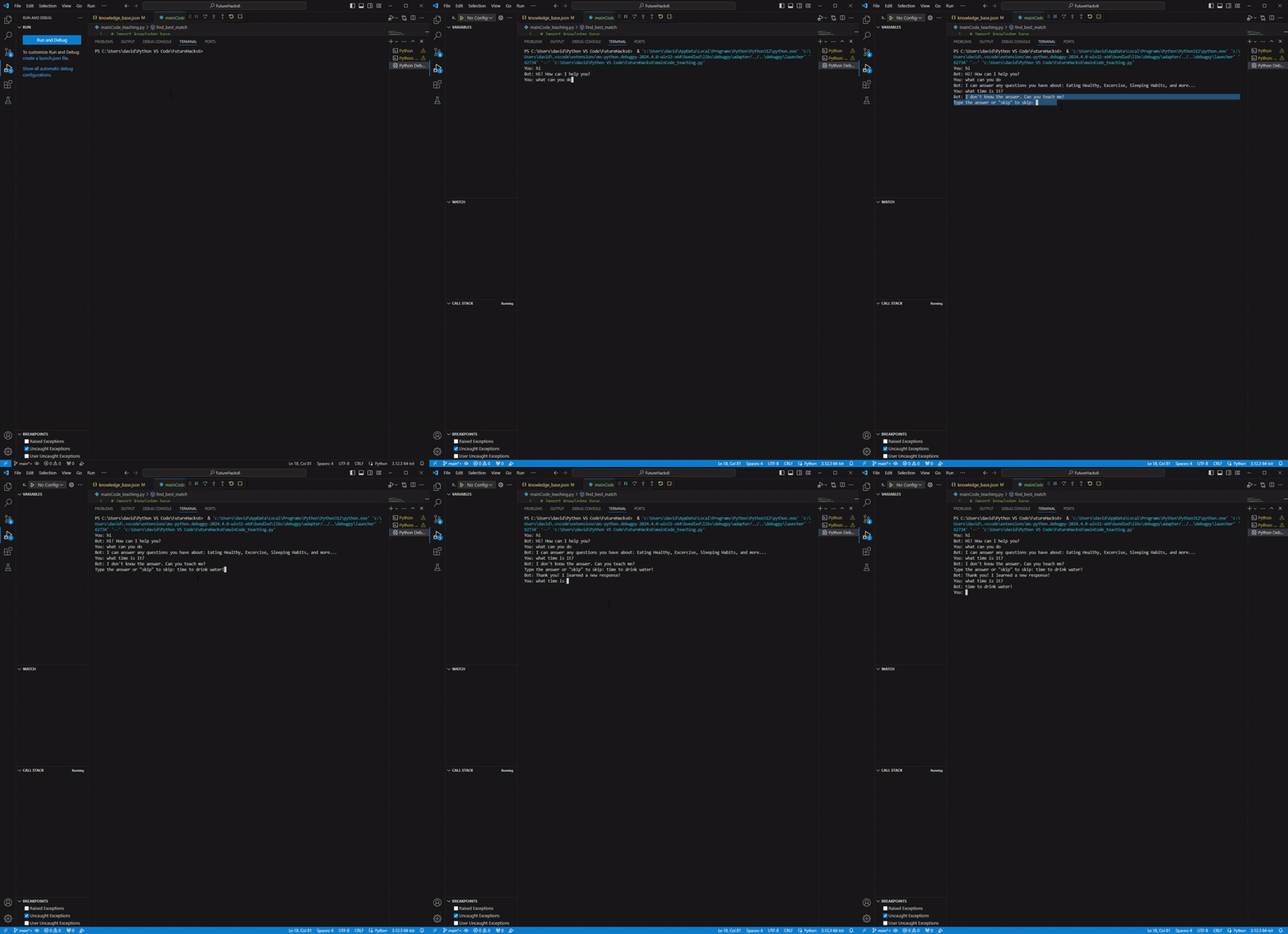
This is a chatbot that receives questions from users regarding general health (ex. eating, sleeping, exercising, etc...), and responds accordingly from its database of adequate responses. Furthermore, it can be trained to respond to certain keyphrases/words in the backend. Also, when searching its database, parameters can be adjusted to filter the search based on tolerance/similarity to inputted questions, and the number of top matches to consider.
How I built it
I coded the chatbot in Visual Studio Code using Python, and its knowledge base is a JSON file that I filled to contain extensive questions/responses regarding healthy living.
Challenges I ran into
The largest challenge I faced while trying to implement the database was managing the long list of potential questions the user may ask. This included not being able to categorize and group similar prompts/responses in order to reduce how many comparative trials were run for each type of question in the list (i.e. checking all prompts/responses, such as pleasantries, categorically instead of individually).
Accomplishments that I'm proud of
I am proud of how I was able to implement a front end that dynamically scales with window size to avoid cutting off entry fields, buttons, or scrollable fields because coding UI is not something I typically focus on.
What I learned
While researching implementations of AI models and databases for deep/machine learning, I learned how sophisticated and layered neural networks are when it comes to establishing and categorizing patterns within the human language, as well as the sheer scale of databases used to train, test, and validate commercial scale AI chatbots. In terms of my own project's implications, I learned to read/write and format data in a JSON file through a script made in Python, a language I am not as familiar with when compared to Java for example. Consequently, I also learned the differences between the two languages and sparked new ideas I plan to explore in Python.
What's next for Healthy ChatBot
- Categorize prompts/responses with tags to make the chatbot more comprehensive and diverse.
- Incorporate existing language models to detect and respond based on their own, larger databases and adjust their parameters such as temperature, and penalties.
- Explore alternative front-end configurations that are more creative and representative of the chatbot's expertise.

Log in or sign up for Devpost to join the conversation.