-
-
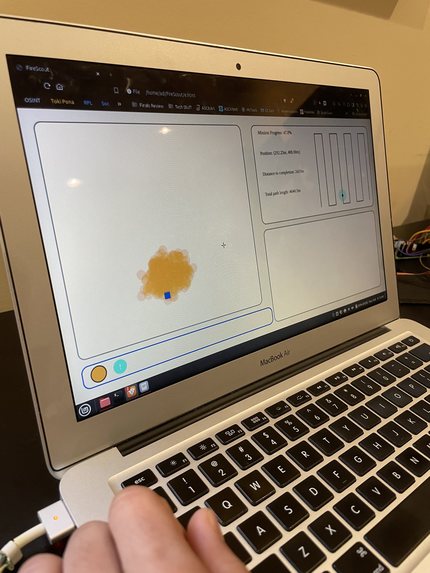
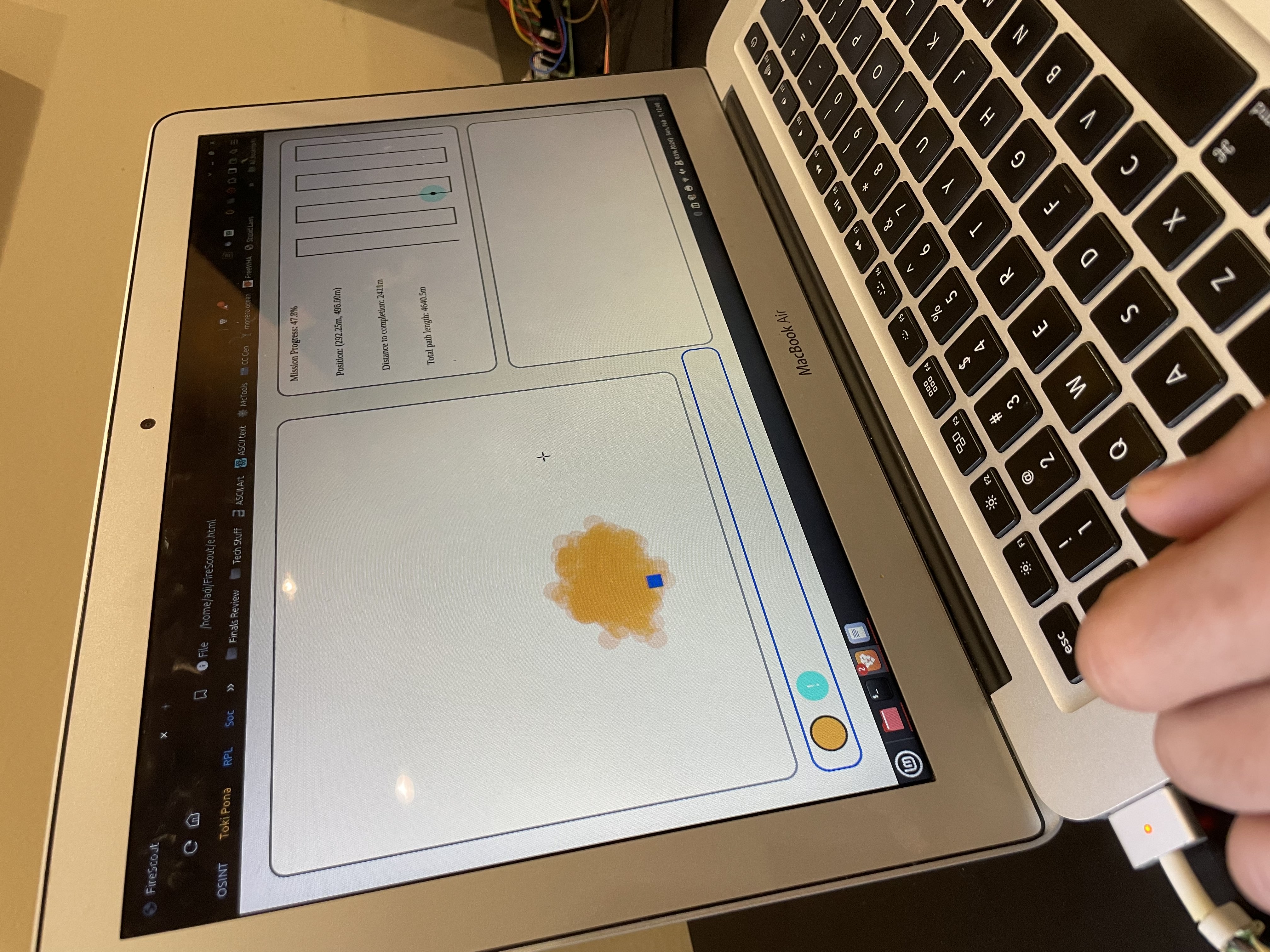
Initial stages of testing the fire spread model
-
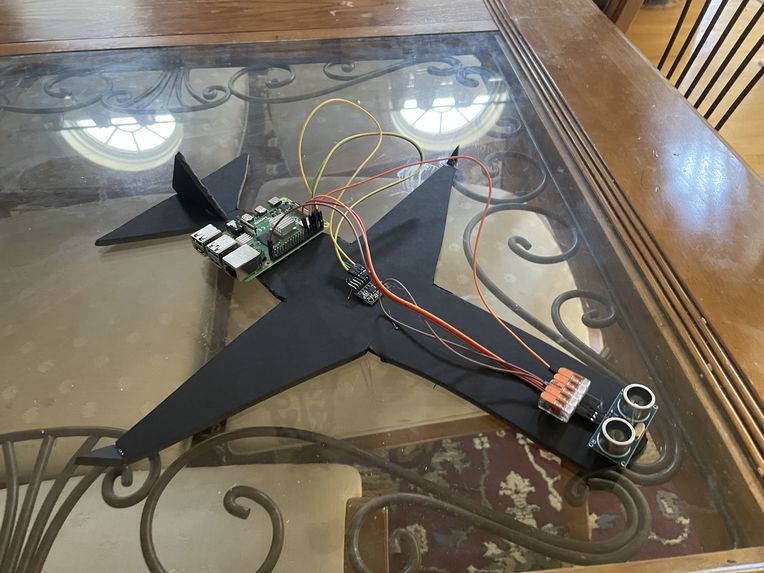
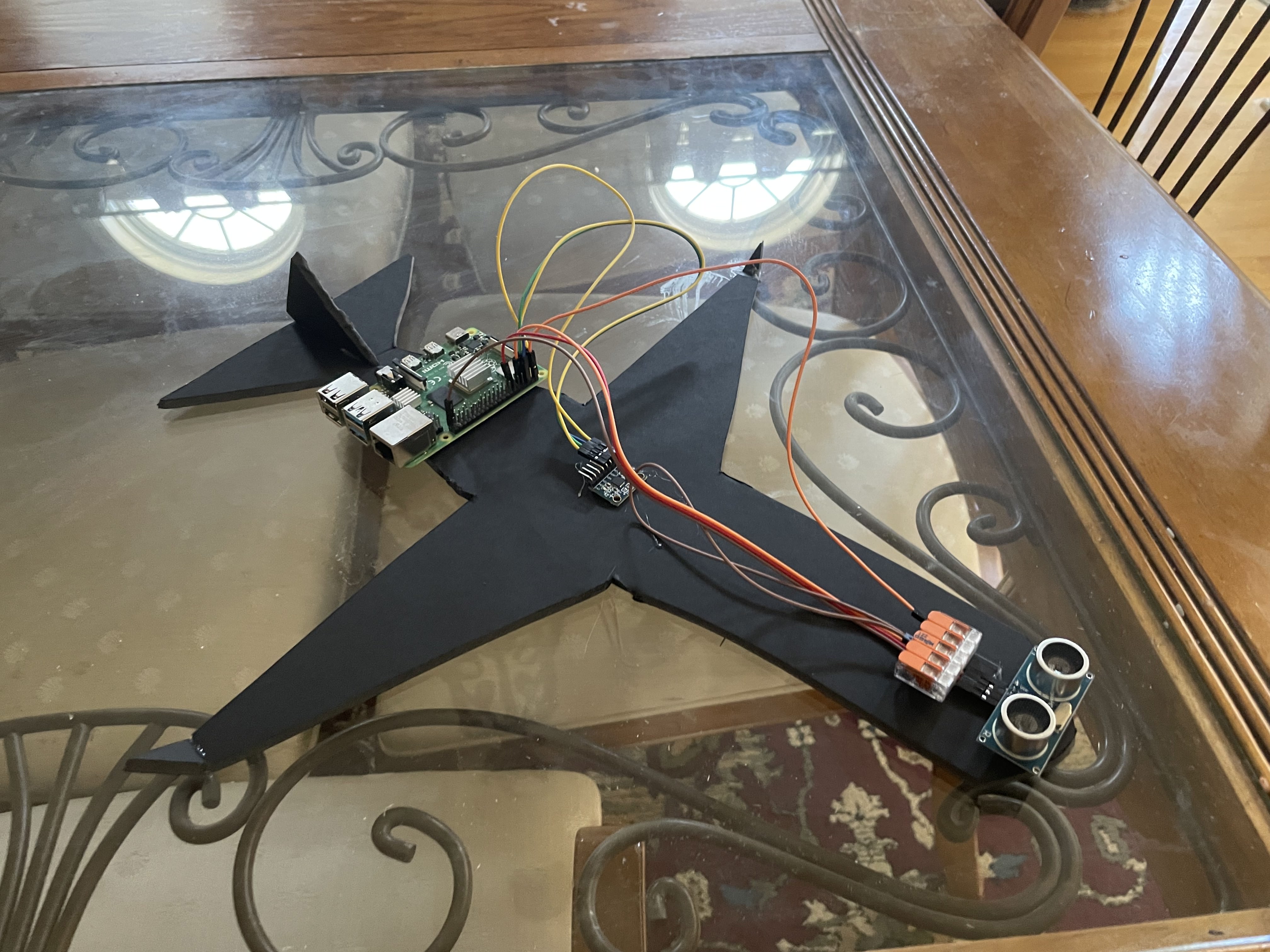
Isometric View of FireScout
-
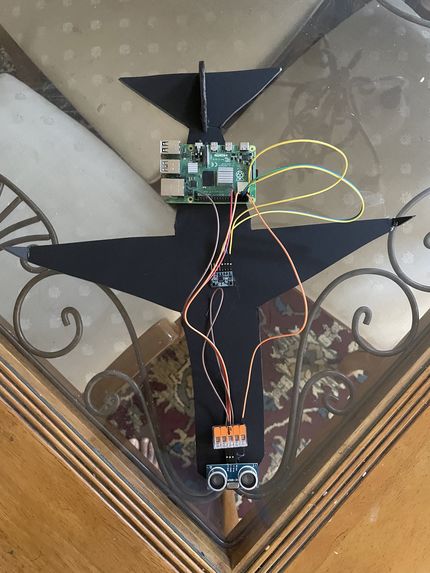
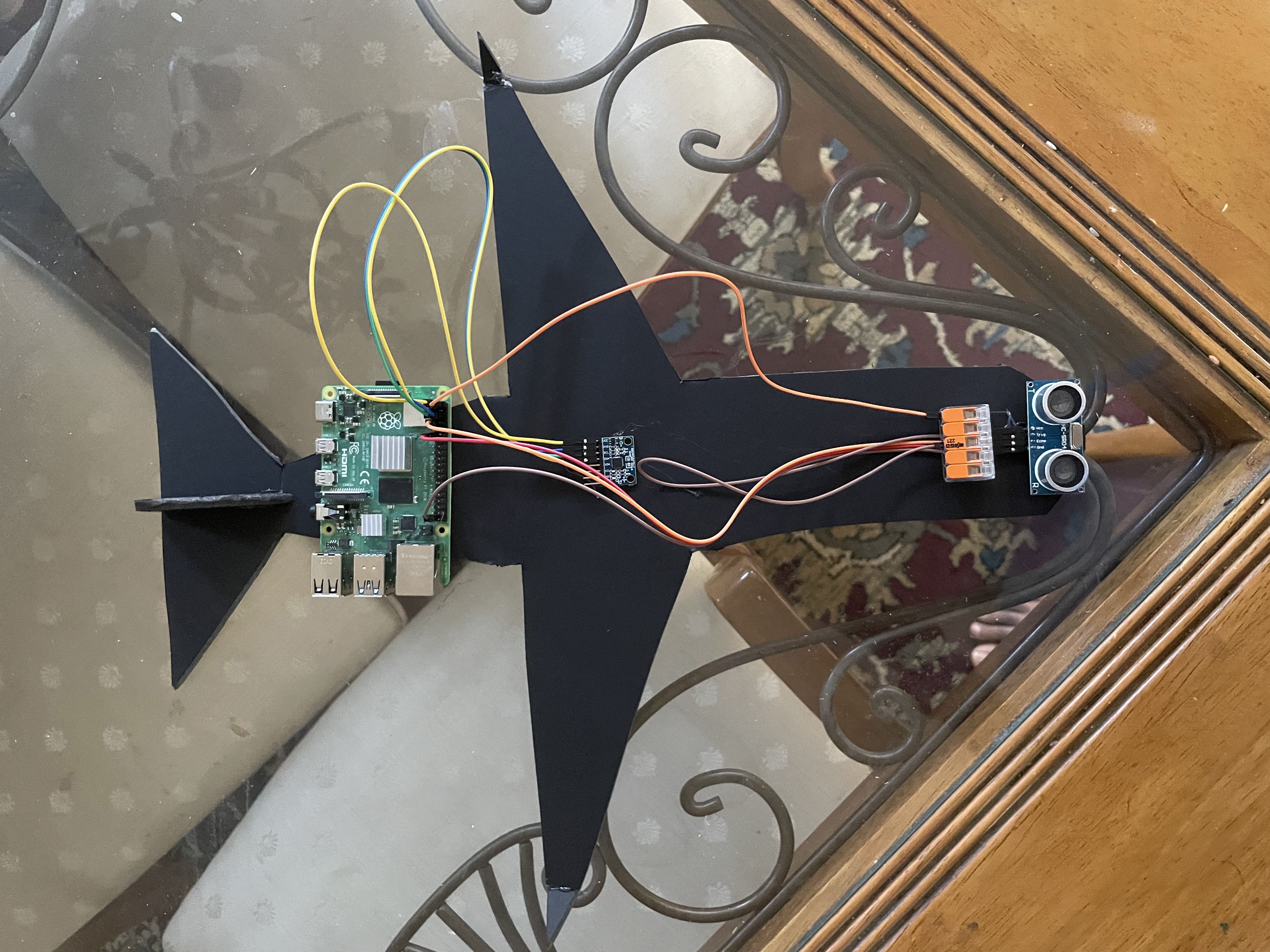
Birds-Eye View of FireScout
-
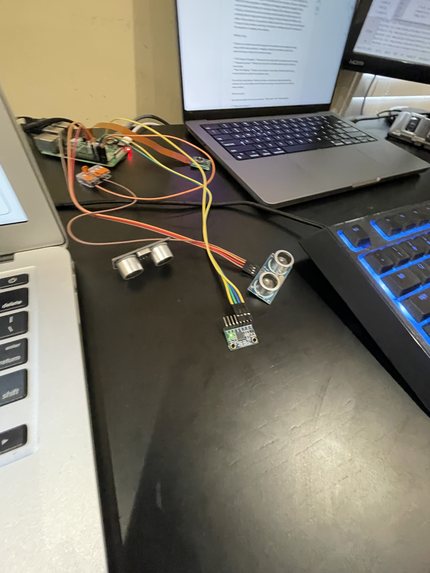
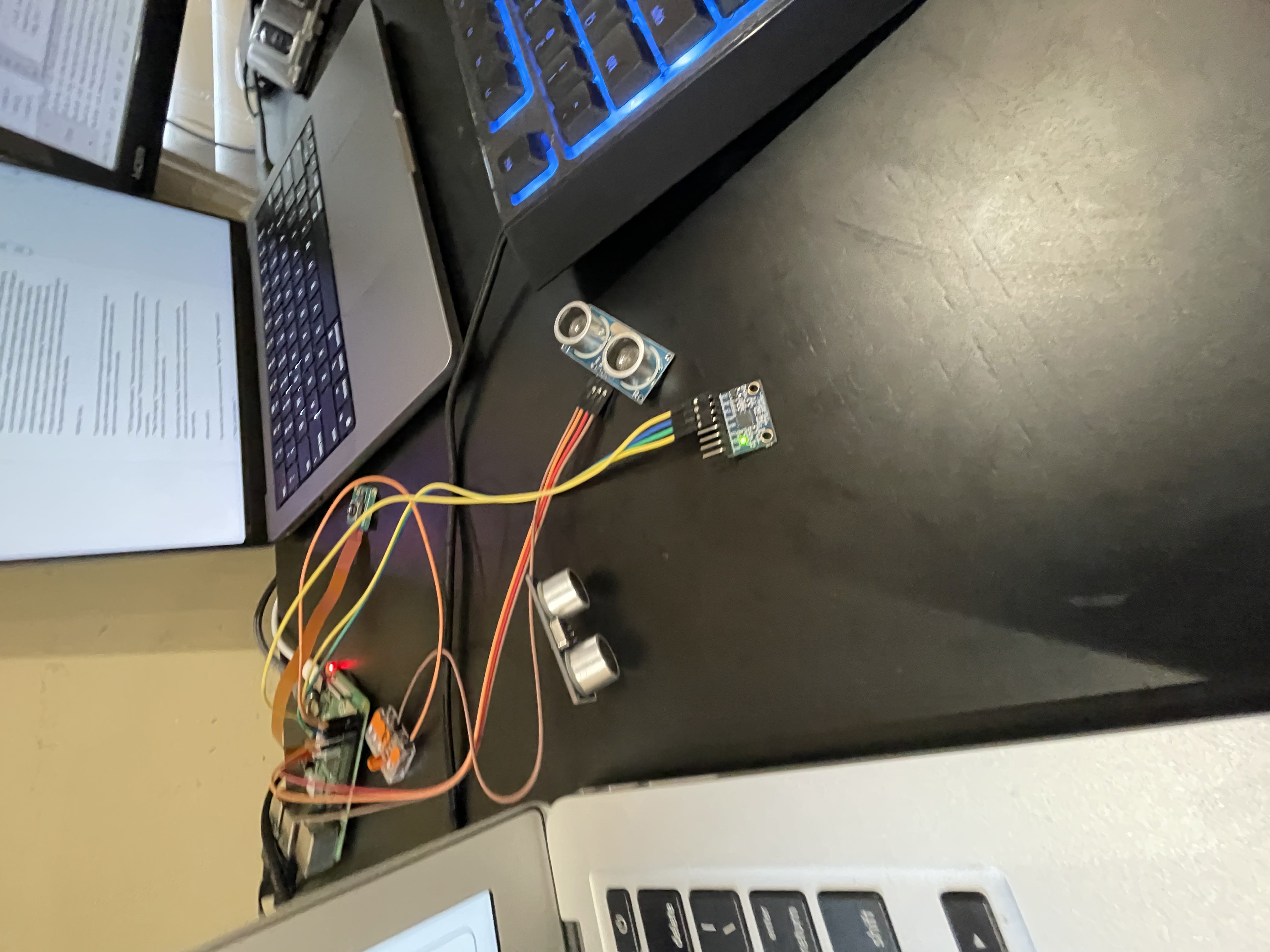
Working on implementing the sensors
-
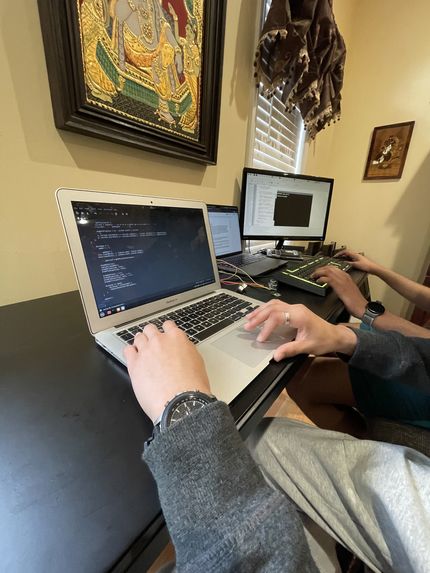
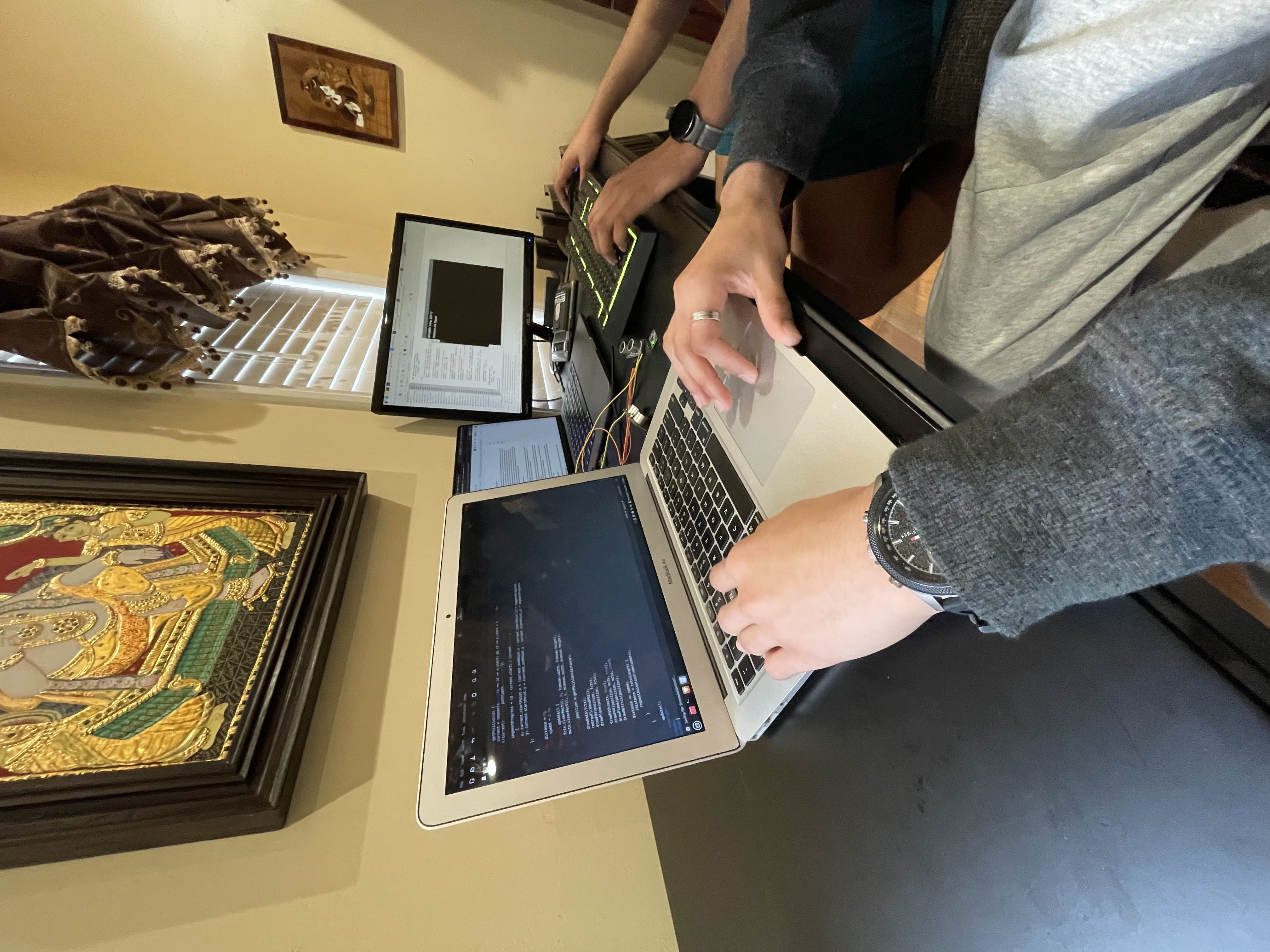
Working on the simulation frontend in JavaScript
Inspiration
In our three-person team, we were deeply moved by the devastating impact of wildfires, particularly in the wake of the recent Los Angeles wildfires. Beyond the destruction of homes and communities, we recognized the lasting environmental damage—widespread deforestation, habitat loss, and dangerously poor air quality. As we followed the disaster response efforts, we saw a critical gap in search and rescue operations. Firefighters and emergency responders faced immense challenges in locating survivors quickly while also predicting fire movement to ensure safe evacuations. Current methods often rely on limited visibility, outdated mapping, and delayed information, making it difficult to respond effectively in high-risk situations.
Determined to address this problem, we developed "FireScout", an autonomous search-and-rescue aircraft system designed for wildfire response. By combining thermal imaging with real-time mapping, FireScout can detect survivors through heat signatures while simultaneously providing live fire-spread data to emergency teams. Unlike traditional drones or satellite monitoring, FireScout operates autonomously in hazardous conditions, delivering critical intelligence to firefighters without putting human responders at unnecessary risk. Our goal is to enhance the efficiency and safety of rescue missions, providing first responders with real-time, actionable data that helps them make life-saving decisions. With FireScout, we hope to bridge the gap between disaster response and prevention, ultimately saving lives, protecting communities, and mitigating wildfire devastation.
What it does
FireScout is an advanced system for wildfire detection and response, leveraging satellite imagery, sensor networks, and AI-driven algorithms for the early detection of wildfires. Continuously analyzing real-time data, FireScout can identify abnormal heat signatures, smoke patterns, and fire-prone conditions before they escalate into uncontrollable disasters. Upon detecting a potential wildfire, It will provide highly accurate location-based information and forecasting of fire behaviors, thereby permitting rapid and concerted intervention. Generally, early warnings reduce response time by huge amounts, thus ensuring that the firefighter can marshal an effective deployment, enhance strategies related to evacuation, and reduce fire spread. Complemented by certain technologies, FireScout greatly improves situational awareness and lets first responders undertake better decisions utilizing real-time intel in very risky situations. In that aspect, and due to climate change, there couldn't be a time when the need for such innovative data-driven solutions like FireScout will be more critical. Capable of enabling early detection, rapid response, and predictive insight, FireScout does indeed stand vital in the line of action about saving lives, maintaining homes, and protecting ecosystems against the ravaging force of wildfires.
How we built it
The digital simulation part of FireScout was centered around 3 HTML5 canvases, one for the forest, one for the flight map, and the third as a map for fire and points of interest. The forest canvas was the most important canvas as it was where the actual plane, fire, and POI were simulated. The other two sections served as a simulated ground control station for the plane, where we'd receive data from the aircraft. Everything done in the flight map and fire map canvases was dependent entirely on the data collected by the plane. That is to say, that the information plotted in those two maps was based only on what the plane could see in the forest below. The functions used to render the plane, the fire, and the POI in the forest canvas were adapted to project a scaled plot of the plane's collected data in the other two canvases, for each one filtering out only the data that needed to be plotted.
Challenges we ran into
One of the biggest hurdles we faced was interfacing the servo hardware with the IMU data. Due to the lower cost of the IMU, the data output was not as clean as required, causing fluttering. This was solved by implementing a Kalman filter over the data to effectively de-noise it. Additionally, when building the simulation, we had difficulty finding out how to effectively model the spreading of the fire without requiring an immense amount of computing power when the fires were bigger. We solved this by creating fewer new fire nodes per existing fire node, so that there were fewer loaded into memory by the end of the simulation. Even with quite substantial challenges, we pushed through and successfully created a functional prototype within the time constraints of this hackathon, something we're very proud of.
Accomplishments that we're proud of
The biggest accomplishments included developing the functional simulation and prototype of FireScout, with successful demonstrations of its core capabilities. We demonstrated how the flight controller maintains stability while gathering and analyzing critical data. We further simulated its deployment in a real-world scenario where it gathered and mapped the relevant information with great accuracy. This project gave us hands-on experience in areas such as flight control systems, data filtering, and processing, and predictive modeling. After lots of iterations, problem-solving, and refinement of our approach, we improved the efficiency of the system. The hackathon helped us learn efficient task distribution, real-time debugging, and iteration on design improvements, all within a short amount of time which is important for tackling complex engineering challenges.
What we learned
In the process of working on FireScout, we gained quite valuable skills in hardware integration, JavaScript, and Python that were at the heart of making the project. For hardware, we learned the integration of several sensors, like thermal imaging sensors, using microcontrollers that could allow real-time data gathering. We also examined the issues that normally occur in trying to achieve smooth communication between hardware and software to make the performance as efficient as possible and troubleshoot their connectivity. On the software side, we improved our skills in JavaScript by developing the front-end interface of FireScout in such a way that it became user-friendly for users like emergency responders. Python was used in back-end development, especially for processing huge datasets from satellite imagery and sensor readings. It allowed us to apply powerful machine learning algorithms in the detection of early signs of wildfire and in predicting fire behavior. These experiences taught us how to merge hardware and software into one coherent and functional system. It also provides deeper insight into full-stack development in its real-world application.
What's next for FireScout
FireScout has been a solution for early detection of wildfires and rapid response. We are aware that with the help of professionals and experts in the areas of AI, firefighting, and emergency response, we will be able to bring this system to the next level and create a fully-fledged, highly optimized tool. With their contributions, we hopefully can get more information on how we can improve our algorithms at FireScout and enhance its sensor networks to become more accurate, in addition to seeking experts in optimizing the integration of our hardware and software. Today, FireScout relies on a combination of sensors and data, but we believe that with more guidance on advanced technologies and integration methods, we can develop a more efficient and accessible solution that will have a greater impact on wildfire management.


Log in or sign up for Devpost to join the conversation.