-
-
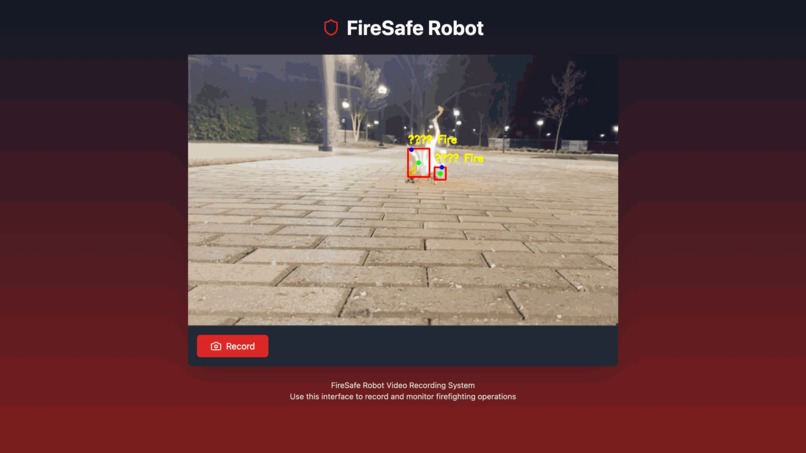
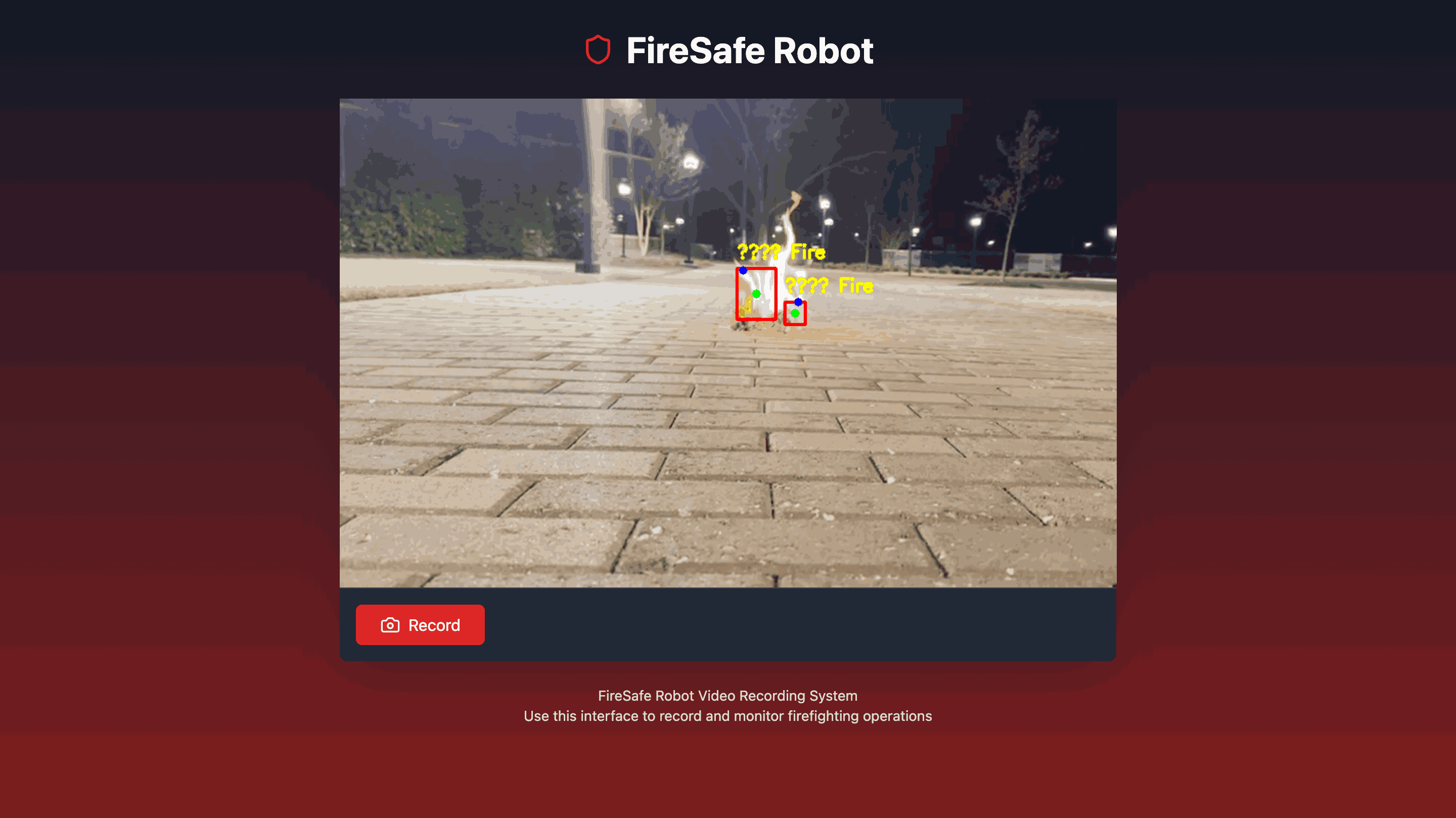
Website Demo
Inspiration
With our diverse backgrounds and varied expertise, we set out to push the boundaries of incorporating an AI agent with real-world impact. Our inspiration stemmed from recognizing the extensive damage that forest fires, farmland fires, and even home fires inflict on the environment, wildlife, and food stability. We aimed to tackle this challenge by prototyping a unique methodology to solve a complex issue.
What it does
Our AI-powered control system is designed to detect, locate, move, and combat fires while integrating swift water control for rapid suppression. The robot’s advanced mobility—with fully rotatable front wheels—allows it to execute complex maneuvers. A central computer unit, integrated with a high-speed water pump, enables quick fire extinguishment. The Raspberry Pi transmits data to an AI agent that makes real-time decisions to guide the robot.
How we built it
We began by using OpenCV to develop a pre-trained fire detection model, further fine-tuning the RGB parameters for optimal performance. Our focus was to ensure the model accurately identified both the upper and lower portions of a fire and reliably processed video input. For hardware control, we used two Adafruit stepper motor hats to drive two DC motors for locomotion and one stepper motor hat to adjust the pitch. A webcam integrated with the Raspberry Pi provided the necessary visual input. Additionally, we repurposed Tupperware containers to save time on 3D printing, opting for readily available materials. A mid-build design change saw us switch from tracks to wheels, resulting in a product that was better suited to our needs.
Challenges we ran into
One of the main challenges was finding a suitable pre-trained fire detection model that met our objectives. This required cloning multiple repositories and experimenting to determine the best fit for our complex system. Fine-tuning the RGB parameters demanded extensive testing under various fire lighting conditions and distances to ensure quick and stable detection. We also had to ensure that the model was lightweight enough to run on a smaller computer, facilitating seamless integration of the machine learning model into our robot. One of the challenges we ran into was the booting of the raspberry pi system, we noticed that our sd card was super sensitive and prone to getting knocked loose. due to the slightest movmenent. This was mediated by directly connecting the raspberry pi and botting up through the USB port. The SD slot fell off and we tried to machine weld USB booting helped to work through this error as well, and we had to image like 10 different SD cards. We had issues with EC2 not allowing peer to peer communication so we booted into raspberry pi itself and ran locally.
Accomplishments that we're proud of
We are proud of developing a working fire detection model, despite the countless errors we discovered while using hardware in our system. We problem-solved as a team and showcased our best work we could complete during the hackathon.
What we learned
During this hackathon, we learned the value of collaboration as we combined diverse engineering and computing skills to tackle a complex issue concurrently. We gained significant experience using OpenCV to fine-tune prebuilt models and learned how to debug and optimize hardware in real-world conditions. Integrating multiple motors into one Raspberry Pi while managing a camera-based detection system taught us to work together, remain focused under pressure, and embrace adaptability when things don’t go as planned. We learned how to use a water pump we never utilized before.
What's next for FireSafe
The next step for FireSafe is to scale up the size of the robot and make the water capacity greater to gain a step closer to our goal of putting out large-scale fires that require substantial water. As well as, further waterproofing our robot to prevent components getting damaged in action, adding heat resistant to be able to withstand the high heat of fires, and further refinement of the machine learning model itself to further improve the accuracy at which the water is fired at the fire to find the quickest point to put out the fires.


Log in or sign up for Devpost to join the conversation.