-
-
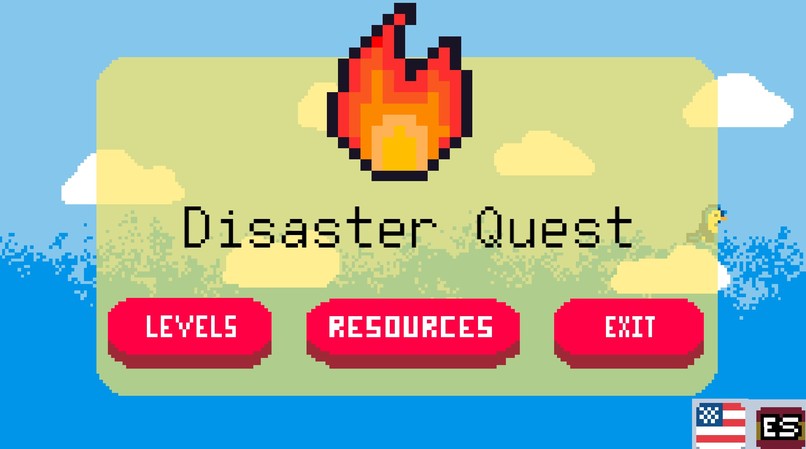
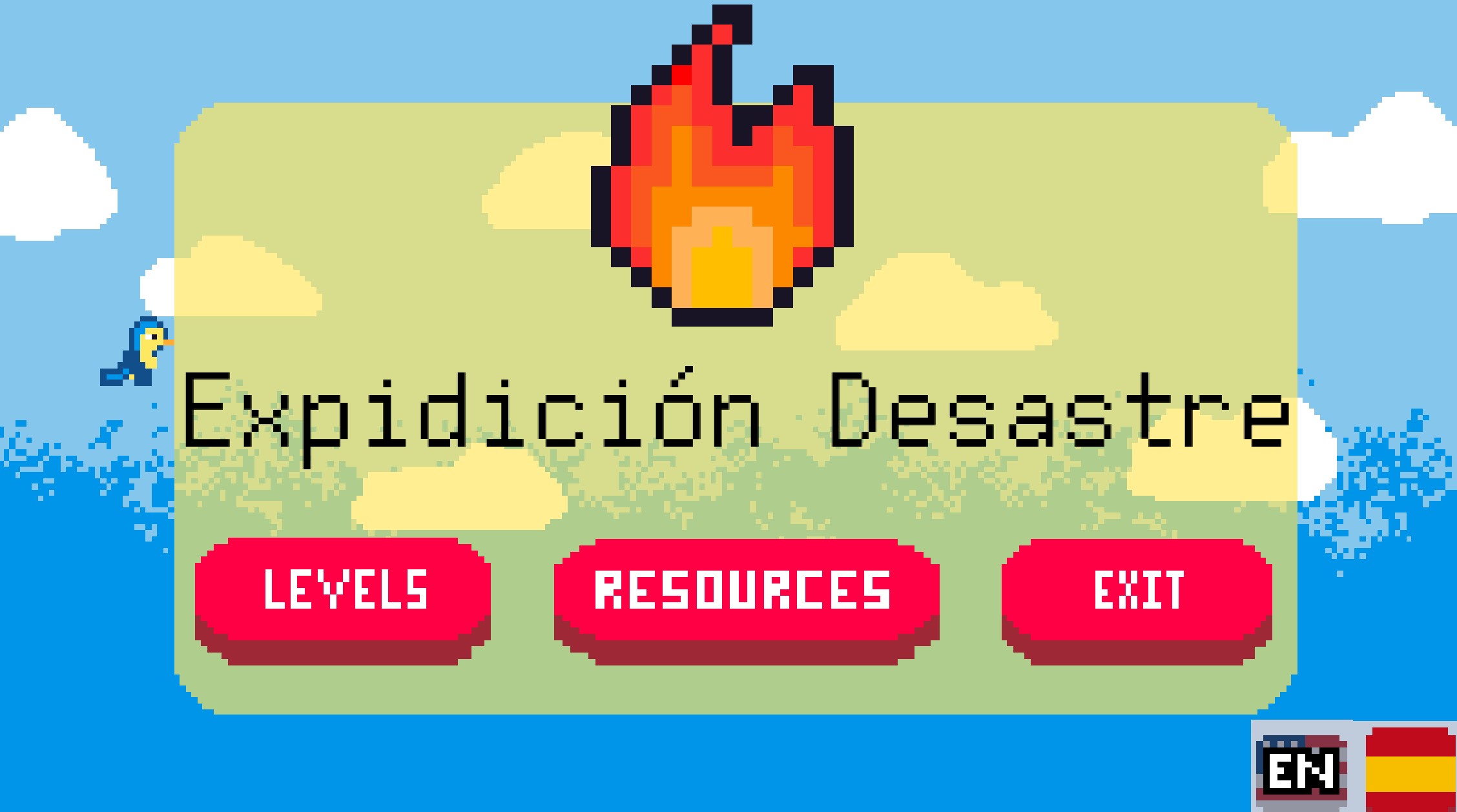
Title Screen
-
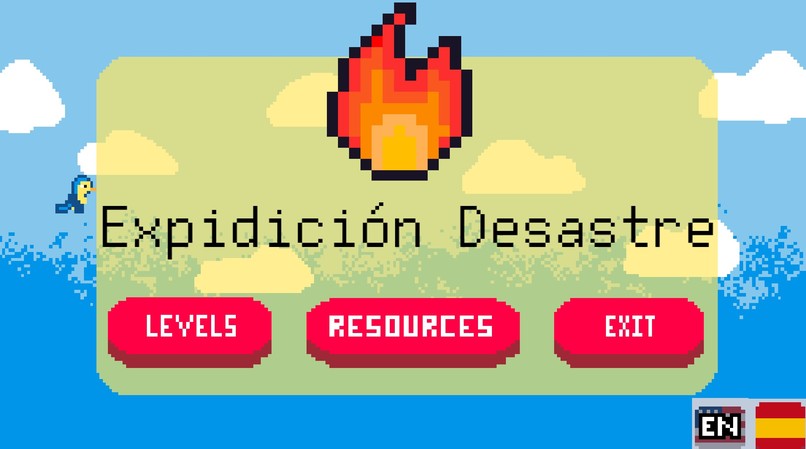
Title Screen (Spanish)
-
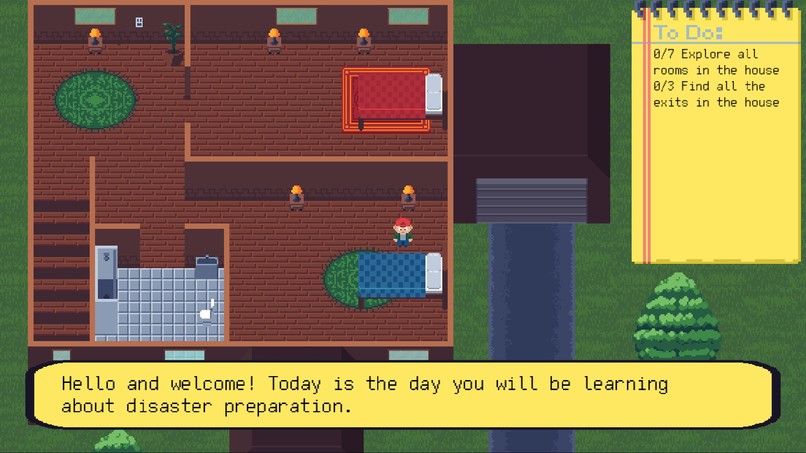
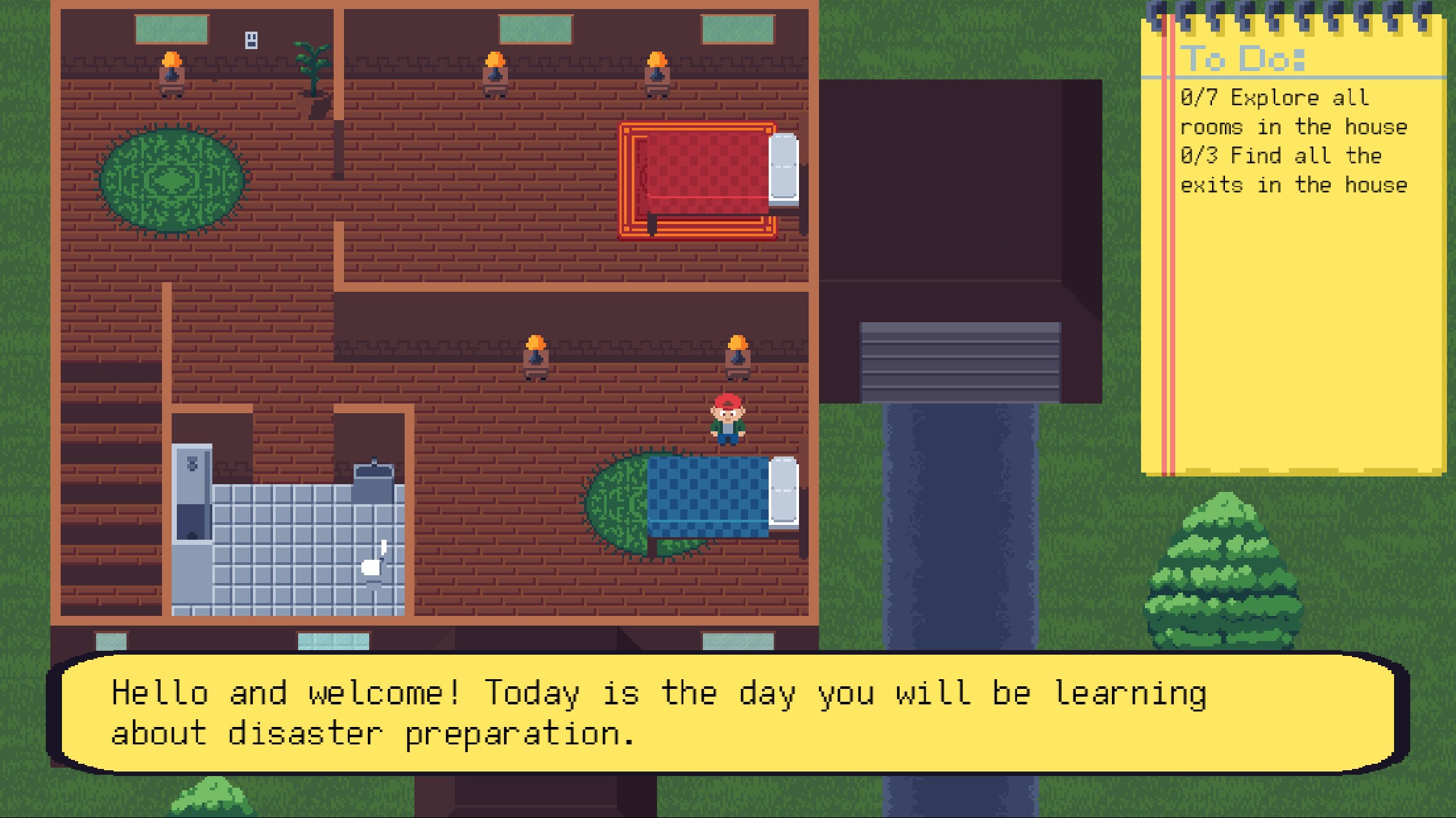
Gameplay (1)
-
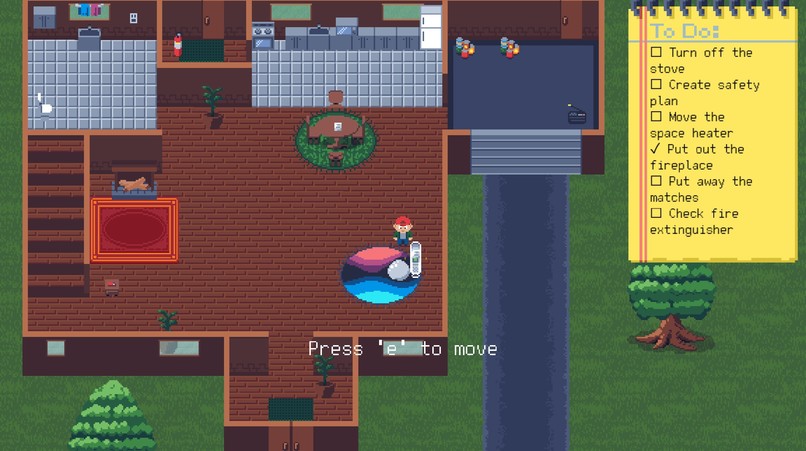
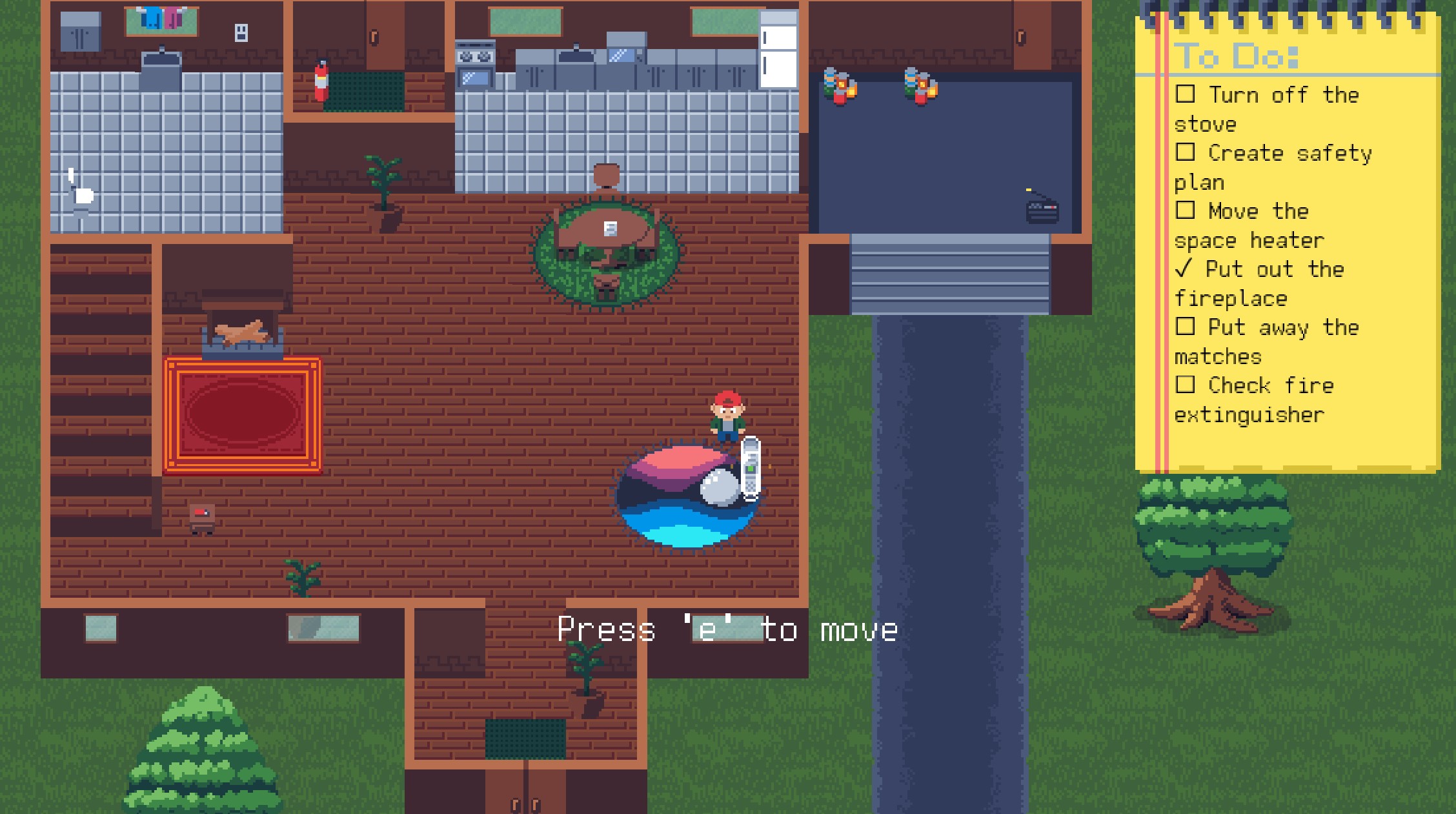
Gameplay (2)
-
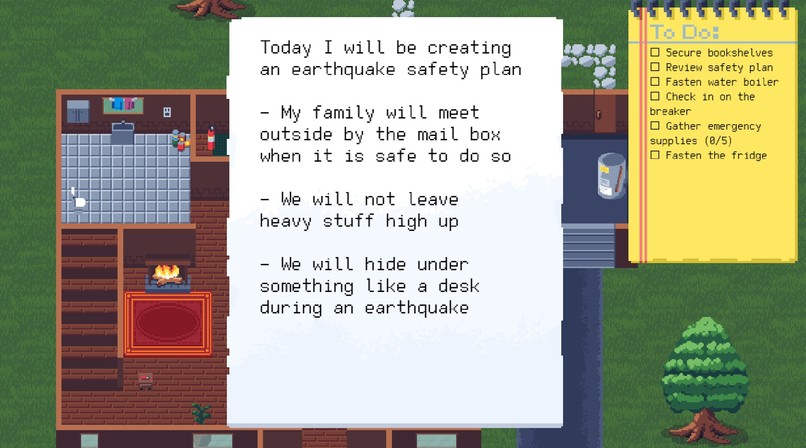
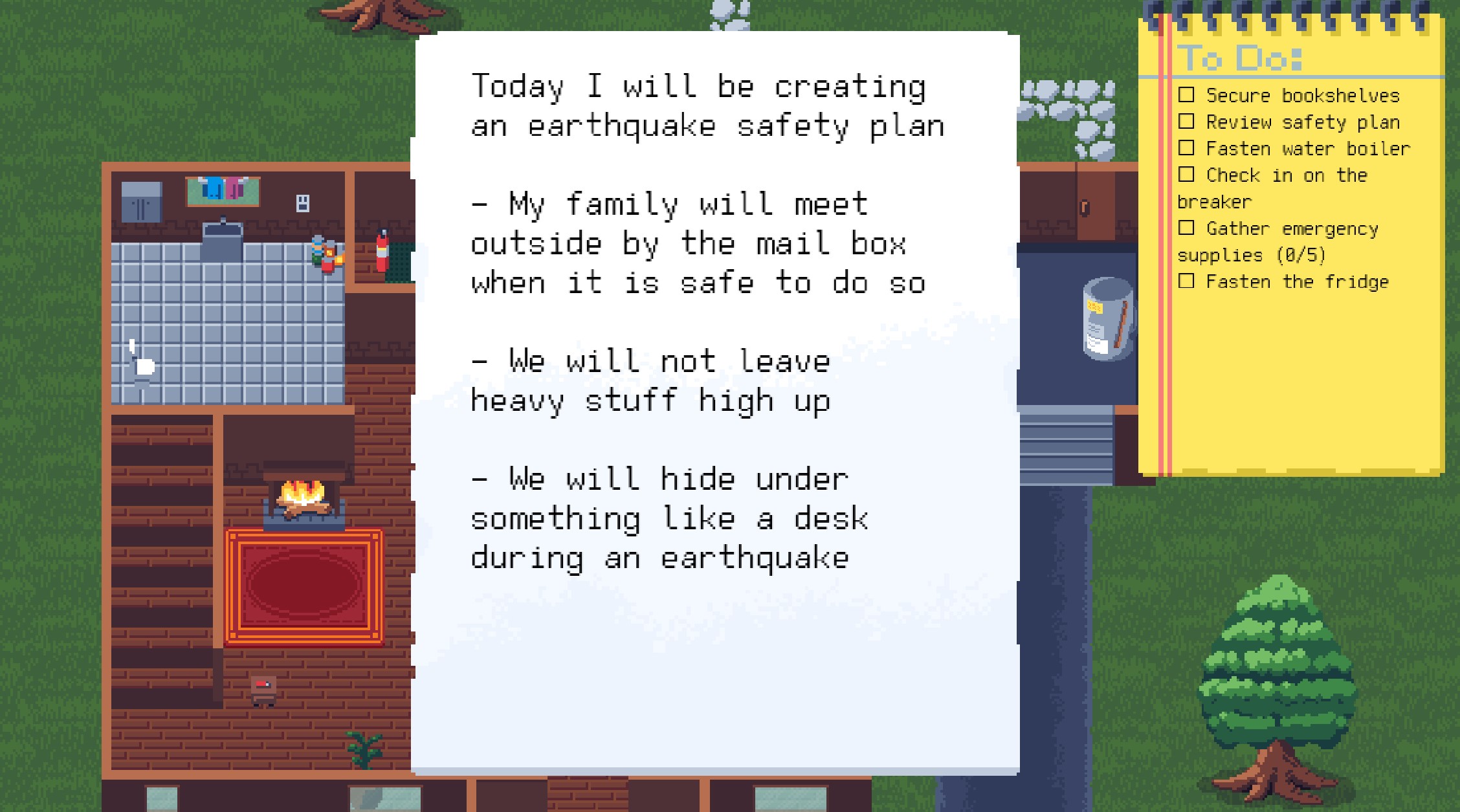
Gameplay (3)
-
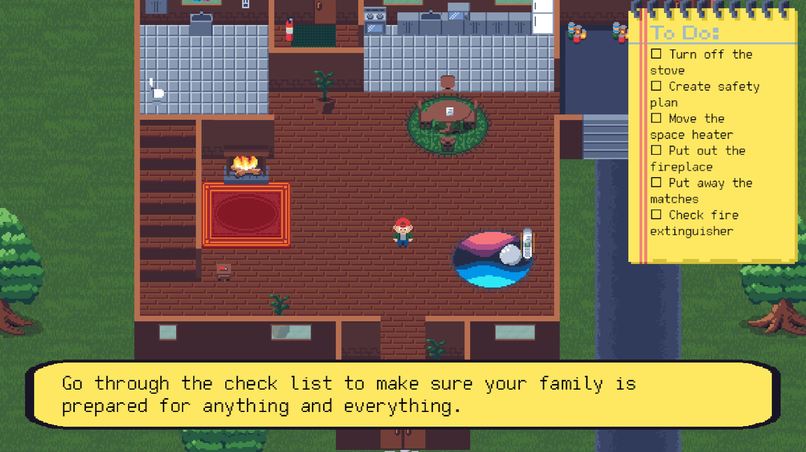
Gameplay (4)
-
Victory Screen
Inspiration
In 2022, there were over 350,000 house fires in the United States, resulting in nearly 3,000 deaths. Although it can seem like a rare occurrence, house fires are more common than many may think. Earthquakes, although rarer, still pose a great danger to those who are unprepared, especially in California. Due to this, our group wanted a way to provide an accessible disaster prevention resource for those looking to learn more in a fun and engaging way. That’s why for Hackathon For Humanity 2025, our team came together and brainstormed Disaster Quest — a game teaching basic disaster prevention skills to the youth of the world. Our solution is both accessible and educational in a format that is fun and leaves a lasting impact on the user.
What it does
Virtually everything we use today requires some form of electricity, yet household fire safety training across the world hasn’t improved in decades. The largest weakness is that people don’t know they need these skills. If they do, the resources they need are either hard to access or un-engaging to read. In addition, the goal of fire and earthquake safety training is often only to educate about reactive measures. Disaster Quest solves all these problems. It is engaging and accessible preventive disaster training, teaching key risk prevention skills that may be overlooked. This game, developed on the open-source software Godot, is the first of its kind and holds the potential for major expansions.
How we built it
Game Engine We built our game using Godot. Godot is a game development engine that we believe gives our game a distinct advantage as it is based on freely available software anyone can use. Godot’s user-friendly interface and workflows also enable more community development and feedback, inciting a reinforcing cycle to make our game better and better. In addition, its dedicated support for 2D scenes fits our needs wheel.
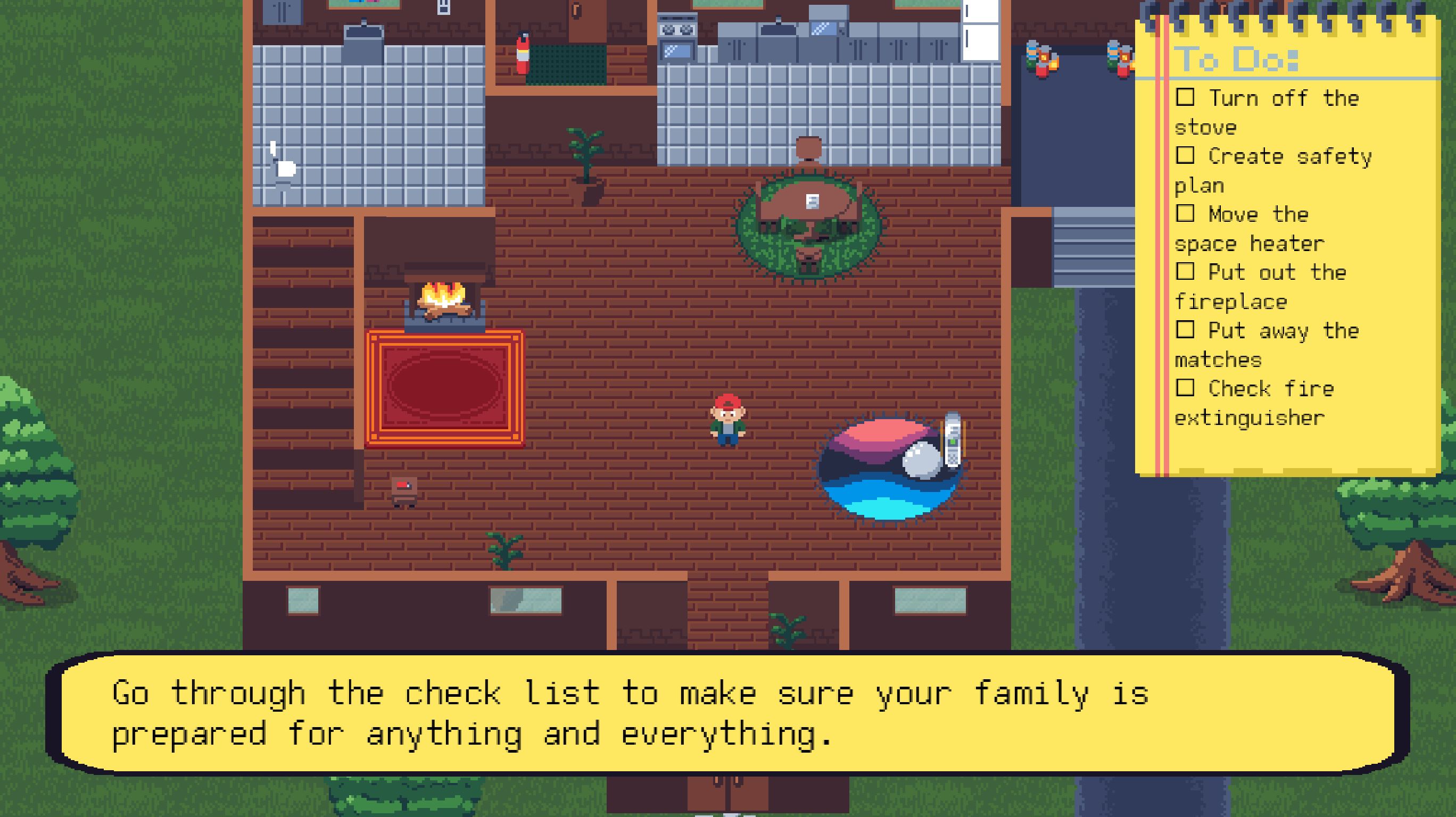
Sprites Almost all of the visuals were created by our team using Aseprite. This allowed us to create a hand-crafted level layout and sprites–representing common suburban homes many have grown up in. Little details around every corner also make our scenes colorful and feel homemade. Finally, the custom animations during gameplay provide clarity for little kids, and the menus are playful while being easy to navigate.
Challenges we ran into
Prior to H4H 2025, our team had limited experience with Godot, and have to learn from scratch both the editor and its custom language GDScript. We also had to balance our desire for a larger, more ambitious project, against our 24-hour deadline and intention to build a fully polished product. This required having a keen awareness of our time management, delegation of tasks, and the skills of our team members. In the end, we have a game we are indeed proud of, and we hope that it can grow even further in the future.
Accomplishments that we're proud of
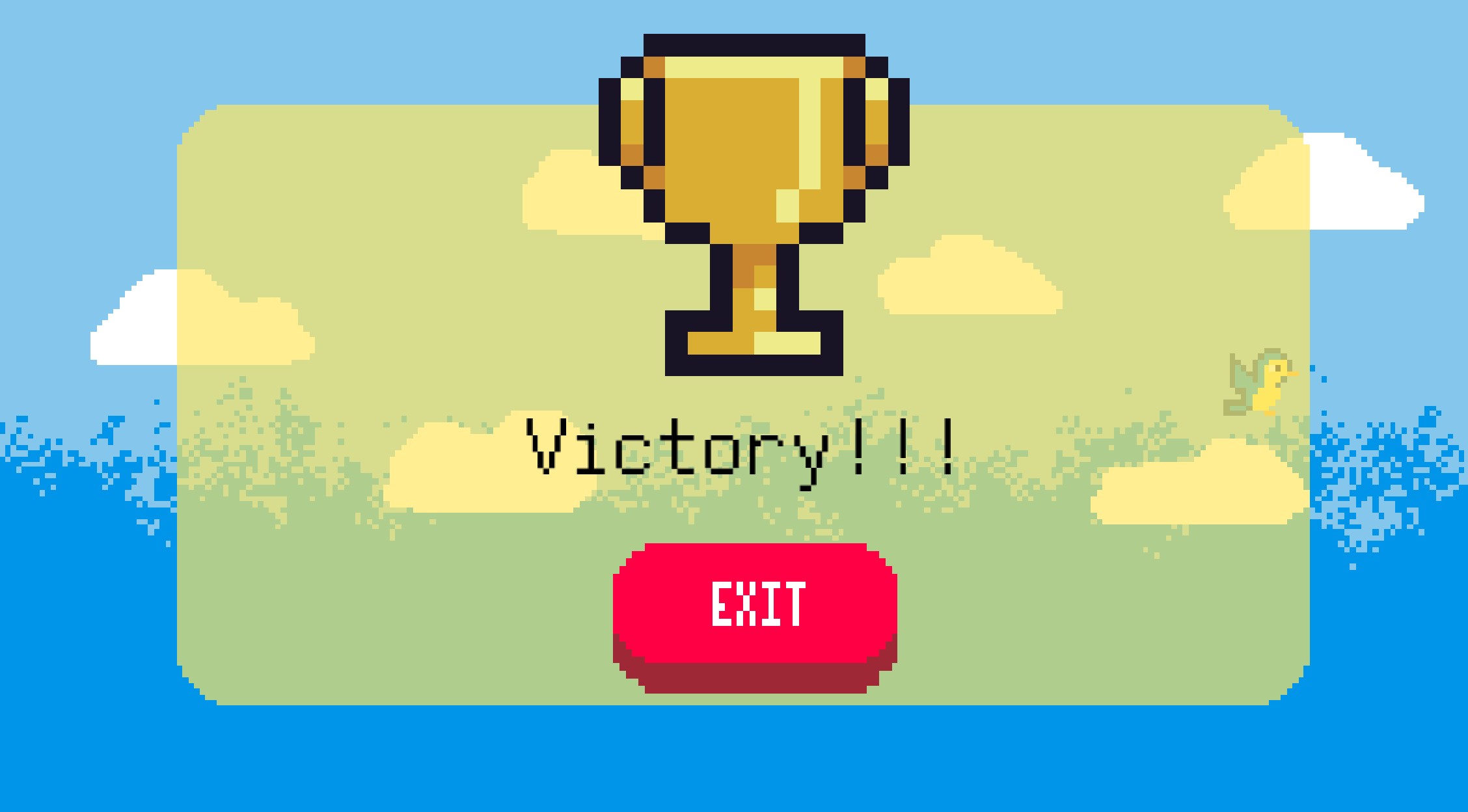
One of the aspects of this project we are most proud of is our team’s ability to develop a complete game within the 24-hour time frame — from the main menu to the pause screen and several levels of gameplay to the victory screen. Creating a fully functional and flushed-out game was something we knew was important to both us and our users. Because of this, we spent several hours pushing our game from functional to polished. Furthermore, our team collaborated effectively across multiple disciplines. We delegated work across multiple-person teams across art, scripting, and presentation. When problems would arise, team members wouldn’t hesitate to help in other disciplines, even learning new skills on the fly. Several team members were taught by others about our pixel-art program, Aseprite, as well as how to implement sound effects in Godot. By managing our time well and being willing to learn new things, we were able to bring our game to a level of all-around polish that we are truly proud of.
What we learned
This project taught us so much about game design in Godot, pixel are in Aseprite, and having good time management during game development. Making a complete game requires interdisciplinary skills that our team needed to provide. We also had a few team members unfamiliar with Git and others who had never coded in Godot before, but who were willing to learn on the fly. In addition, throughout this project, we learned to ask how we can make our project more accessible. This showed up in several ways, the most pertinent being our multi-language options for our users.
What's next for Disaster Quest
Online Play: Play with friends
Scenario Builder: Build your own scenarios with our interactive objects and play others' scenarios. Become a fire safety expert.
Mini Games: We would like to include more interactive and educational mini-games to complete each task.
Assets Used
Pixel Font: https://www.dafont.com/free-pixel.font
Mobile Alert Sound Effect: https://www.storyblocks.com/audio/stock/smartphone-mobile-alert-byxgdmmurpik8umh6bt.html
Pencil Sound Effect: https://pixabay.com/sound-effects/write-38629/
Footstep Sound Effect: https://pixabay.com/sound-effects/footstep-1-83098/
8-bit Intro Music: https://pixabay.com/sound-effects/write-38629/
Button Sound Effect: https://freesound.org/people/Vilkas_Sound/sounds/707039/
Keypress Sound Effect: https://freesound.org/people/ironcross32/sounds/582696/
Victory Music: https://freesound.org/people/humanoide9000/sounds/466133/
Built With
- aseprite
- gdscript
- godot


Log in or sign up for Devpost to join the conversation.