-
-
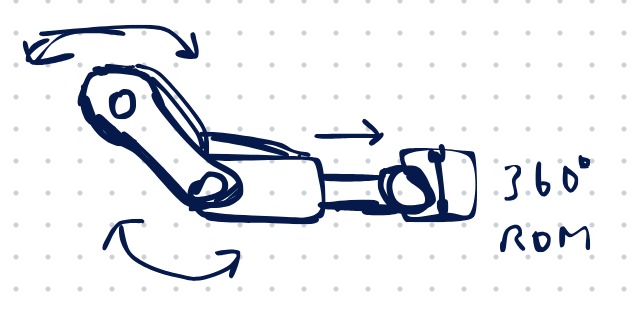
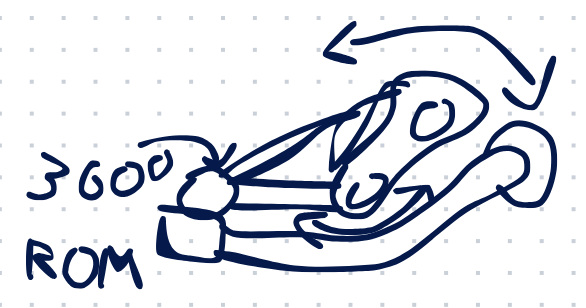
arm for miscellaneous attachments
-
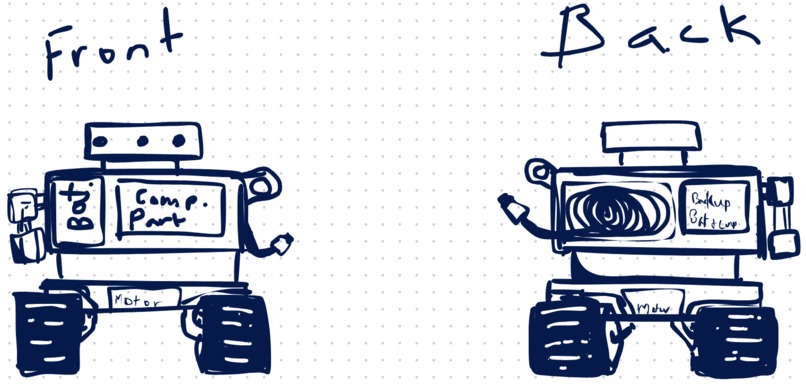
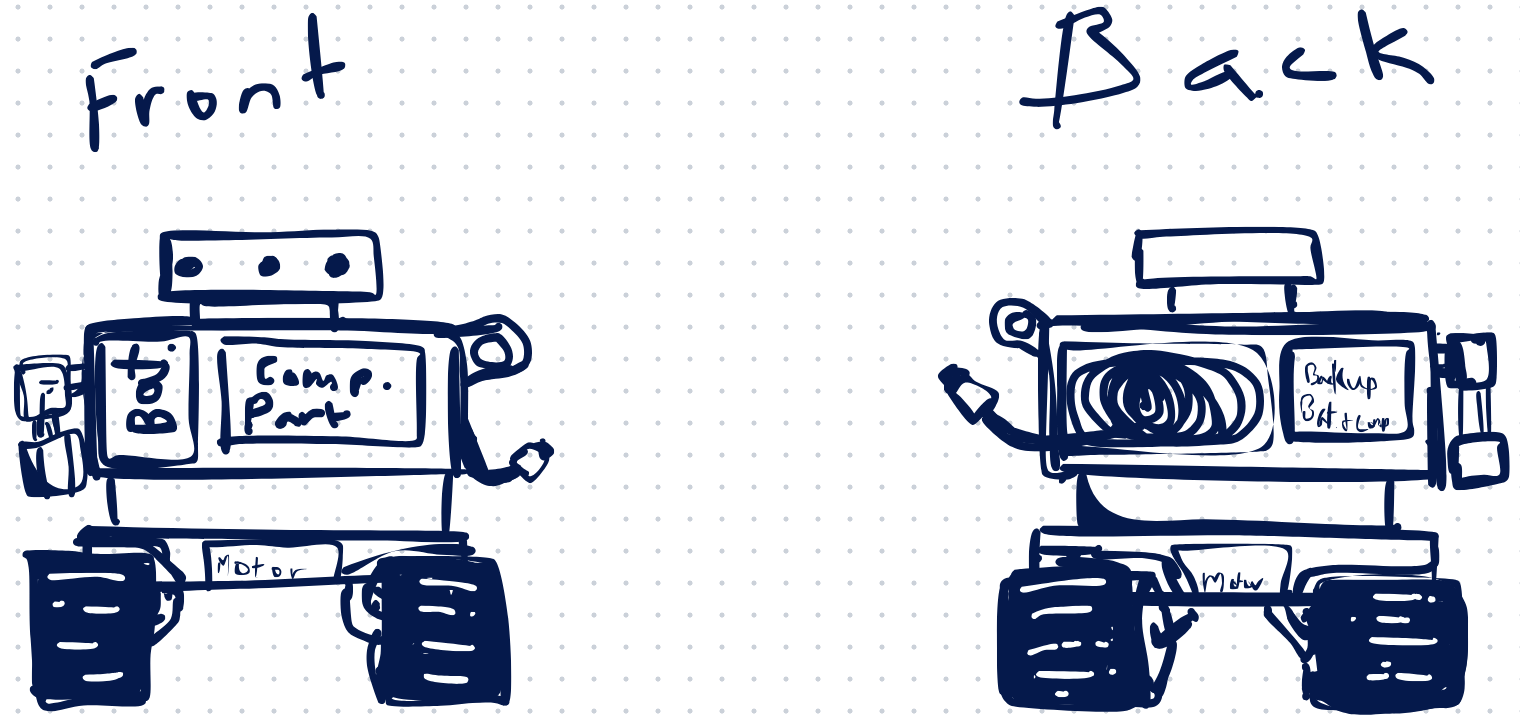
sketch of our robot
-
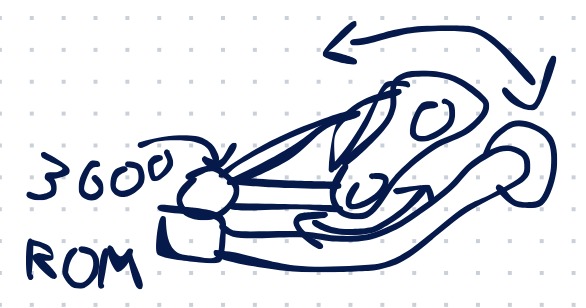
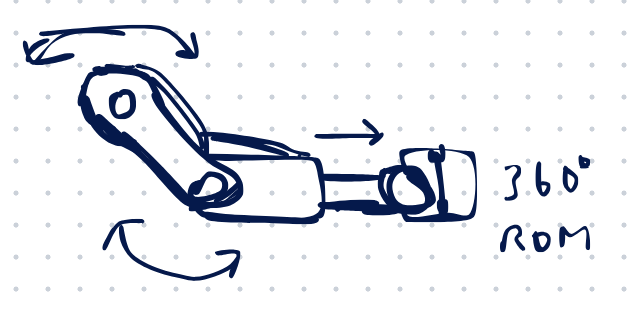
hose arm
-
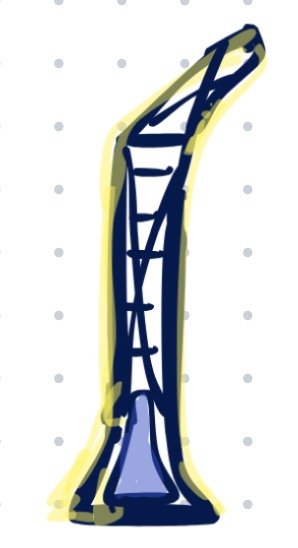
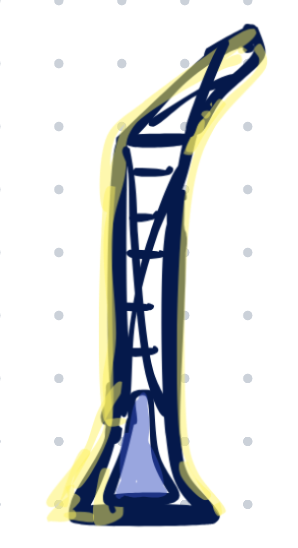
Side profile of the Firewall
-
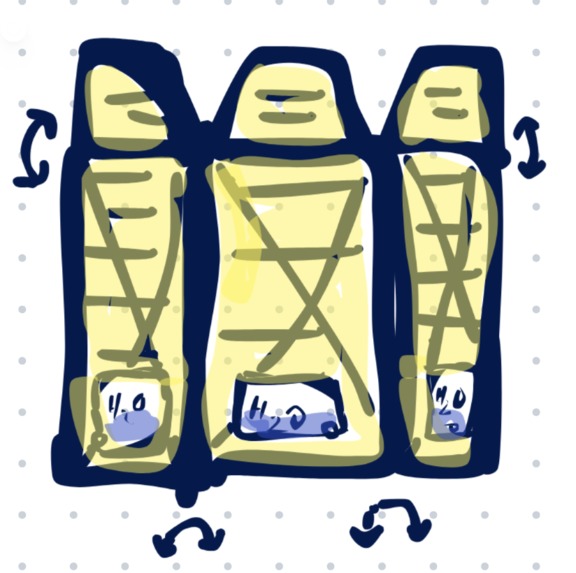
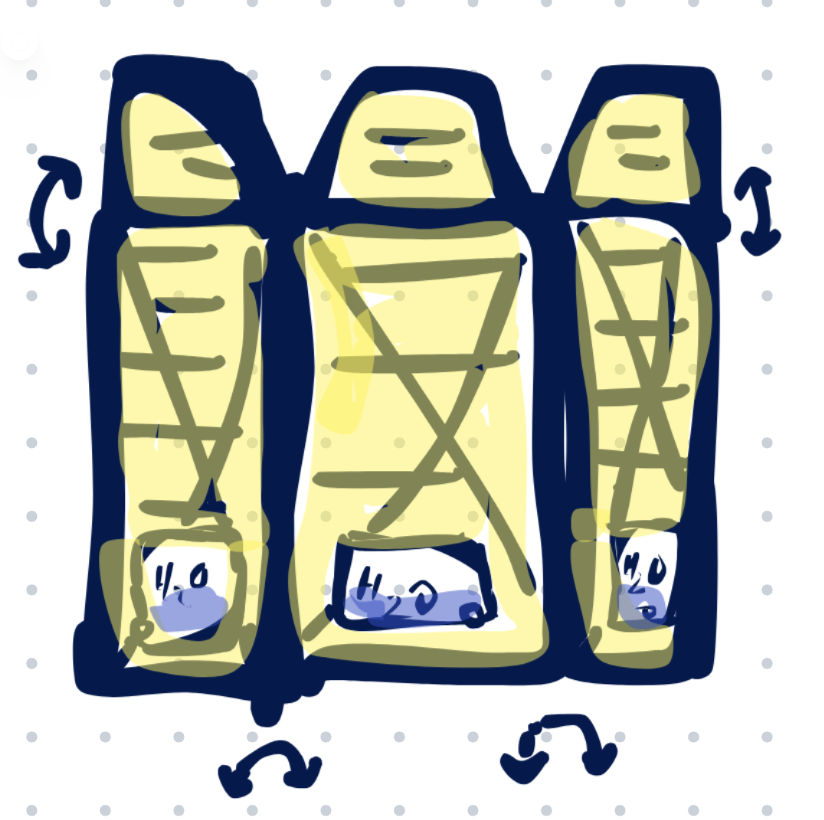
Firewall front
-
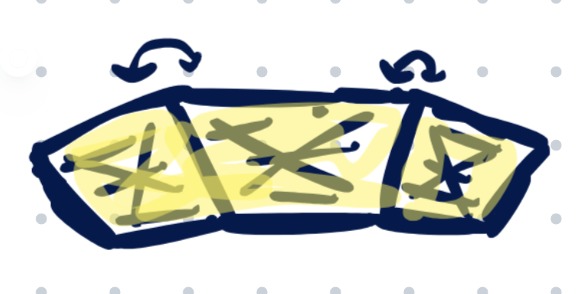
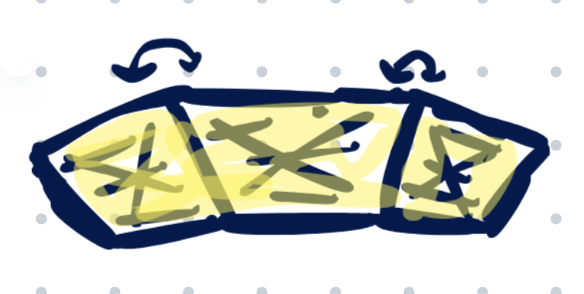
Top of the Firewall
Inspiration
Our inspiration for this project was the slide in the introductory powerpoint that mentioned the unfortunate passing of 19 Prescott firefighters in the line of duty and how that might be prevented.
What it does
Our idea is a wall that protects the firefighters while allowing them to still be onsite and involved in fire suppression using remote-controlled robots.
How we built it
We built it using our imaginations, a drawing program to sketch our ideas, a CAD program to design the wall, and cardboard to create a physical model of our wall.
Challenges we ran into
The first challenge we ran into was that the wall needs to be portable, sturdy, and fire resistant to properly protect the firefighters. We decided to make the wall out of foldable sections that are about 7.5' tall and 10' wide, with an overhang on the firefighter's side to protect them from embers. These sections would be able to connect to each other at the edges to create a fully fireproof wall that is easy to set up and can theoretically be hundreds of feet long. Each section would be made out of a steel frame with a water tank at the bottom and ceramic fiber cloth covering everything to make sure that there are no gaps for the fire or its embers to get through. The wall could be carried on a truck with a water tank to fill the tank in the wall. The tank in the wall is there to make the wall heavier so that the strong winds from the fire don't blow it over. The next challenge we experienced was that the robots need to be controlled remotely without the risk of disconnects, able to last a long time out in the field, and capable of doing everything a human is and more. The remote control and power problems were solved by adding a physical control/power cable so that the robot only needs a small backup battery in case the cable gets severed and so that the robot can be controlled without the risk of any radio problems. The robot has a hose/cable spool in the back so that it can lay down the cable and hose as it goes to prevent snags and damage. It also has two arms, one for the hose and one for miscellaneous firefighting tools that the firefighters can attach; a four-wheel drive base for stability and control; a swivel base so that the robot can rotate without having to reposition; a computer so that the robot can do some functions autonomously and return to the firetruck ASAP if things go wrong; and a camera array on top of the robot to give the controller and the computer a visual. The camera array on top of the robot is mounted on a "neck" that allows the camera array to reposition if the robot needs to see something out of the normal vision range, and includes 4 cameras on the visual spectrum and 2 IR cameras to look for hotspots and places where the fire looks out but is still burning.
Accomplishments that we're proud of
We're proud that we were able to create such a detailed robot and wall fire prevention system in only a few hours and combat most of the potential issues with the system.
What we learned
We learned about the dangerous speed of wildfires, the properties of ceramic fiber, and that steel is a bad conductor of heat (for a metal)
What's next for firefighter safety
We think that the next thing for firefighter safety is the removal of humans from very high risk scenarios through robots and potentially AI.

Log in or sign up for Devpost to join the conversation.