-
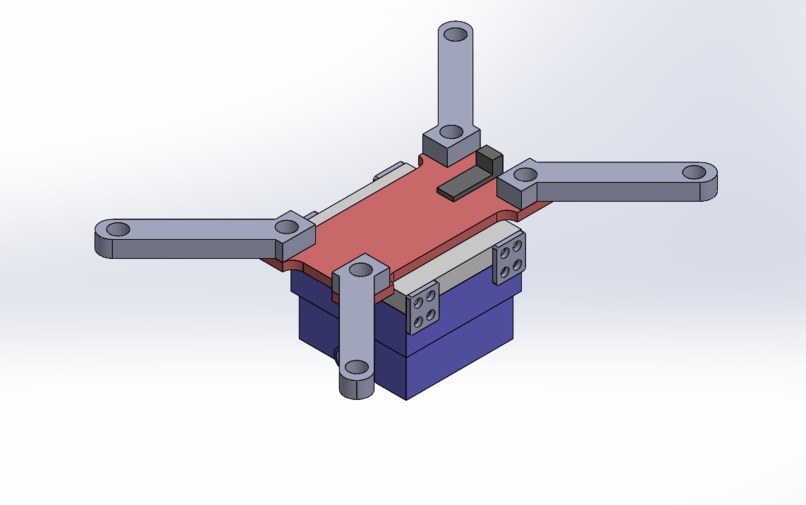
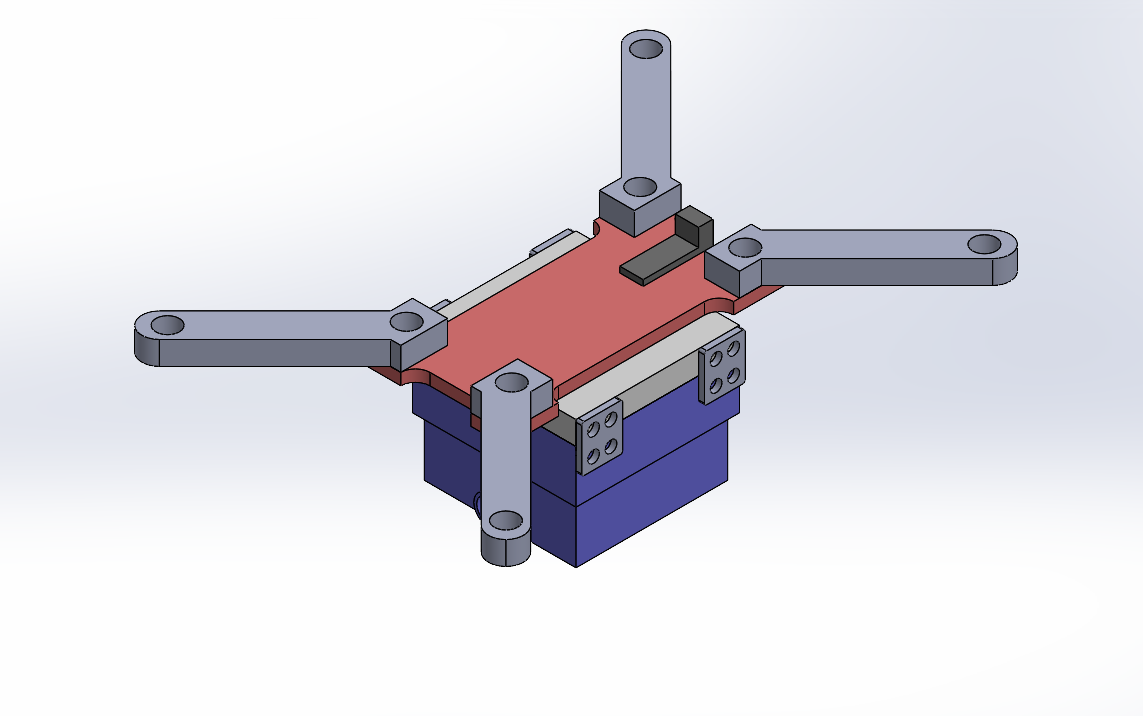
In Progress drone model with Fire suppression tank attached
Inspiration:
First responders have a wild number of possible situations they can be responding to at any given moment sometimes with little to no information about what they could encounter, so we thought it would be beneficial if we could find a way to give them more information before they arrive on scene. Firefly first started out as a simple surveillance drone that would fly to the scene where either by pilot or autonomously the drone could survey the area allowing the incoming responders to get a better understanding of the scene and important things to note. This project then evolved after brainstorming more ideas such as a mapping idea to give a layout of the building to increase efficiency and human identification to easily locate anyone in need of rescue.
What it does
Firefly is a modified drone designed for multiple tasks that provides support for search and rescue operations. • Visual SLAM creates a layout of the environment to aid the responders on route to the scene and improve the speed and efficiency of the search and rescue operation. • Human recognition to identify any individual located on the scene of the event. • Fire suppression system to help clear a path to help possible trapped civilians evacuate • An FM Transmitter sends back a filtered live audio feed of the scene of potential voices of people in need with the background noise of fire, fire alarms, and the likes removed.
How we built it
We broke the drone into sections prioritizing getting the separate systems working then combining them with the final step being mounted on a drone if there was time. Splitting off into sections, we also split ourselves up into sections with the top of the drone being the Raspberry Pi and transmitter, while the bottom of the drone was set for the fire suppression system. Using a combination of our different majors and expertise, we were able to come together and make a concept that has great potential to assist those saving lives every day.
Challenges we ran into
We experienced initial difficulties in each section respectively ranging from software and hardware issues such as applying a filter over an audio file or getting the code for a human recognition program running as well as researching what method would be best for the fire suppression system and how effective it would be. Another challenge we ran into was deciding on the logistics of how all the components could be mounted to the drone.
Accomplishments that we’re proud of
The team accomplished more than initially expected since we knew that this project would be extremely difficult, so we were pleasantly surprised by the amount of work that was completed within the given time frame. Other pleasant surprises included the level of detail that could be incorporated into some aspects of the design such as the audio filtering system to locate people in need.
What was learned
We learned the complexity that can be applied to preexisting skills as well as the importance of group collaboration within brainstorming.
What’s next for Firefly
The next steps for this project would be to research different components that could increase the overall power of this drone, such as a more powerful controller or upgraded cameras. The group is currently reaching out to contacts within the Fire department to inquire about the device’s feasibility and how it can be modified to better fit their current protocols.
Built With
- opencv
- python
- raspberry-pi
- ros2
- slam

Log in or sign up for Devpost to join the conversation.