-
-

FIRE: A deterministic, multi-agent pipeline solving the "Last Mile" of healthcare AI by autonomously recovering lost Medicare revenue.
-
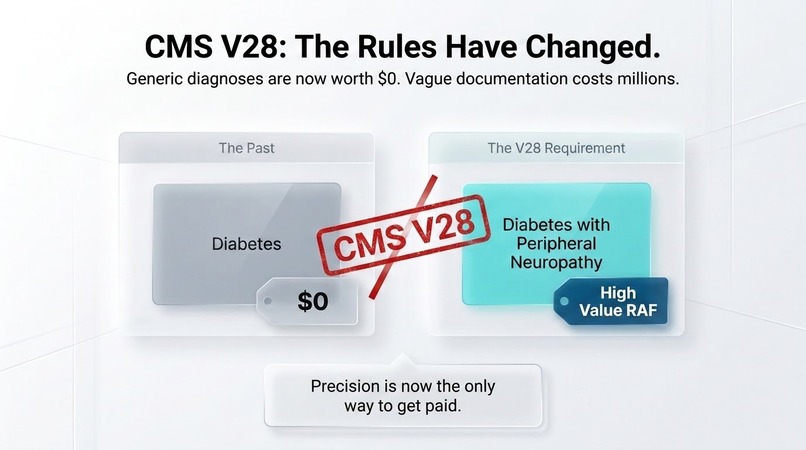
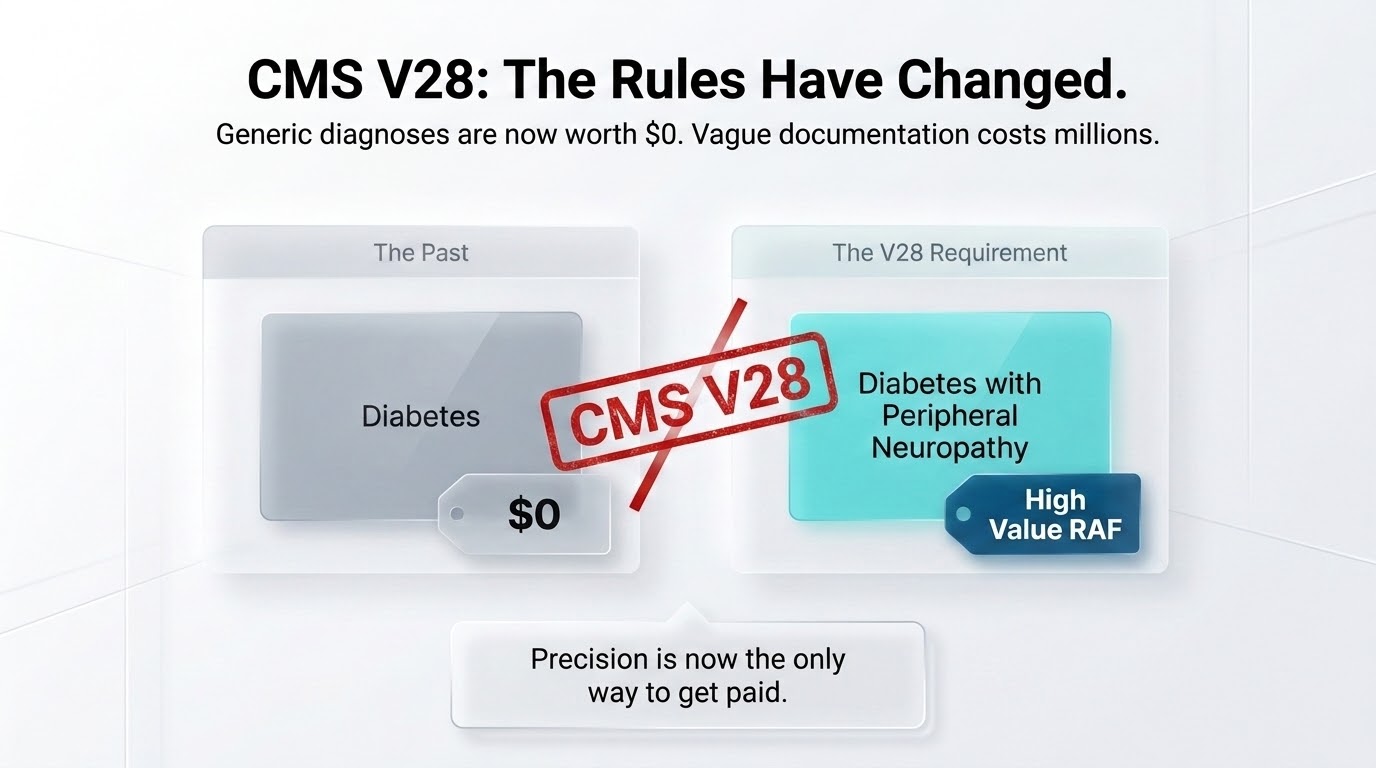
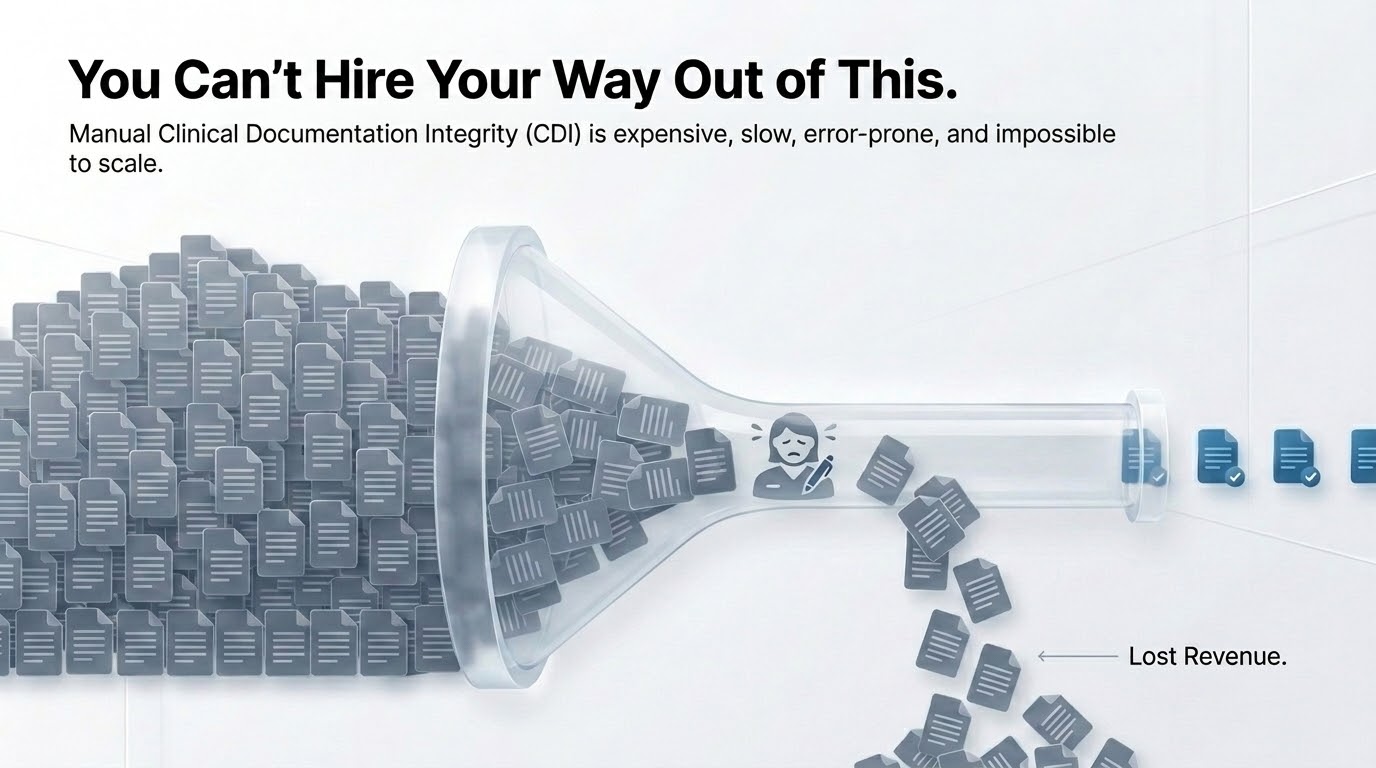
Under CMS V28, generic diagnoses pay $0. Hospitals lose millions when specific HCCs are buried in unstructured clinical notes.
-
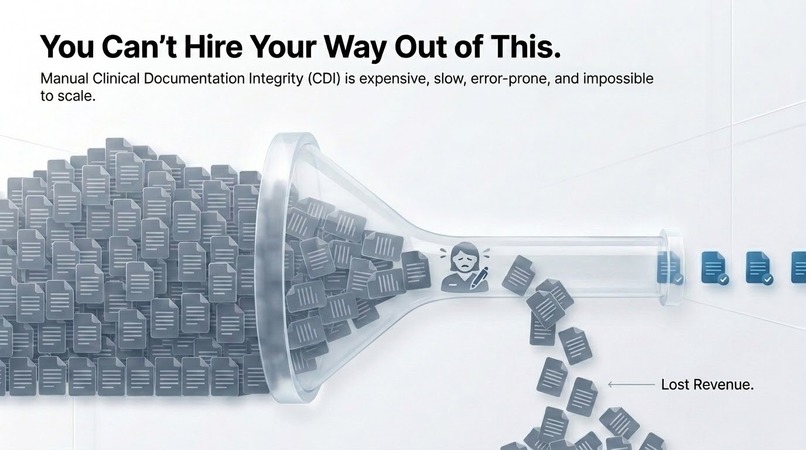
Humans can't manually read 10,000 patient charts a day. Manual CDI audits are error-prone, unscalable, and leave revenue on the table.
-
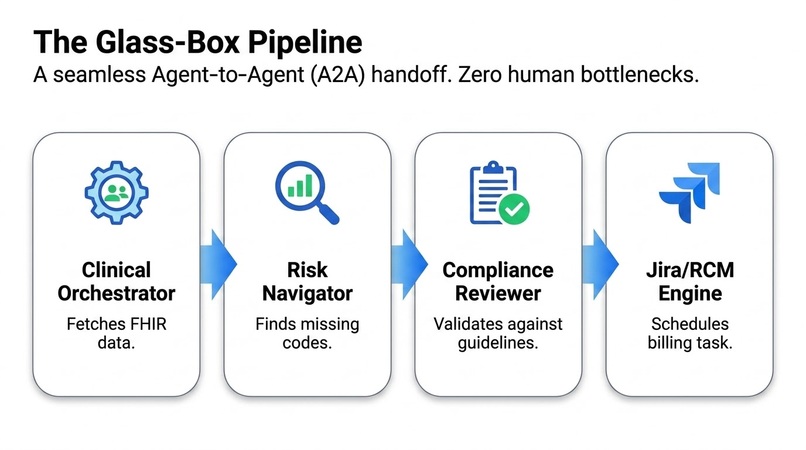
The Last Mile: FIRE doesn't just chat. It generates a verified, structured JSON RCM payload ready to be POSTed directly to Jira or Epic.
-
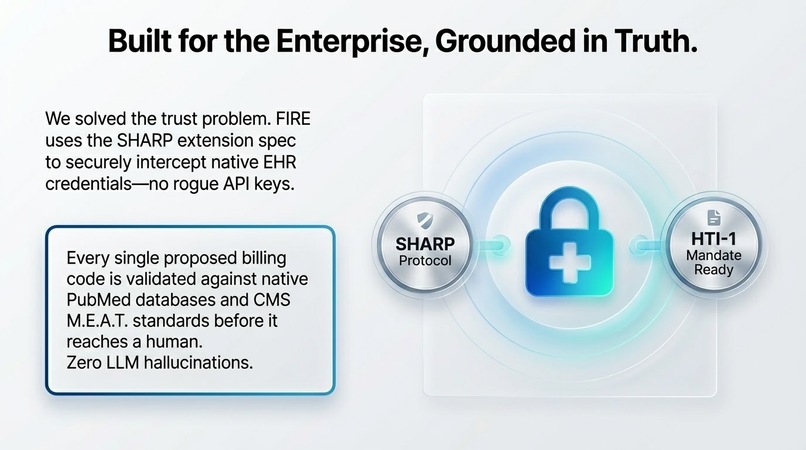
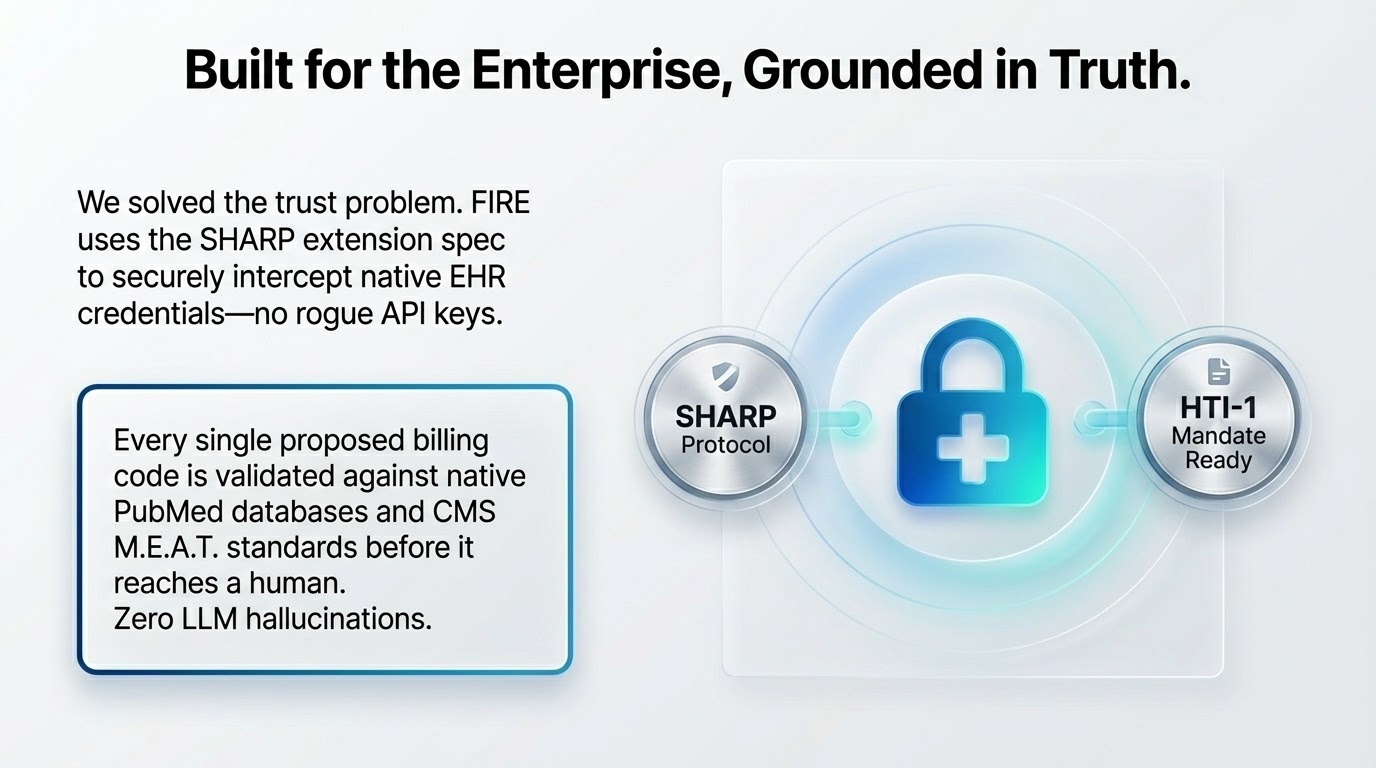
Solving the trust problem: FIRE uses SHARP protocols for secure EHR access and prevents hallucinations via strict CMS M.E.A.T. verification.
-
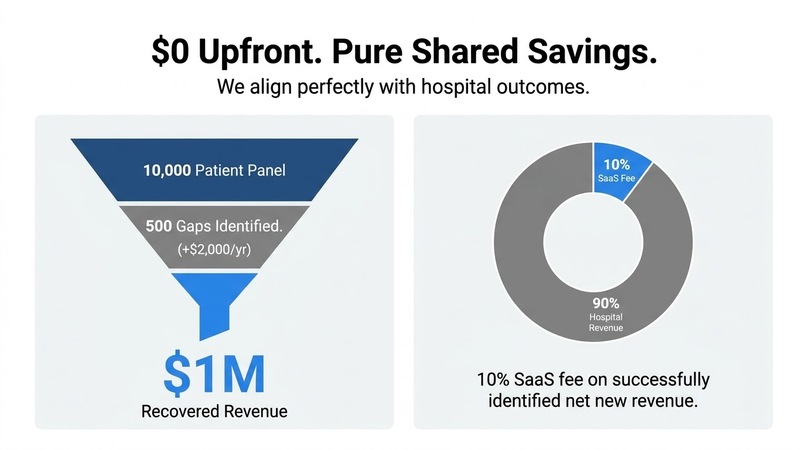
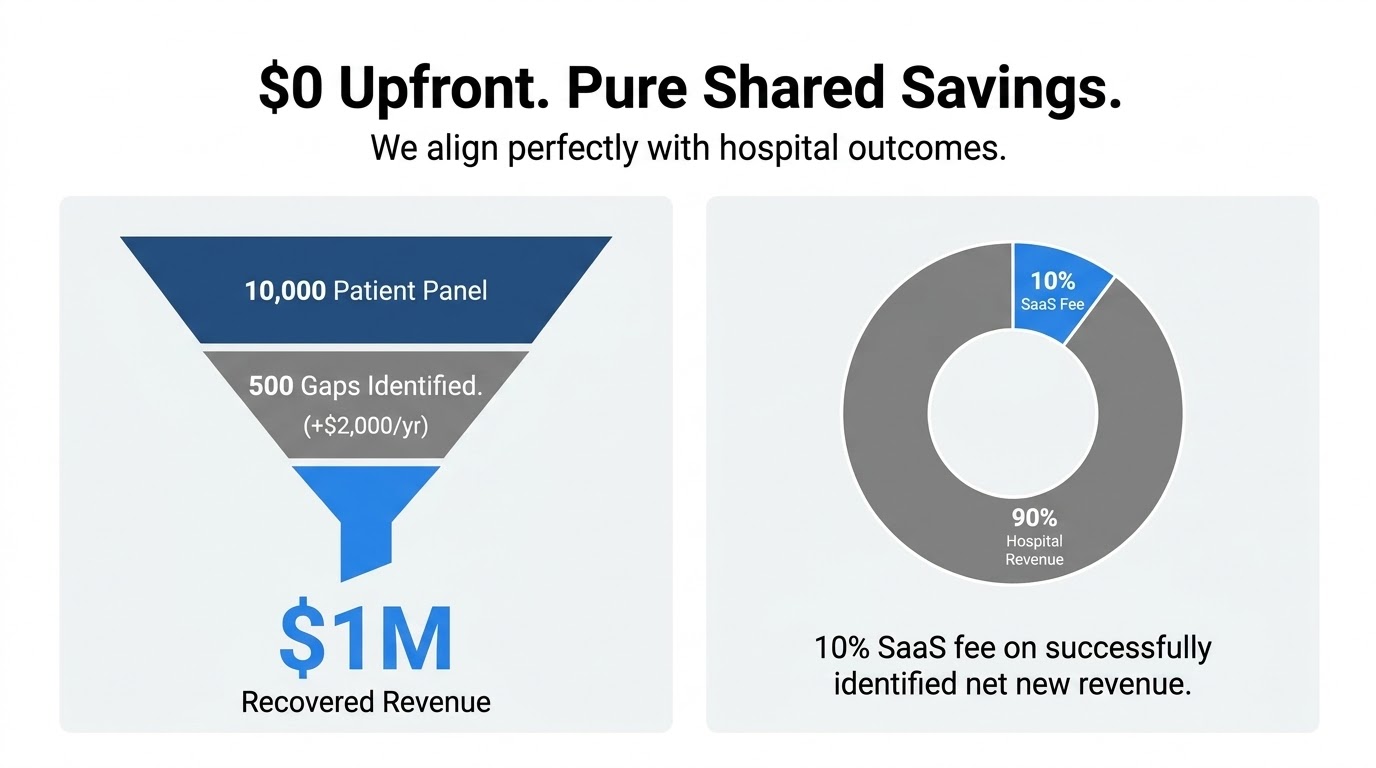
At a 5% gap prevalence in a 10k patient cohort, FIRE recovers $1M/yr for the hospital and generates $100k ARR via shared savings.
-
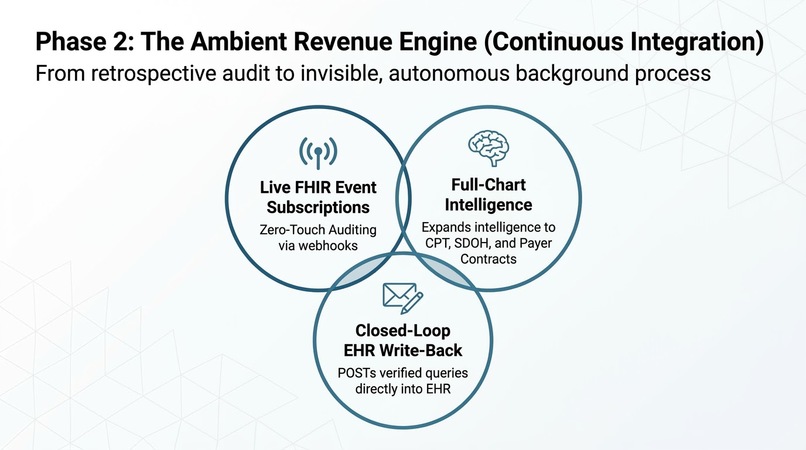
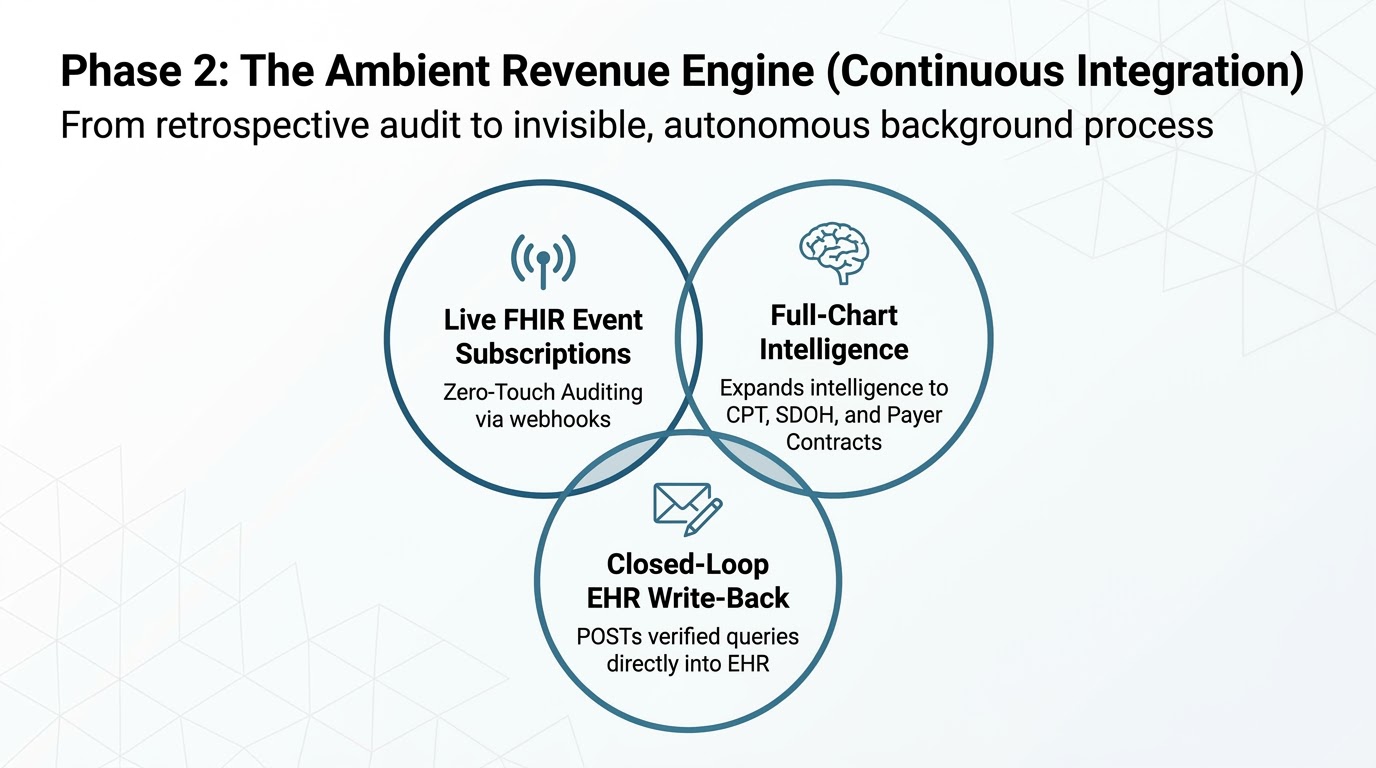
The Ambient Revenue Engine: Live FHIR webhooks, full-chart intelligence, and SMART on FHIR closed-loop EHR write-backs.
-
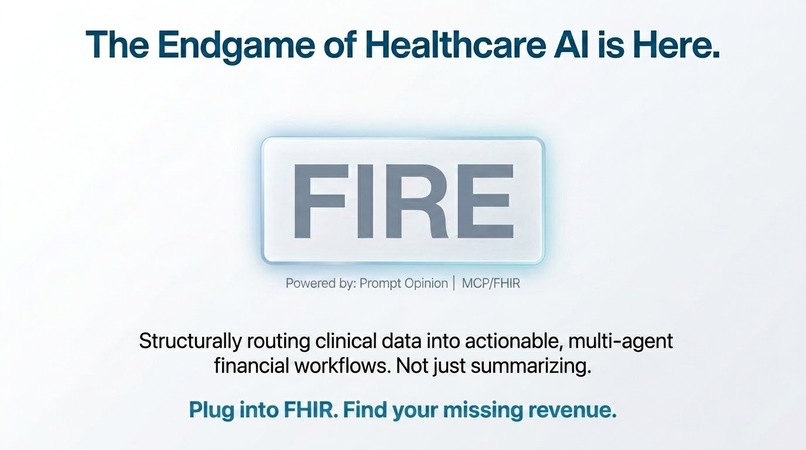
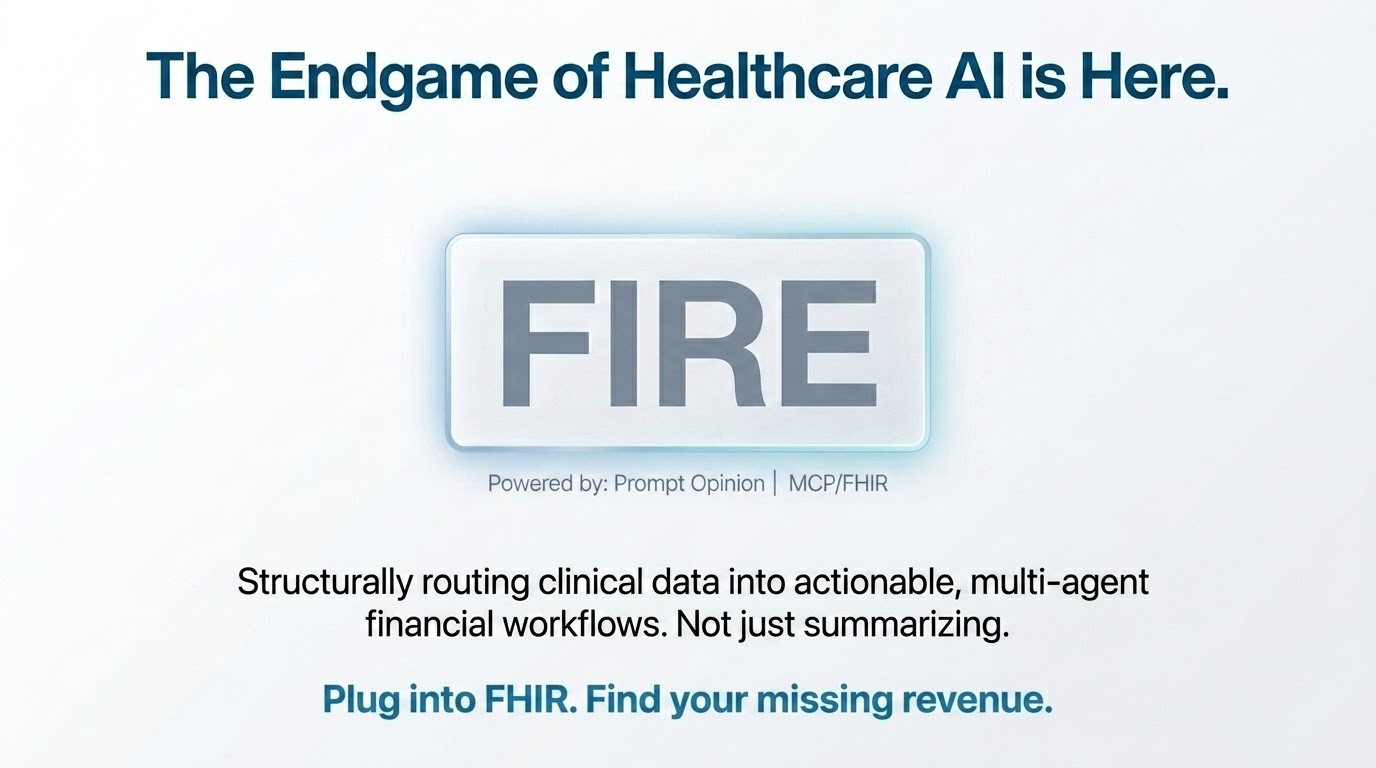
The endgame of healthcare AI. We aren't just summarizing text—we are routing authenticated clinical data into actionable workflows.

Inspiration
Under the new CMS V28 risk-adjustment model, generic diagnoses are now worth zero dollars. Hospitals are losing millions in Medicare reimbursements simply because specific conditions (like Diabetic Peripheral Neuropathy) are buried deep in unstructured clinical notes, while doctors only bill for the base condition. We realized that while LLMs are great at summarizing text, no one was solving the "Last Mile" of healthcare AI: securely bridging the gap between raw EHR data and verified, actionable revenue recovery. We built FIRE to autonomously capture that lost revenue.
What it does
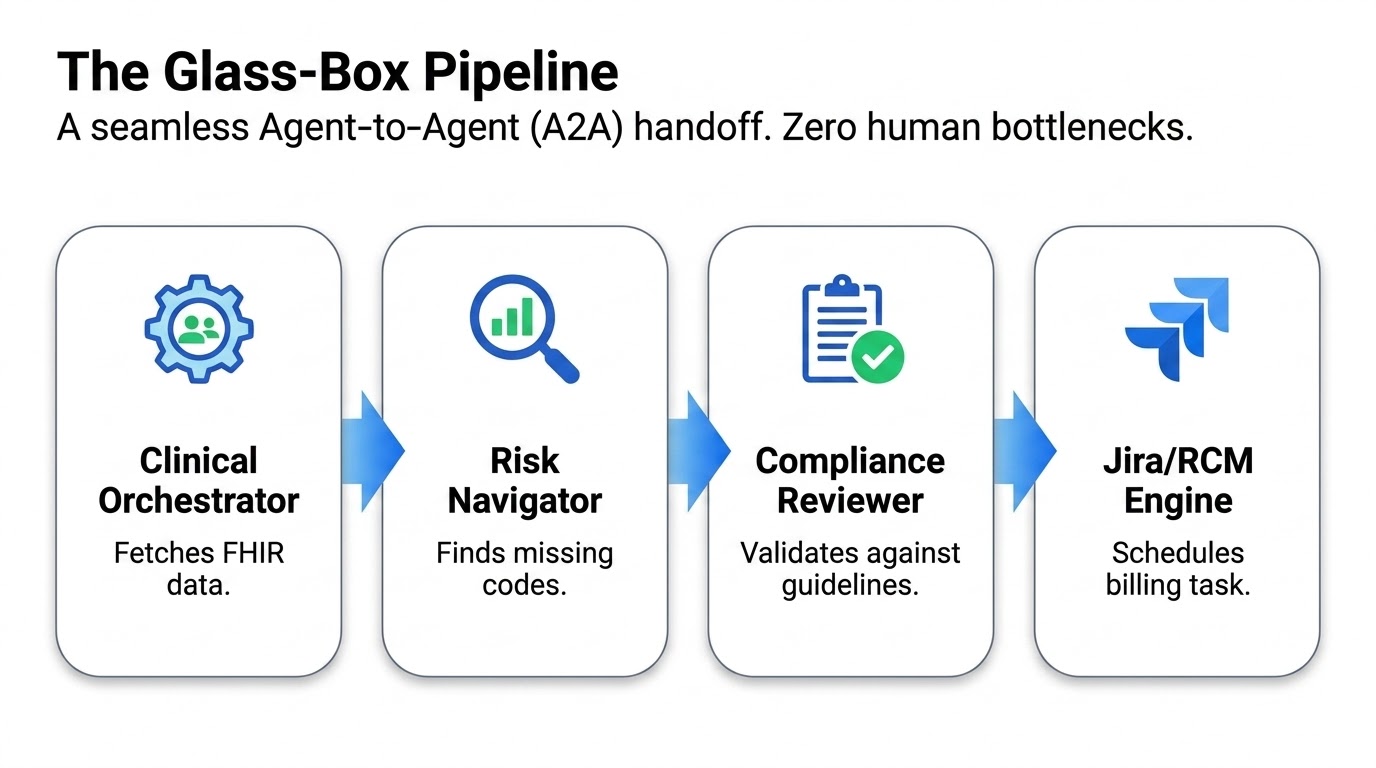
FIRE (FHIR-Integrated Revenue Engine) is a deterministic, multi-agent pipeline that natively interfaces with FHIR R4 servers to perform autonomous clinical documentation integrity (CDI) audits.
Instead of a single chatbot, FIRE deploys an orchestrated team of specialist AI agents directly onto your FHIR server:
- The Clinical Orchestrator connects to our custom MCP server, pulling patient cohorts and calculating baseline RAF scores mathematically (zero AI hallucination).
- The Risk Navigator cross-references unstructured clinical notes against CMS V28 guidelines to identify undocumented Hierarchical Condition Category (HCC) gaps.
- The Compliance Reviewer acts as an internal auditor, verifying proposed treatments against PubMed and ensuring strict CMS M.E.A.T. (Monitor, Evaluate, Assess, Treat) criteria are met. Finally, FIRE generates a structured JSON payload ready to be injected into an enterprise Revenue Cycle Management (RCM) system.
How we built it
We built a custom Python FastMCP backend deployed on Render and mapped the complex CMS V28 algorithm into a deterministic mathematical engine.
On the platform side, we designed a sophisticated 3-agent A2A (Agent-to-Agent) topology within Prompt Opinion. We engineered strict, deterministic system prompts to force the Orchestrator to route data sequentially, completely removing the need for human "copy/pasting" between agents.
Challenges we ran into
Our biggest hurdle was integrating the bleeding-edge Model Context Protocol (MCP) with strict healthcare security standards. Because FastMCP is designed to abstract away the HTTP layer, it was dropping the critical SHARP authorization headers sent by Prompt Opinion. We had to build a custom HCCNavigatorMiddleware to intercept the raw HTTP requests and inject the FHIR headers into ContextVars before they reached the MCP router.
Furthermore, Prompt Opinion requires an explicit capability declaration during the handshake to authorize FHIR data. We had to use "runtime method overriding" to dynamically inject the experimental ai.promptopinion/fhir-context capability into the FastMCP initialization payload.
Accomplishments that we're proud of
We are incredibly proud to have built a healthcare app that solves the "Trust Problem." FIRE uses Prompt Opinion's SHARP protocols to natively handle EHR credentials without storing rogue API keys. We are also proud of our hybrid architecture: we separated the deterministic mathematical baseline calculations (done in pure Python) from the unstructured reasoning (done by the LLM agents), which guarantees that our projected RAF financial impacts are 100% mathematically accurate.
The Commercial ROI: FIRE is designed to operate on a pure 10% Shared Savings model. By conservatively identifying just a 5% gap prevalence in a standard 10,000-patient panel, FIRE can autonomously recover $1,000,000 in annual revenue. We take $0 upfront, yielding a $100,000 ARR business per hospital with near-zero marginal software execution costs.
What we learned
We gained a deep, hands-on understanding of the internal mechanics of the Model Context Protocol (MCP) and how to extend it for proprietary platforms. We also mastered the intricacies of the CMS V28 Risk Adjustment model and the strict legal requirements of M.E.A.T. criteria for clinical billing compliance.
What's next for FIRE: FHIR-Integrated Revenue Engine
Phase 2 is the transition into an Ambient Revenue Engine. We will move from retrospective batch audits to live FHIR DocumentReference webhooks—catching billing gaps the exact second a physician signs a note. We plan to expand our intelligence beyond HCCs to include CPT leveling and SDOH Z-codes. Finally, using SMART on FHIR, we will bypass standard task managers entirely and push verified physician queries directly into the doctor's native Epic "In Basket" or Cerner "Message Center" inbox.

Log in or sign up for Devpost to join the conversation.