-
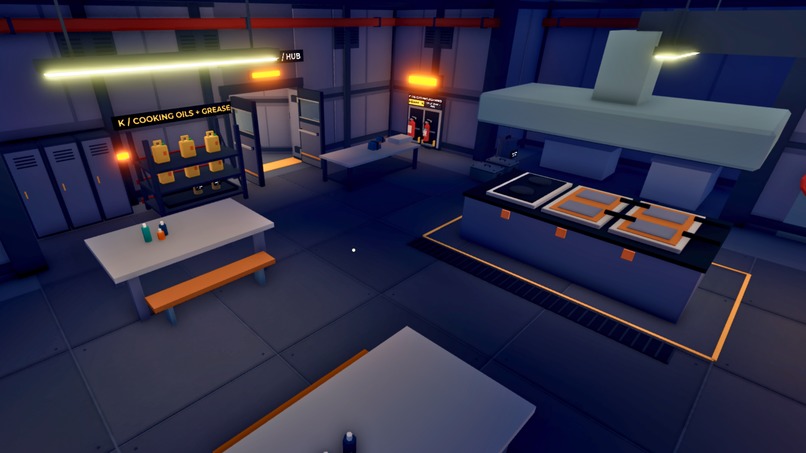
Map image
-
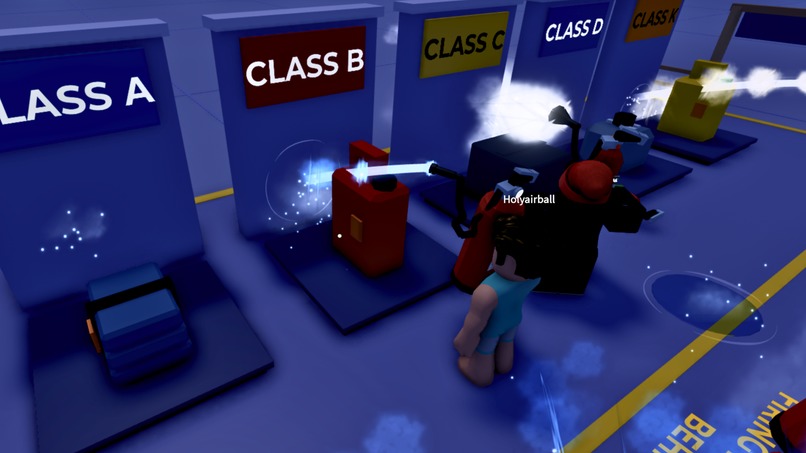
Players learning in our game
-
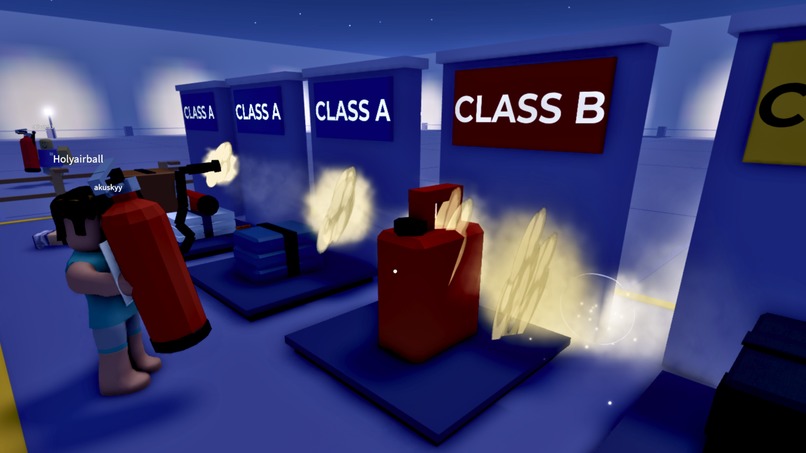
Players learning in our game
-
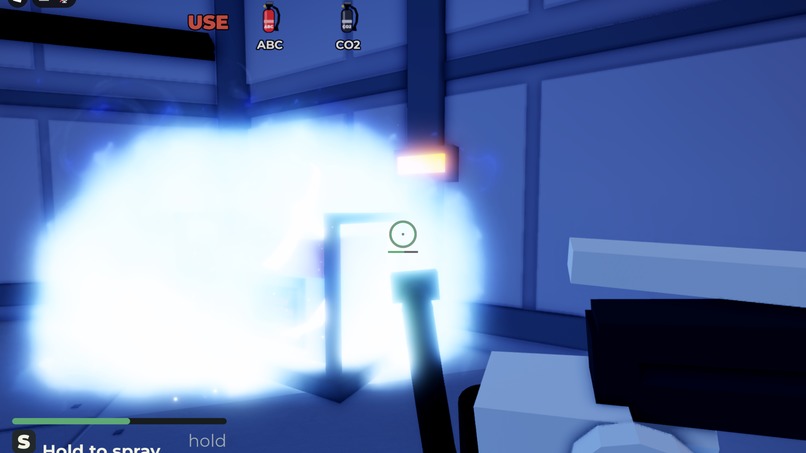
Putting out electrical fire (class C) using sweep
-
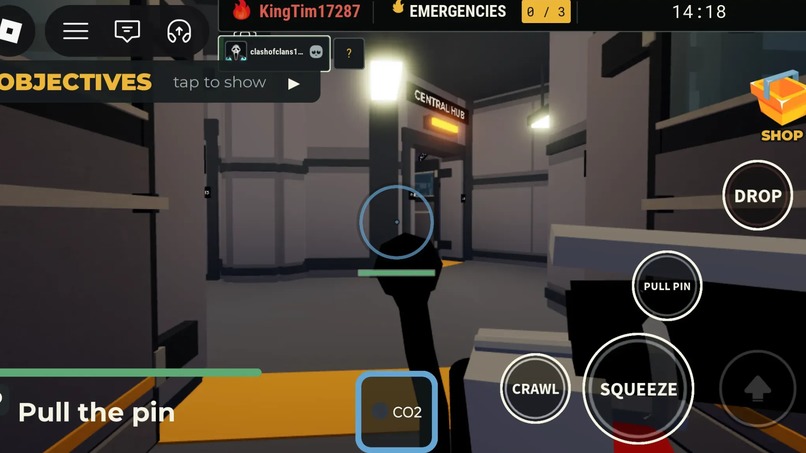
Firefighter mobile phone point of view
-
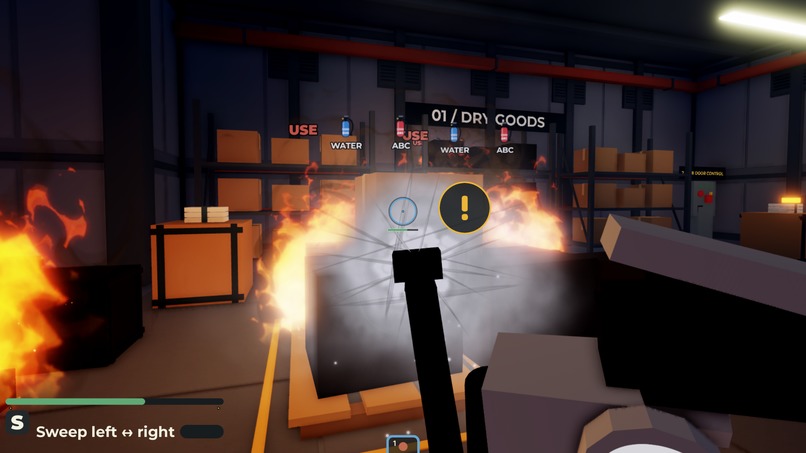
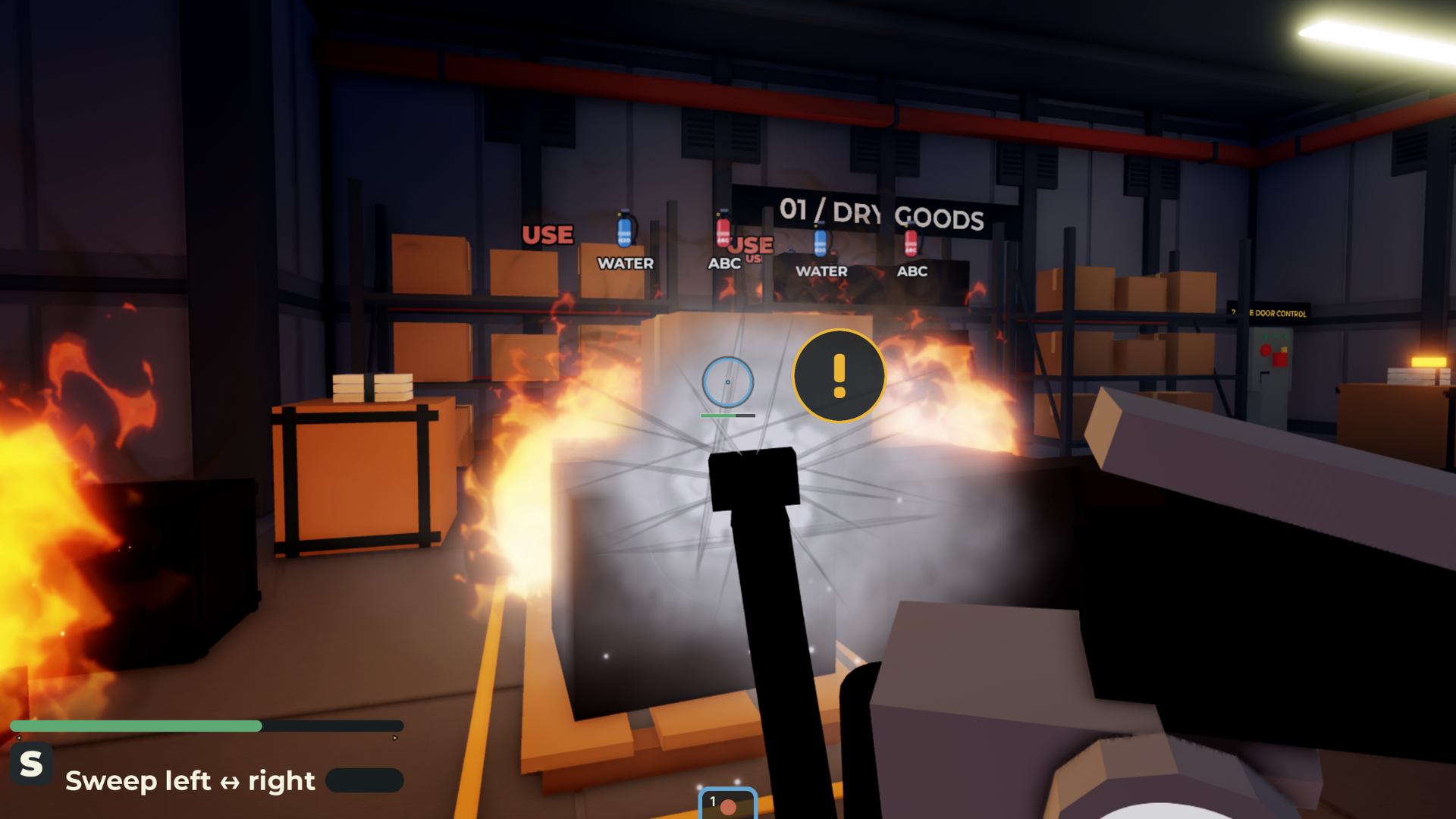
Putting out class A fires using sweep
-
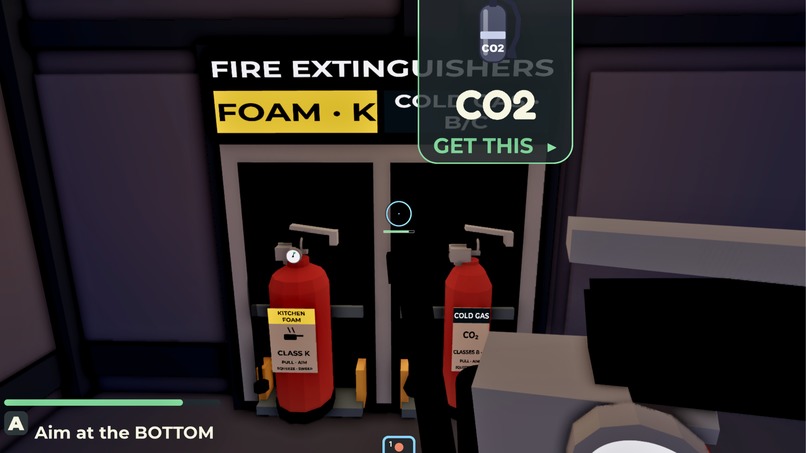
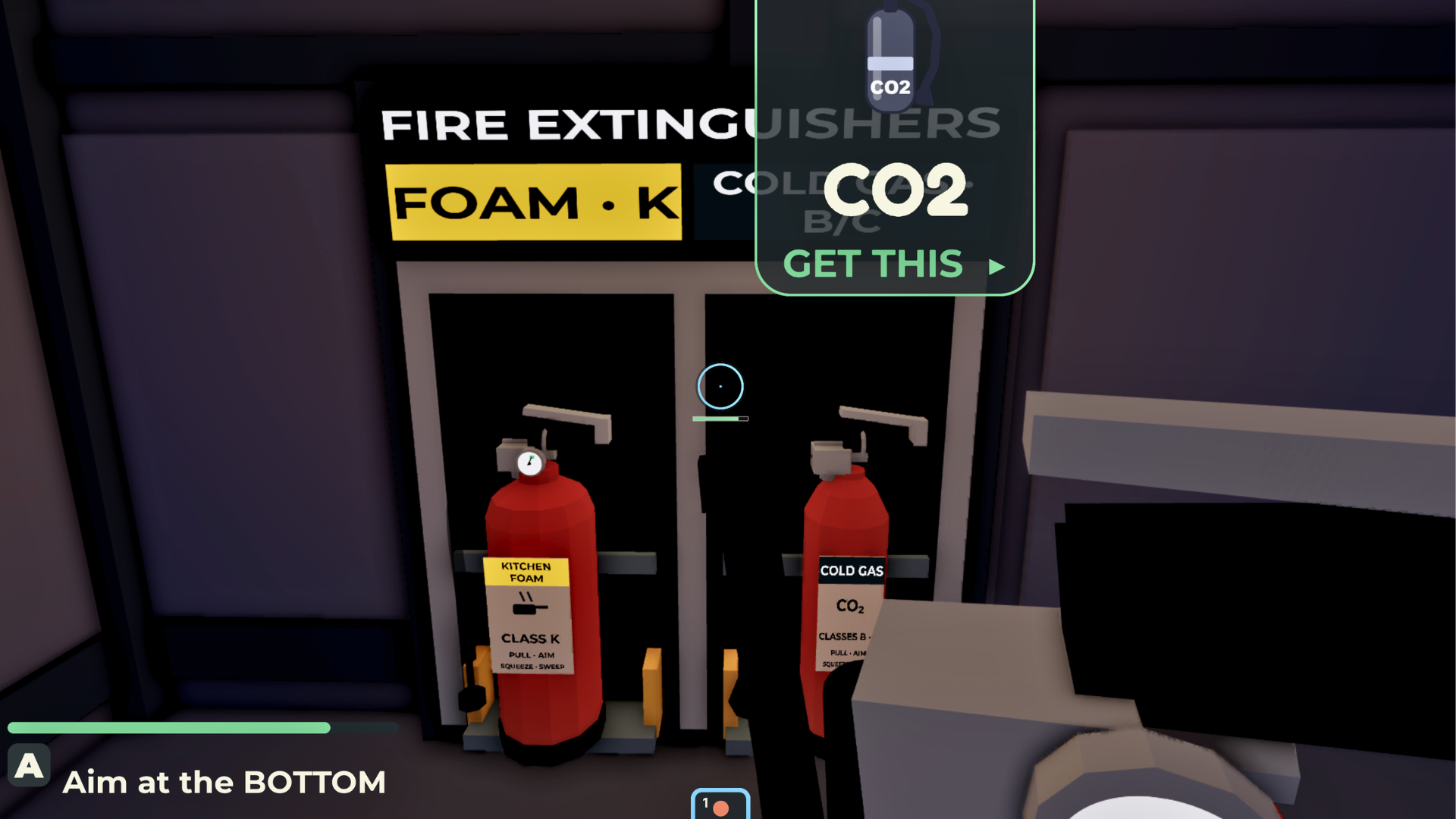
Getting the correct extinguisher
-
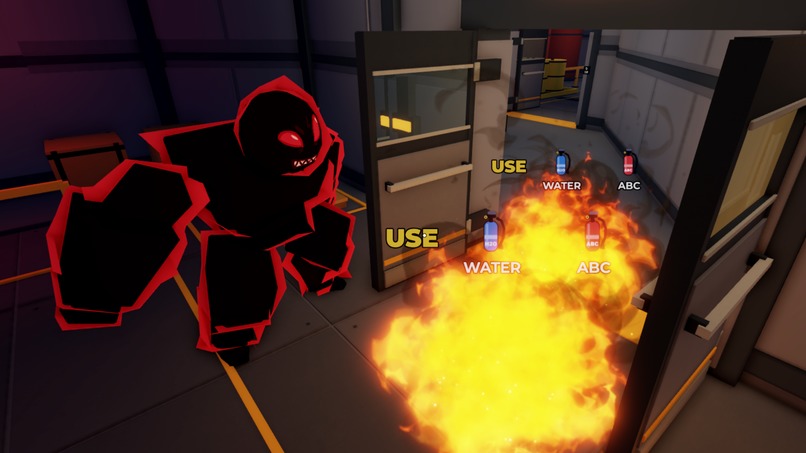
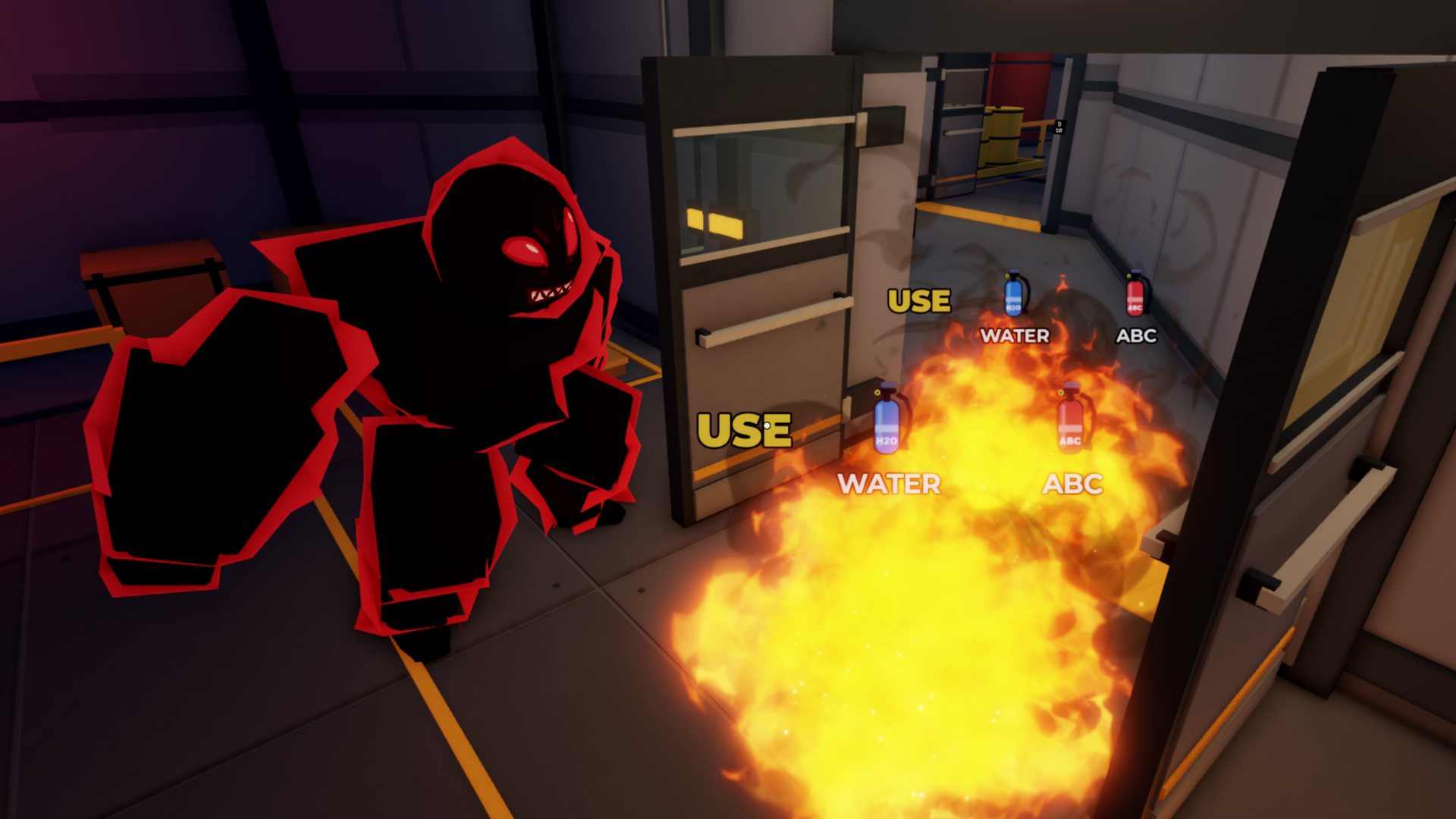
Fire monster
-
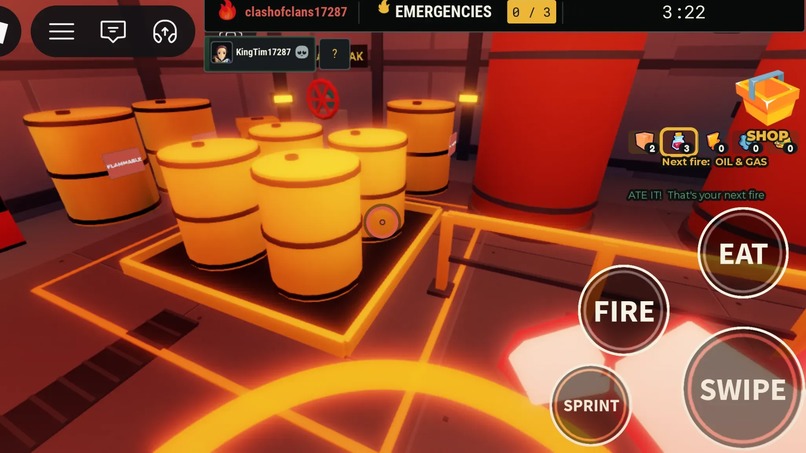
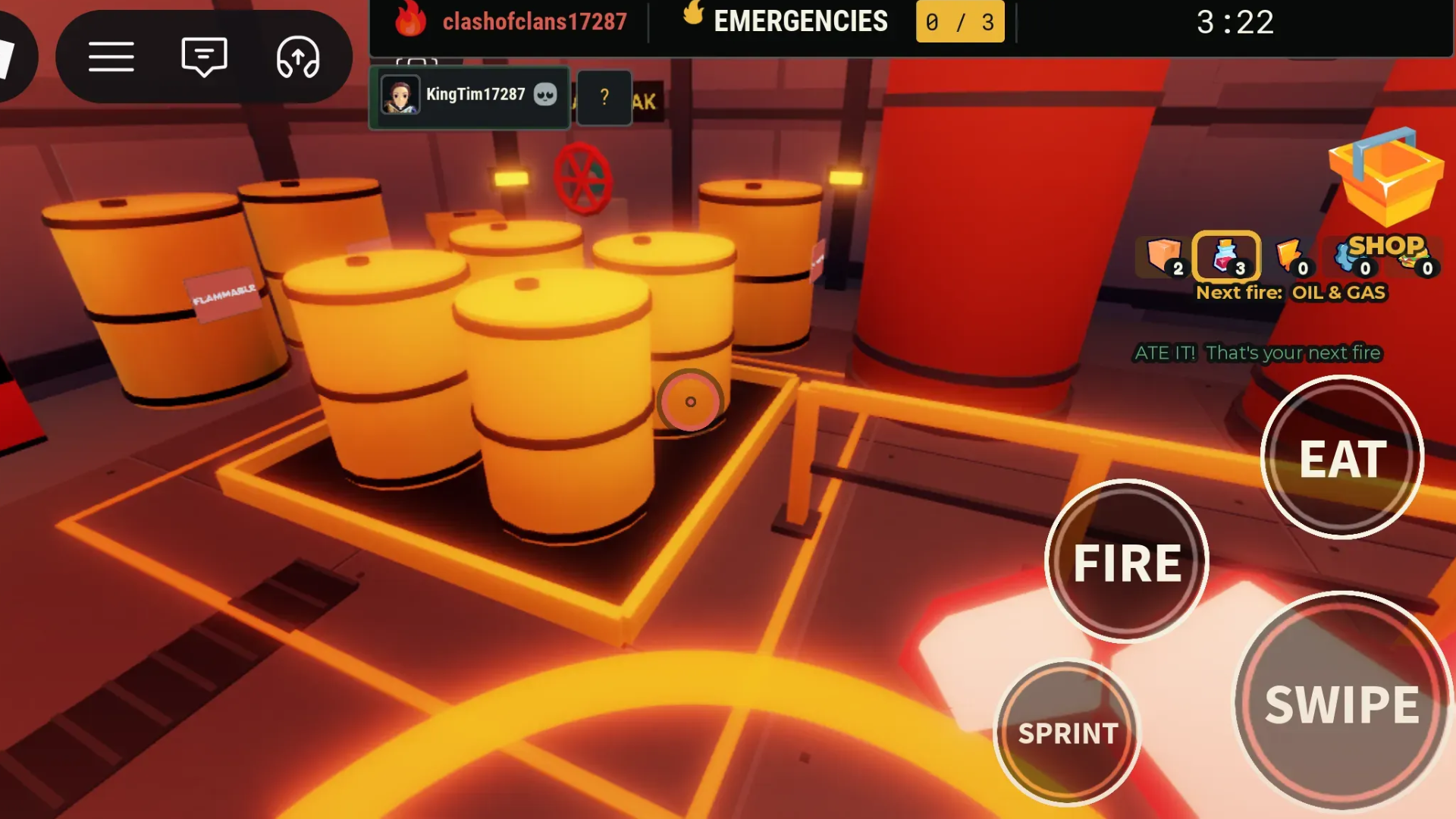
Fire monster mobile phone point of view
-
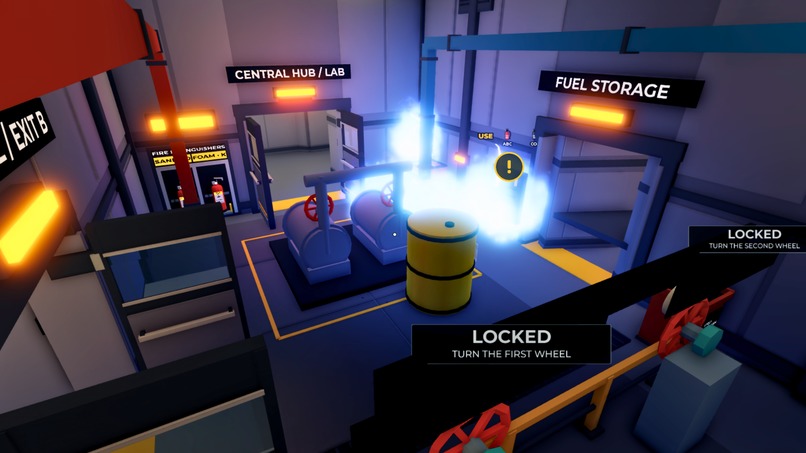
Fire hazard in the game
-
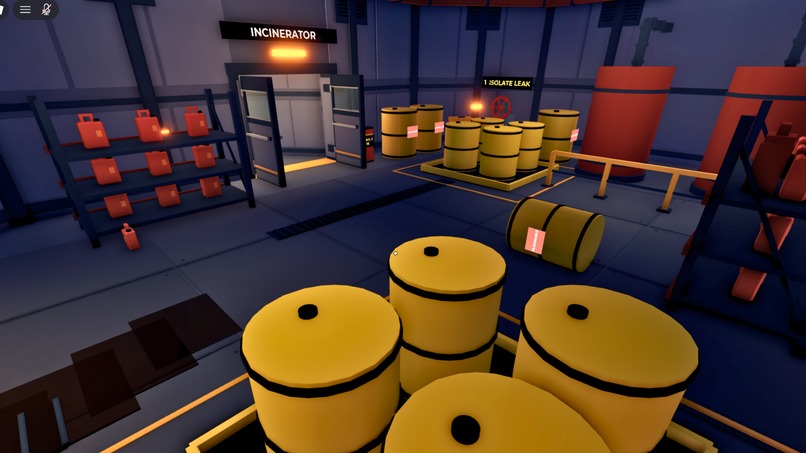
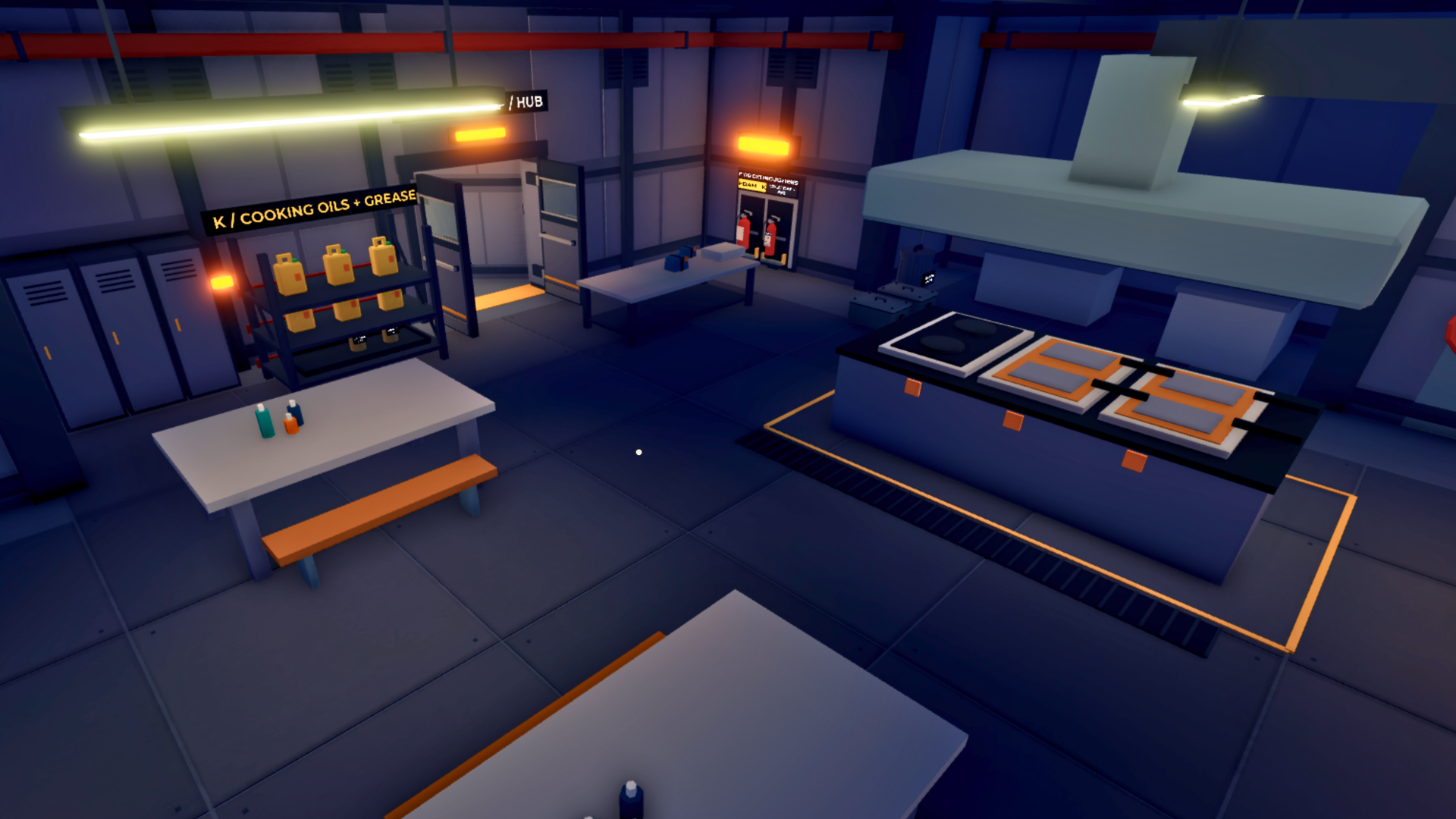
Map image
Inspiration
Most people's first instinct is to throw water on a fire, but for grease and electrical fires, that instinct makes things worse. In the United States, a home fire is reported every 96 seconds, and fires in 2024 caused 3,920 deaths and 11,780 injuries (NFPA). The tools to stop them already exist: portable extinguishers put out about 95% of the fires they are used on, and the leading reason they fail is that the fire has already grown too large (NAFED). Since a small flame can become a major fire in under 30 seconds (USFA), knowing the right response instantly is what matters, yet most people learn fire safety once, from a poster or video, and never practice it. As college students preparing to live on our own, where 94% of fatal campus-related fires occur in off-campus housing (USFA), we wanted to build the practice that fire safety education is missing. When my cousin first got burnt in a house fire, it was one that started small with a thrown, half lit cigarette, easily preventable if anyone there was trained with an extinguisher.
What it does
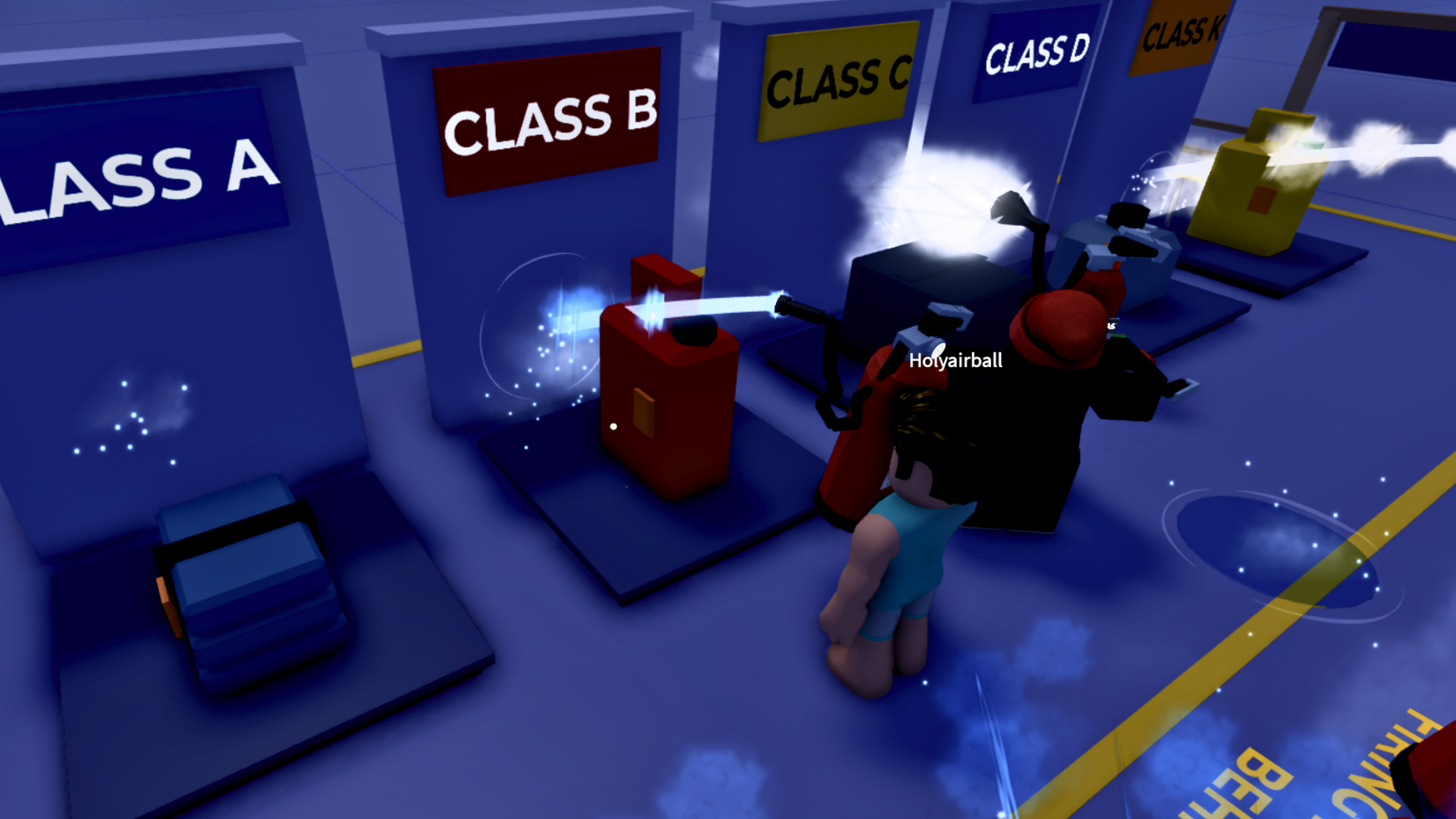
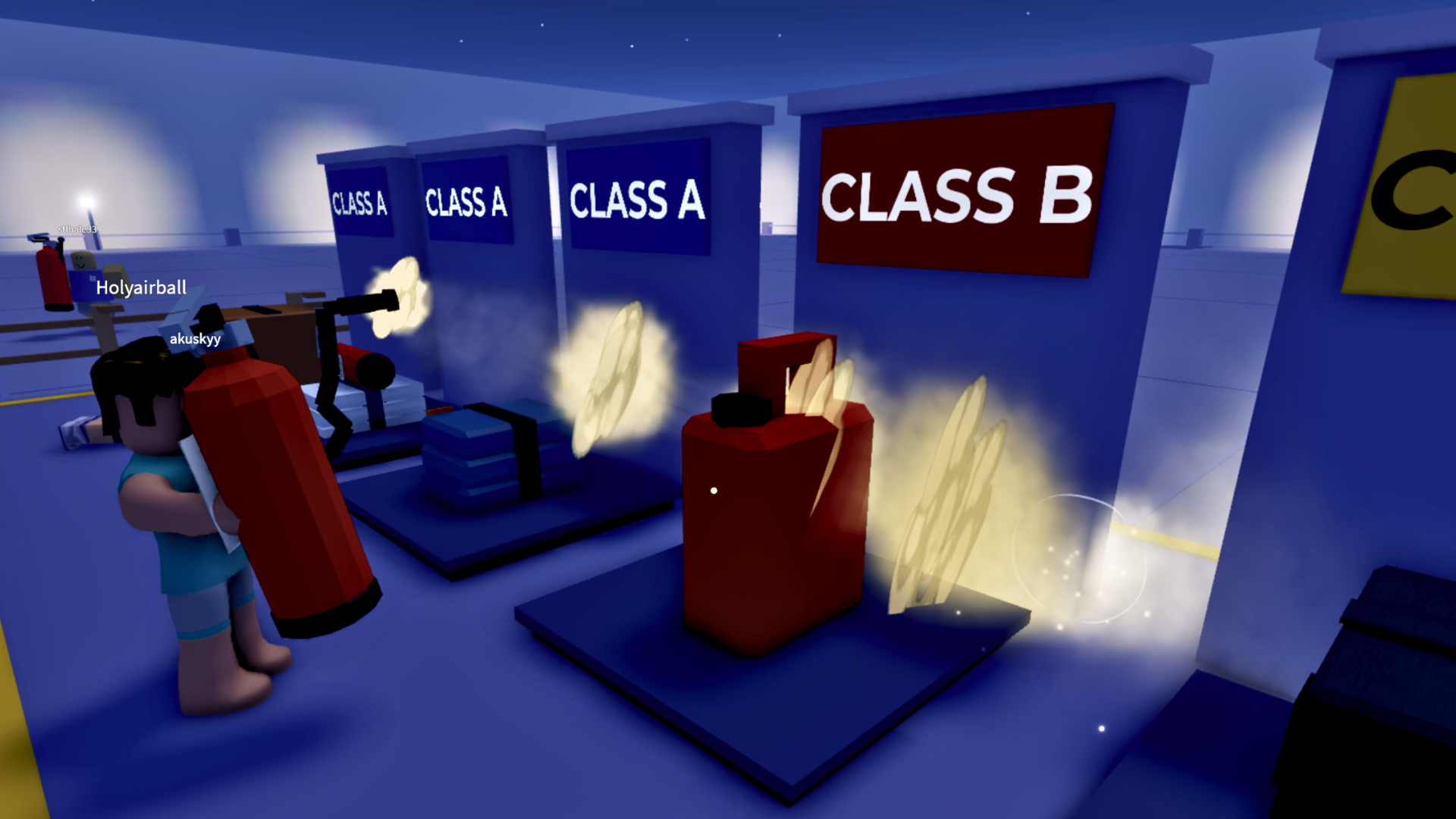
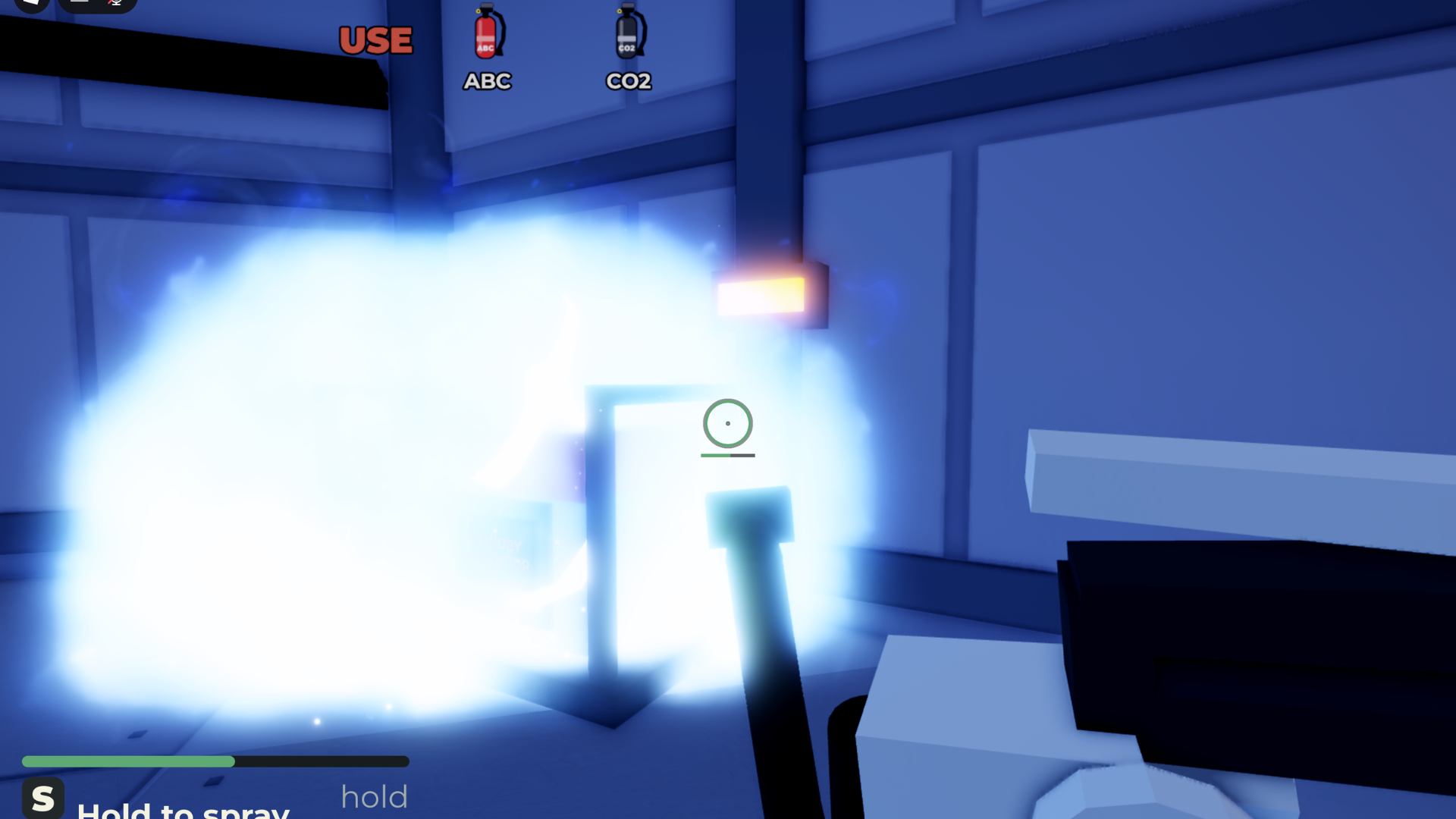
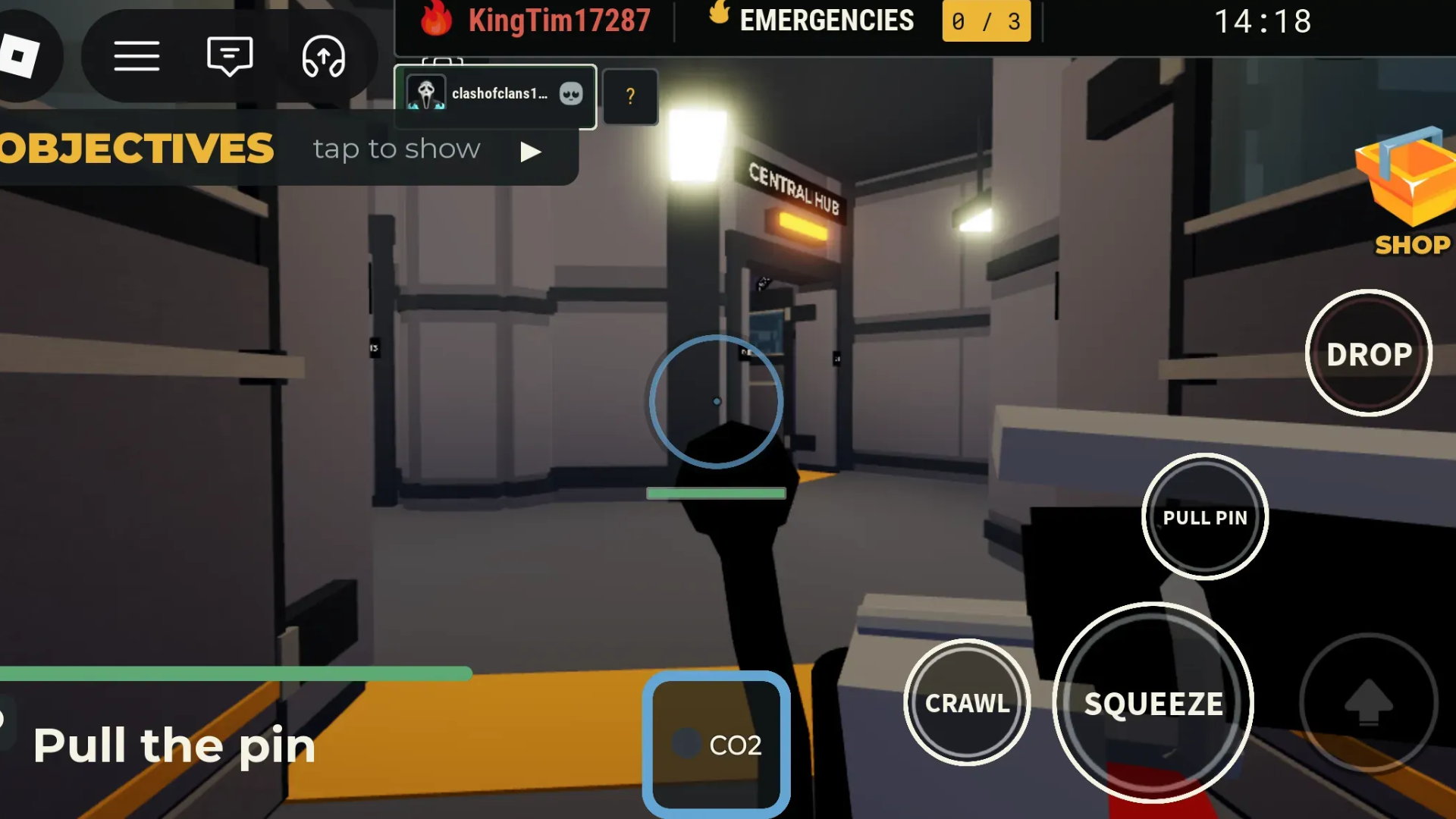
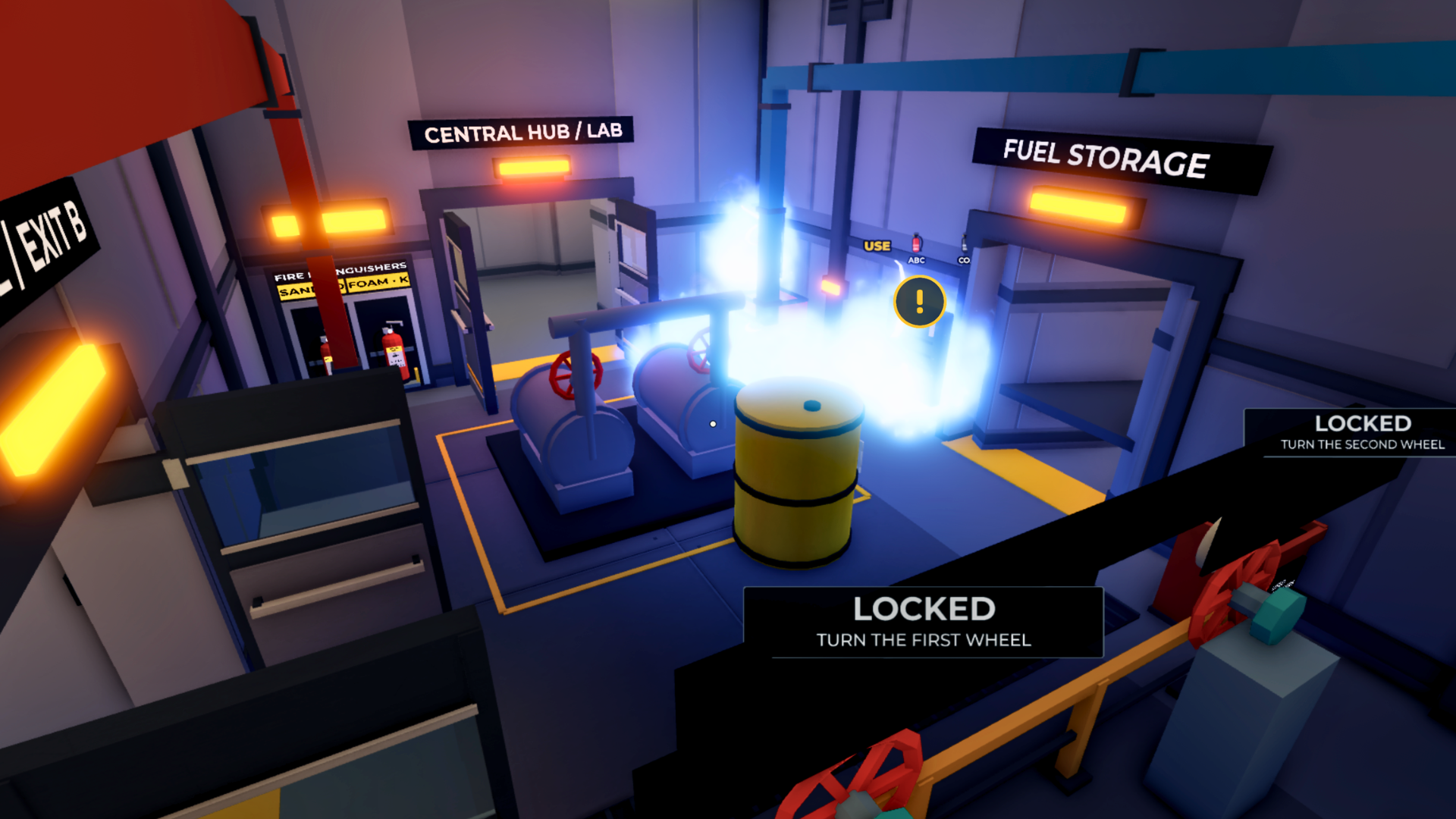
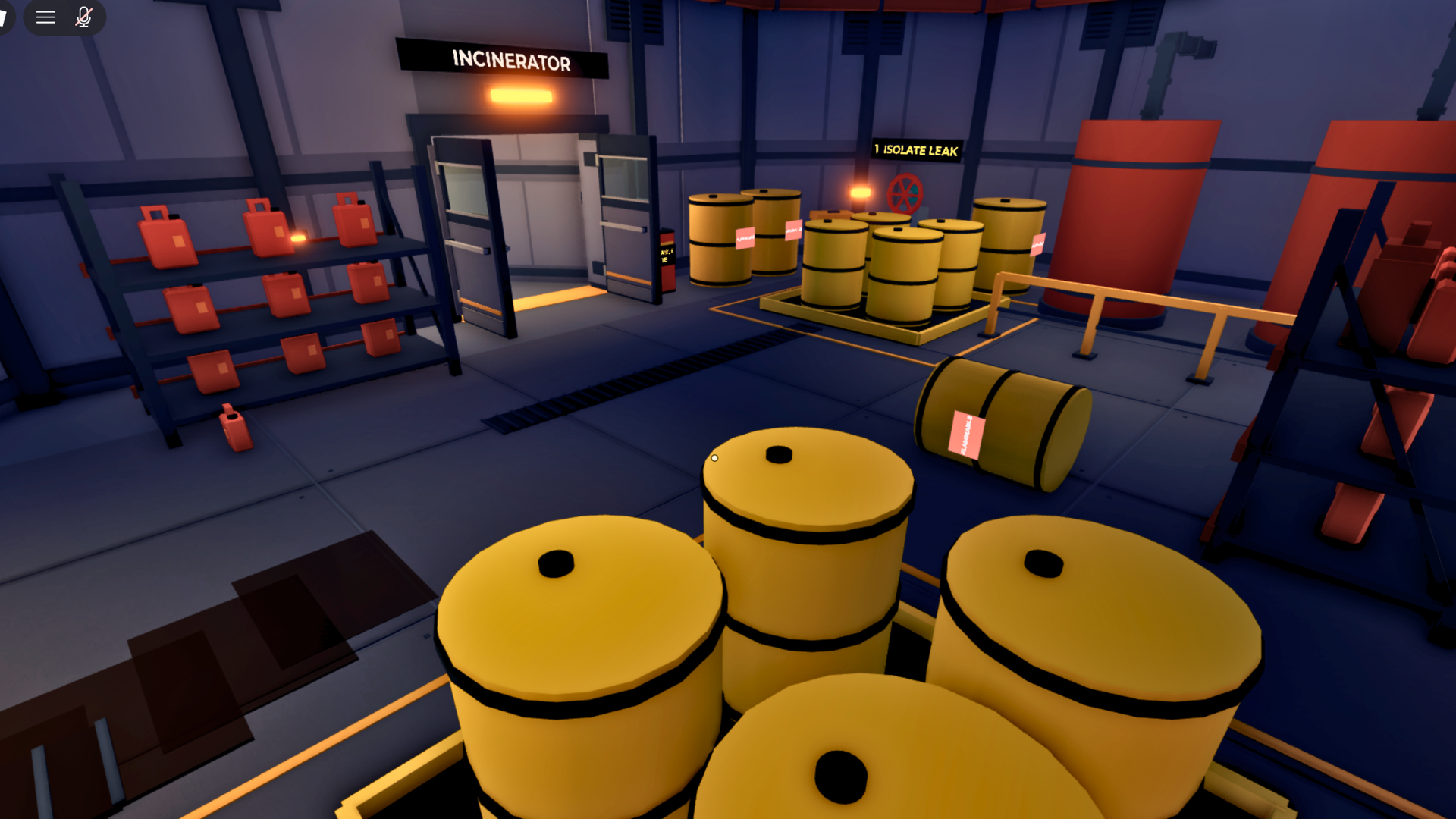
Flee Fire Facility is a multiplayer fire-response simulation on Roblox in which four firefighters face a player-controlled Fire Monster inside a research facility. New players first complete a training academy with five lessons, one for each extinguisher type (Water, ABC, CO2, Wet Chemical, and Class D), each requiring a full PASS run on a live fire before it counts. In live rounds, the Monster consumes materials that determine the class of fire it creates, so electrical equipment produces Class C fires and fuel produces Class B fires, following the US fire class system (NFPA 10). Firefighters must read what the Monster consumed, retrieve the correct extinguisher from racks that each hold only two or three types, and perform real PASS: the extinguisher will not spray until the pin is pulled, only aiming at the base of the fire is fully effective, and a rhythm-based sweep finishes the fire. Using the wrong extinguisher backfires with realistic consequences such as electric shock or a violent reaction on burning metal. Players also shut off power and gas in crisis rooms, remove fuel to fireproof bins, rescue trapped teammates, and escape once three crises are resolved. Because the Monster player must understand fire behavior to play well, both sides learn, an approach supported by research showing that simulation training produces better learning and longer-lasting confidence than video training (Lovreglio et al., 2021).
How we built it
We built Flee Fire Facility in Roblox Studio using Lua, with the training academy as a separate place in the same universe that new players are teleported to before their first round. We initially created 3D assets through a Meshy AI to Blender pipeline, then moved to Blender and Roblox Studio's own building tools for higher-quality results, and used AI coding assistants connected to Studio to speed up map building and scripting. We built analytics in from the start: every tutorial step, spray, join, and round is logged to Roblox DataStores and cross-checked against Roblox's own badge counts, producing 6,910 recorded events in our first 15 hours. Because 63% of sessions came from touch devices, the full tutorial works with on-screen controls, and we built a scroll-driven 3D pitch website with three.js to present the project interactively.
Challenges we ran into
Our first technical challenge was z-fighting, where overlapping surfaces flickered across the map. The Meshy AI to Blender pipeline also produced distorted models and poor textures, which led us to rebuild with Blender and Roblox Studio's own tools. Throughout development, we had to balance the mechanics that make the game fun against those that make it educational, and we rebuilt our pitch website after the first version felt too static. This was especially hard when subjective taste in games differed a lot in our group. Playtesting revealed a long list of bugs we then fixed: sweeping was five times more effective than intended; inventories did not reset between rounds, so players kept their extinguishers; the gas shutoff timing game used the spacebar, which also made players jump; fire hitboxes were too small and could only be hit from above; crouching let players fall out of the map; eliminated players could not spectate; and the Monster could not move through its own fire ring. We also added a prominent alert when a teammate is trapped, ended the round when every remaining firefighter is trapped, made objectives update and alert players when the Monster starts new fires, and changed wrong-extinguisher mistakes to cause a burning effect instead of trapping the player.
Accomplishments that we're proud of
Within the first 15 hours after launch, Flee Fire Facility reached 365 visits and 175 players, and 81 players earned the Graduate badge for learning all five extinguishers, a count verified by Roblox itself. The median time to graduate was 84 seconds, and players grew faster with each lesson, from 20 seconds on the first extinguisher to 9 seconds on the fifth. Most importantly, the learning carried into gameplay: in live rounds, players chose the correct extinguisher on their first attempt 93% of the time, first-session accuracy of 80% rose to between 94% and 100% in later sessions, and 96% of spray time was correctly aimed at the base of the fire. The game was also genuinely fun in our own playtests, and a near-even split of 12 firefighter wins to 10 Monster wins across our first rounds showed that the balance is working.
What we learned
We learned that clear communication is essential when several people build the same project at once, and that everyone must document their changes, test their work, and coordinate closely to build efficiently. We also learned how difficult it is to create something that other people will actually use: a game that works for its developers is very different from one that works for strangers on their phones, and reaching that point took far more testing and iteration than we expected.
What's next for Fire Facility
Next, we plan to add new maps modeled on the buildings where people actually live, guided by fire data on which housing types experience the most fires in the United States and other countries. These include apartments, where cooking causes 72% of fires (NFPA), townhomes, single-family houses, off-campus student housing, and high-rises, each giving players training in a different environment. We will prioritize regions with the highest fire risk, since 25 states and the District of Columbia had an above-average risk of fire death in 2023 (USFA), and we will adapt the game for other countries' fire classification systems. We also plan to make Flee Fire Facility more accessible by connecting it to websites such as those of schools and fire departments, so anyone can begin training with a single click. Roblox will soon be integrating themselves into browser gameplay, and that could lower the barrier for even more people to utilize our game and learn about fire safety.
Works Cited
Ahrens, Marty. Home Structure Fires. National Fire Protection Association, Dec. 2018. City of North Olmsted, https://cms3.revize.com/revize/northolmsted/Documents/Departments/Public%20Safety/Fire%20Division/Resources/Home%20Structure%20Fires%202018.pdf. Accessed 20 Sept. 2026.
Campus Fire Fatalities in Residential Buildings (2000–2015). U.S. Fire Administration, https://www.usfa.fema.gov/downloads/pdf/publications/campus_fire_fatalities_report.pdf. Accessed 20 Sept. 2026.
The Effectiveness of Portable Fire Extinguishers: An Overview 1976–2010. National Association of Fire Equipment Distributors, 2010, https://www.nafed.org/uploads/1/1/6/7/116763213/nafed_2010_effectivenessofpo.pdf. Accessed 20 Sept. 2026.
Fire Class Team. Fire Class Impact Report. 20 Sept. 2026. Unpublished report.
"Fire Extinguisher Types Explained." WC Safety, https://wcsafety.com/blogs/reference/fire-extinguisher-types-explained. Accessed 20 Sept. 2026.
"Fire Loss in the United States." National Fire Protection Association, https://www.nfpa.org/education-and-research/research/nfpa-research/fire-statistical-reports/fire-loss-in-the-united-states. Accessed 20 Sept. 2026.
Lovreglio, Ruggiero, et al. "Comparing the Effectiveness of Fire Extinguisher Virtual Reality and Video Training." Virtual Reality, vol. 25, no. 1, 2021, pp. 133–45, https://doi.org/10.1007/s10055-020-00447-5.
"State Fire Death Risk." U.S. Fire Administration, https://www.usfa.fema.gov/statistics/deaths-injuries/states.html. Accessed 20 Sept. 2026.
U.S. Fire Administration. This Is Fire! A Factsheet on the Nature of Fire. City of Fort Worth, https://www.fortworthtexas.gov/files/assets/public/fire/documents/thisisfire.pdf. Accessed 20 Sept. 2026.
Built With
- astra
- blender
- claude
- gpt-6
- gpt-6-astra
- roblox
- robloxstudio

Log in or sign up for Devpost to join the conversation.