-

FinTouch Main Page
-
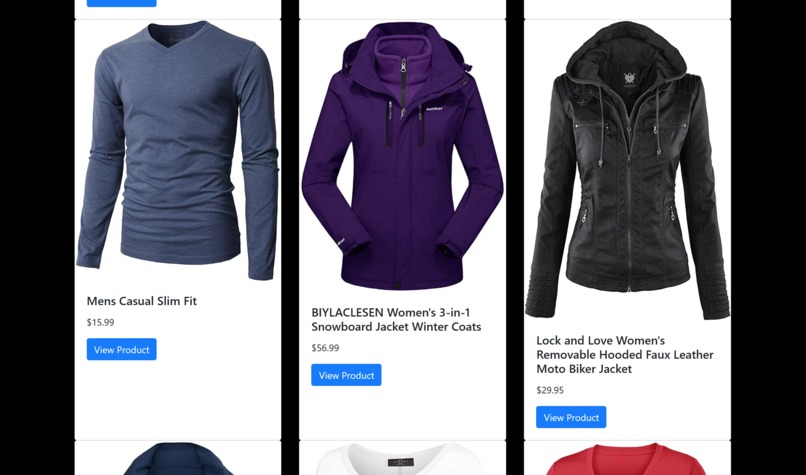
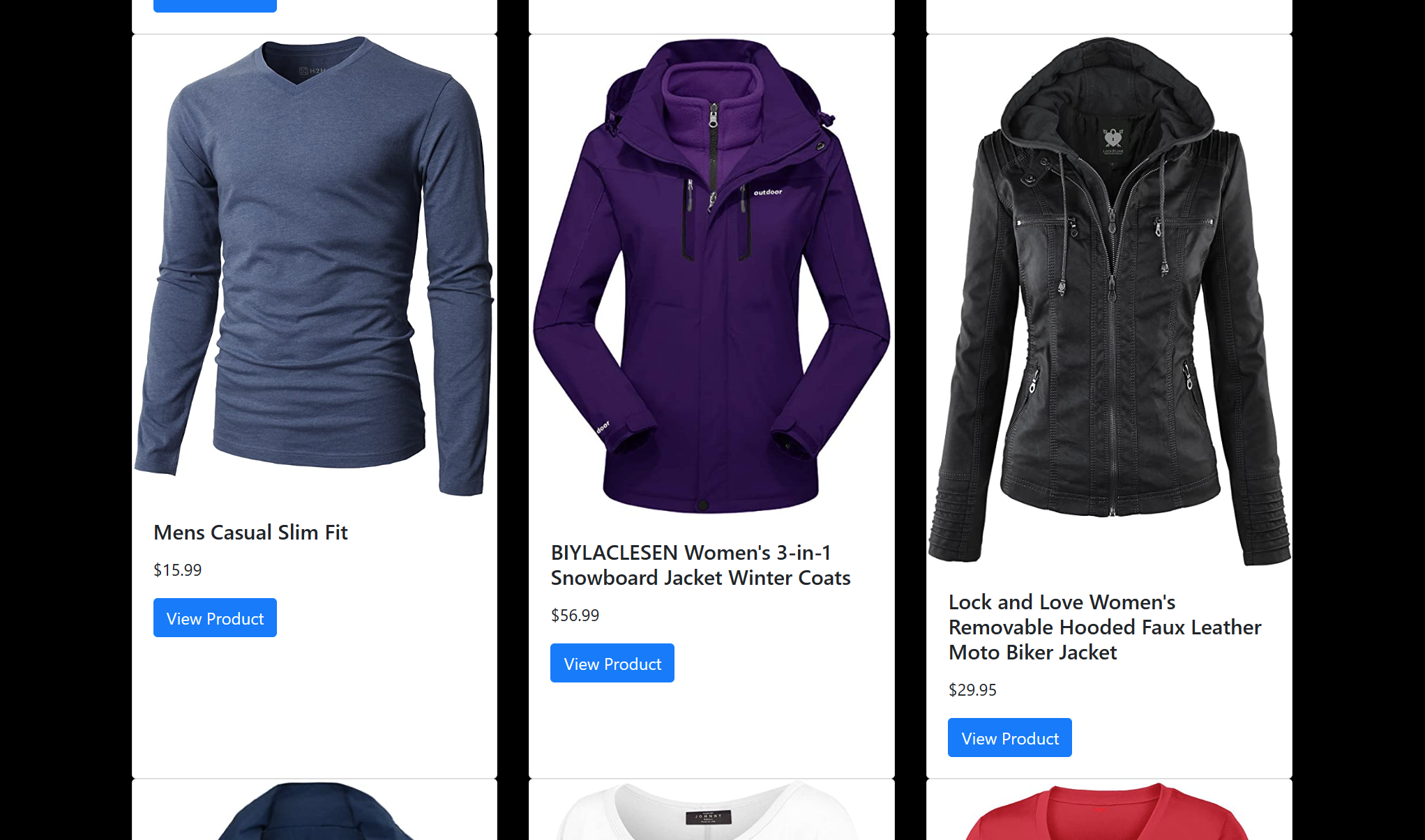
Filtered Shopping List

Inspiration
FinTouch is inspired by the common challenges of modern shopping—decision fatigue and time-consuming browsing that often lead to unplanned impulse purchases. Our goal is to simplify the consumer experience by providing a platform that empowers users with swift, tailored shopping decisions, helping them make smart, financially sound choices without the overwhelm. We are also planning to develop a series of warning and guidance pages that activate based on the total amount customers spend at checkout. These pages will direct them to relevant financial budgeting resources to help mitigate potential mental stress caused by financial difficulties.
What it does
FinTouch enhances the online shopping experience by offering personalized item recommendations and streamlined purchasing processes. Our platform ensures users only see what they need through effective filtering, reducing the hassle of sifting through irrelevant options and minimizing the risk of impulse spending.
How we built it
We developed FinTouch using a robust tech stack that includes React for the frontend, with HTML and CSS for layout and styling. The backend logic is handled by JavaScript, which interacts with a mock shopping list supported by an API to fetch and display product data dynamically. Our tech choices were driven by the need for a responsive, intuitive user interface and a seamless integration of complex functionalities.
Challenges we ran into
One of the main challenges we faced was integrating an API to fetch real-time data while ensuring that our user interface remained fast and responsive, especially when filtering products. Additionally, optimizing the mobile responsiveness of our web application to ensure a uniform experience across different devices was a complex task. A particular hurdle was making the wishlist (cart) and checkout functionalities work effectively, which delayed our plans to implement financial guidance based on checkout totals.
Accomplishments that we're proud of
We are proud of creating a user-friendly interface that simplifies the online shopping experience. Implementing personalized recommendations based on user preferences and past shopping behavior was a significant achievement. Additionally, we successfully enhanced site performance and security, providing a robust platform that users can trust.
What we learned
Throughout the development of FinTouch, we learned to effectively utilize modern web technologies such as React and APIs in a real-world application. We gained insights into the importance of user experience design and the complexities of data security in web applications. Handling cross-browser compatibility and responsive design were also key learning points.
What's next for FinTouch
Looking ahead, we plan to enhance FinTouch by incorporating more sophisticated machine learning algorithms to improve our recommendation engine. We aim to partner with more retailers to expand our product range. Future updates will focus on implementing a direct checkout system on our platform and introducing social sharing features to boost user engagement and convenience. As we continue to refine these core functionalities, we also intend to develop support features that offer financial advice and resources at checkout, assisting customers in managing their spending and mitigating financial stress.


Log in or sign up for Devpost to join the conversation.