Inspiration
The inspiration for FinTech came from a simple observation: financial literacy is often gatekept by complex jargon and fragmented tools. We wanted to build a centralized, "no-nonsense" platform that empowers users to manage their capital with clarity and confidence, turning a chore into a seamless habit.
What it does
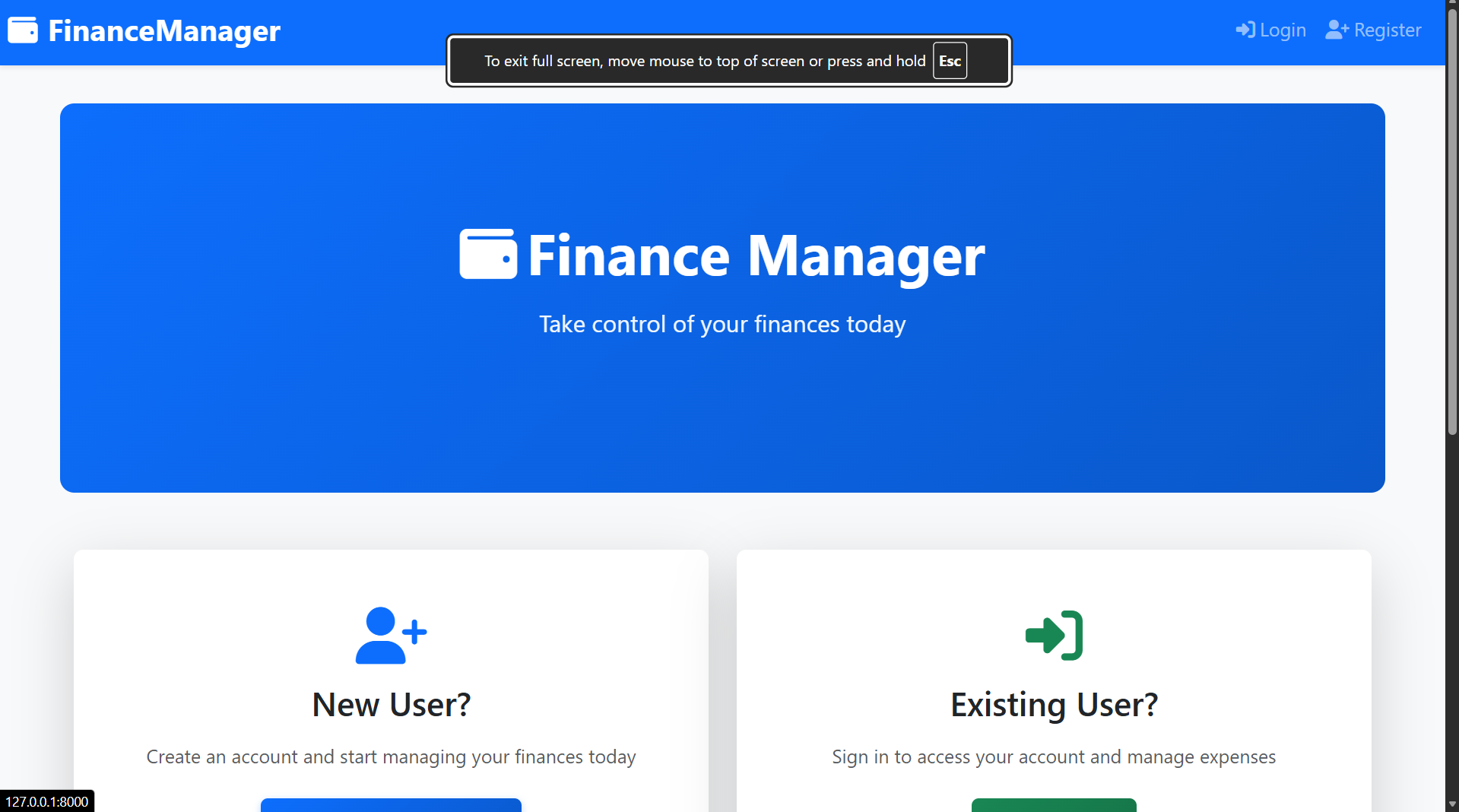
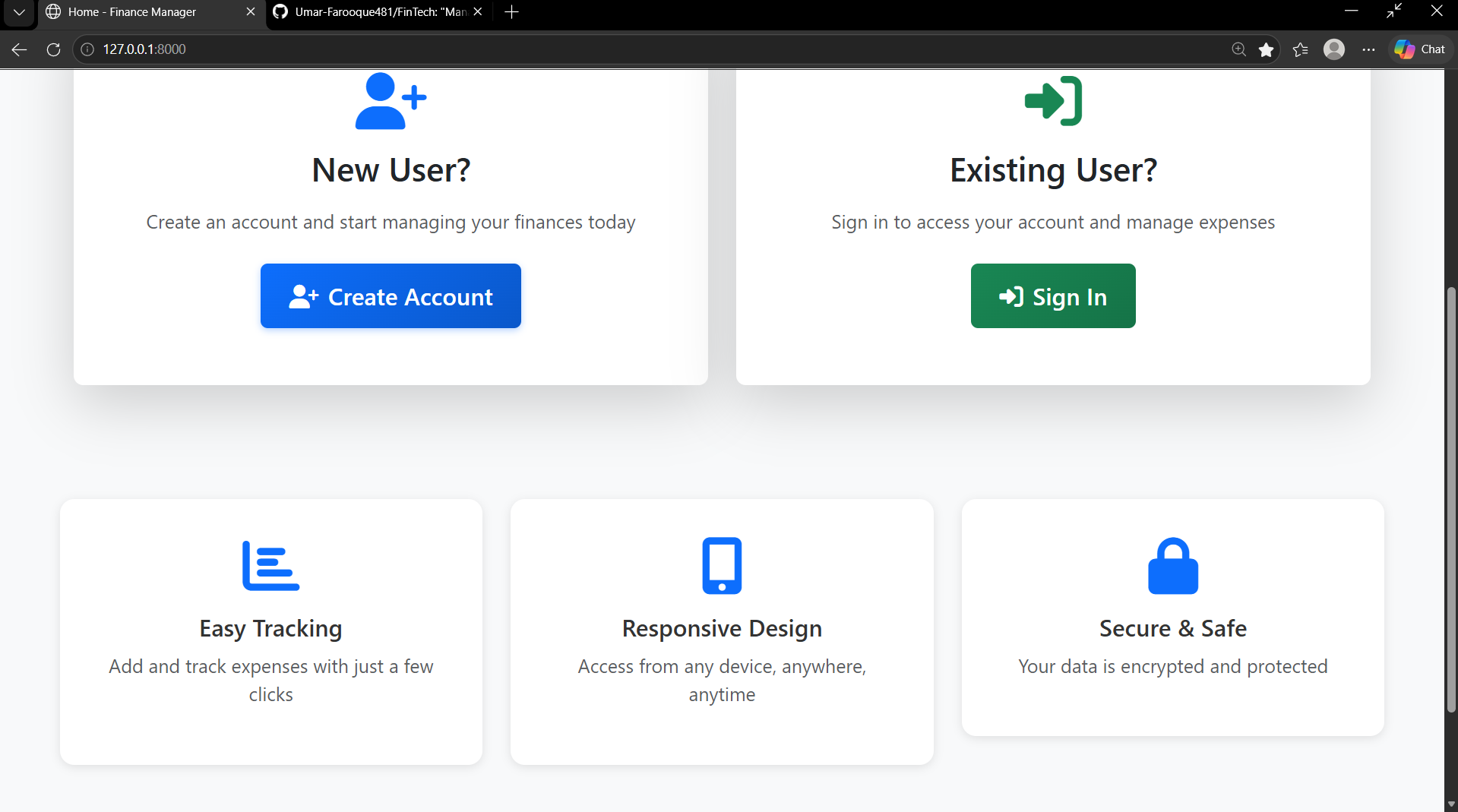
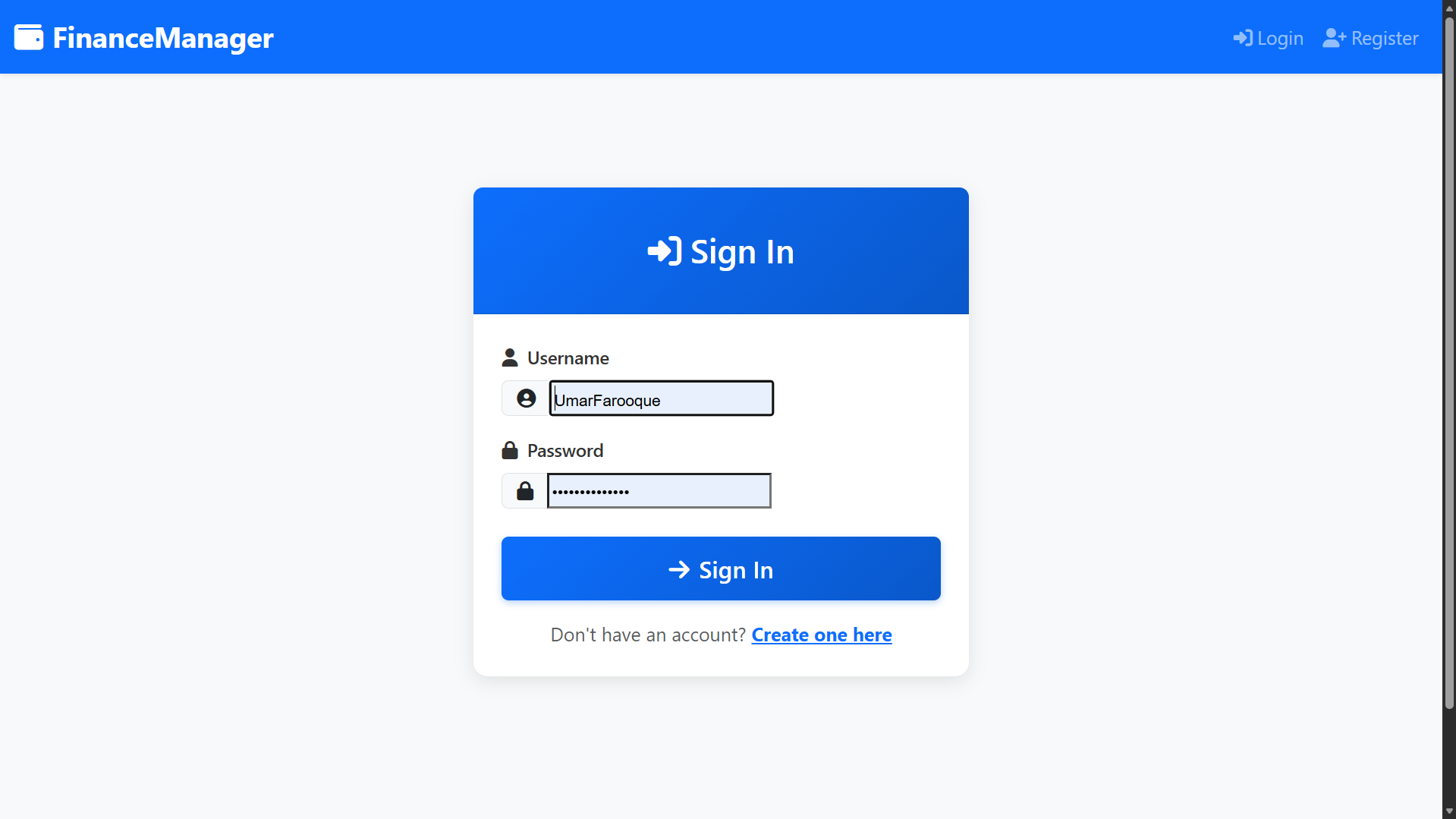
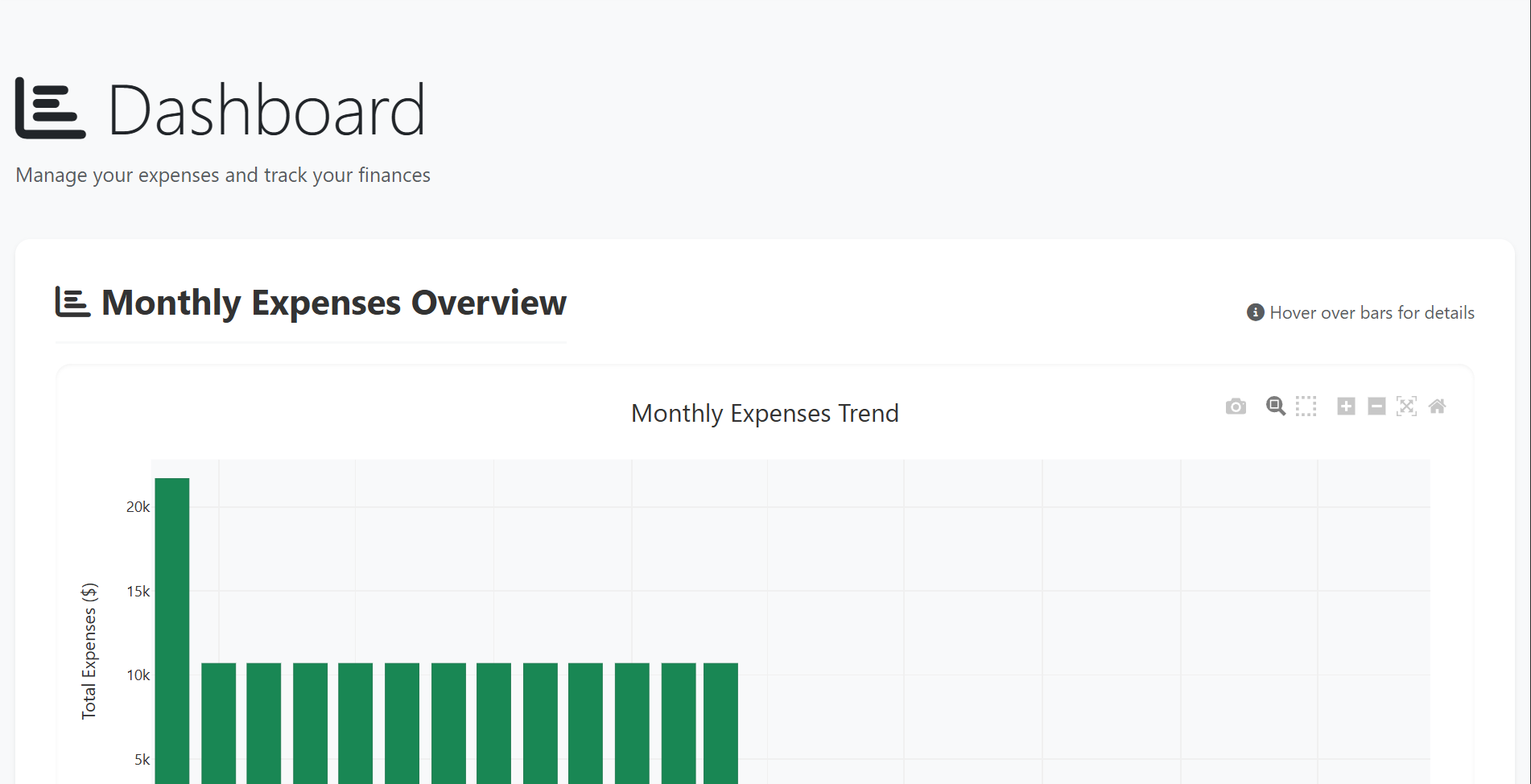
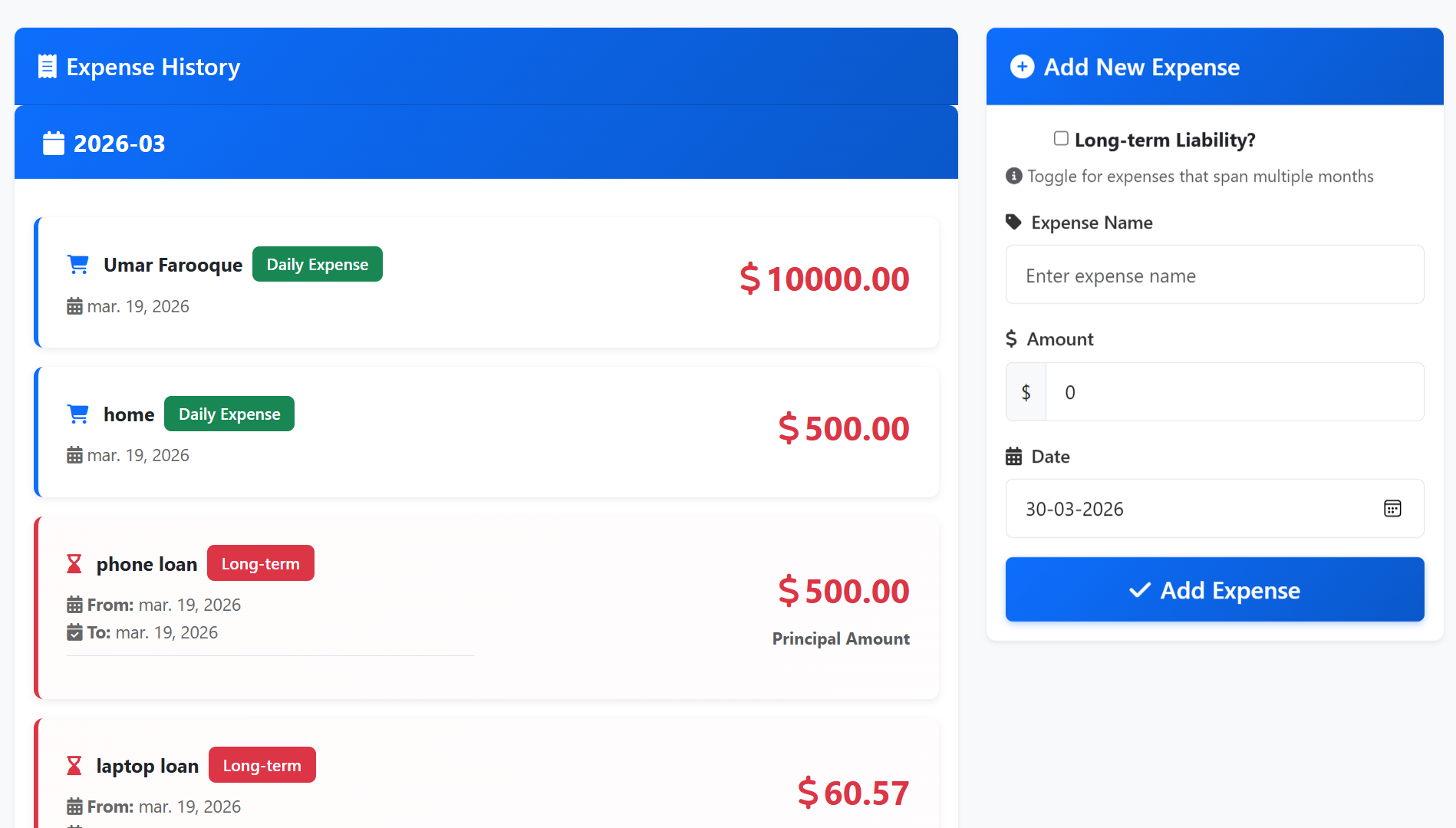
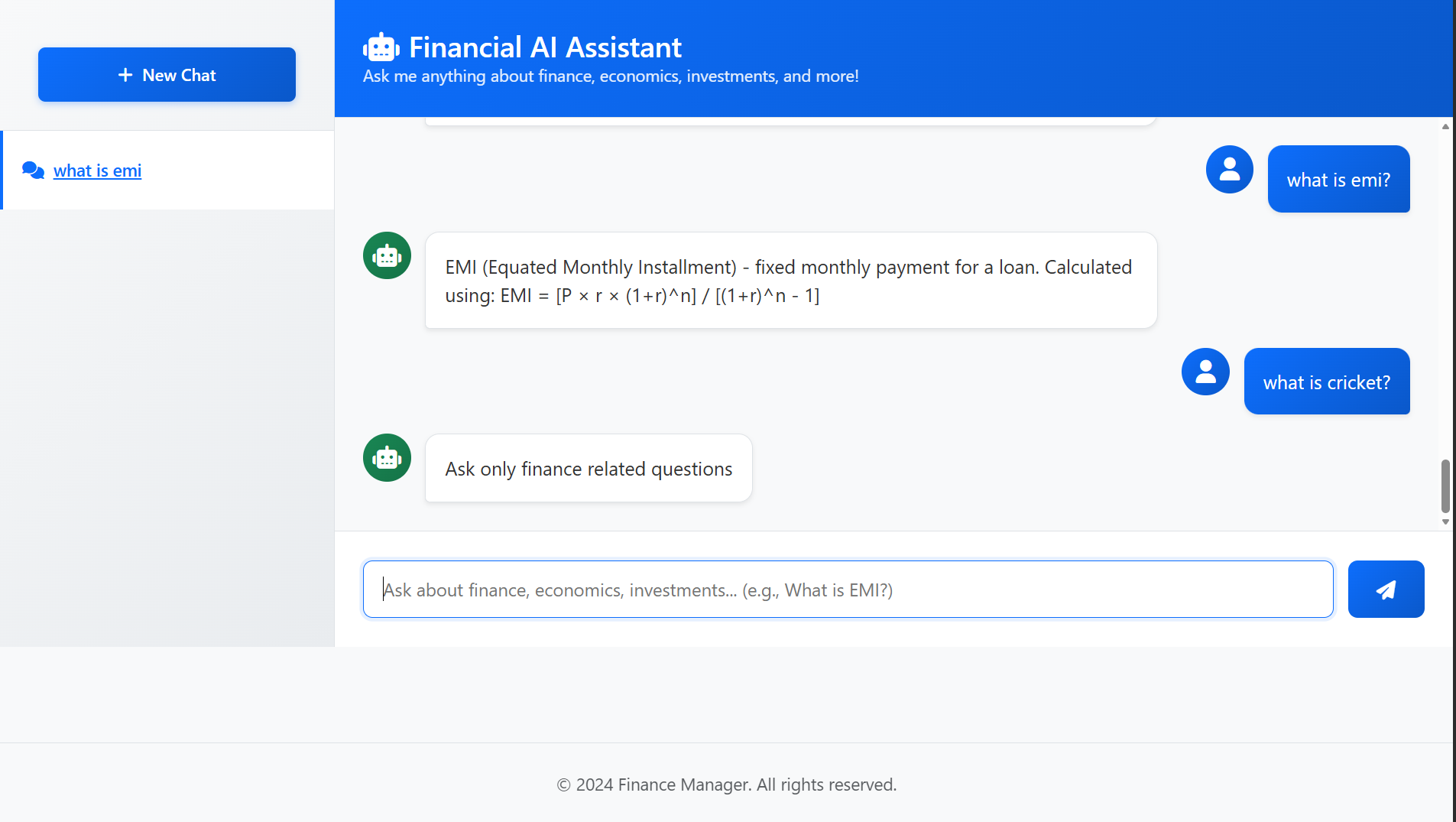
FinTech is a robust financial management application designed to track transactions, visualize spending patterns, and maintain a clear ledger of financial health. It provides users with a real-time overview of their fiscal status, allowing for better budgeting and more informed financial decisions.
How we built it
The core of the project is built using the Django web framework, leveraging its powerful ORM and MVT architecture to handle complex data relationships efficiently.
Backend: Python and Django for server-side logic and database management.
Frontend: Dynamic HTML templates styled with CSS to provide a clean, user-friendly interface.
Database: SQLite (or PostgreSQL) to securely store and retrieve transaction history and user records.
Challenges we ran into
One of the primary hurdles was designing a database schema that could flexibly handle various transaction types while maintaining data integrity. Managing Django migrations—especially when refactoring models for the financial manager—required a deep dive into how the framework handles relational data and state.
Accomplishments that we're proud of
We are particularly proud of the backend architecture. Building a system that accurately reflects a user's balance in real-time while ensuring the "Chai" app integration and financial manager modules remained modular and scalable was a significant milestone.
What we learned
Building FinTech was a masterclass in full-stack development. We gained extensive experience in:
Implementing the Django workflow from scratch (virtual environments, models.py, views.py).
Understanding the intersection of financial literacy and software design.
Debugging complex logic within the Django template engine to display dynamic financial data.
What's next for FinTech
The roadmap for FinTech includes adding advanced data visualization tools (like charts and graphs) for spending trends, implementing automated recurring transaction alerts, and eventually scaling the platform to support multi-currency accounts and AI-driven budgeting insights.

Log in or sign up for Devpost to join the conversation.