
Inspiration
In emergency medical services, time is the most critical factor. First responders frequently encounter patients who are unconscious, unable to communicate, or lack accessible identification. This absence of immediate patient data, such as severe allergies, critical medications, or pre-existing conditions, forces EMTs to delay treatment or risk dangerous drug interactions, potentially escalating a non-fatal event. EmergID was created to solve this gap, providing rescuers with instant, verified patient history to enable faster, safer, and more informed life-saving interventions.
What It Does
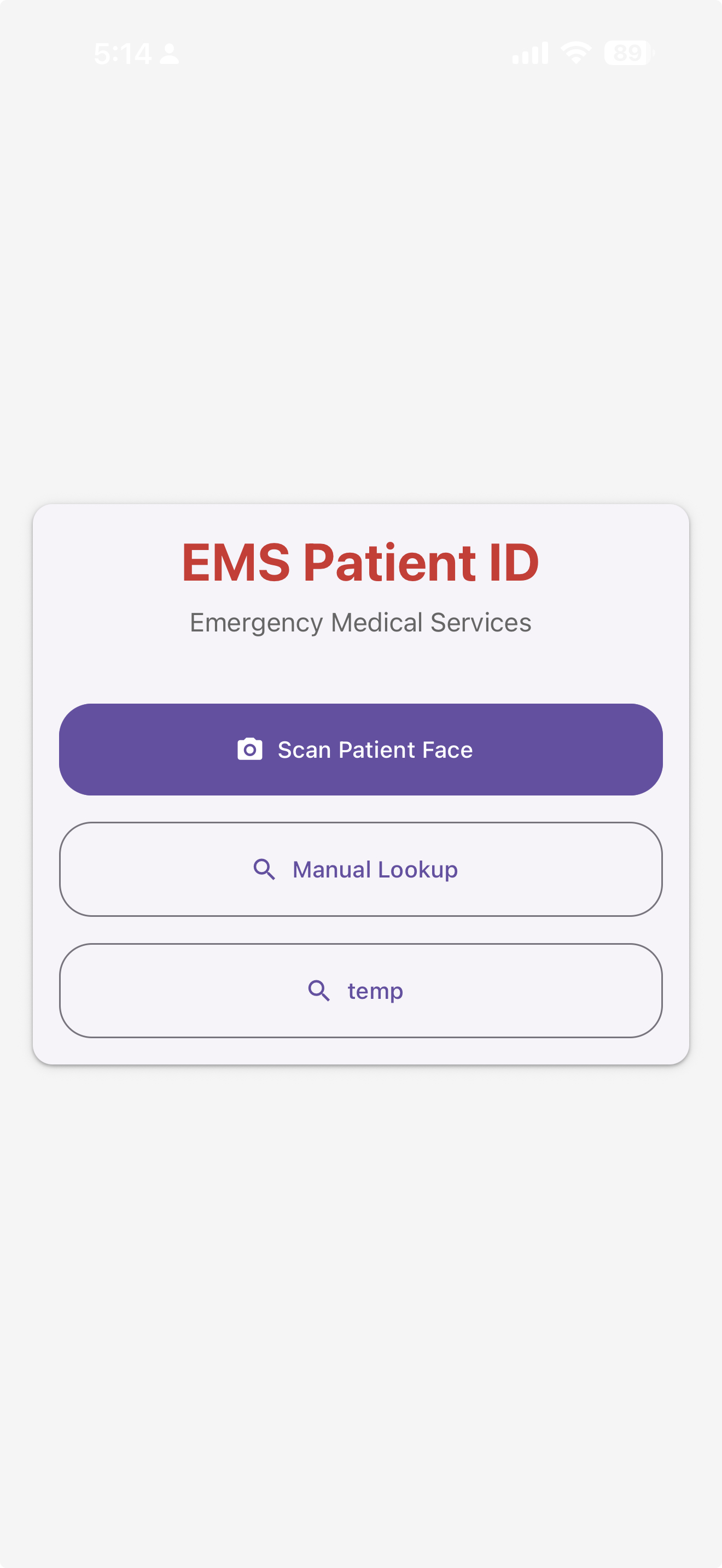
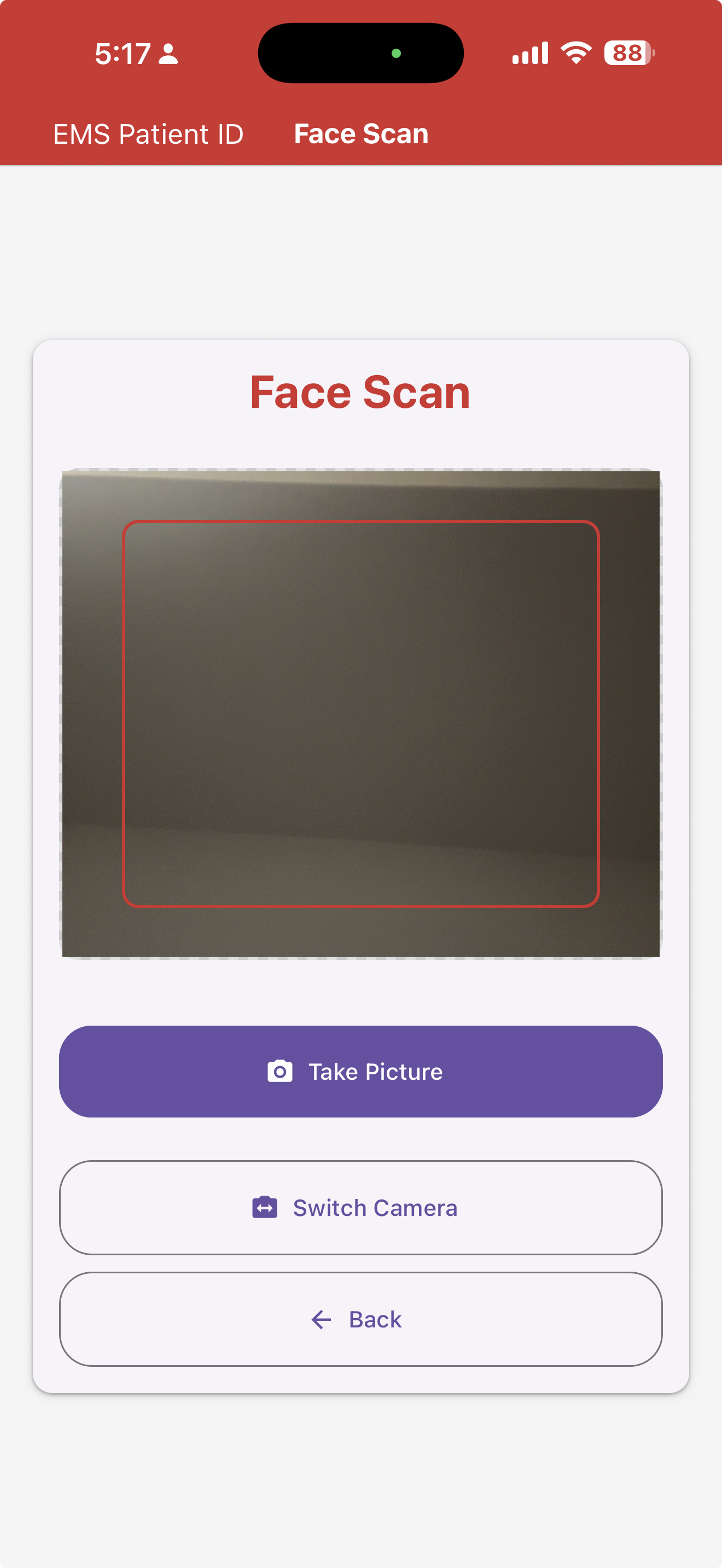
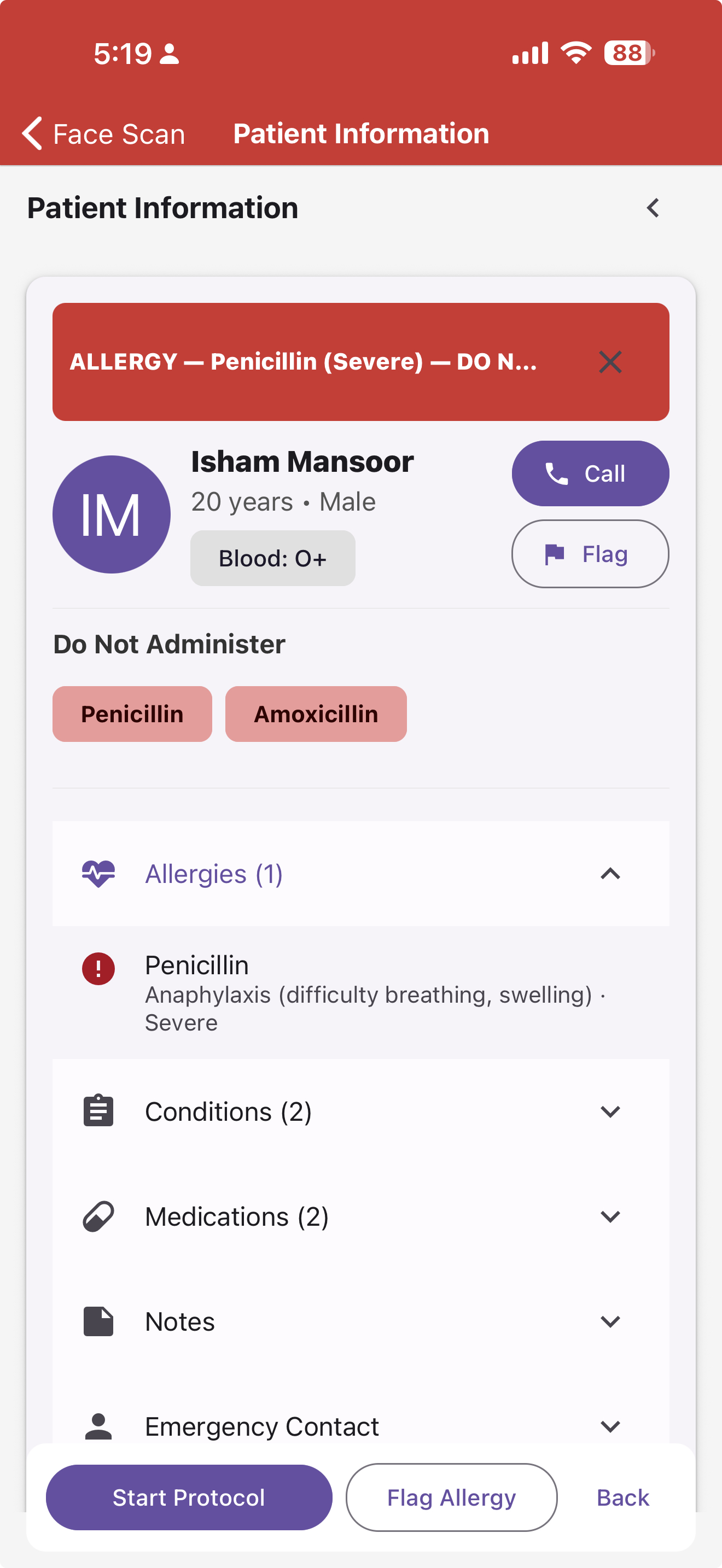
EmergID is a mobile-first, AI-driven application that gives first responders instant access to a patient’s critical medical profile. Using a secure face or ID scan, the platform rapidly authenticates the individual and pulls their registered electronic health data. Within seconds, the first responder sees a clean, prioritized summary on their device, listing vital information like known drug allergies (e.g., penicillin), current medications, emergency contact information, and primary care physician. The system is designed for high-stress environments, presenting only essential, actionable data immediately upon positive identification.
How We Built It
The app leverages a secure mobile interface, utilizing the device camera for facial recognition and standardized ID scanning. We integrated a specialized AI model trained for fast, accurate recognition across various conditions (low light, minor facial obstruction). This recognition triggers an encrypted query to a simulated secure medical database (representing a connection to national EHR systems). The back-end, built with a Flask/Python architecture, handles secure token exchange and data retrieval. The front-end, developed in React, ensures the critical data dashboard is responsive, legible, and optimized for minimal cognitive load during emergency triage.
Challenges We Ran Into
The primary challenge was ensuring zero-latency data retrieval while maintaining absolute security and HIPAA compliance (simulated). We struggled with training the facial recognition model to perform reliably in uncontrolled, real-world emergency scenarios, such as low visibility, movement, and minor facial trauma. Furthermore, designing the user interface to be intuitively navigable under extreme stress required extensive testing and feedback from active EMT professionals to prevent critical information from being missed.
Accomplishments That We're Proud Of
EmergID has successfully demonstrated the ability to retrieve a patient's core medical data in under five seconds from the moment of scan, drastically reducing crucial triage time. We successfully created a highly legible, high-contrast dashboard that prioritizes red-flag data (like severe allergies) for immediate visual confirmation. The app’s success lies in turning an unknown patient into an informed case in the time it takes to prepare an IV.
What We Learned
We learned that in emergency technology, the architecture must be designed first and foremost around reliability and speed, not features. The most valuable output the AI could provide was not complex analysis, but instant, accurate data extraction and classification (categorizing allergies vs. medications). We also learned that privacy and secure data encryption must be the foundation, as this is the only way to build trust with both medical systems and the public.
What's Next for FaceAID
We plan to expand the app’s capabilities by integrating real-time vitals monitoring from connected medical devices and incorporating predictive triage suggestions based on the patient's history and current symptoms. We will also develop a feature for seamless handoff reporting, automatically packaging the data and triage notes for transmission to the receiving hospital's electronic intake system.
Built With
- deepfake
- expo.io
- html
- javascript
- json
- python


Log in or sign up for Devpost to join the conversation.