Inspiration
Rob Stewart's film Sharkwater and the fact that 73 million sharks die each year due to the demand for their fins.
What it does
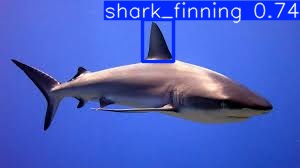
-Uses YOLOv8 to spot finning or fins in video or satellite images -Cross references AIS vessel patterns (loitering, drops) -Tags suspicious vessels and alerts nearby authorities when our model has high enough confidence
How we built it
-Annotated 1800+ finning frames in Roboflow
-Trained YOLOv8 CV model in Colab
-Pulled AIS data via Global Fishing Watch API
-Integrating the model and API in the backend of our react app
Challenges we ran into
-Few clear finning images -Waves and boat shadows -high false positives, so more training -Deploying website on github -Debugging code
Accomplishments that we're proud of
-Creating open-source software on GitHub -Over 80% detection rate on some videos -Integrating API's and CV models on the backend that work accurately -Building a quality product in our first hackathon
What we learned
-AIS context cuts false alarms
-How to tweak parameters when training, and reinforcing the model for better accuracy
-Real world edge cases need ongoing retraining
-How to deploy apps
-Using git commands for version control
What's next for Finshield
-Apply to ocean-tech accelerators
-Partner with NGOs and enforcement teams
-Train model for accuracy even with obscurity
-Adding features like user reporting to the dashboard
-Scale operations to worldwide ocean monitoring

Log in or sign up for Devpost to join the conversation.